Artwork
Untitled
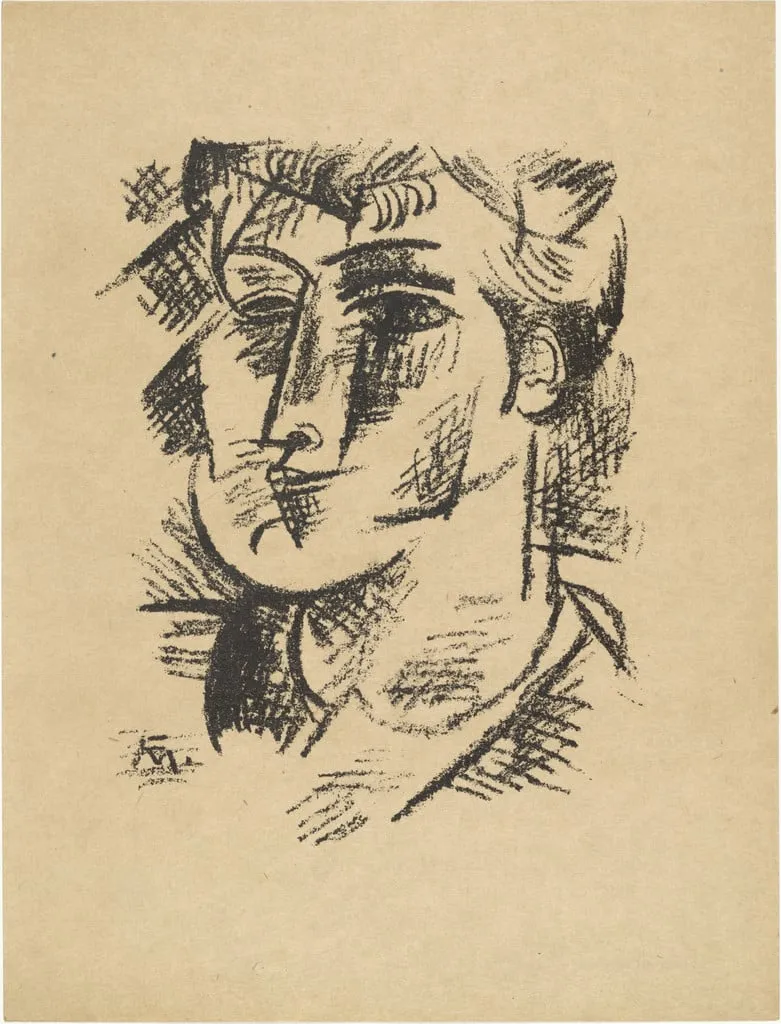
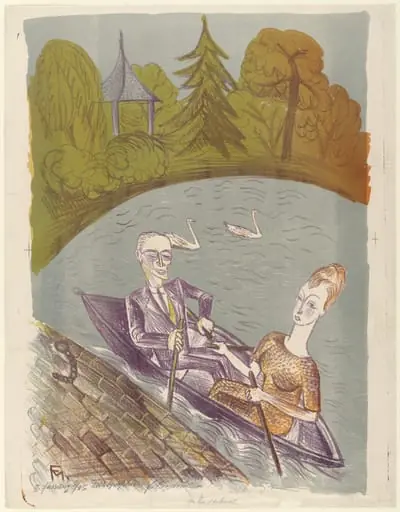
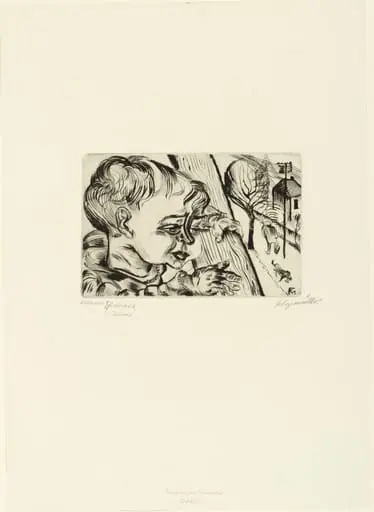
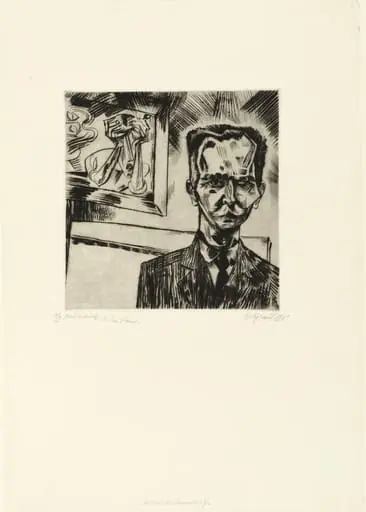
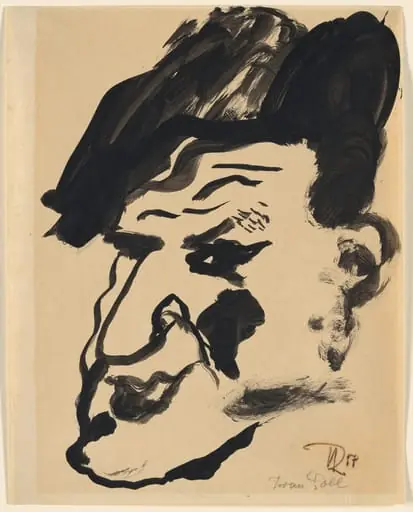
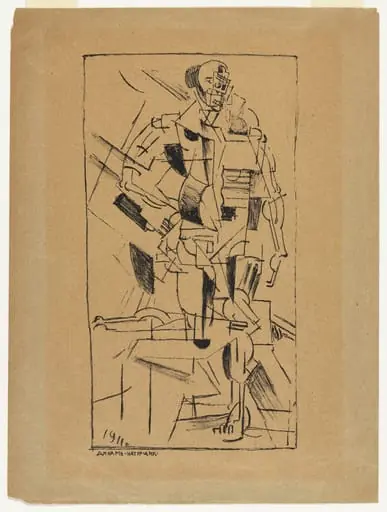
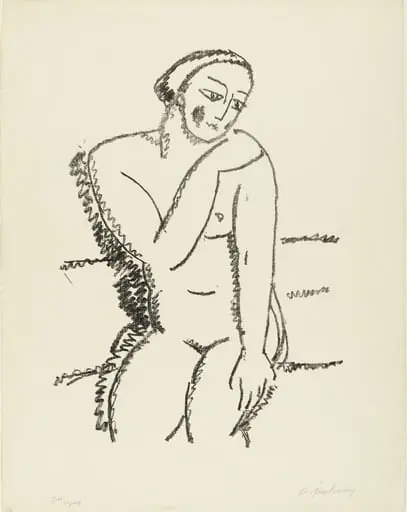
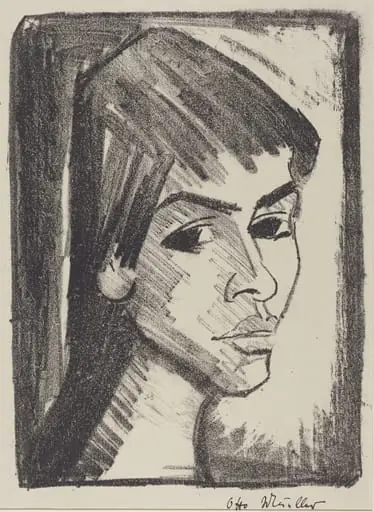
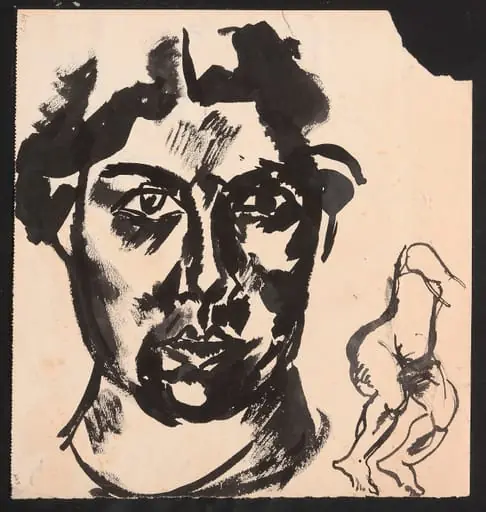
Untitled is an ink print by Conrad Felixmüller. It dates from 1918 and is held in the collection of the Museum of Modern Art.
About this work
Overview
The medium—lithography—allowed the artist to translate direct hand movements onto stone and then to paper with minimal intermediaries.
Created in 1918, this lithograph by Conrad Felixmüller is part of The Museum of Modern Art’s collection. Executed on soft-toned paper, the work presents a portrait in a state of deliberate incompleteness. Its raw, unrefined appearance suggests a spontaneous study rather than a finished composition, emphasizing immediacy over polish. The medium—lithography—allowed the artist to translate direct hand movements onto stone and then to paper with minimal intermediaries.
Subject & Meaning
The figure is rendered in profile, its gaze averted, evoking introspection or withdrawal. The absence of clear identity or context invites interpretation as a psychological portrait rather than a literal depiction. The chaotic background of angular, brush-like strokes may suggest internal turmoil or the fragmented emotional landscape of post-war Germany, reflecting the artist’s engagement with the psychological aftermath of conflict.
Technique & Style
Felixmüller employed lithography to capture the urgency of his mark-making. The ink was drawn directly onto a limestone surface, preserving the energy of his hand. Jagged lines define the hair and contours, while uneven shading creates texture without refinement. The technique’s inherent spontaneity aligns with Expressionist ideals, valuing emotional truth over formal precision, and the paper’s muted tone enhances the work’s intimate, tactile presence.
History & Provenance
The work entered The Museum of Modern Art’s collection as part of its early commitment to German Expressionist prints. Its provenance traces back to the artist’s personal archive, likely acquired during or shortly after the war years. Unlike many of Felixmüller’s more public works, this piece remained private, possibly serving as a personal exercise, which contributes to its unguarded, candid quality.
Context
Produced in the immediate aftermath of World War I, the piece reflects the broader cultural mood of disillusionment and psychological reckoning in Weimar Germany. Artists like Felixmüller turned to intimate, unpolished formats to convey inner states disrupted by war. Lithography, accessible and immediate, became a favored medium for such personal expression, bridging the gap between drawing and print.
Legacy
This lithograph exemplifies how Expressionist artists used printmaking to prioritize emotional resonance over technical perfection. Its preservation in a major institution underscores its significance as a document of individual response to collective trauma. While not widely exhibited, it remains a quiet but potent example of how lithography could serve as a direct conduit for psychological expression in early 20th-century German art.
Artist & collection

Artist
Conrad Felixmüller was a German expressionist painter and printmaker. Born in Dresden as Conrad Felix Müller, he chose Felixmüller as his nom d'artiste.