Artwork
Beweinung Christi
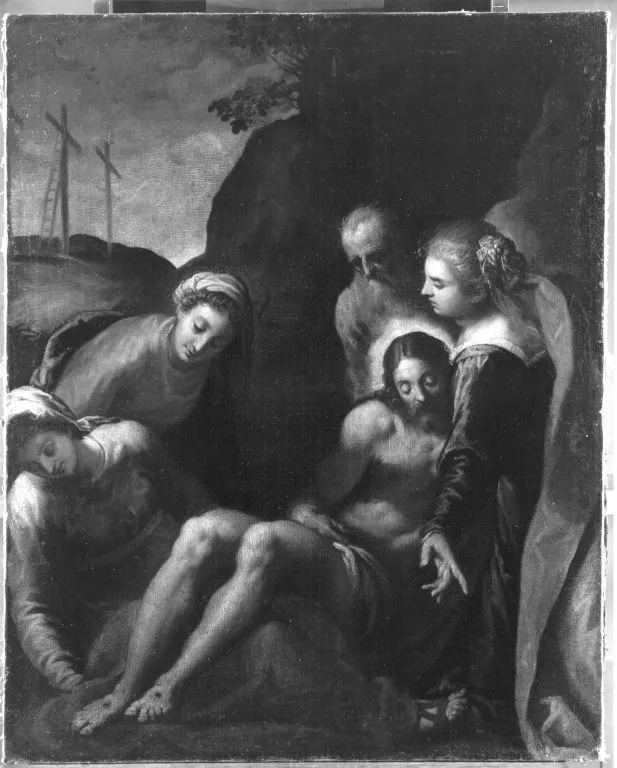
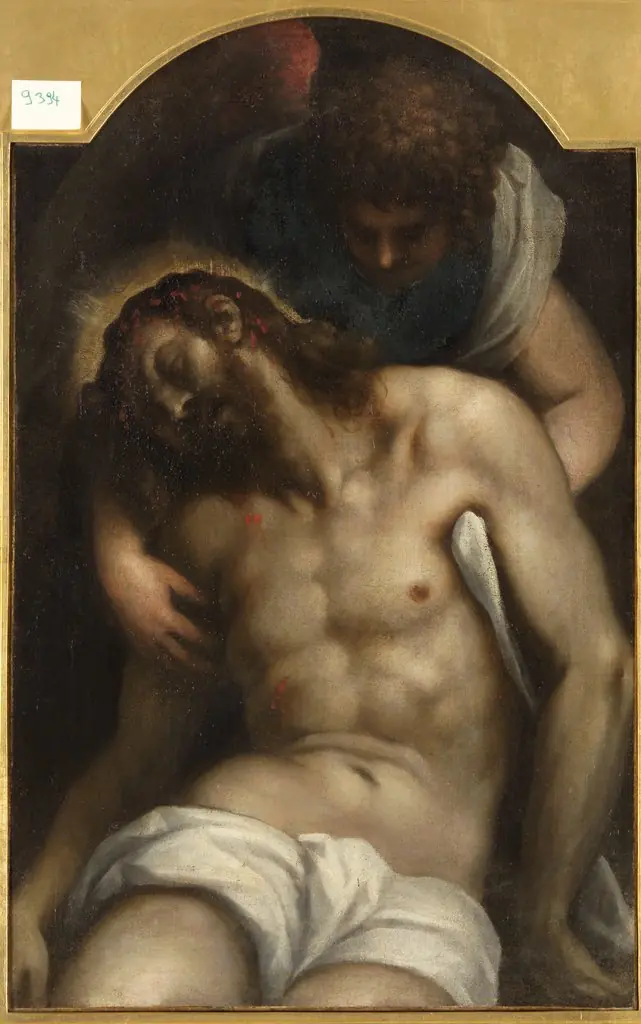
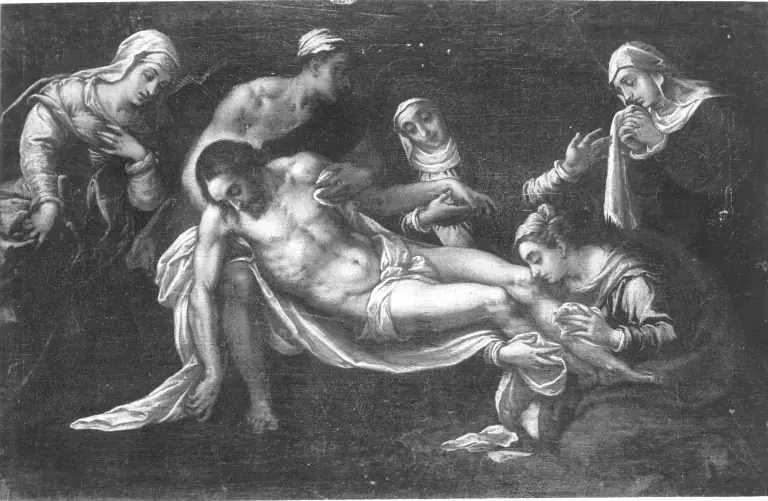
Beweinung Christi is an unspecified painting by the Mannerist artist Palma il Giovane. It dates from 1594 and is held in the collection of the Bavarian State Painting Collections.
About this work
Overview
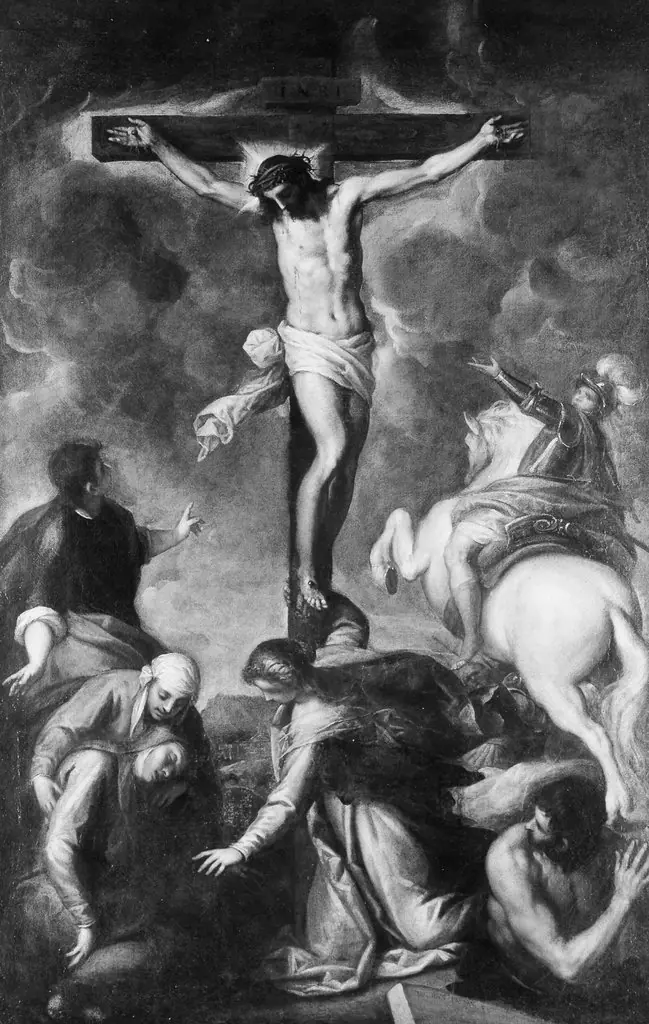
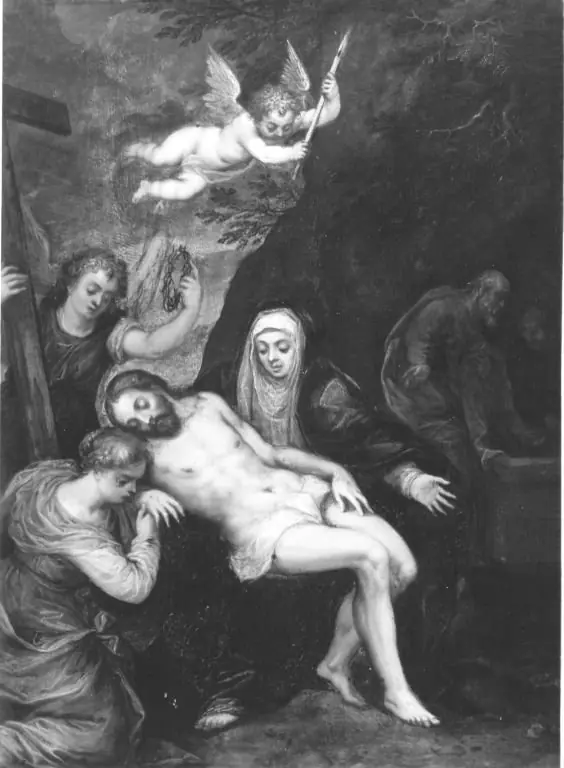
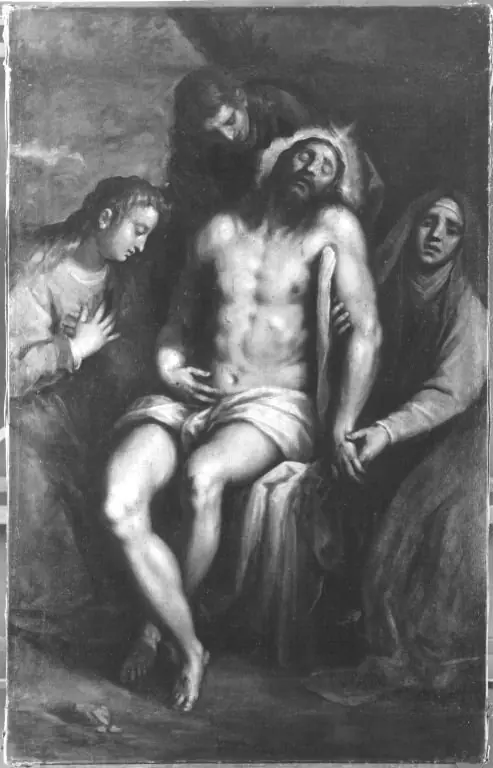
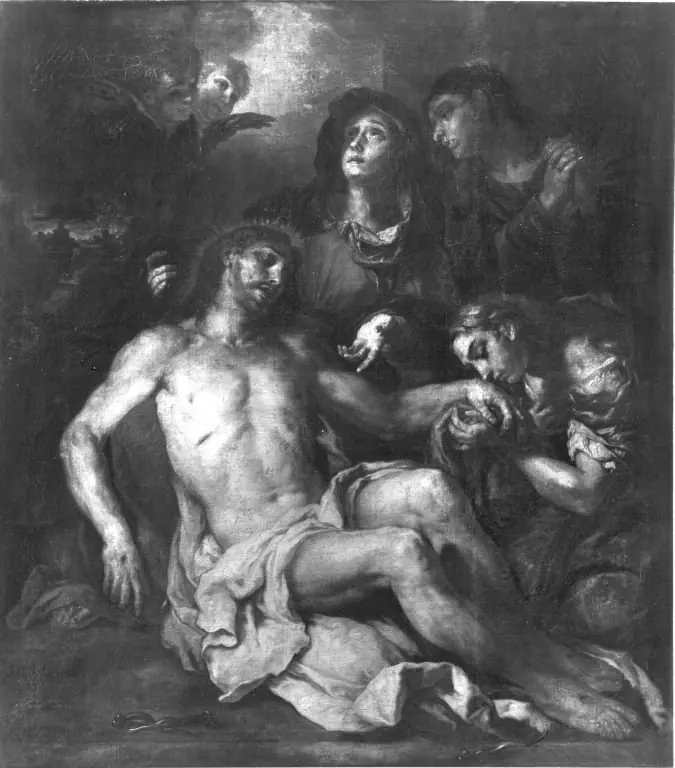
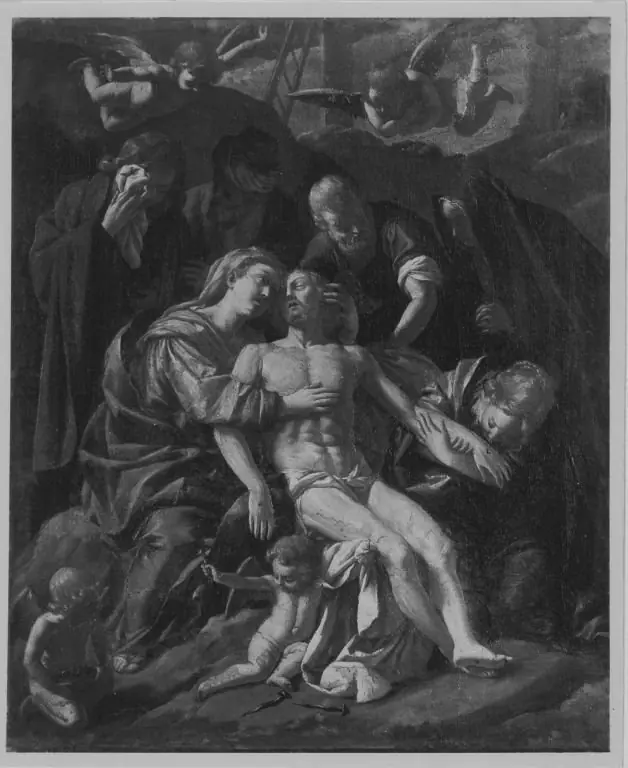
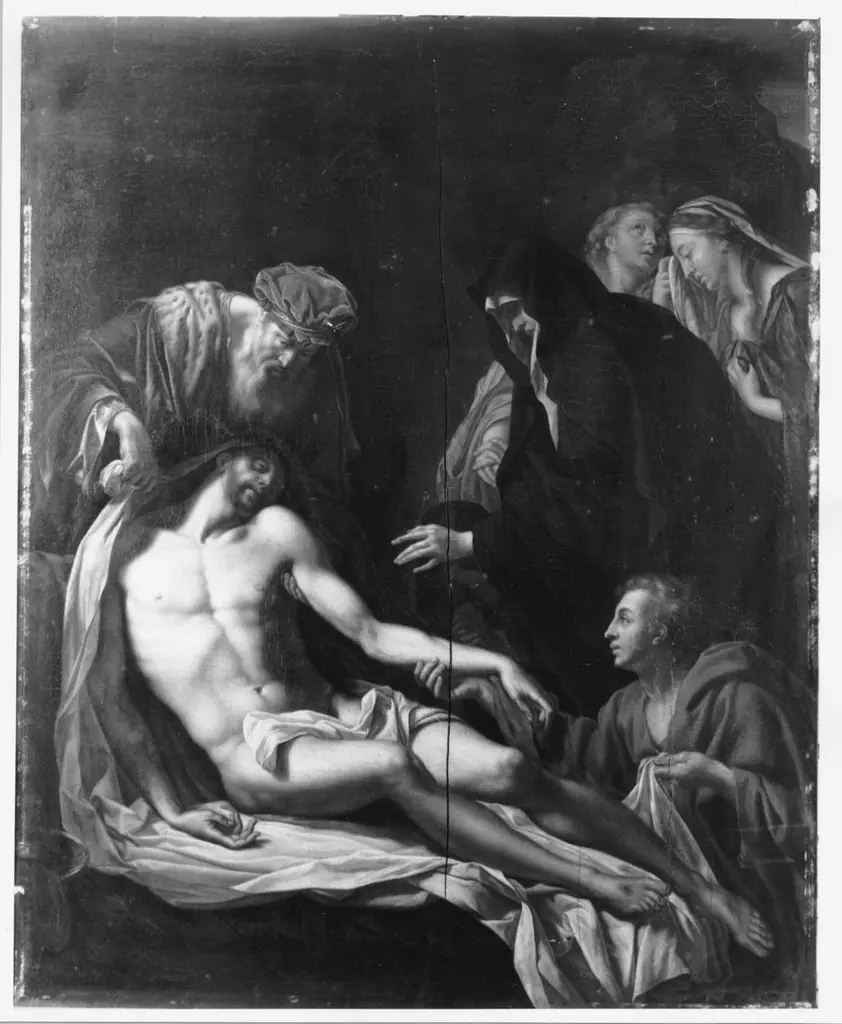
Created in 1594 by Palma il Giovane, a prominent Venetian painter of the late Renaissance, this work portrays the lamentation over the dead Christ. Executed in the Mannerist idiom, the composition gathers mourners around the lifeless figure, set against a distant hill marked by three crosses.
Subject & Meaning
The scene captures the moment of Christ’s burial, emphasizing human sorrow. Four figures—two women and two men—lean over the unclothed body, their expressions conveying grief and devotion, while the background crosses allude to the crucifixion, linking death to redemption.
Technique & Style
Palma employs a muted palette of dark tones to heighten the somber atmosphere. Subtle gradations of color create spatial depth, and the elongated forms and dramatic gestures reflect the Mannerist preference for expressive, stylized anatomy over strict naturalism.
History & Provenance
The painting entered the collection of the Alte Pinakothek in Munich, where it remains on display. Its creation coincided with the death of Tintoretto, after which Palma il Giovane assumed a leading role in Venice’s artistic circles, continuing many of Tintoretto’s compositional approaches.
Context
Produced during the late sixteenth century, the work reflects the Counter‑Reformation’s emphasis on emotionally charged religious imagery. Venetian artists of the period often combined rich coloristic effects with narrative intensity, a practice evident in Palma’s handling of the lamentation scene.
Artist & collection
Artist
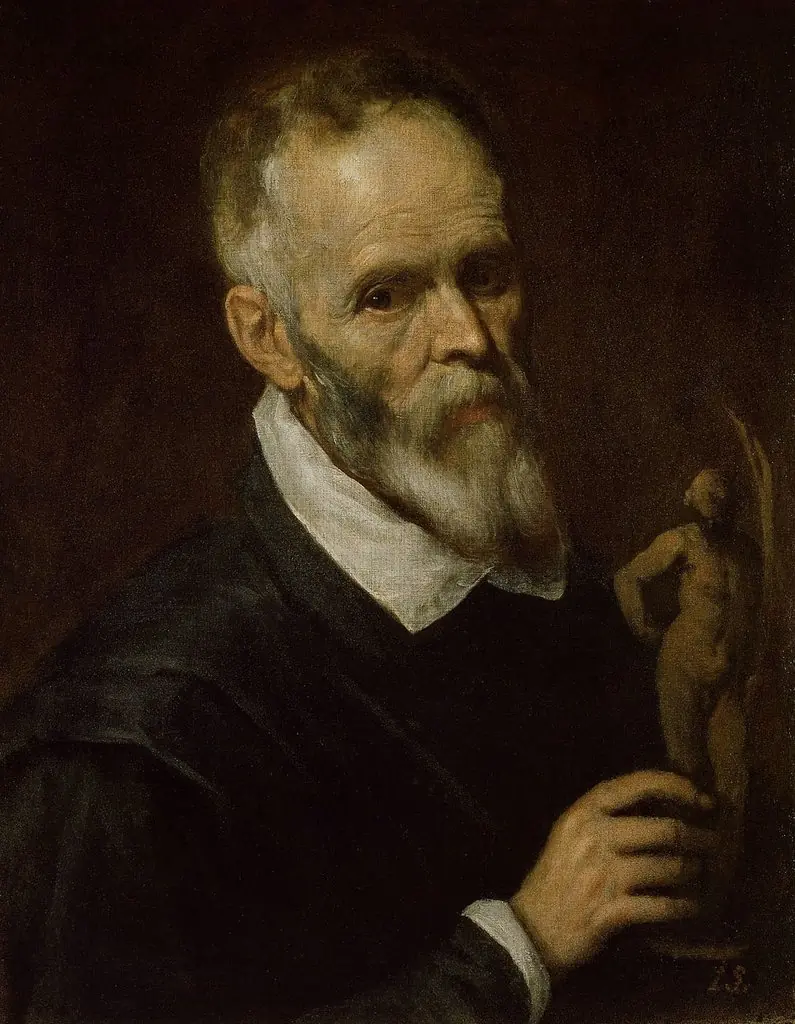
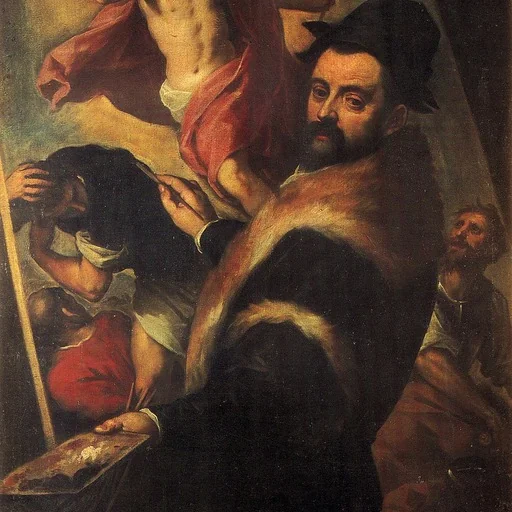
Iacopo Negretti (1548/50 – 14 October 1628), best known as Jacopo or Giacomo Palma il Giovane or simply Palma Giovane ('Young Palma'), was an Italian painter from Venice and a notable exponent of the Venetian school.