Artwork
The Holy Family with a Female Saint and Saint Francis of Assisi
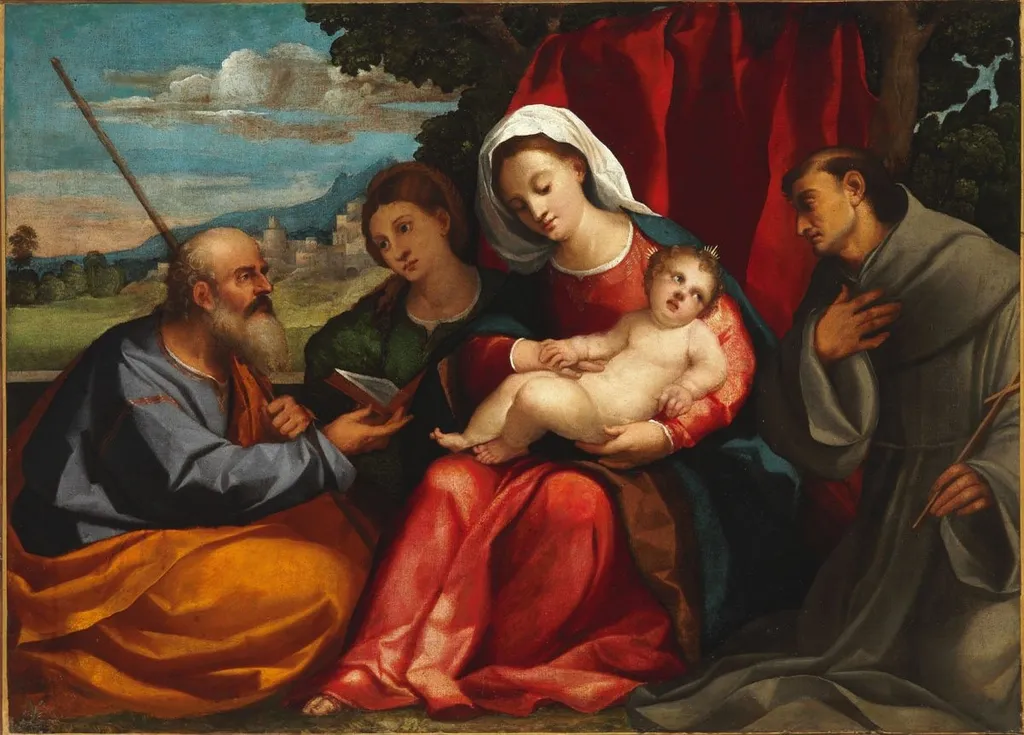
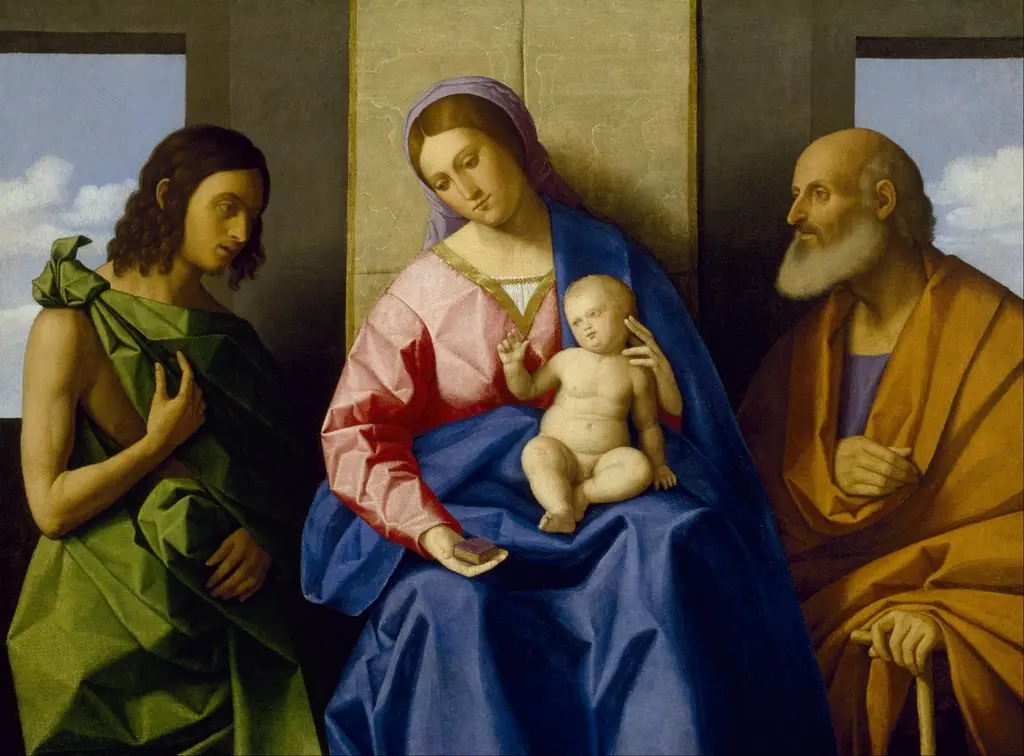
The Holy Family with a Female Saint and Saint Francis of Assisi is an oil painting by the High Renaissance artist Palma Vecchio. It dates from 1520 and is held in the collection of the Museum of Fine Arts, Budapest.
About this work
Overview
Painted in 1520 by the Venetian artist Jacopo Palma, known as Palma Vecchio, this oil-on-canvas work depicts a sacred gathering centered on the Holy Family.
Painted in 1520 by the Venetian artist Jacopo Palma, known as Palma Vecchio, this oil-on-canvas work depicts a sacred gathering centered on the Holy Family. It reflects the devotional priorities of early 16th-century Venice, blending intimate human presence with naturalistic landscape. The painting is part of the collection at the Museum of Fine Arts in Budapest, where it has remained since the 19th century.
Subject & Meaning
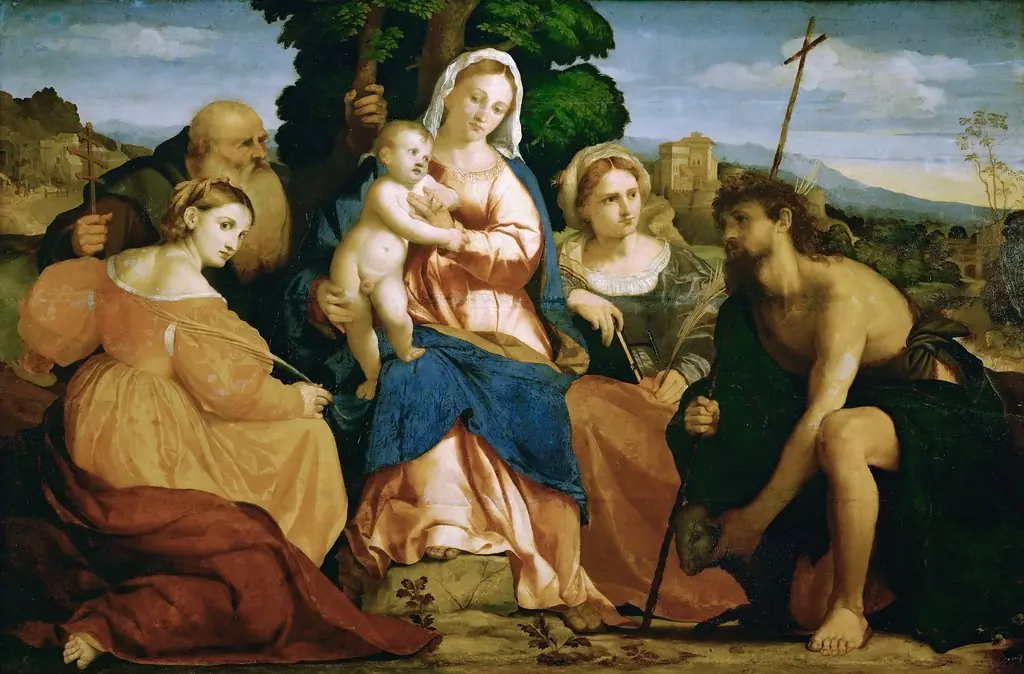
The composition centers on the Virgin Mary holding the Christ Child, flanked by Saint Francis of Assisi and an unidentified female saint, likely Mary Magdalene or Saint Catherine. A bearded man on the left, possibly Joseph, holds a book and leans on a staff. The figures are arranged to convey reverence and quiet contemplation, emphasizing spiritual connection over dramatic action, typical of Venetian religious painting of the period.
Technique & Style
Palma Vecchio employed rich, saturated hues—crimson, ultramarine, and verdant greens—to define forms and create atmospheric depth. His brushwork is soft and fluid, particularly in the rendering of fabrics and skin tones. The landscape background, with distant hills, water, and architecture, is rendered with subtle perspective, grounding the sacred figures in a believable world while maintaining a serene, contemplative mood.
History & Provenance
Created near the end of Palma Vecchio’s career, the painting was likely commissioned for private devotion. It entered the Hungarian national collection in the 1800s, possibly through the acquisition of works from Italian collections dispersed after Napoleonic upheavals. Its presence in Budapest reflects broader 19th-century European efforts to assemble comprehensive Renaissance holdings outside Italy.
Context
In early 16th-century Venice, religious imagery often merged sacred narrative with naturalistic settings, responding to humanist ideals and the influence of Titian and Giorgione. Palma Vecchio, though less celebrated than his contemporaries, contributed to this trend by emphasizing emotional restraint and harmonious color. This work aligns with devotional panels produced for domestic chapels and small churches in the Veneto region.
Legacy
Though not widely exhibited internationally, the painting remains a representative example of Venetian High Renaissance devotional art. It illustrates Palma Vecchio’s skill in balancing figure composition with landscape, and his role in sustaining religious painting traditions amid evolving artistic currents. Its preservation in Budapest underscores its value as a regional artifact of broader Italian artistic practice.
Artist & collection
Artist
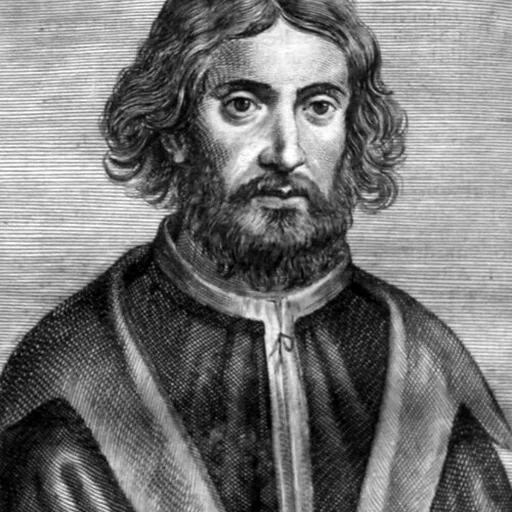
Palma Vecchio (c. 1480 – 30 July 1528), born Jacopo Palma, also known as Jacopo Negretti, was a Venetian painter of the Italian High Renaissance. He is called Palma Vecchio in English and Palma il Vecchio in Italian…

 Madonna and Child with Saints
 The Adoration of the Shepherds
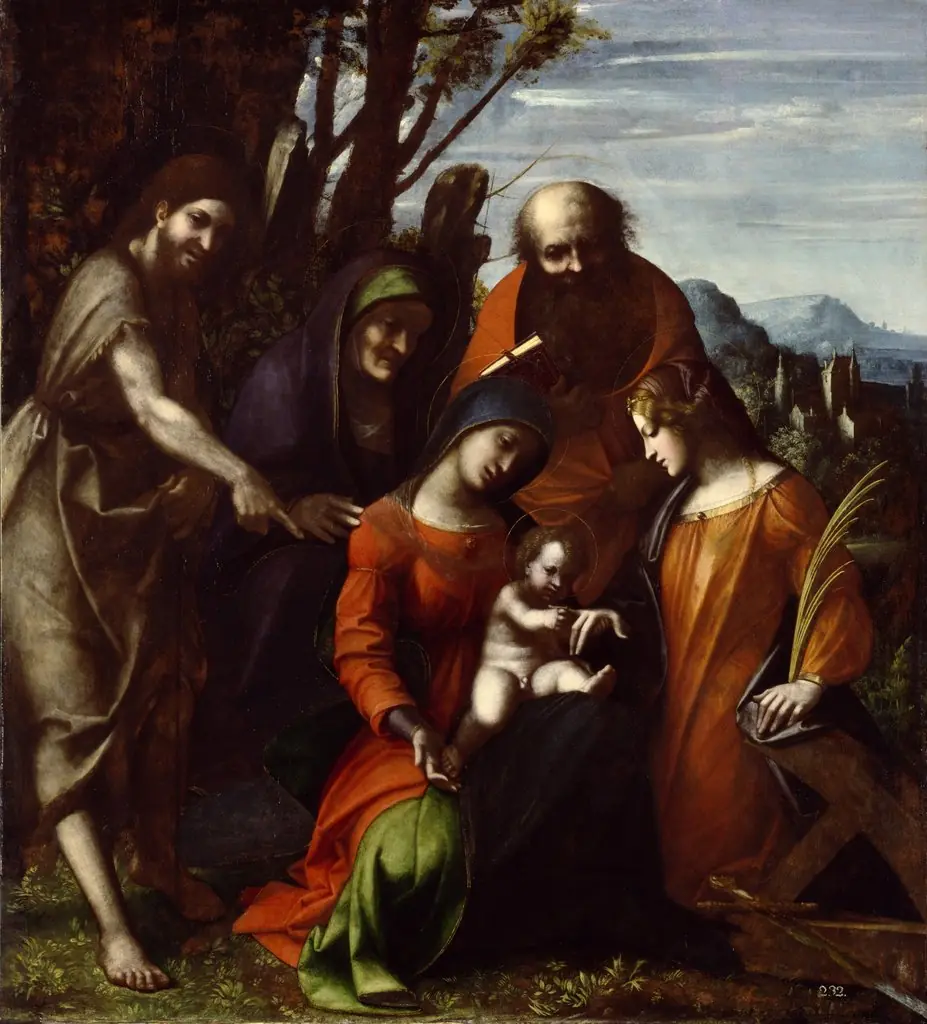 The Mystic Marriage of Saint Catherine
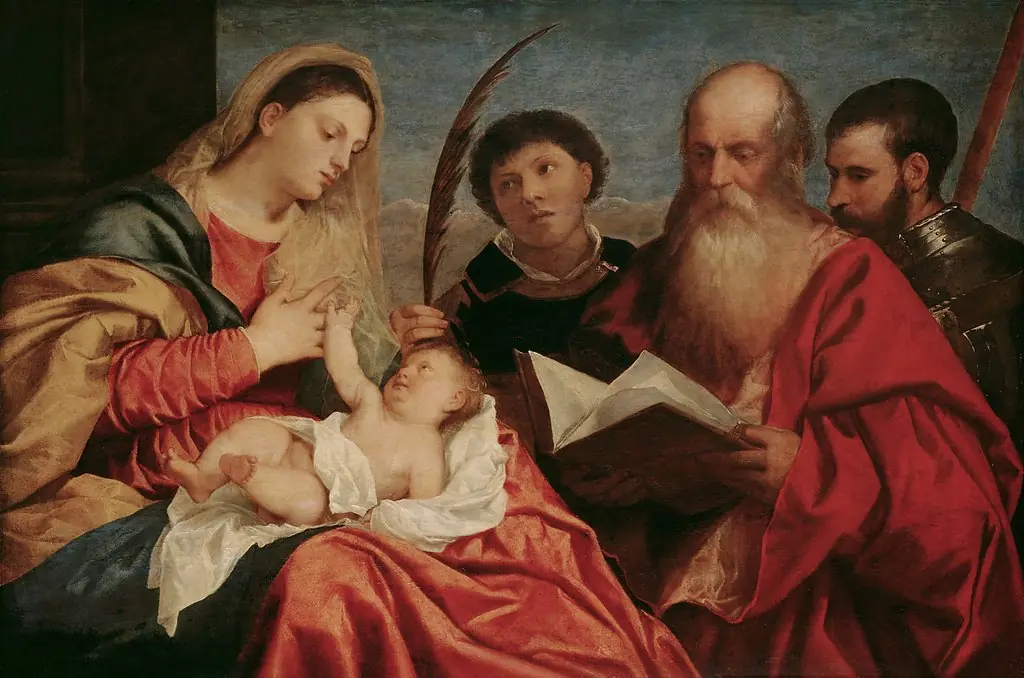 Virgin and Child with Saints Stephen, Jerome and Maurice
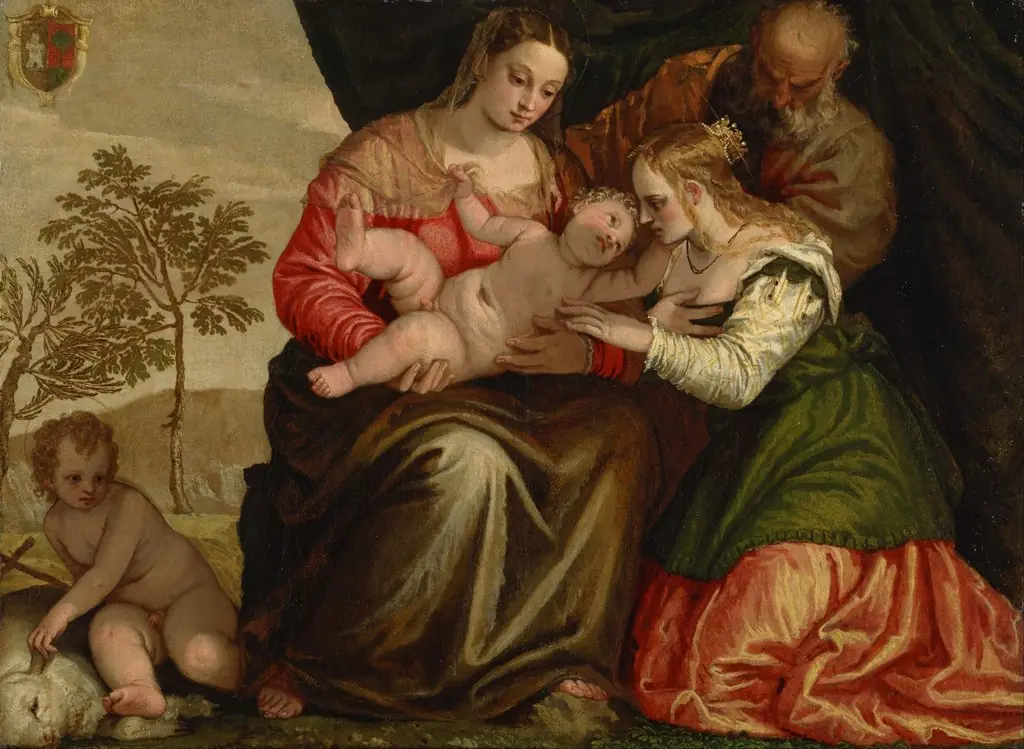 The Mystic Marriage of St. Catherine
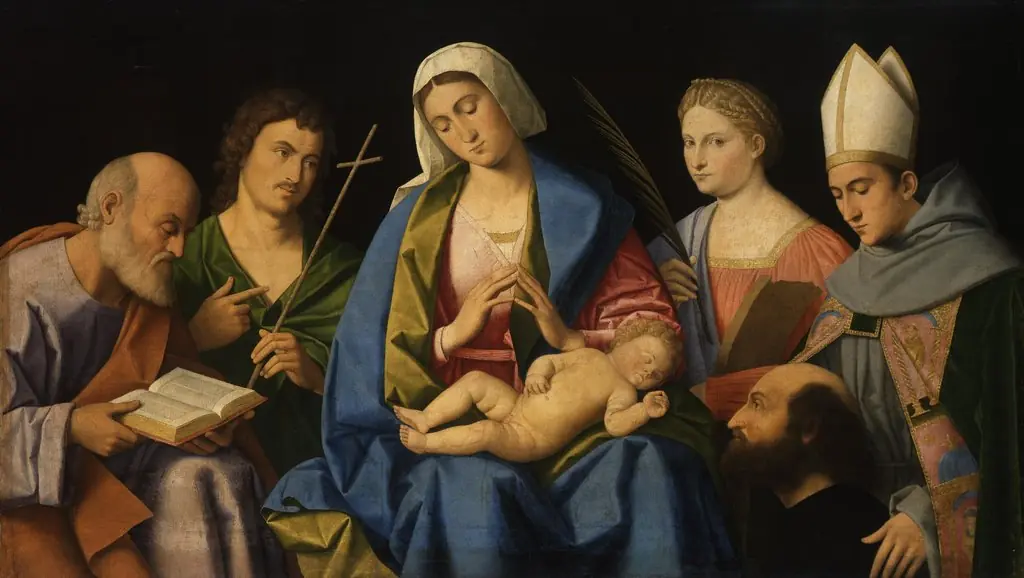 Madonna and Child with Saints and Donor
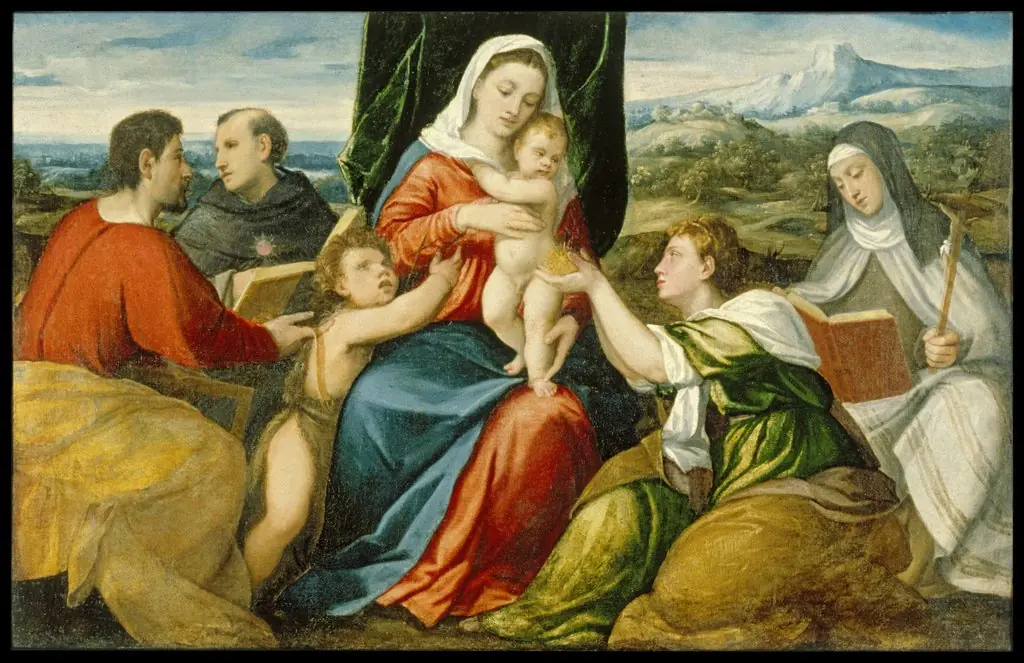 Madonna and Child with Saints
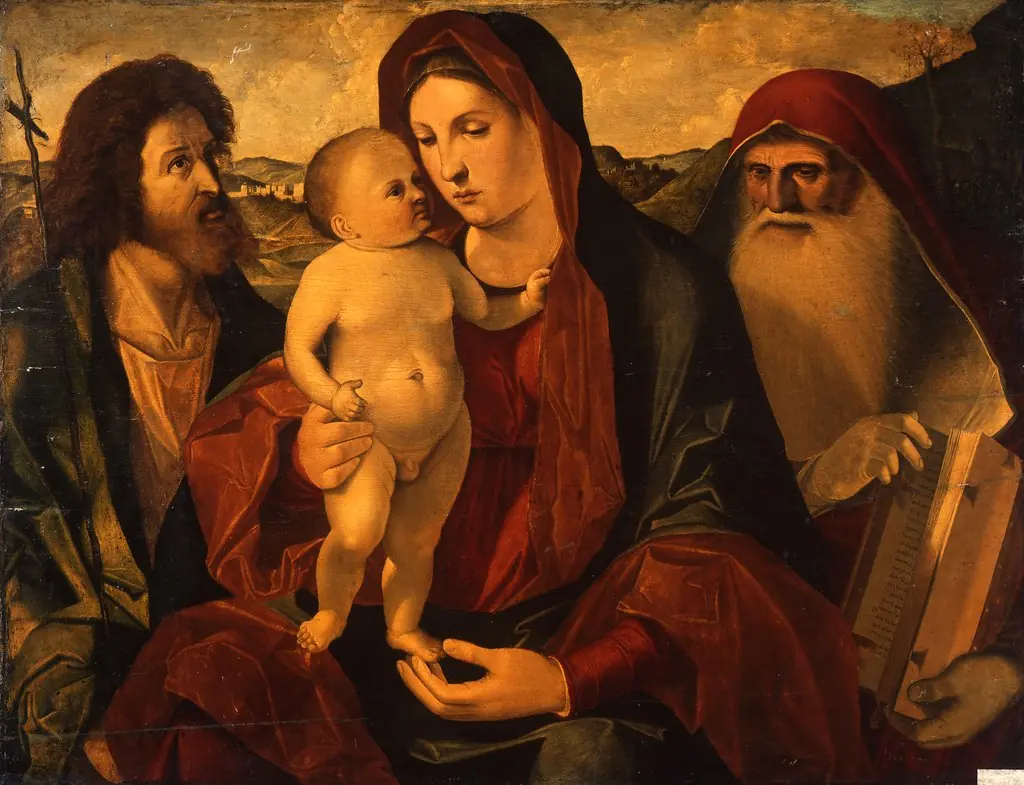 The Virgin and the Child with St. John the Baptist and St. Jerome
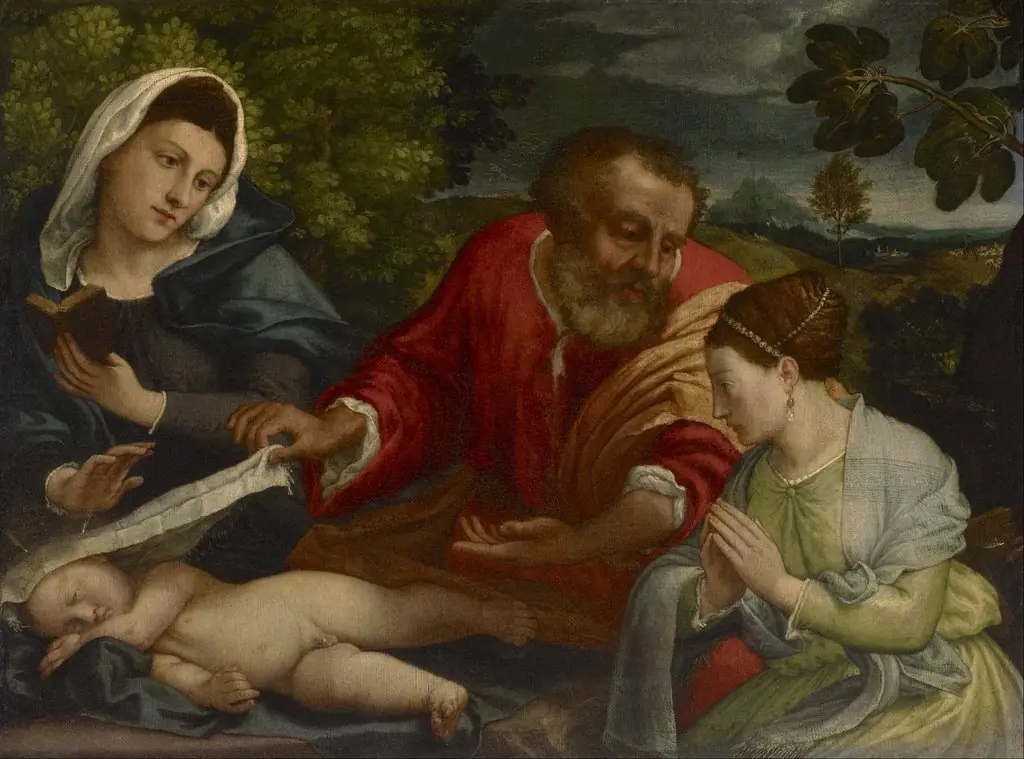 The Holy Family with a Donatrix as Saint Catherine of Alexandria
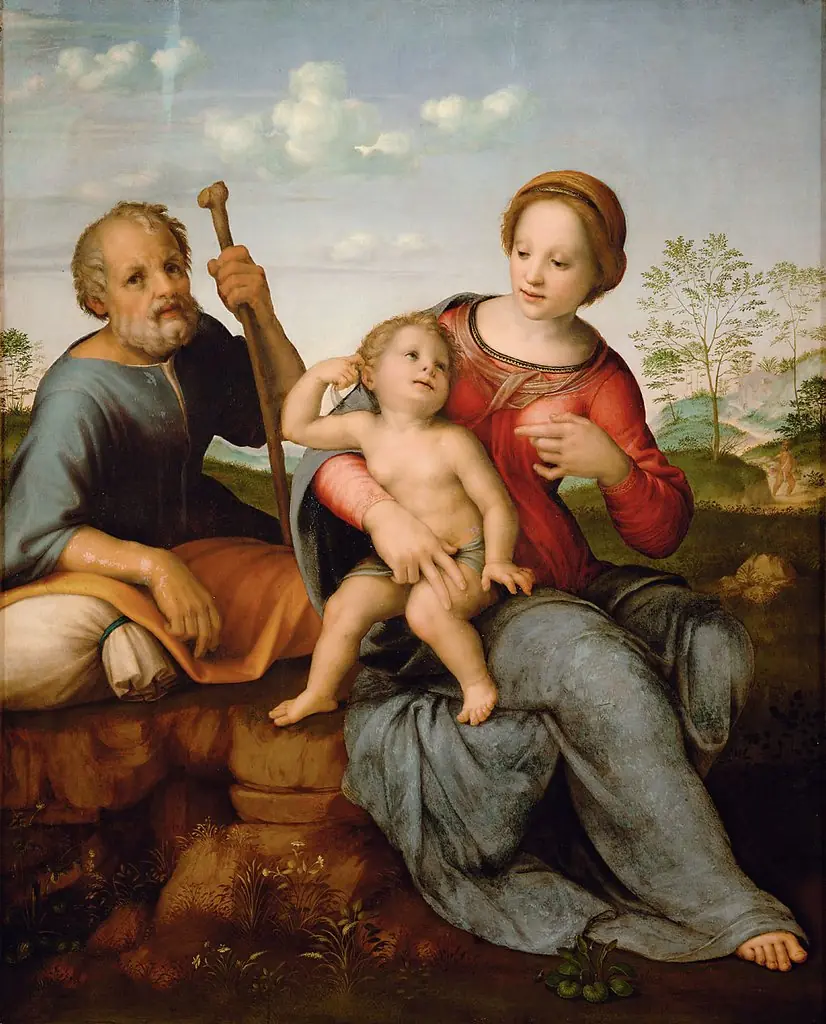 Holy Family in a Landscape
 Virgin and Child with Saints John the Baptist and Joseph