Artwork
"Wooding Up" on the Mississippi
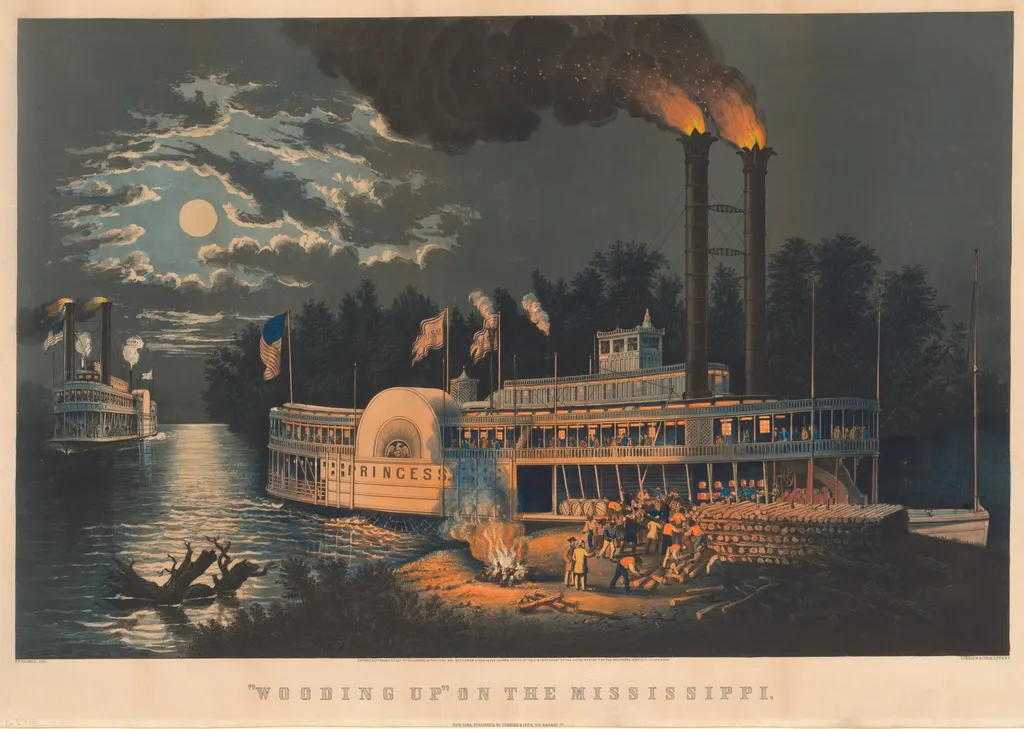
"Wooding Up" on the Mississippi is an ink print by the Impressionist artist Frances Flora Bond Palmer. It dates from 1863 and is held in the collection of the National Gallery of Art.
About this work
Overview
Created in 1863, this color lithograph by Frances Flora Bond Palmer depicts a nocturnal scene on the Mississippi River. Two steamboats dominate the composition: the larger vessel, identified as the Princess, is illuminated by moonlight and a nearby fire, while a smaller craft lags behind, its flags and lanterns adding points of light to the dark water.
Subject & Meaning
The print captures a moment of riverine labor, emphasizing the arduous task of supplying fuel to steam-powered boats. Figures on the shore are shown chopping wood and loading it onto the Princess, underscoring the dependence of steamboat travel on manual labor and the constant need to “wood up” the engine for continued navigation.
Technique & Style
Executed as a lithograph on wove paper, the image combines printed outlines with hand‑applied color, a common practice for achieving richer tones in the mid‑nineteenth century. The artist employs strong contrasts between the bright moonlit reflections, the orange glow of the fire, and the deep shadows of night, creating a dynamic, almost theatrical atmosphere.
History & Provenance
Frances Flora Bond Palmer, a prolific American printmaker, produced this work during the Civil War era, a period when steamboat commerce on the Mississippi remained vital. The lithograph has been held in several regional collections, reflecting its relevance to both the history of river transport and the development of American print media.
Context
In the 1860s, the Mississippi River served as a major commercial artery, and steamboats were the primary means of moving goods and passengers. The depiction of wood‑fueling operations illustrates a routine yet essential aspect of river life, offering insight into the labor conditions and technological reliance of the time.
Legacy
Palmer’s river scenes contribute to a visual record of 19th‑century American industry and transportation. By portraying the interplay of natural light, industrial activity, and human effort, the lithograph informs contemporary understandings of how the Mississippi’s steamboat era shaped regional economies and cultural narratives.
Artist & collection


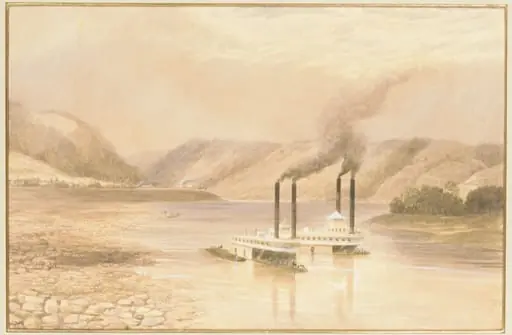 The Ohio River near Wheeling, West Virginia
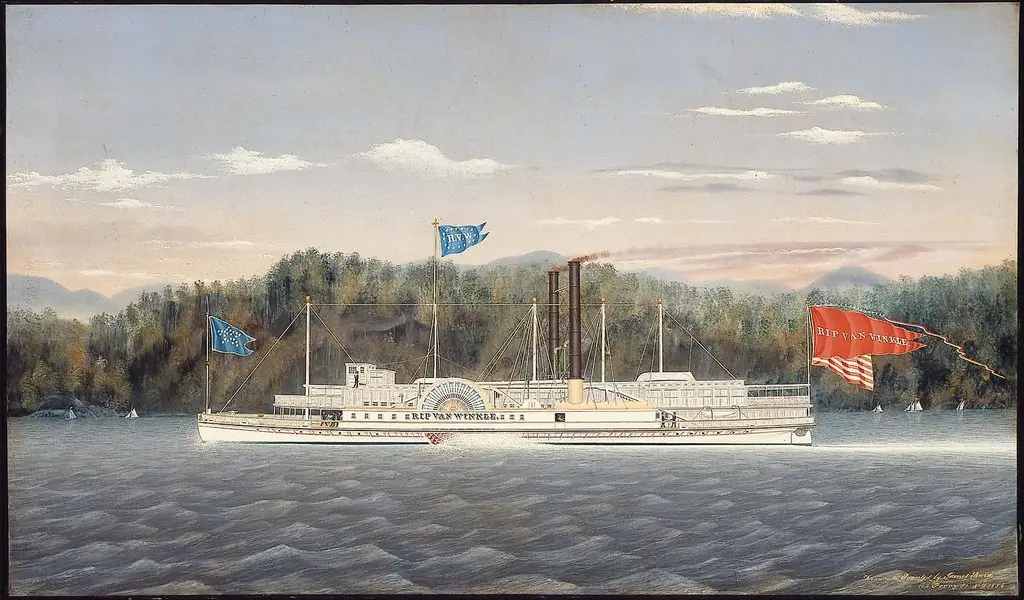 The Hudson River Steamboat "Rip van Winkle"
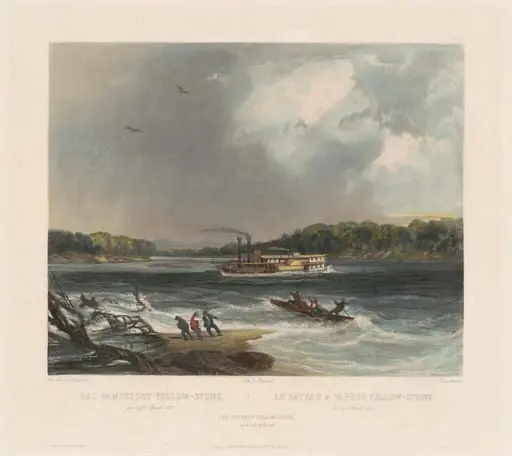 The Steamer Yellow-stone
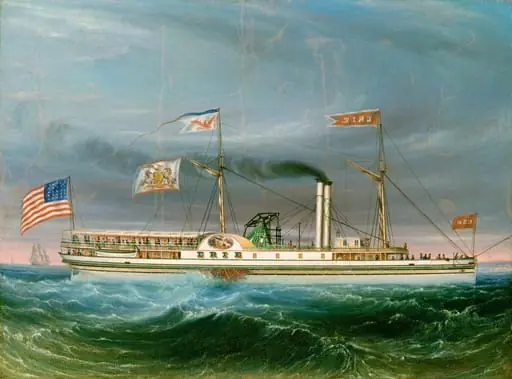 Steamship "Erie"
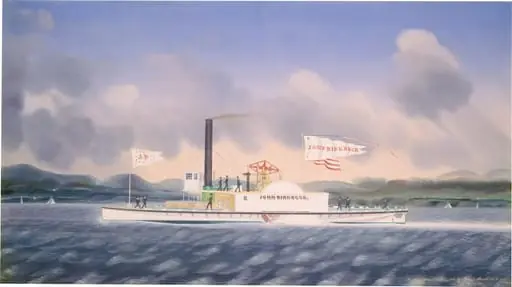 Towboat "John Birkbeck"
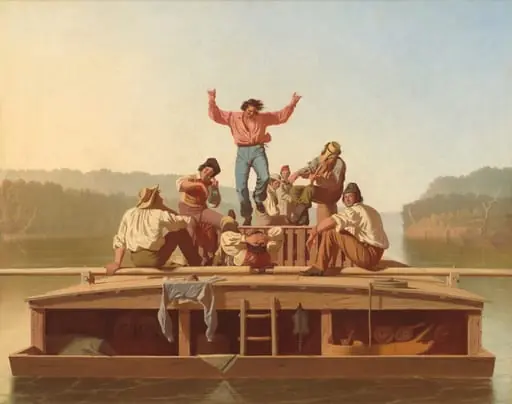 The Jolly Flatboatmen
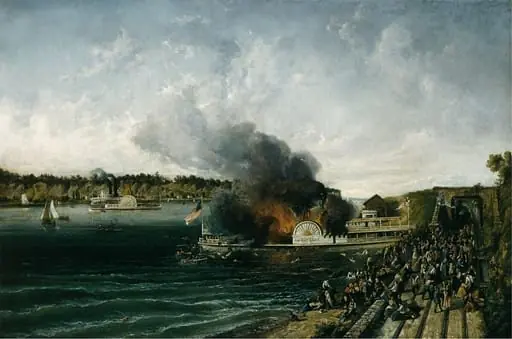 Burning of the Sidewheeler Henry Clay
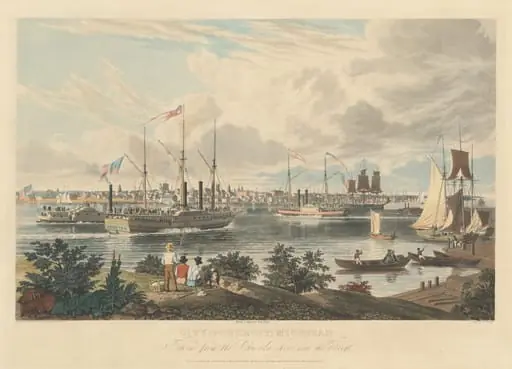 City of Detroit, Michigan: Taken from the Canada Shore near the Ferry
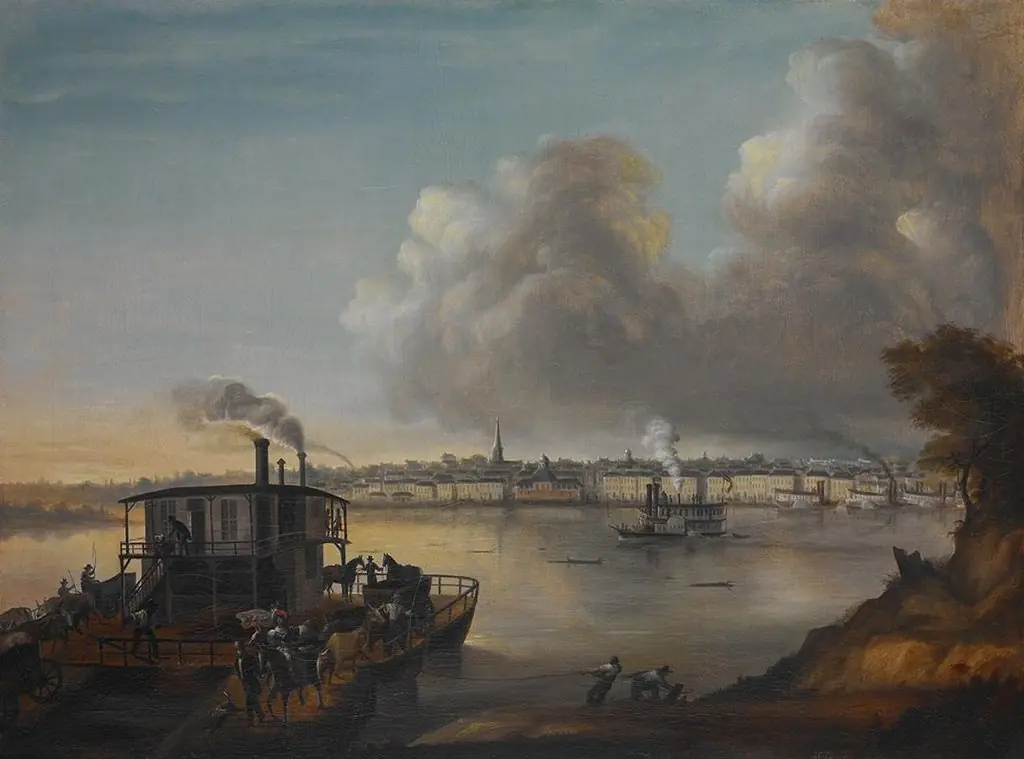 View of St. Louis
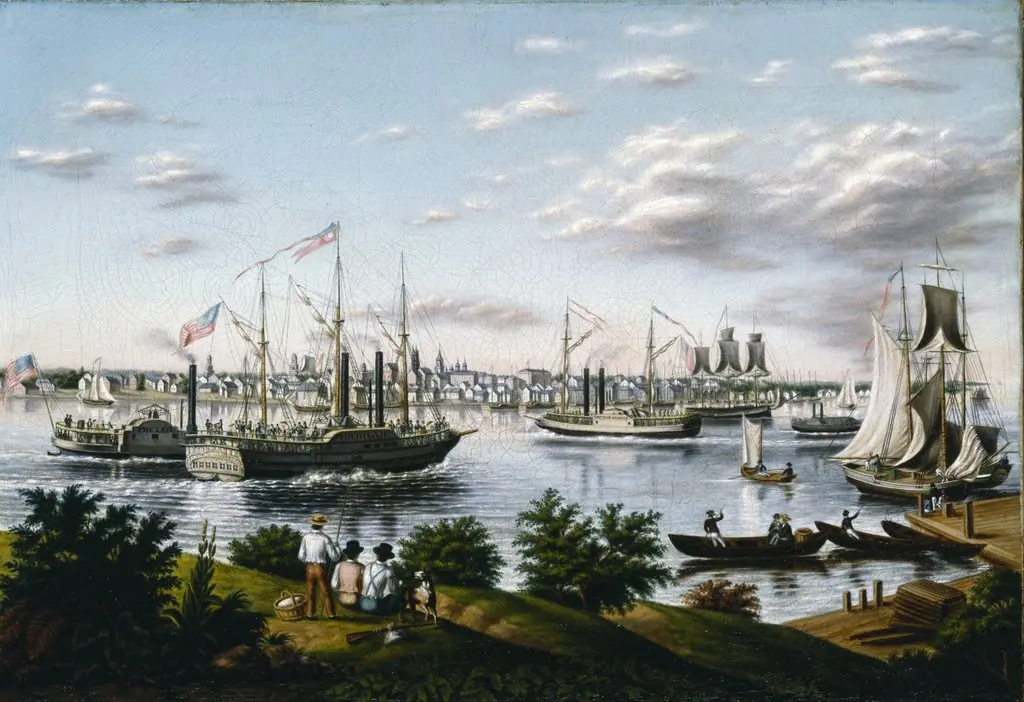 View of Detroit in 1836
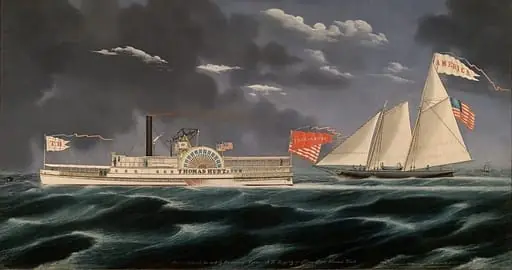 The Thomas Hunt and the America