Artwork
Landscape near Rome
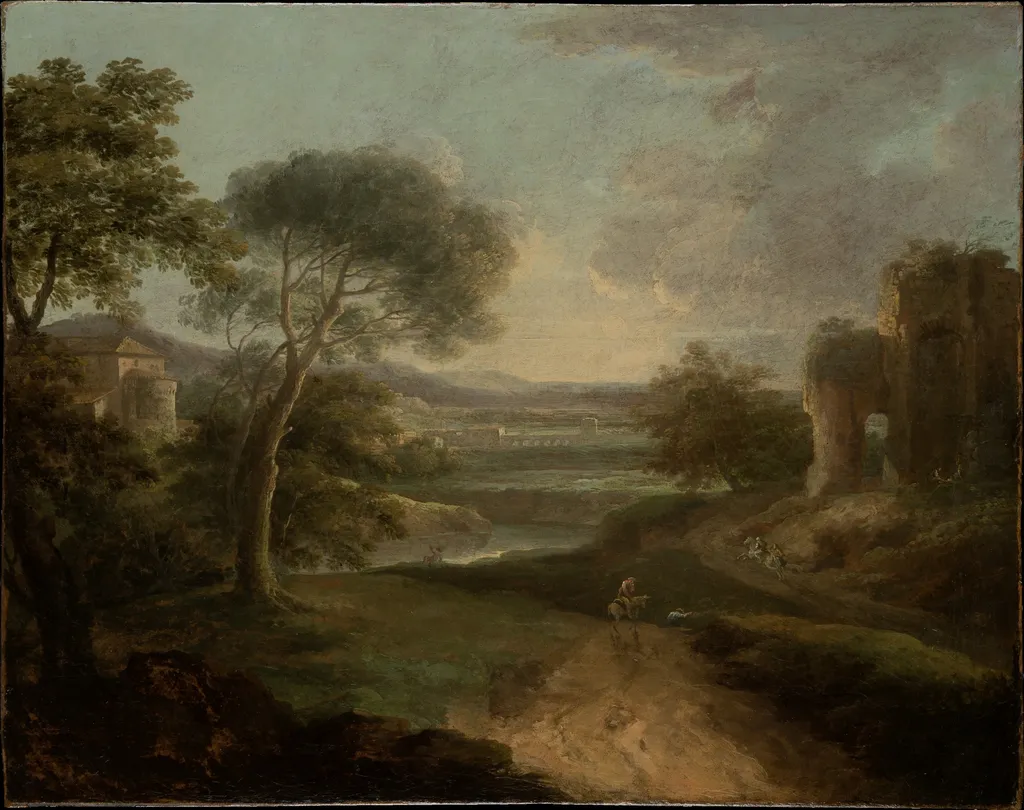
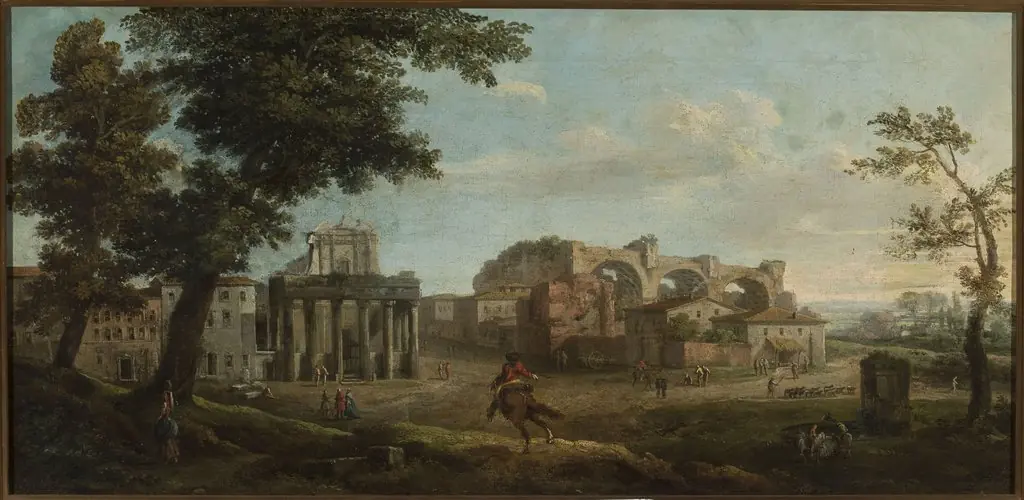
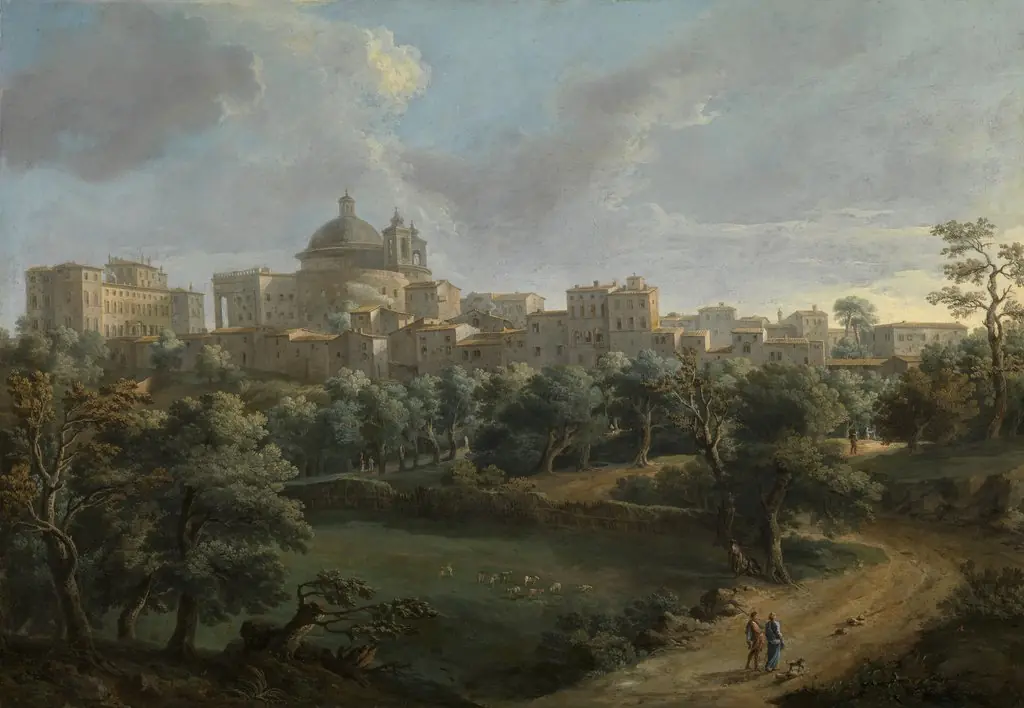
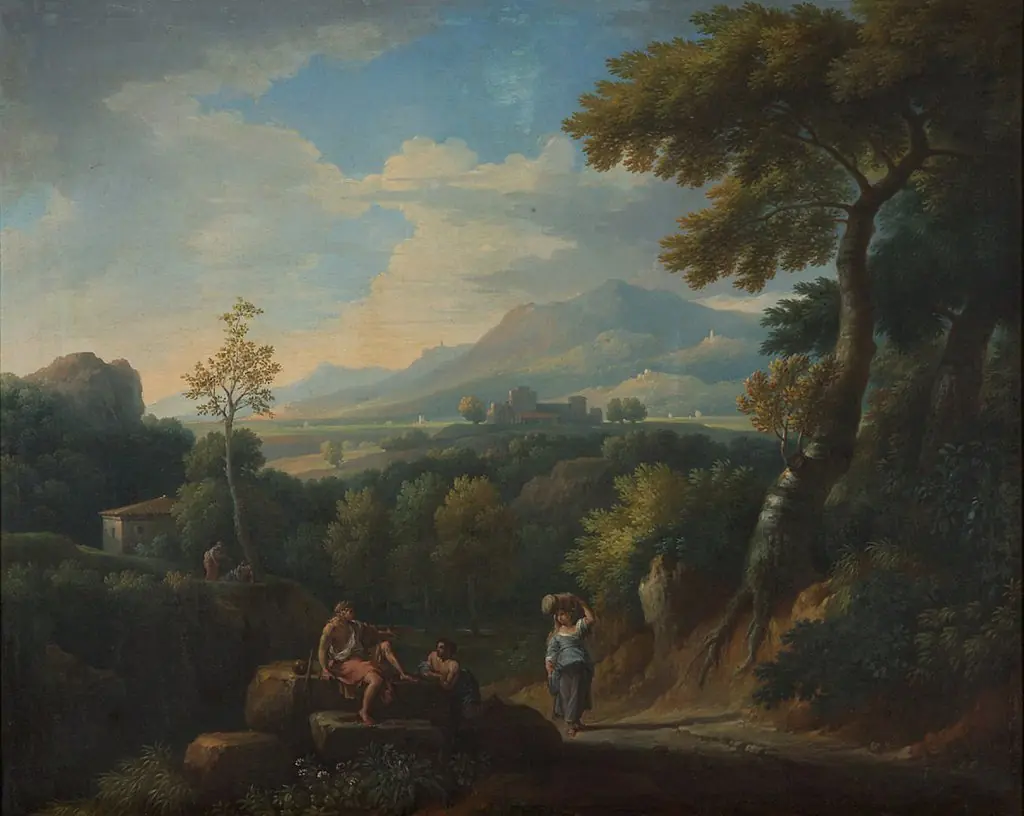
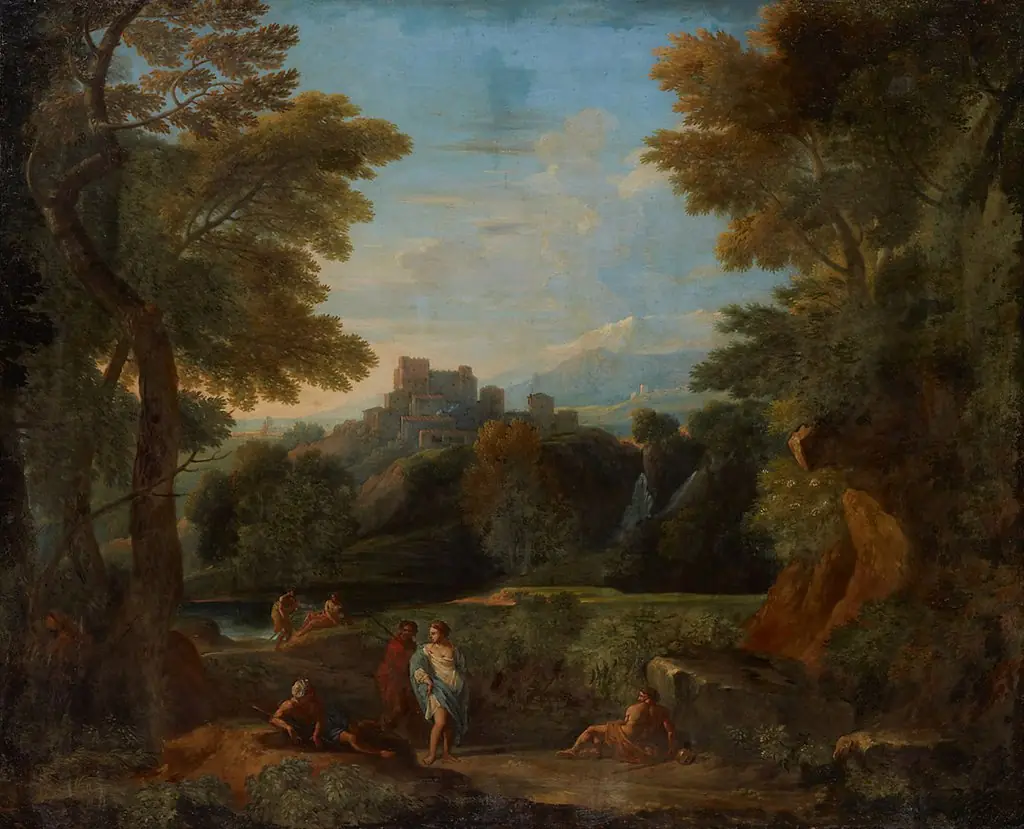
Landscape near Rome is an unspecified painting by the Rococo painting artist Paolo Anesi. It dates from 1741 and is held in the collection of the Städel Museum.
About this work
Overview
Anesi, influenced by the architectural fantasies of Giovanni Paolo Pannini, favored tranquil, atmospheric scenes over dramatic narratives.
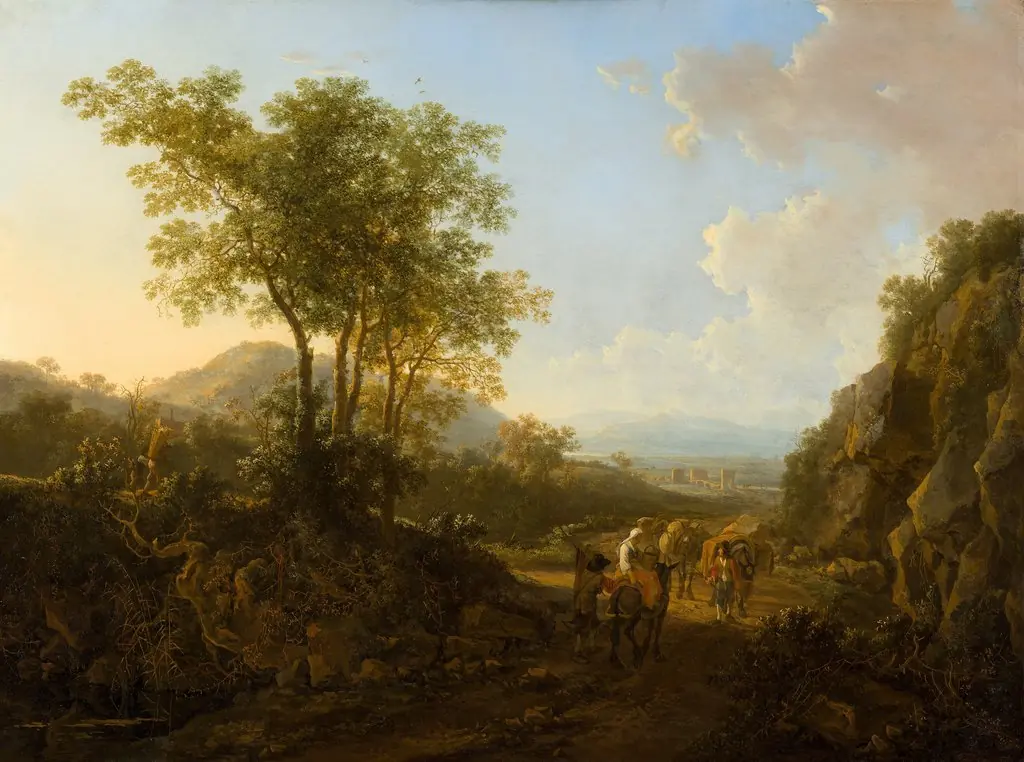
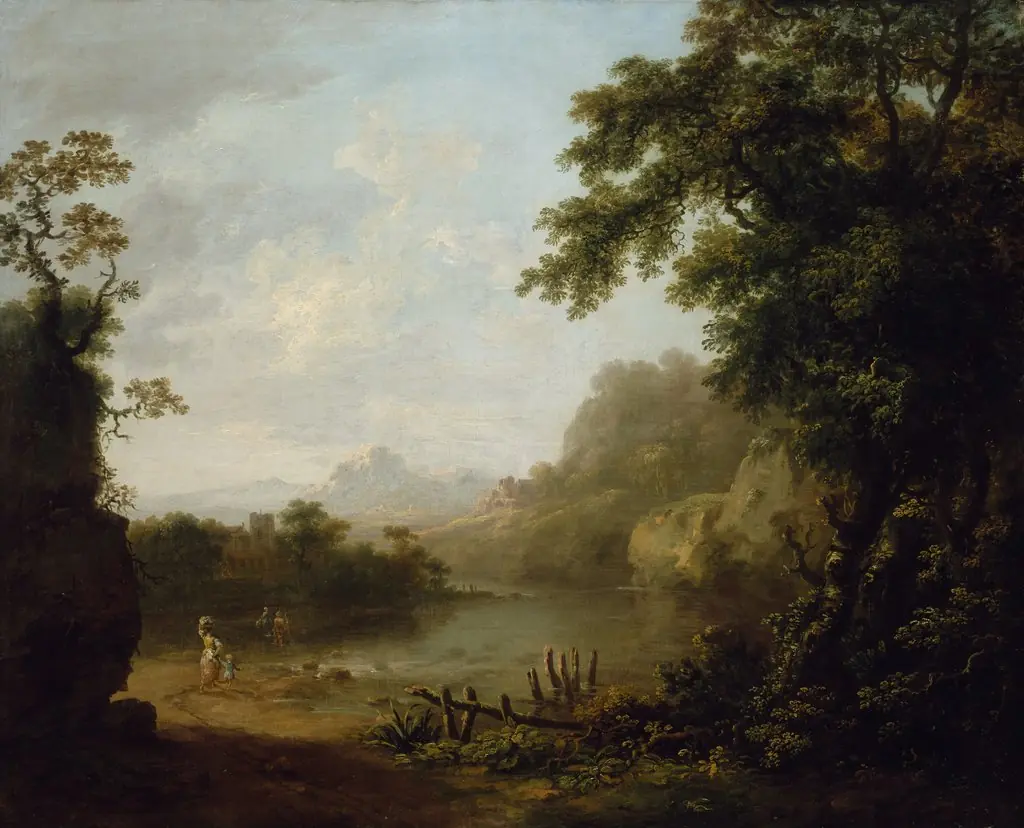
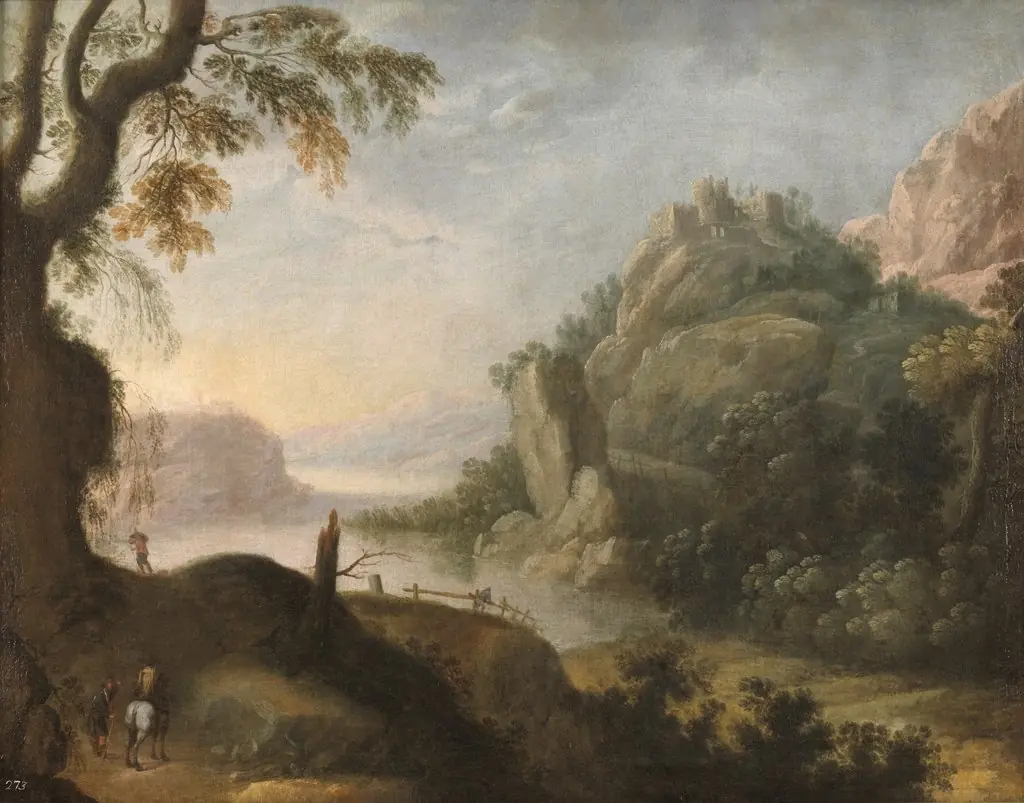
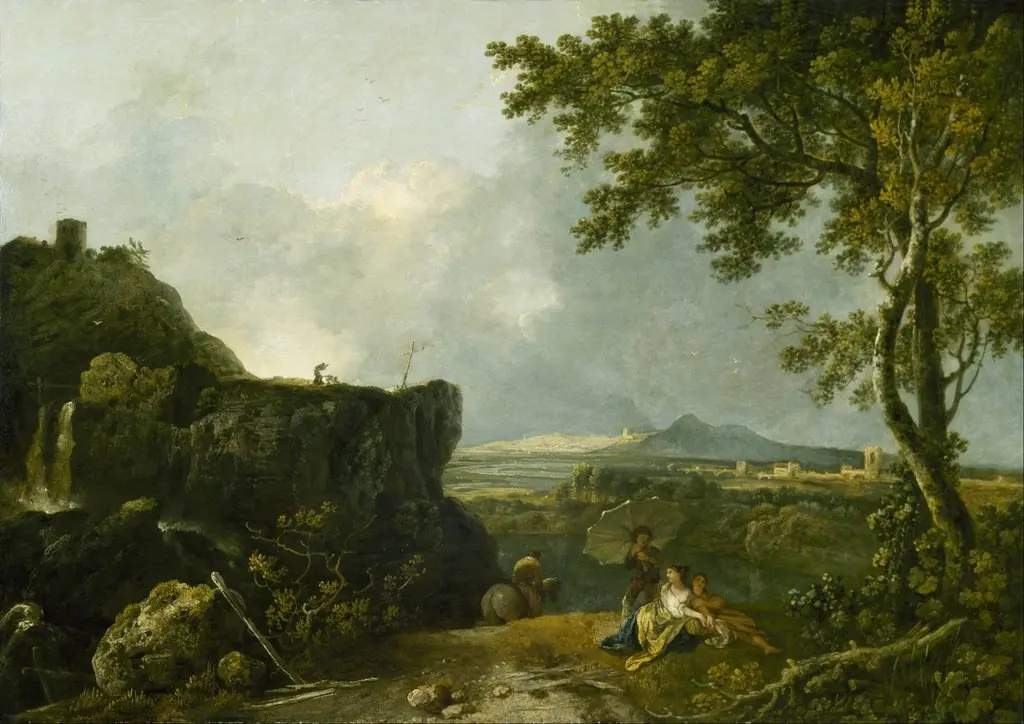
Painted in 1741 by Paolo Anesi, this work is a landscape depicting the rural surroundings of Rome. Anesi, influenced by the architectural fantasies of Giovanni Paolo Pannini, favored tranquil, atmospheric scenes over dramatic narratives. The painting is part of the Städel Museum’s collection and reflects the Rococo era’s preference for gentle, harmonious natural settings rather than grand historical or mythological themes.
Subject & Meaning
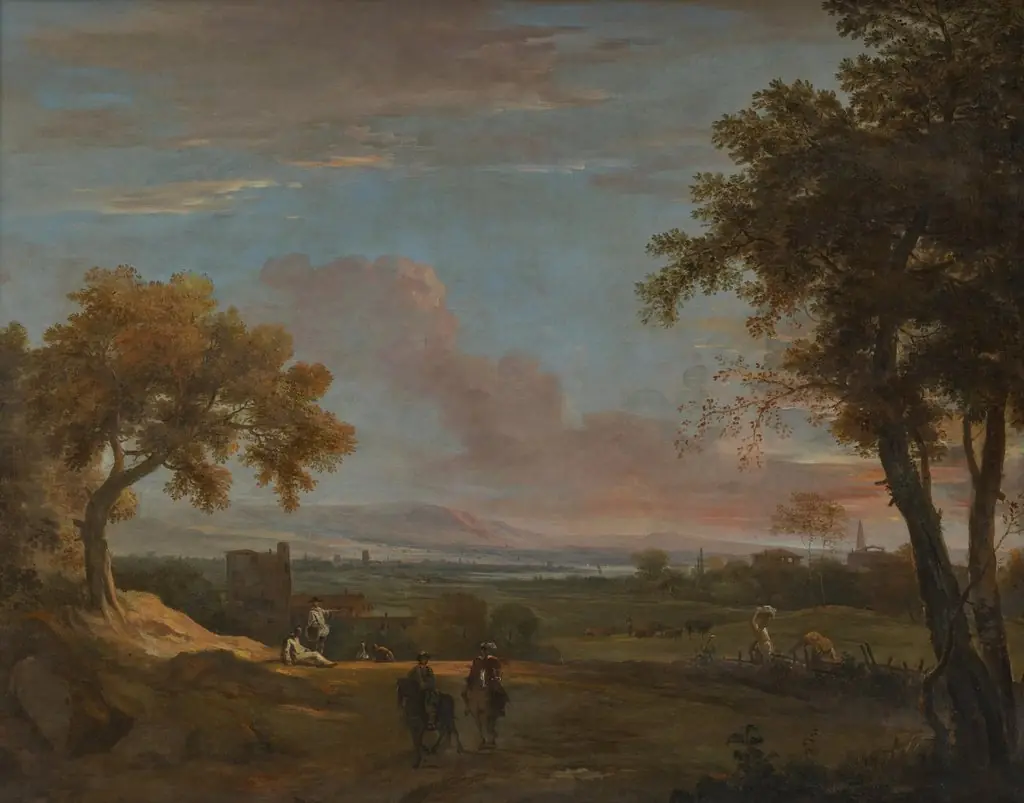
The scene presents a quiet stretch of the Roman countryside, with a winding river, low hills, and scattered buildings. A solitary figure sits along a dirt path leading to the water, suggesting contemplation or rest. The absence of human activity beyond this single presence emphasizes solitude and stillness. The composition invites quiet observation rather than narrative engagement, aligning with the era’s interest in pastoral serenity.
Technique & Style
Anesi employed soft, blended brushwork to render the landscape in muted tones of green, brown, and gray. The sky is diffused with cloud cover, casting even, subdued light across the terrain. There is no sharp contrast or dramatic lighting; instead, the effect is one of atmospheric cohesion. The path guides the viewer’s eye toward the river, creating a gentle rhythm without overt structural emphasis.
History & Provenance
Created in 1741, the painting entered the Städel Museum’s collection in the 19th century, likely through acquisitions of 18th-century Italian works by German collectors. Anesi’s reputation during his lifetime was tied to his ability to capture idealized Roman vistas, appealing to Grand Tour travelers. The painting’s survival and preservation reflect its status as a representative example of Roman landscape painting from the period.
Context
In mid-18th-century Italy, landscape painting evolved from idealized views into more intimate, observational scenes. Anesi’s work aligns with this shift, moving away from the grandeur of earlier Baroque compositions. His paintings catered to collectors seeking tranquil, recognizable views of the Roman countryside, often as mementos of travel. The style reflects broader European tastes for calm, picturesque nature during the Rococo period.
Legacy
While not widely known today, Anesi’s work contributes to the understanding of how landscape painting transitioned from theatrical spectacle to quiet observation in 18th-century Italy. His approach influenced later artists interested in atmospheric effects and subdued color. The painting remains a quiet testament to the appeal of rural Rome as a place of reflection, preserved in a major European collection.
Artist & collection
Artist
Paolo Anesi (9 July 1697 – 1773) was an Italian painter of the 18th century, active mainly in painting capriccios and landscapes (vedute) in the style of Giovanni Paolo Pannini.