Artwork
View of Ariccia
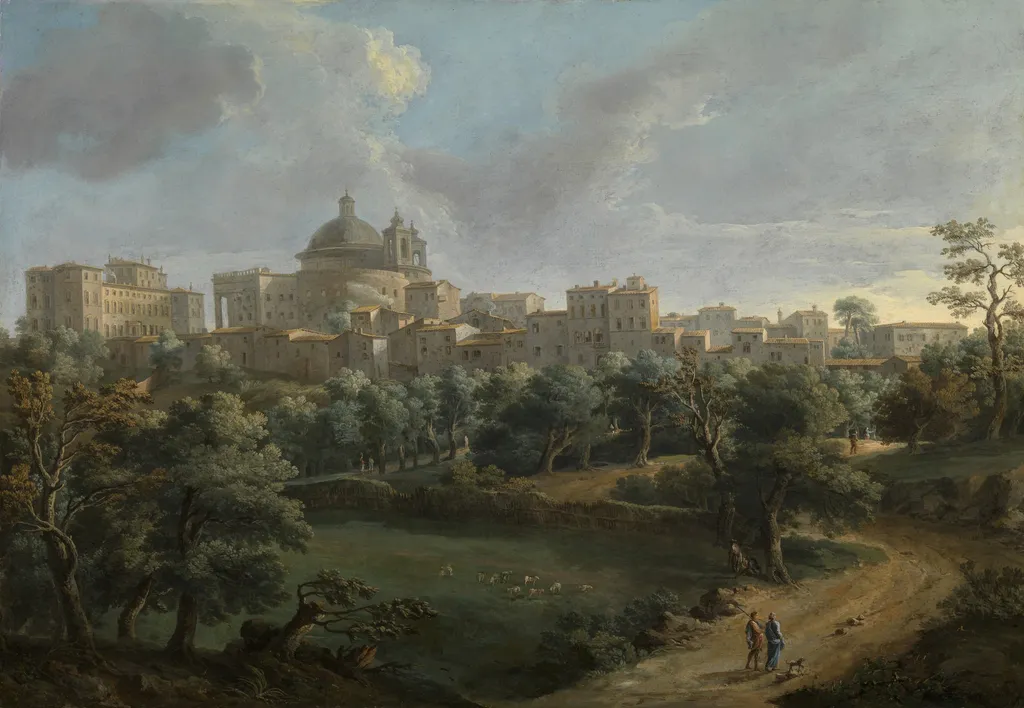
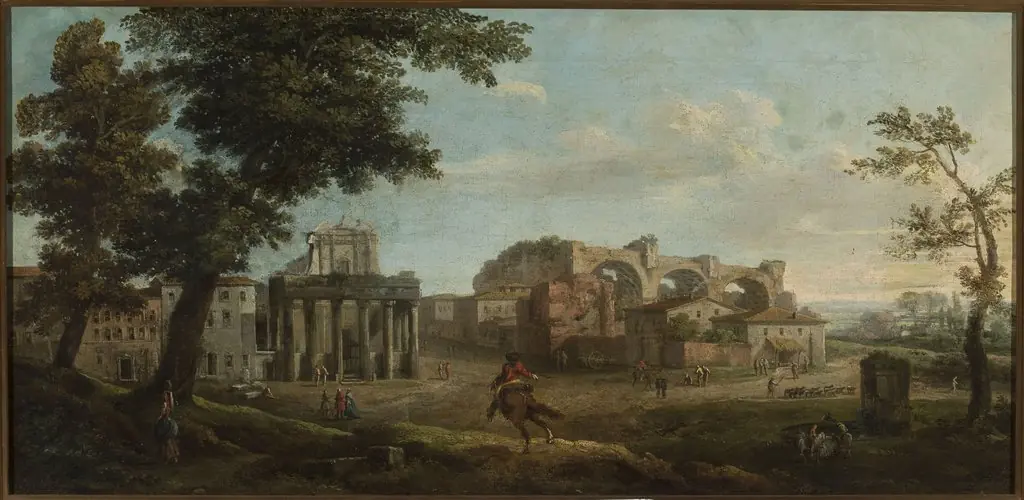
View of Ariccia is an oil painting by Paolo Anesi. It dates from 1745 and is held in the collection of the Kelvingrove Art Gallery and Museum.
About this work
Overview
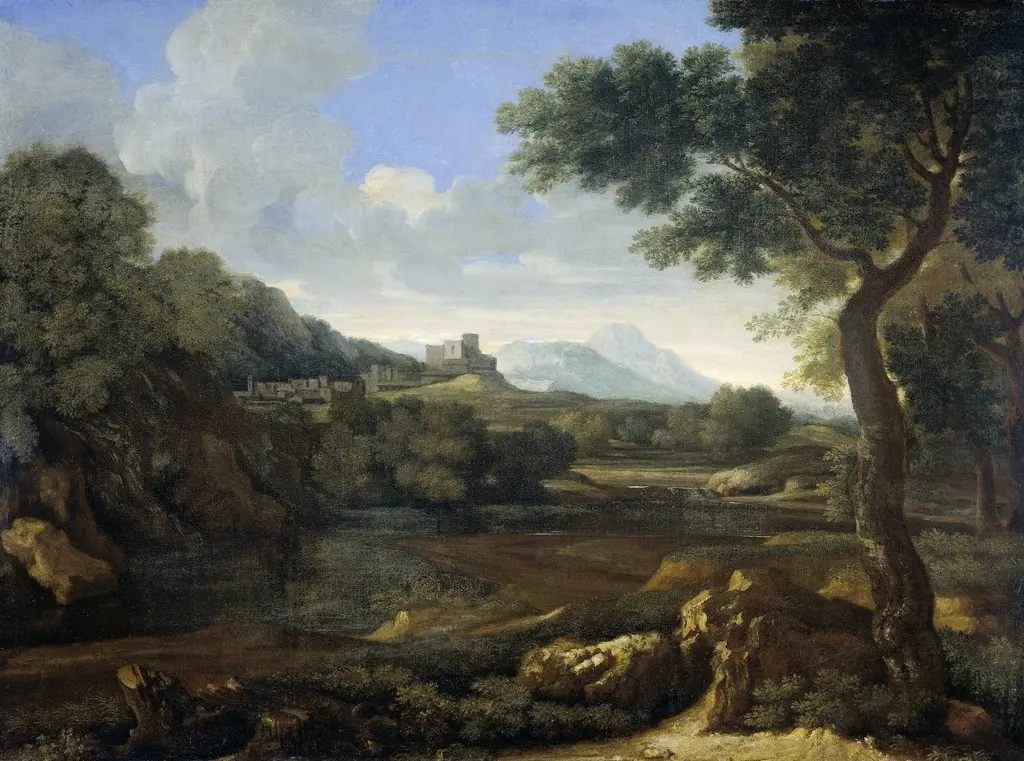
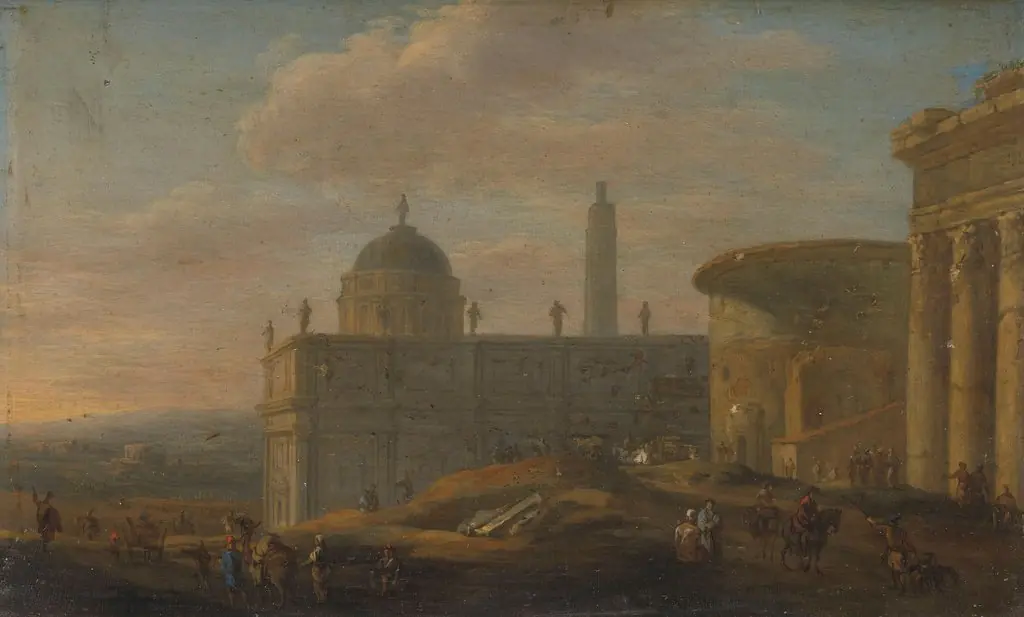
Paolo Anesi's *View of Ariccia*, created circa 1745, is an oil painting depicting a serene Italian landscape. The work is characterized by its detailed architectural elements and tranquil atmosphere, exemplifying the vedute tradition of 18th-century Italian art.
Subject & Meaning
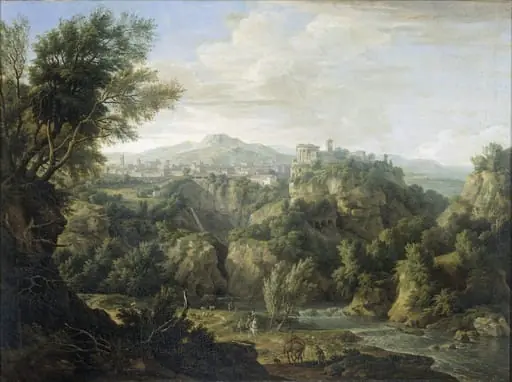
The painting portrays the town of Ariccia situated on a hill, with a prominent central dome, set against a backdrop of trees and a few figures in the foreground. The scene conveys a sense of peace and everyday life, capturing the relationship between architecture, nature, and human presence.
Technique & Style
Anesi employed a mix of warm earth tones for the buildings and trees, contrasted with a soft blue sky. The use of chiaroscuro adds depth, utilizing light and dark contrasts to create volume and texture, enhancing the overall sense of serenity and dimensionality.
History & Provenance
*View of Ariccia* is part of the collection at Kelvingrove Art Gallery and Museum. Anesi's work aligns with the style of Giovanni Paolo Pannini, reflecting his adherence to the vedute tradition popular among his contemporaries.
Context
As an 18th-century Italian painter, Anesi's work reflects the broader artistic trends of his time, particularly the emphasis on detailed, architectural landscapes that appealed to the fascination with Italian scenery among European audiences.
Legacy
While specific details on the painting's direct influence are not highlighted, *View of Ariccia* contributes to the ongoing appreciation of 18th-century Italian vedute, offering insights into the artistic preferences and technical skills of the era.
Own this work as a print
Artist & collection
Artist
Paolo Anesi (9 July 1697 – 1773) was an Italian painter of the 18th century, active mainly in painting capriccios and landscapes (vedute) in the style of Giovanni Paolo Pannini.