Artwork
Christ before Caiaphas
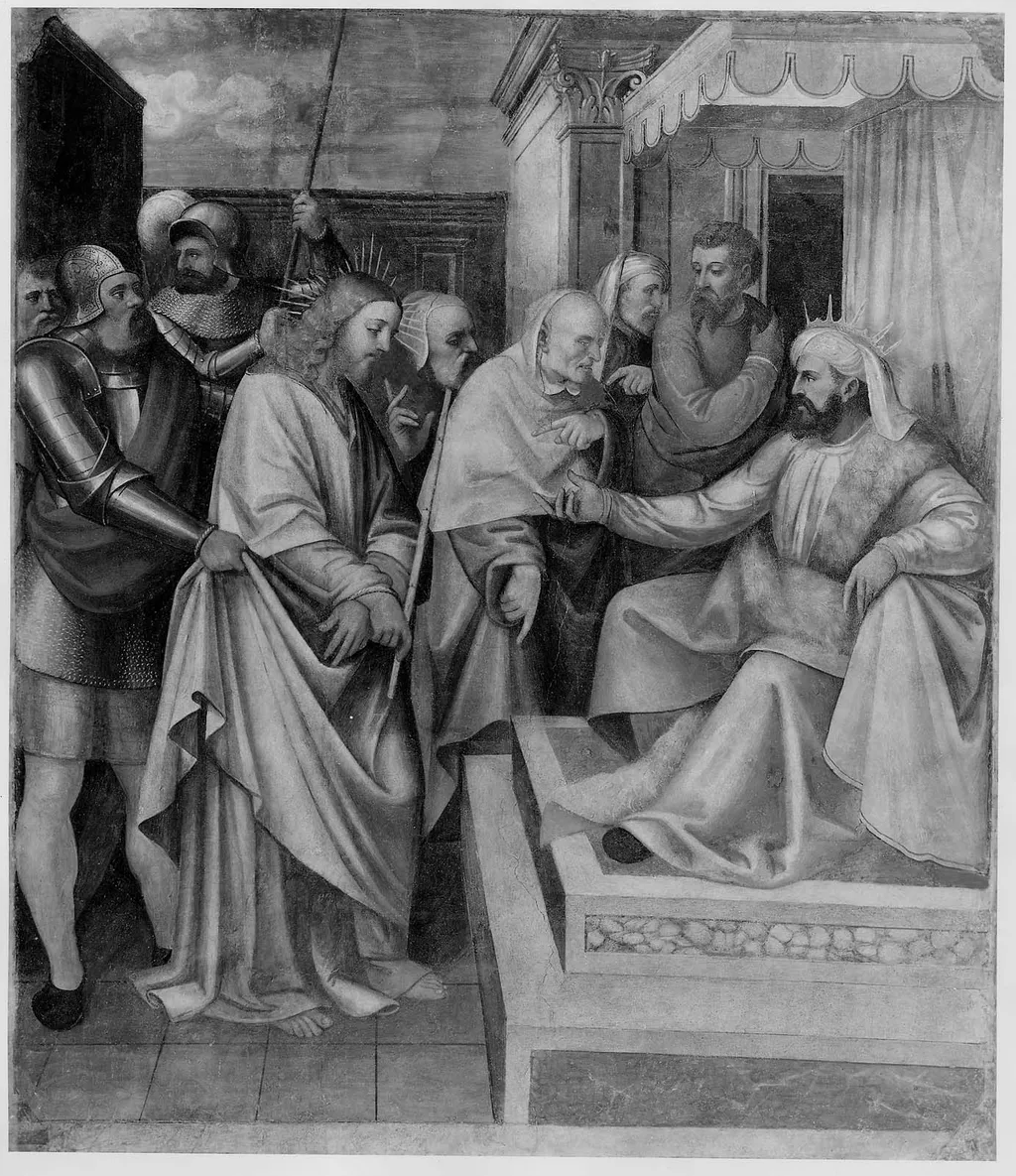
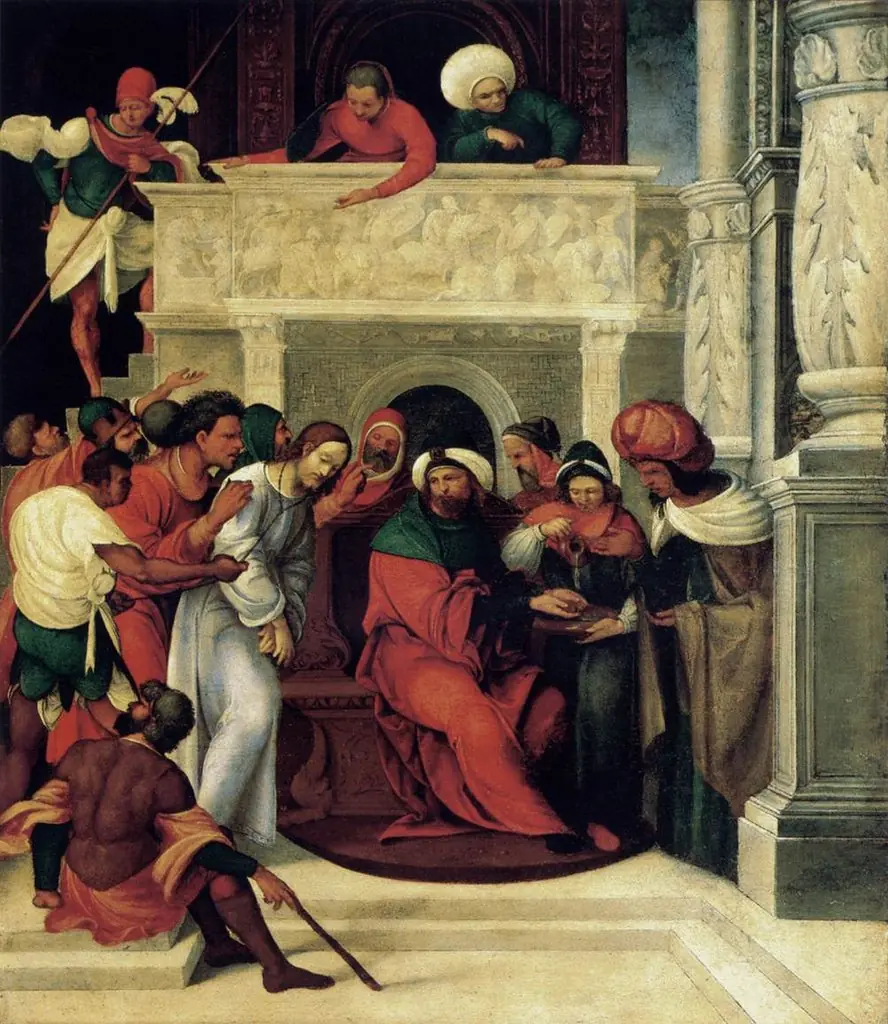
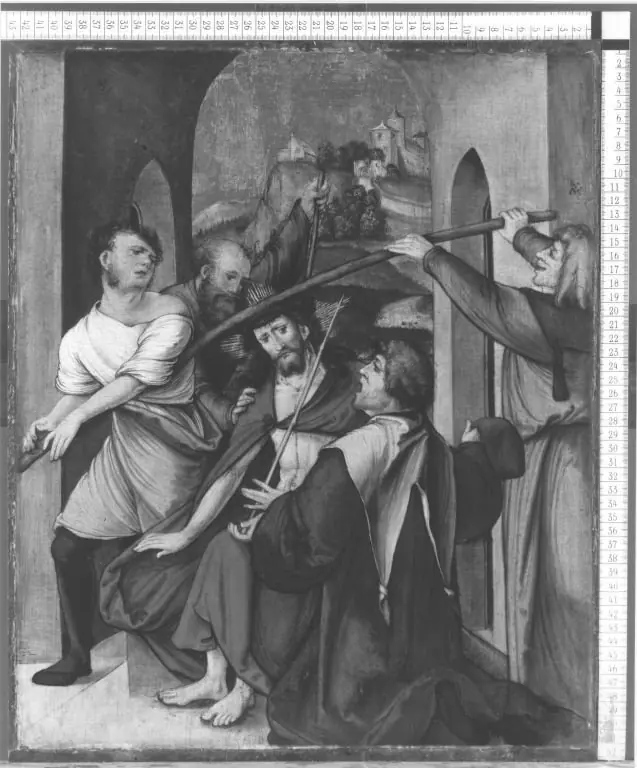
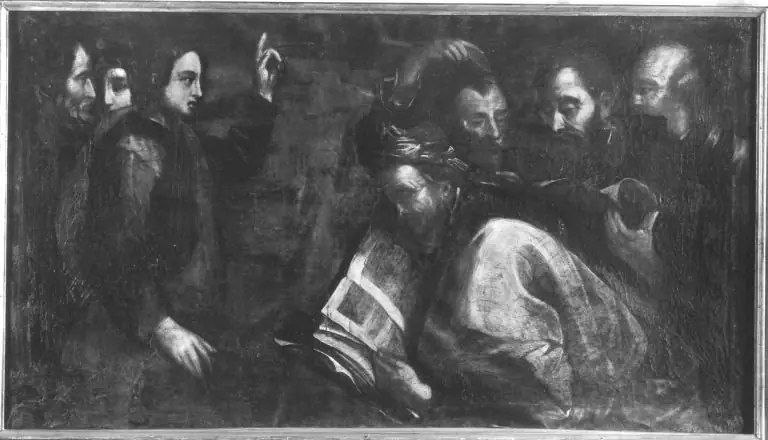
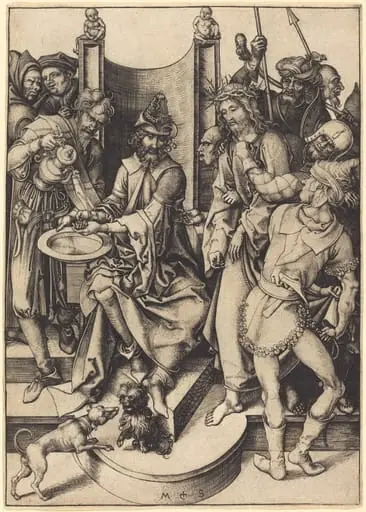
Christ before Caiaphas is an unspecified painting by Paolo da Caylina il Giovane. It dates from 1525 and is held in the collection of the Museum of Fine Arts Boston.
About this work
Overview
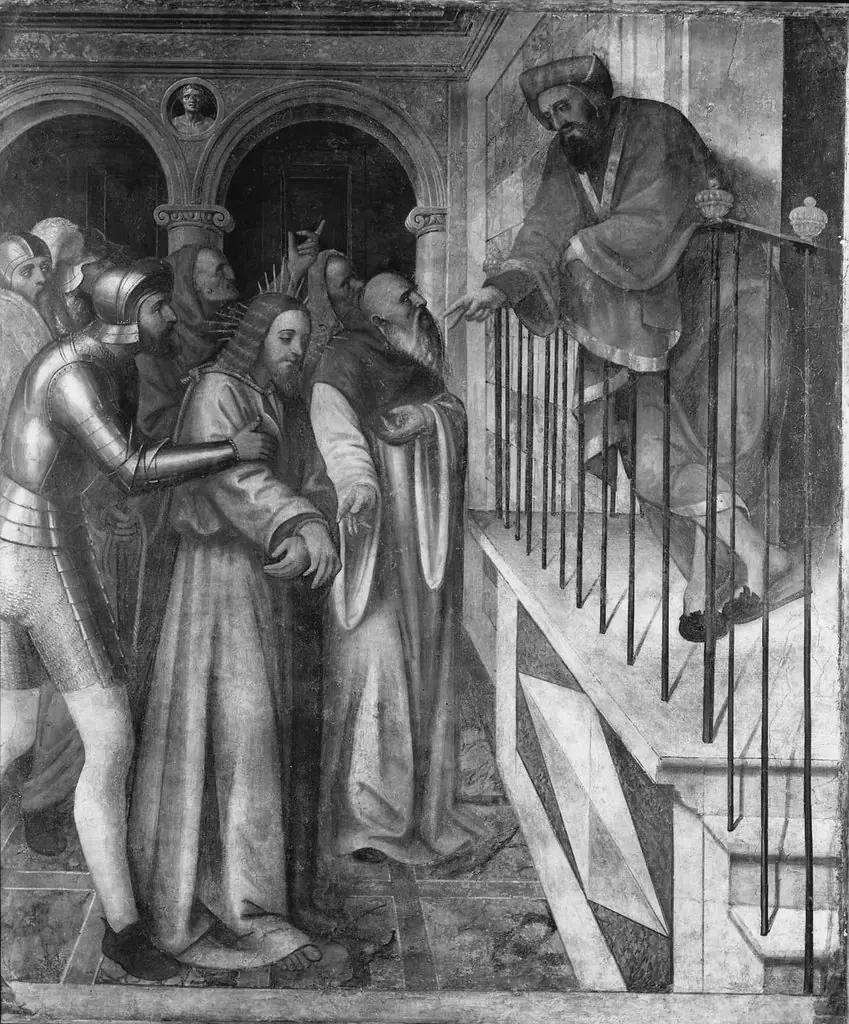
Painted around 1525 by Paolo da Caylina il Giovane, this work depicts the biblical moment when Christ is brought before the high priest Caiaphas for questioning. Executed in oil on panel, the painting is part of the Museum of Fine Arts, Boston’s collection. Its restrained palette and intimate scale reflect the quiet intensity of the scene, emphasizing psychological weight over grandeur.
Subject & Meaning
The moment reflects the judicial interrogation preceding Christ’s condemnation, underscoring themes of injustice and moral isolation.
The scene captures Christ standing before Caiaphas, who gestures in accusation from a raised seat. Surrounding figures—scribes, guards, and elders—react with varied expressions of suspicion, scrutiny, and unease. The moment reflects the judicial interrogation preceding Christ’s condemnation, underscoring themes of injustice and moral isolation. The composition isolates Christ’s calm demeanor against the agitation of those around him.
Technique & Style
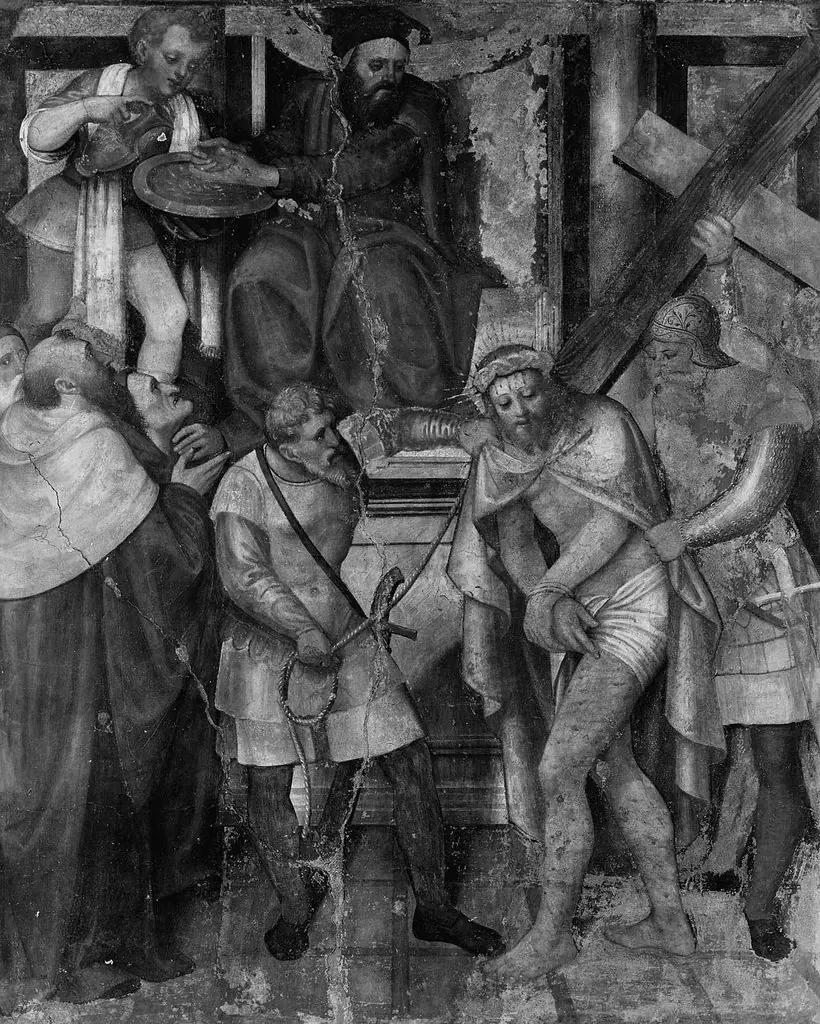
Caylina employs chiaroscuro to model forms with subtle gradations of light and shadow, lending volume to the figures and depth to the tiled interior. The muted tones of gray, brown, and ochre unify the space, avoiding theatricality. Drapery is rendered with careful attention to fold and weight, while facial expressions are restrained yet distinct, enhancing the scene’s emotional gravity without melodrama.
History & Provenance
The painting entered the Museum of Fine Arts, Boston’s collection in the early 20th century, likely acquired through a private European dealer. Its attribution to Caylina il Giovane, a Lombard painter active in the early 1500s, is supported by stylistic parallels with his other religious panels. Little is known of its earlier ownership, but its condition suggests it remained in private hands for centuries.
Context
Created during the High Renaissance, the work reflects Lombard artistic traditions that favored psychological realism over Roman idealism. While Italian centers like Florence and Rome embraced grandeur, northern Italian painters like Caylina often focused on intimate, emotionally charged narratives. This painting aligns with devotional imagery intended for private contemplation rather than public display.
Legacy
Though not widely reproduced, the painting exemplifies the quiet power of regional Renaissance art in northern Italy. Its emphasis on interiority and restrained emotion influenced later devotional works in Lombardy. Today, it stands as a testament to the capacity of modest-scale painting to convey profound spiritual tension without spectacle.
Own this work as a print
Artist & collection

Artist
Paolo da Caylina il Giovane (1485–1545) was an artist, born in Brescia.