Artwork
Allegorical Figure of Charity
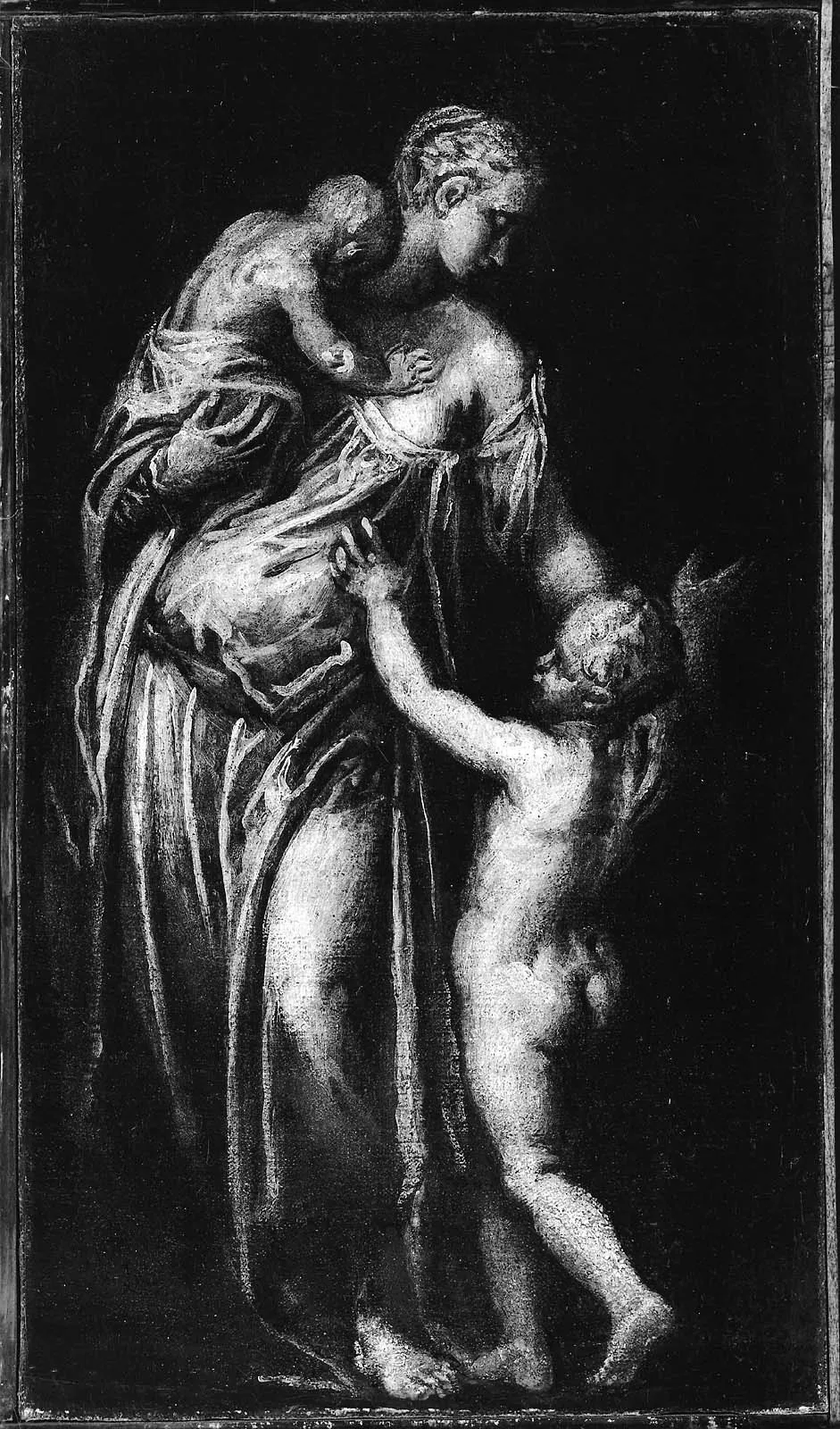
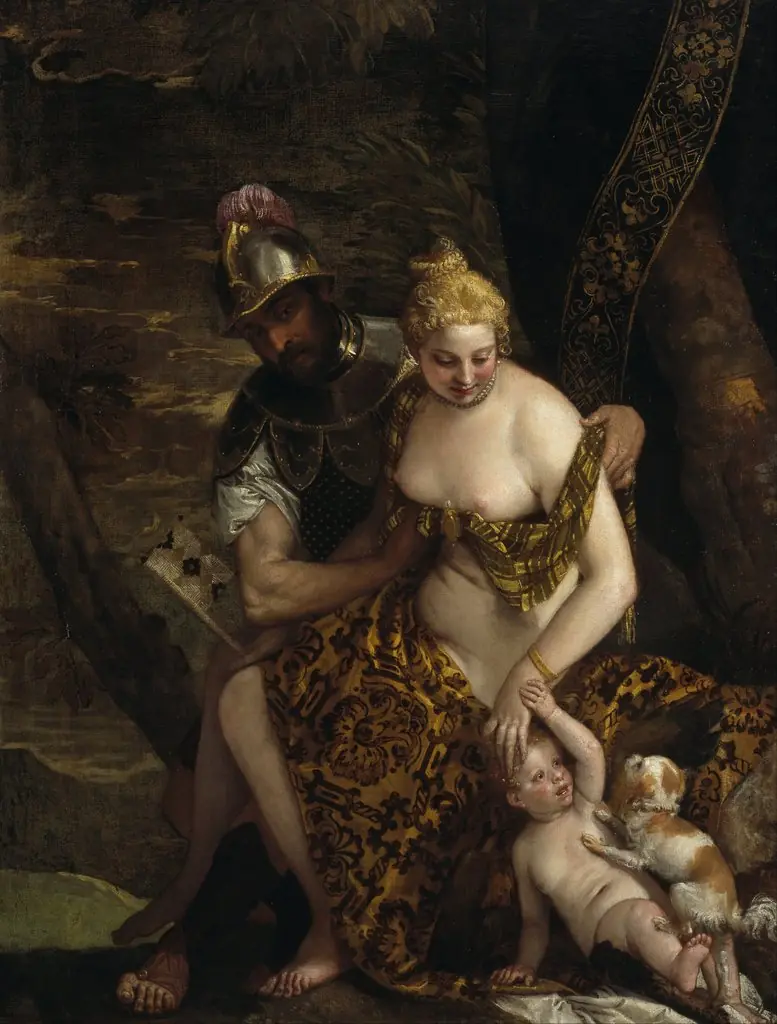
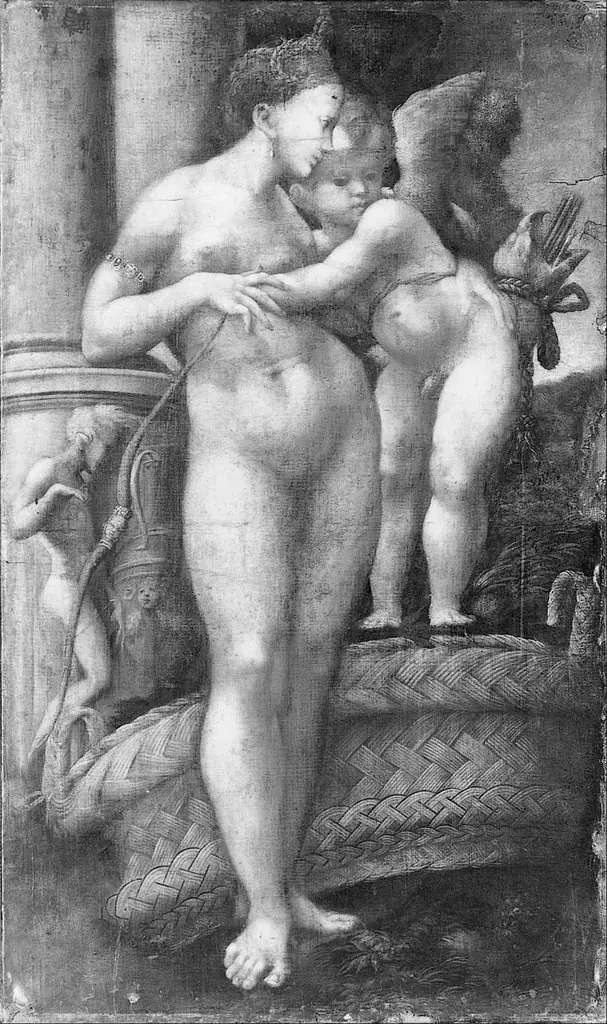
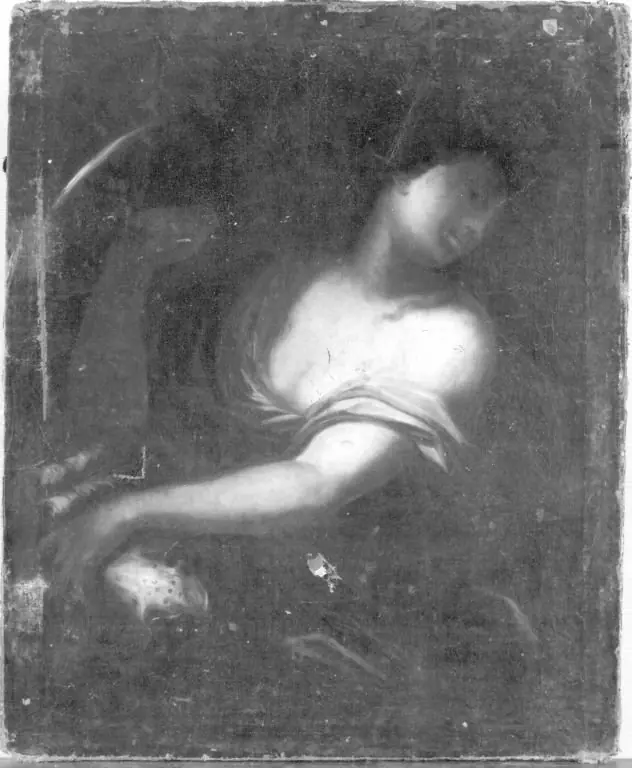
Allegorical Figure of Charity is an oil painting by the Mannerist artist Paolo Veronese. It dates from 1568 and is held in the collection of the Museum of Fine Arts Boston.
About this work
Overview
Created circa 1568, Paolo Veronese’s *Allegorical Figure of Charity* is an oil painting that exemplifies the Mannerist sensibility of late Renaissance Venice. Executed by one of the city’s foremost painters, the work now belongs to the Museum of Fine Arts in Boston and presents a single, tightly composed scene that conveys an abstract moral concept through human figures.
Subject & Meaning
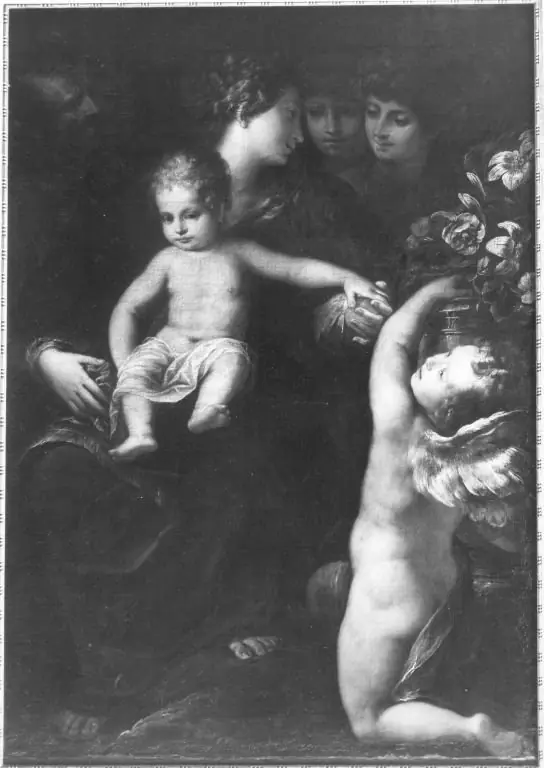
The composition depicts a robust male figure bearing a woman and a child, an arrangement traditionally associated with the virtue of charity. The man’s turned back and the woman’s relaxed, reclined posture suggest protective generosity, while the infant’s cling conveys dependence and the nurturing aspect of the allegory.
Technique & Style
Veronese employs a pronounced chiaroscuro, using a deep, almost black background to isolate the figures and accentuate the modeling of flesh. The musculature is rendered beneath loosely draped garments, allowing light to sculpt the forms and create a sense of three‑dimensional weight. The palette is restrained, focusing attention on tonal contrast rather than vivid color.
History & Provenance
The painting was produced during Veronese’s mature period in Venice, when he was celebrated alongside Titian and Tintoretto. After remaining in private hands for several centuries, it entered the collection of the Museum of Fine Arts, Boston, where it has been displayed as part of the institution’s holdings of 16th‑century Italian art.
Artist & collection
Artist
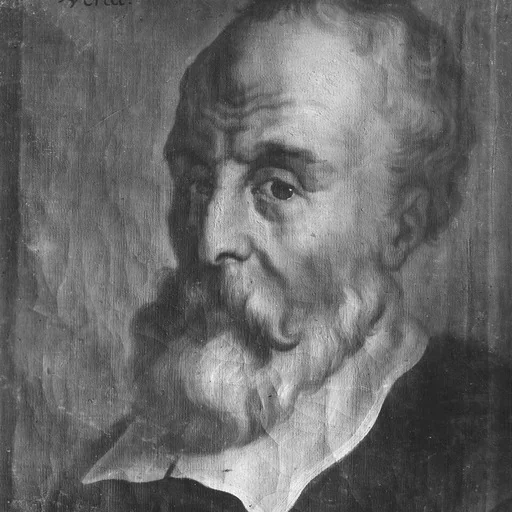
Paolo Caliari (1528 – 19 April 1588), known as Paolo Veronese ( VERR-ə-NAY-zay, -zee, US also -see; Italian: ), was an Italian Renaissance painter based in Venice, known for extremely large history paintings of…