Artwork
Christ and the Woman of Samaria
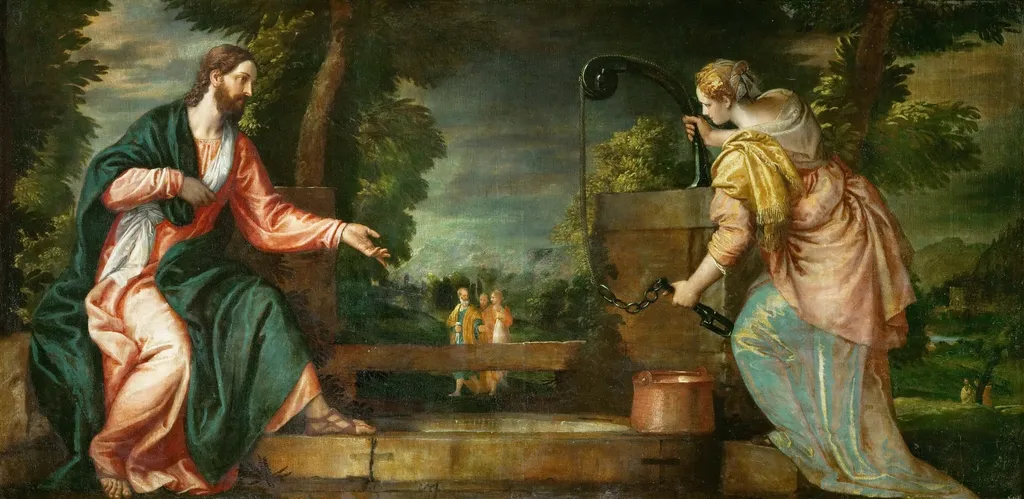
Christ and the Woman of Samaria is an oil painting by the Mannerist artist Paolo Veronese. It is held in the collection of the Kunsthistorisches Museum.
About this work
Overview
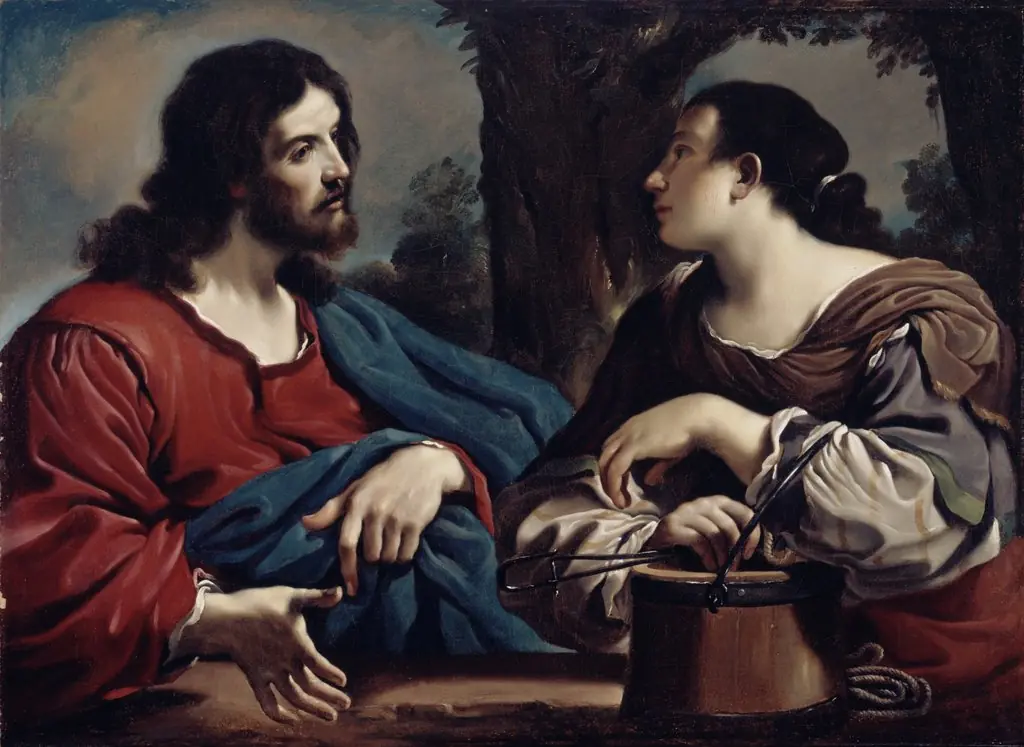
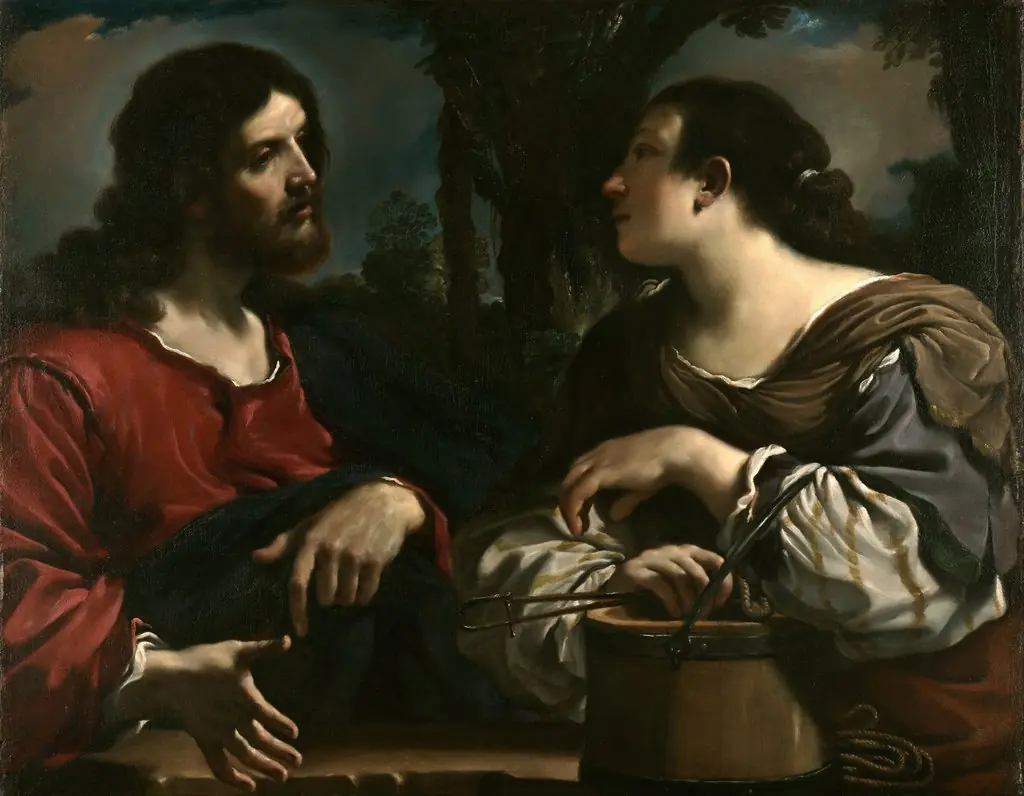
Paolo Veronese painted *Christ and the Woman of Samaria* in 1593, employing oil on canvas. The work belongs to the late Renaissance period in Venice and is part of the Kunsthistorisches Museum’s collection. It illustrates a biblical encounter between Jesus and a Samaritan woman at a well, rendered in a composition typical of Veronese’s large religious scenes.
Subject & Meaning
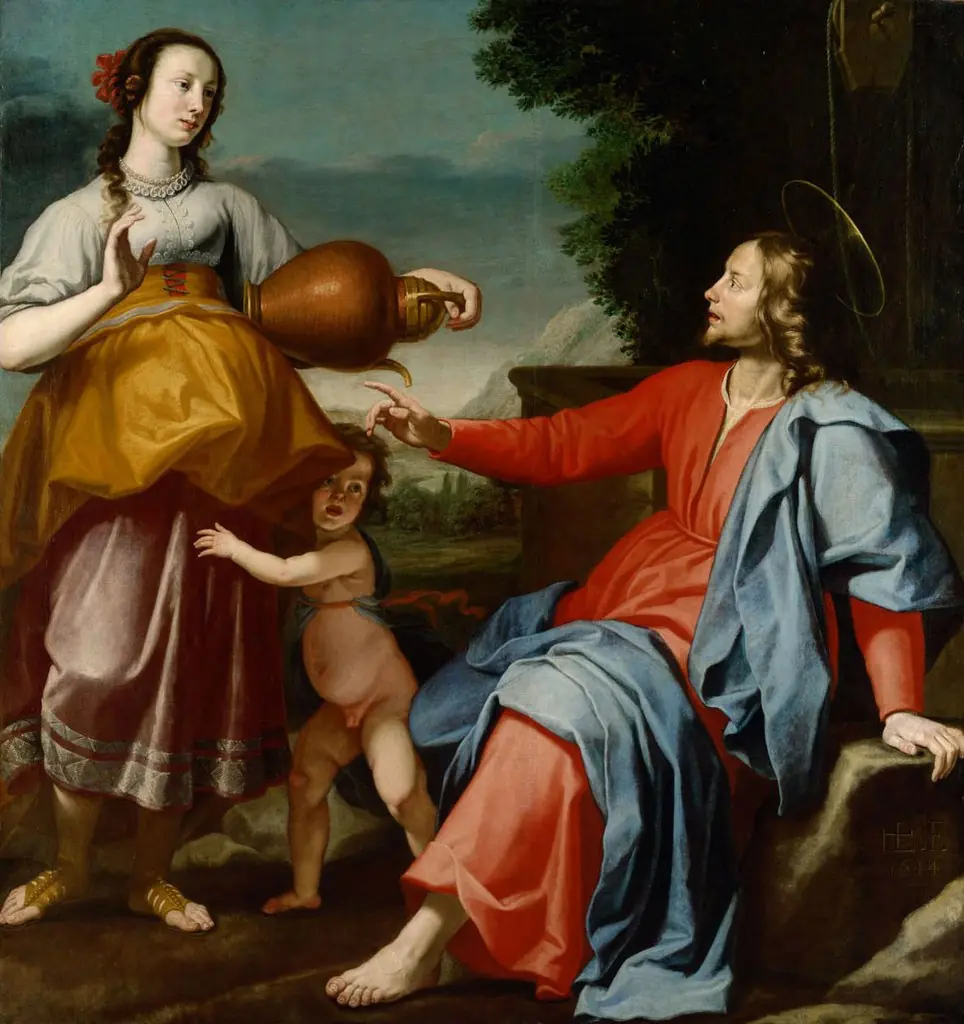
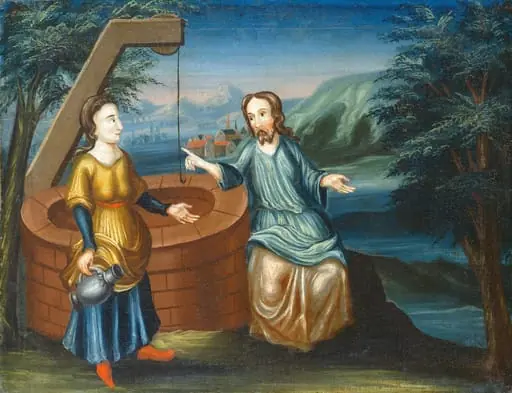
The image captures the moment from the Gospel of John when Jesus, seated on a stone ledge, engages the Samaritan woman drawing water. Veronese emphasizes the dialogue by placing the two figures centrally, the woman’s bent posture and grasp on the well’s handle suggesting contemplation, while the surrounding onlookers hint at the broader social context of the encounter.
Technique & Style
Executed with the refined brushwork of the Venetian school, the painting displays a Mannerist sensibility through its dramatic arrangement and vivid color palette. Veronese uses chiaroscuro and layered glazes to model flesh and fabric, creating depth and a luminous atmosphere that guides the eye toward the illuminated central figures.
History & Provenance
After its completion, the canvas entered the holdings of the Habsburg imperial collection and eventually became part of the Kunsthistorisches Museum in Vienna. Its presence in a major European museum reflects the enduring interest in Veronese’s religious narratives and the work’s role in the museum’s representation of Venetian art.
Context
Veronese worked alongside Titian and Tintoretto as one of Venice’s leading painters in the late sixteenth century. This painting aligns with his reputation for grand biblical and mythological subjects, employing opulent costumes and architectural elements that echo the city’s artistic traditions during the Counter‑Reformation.
Legacy
*Christ and the Woman of Samaria* continues to be studied for its synthesis of narrative clarity and painterly brilliance, illustrating Veronese’s contribution to the development of color and composition in Venetian art. The work remains a reference point for scholars examining the intersection of religious storytelling and Mannerist aesthetics.
Artist & collection
Artist
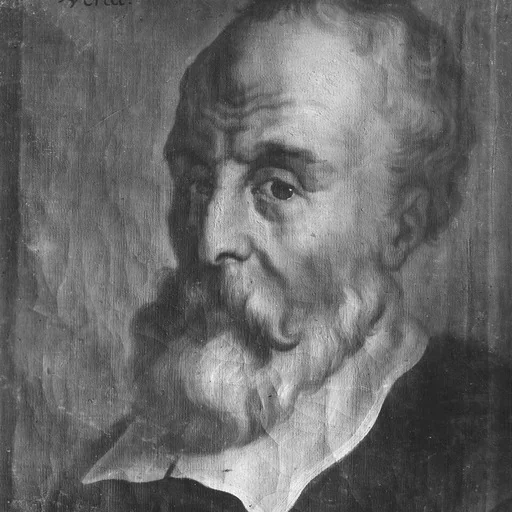
Paolo Caliari (1528 – 19 April 1588), known as Paolo Veronese ( VERR-ə-NAY-zay, -zee, US also -see; Italian: ), was an Italian Renaissance painter based in Venice, known for extremely large history paintings of…

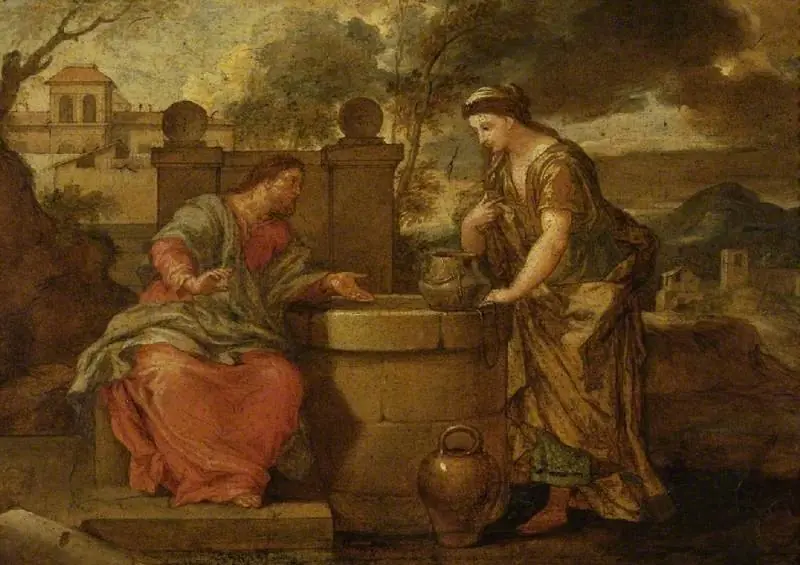 Christ and the woman of Samaria
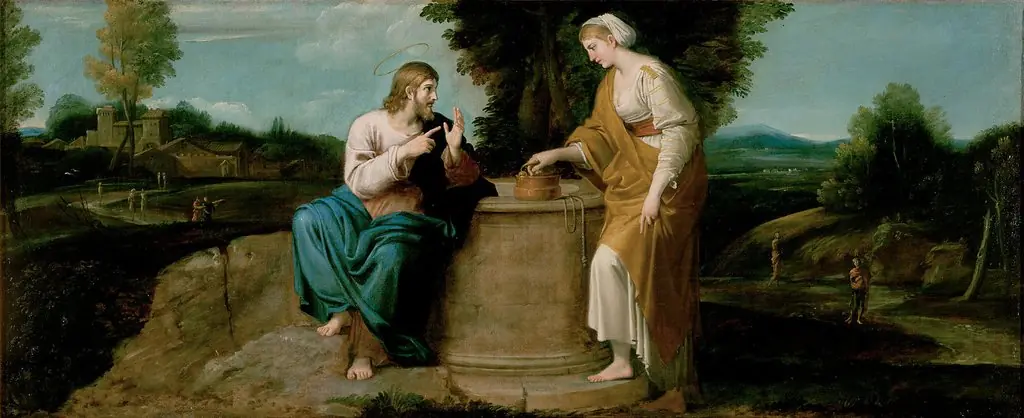 Christ and the Woman of Samaria
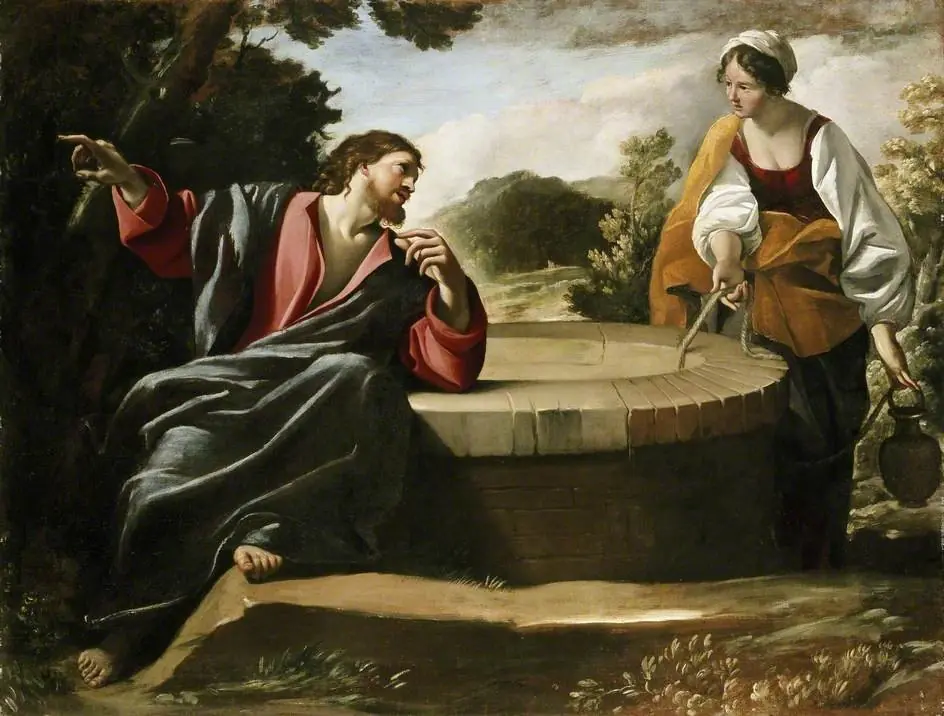 Christ and the Woman of Samaria
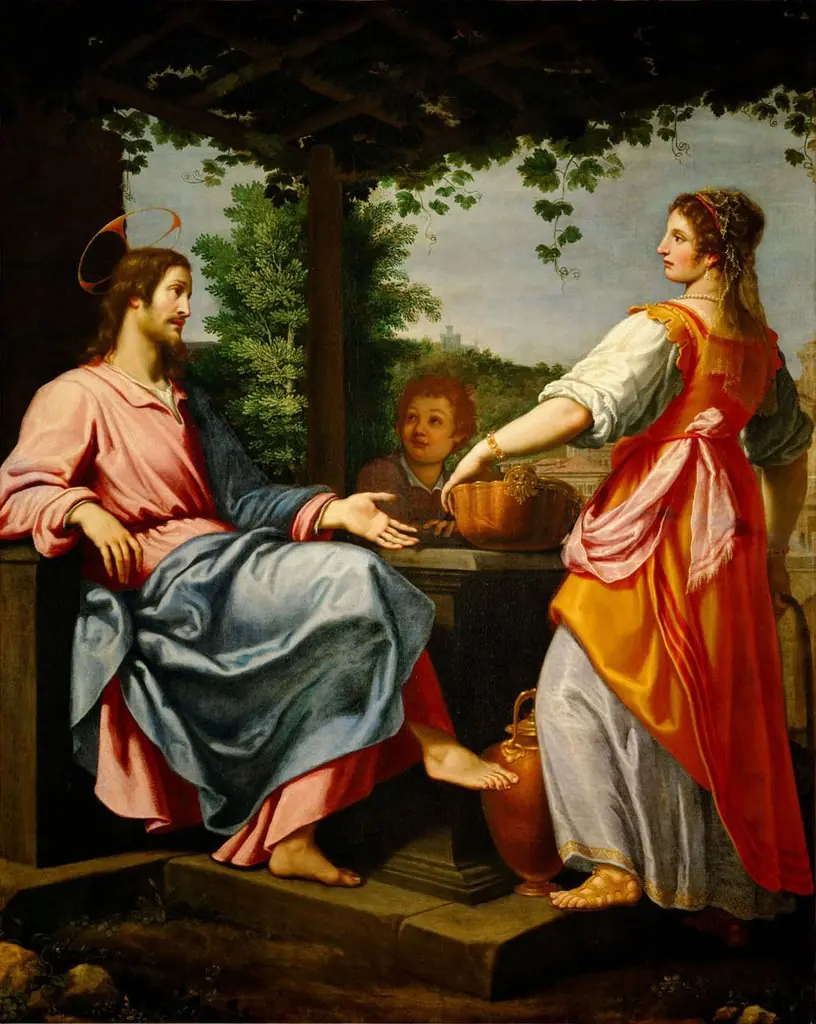 Christ and the Woman of Samaria
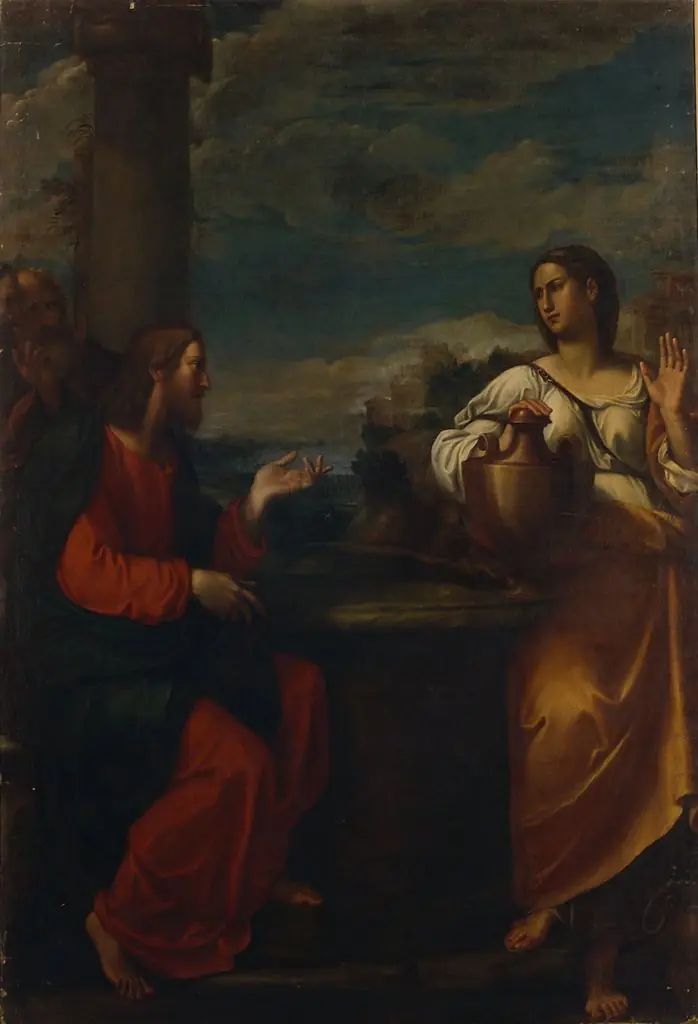 Christ and the Woman of Samaria
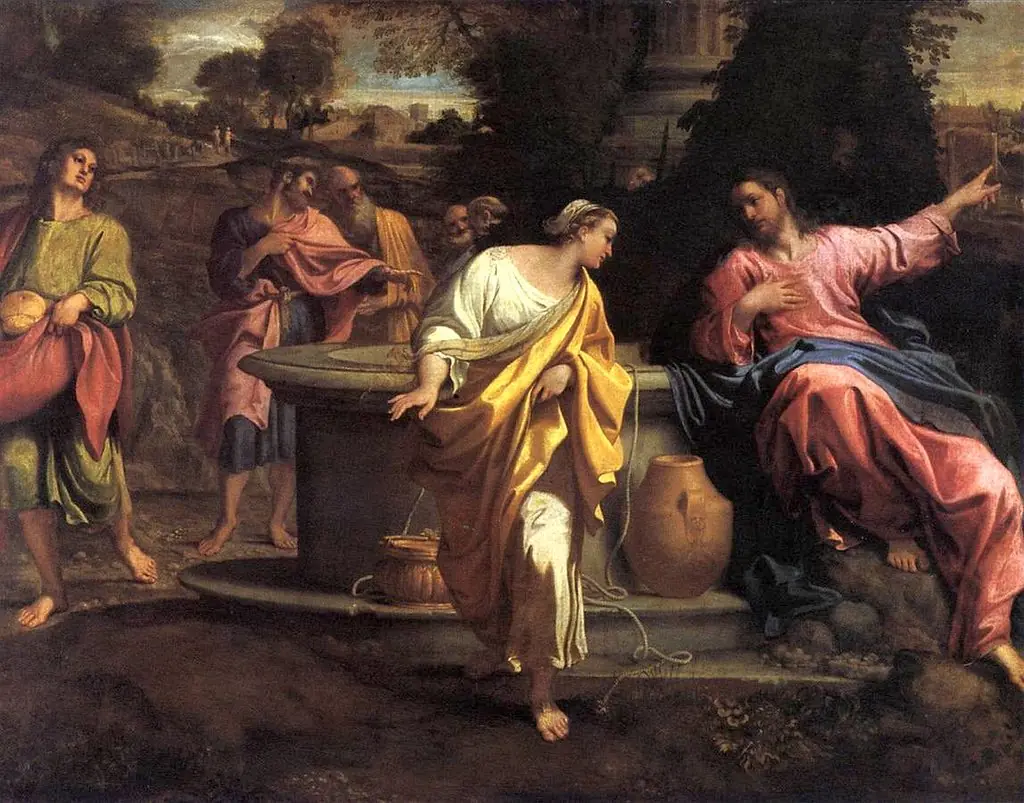 Christ and the Woman of Samaria
 Christ and the Woman of Samaria
 Christ and the Woman of Samaria
 Christ and the Woman of Samaria
 Christ and the Woman of Samaria