Artwork
Conversion of Saul
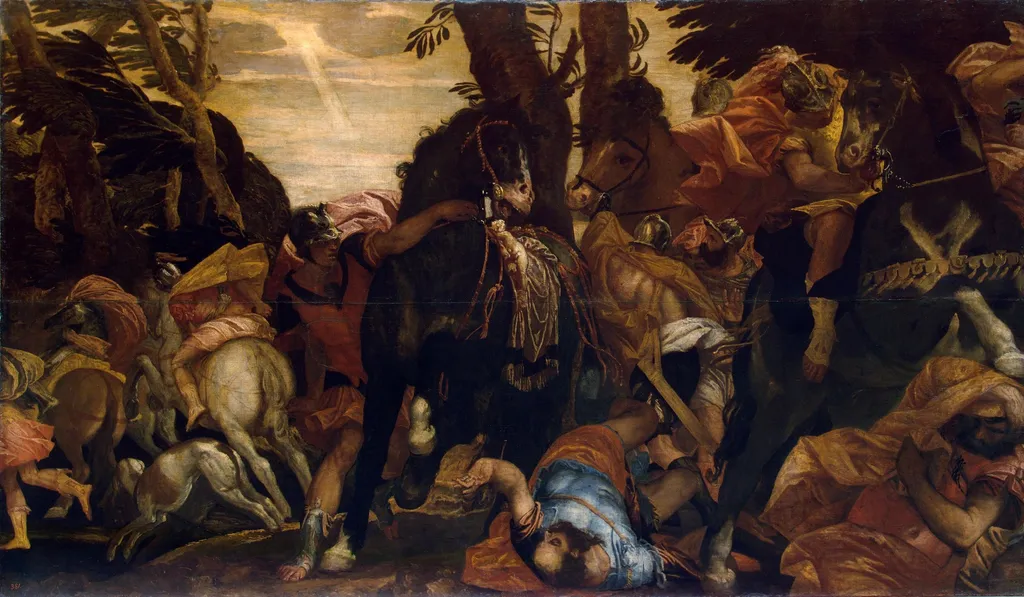
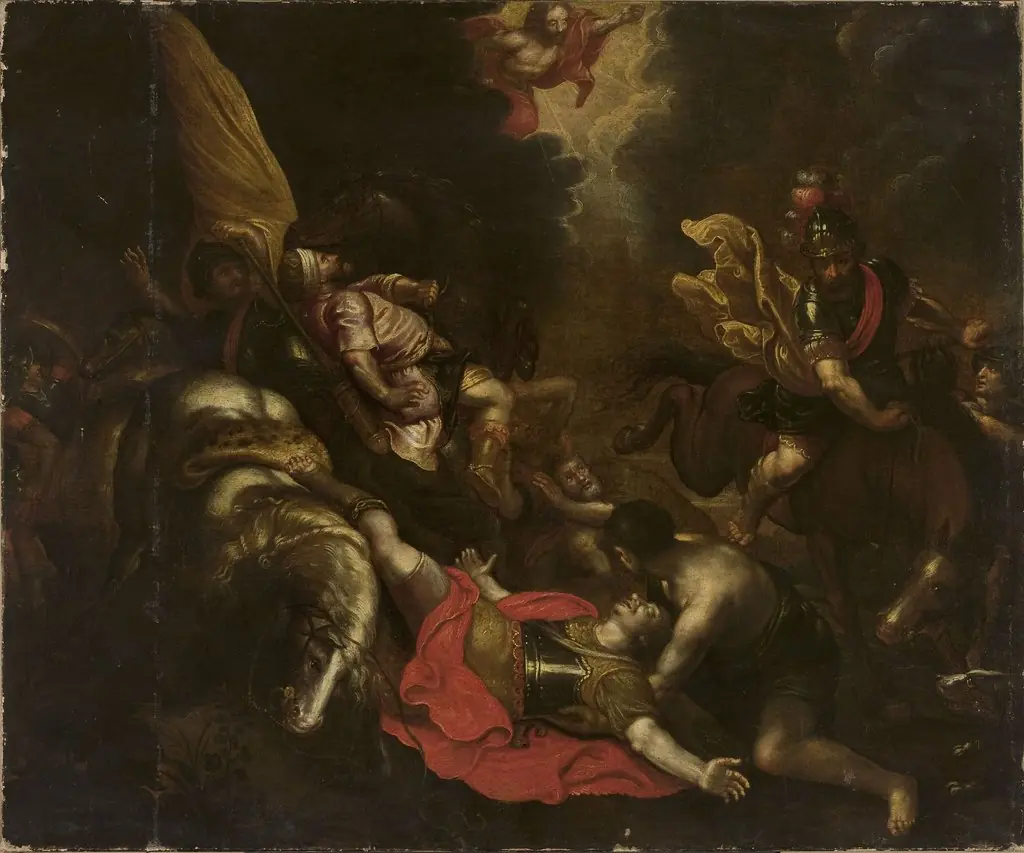
Conversion of Saul is an oil painting by the Mannerist artist Paolo Veronese. It dates from 1570 and is held in the collection of the Hermitage Museum.
About this work
Overview
The painting resides in the State Hermitage Museum, where it remains a key example of late 16th-century narrative painting in northern Italy.
Painted in 1570 by Paolo Veronese, this oil-on-canvas work captures the biblical moment of Saul’s transformation into Paul. Created during the Mannerist era, it reflects Veronese’s mastery of large-scale religious narratives, a hallmark of his Venetian practice. The painting resides in the State Hermitage Museum, where it remains a key example of late 16th-century narrative painting in northern Italy.
Subject & Meaning
The scene illustrates Saul’s divine encounter on the road to Damascus, as described in the Acts of the Apostles. A sudden celestial light interrupts his mission of persecution, triggering spiritual awakening. Veronese emphasizes the shock and disarray of the moment, with figures reacting in varied ways—some recoiling, others stunned—conveying the abruptness of divine intervention and the collapse of Saul’s former purpose.
Technique & Style
Veronese employs chiaroscuro to isolate the central figure, whose face is illuminated by an unseen source, contrasting sharply with the surrounding shadows. The composition is densely packed with figures on horseback and on foot, arranged in a swirling, unstable mass. Dark earth tones dominate, punctuated by bursts of red and the stark white of the divine light, guiding the viewer’s eye to the moment of revelation.
History & Provenance
Commissioned during Veronese’s mature period, the painting entered the Hermitage collection in the 18th century, likely through imperial acquisitions of Italian art. Its presence in St. Petersburg underscores the Russian court’s interest in Venetian Renaissance works. The canvas has remained largely unaltered since its creation, preserving the artist’s original handling of pigment and composition.
Context
In mid-16th century Venice, religious subjects were often rendered with theatrical dynamism, responding to Counter-Reformation demands for emotionally engaging imagery. Veronese’s approach diverged from rigid symmetry, favoring movement and psychological tension. His use of dramatic lighting and crowded compositions aligned with broader trends in Venetian painting, where color and motion took precedence over classical order.
Legacy
Though less frequently exhibited than Veronese’s grand feasts, this work exemplifies his ability to translate sacred narrative into visceral human experience. Its emphasis on light as spiritual metaphor influenced later Baroque painters. The painting’s compositional energy and emotional immediacy continue to inform studies of Mannerist storytelling and the evolution of religious iconography in early modern Europe.
Artist & collection
Artist
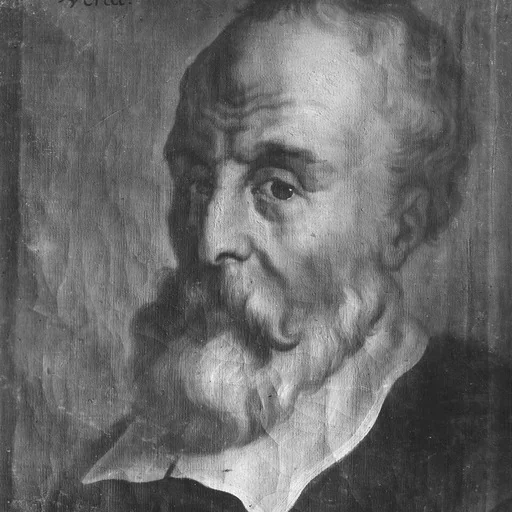
Paolo Caliari (1528 – 19 April 1588), known as Paolo Veronese ( VERR-ə-NAY-zay, -zee, US also -see; Italian: ), was an Italian Renaissance painter based in Venice, known for extremely large history paintings of…


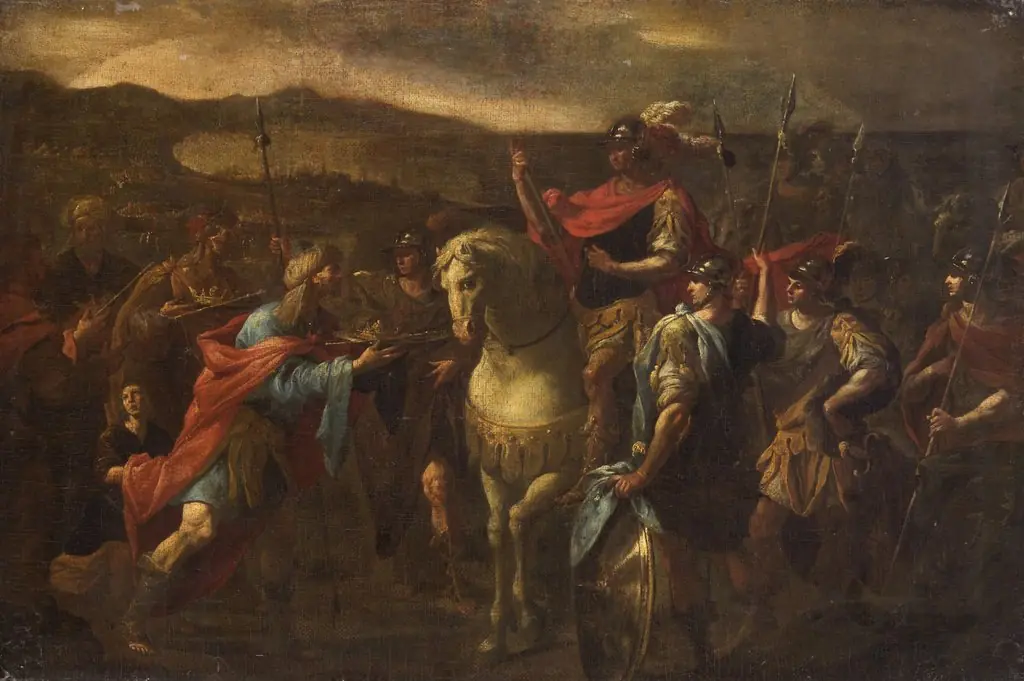 Indische Könige huldigen Alexander dem Großen
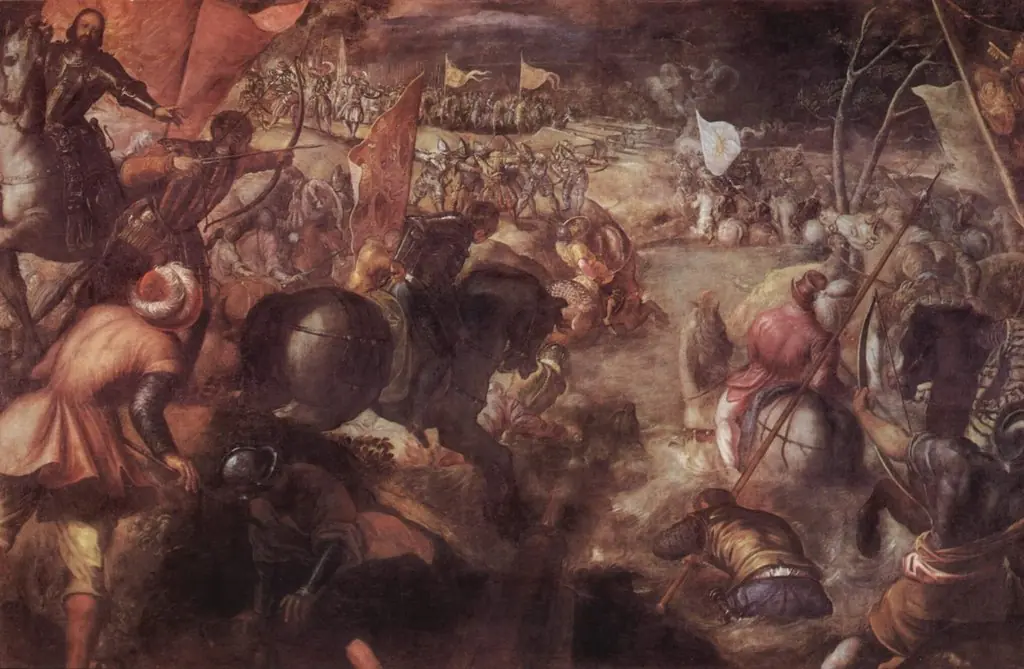 The battle of Taro
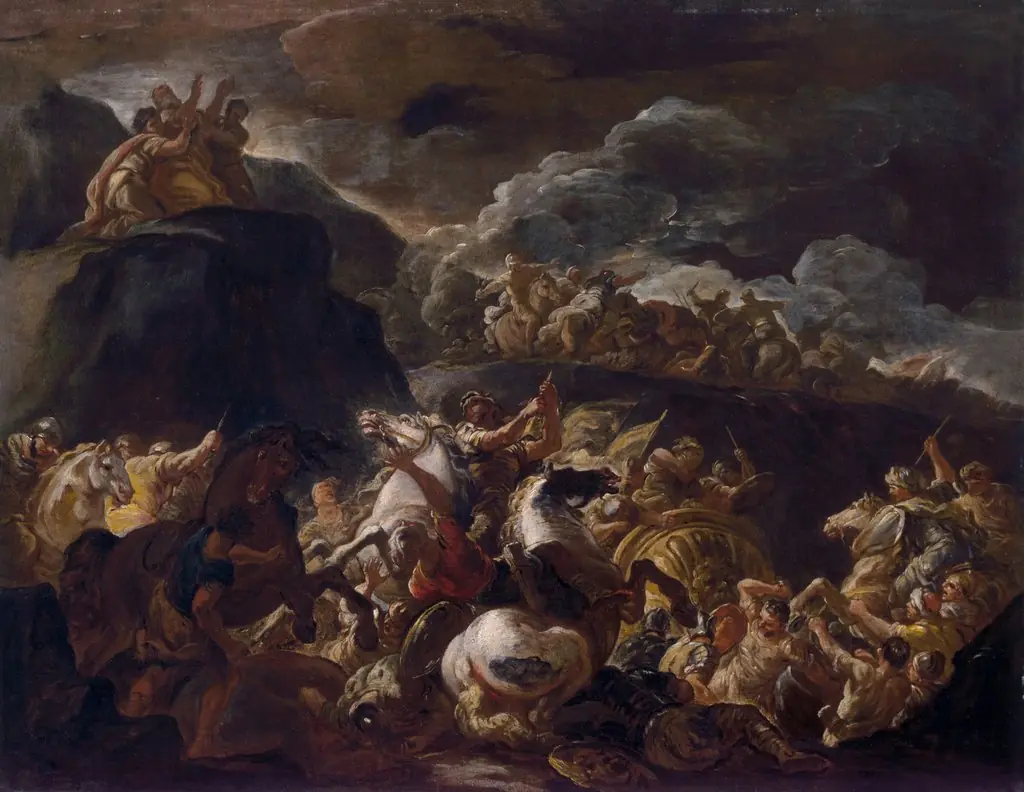 The Battle of Israel and Amalek
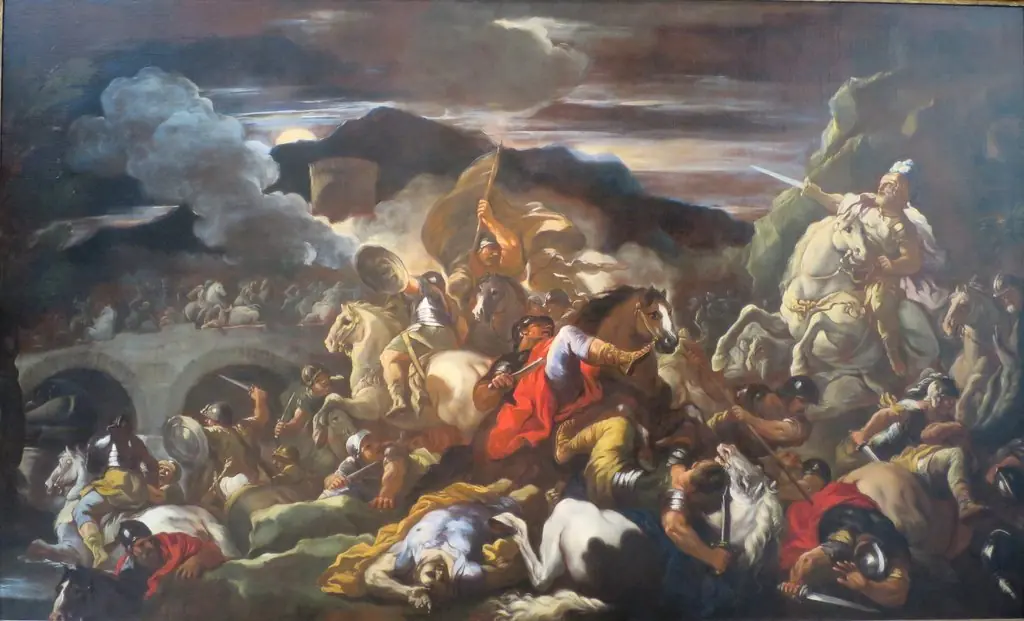 A Battle Scene
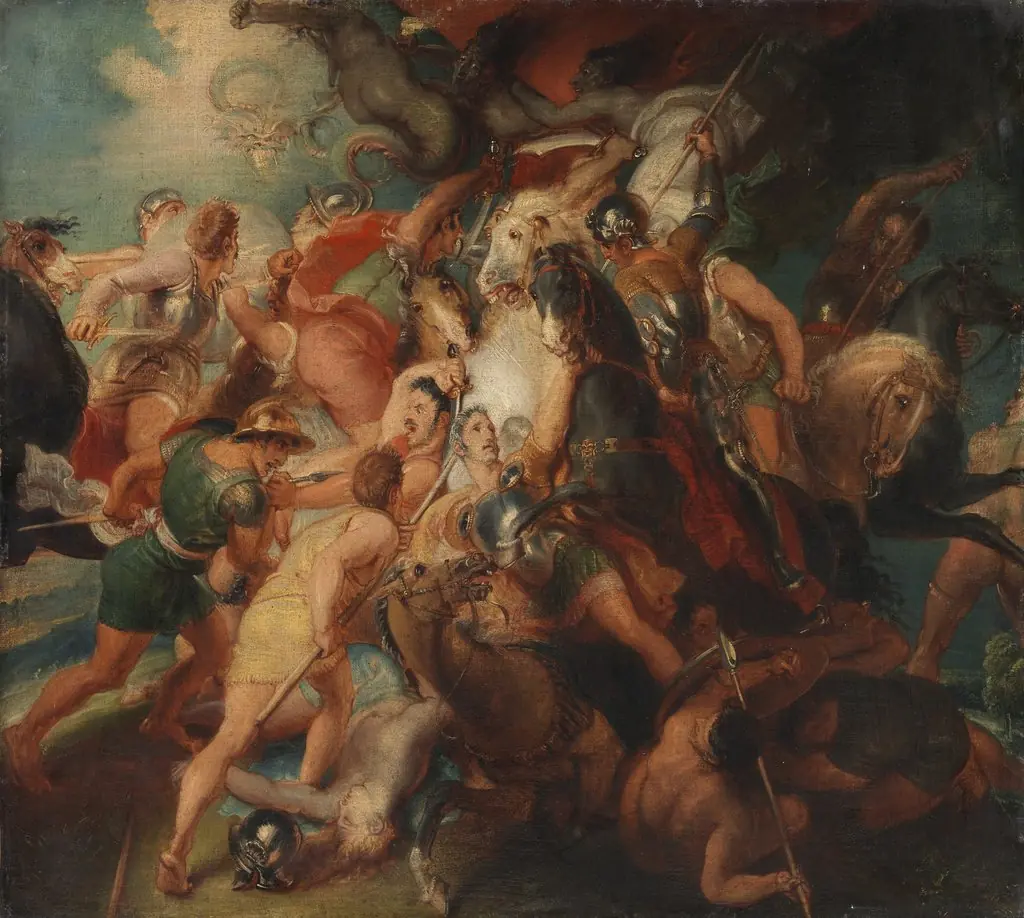 The Horrors of War, Sketch for Burghley House Mural
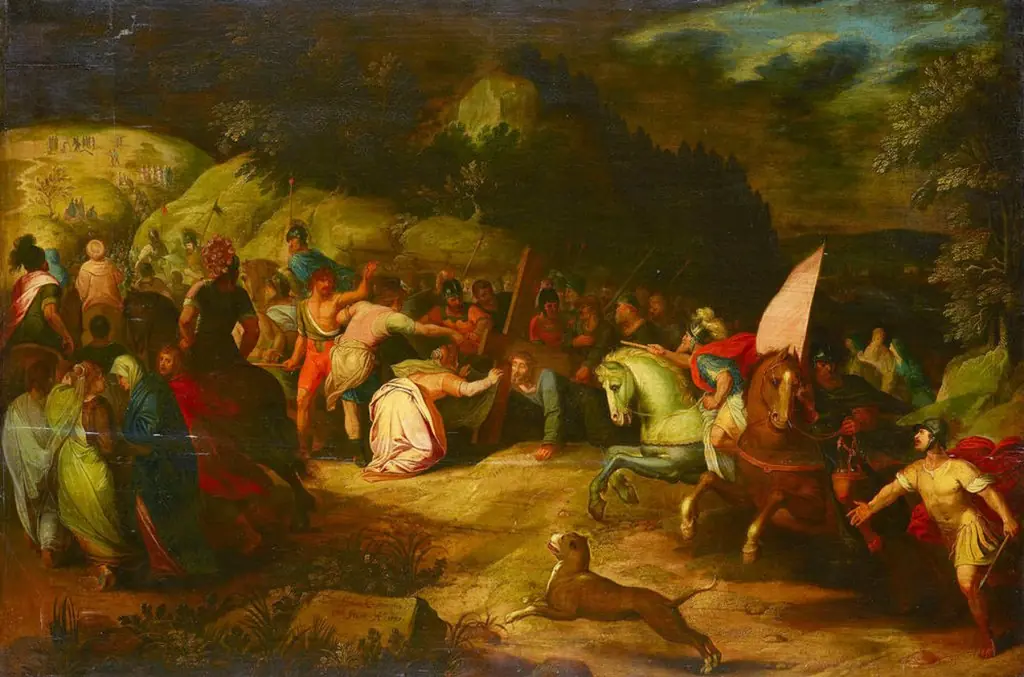 Christ collapsing under the cross on his way to Golgotha
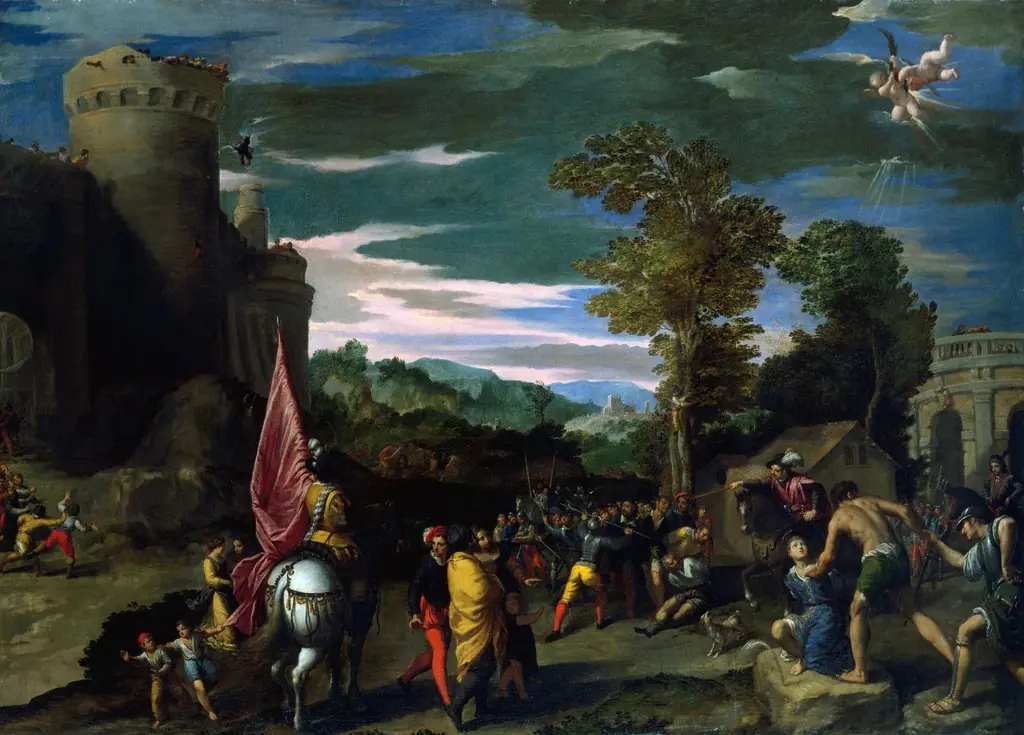 Martyrdom of Saint Venantius of Camerino
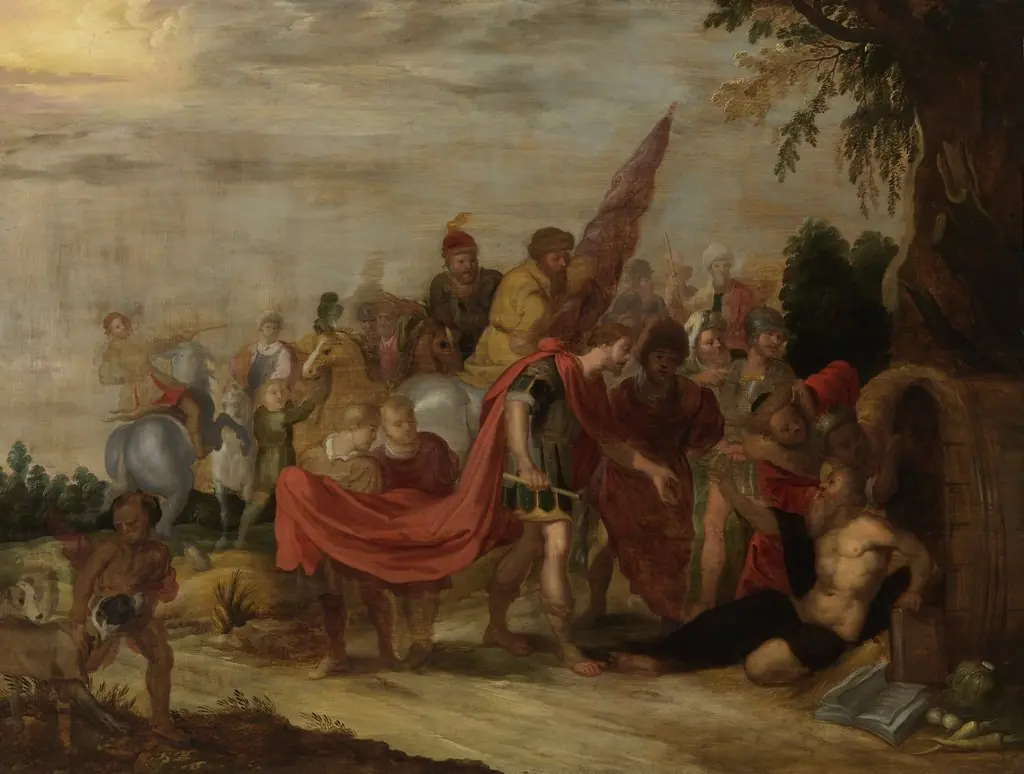 Alexander en Diogenes
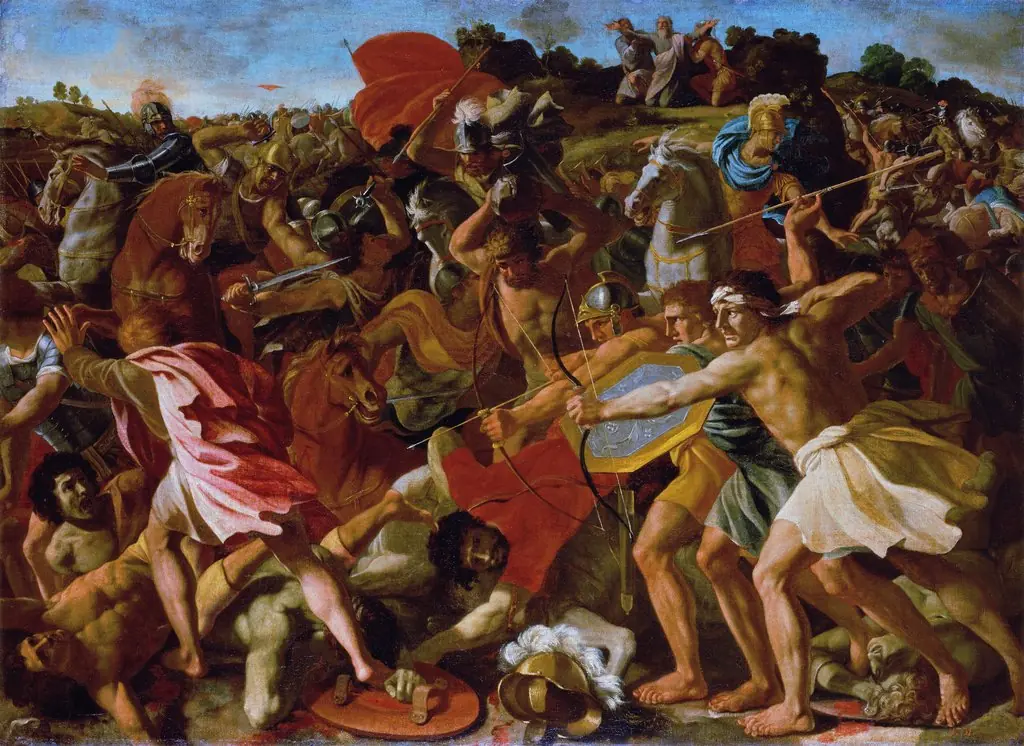 Victory of Joshua over the Amalekites
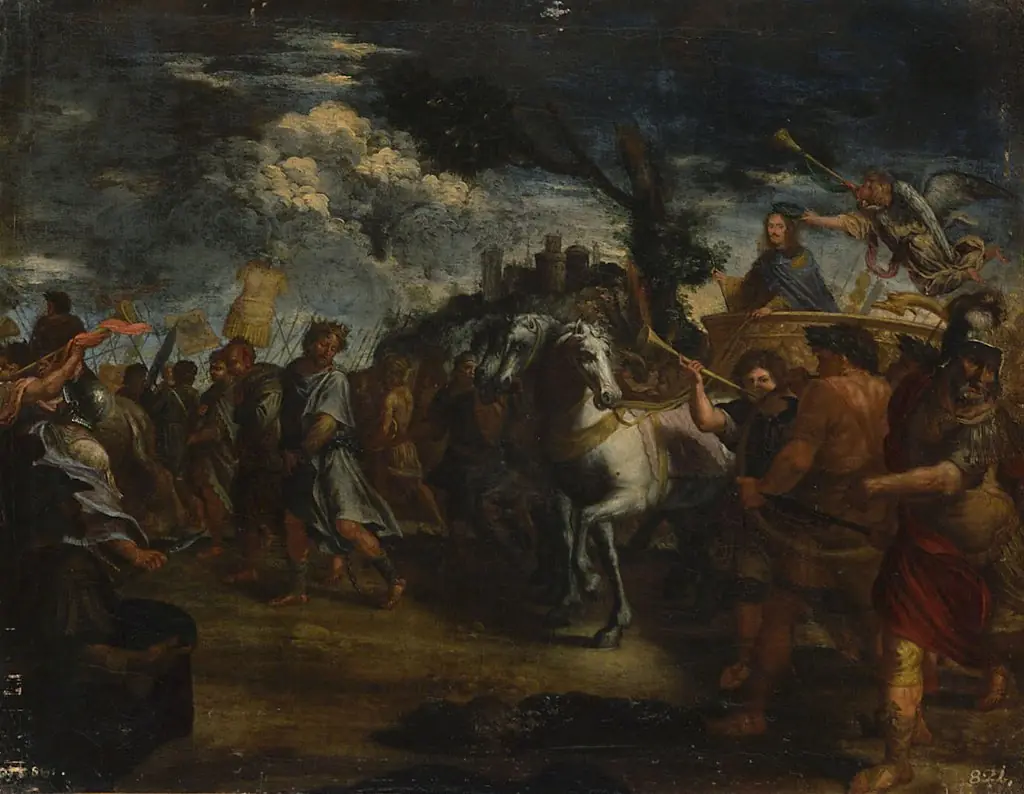 Triumphzug des Erzherzogs Leopold Wilhelm
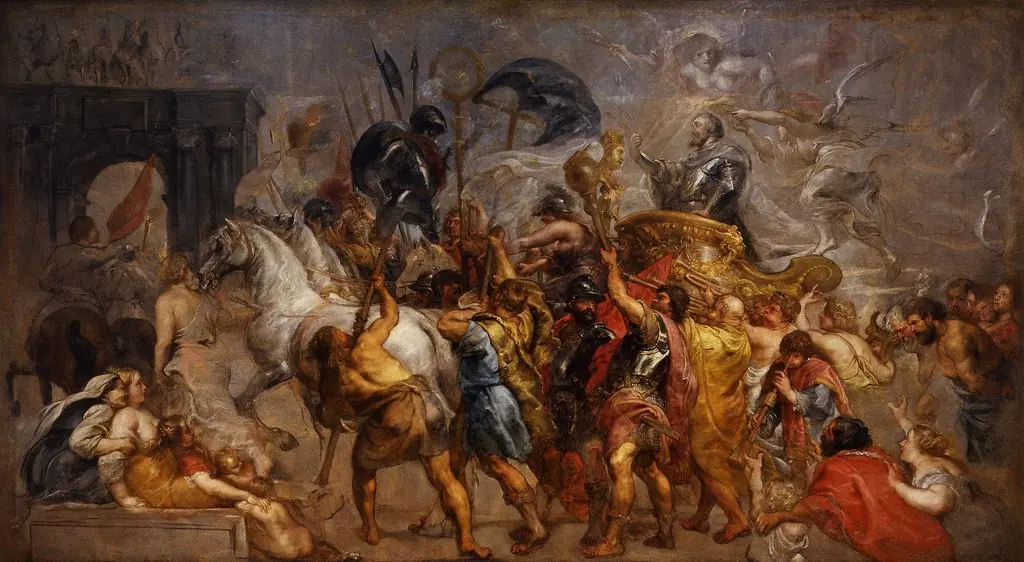 The Triumphal Entry of Henry IV into Paris
 Conversion of St. Paul (Acts 9:3-6)