Artwork
The Annunciation
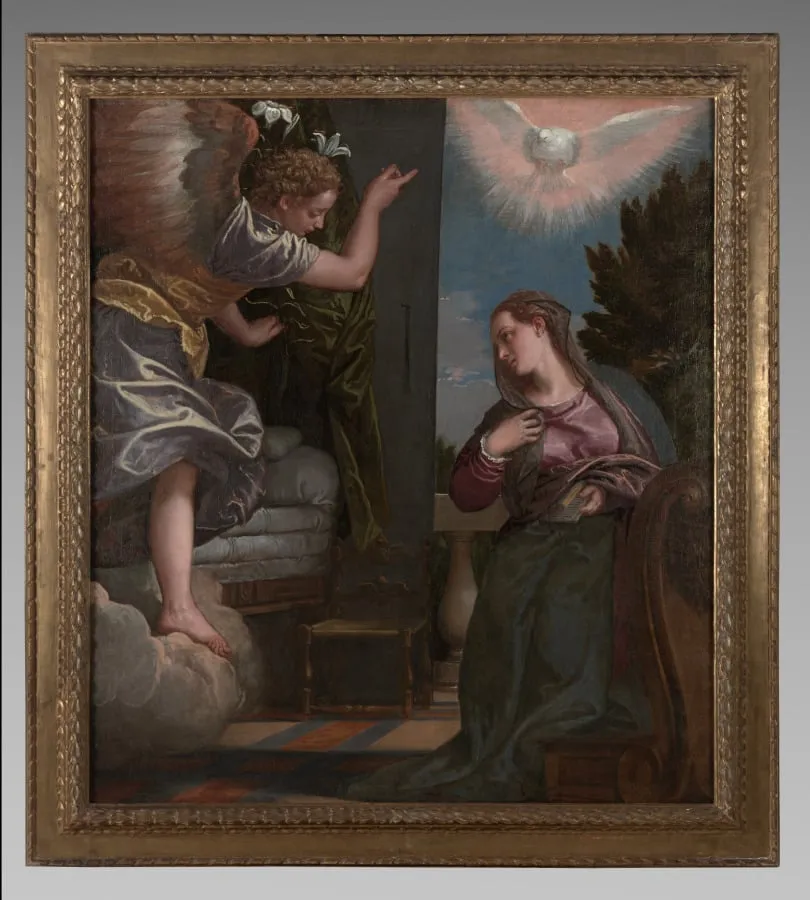
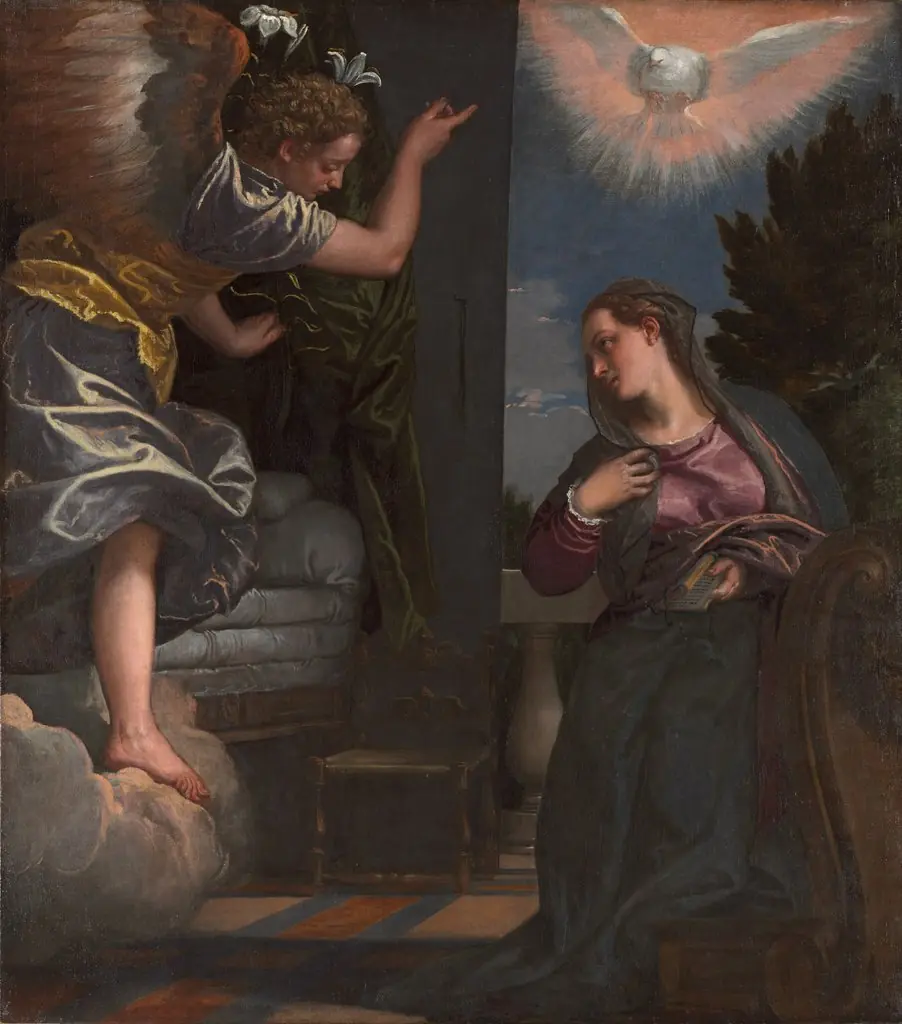
The Annunciation is an unspecified painting by the Mannerist artist Paolo Veronese. It dates from 1580 and is held in the collection of the Cleveland Museum of Art.
About this work
Mary’s book is open to a page predicting her own story—a detail that ties the old prophecy to the new event.
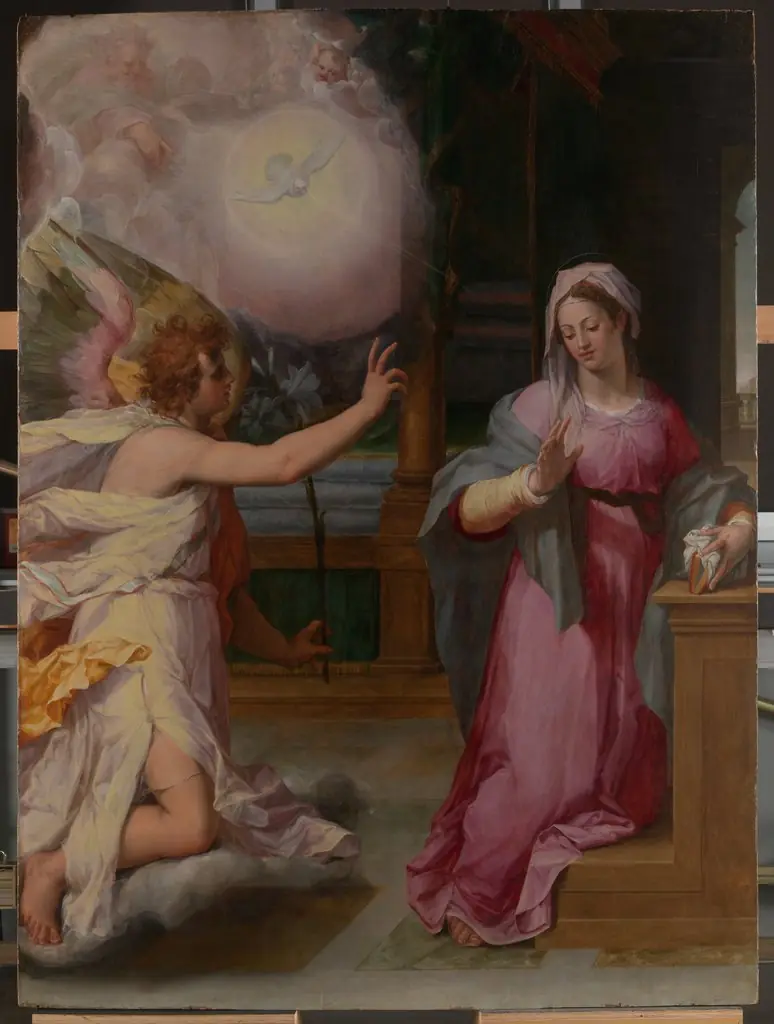
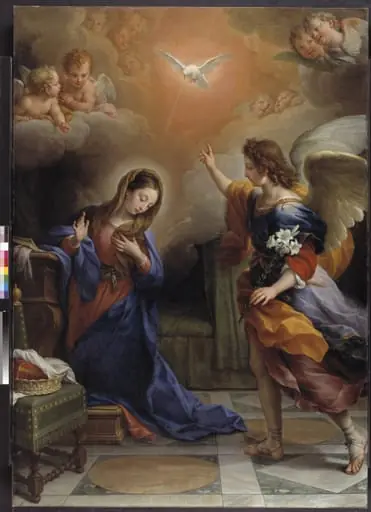
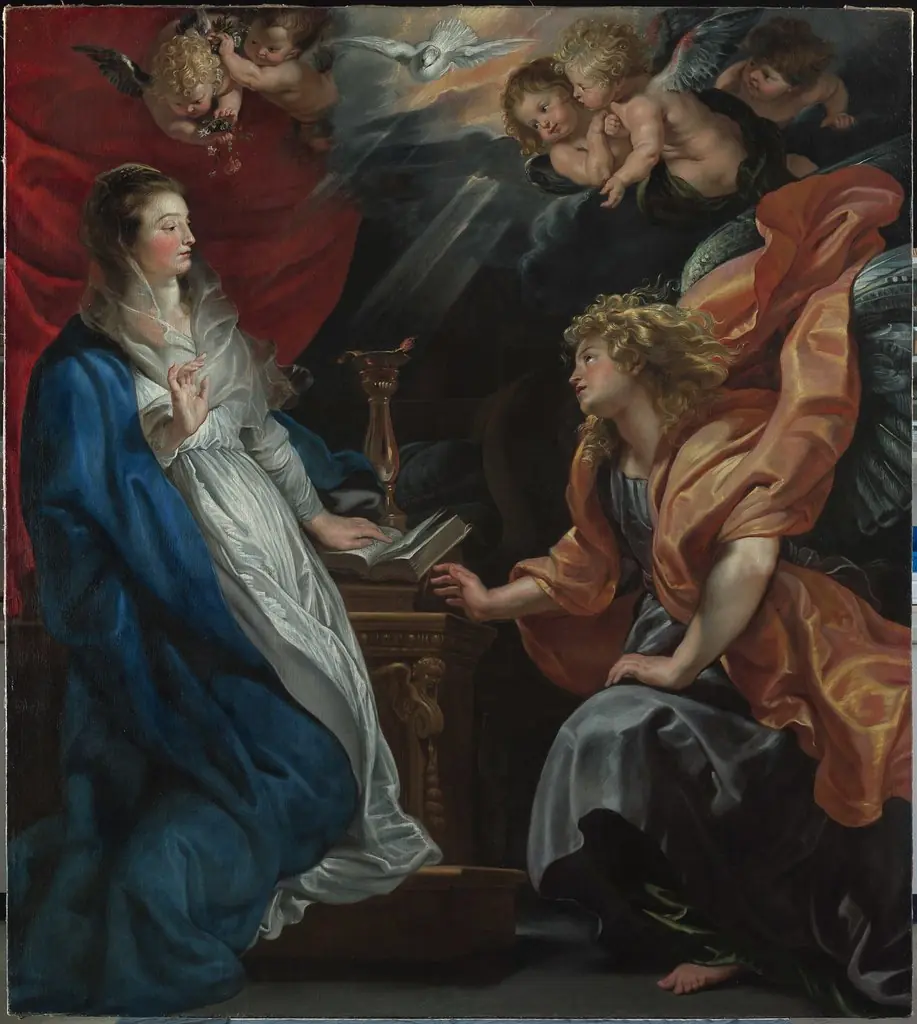
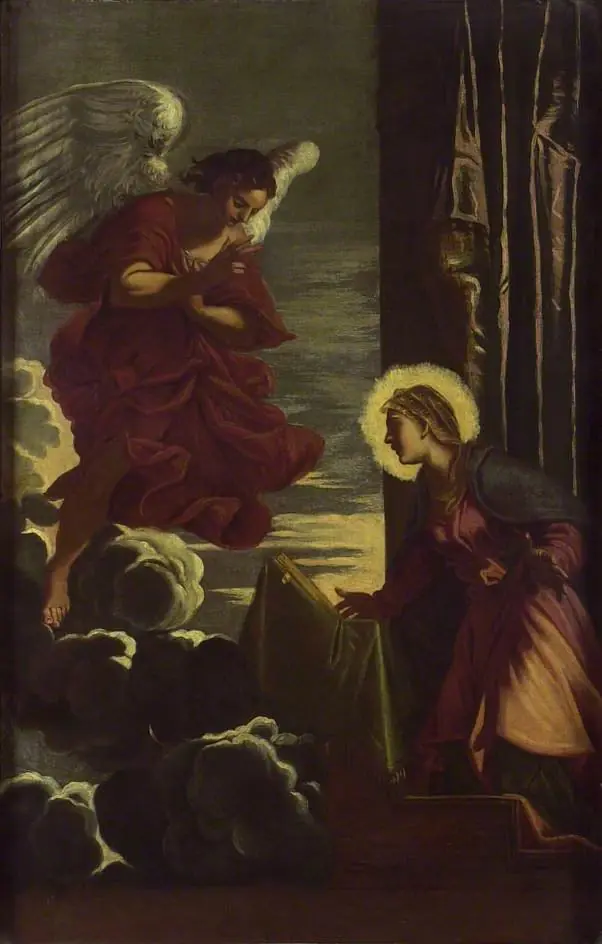
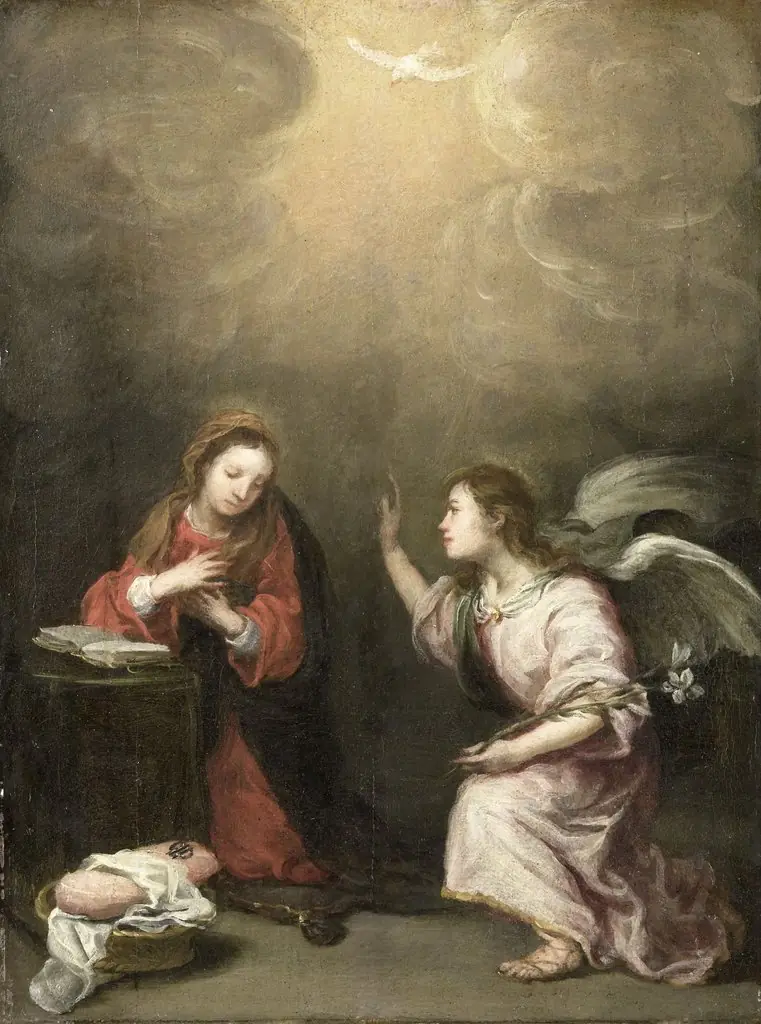
You see an angel kneeling in front of Mary, who’s sitting with a book in her lap. A beam of light cuts through the room, and a small white dove hovers above them.
Most paintings of this scene spread the figures out, but Veronese squeezes them close together. The tight space makes the moment feel private, almost like you’re interrupting a quiet conversation. Mary’s book is open to a page predicting her own story—a detail that ties the old prophecy to the new event.
To see how other artists painted the same moment, look up works from Italy, 16th century.
Overview
Paolo Veronese’s rendition of the Annunciation gathers the angel Gabriel and the Virgin Mary within a compact interior, emphasizing the immediacy of the divine message. A shaft of light illuminates the space, while a white dove hovers above, symbolising the Holy Spirit. The composition departs from the artist’s usual expansive, theatrical scenes, opting instead for a close‑up encounter between the celestial messenger and the expectant mother.
Subject & Meaning
The painting depicts the moment Gabriel informs Mary that she will conceive a son, fulfilling the prophecy from Isaiah 7:14. Mary is shown seated with an open book, the text of the Old Testament prophecy displayed, linking the ancient prediction directly to the present revelation. The intimate setting underscores the personal nature of the encounter, suggesting a private dialogue rather than a public spectacle.
Technique & Style
Veronese employs his characteristic luminous palette, but compresses the spatial arrangement, allowing figures to occupy the same plane. The angel kneels, his wings rendered with delicate brushwork, while the dove is rendered in soft, almost translucent strokes. Light pierces the room, creating chiaroscuro that highlights the faces and the open page, reinforcing the narrative focus on the exchange of words.
Context
Created in the mid‑16th century, the work reflects Counter‑Reformation interests in clear, emotionally resonant religious imagery. While many contemporaneous Annunciations spread figures across architectural settings, Veronese’s choice to cluster the characters aligns with a broader Venetian trend toward intimate devotional scenes intended for private contemplation.
Legacy
The painting offers a distinctive counterpoint to Veronese’s grand banquet scenes, illustrating his versatility in handling sacred subjects. Its compositional intimacy influenced later Venetian artists who sought to convey theological moments within confined, personal spaces, contributing to the evolution of devotional painting in the late Renaissance.
Artist & collection
Artist
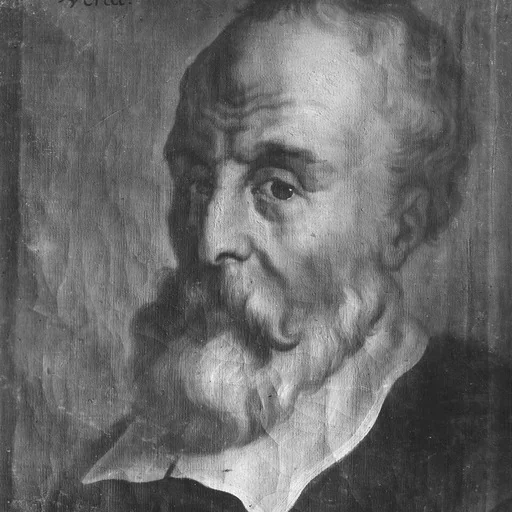
Paolo Caliari (1528 – 19 April 1588), known as Paolo Veronese ( VERR-ə-NAY-zay, -zee, US also -see; Italian: ), was an Italian Renaissance painter based in Venice, known for extremely large history paintings of…