Artwork
The Infant Christ blessing the Virgin
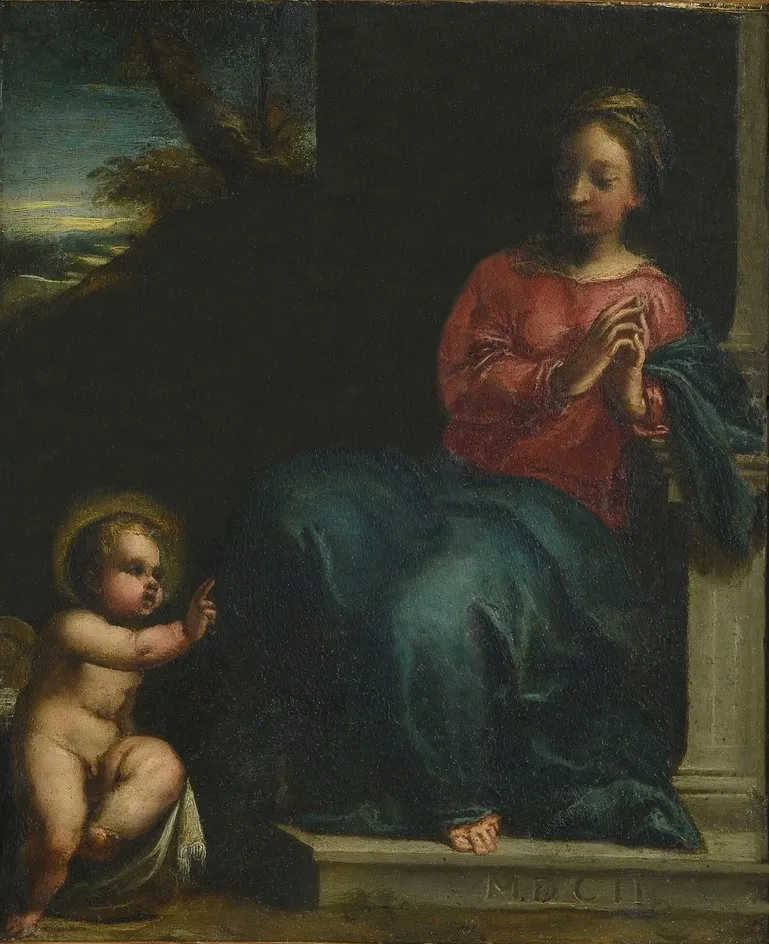
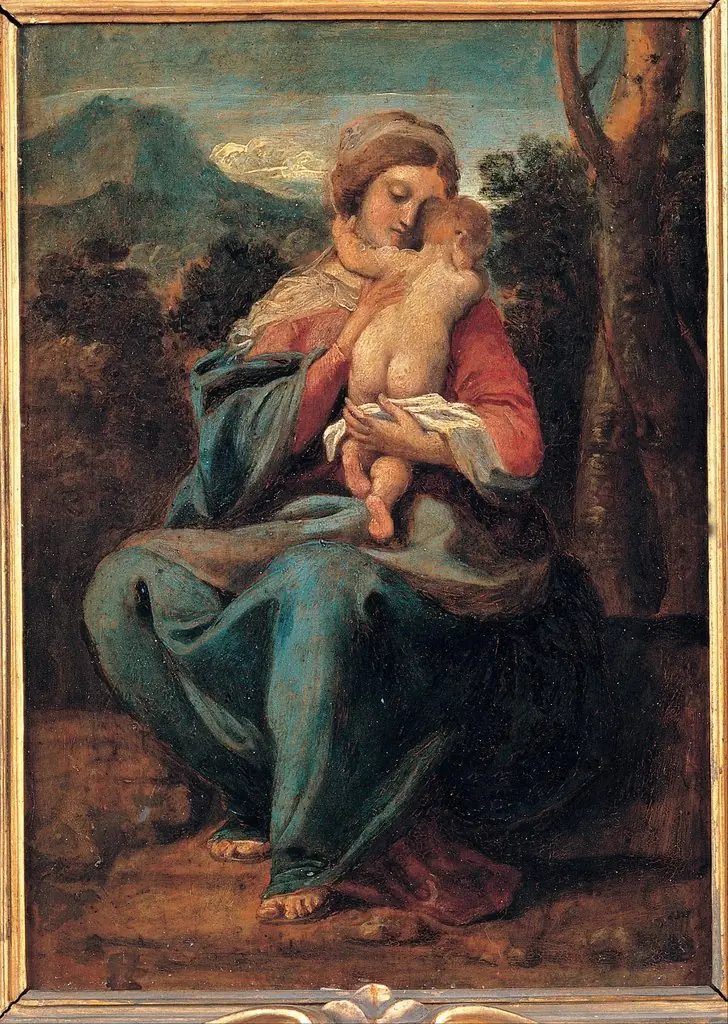
The Infant Christ blessing the Virgin is an oil painting by the Mannerist artist Scarsellino. It dates from 1595 and is held in the collection of the Ashmolean Museum.
About this work
Overview
The choice of copper as a support allowed for fine detail and luminous color, typical of late Mannerist practice in northern Italy.
Painted around 1595 on copper by the Ferrarese artist Scarsellino, this small devotional work presents a quiet moment between the Virgin Mary and the Christ Child. The choice of copper as a support allowed for fine detail and luminous color, typical of late Mannerist practice in northern Italy. The composition focuses intently on the two figures, set against a deep, shadowed background that enhances their presence.
Subject & Meaning
The scene captures the Infant Christ bestowing a blessing upon his mother, a rare inversion of the usual maternal gaze. Mary, seated and clasping her hands in contemplation, looks upward with quiet reverence. The gesture underscores theological ideas of Christ’s divine authority from infancy, while the intimacy of the moment reflects devotional ideals of the period, inviting personal meditation on the sacred bond between mother and child.
Technique & Style
Scarsellino employed chiaroscuro with precision, using subtle gradations of light to model the figures against the dark ground. The smooth surface of the copper plate enhanced the clarity of fine details—fabric folds, skin tones, and the softness of the Child’s curls. The restrained palette and controlled brushwork align with Mannerist tendencies, prioritizing elegance and emotional nuance over naturalistic space or movement.
History & Provenance
The painting entered the Ashmolean Museum’s collection in the 19th century, having passed through private European collections since its creation. While little is documented about its early ownership, its preservation on copper suggests it was valued as a portable devotional object, possibly commissioned for private worship. Its survival in good condition reflects careful handling over centuries.
Context
Created during a period when Ferrara’s artistic scene was shifting under political and religious change, the work reflects lingering Mannerist ideals even as Baroque naturalism emerged elsewhere. Religious imagery remained central in private devotion, and small-scale copper paintings like this were favored for their durability and intimate scale, suited to personal prayer rather than public altars.
Legacy
Though Scarsellino is better known for his later landscapes, this devotional panel exemplifies his early mastery of emotional restraint and technical finesse. It stands as a representative example of how Mannerist aesthetics adapted to intimate religious themes, influencing smaller-scale devotional works in northern Italy well into the 17th century, even as larger trends moved toward dramatic realism.
Artist & collection
Artist
Scarsellino or Ippolito Scarsella (1550 (or 1551) – 28 October 1620) was an Italian mid-to-late sixteenth century reformist painter and one of the most important representatives of the School of Ferrara.

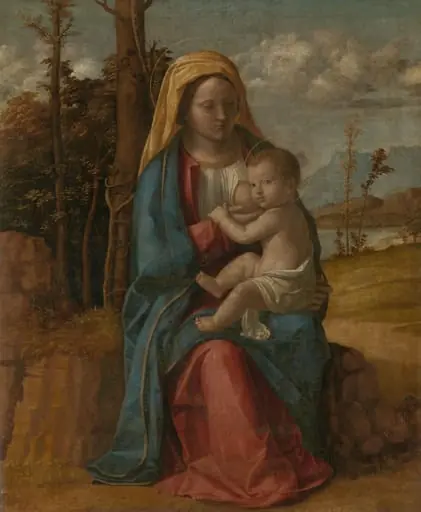 Madonna and Child
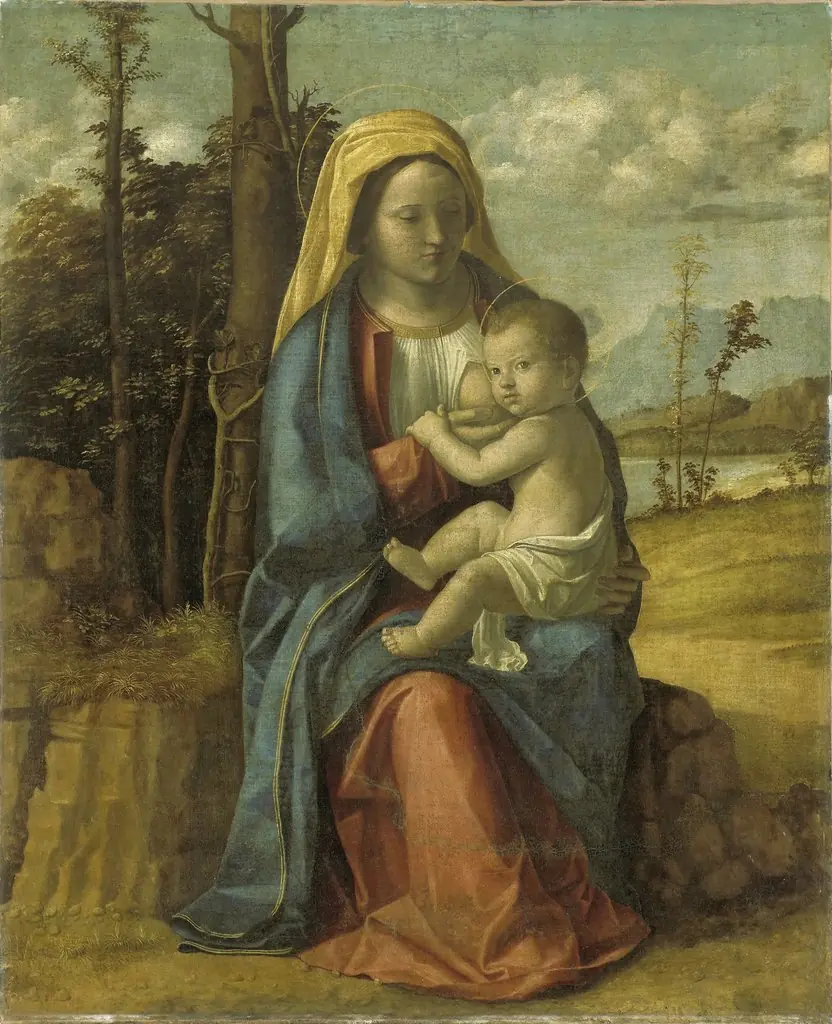 Madonna and Child
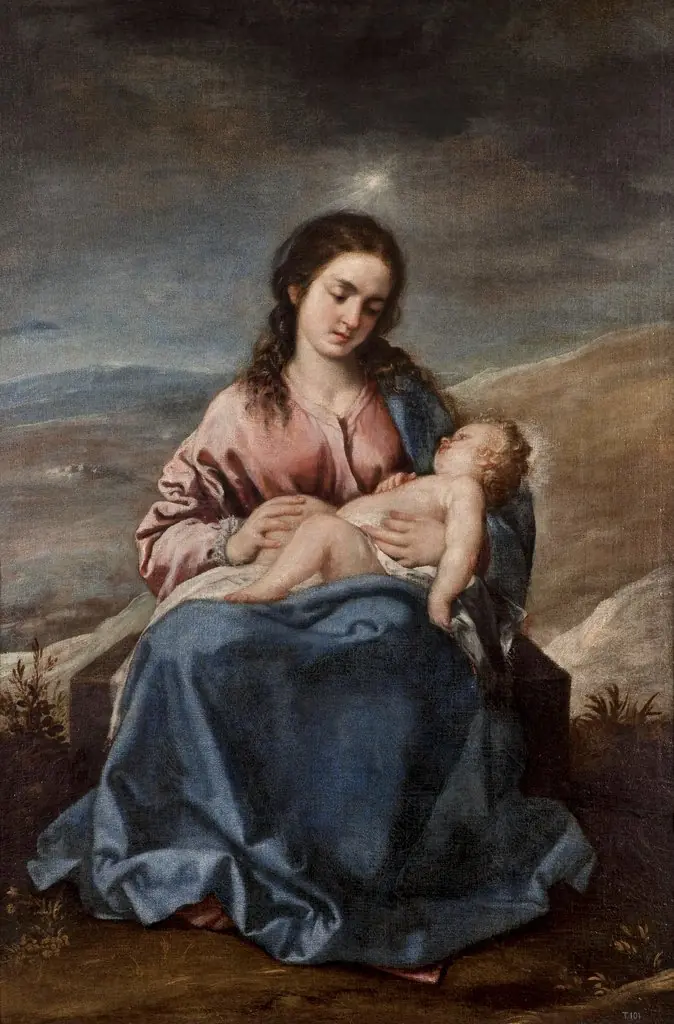 The Virgin of the Star
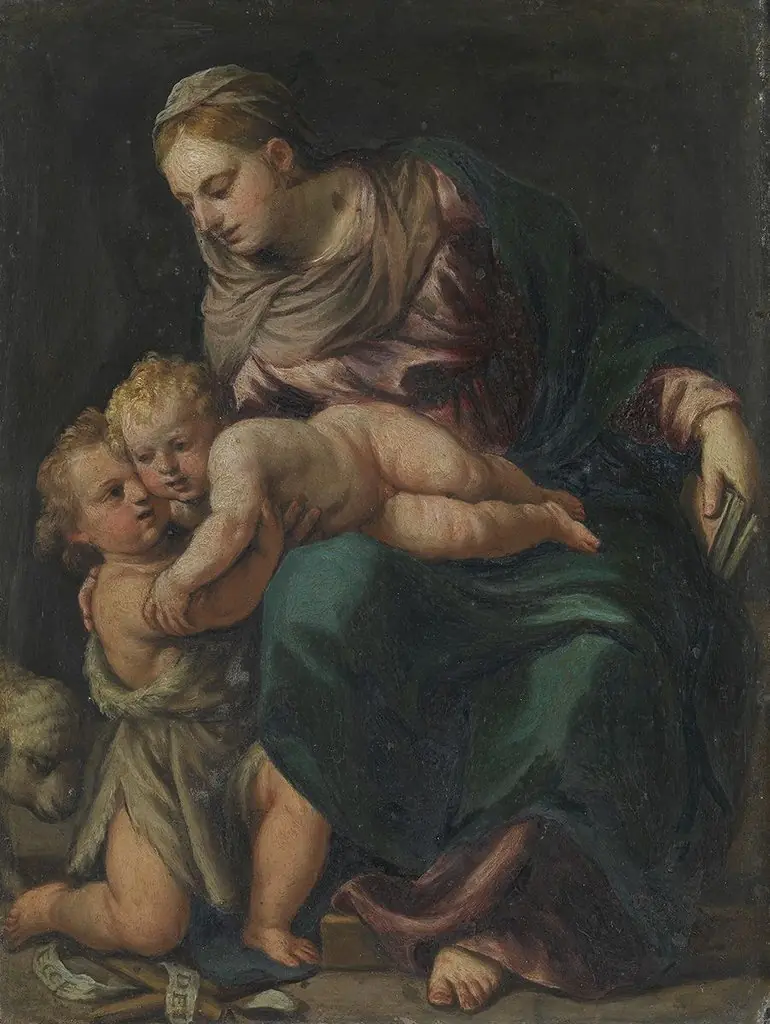 Maria mit dem Kinde und dem Johannesknaben
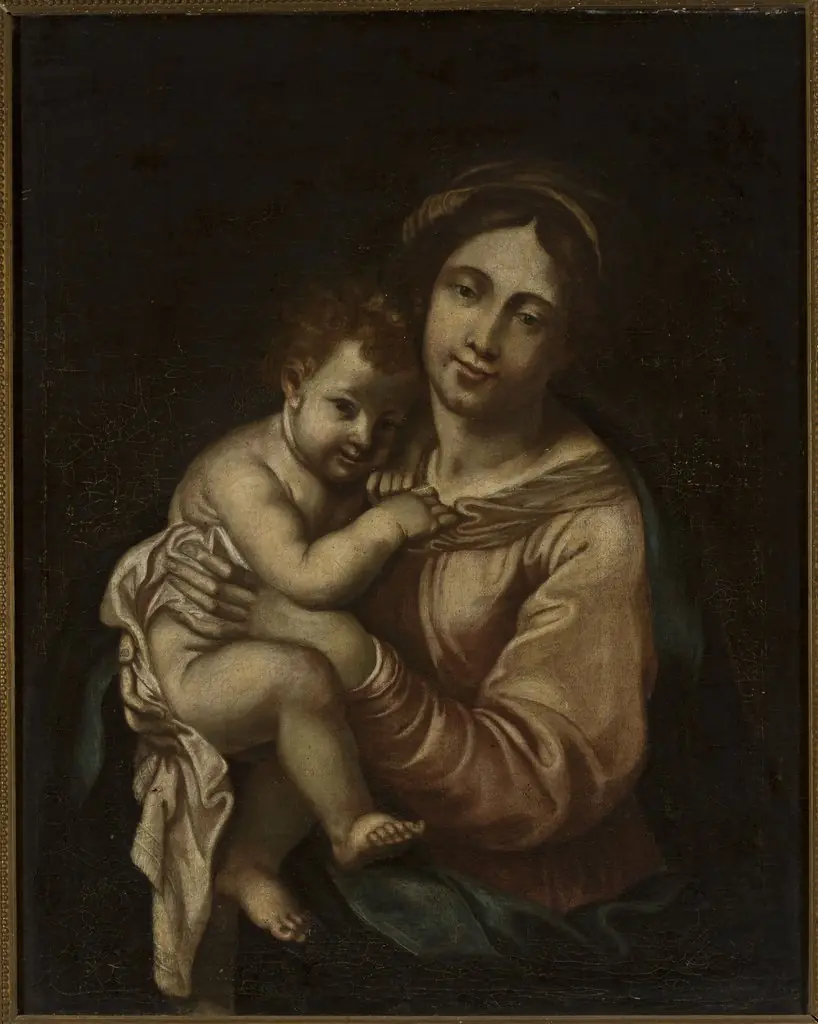 Madonna with Child Jesus
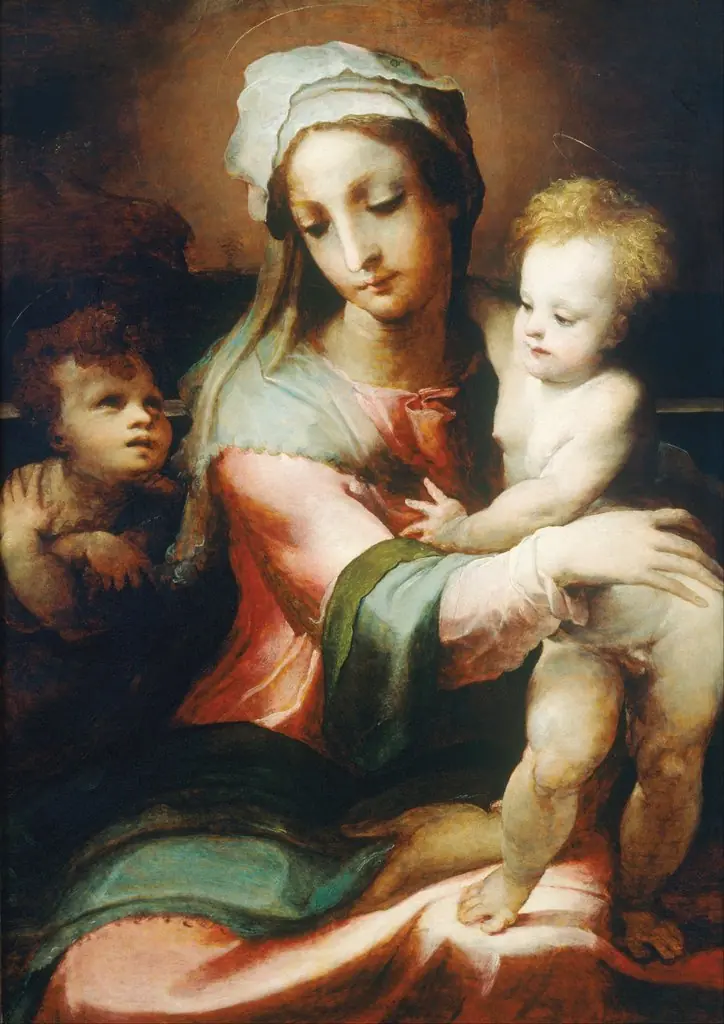 Madonna and child with infant John the Baptist
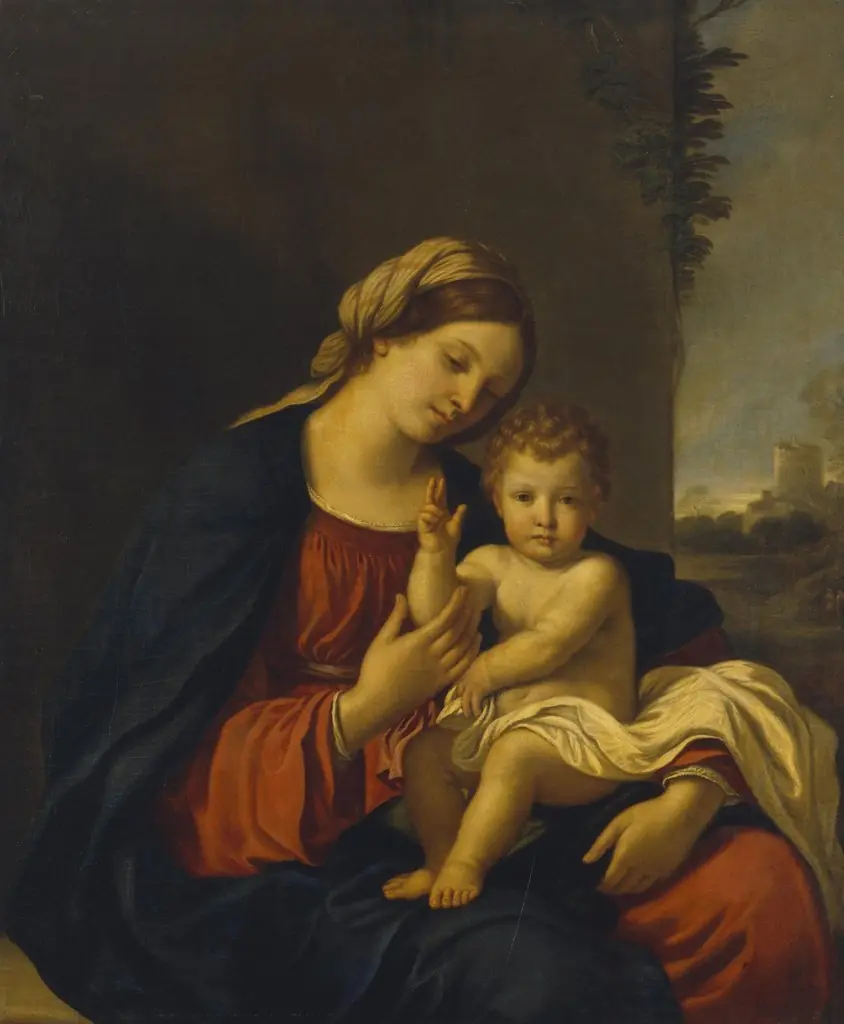 Madonna and Child
 Madonna with the Child
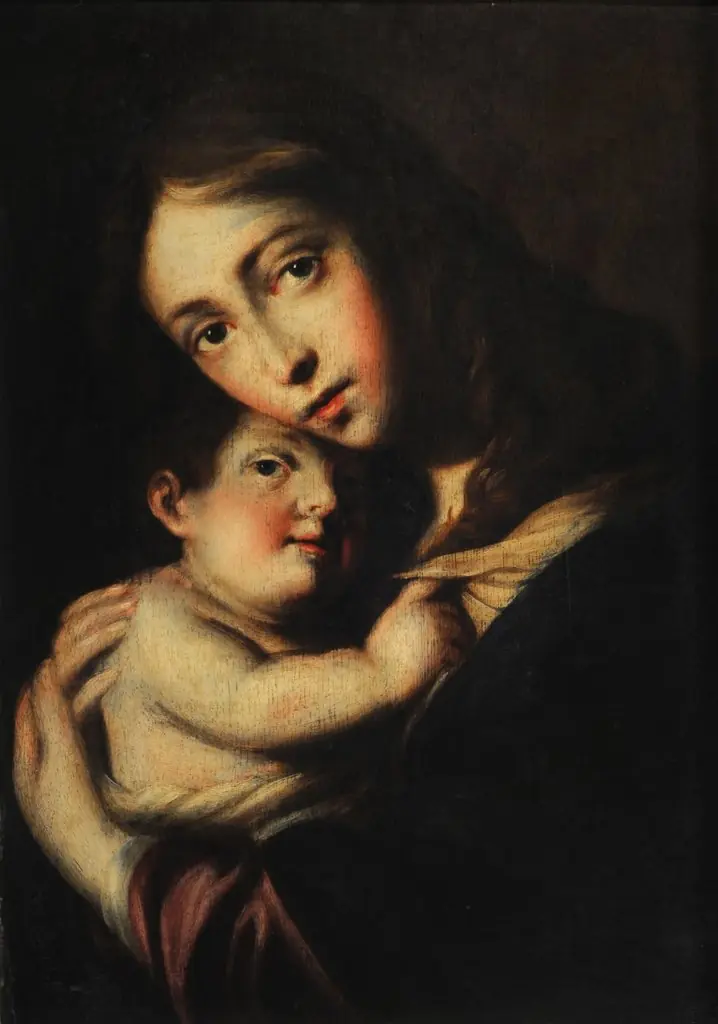 Virgin and child
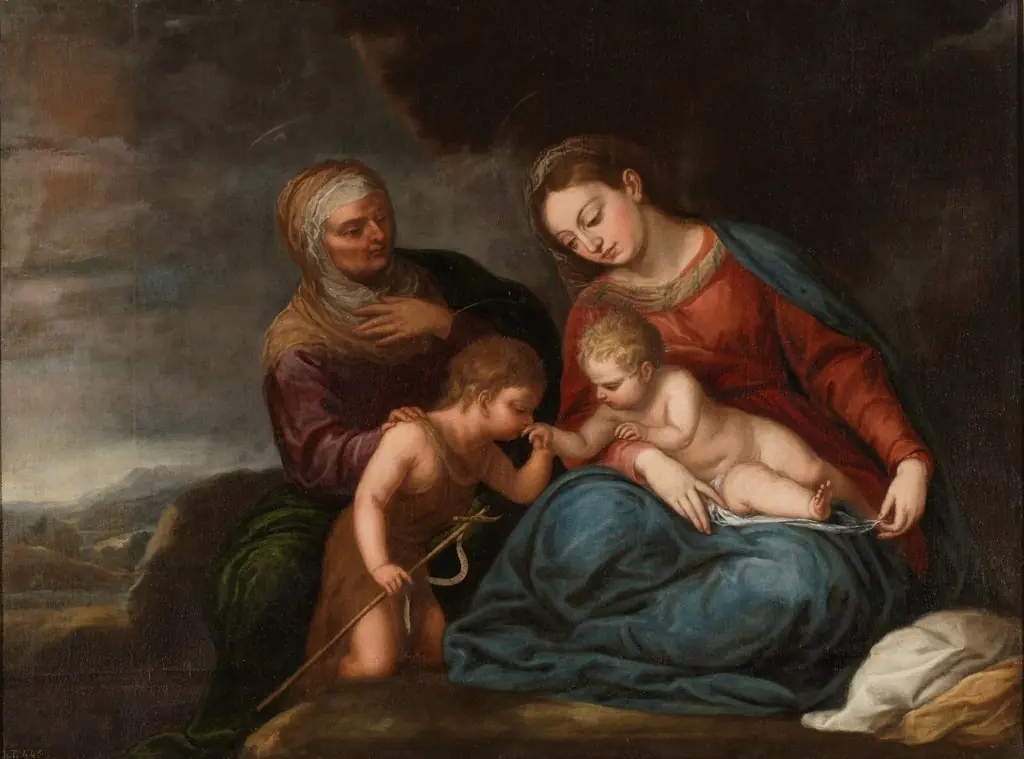 The Virgin and Child with Saints Elizabeth and John
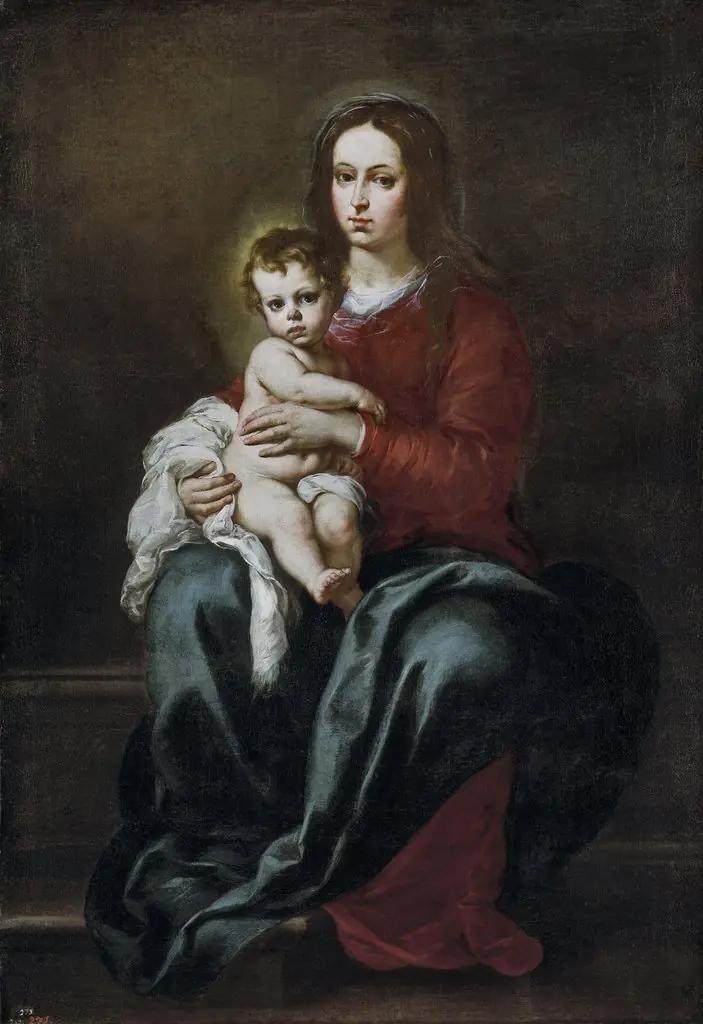 The Virgin and Child
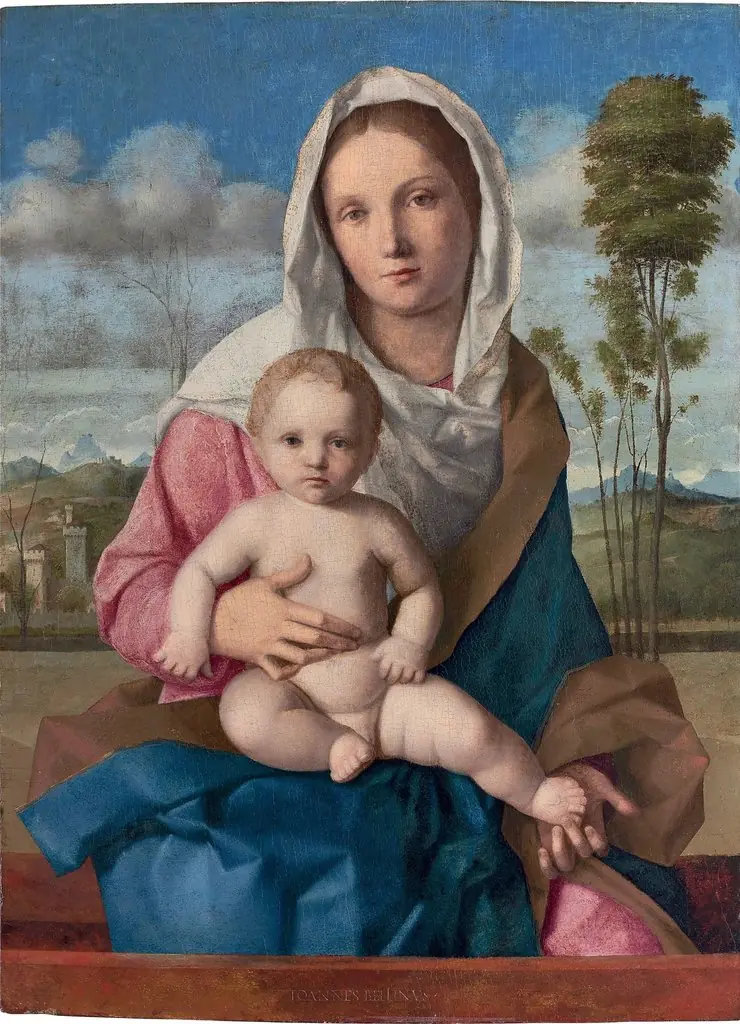 Madonna Dudley