Artwork
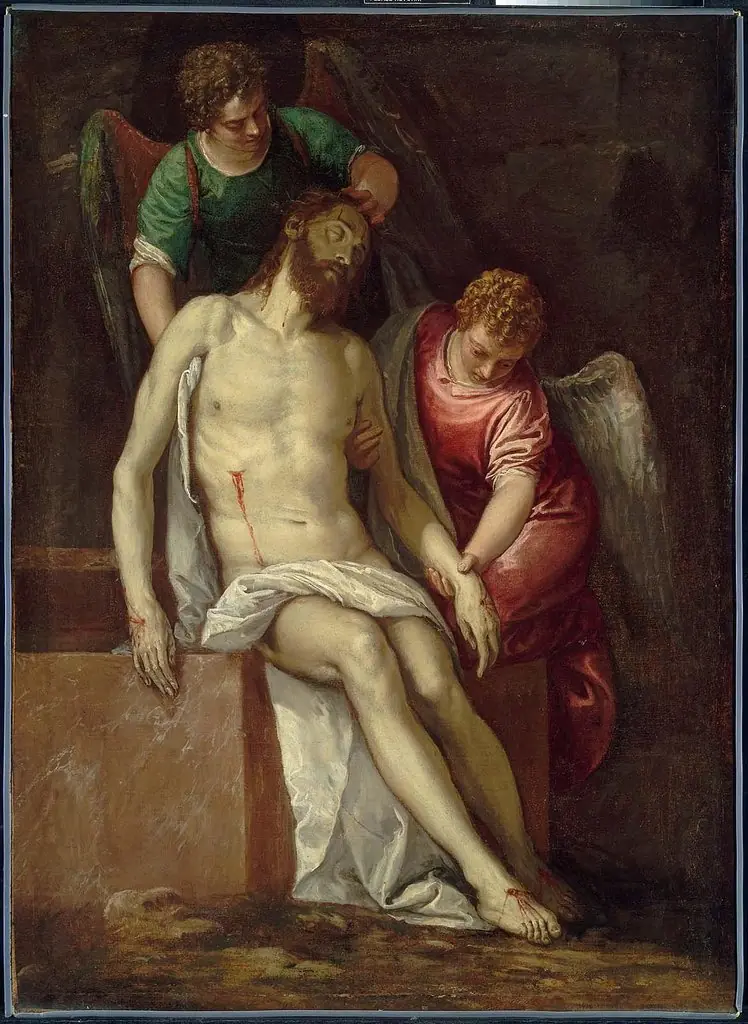
Der tote Christus im Grabe, von zwei trauernden Engeln gestützt
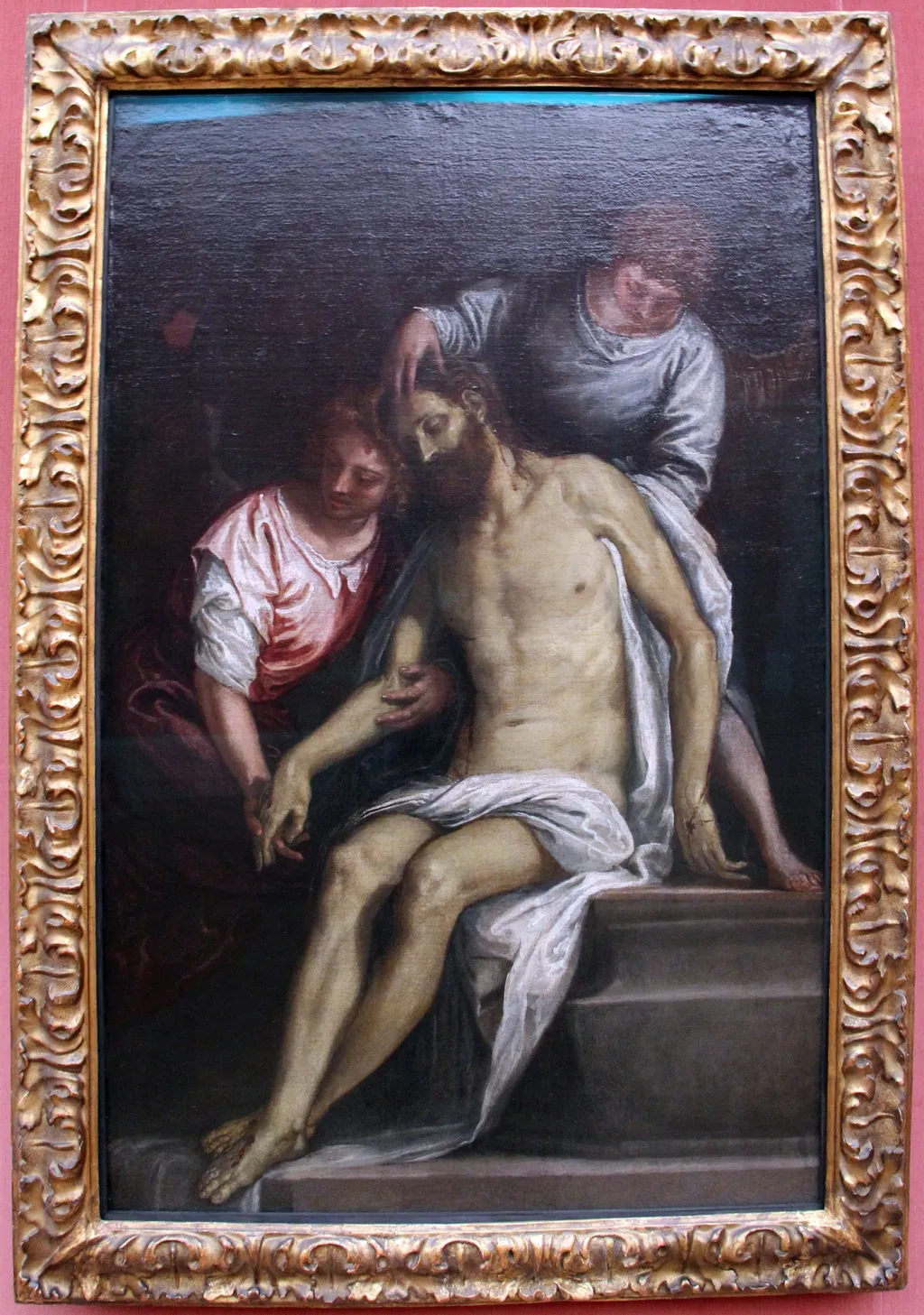
Der tote Christus im Grabe, von zwei trauernden Engeln gestützt is a paint painting by the Mannerist artist Paolo Veronese. It is held in the collection of the Gemäldegalerie Berlin.
About this work
Overview
It belongs to the later phase of his career, when his style softened into a more introspective mode, aligning with late Mannerist tendencies in Venetian art.
Painted in 1594 by Paolo Veronese, this oil on canvas work presents a quiet moment of mourning following Christ’s deposition. Though less monumental than his mythological scenes, the painting reflects Veronese’s mastery of tone and composition. It belongs to the later phase of his career, when his style softened into a more introspective mode, aligning with late Mannerist tendencies in Venetian art.
Subject & Meaning
The painting illustrates Christ’s body cradled by two angels after the crucifixion, a scene rooted in the Lamentation tradition. A bearded man, barefoot and draped in white, sits nearby, his posture suggesting grief or contemplation. Two figures behind him offer physical support, reinforcing the theme of communal sorrow. The composition emphasizes stillness and reverence, inviting quiet meditation on mortality and divine sacrifice.
Technique & Style
Veronese employs subtle gradations of light to model the figures, with illumination focused on Christ’s form and the angels’ wings. The dark, indistinct background heightens the emotional weight of the foreground. Brushwork is refined but not overly detailed, favoring atmospheric harmony over dramatic tension. The palette is muted, dominated by earth tones and pale flesh, enhancing the scene’s solemnity.
History & Provenance
Commissioned during Veronese’s final years, the painting likely originated in a private or ecclesiastical setting in Venice. Its survival through centuries reflects its enduring resonance within devotional circles. While its early ownership is not fully documented, it entered public collections in the 19th century, where it has since been studied as an example of late Renaissance spiritual expression.
Context
In late 16th-century Venice, religious imagery remained central despite growing secular interests. Veronese, alongside Titian and Tintoretto, helped define the city’s artistic identity. This work responds to Counter-Reformation demands for emotionally grounded sacred scenes, balancing human sorrow with theological gravity without overt theatricality.
Legacy
Though overshadowed by Veronese’s grander altarpieces, this painting endures as a quiet testament to his ability to convey sacred emotion through restraint. Its focus on intimate grief influenced later devotional works in northern Europe, where similar themes were explored with comparable subtlety. It remains a key example of how Venetian painters adapted religious subjects to personal, contemplative ends.
Artist & collection
Artist
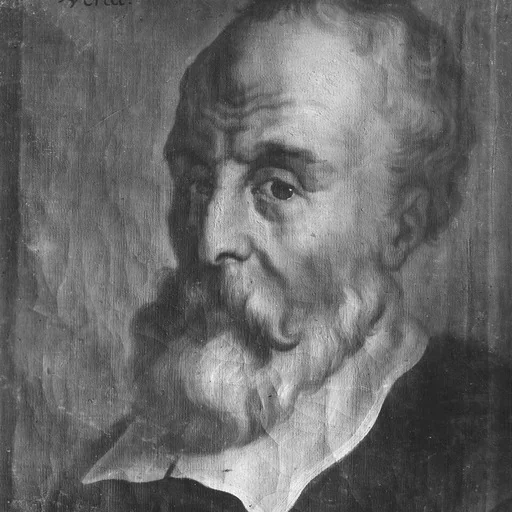
Paolo Caliari (1528 – 19 April 1588), known as Paolo Veronese ( VERR-ə-NAY-zay, -zee, US also -see; Italian: ), was an Italian Renaissance painter based in Venice, known for extremely large history paintings of…

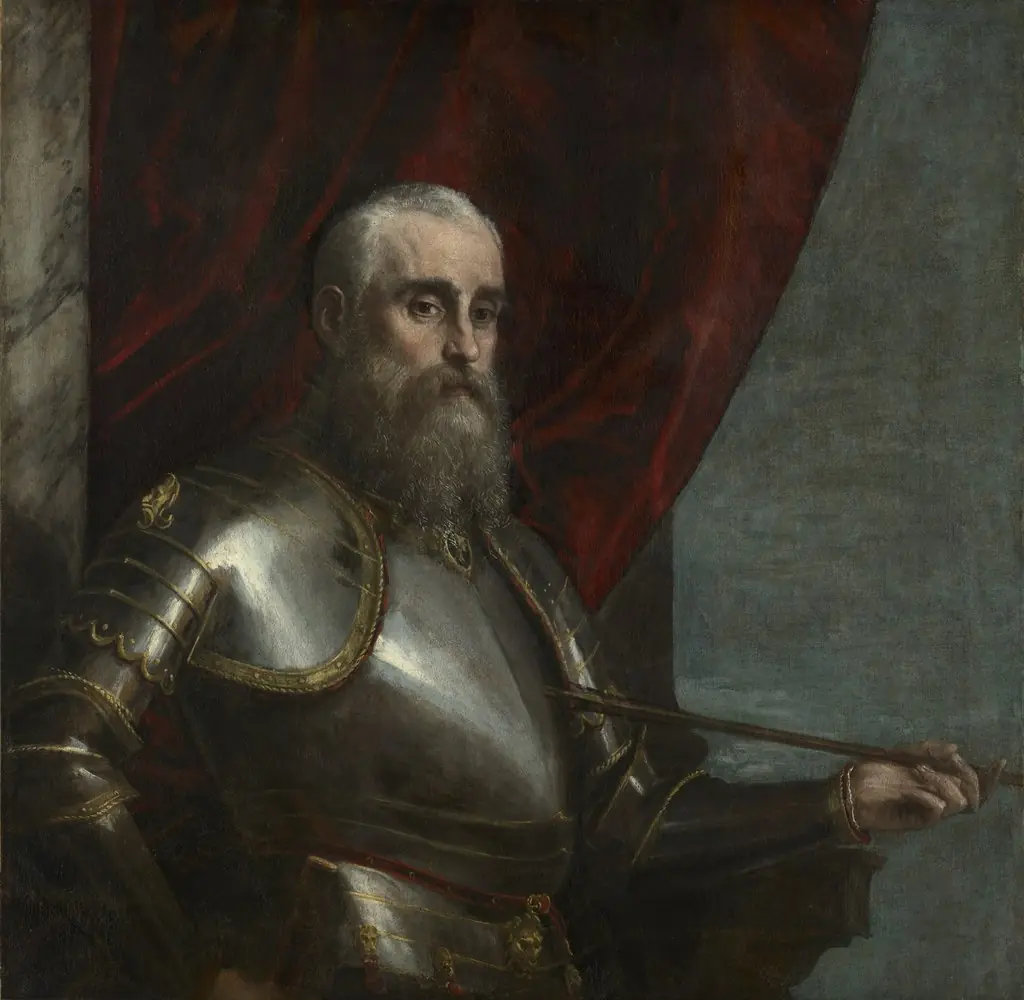
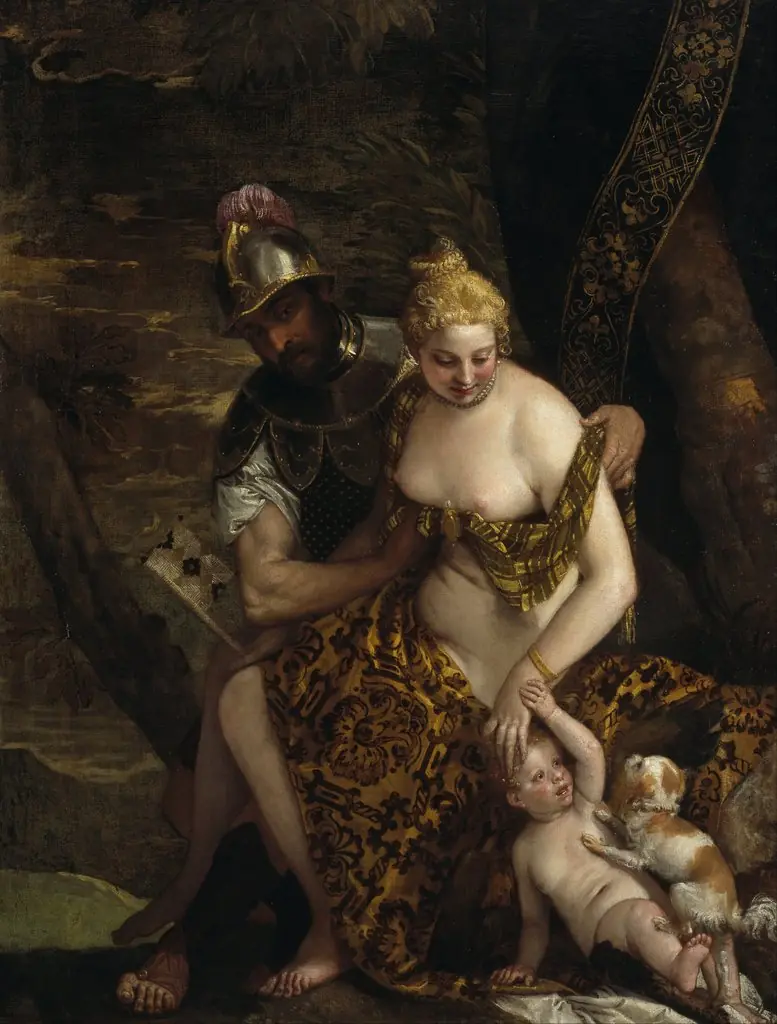
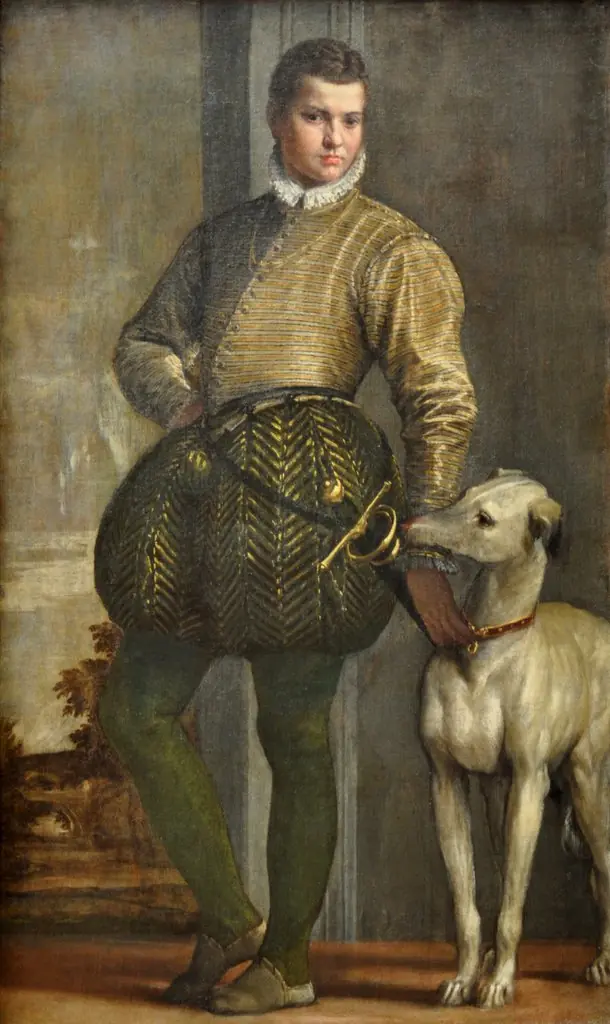
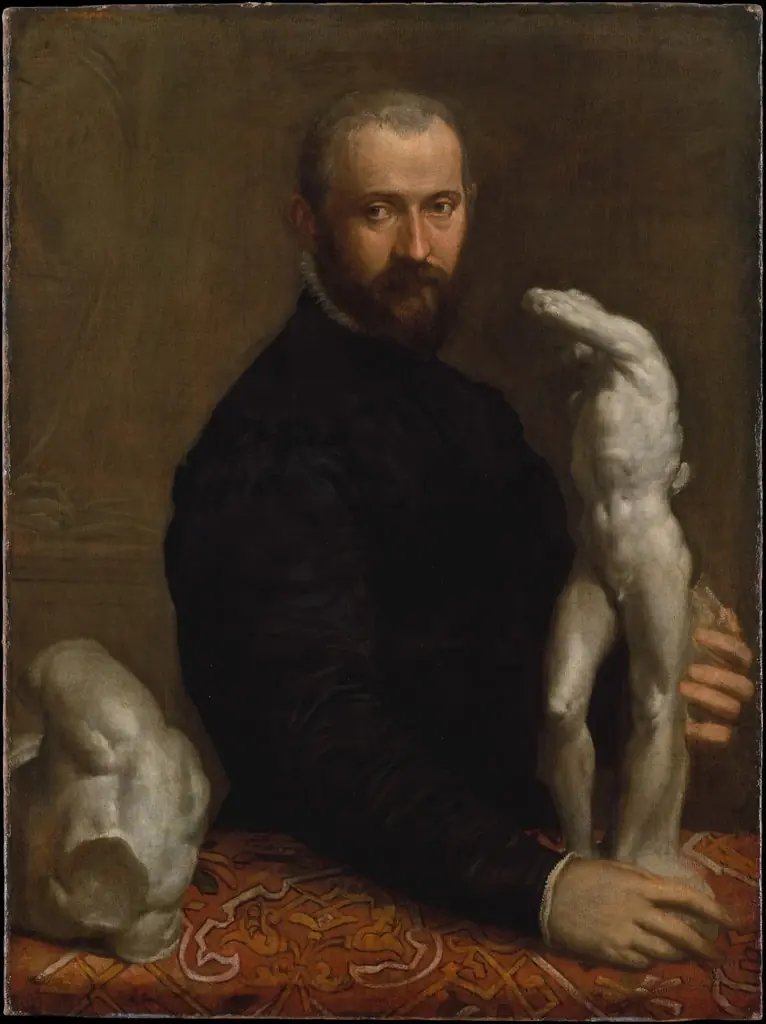
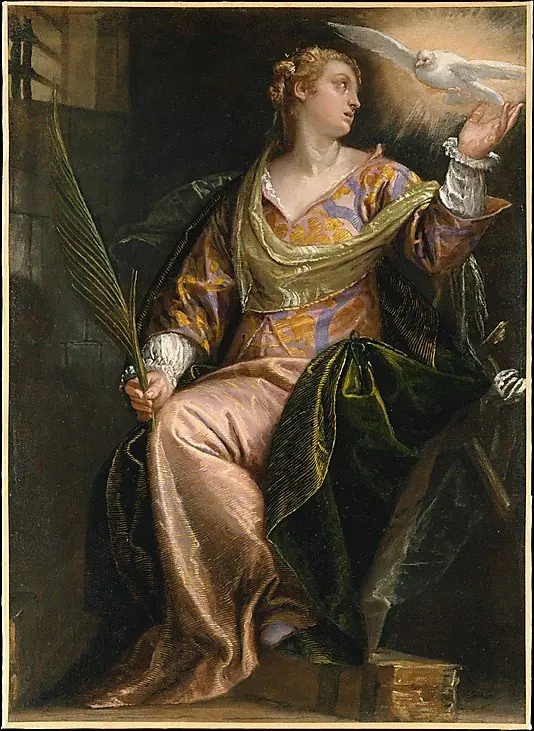
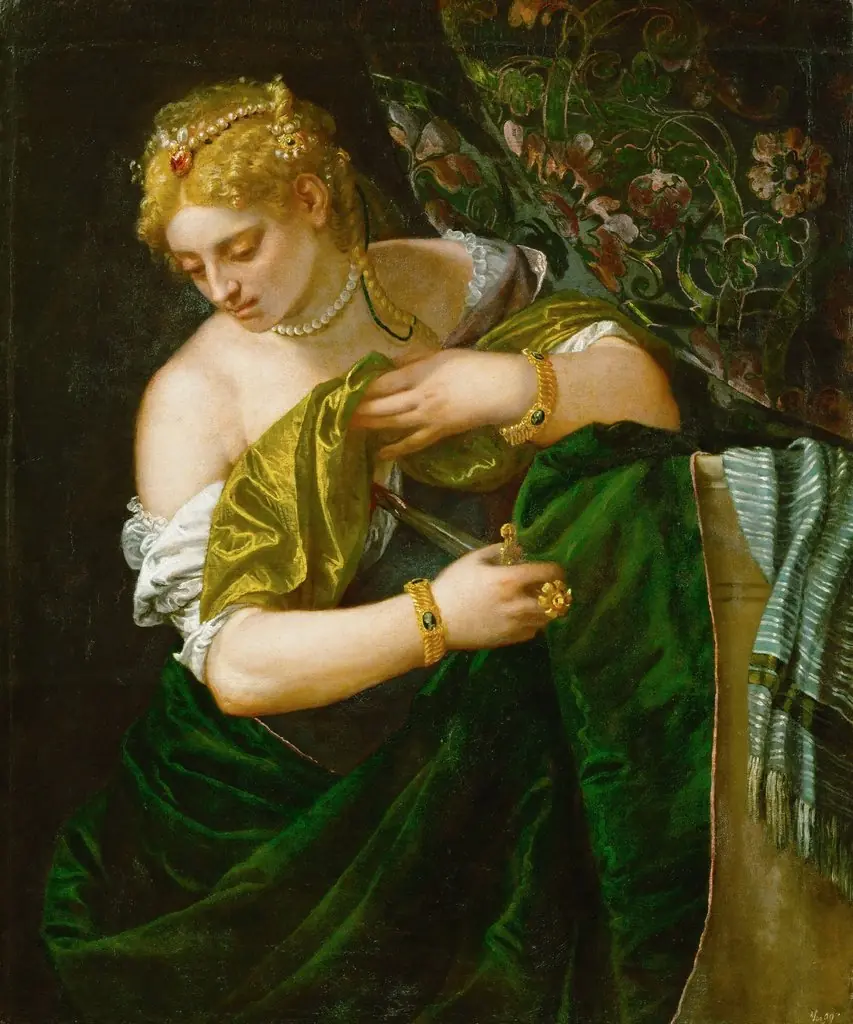
 The Dead Christ Supported by Angels
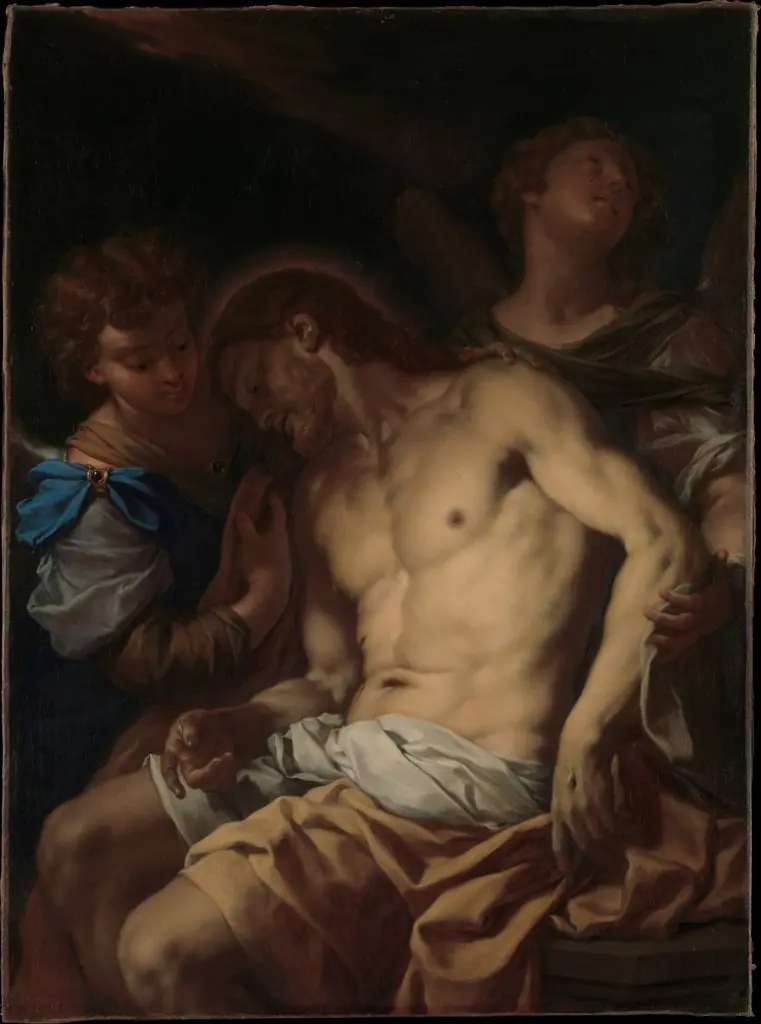 Dead Christ Supported by Angels
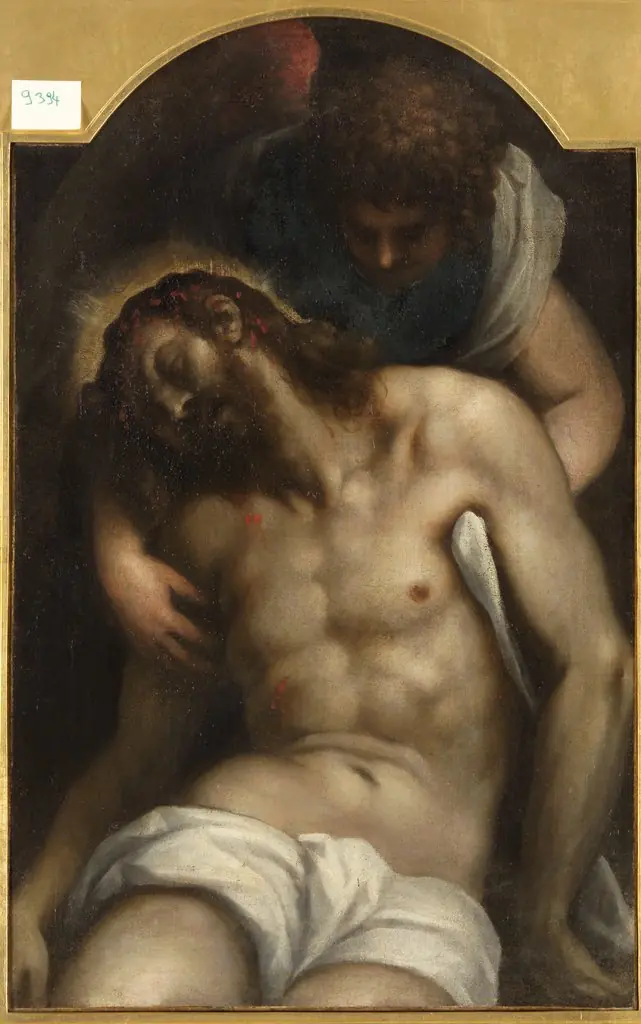 Dead Christ Supported by an Angel
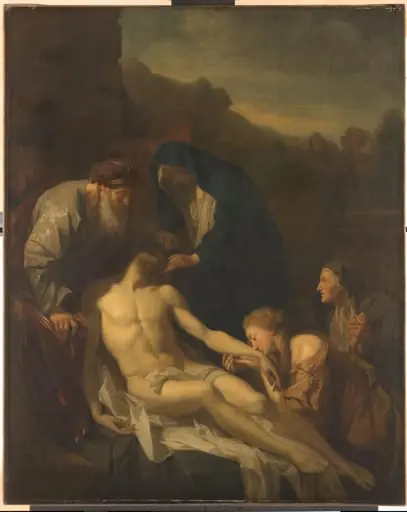 The Entombment
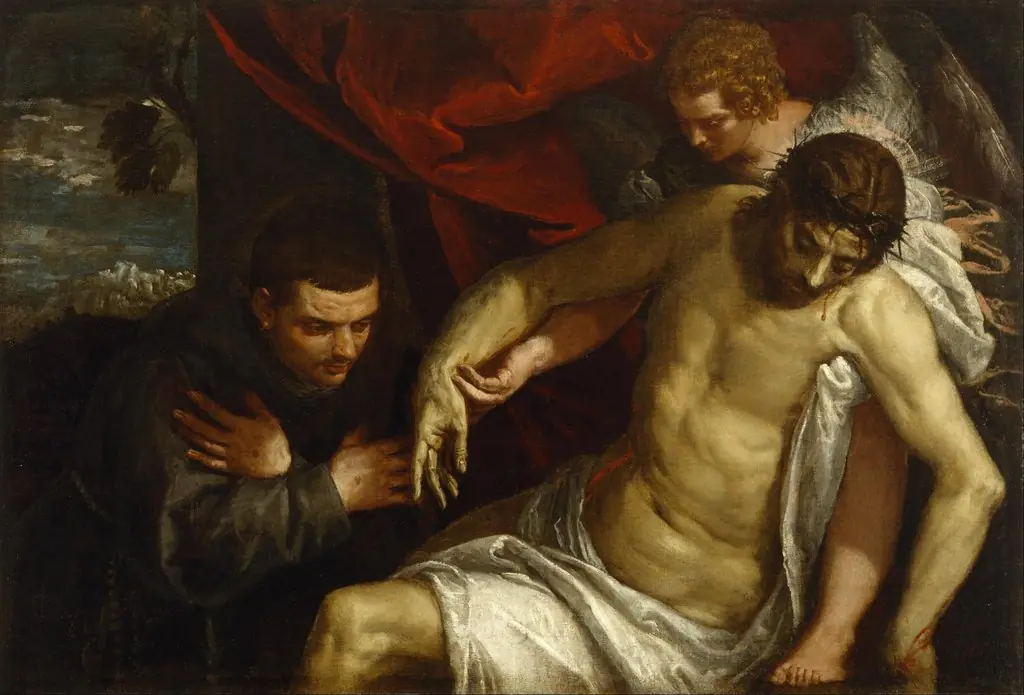 The Dead Christ Supported by an Angel and Adored by a Franciscan
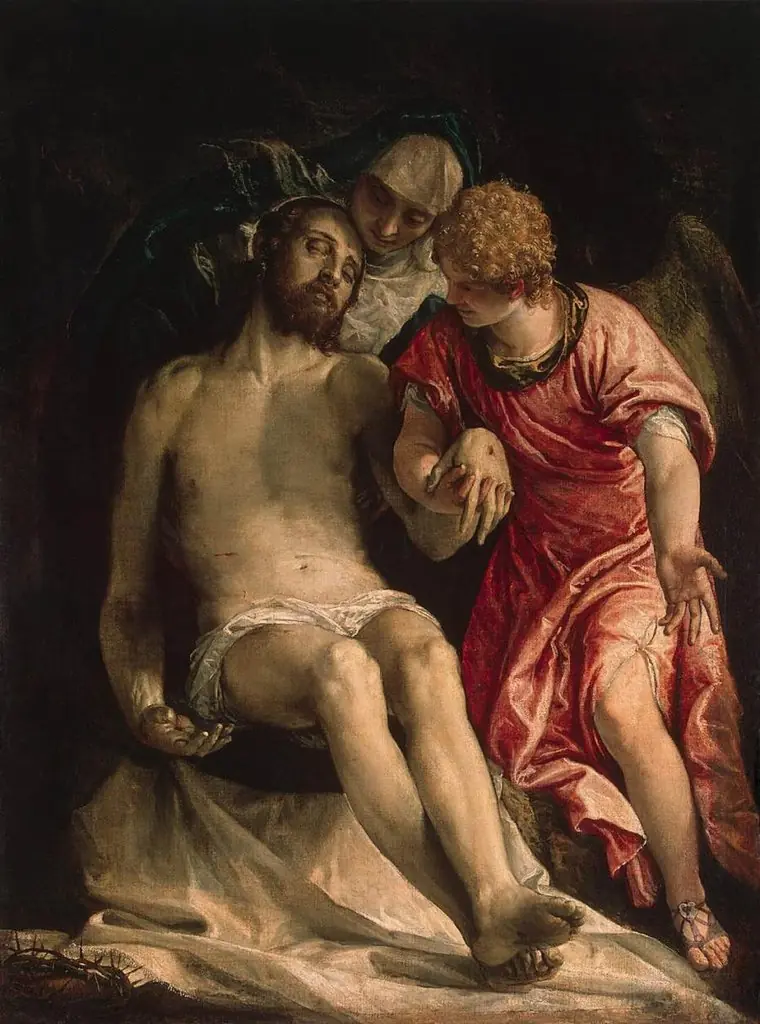 The Lamentation
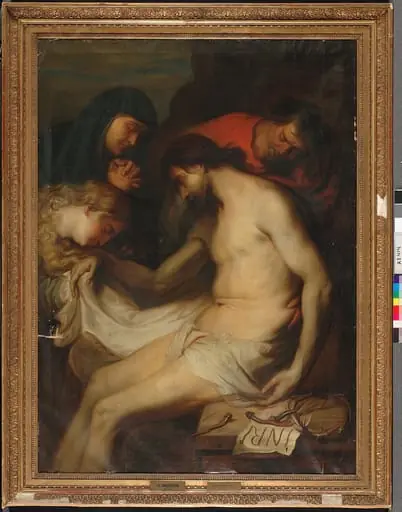 Ristiltäotto
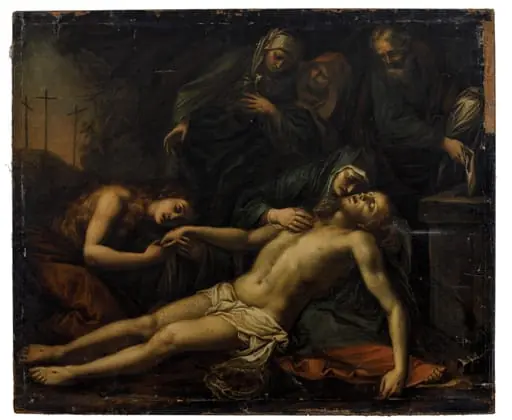 Pieta
Pieta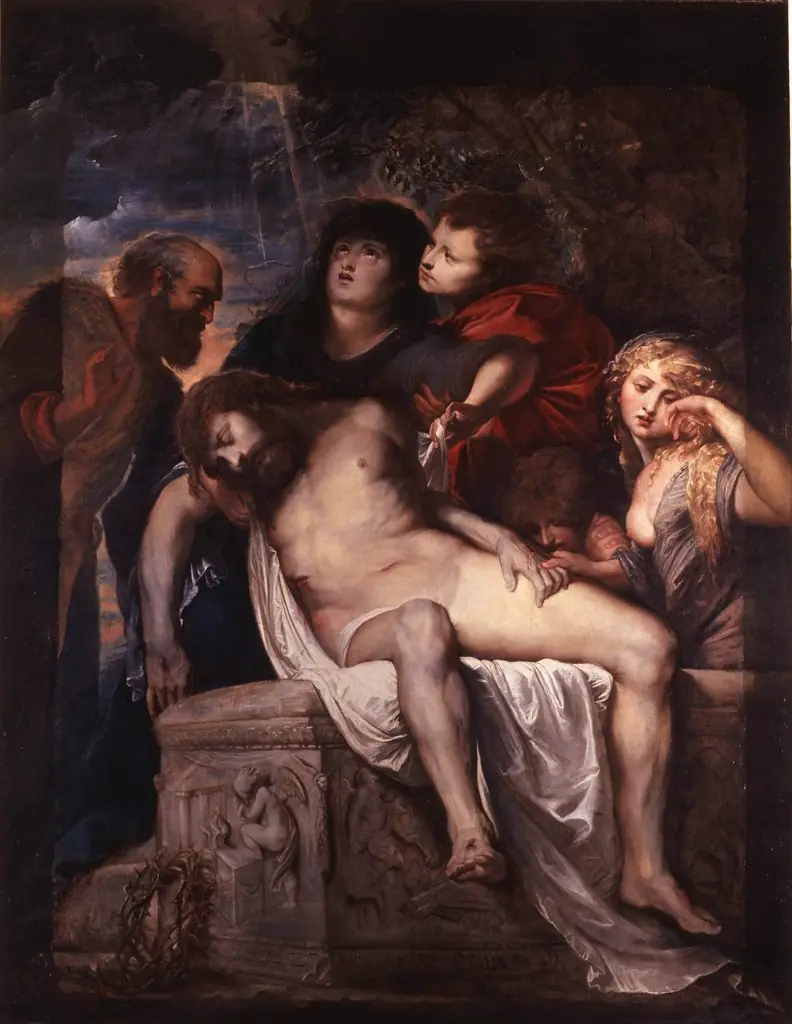 The Deposition
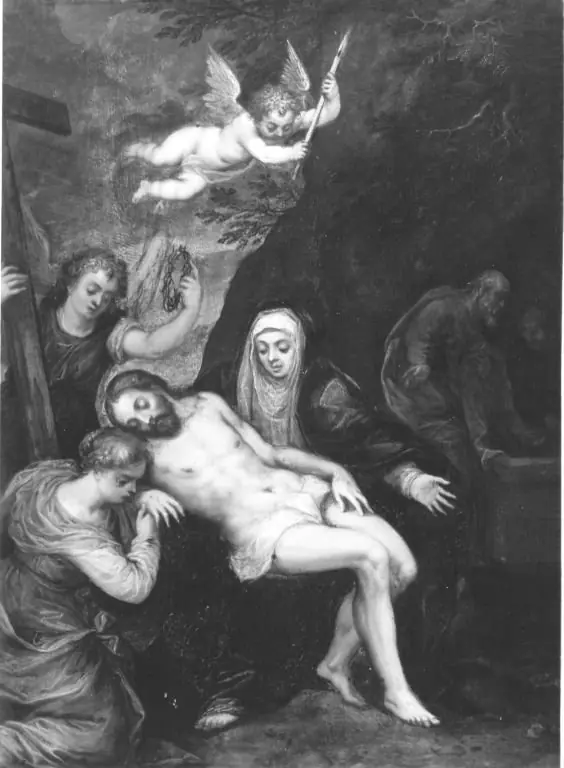 Beweinung Christi (zugeschrieben)
 Orjantappurakruunaus
 The Descent from the Cross