Artwork
Orjantappurakruunaus
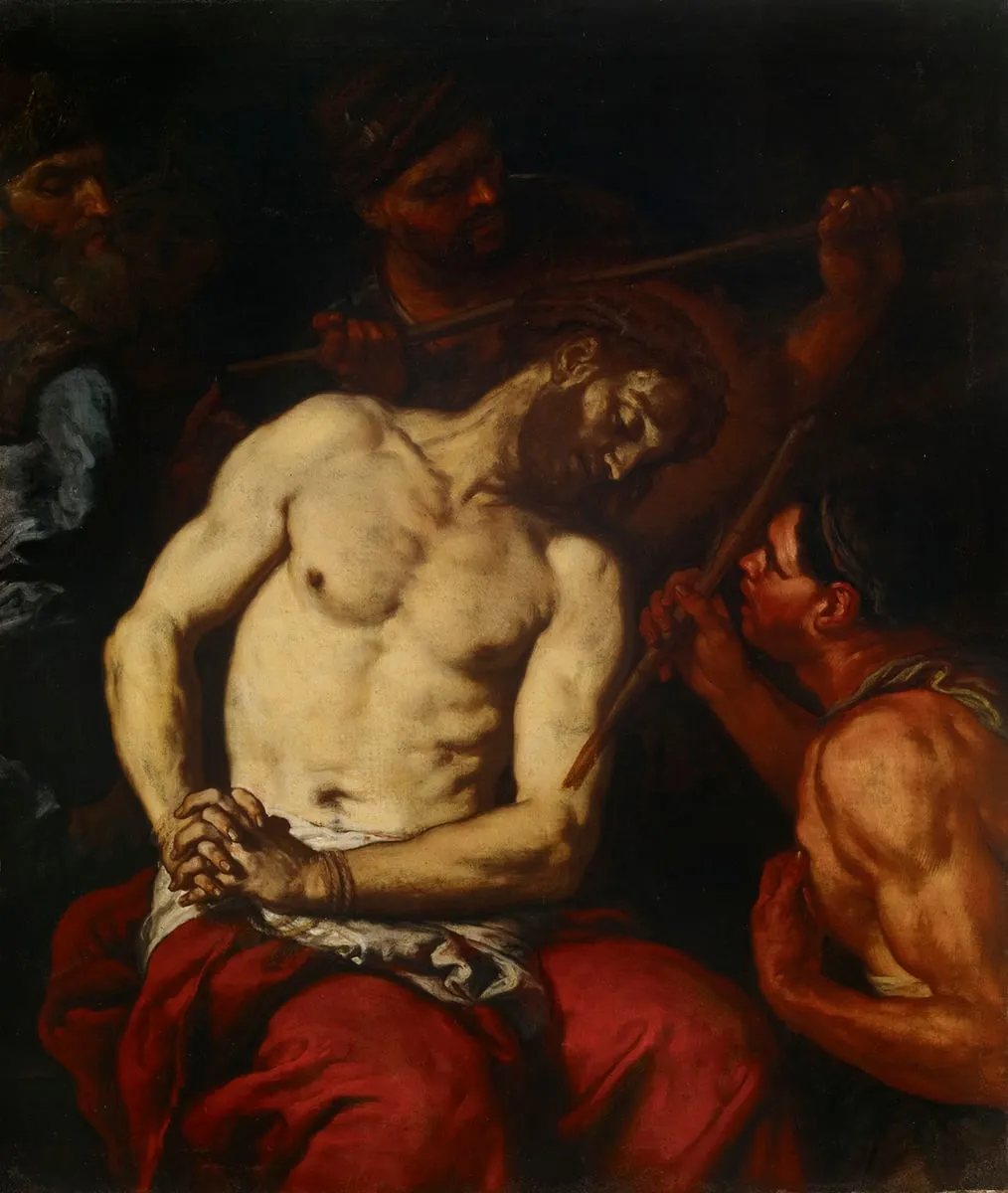
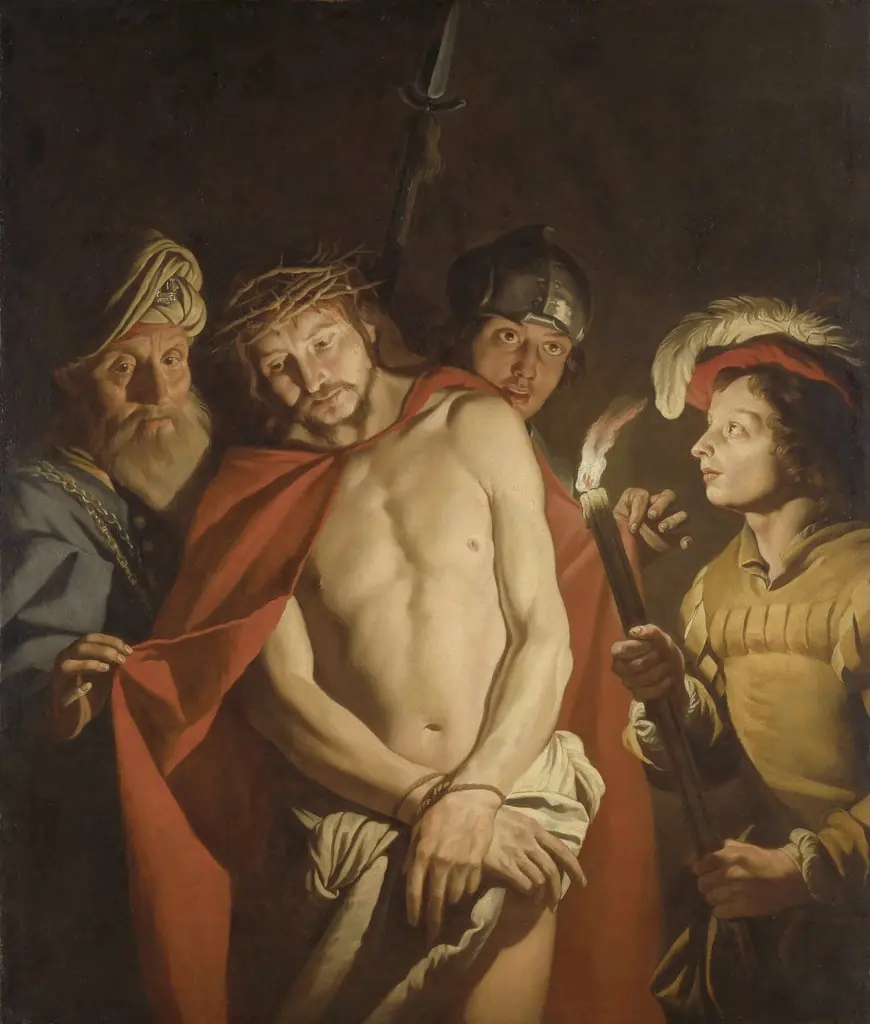
Orjantappurakruunaus is an unspecified painting by Johann Carl Loth. It dates from 1689 and is held in the collection of the Finnish National Gallery.
About this work
Overview
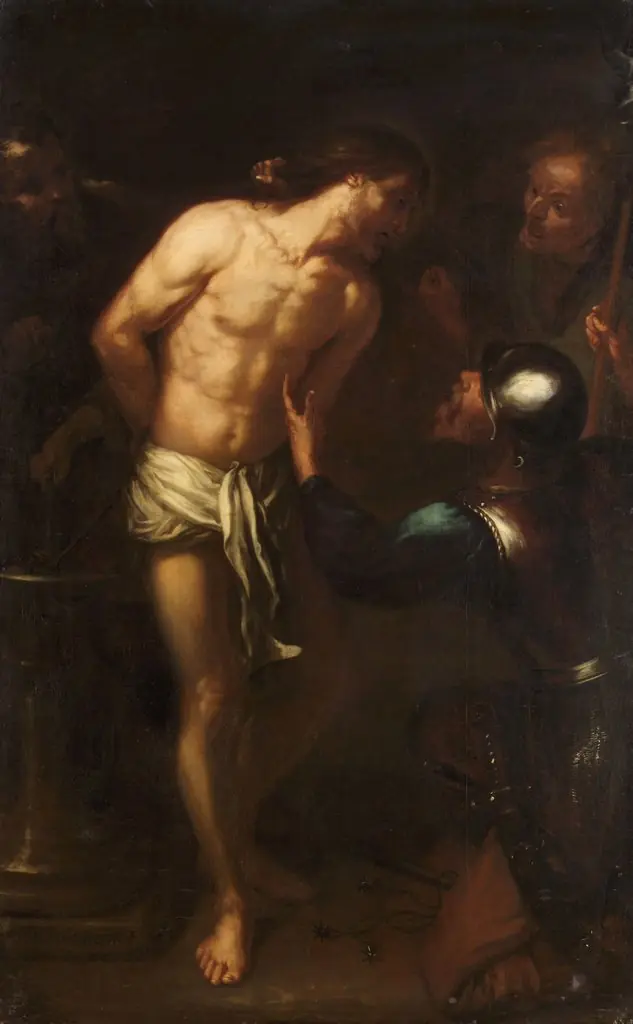
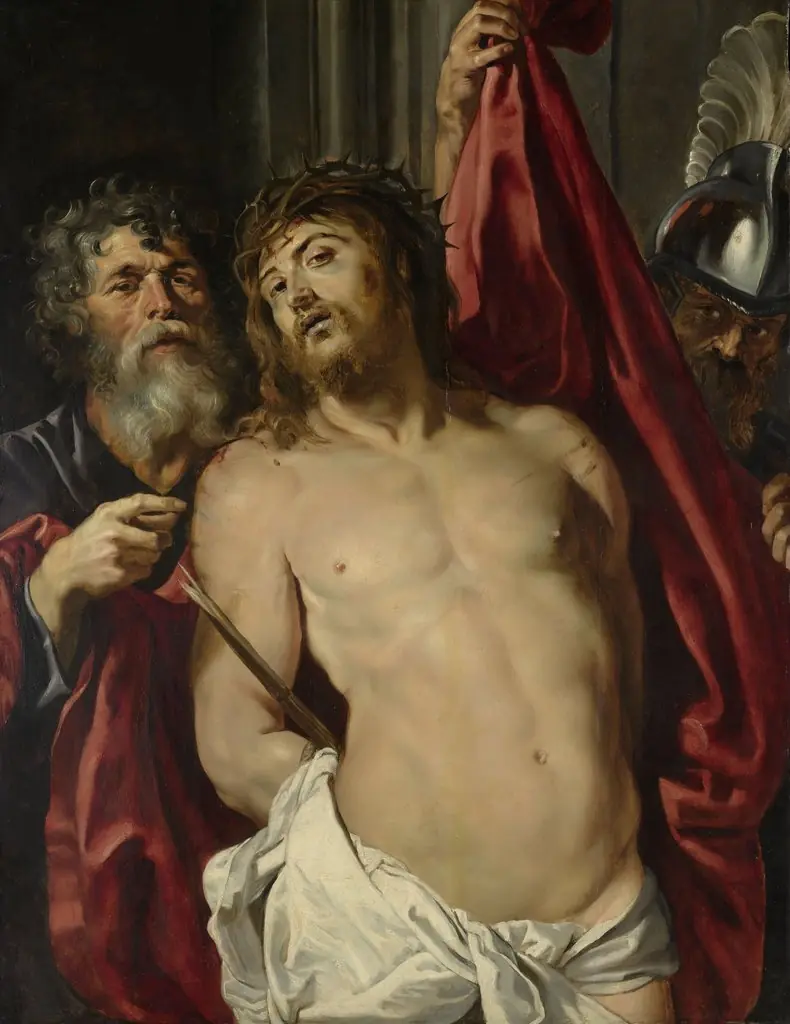
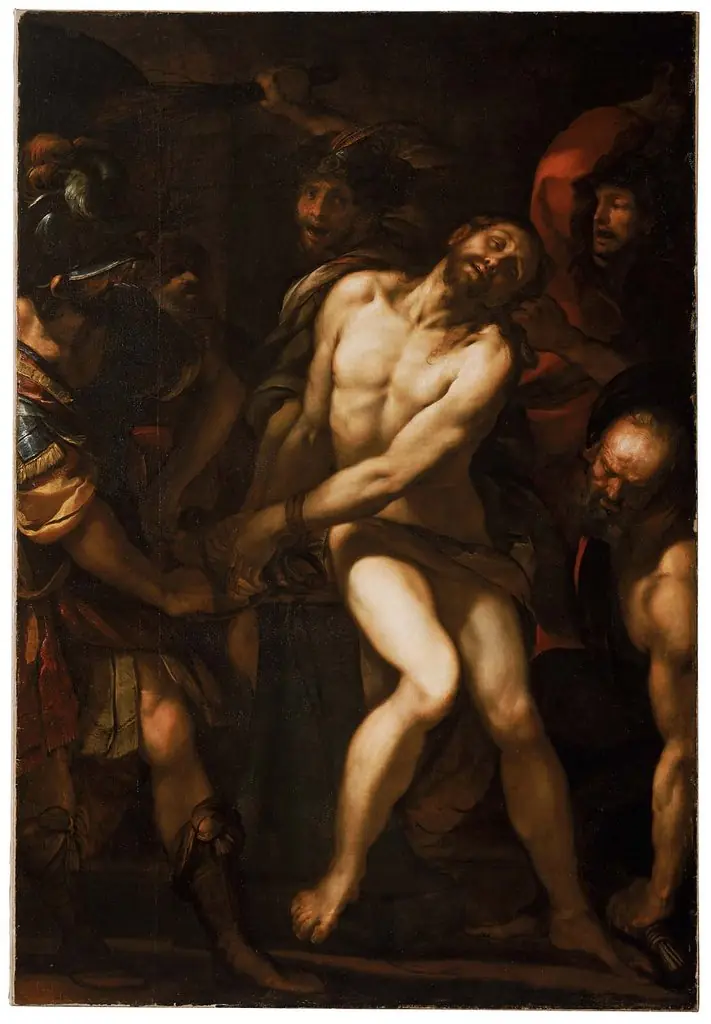
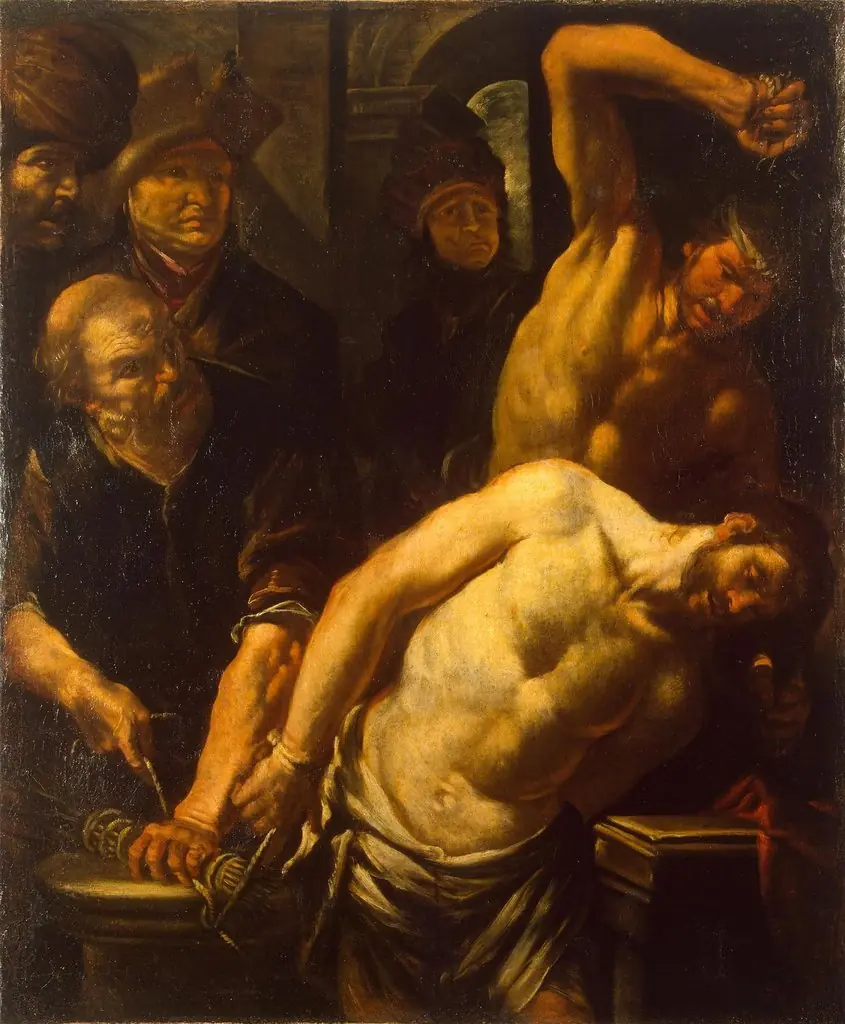
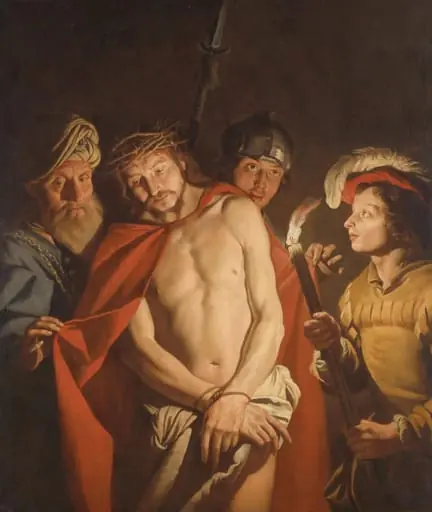
Orjantappurakruunaus is a religious work executed around 1689 by the German‑born Baroque painter Johann Carl Loth. Rendered as an oil on canvas, the composition presents a dramatic, nocturnal scene that emphasizes the tension between the figures through stark lighting and a limited palette.
Subject & Meaning
The central figure is a nude male kneeling on a crimson drapery, his wrists bound behind him. Two attendants flank him: one grips a bow, while the other watches with a severe expression. The tableau suggests a moment of martyrdom or punitive ritual, typical of Counter‑Reformation narratives that stress sacrifice and divine testing.
Technique & Style
Loth employs a pronounced chiaroscuro, allowing the illuminated flesh of the bound man to emerge from a deep, shadowy background. The smooth modeling of the skin contrasts with the coarse, rope‑bound wrists, creating a tactile realism. The limited color scheme—rich reds, muted earth tones, and deep blacks—heightens the emotional intensity.
History & Provenance
The painting’s early ownership records are sparse, but it is known to have been part of a private devotional collection in the late 17th century. It later entered the holdings of a regional museum in the early 20th century, where it has remained on display as an example of Loth’s religious output.
Context
Created during the height of the Baroque period, the work reflects the era’s fascination with dramatic lighting and theatrical composition. Loth, active in Venice and later in Germany, absorbed influences from Caravaggio’s tenebrism while maintaining a distinct Northern European sensibility in his figure rendering.
Artist & collection