Artwork
Christus und der Hauptmann von Kafarnaum
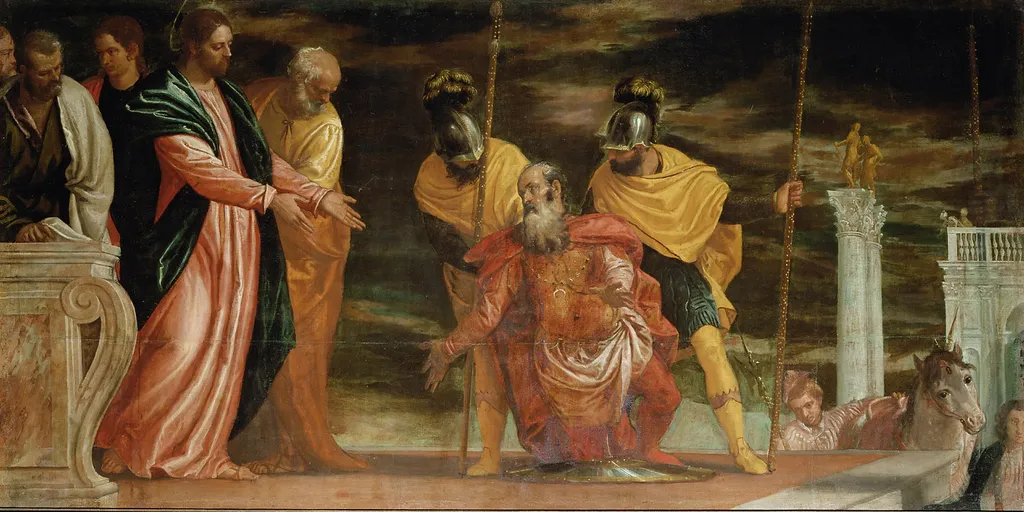
Christus und der Hauptmann von Kafarnaum is an unspecified painting by the Mannerist artist Paolo Veronese. It dates from 1593 and is held in the collection of the Kunsthistorisches Museum.
About this work
Overview
Executed in 1593, this work belongs to the late career of Paolo Veronese, a painter central to the Venetian school of the sixteenth century. Measuring approximately two by three meters, it presents a scriptural episode within an architectural interior, rendered through the artist’s characteristic use of space and light. The painting remains in the holdings of the Kunsthistorisches Museum, Vienna.
Subject & Meaning
The kneeling soldier, the outstretched hand of Christ, and the attentive bystanders collectively underscore the narrative’s themes of humility and intercession.
The canvas illustrates the New Testament account in which a Roman centurion beseeches Christ to heal his gravely ill servant. Rather than depicting the miracle itself, Veronese focuses on the moment of supplication, emphasizing human faith and divine authority. The kneeling soldier, the outstretched hand of Christ, and the attentive bystanders collectively underscore the narrative’s themes of humility and intercession.
Technique & Style
Veronese employs a Mannerist idiom, elongating figures and arranging them in complex, overlapping groups. Warm tones—deep reds, ochres, and golds—dominate the palette, while chiaroscuro heightens the drama of the scene. Subtle gradations of light guide the viewer’s eye across the composition, from the illuminated faces of the principal figures to the shadowed recesses of the vaulted chamber.
History & Provenance
Commissioned in the final decade of the artist’s life, the painting entered the imperial collections of the Habsburgs, likely during the seventeenth century. It has since remained in Vienna, first as part of the imperial gallery and later as a cornerstone of the Kunsthistorisches Museum’s Renaissance holdings. No major restorations or changes of ownership are recorded.
Context
Created during the Counter-Reformation, the work reflects the period’s emphasis on visually compelling religious imagery. Veronese’s treatment of the scene aligns with contemporary Venetian practice, favoring narrative clarity and sumptuous detail over the more austere styles emerging elsewhere in Italy. The inclusion of classical architecture and varied textures underscores the city’s humanist traditions.
Artist & collection
Artist
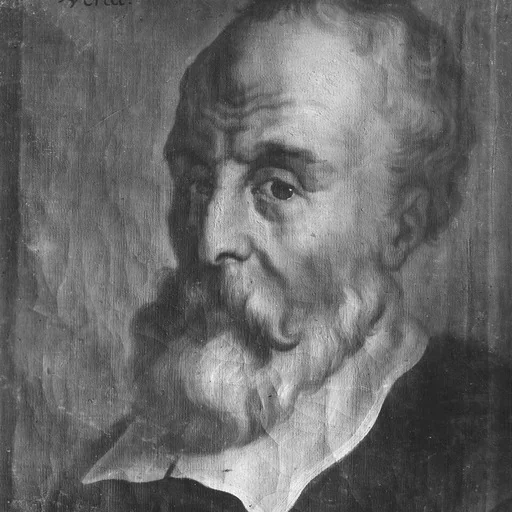
Paolo Caliari (1528 – 19 April 1588), known as Paolo Veronese ( VERR-ə-NAY-zay, -zee, US also -see; Italian: ), was an Italian Renaissance painter based in Venice, known for extremely large history paintings of…


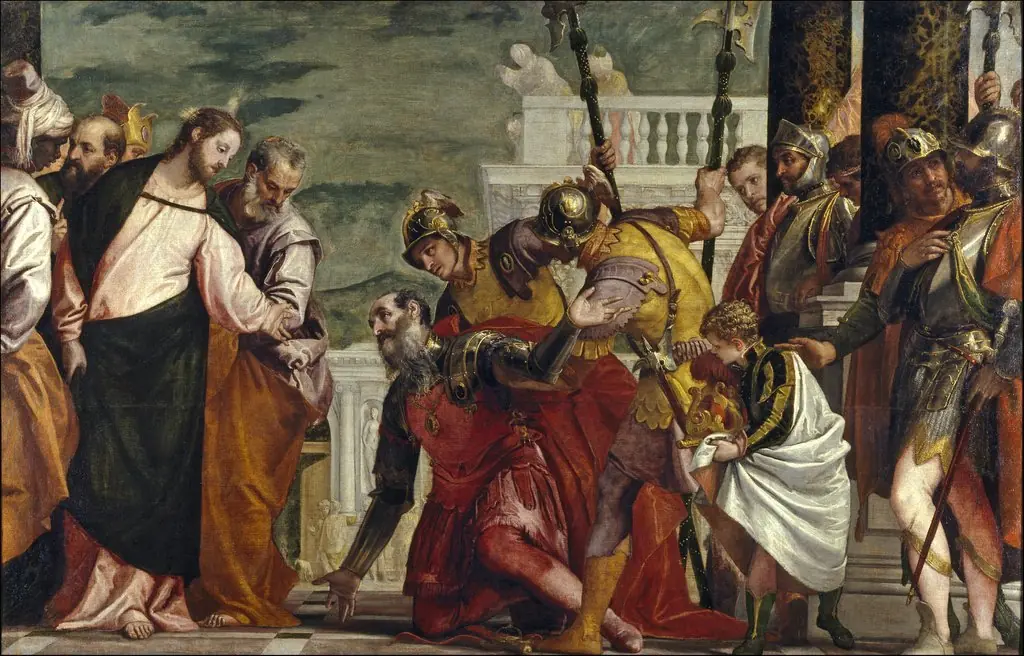 Christ and the Centurion
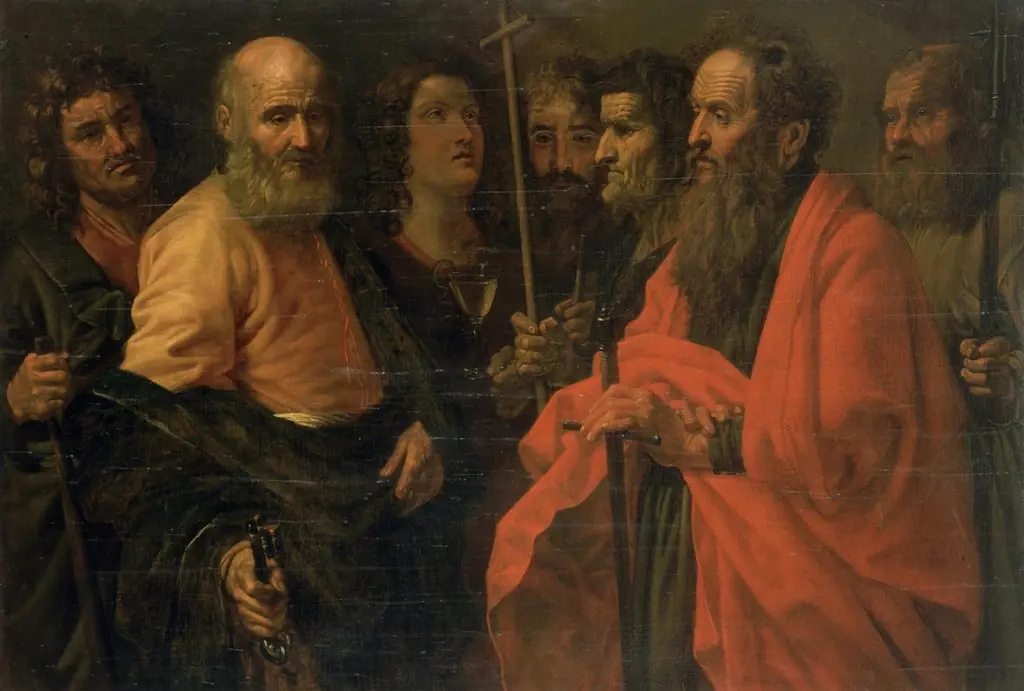 St James the Less, Sts Peter, Paul, John, Thomas, Philip, Judas and Thaddeus the Apostles
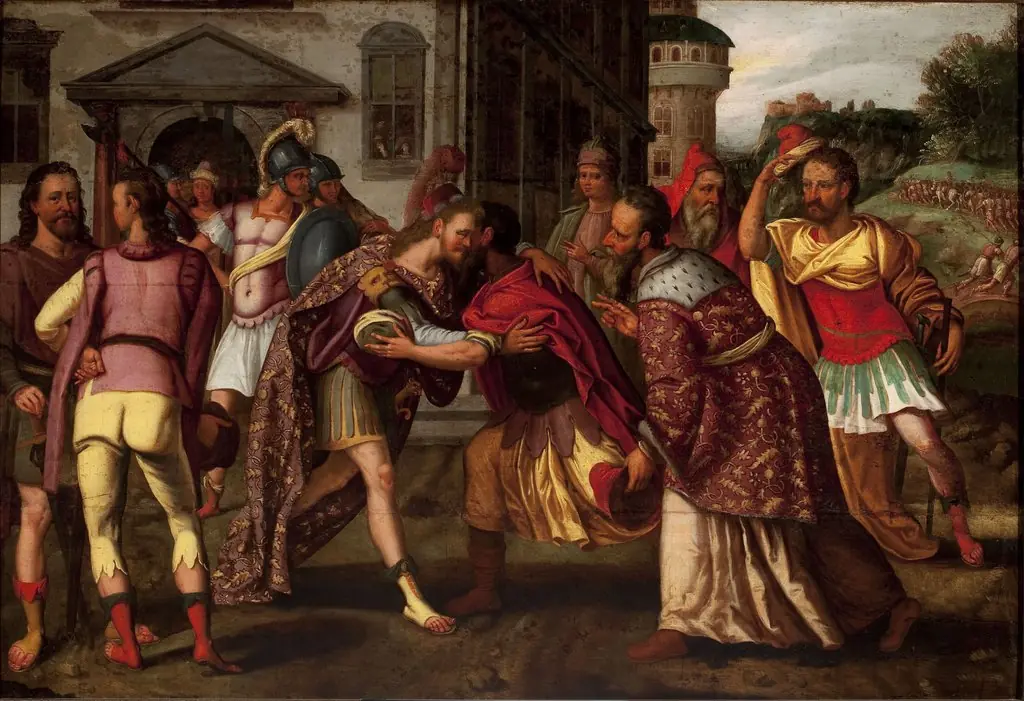 Absalom propitiating friends (2 Samuel 15:2-5)
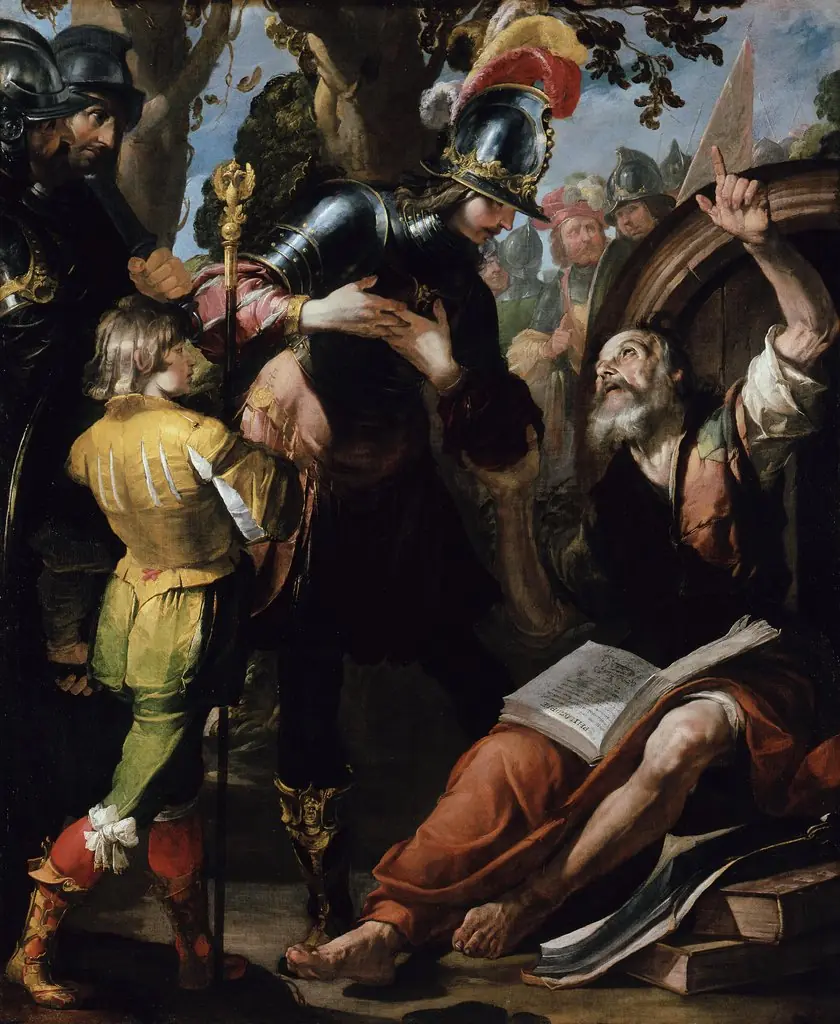 Alexander and Diogenes
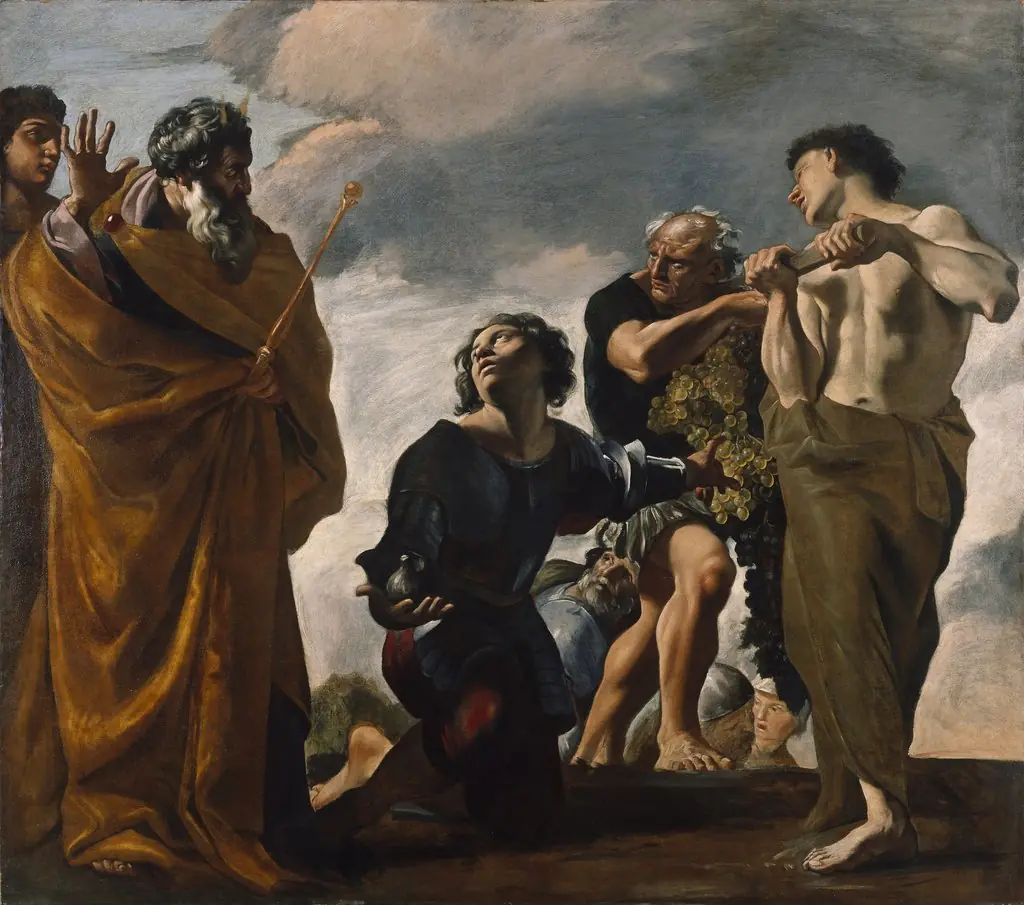 Moses and the Messengers from Canaan
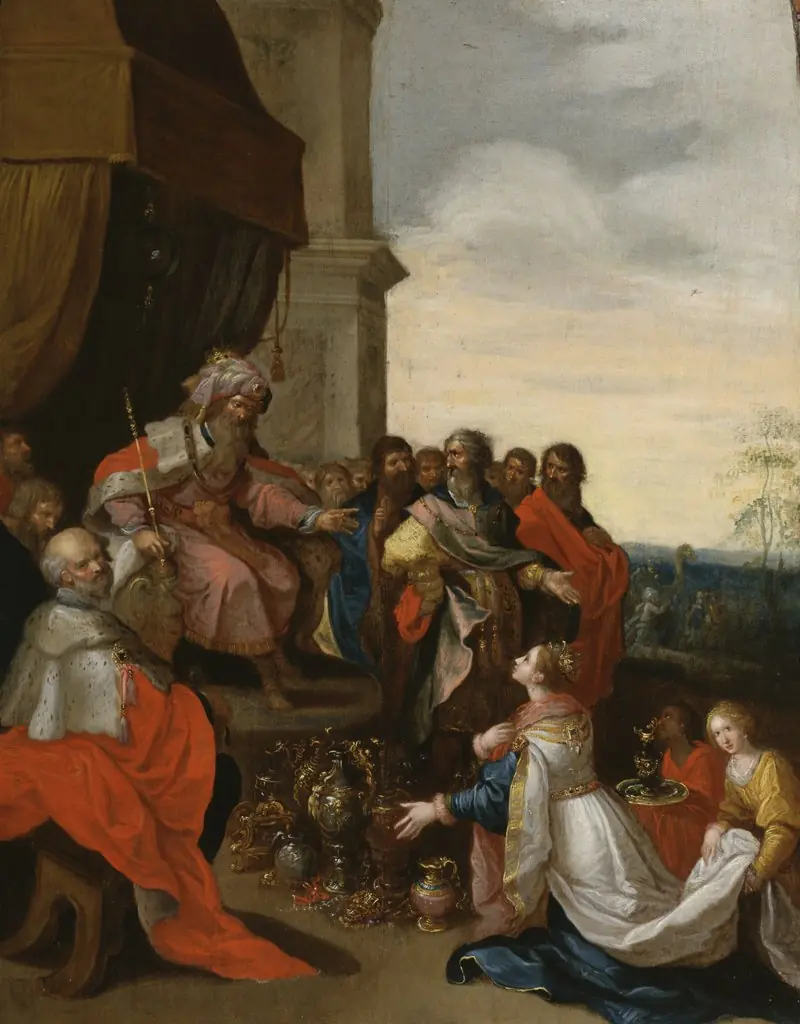 King Solomon Receiving the Queen of Sheba
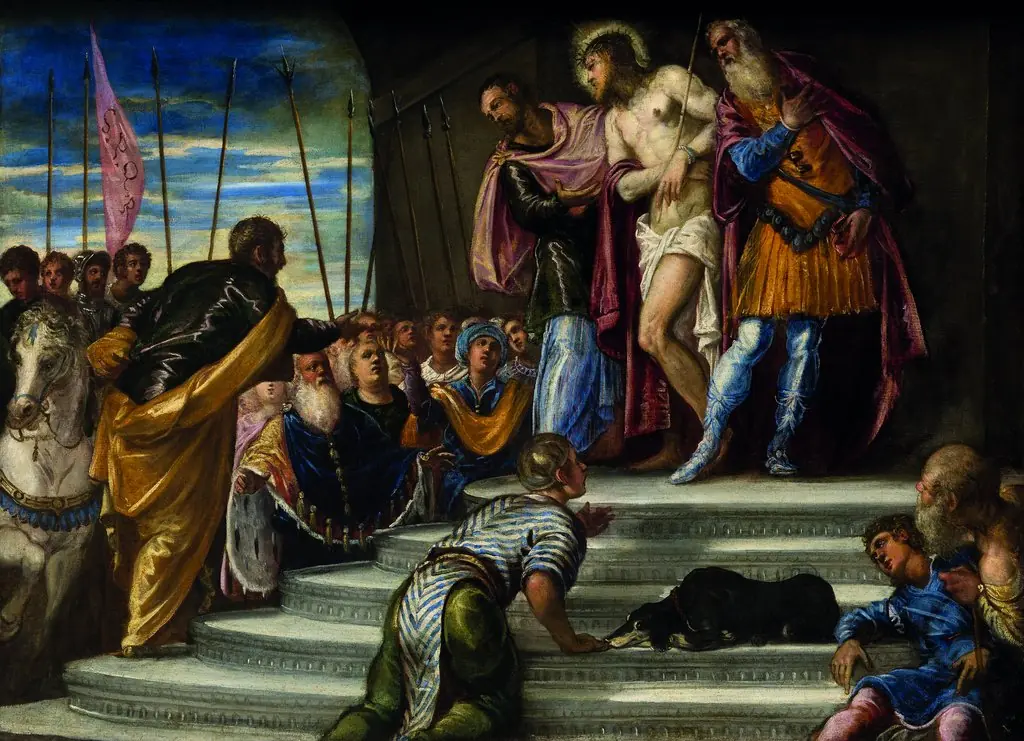 Ecce Homo
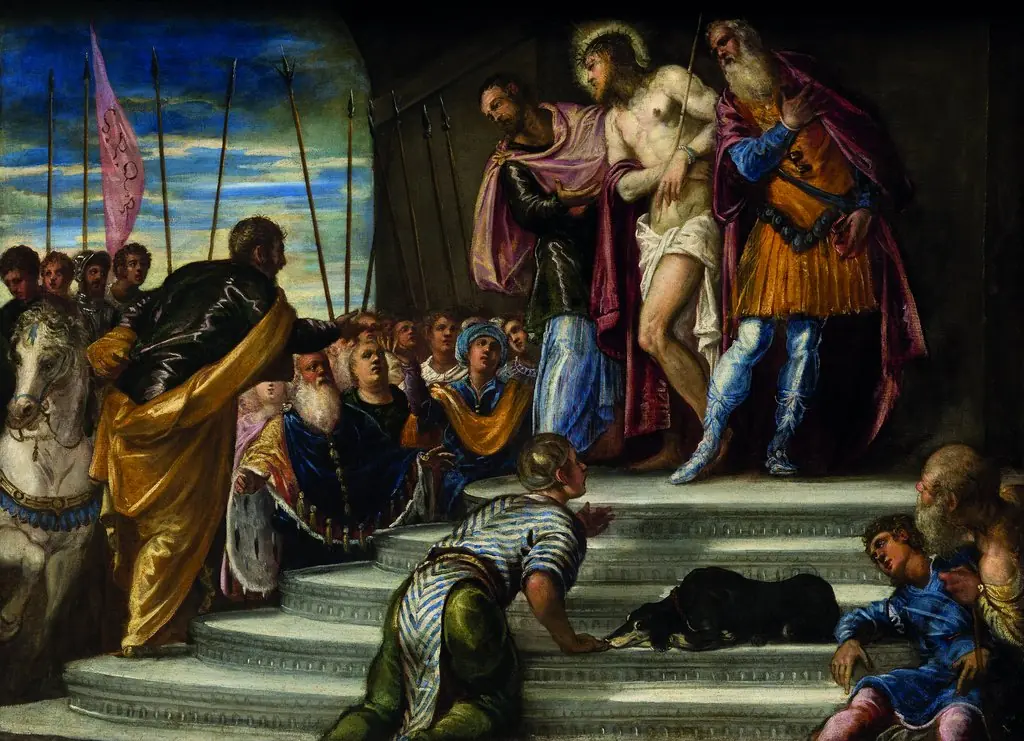 Ecce Homo or Pontius Pilate Presenting Christ to the Crowd
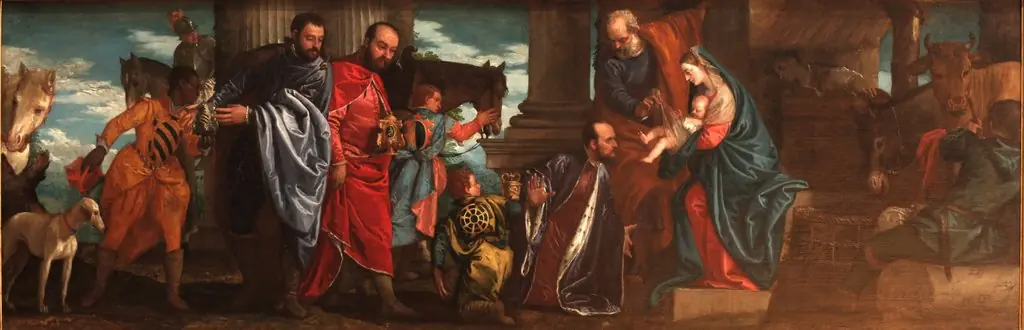 L'Adoration des rois mages
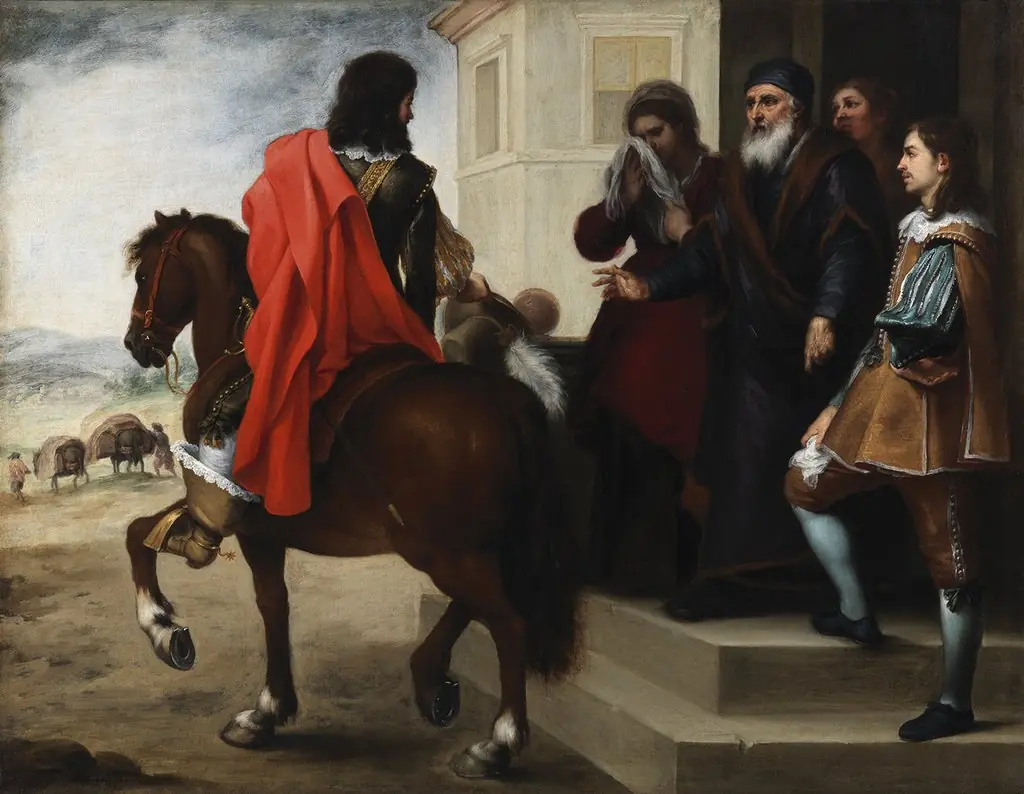 The Departure of the Prodigal Son
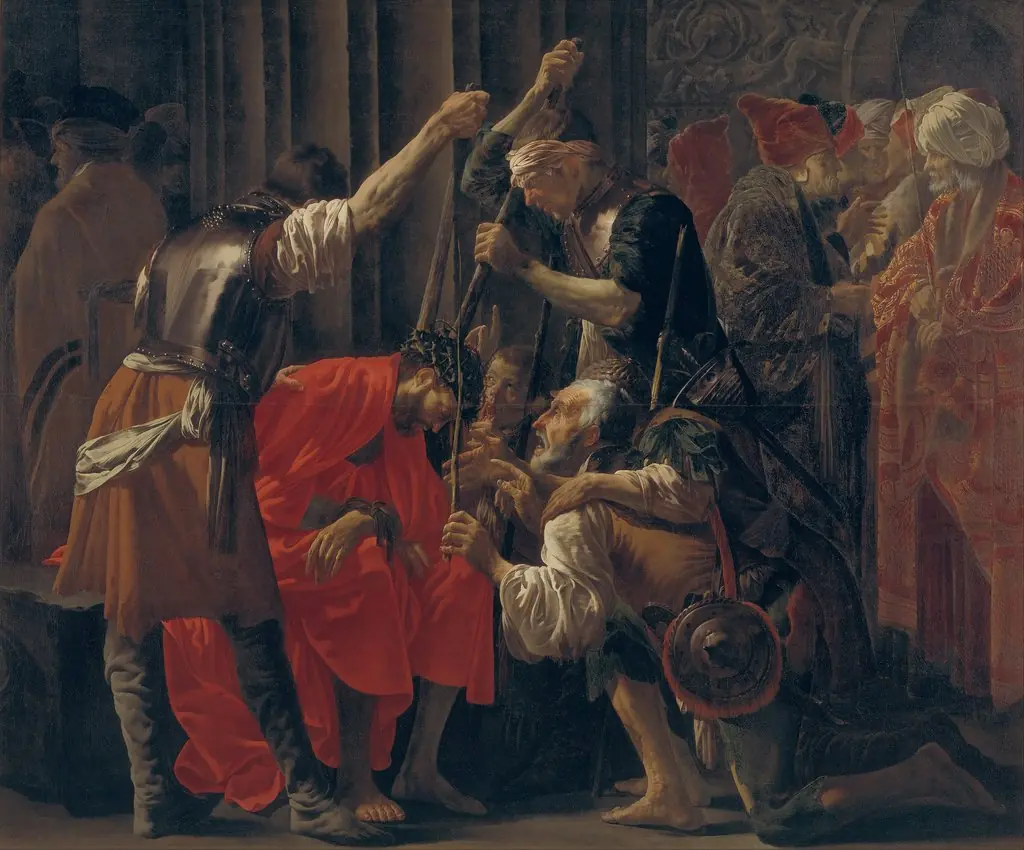 Christ Crowned with Thorns
 El hijo pródigo