Artwork
El hijo pródigo
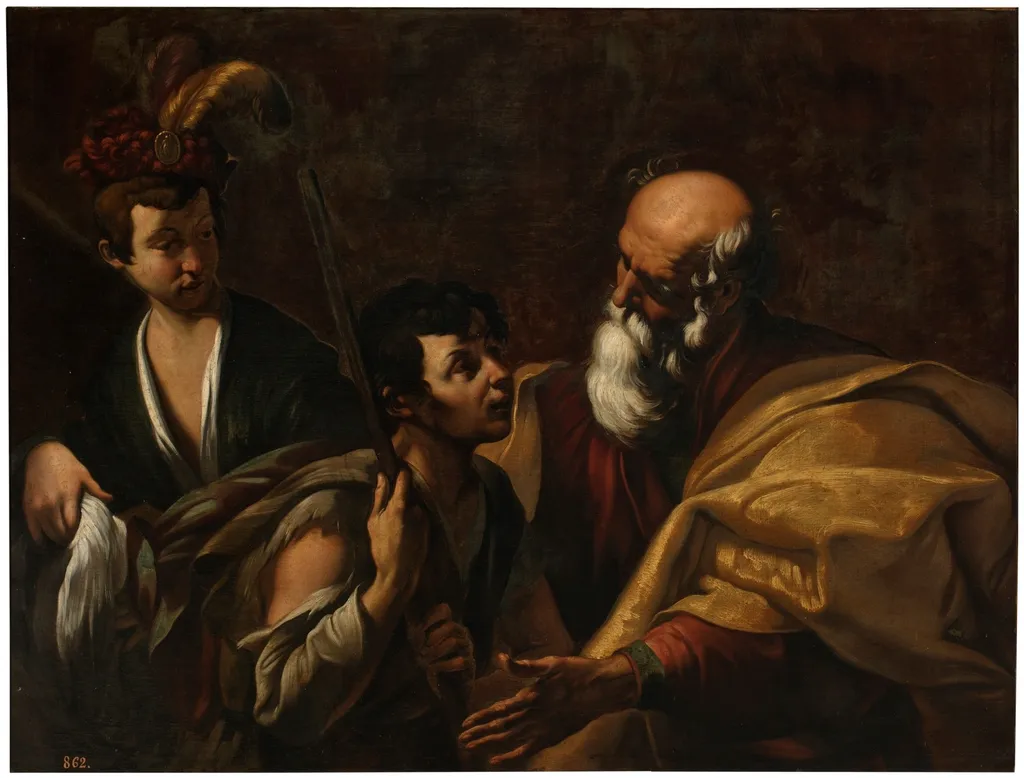
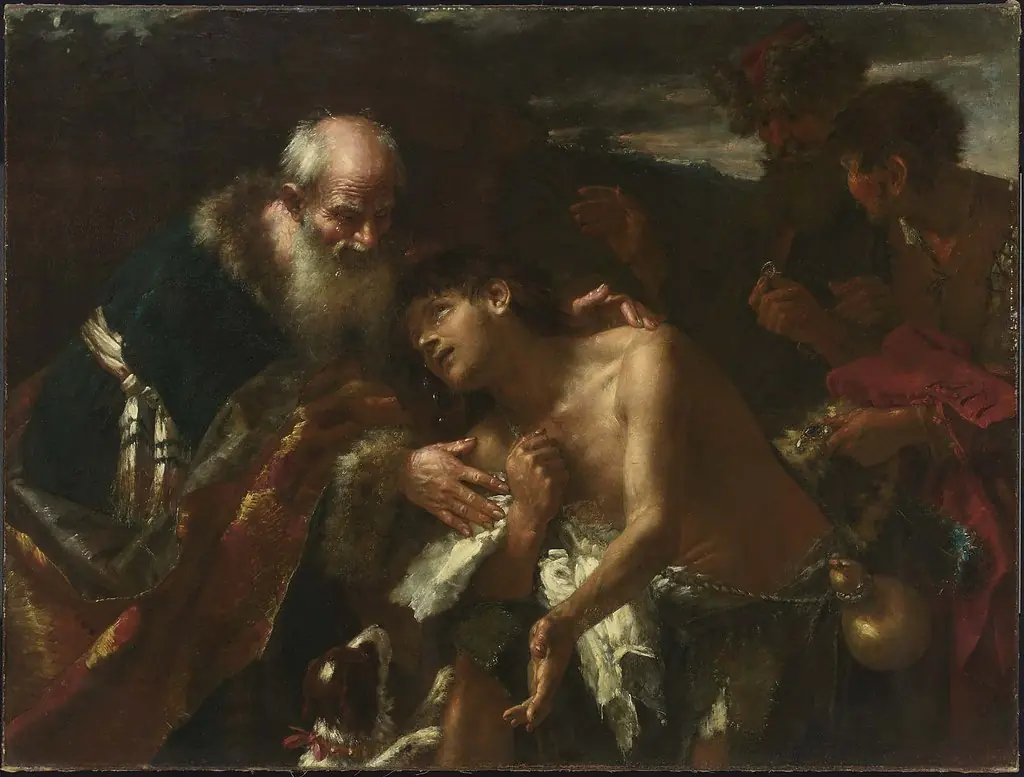
El hijo pródigo is an oil painting by the Early Baroque Italian artist Giacinto Brandi. It dates from 1601 and is held in the collection of the Museo del Prado.
About this work
Overview
El hijo pródigo is a 1601 oil painting by Giacinto Brandi, currently housed at the Museo del Prado. The work depicts a pivotal moment in the biblical parable of the Prodigal Son.
Subject & Meaning
The painting captures a moment of reconciliation or guidance, as an older, bearded figure in a rich robe gently places his hand on the shoulder of a younger man, conveying themes of forgiveness or mentorship. A third figure, dressed in a feathered hat and holding a staff, observes from behind.
Technique & Style
Brandi employs chiaroscuro, a strong contrast between light and dark, to accentuate the emotional focus of the scene. The dimly lit background sharply delineates the three central figures, drawing attention to their facial expressions and the poignant interaction.
History & Provenance
Created in 1601, the painting is part of the collection at the Museo del Prado, though specific details of its acquisition history are not provided here.
Context
As a religious painting from the early 17th century, El hijo pródigo reflects the continued influence of biblical themes in European art during this period, as well as the artist's use of contemporary artistic techniques to convey emotional depth.
Legacy
While specific legacy details of El hijo pródigo are not highlighted, its presence in the Museo del Prado suggests it is valued as part of the broader corpus of early 17th-century religious art.
Own this work as a print
Artist & collection

 Die Verleugnung Petri
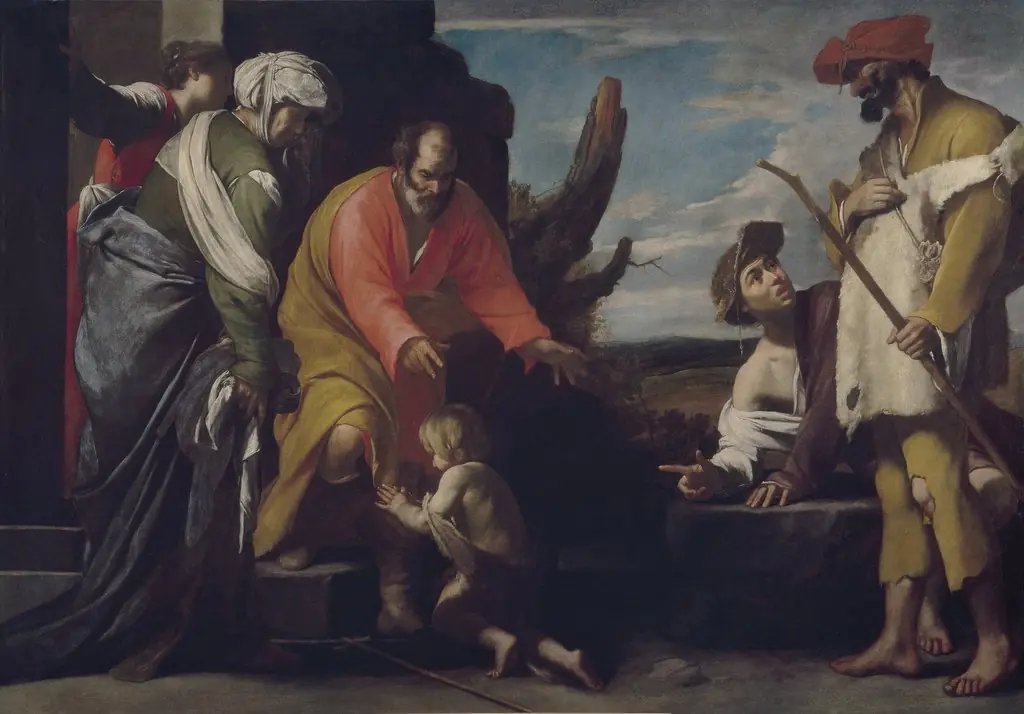 Saint John the Baptist says goodbye to his Parents
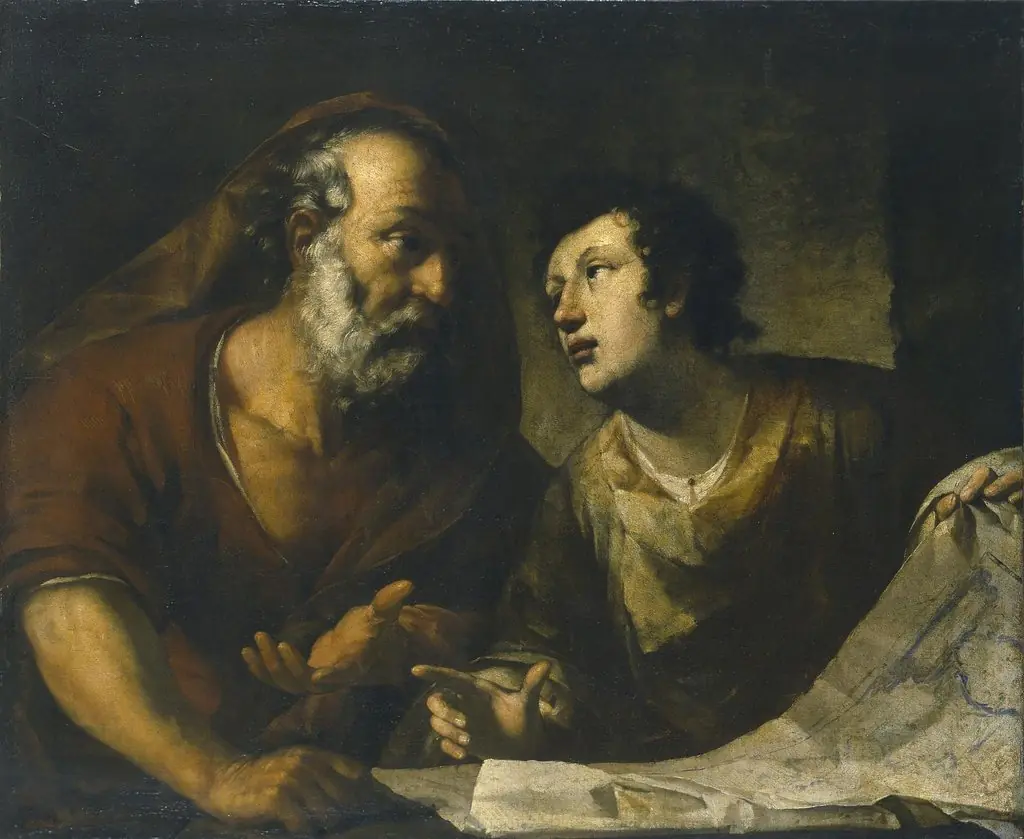 Geographer
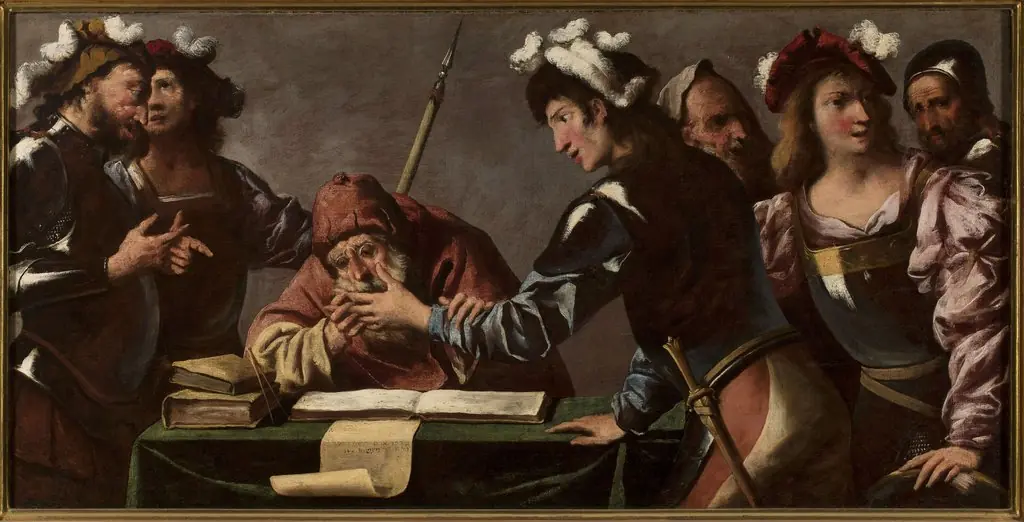 Chiromancer
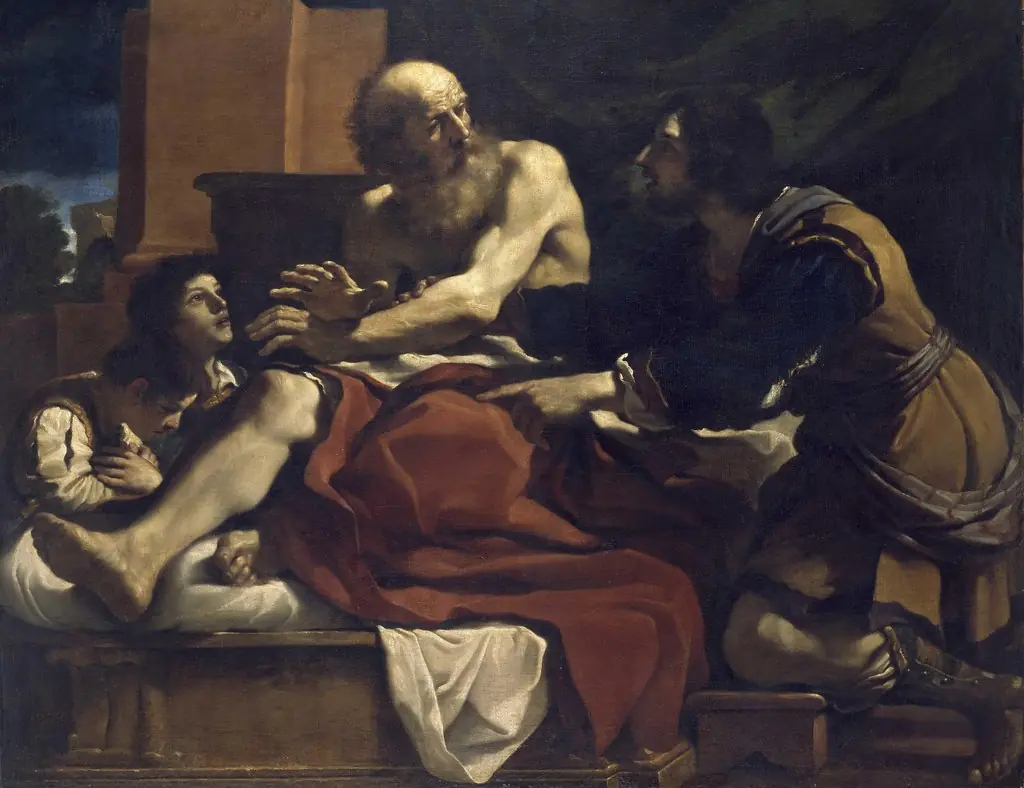 Jacob Blessing the Sons of Joseph
 The Return of the Prodigal Son
 The Martyrdom of Saint Bartholomew
 The Return of the Prodigal son
 Moses and the Messengers from Canaan
 Saint Peter freed by an Angel
 Introduction of Jacob to Isaac
 Christus und der Hauptmann von Kafarnaum