Artwork
Young Man between Vice and Virtue
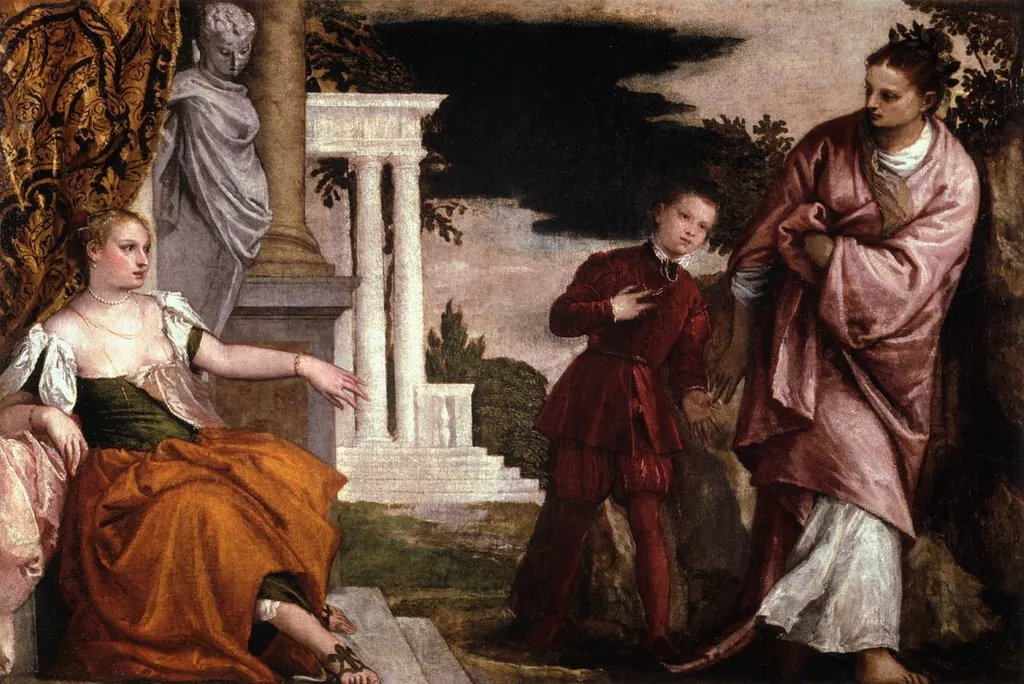
Young Man between Vice and Virtue is an oil painting by the Mannerist artist Paolo Veronese. It dates from 1590 and is held in the collection of the Museo del Prado.
About this work
Overview
Young Man between Vice and Virtue is an oil painting created by Paolo Veronese around 1590, characterized by its Mannerist style. The work features a central young man flanked by two female figures, set against a classical backdrop with architectural elements.
Subject & Meaning
The painting allegorically depicts a moral dilemma, with the young man in red expressing uncertainty between two contrasting female figures: one in elegant attire (left) symbolizing Vice, and the other in a simple robe (right) embodying Virtue.
Technique & Style
Veronese employs a vivid color palette and deliberate composition to evoke tension and drama, guiding the viewer’s focus towards the central figure. The Mannerist style is evident in the ornate details and the emotional intensity of the scene.
History & Provenance
Created in the late Renaissance, the painting is part of the Museo del Prado’s collection. As a leading Venetian painter, Veronese’s work is often contextualized alongside contemporaries Titian and Tintoretto.
Context
While known for large-scale religious and mythological themes, *Young Man between Vice and Virtue* showcases Veronese’s ability to convey profound moral themes through more intimate, allegorical compositions.
Legacy
This work contributes to Veronese’s reputation for nuanced, emotionally charged paintings, though its specific impact on the broader Mannerist movement or subsequent art historical periods is not distinctly highlighted in available information.
Artist & collection
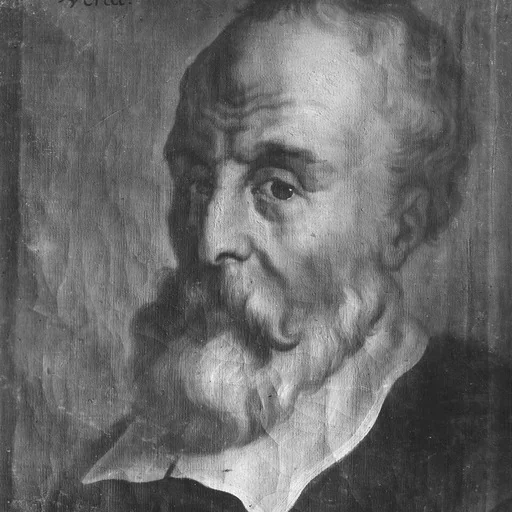
Artist
Paolo Caliari (1528 – 19 April 1588), known as Paolo Veronese ( VERR-ə-NAY-zay, -zee, US also -see; Italian: ), was an Italian Renaissance painter based in Venice, known for extremely large history paintings of…

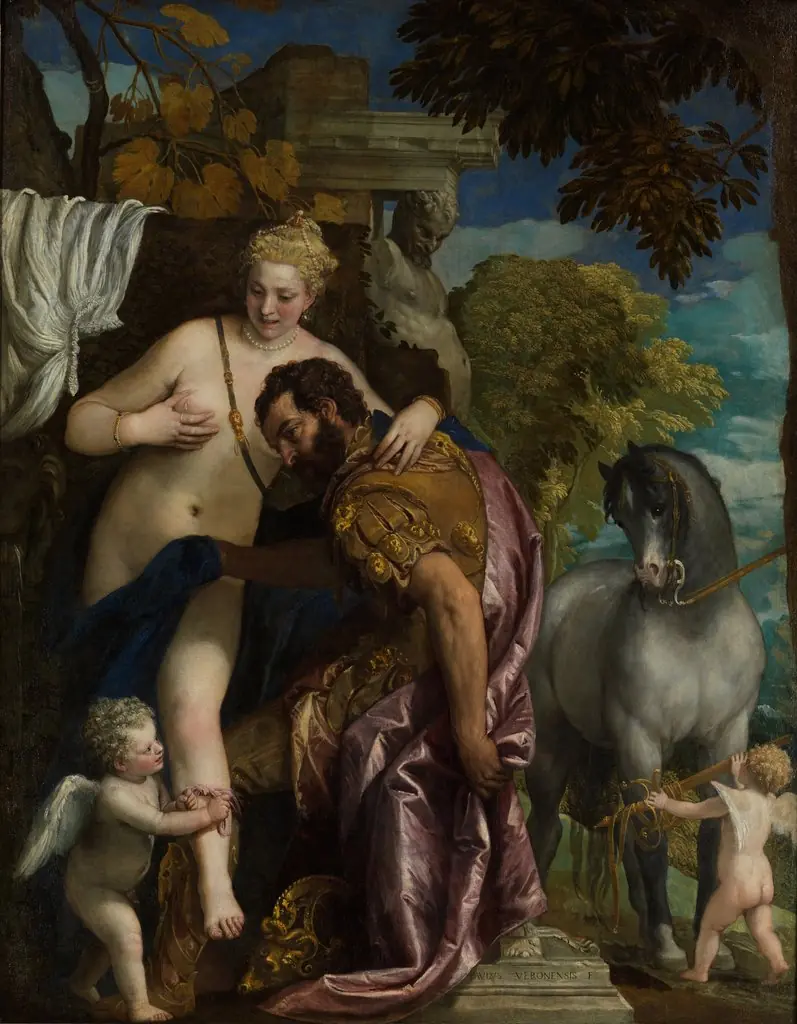
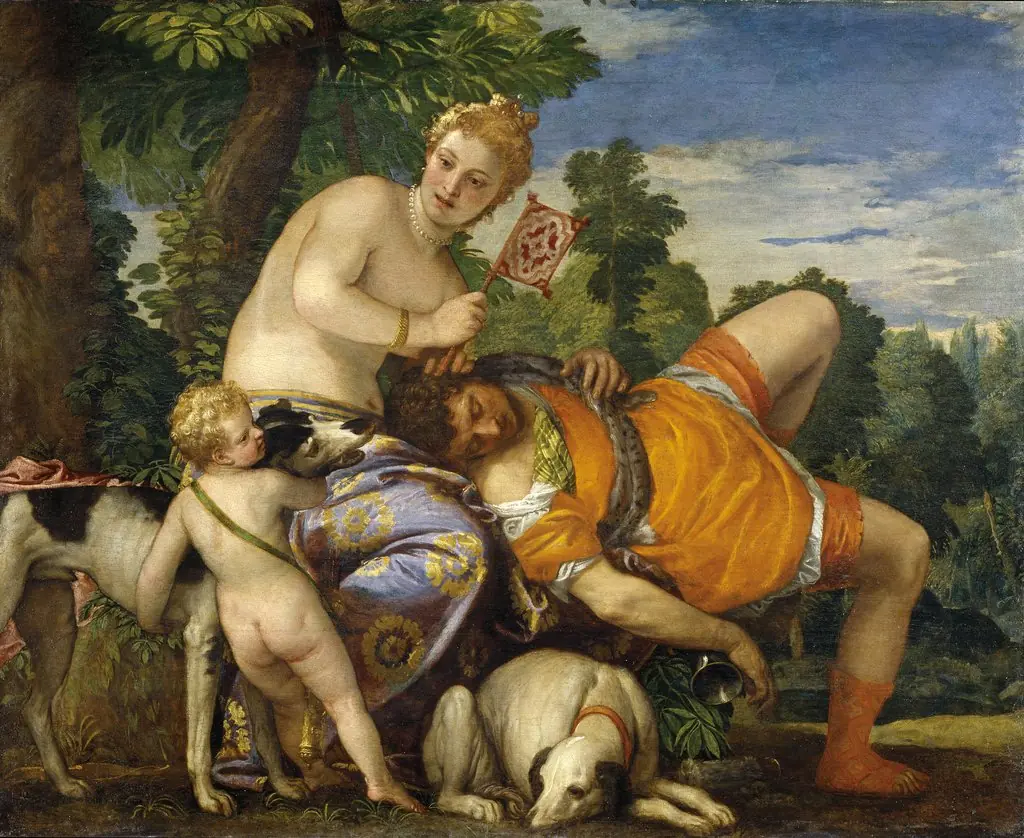
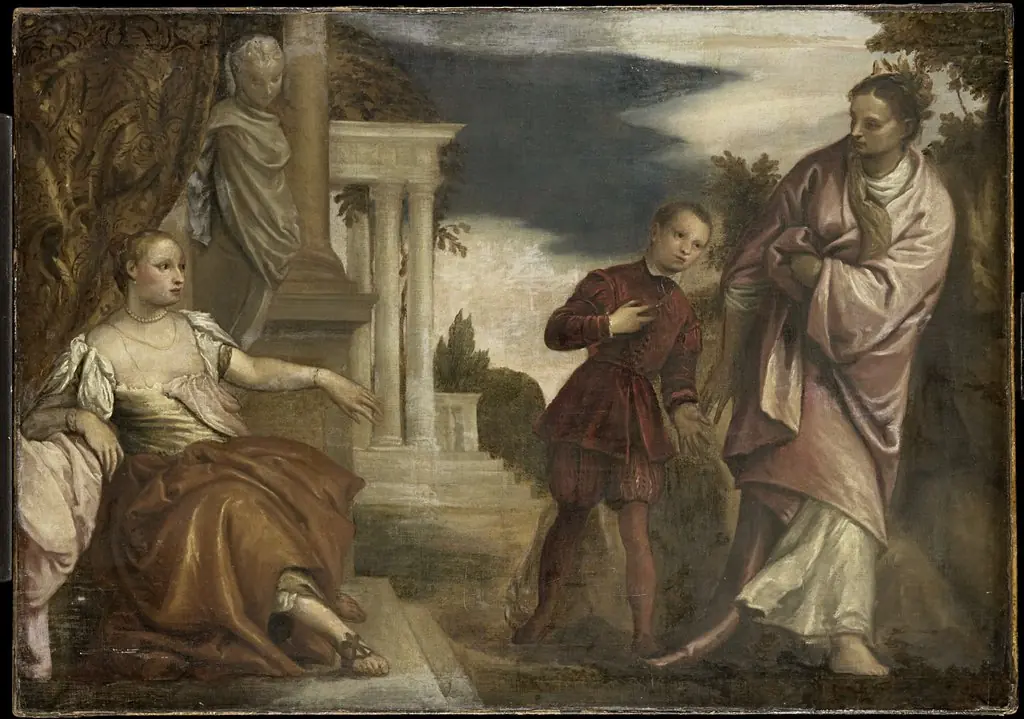 The Choice between Virtue and Passion
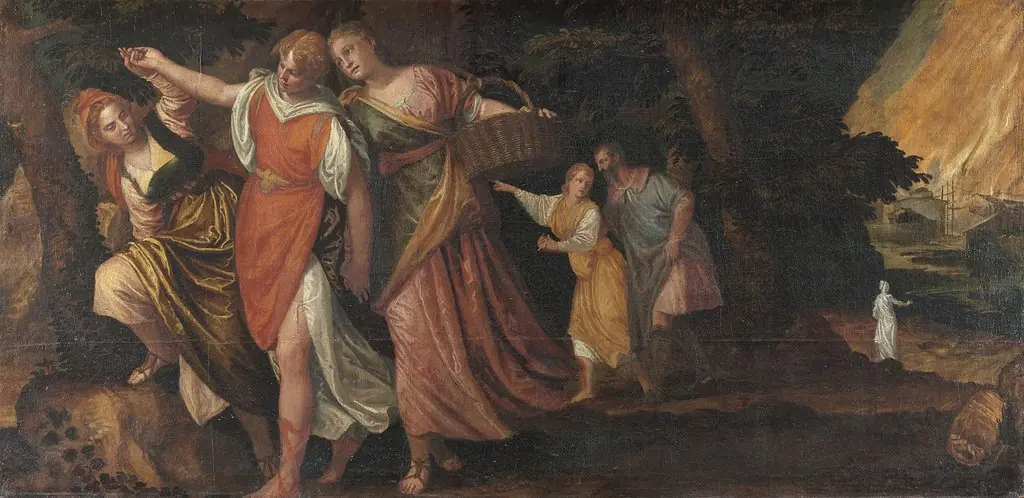 Lot flees Sodom
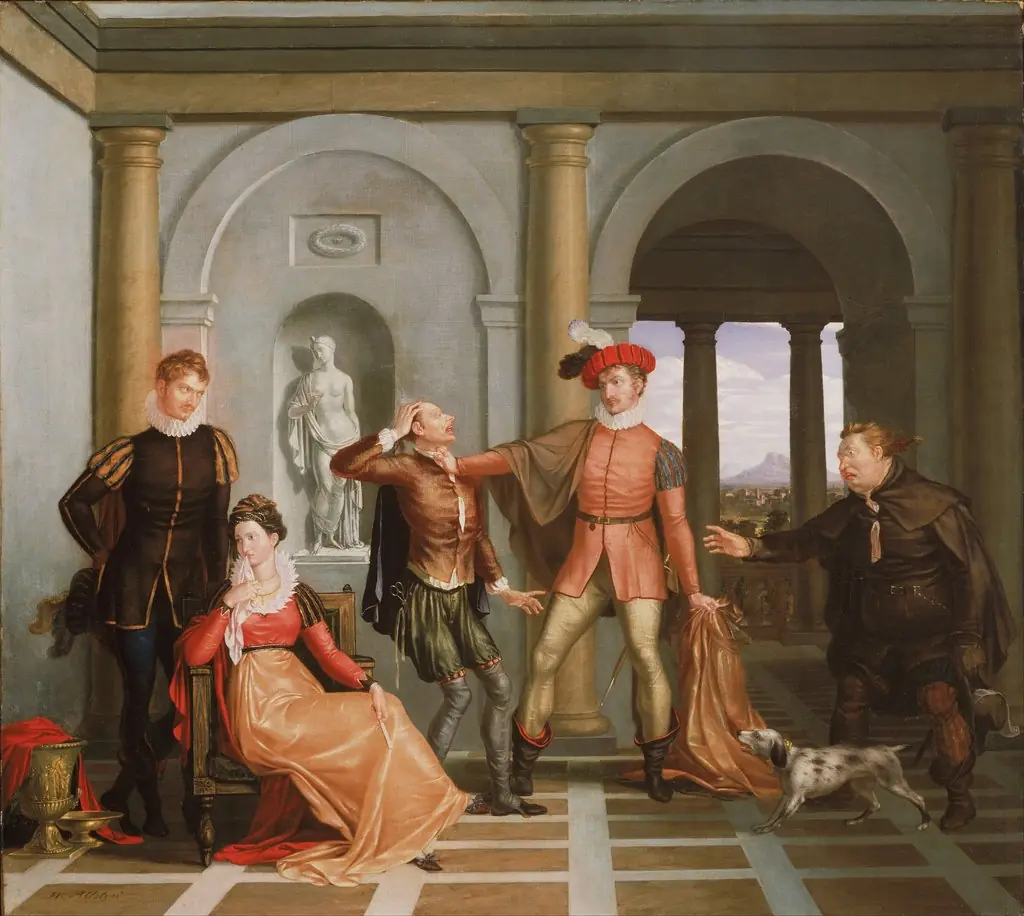 Katharina and Petruchio (Scene from Shakespeare's "The Taming of the Shrew")
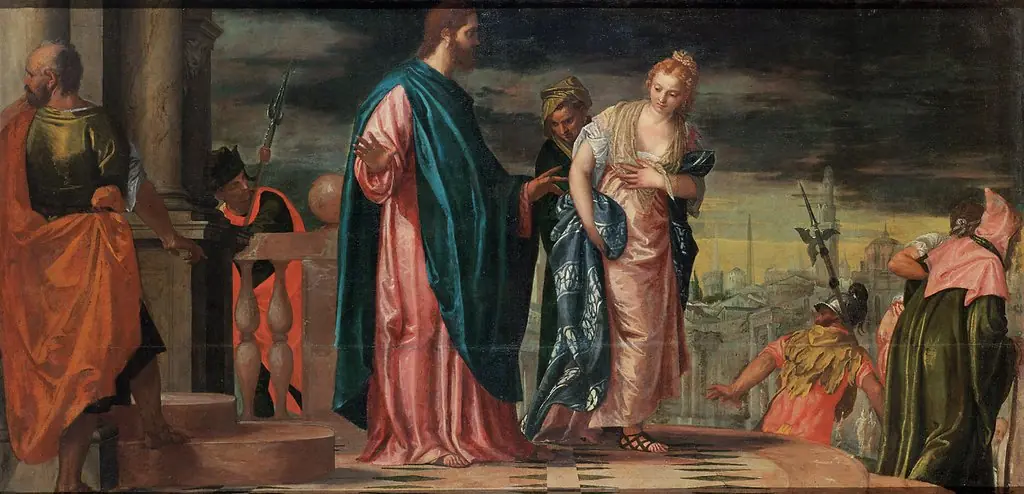 Christ and the Adulteress
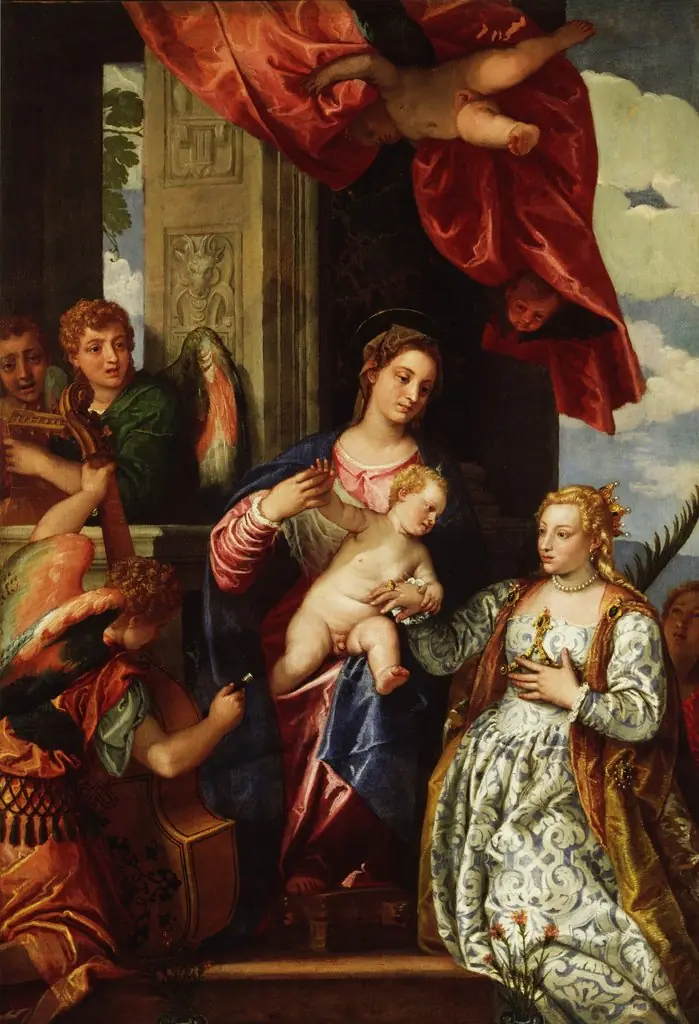 The Mystic Marriage of St. Catherine
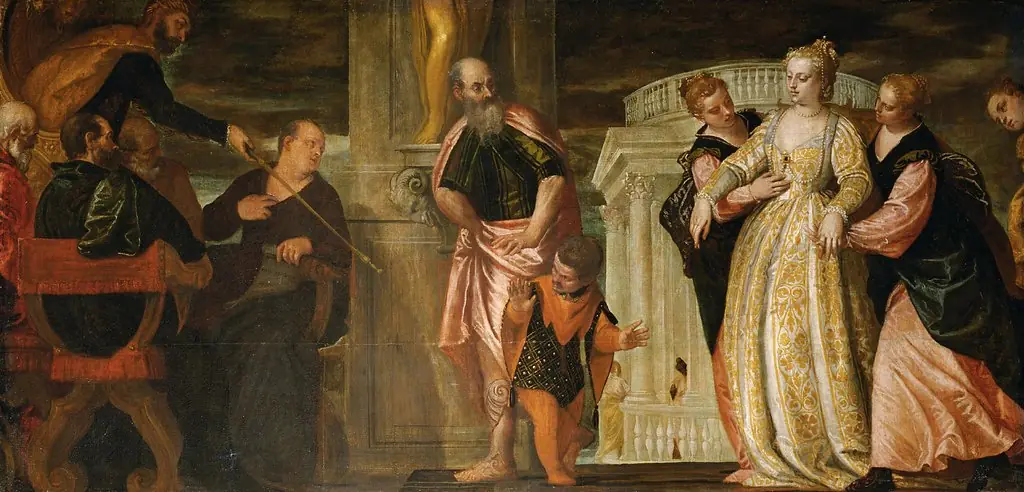 Esther vor Ahasver
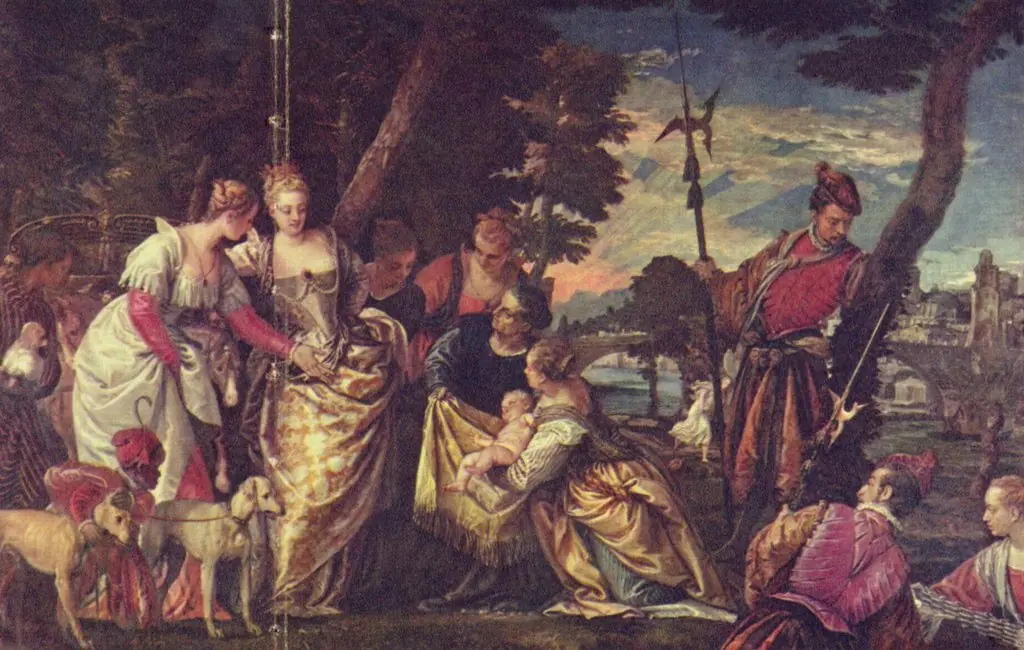 The Finding of Moses
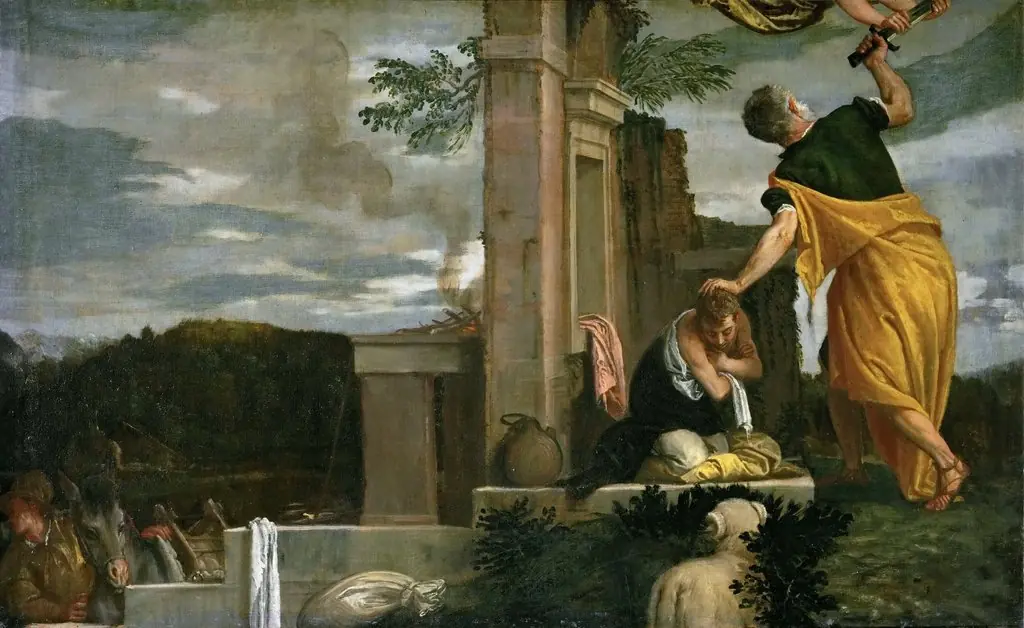 The Sacrifice of Isaac
 Königin von Saba vor Salomon
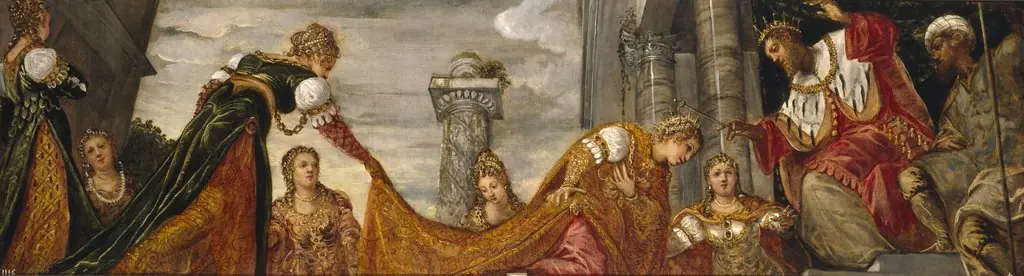 Esther and Ahasuerus
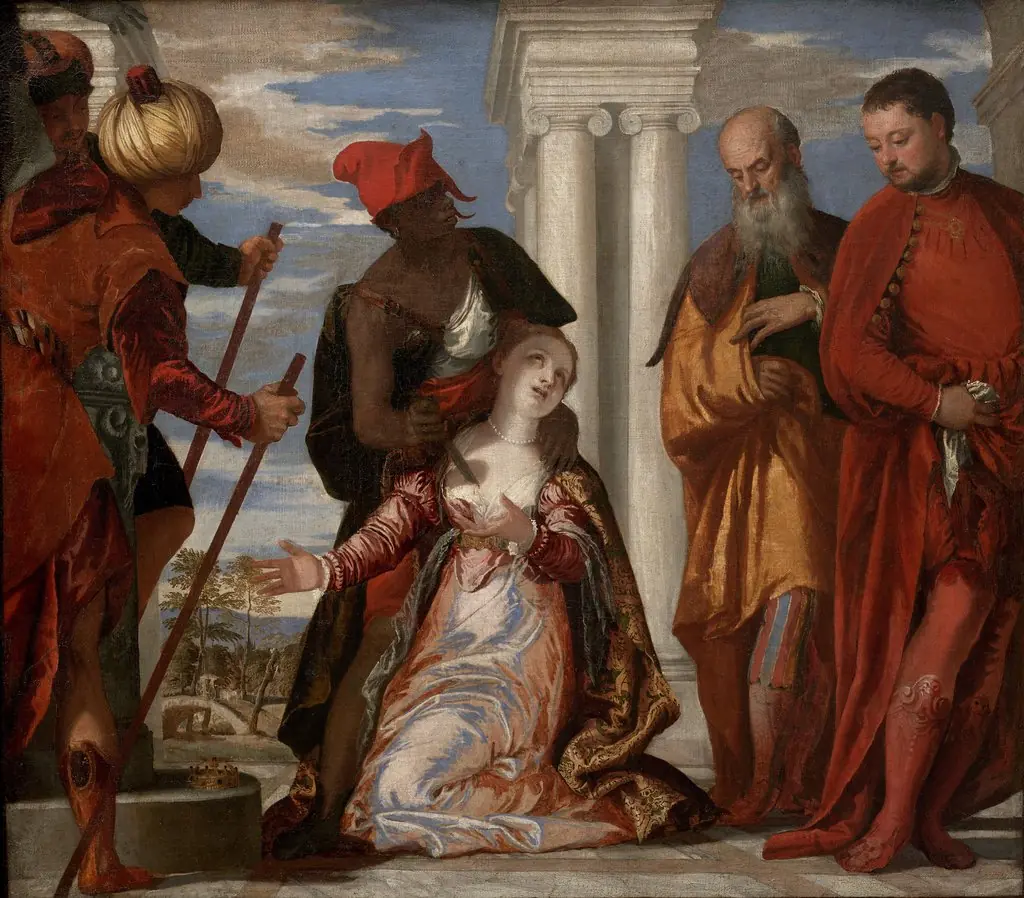 The Martyrdom of Saint Justina
 Susannah and the Elders