Artwork
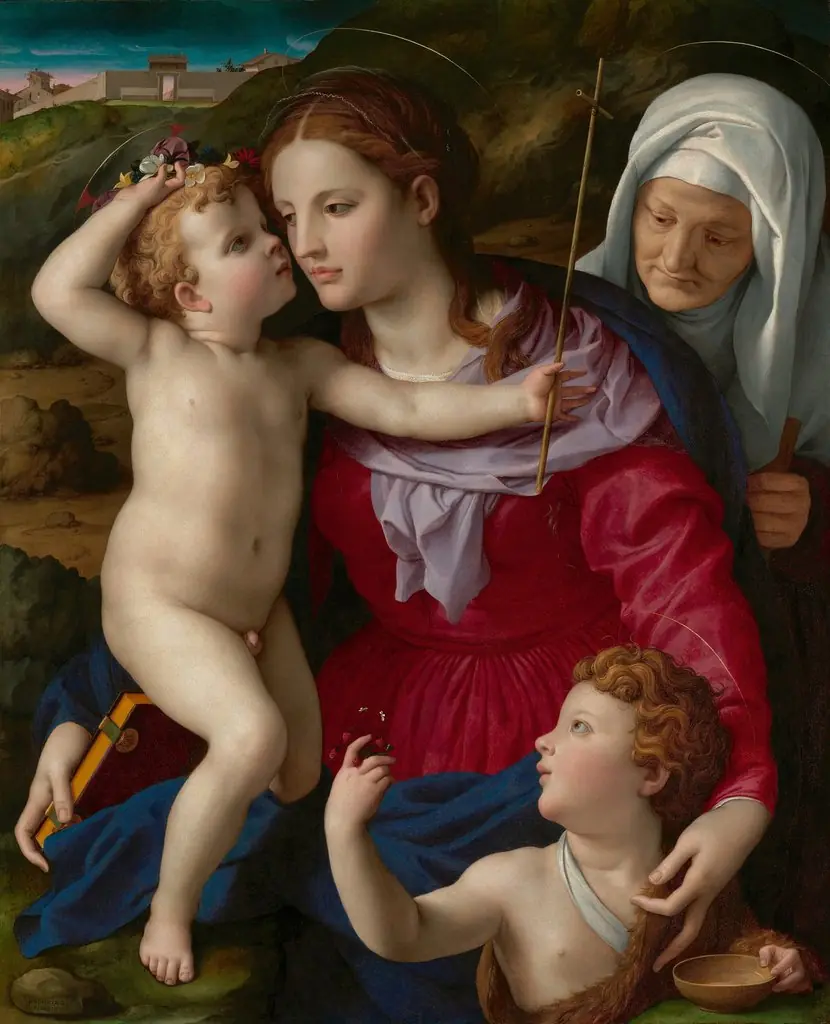
Virgin and Child with Saints John the Baptist, Mary Magdalen and George
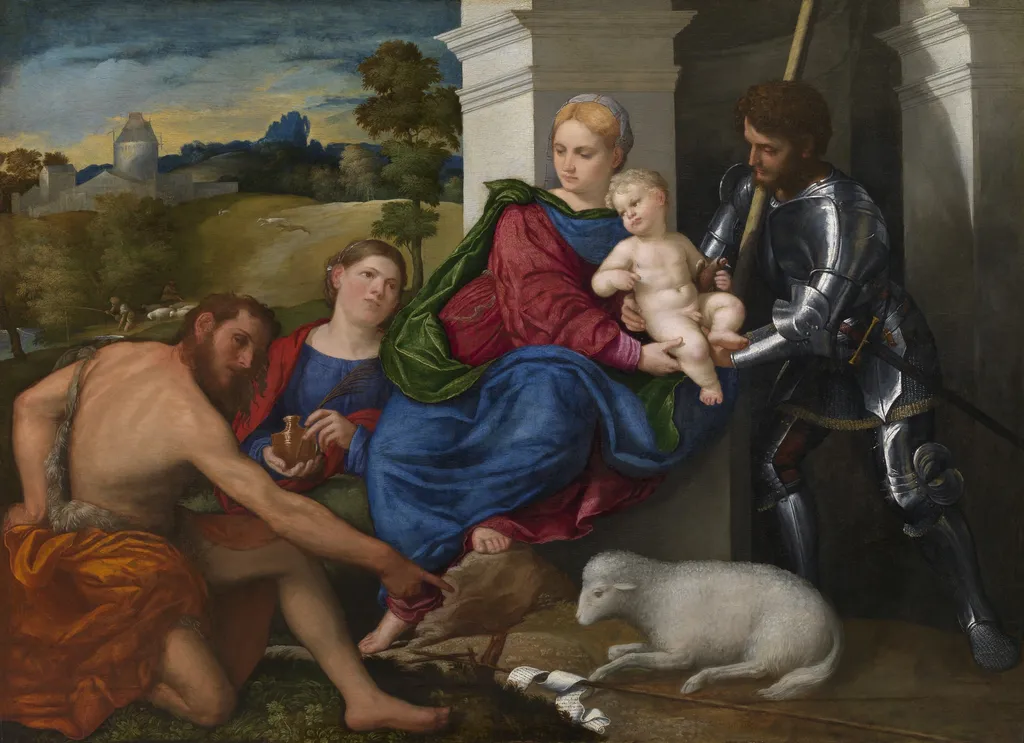
Virgin and Child with Saints John the Baptist, Mary Magdalen and George is an oil painting by the Mannerist artist Paris Bordone. It dates from 1524 and is held in the collection of the Kelvingrove Art Gallery and Museum. Created in 1524, this oil painting presents the Virgin Mary cradling the infant Christ, flanked by three saints.
About this work
Overview
Created in 1524, this oil painting presents the Virgin Mary cradling the infant Christ, flanked by three saints. The central group is set against a modest landscape of trees and distant architecture, with a balanced arrangement that guides the eye across the composition.
Subject & Meaning
The work brings together the Virgin and Child with Saint John the Baptist, Saint Mary Magdalene, and Saint George, each identifiable by traditional attributes: a blue mantle for Mary, a spear‑bearing armored figure for George, and a kneeling figure with a jug suggesting a hermit saint. Their presence underscores themes of intercession and martyrdom.
Technique & Style
Executed in the Venetian manner, the painting displays the elongated proportions and complex spatial organization typical of early Mannerism. Bordone’s handling of color and light creates depth, while the refined brushwork conveys a subtle dynamism within the tranquil scene.
History & Provenance
The canvas entered the collection of Kelvingrove Art Gallery and Museum, where it remains on public display. Its attribution to Paris Bordone, a pupil of Titian, is based on stylistic analysis linking it to his early independent period.
Context
Produced during a transitional phase in Italian art, the piece reflects Bordone’s synthesis of his Venetian training and the emerging Mannerist aesthetic. It exemplifies the period’s interest in sophisticated compositions that move beyond the naturalism of the High Renaissance.
Own this work as a print
Artist & collection
Artist
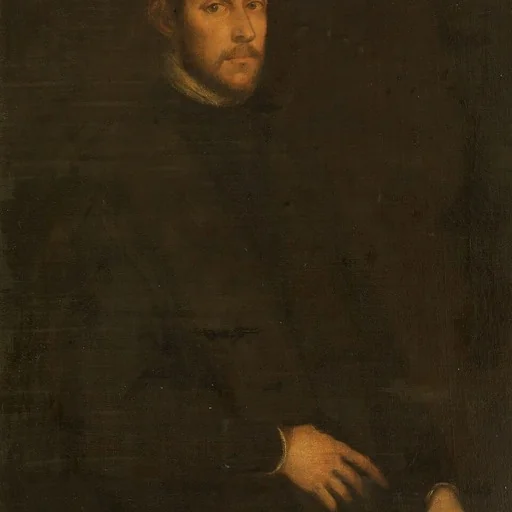
Paris Bordone (Paris Paschalinus Bordone; 5 July 1500 – 19 January 1571) was an Italian painter of the Venetian Renaissance who, despite training with Titian, maintained a strand of Mannerist complexity and provincial vigor.

 The Madonna and Child with Saint John the Baptist
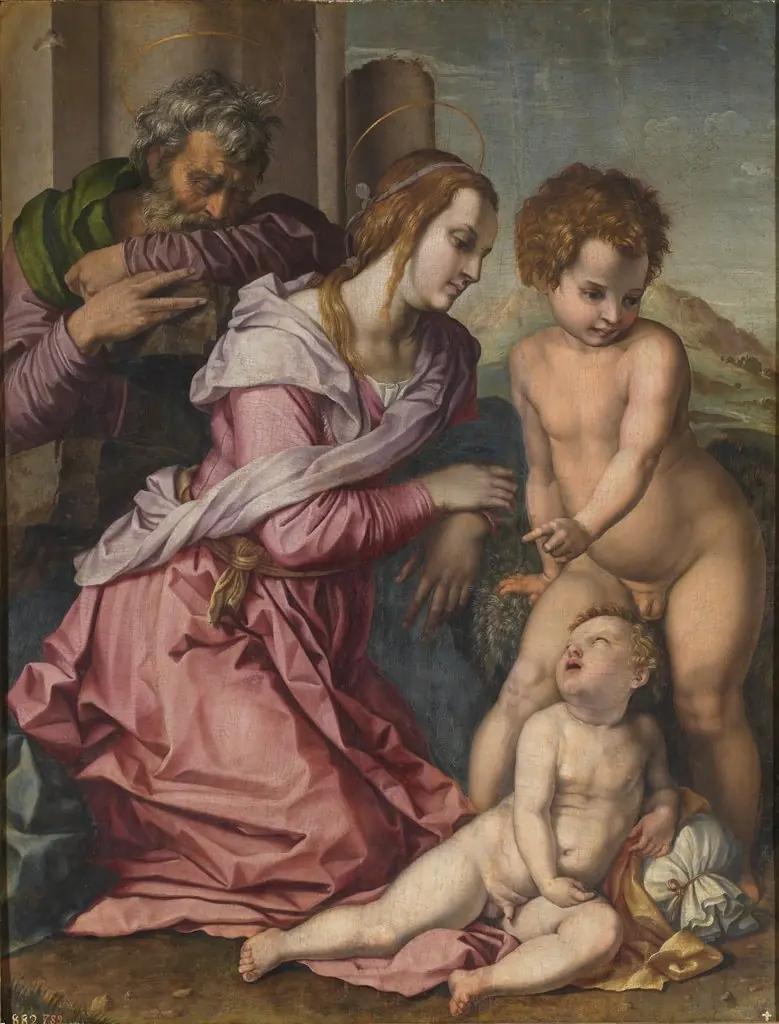 The Holy Family with the Infant Saint John the Baptist
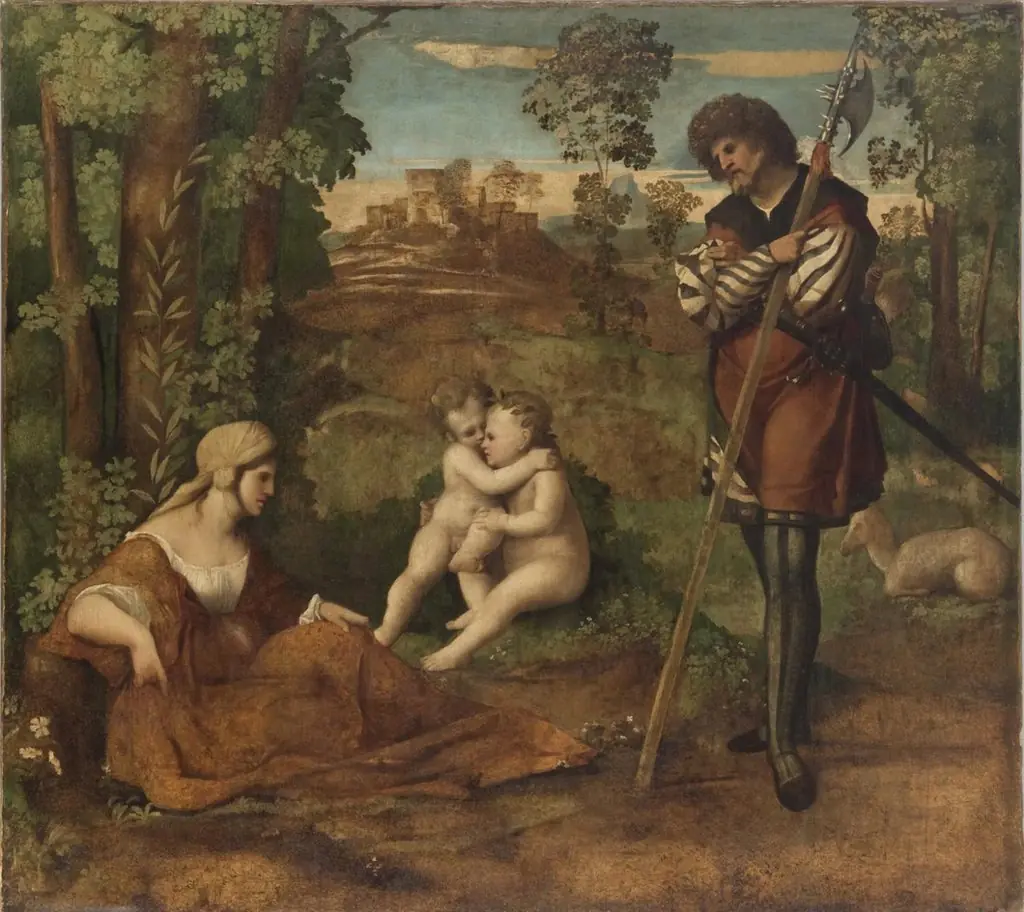 Allegory
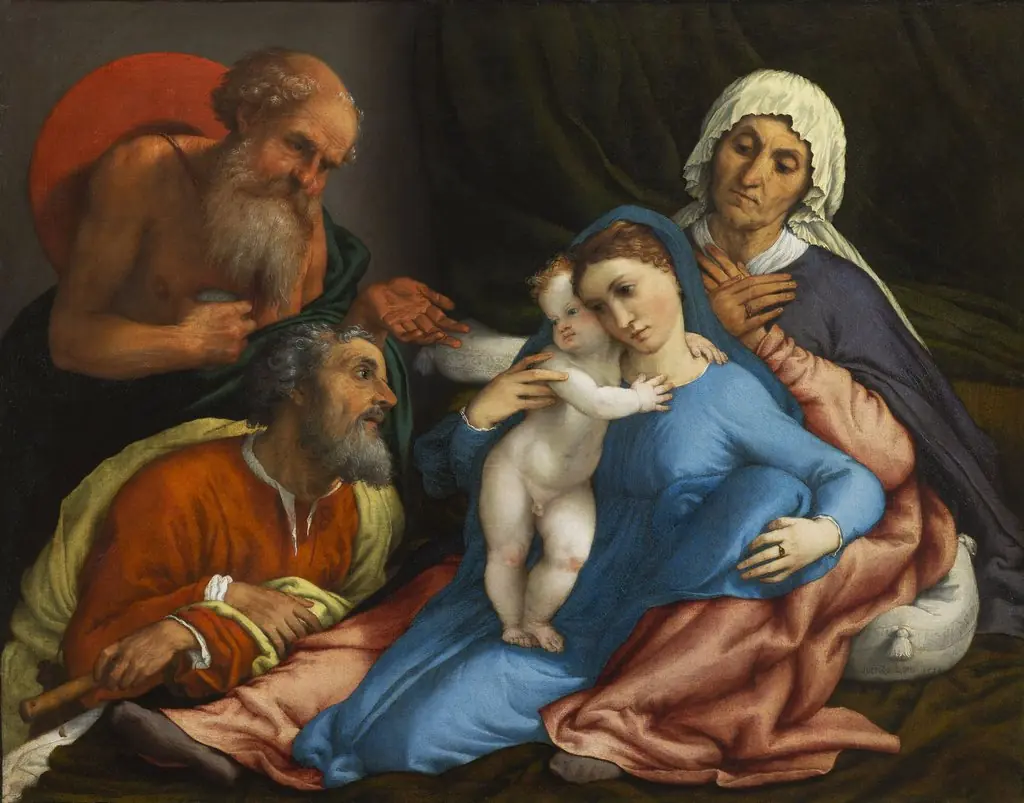 Madonna and Child with Saints
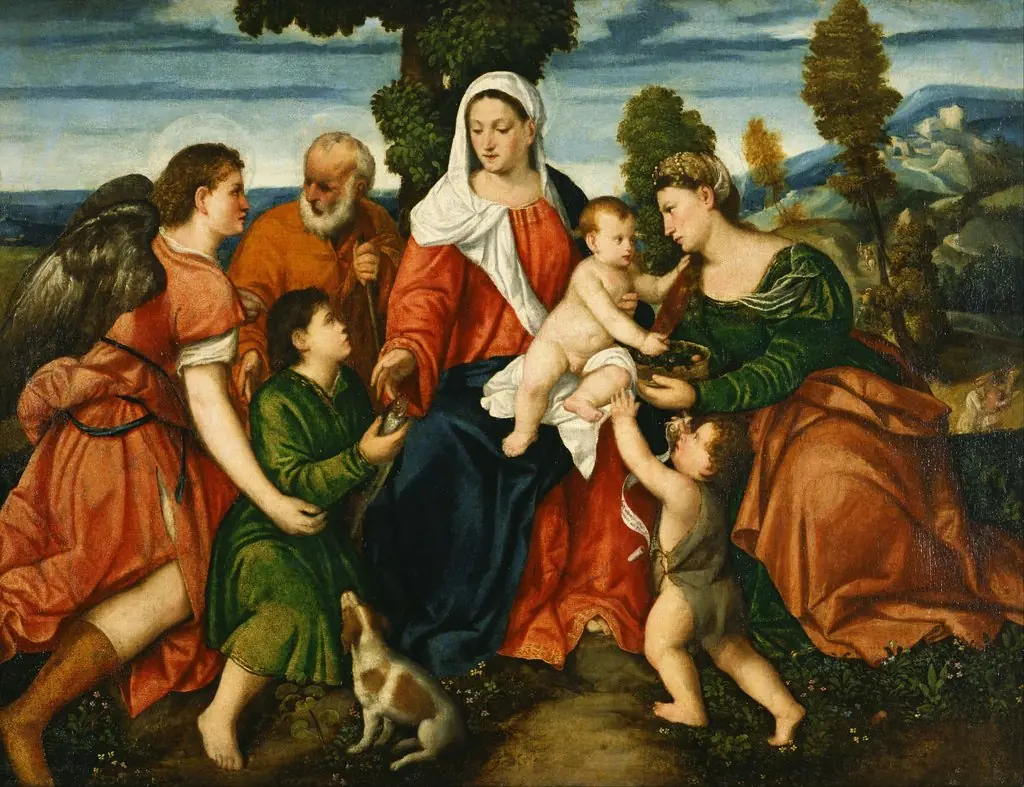 The Holy Family with Tobias and the Angel, Saint Dorothy, Giovannino, and the Miracle of the Corn beyond
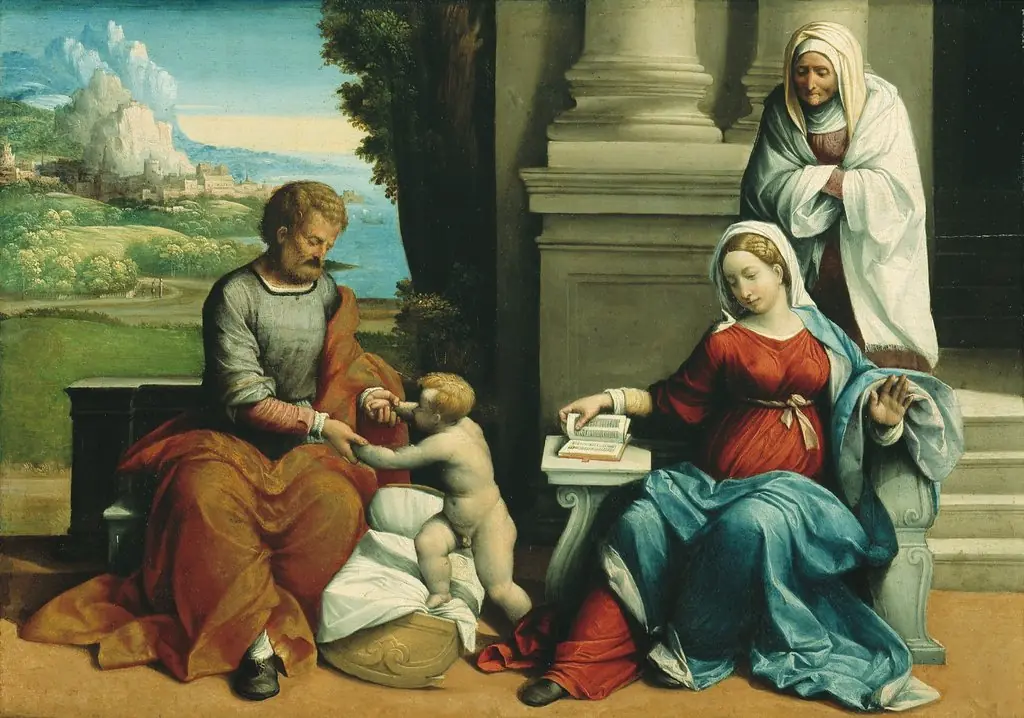 Holy Family with St. Anne
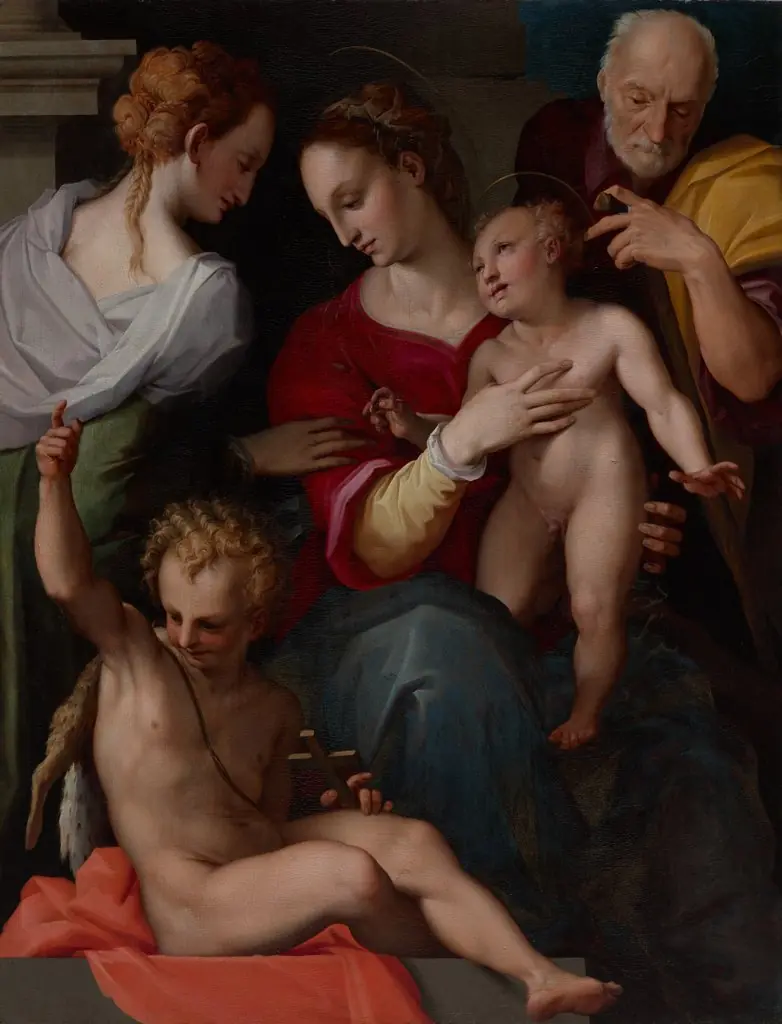 Holy Family with the Mystic Marriage of Saint Catherine
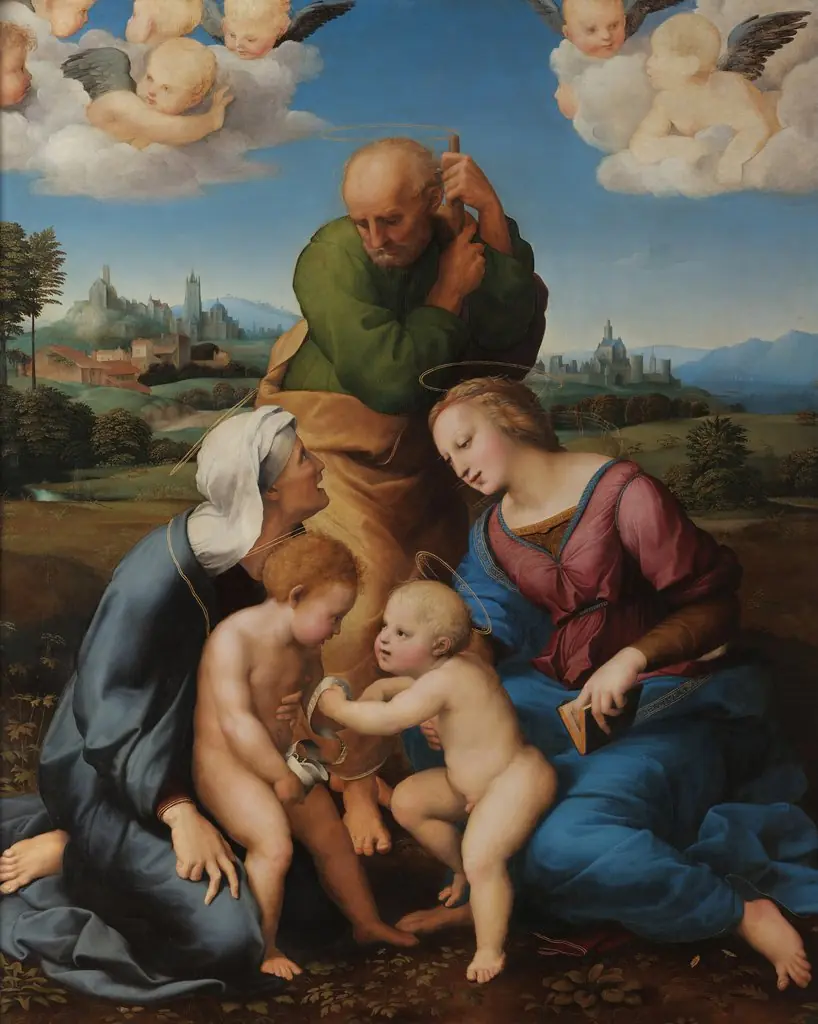 Canigiani Holy Family
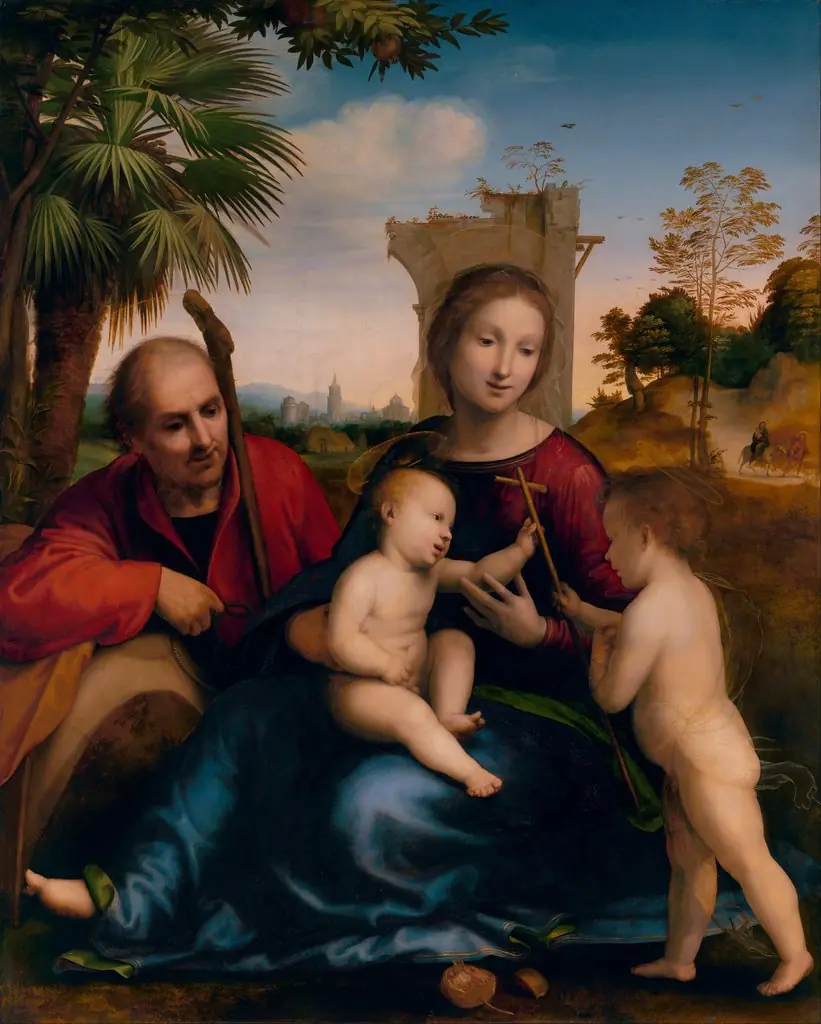 The Rest on the Flight into Egypt with St. John the Baptist
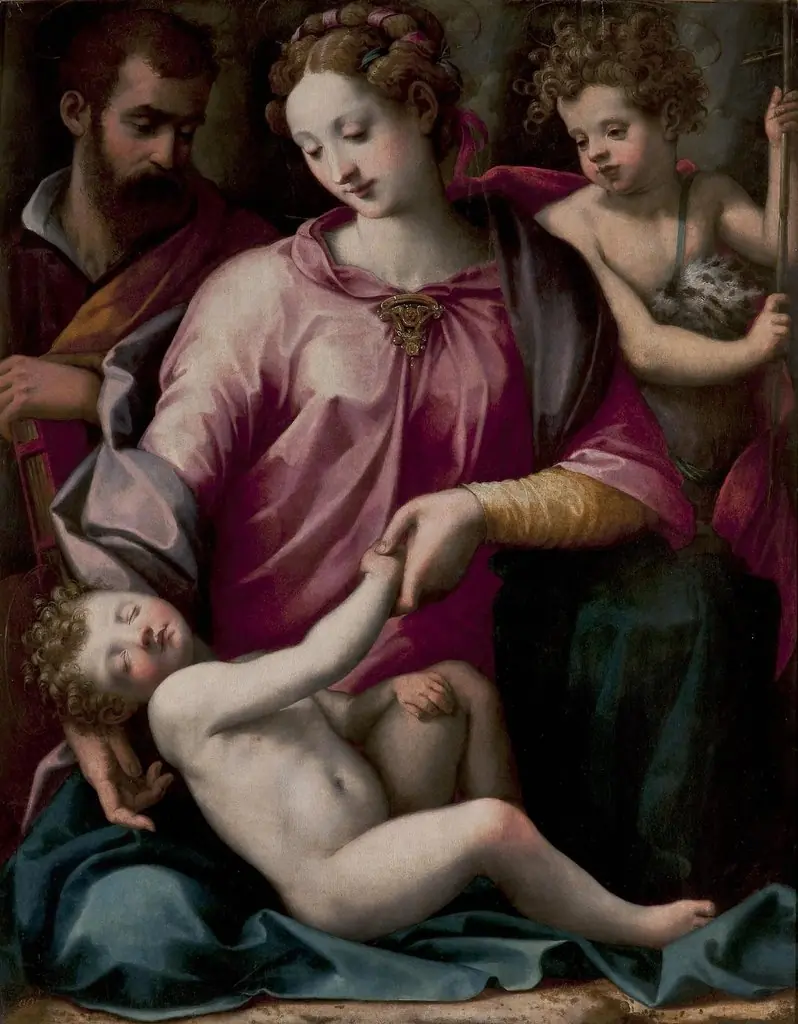 Holy Family with St John the Baptist
 Virgin and Child with Saint Elizabeth and Saint John the Baptist