Artwork
Iisus pe cruce
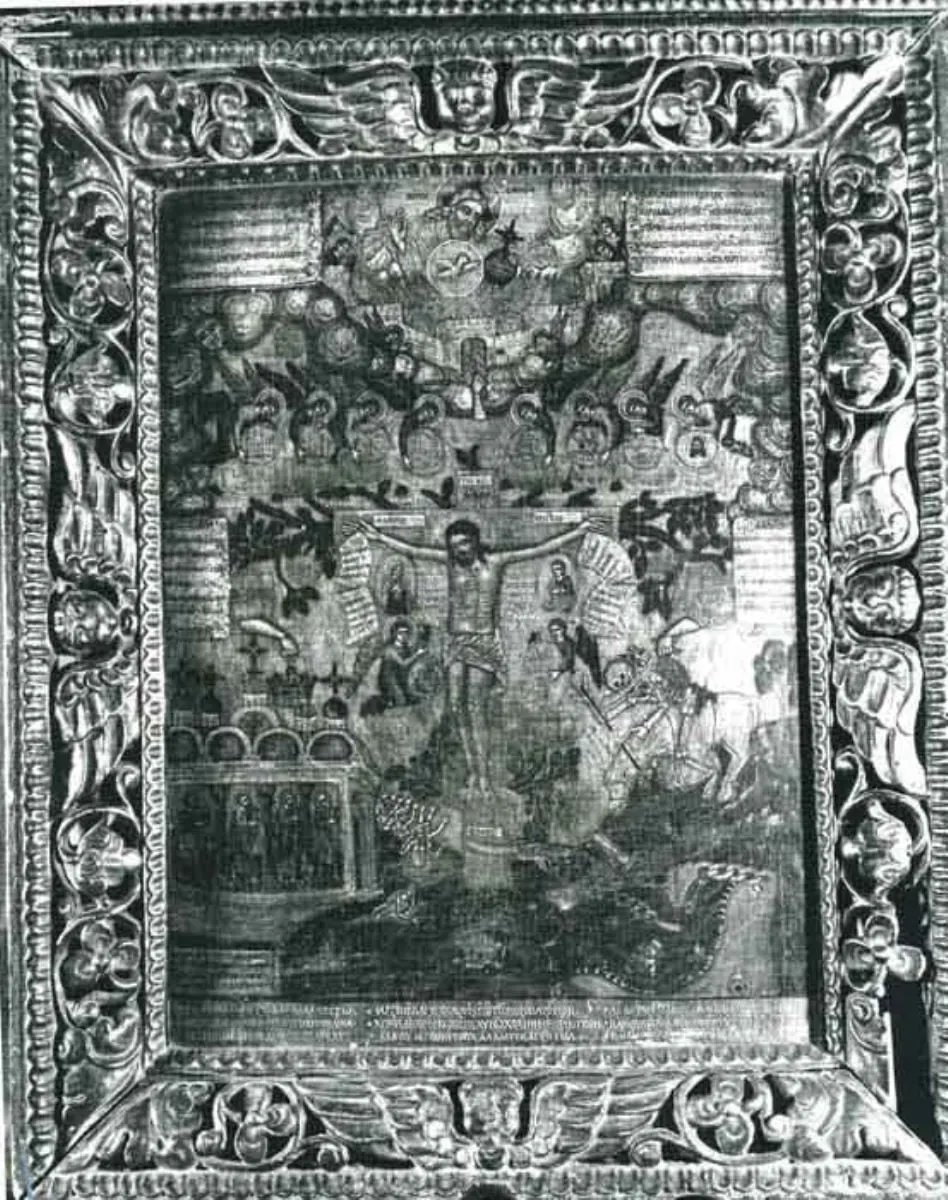
Iisus pe cruce is a drawing by ieromonah și zugrav Parthenie. It dates from 1750 and is held in the collection of the National Museum of Art of Romania.
About this work
Overview
Created around 1750, “Iisus pe cruce” is an image attributed to the monk‑painter Parthenie, identified as an “ieromonah și zugrav.” The work presents a conventional crucifixion scene, rendered in a drawing‑like style that emphasizes line work and detailed ornamentation.
Subject & Meaning
The central figure is a man on a cross, his arms outstretched, clearly representing Jesus. He is encircled by traditional symbols of the Passion: a crown of thorns, a spear, and a chalice, each reinforcing the theological narrative of sacrifice and redemption.
Technique & Style
Parthenie employs bold, confident lines to delineate forms, while intricate detailing adds texture to the figure and surrounding objects. The background is rendered in muted, dark tones with subtle hints of gold and red, creating a somber atmosphere that heightens the devotional tone.
History & Provenance
The image dates to the mid‑18th century, a period when monastic artists often produced devotional works for liturgical use. No further ownership records are provided, but the attribution to Parthenie suggests it originated within an Eastern Orthodox monastic context.
Context
In the 1750s, Eastern Christian art continued to emphasize narrative clarity and symbolic richness. Works like this one served both as visual aids for worship and as objects of personal contemplation, reflecting the era’s devotional practices.
Artist & collection
Artist
Romanian Orthodox icon painters of the 19th century drew devotional scenes on paper and wood with steady lines and gold-leaf details.

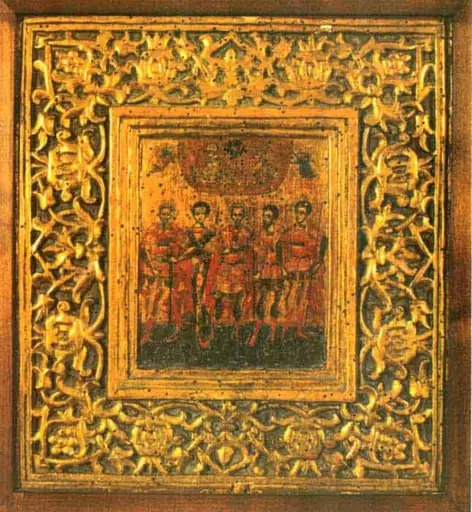 Sfinții mucenici
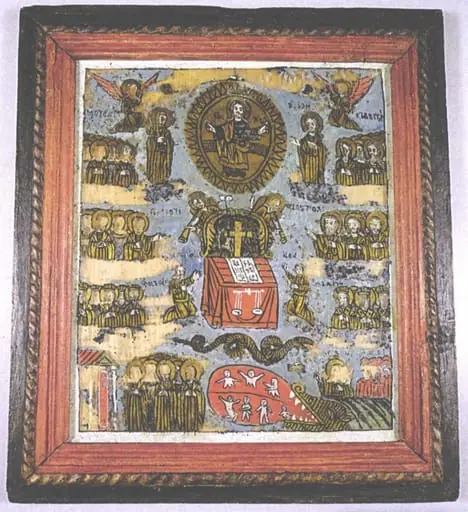 Judecata de apoi
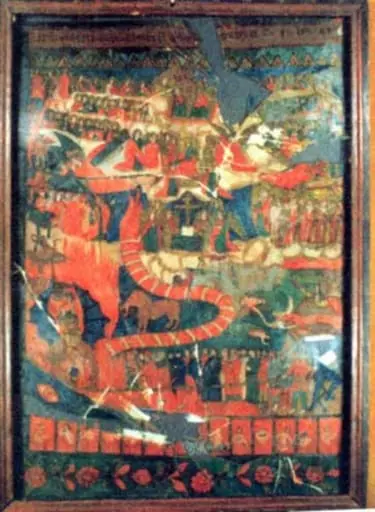 Judecata de Apoi
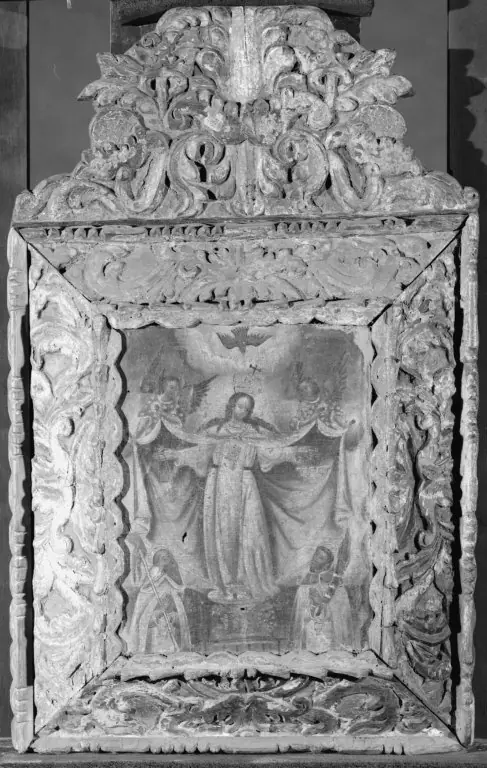 Virgin of Mercy
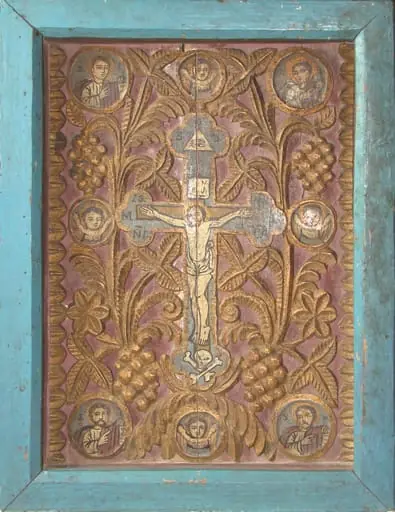 Răstignirea lui Iisus
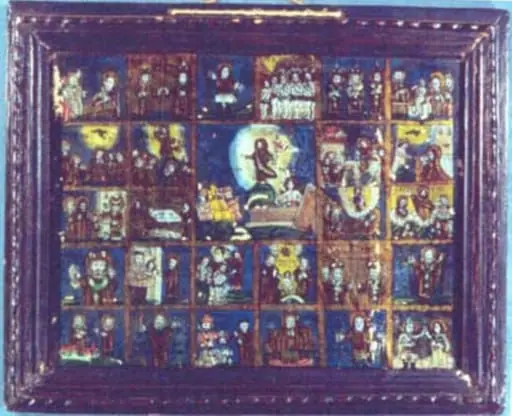 Învierea lui Iisus
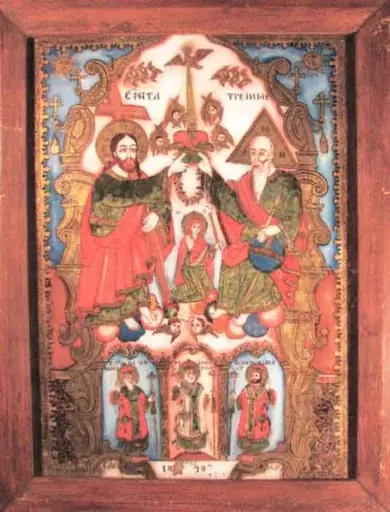 Sfânta Treime
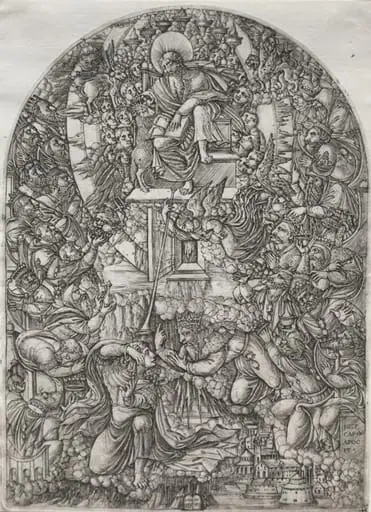 The Apocalpse: St. John Summoned to Heaven
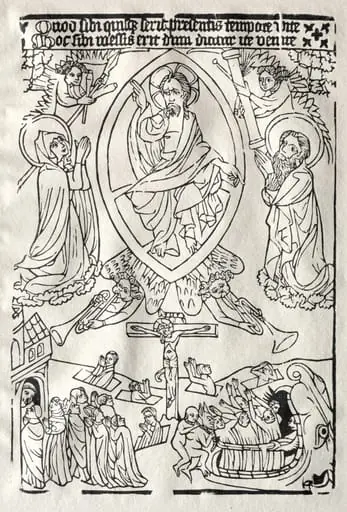 Das Jüngste Gericht
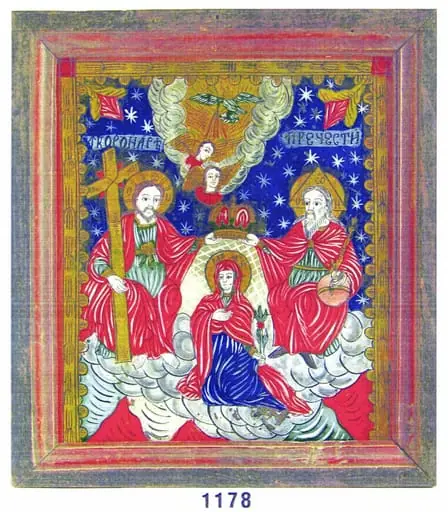 Încoronarea Maicii Domnului
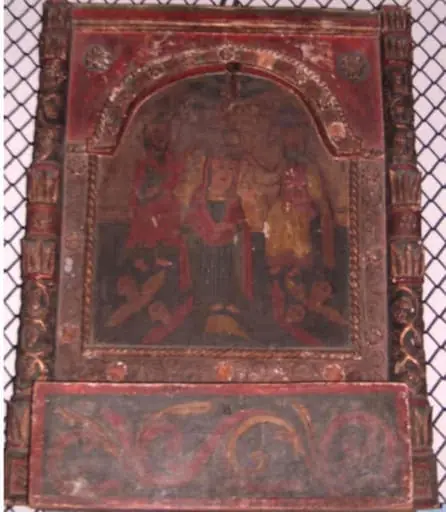 Încoronarea Mariei
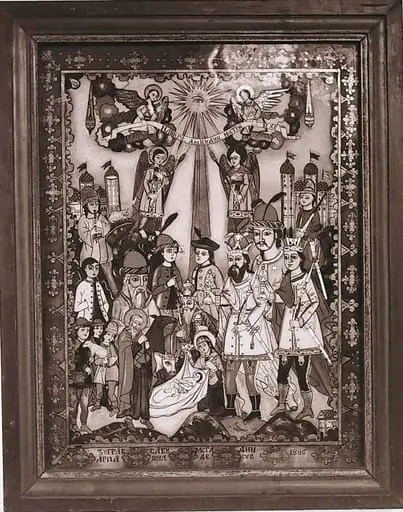 Secvențe din Muzeul Satului, icoană pe sticlă de Savu Moga: Nașterea Domnului - 1886 (1988)