Artwork
The Apocalpse: St. John Summoned to Heaven
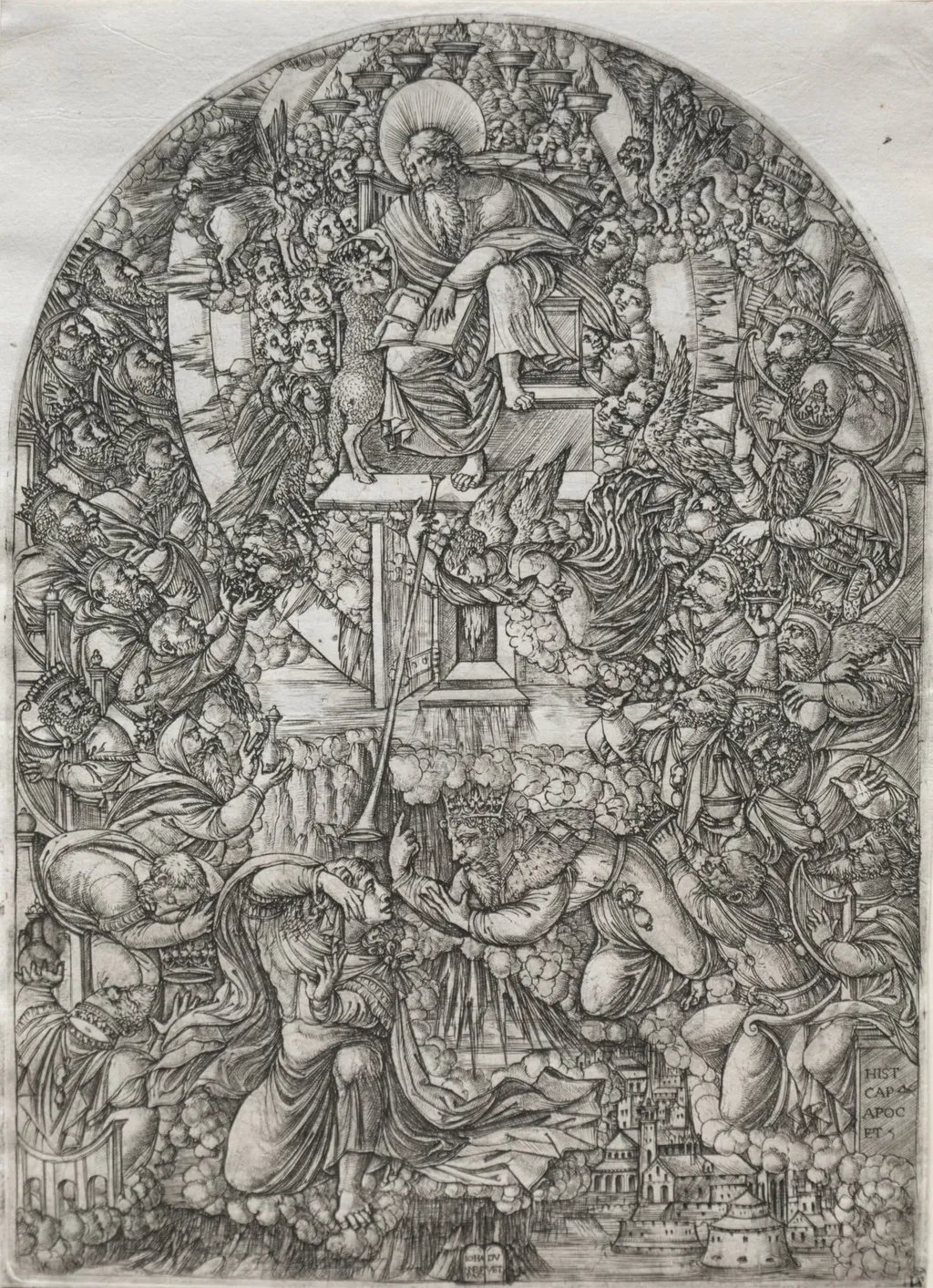
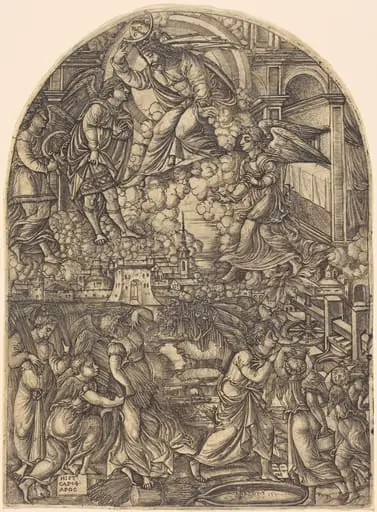
The Apocalpse: St. John Summoned to Heaven is a print by the Renaissance artist Jean Duvet. It dates from 1555 and is held in the collection of the Cleveland Museum of Art.
About this work
Overview
Created in 1555 by Jean Duvet, this engraving is part of a series illustrating the Book of Revelation. Duvet, primarily known as a goldsmith, turned to printmaking late in life, producing a small but intense body of work. His approach diverged from the polished aesthetics of his contemporaries, favoring dense, emotionally charged imagery that reflected personal devotion over academic convention.
Subject & Meaning
The scene depicts the biblical moment when the Apostle John is called to witness divine revelations in heaven. Figures swell with symbolic weight—angels, celestial beings, and the throne of God dominate a tightly packed composition. The emphasis is not on spatial realism but on spiritual urgency, conveying the awe and terror of divine encounter as described in Revelation 4.
Technique & Style
This raw, almost childlike intensity contrasts with the refined elegance of Italian Renaissance prints, giving the work a distinctive, visionary character.
Duvet employed fine, intricate lines typical of engraving, but his handling was unusually expressive. Forms are compressed and layered, with little regard for perspective. The figures appear almost sculpted in relief, their gestures exaggerated and rhythms rhythmic. This raw, almost childlike intensity contrasts with the refined elegance of Italian Renaissance prints, giving the work a distinctive, visionary character.
History & Provenance
The engraving entered the Cleveland Museum of Art’s collection as part of a broader acquisition of Northern Renaissance prints. Duvet’s works were rarely widely distributed in his lifetime, and few impressions survive. This print is among the better-preserved examples, offering insight into the private devotional culture of mid-16th-century France, where religious imagery remained central despite growing tensions.
Context
Produced during the height of the Reformation, Duvet’s imagery reflects a Catholic worldview under pressure. While Protestant regions rejected elaborate religious art, French Catholics continued to value visual theology. Duvet’s prints, though not commissioned by the Church, resonated with audiences seeking spiritual intensity, blending medieval symbolism with emerging Mannerist tendencies.
Legacy
Duvet’s work was largely overlooked until the 19th century, when Romantic artists and scholars recognized its emotional power. His unorthodox style—marked by narrative density and expressive distortion—foreshadowed later visionary artists like William Blake. Though not influential in his own time, his prints are now valued for their singular voice within Renaissance printmaking.
Artist & collection

Artist
Jean Duvet (1485 – after 1562) was a French Renaissance goldsmith and engraver, now best known for his engravings.

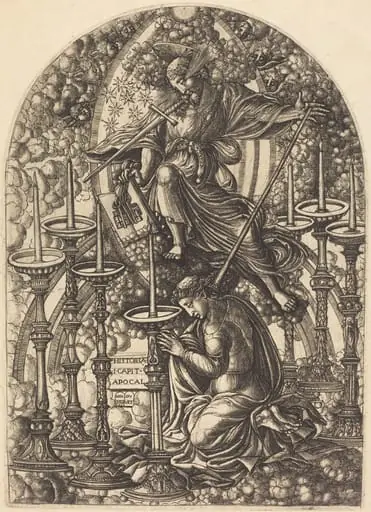
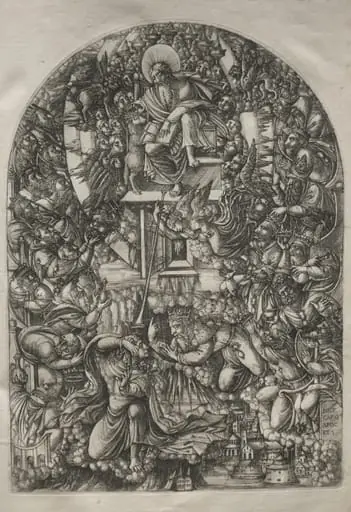 The Apocalypse: St. John Summoned to Heaven
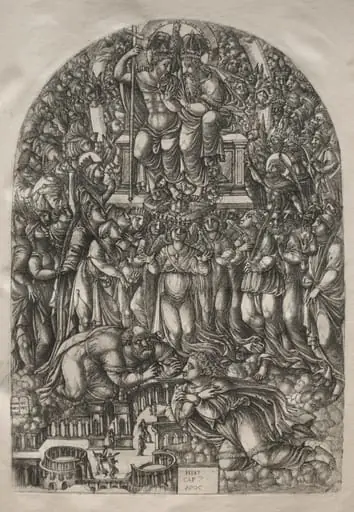 The Apocalypse: An Innumerable Multitude Which Stand before the Throne
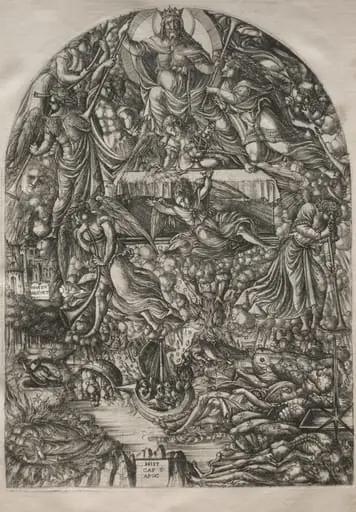 The Apocalypse: The Opening of the Seventh Seal
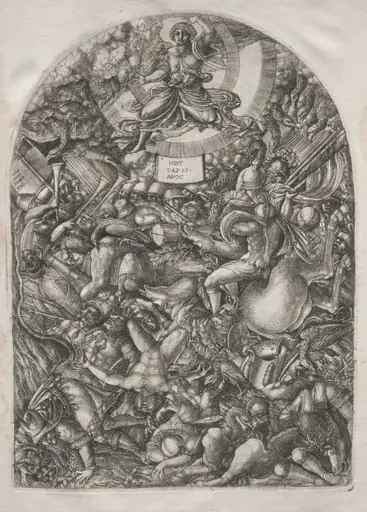 The Apocalypse: The Angel in the Sun Calling the Birds of Prey
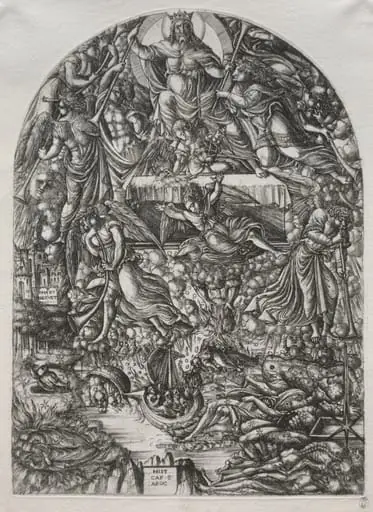 The Apocalypse: The Opening of the Seventh Seal
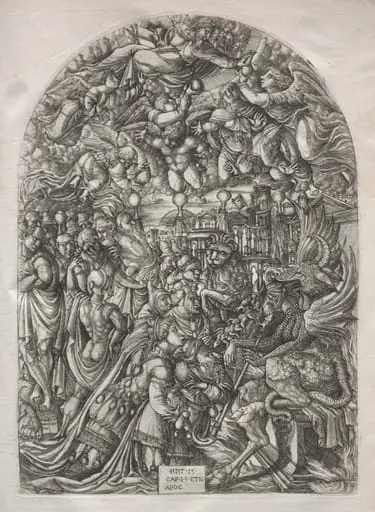 The Apocalypse: The Dragon with Two Horns and the Beast with Seven