Artwork
Huilunsoittaja
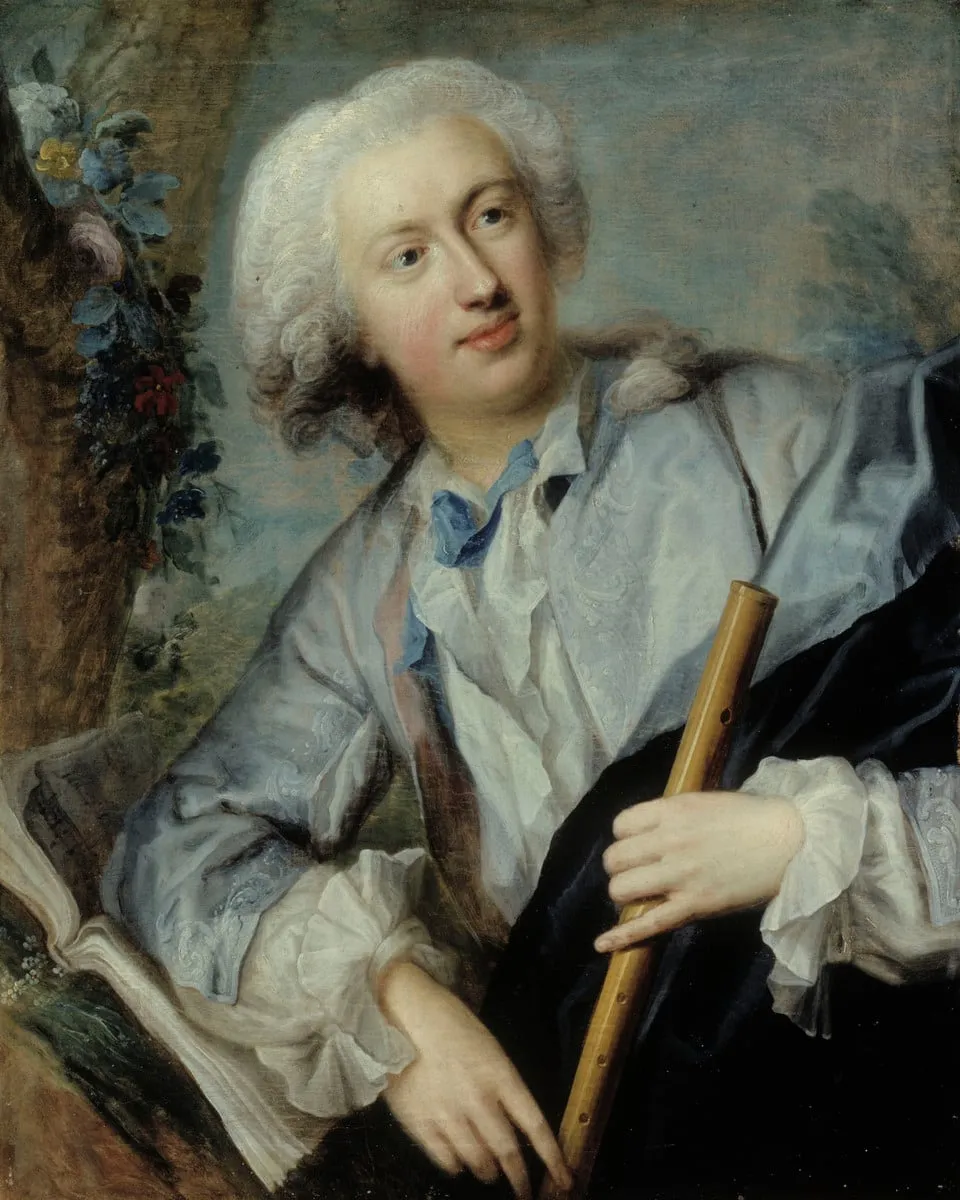
Huilunsoittaja is an unspecified painting by Lorens Pasch vanhempi / den äldre / the Elder. It is held in the collection of the Finnish National Gallery. This painting depicts a solitary figure engaged in playing a wooden flute-like instrument.
About this work
Overview
This painting depicts a solitary figure engaged in playing a wooden flute-like instrument. The subject is rendered with a focus on naturalistic detail, particularly in the treatment of light and texture. The composition emphasizes the musician’s contemplative posture, while the muted background directs attention to the figure’s expression and the instrument in their lap.
Subject & Meaning
The image centers on a musician absorbed in performance, suggesting themes of introspection or artistic devotion. The flute-like instrument, a traditional woodwind, may evoke associations with pastoral or classical music. The subject’s serene demeanor and the soft lighting contribute to an atmosphere of quiet reflection, though the precise narrative intent remains open to interpretation.
Technique & Style
The background’s softened focus contrasts with the sharper details of the subject, a technique that heightens the sense of depth and immediacy.
The artist employs a delicate interplay of light and shadow, particularly in the modeling of the figure’s face and hands. Brushwork varies between smooth, blended strokes in the clothing and more luminous, translucent layers in the skin, creating a subtle glow. The background’s softened focus contrasts with the sharper details of the subject, a technique that heightens the sense of depth and immediacy.
Context
Works depicting musicians or solitary figures in moments of quiet activity were common in European art, often reflecting ideals of harmony, nature, or individual contemplation. The use of chiaroscuro—contrasting light and dark—aligns with techniques favored by artists seeking to convey volume and emotion through controlled illumination. Such compositions frequently appeared in both portraiture and genre scenes.
Legacy
While the painting’s specific influence is undocumented, its emphasis on luminous realism and psychological presence aligns with broader artistic traditions valuing naturalism and emotional nuance. The treatment of light and texture may resonate with later works exploring similar effects, particularly in portraiture or studies of human expression.
Artist & collection
Artist
Lorens Pasch vanhempi / den äldre / the Elder
This 18th-century Swedish painter made quiet, finely lit portraits and genre scenes.

 Vapaaherra Thure Leonard Klinckowström
 Joseph Bonnier de la Mosson
 Ange Laurent de La Live de Jully
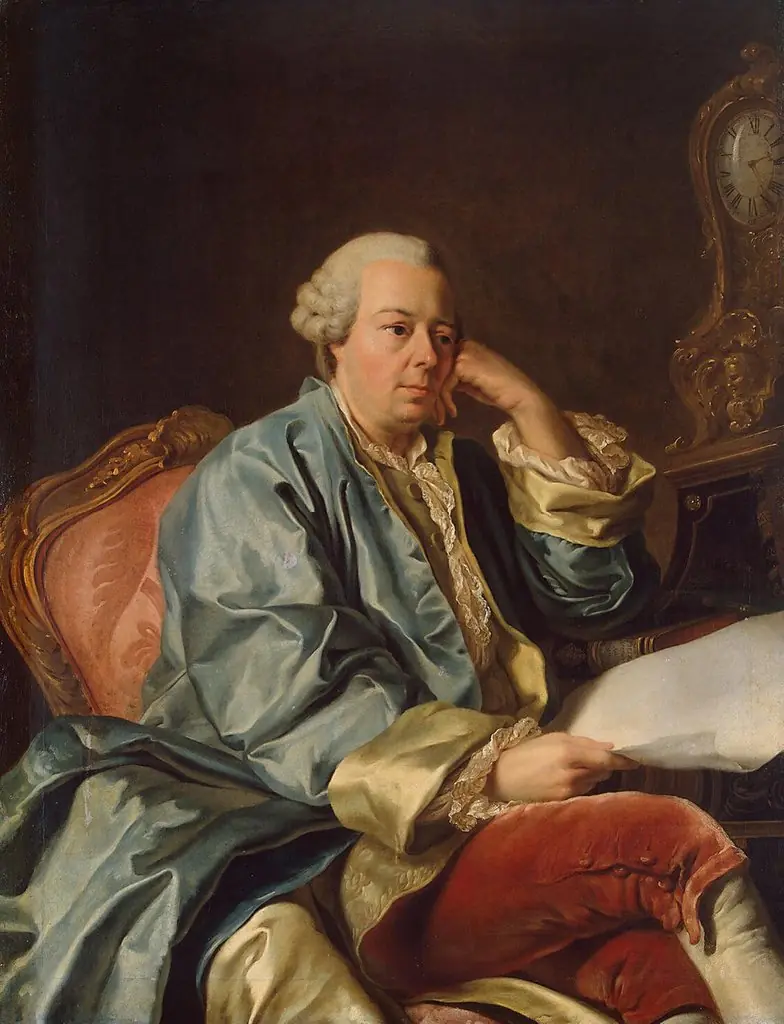 Portrait of Ivan Ivanovich Betskoi Wearing a Dressing Gown (copy)
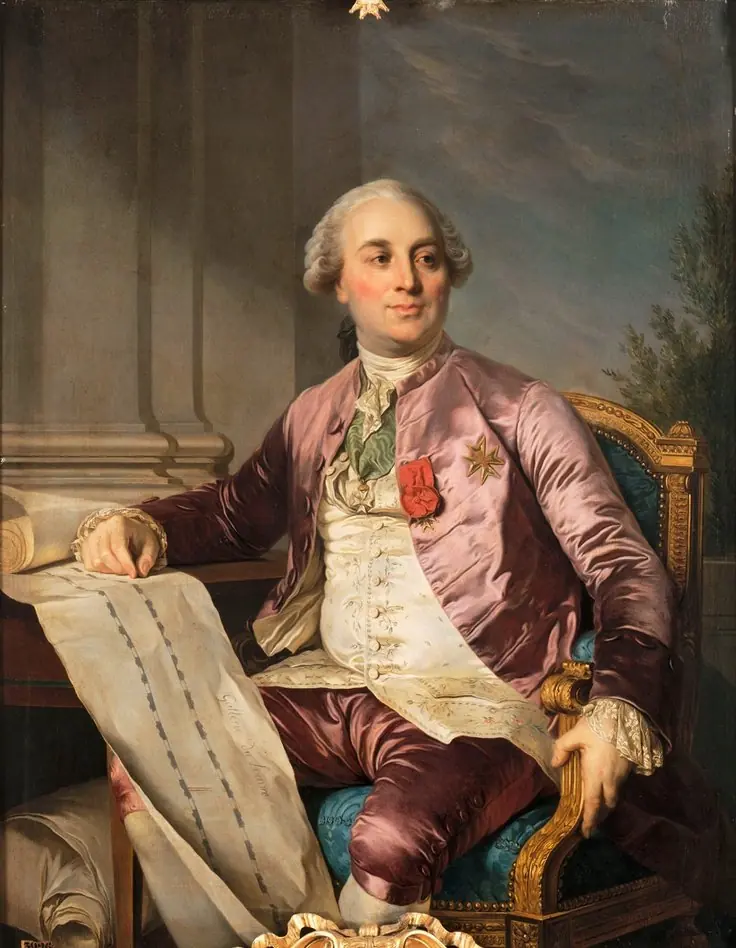 Charles-Claude Flahaut de la Billaderie
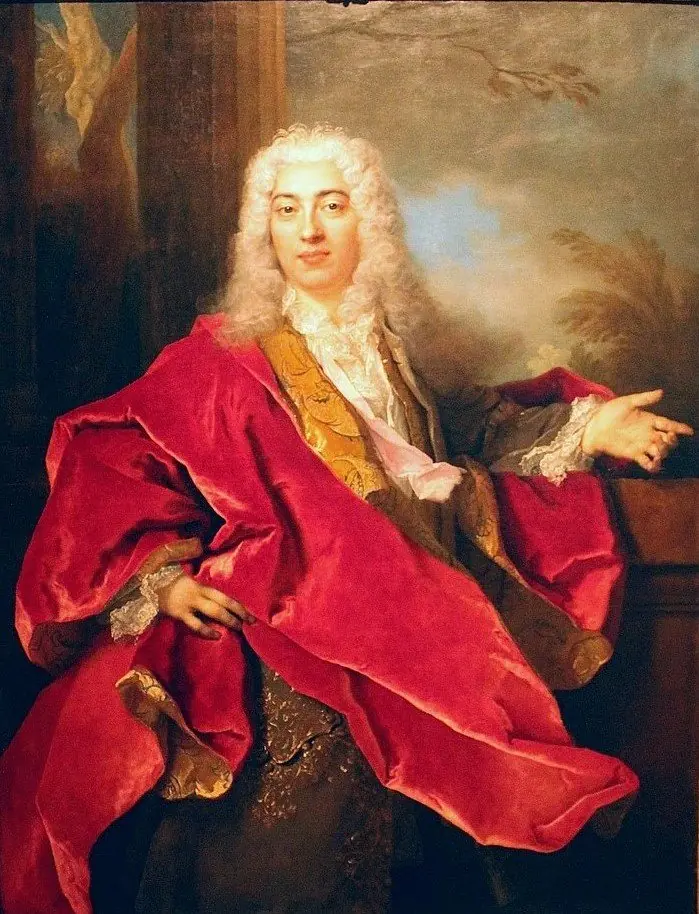 Portrait of Monsieur de Noirmont
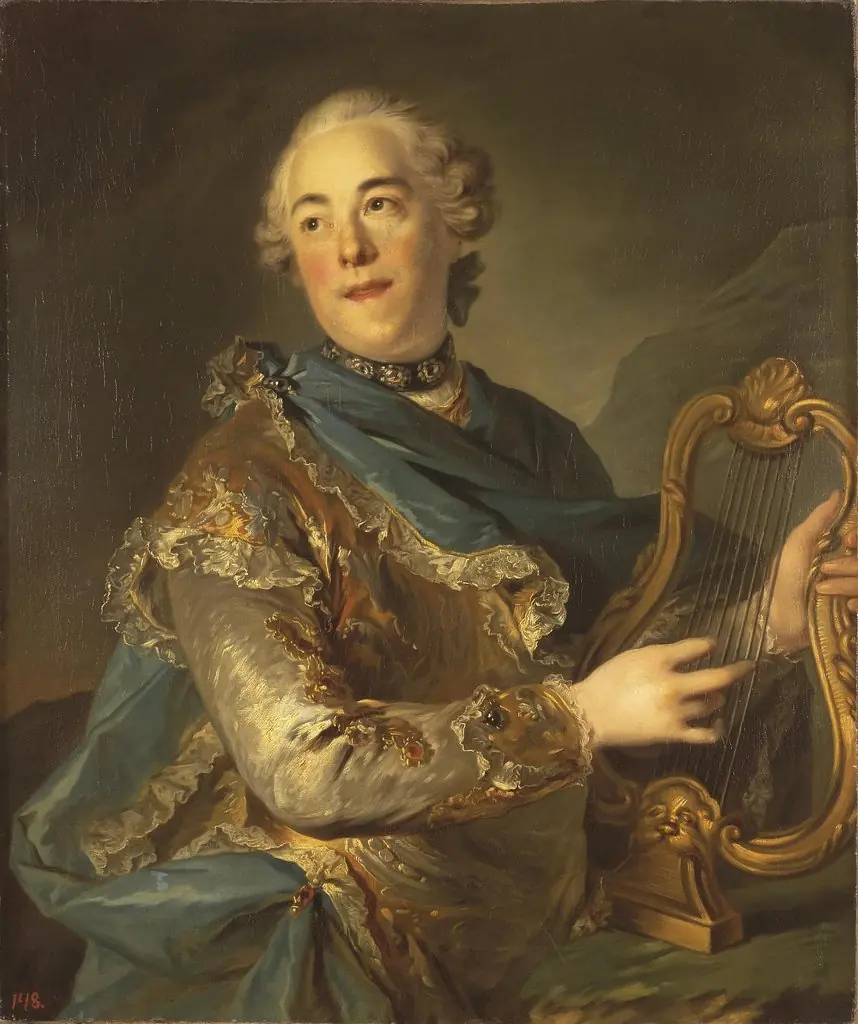 Portrait of Actor as Apollo
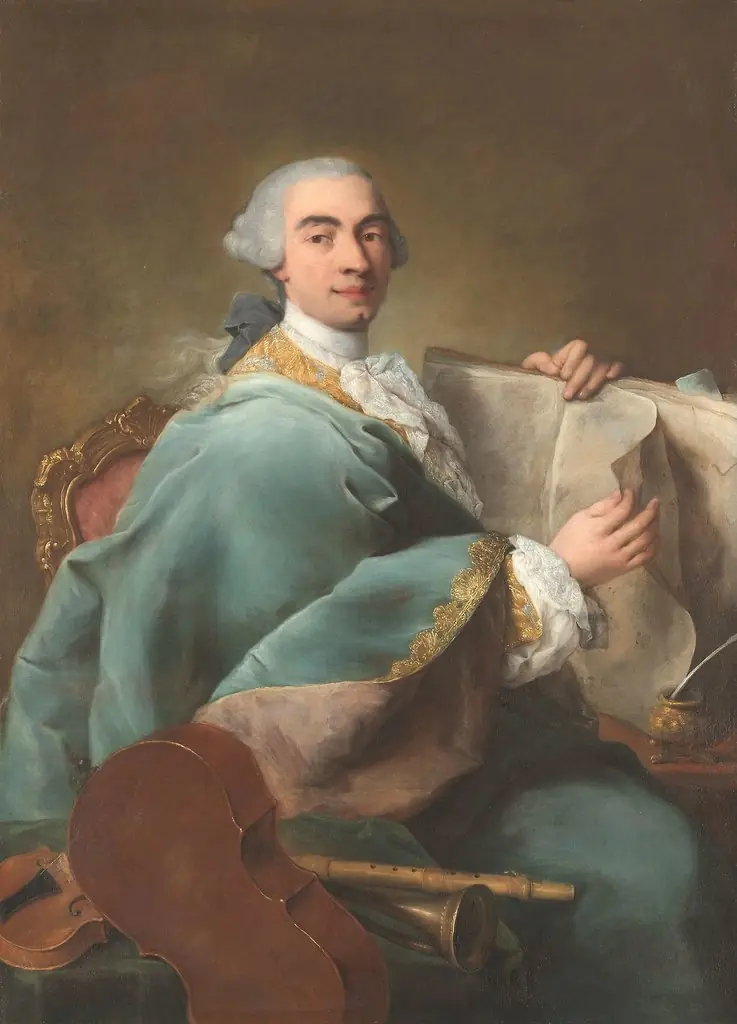 Portrait of a Musician
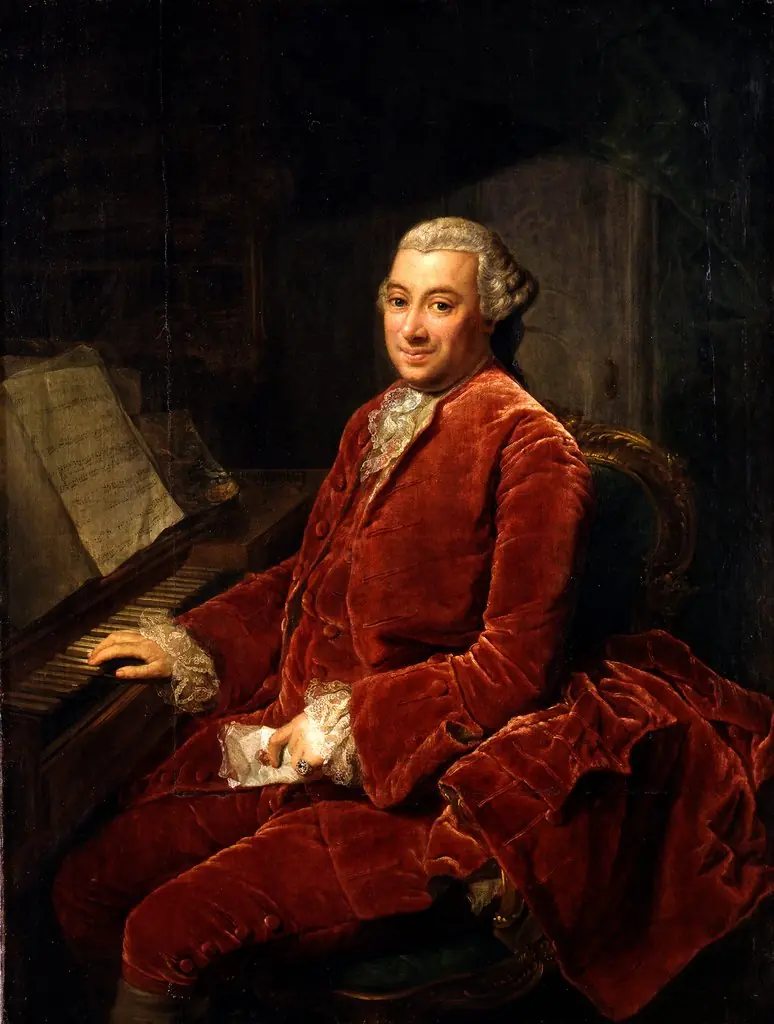 Chamber Councilor Joachim Ulrich Giese
 Portrait of Pieter Parker, Alderman, Burgomaster and Councilor of Goes
 Portrait of Frederik Christian Krag (1726-1763)
 Portrait of a Young Man with a Wig