Artwork
Chamber Councilor Joachim Ulrich Giese
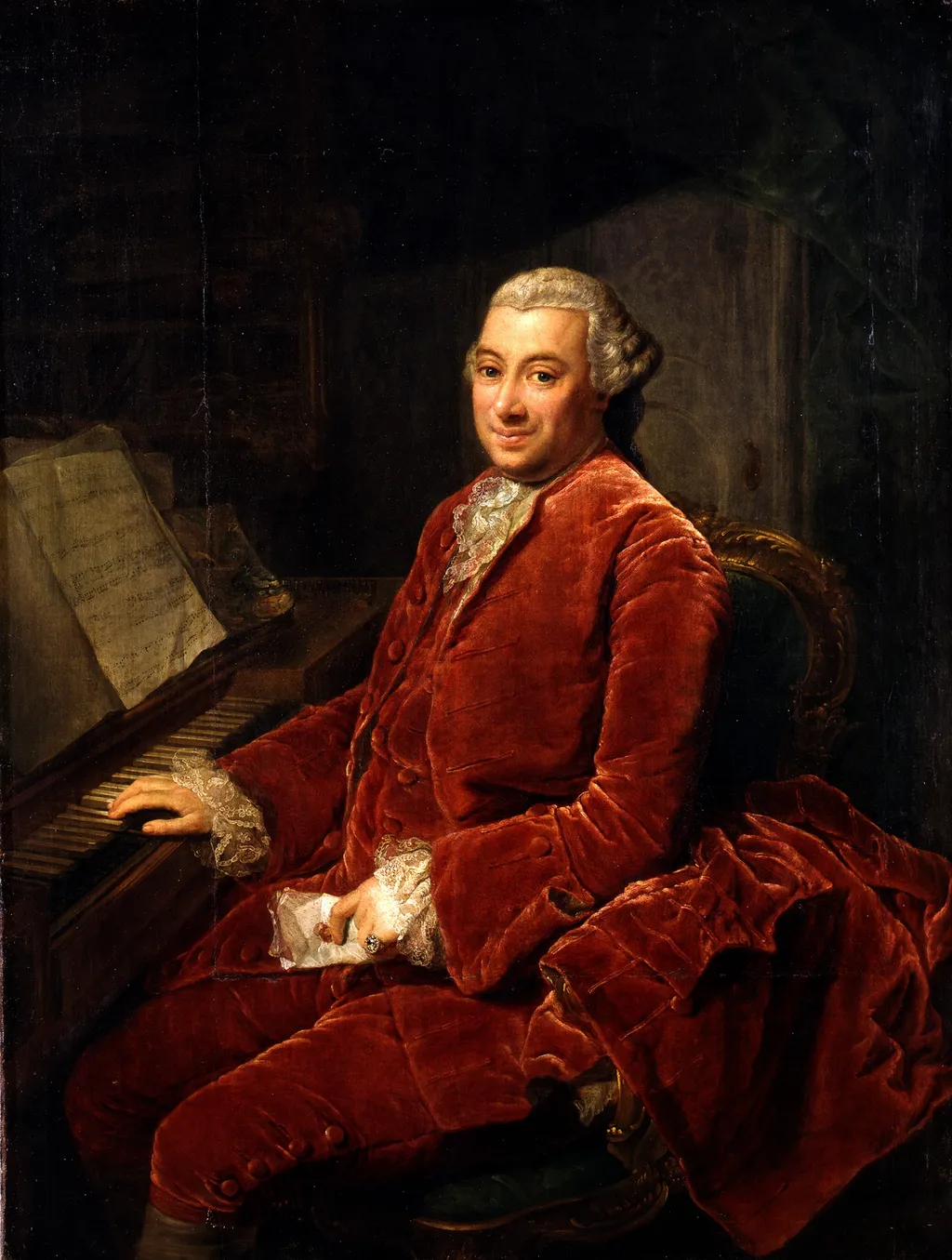
Chamber Councilor Joachim Ulrich Giese is an oil painting by the Rococo painting artist Georg David Matthieu. It dates from 1763 and is held in the collection of the Gemäldegalerie Berlin.
About this work
Overview
This 1763 oil portrait by Georg David Matthieu depicts Joachim Ulrich Giese, a chamber councilor in the court of Mecklenburg.
This 1763 oil portrait by Georg David Matthieu depicts Joachim Ulrich Giese, a chamber councilor in the court of Mecklenburg. Executed on canvas, the work exemplifies the refined aesthetic of mid-18th-century German portraiture. Matthieu, known primarily for his engravings and court commissions, captures Giese with quiet formality, emphasizing status through subtle detail rather than overt grandeur. The painting resides in the Gemäldegalerie Berlin’s collection.
Subject & Meaning
Joachim Ulrich Giese is portrayed as a man of cultivated leisure and administrative authority. His red velvet suit, lace-trimmed cuffs, and the presence of a piano suggest engagement with music and intellectual refinement. The paper in his hand implies ongoing correspondence or official duties, while the ring on his left hand signals personal or institutional identity. The composition avoids theatricality, favoring an impression of dignified composure.
Technique & Style
Matthieu employs chiaroscuro to model the figure against a dark, indistinct background, enhancing the three-dimensionality of the subject. The texture of velvet, the sheen of lace, and the grain of paper are rendered with meticulous care. Brushwork remains controlled and precise, aligning with Rococo sensibilities that valued elegance over emotional intensity. The lighting isolates Giese, directing attention to his posture and attire without distraction.
History & Provenance
Commissioned during Matthieu’s tenure as court painter to the Duke of Mecklenburg, the portrait likely served to affirm Giese’s position within the administrative elite. It entered the Gemäldegalerie Berlin’s collection in the 19th century, following the consolidation of regional holdings. No significant alterations or reworkings are documented, preserving its original condition and intent.
Context
In mid-18th-century German courts, portraiture functioned as both personal record and political statement. Artists like Matthieu balanced individual likeness with social signaling, often incorporating symbols of education, taste, or office. The inclusion of a piano reflects the growing cultural importance of music among the nobility, while the restrained setting contrasts with the ornate excesses of French Rococo.
Legacy
The portrait stands as a representative example of provincial German court art, illustrating how Rococo ideals were adapted beyond major centers like Paris or Vienna. Matthieu’s restrained approach influenced later portraitists in northern Germany, emphasizing clarity and dignity over flamboyance. Today, it contributes to scholarly understanding of bureaucratic identity and visual culture in Enlightenment-era principalities.
Own this work as a print
Artist & collection
Artist
Georg David Matthieu (20 November 1737 - 3 November 1778, Ludwigslust) was a German engraver and portrait painter in the Rococo style who worked as court painter for the Duke of Mecklenburg.

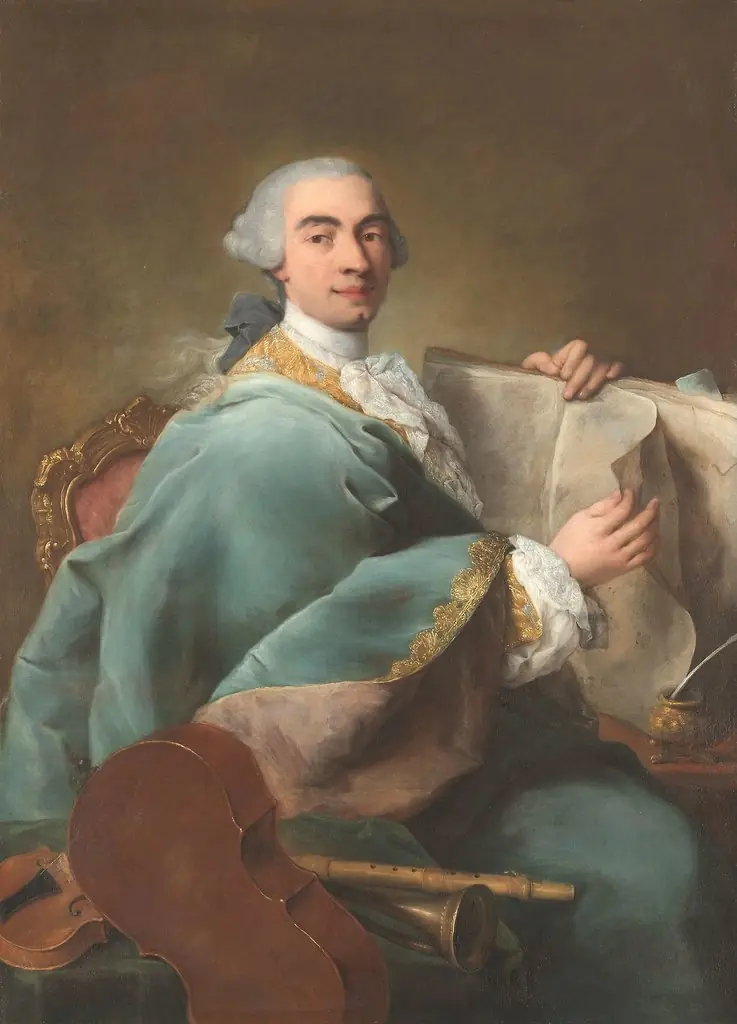 Portrait of a Musician
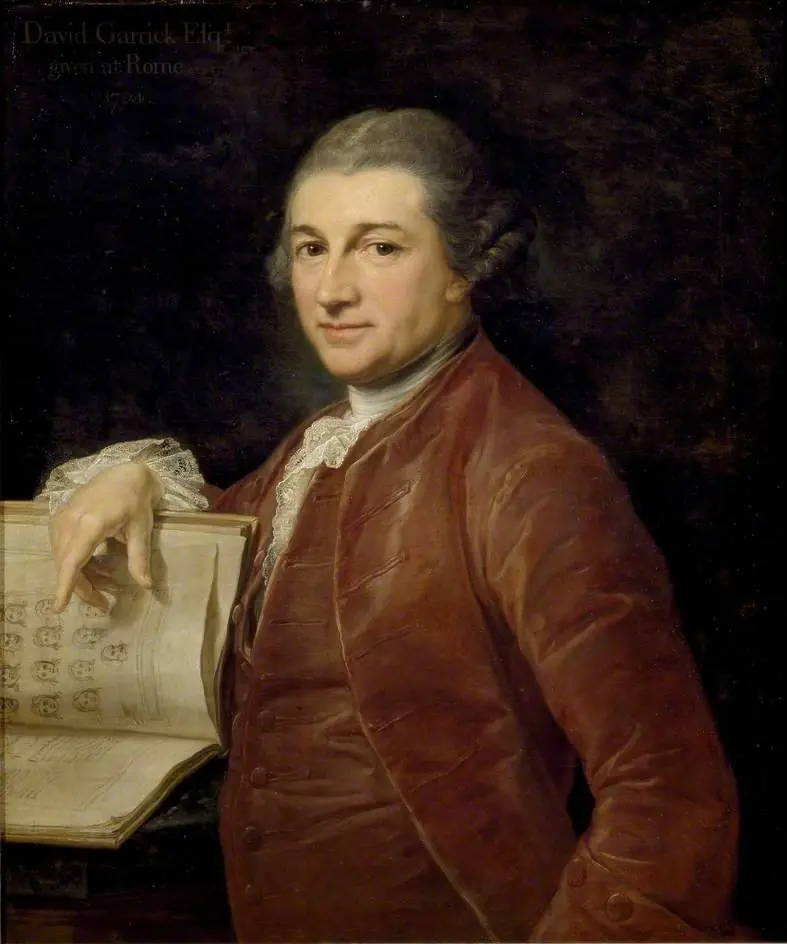 David Garrick
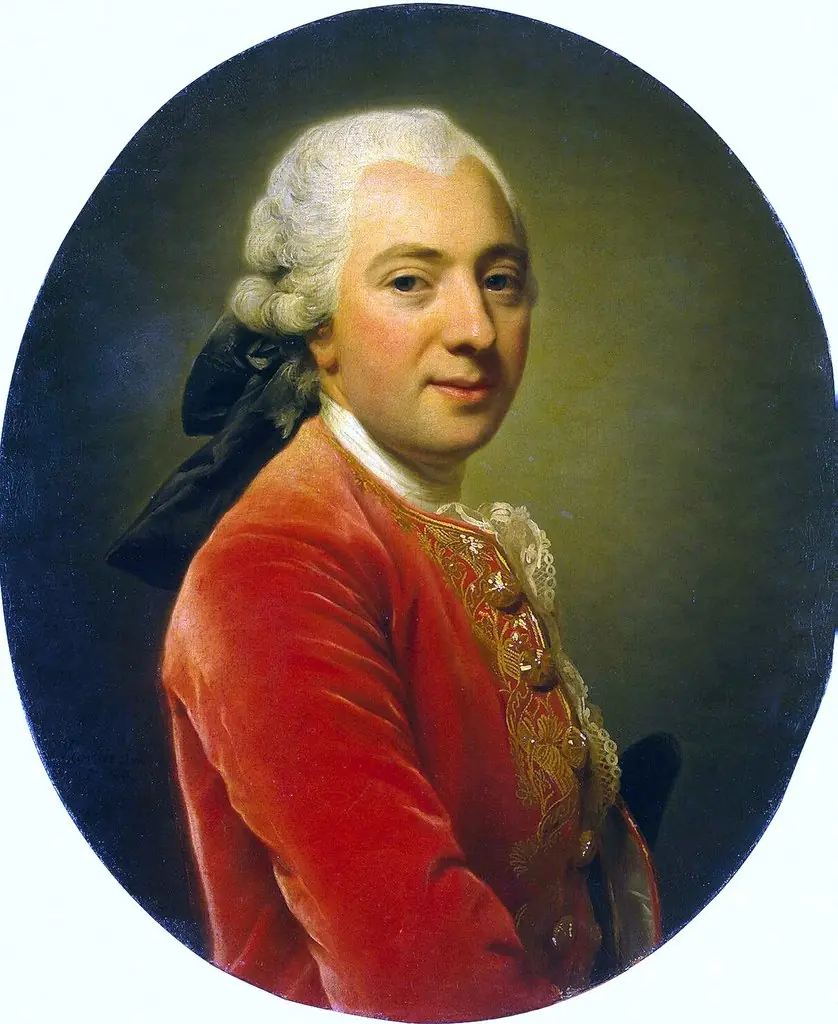 Portrait of a Man Wearing a Red Caftan
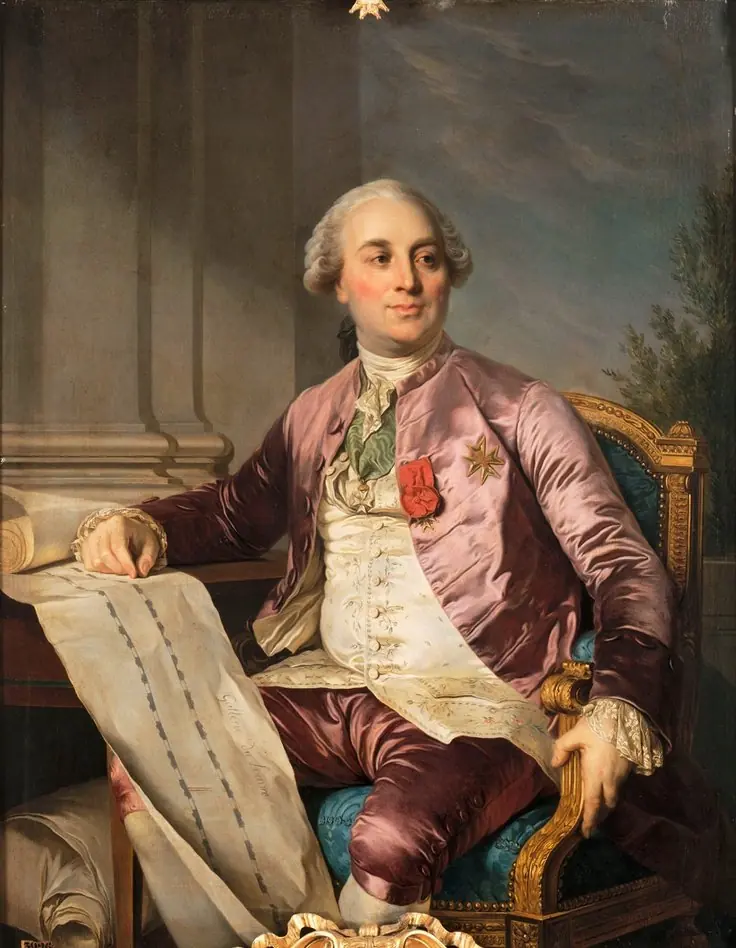 Charles-Claude Flahaut de la Billaderie
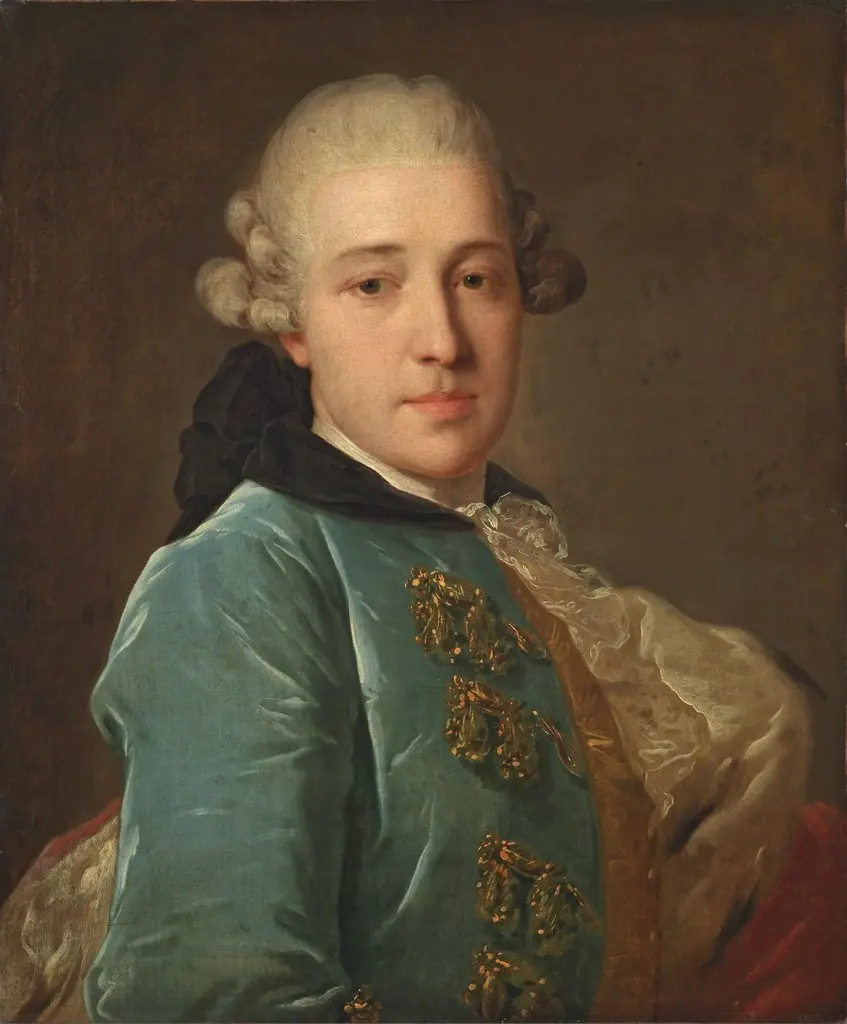 Portrait of Prince Dmitry Mikhailovich Golitsyn
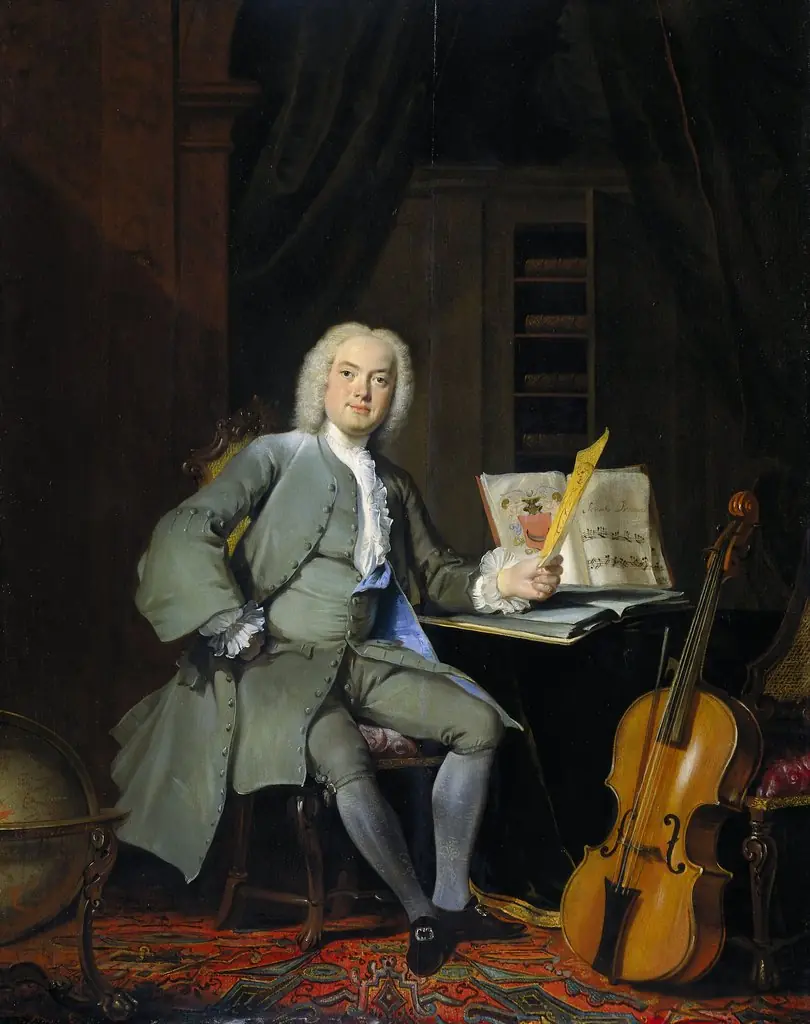 Portrait of a Member of the Van der Mersch Family
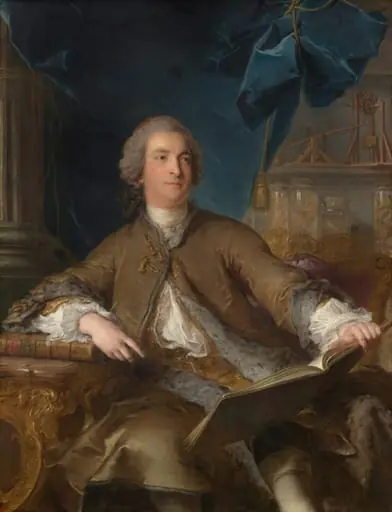 Joseph Bonnier de la Mosson
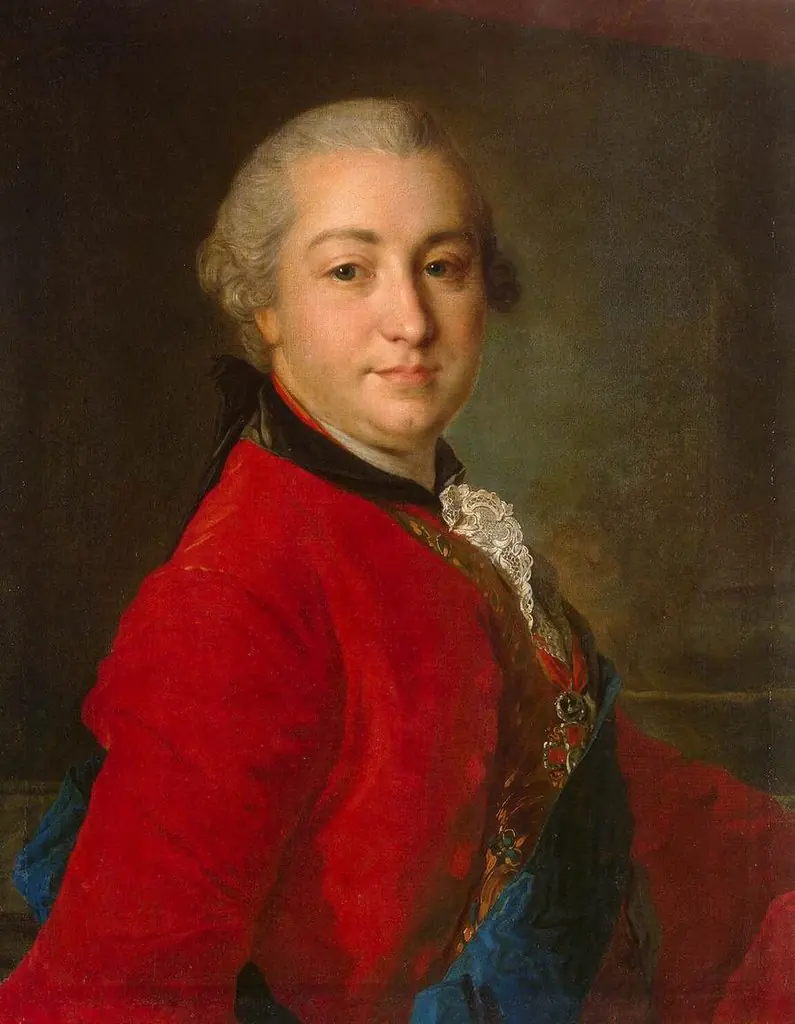 Portrait of Count Ivan Ivanovich Shuvalov
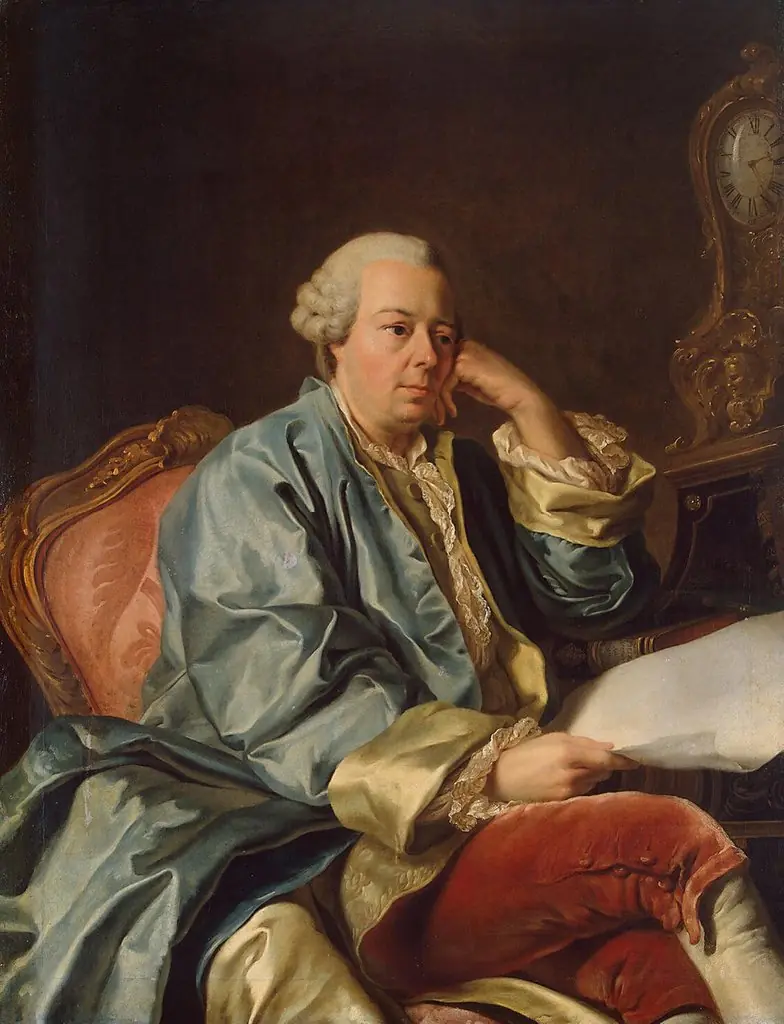 Portrait of Ivan Ivanovich Betskoi Wearing a Dressing Gown (copy)
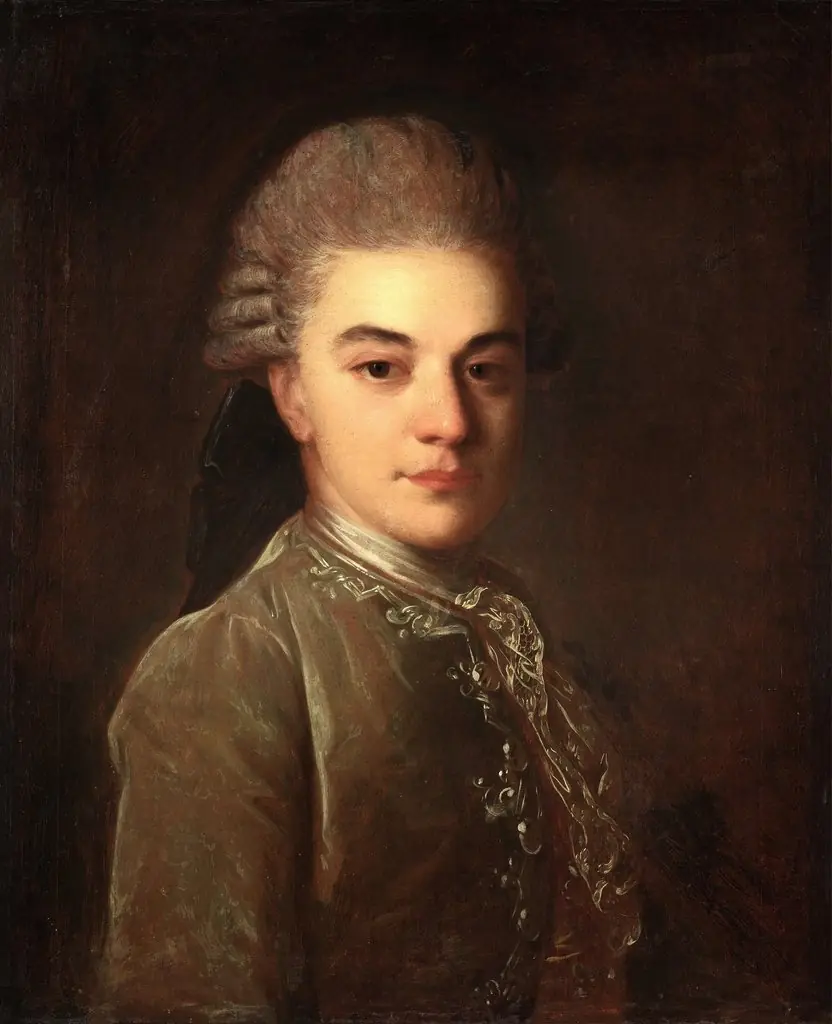 Portrait of Alexander Rimskiy-Korsakov in his youth
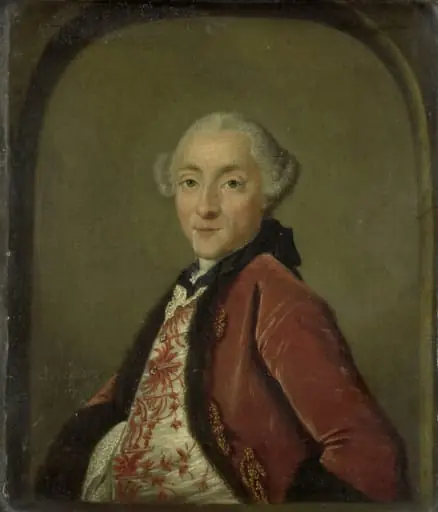 Portrait of Pieter Nicolaas Rendorp, Amsterdam Brewer