Artwork
Tânără fată
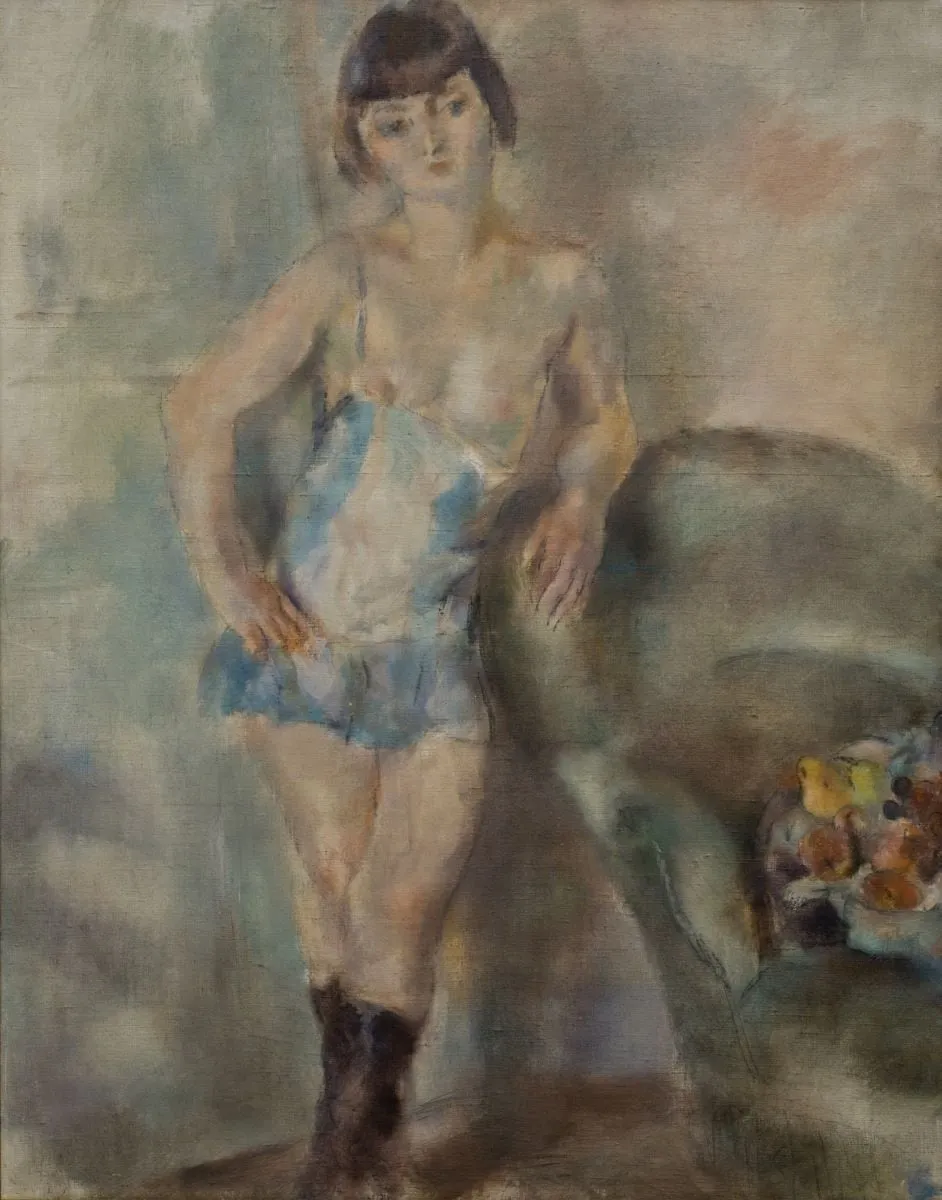
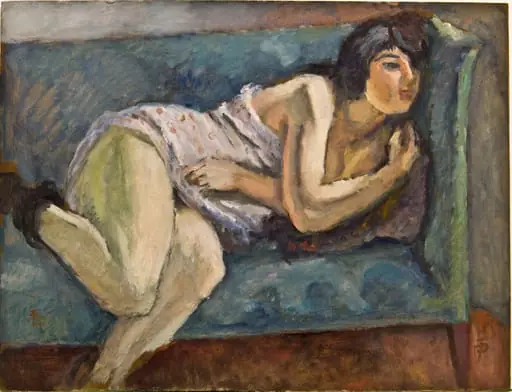
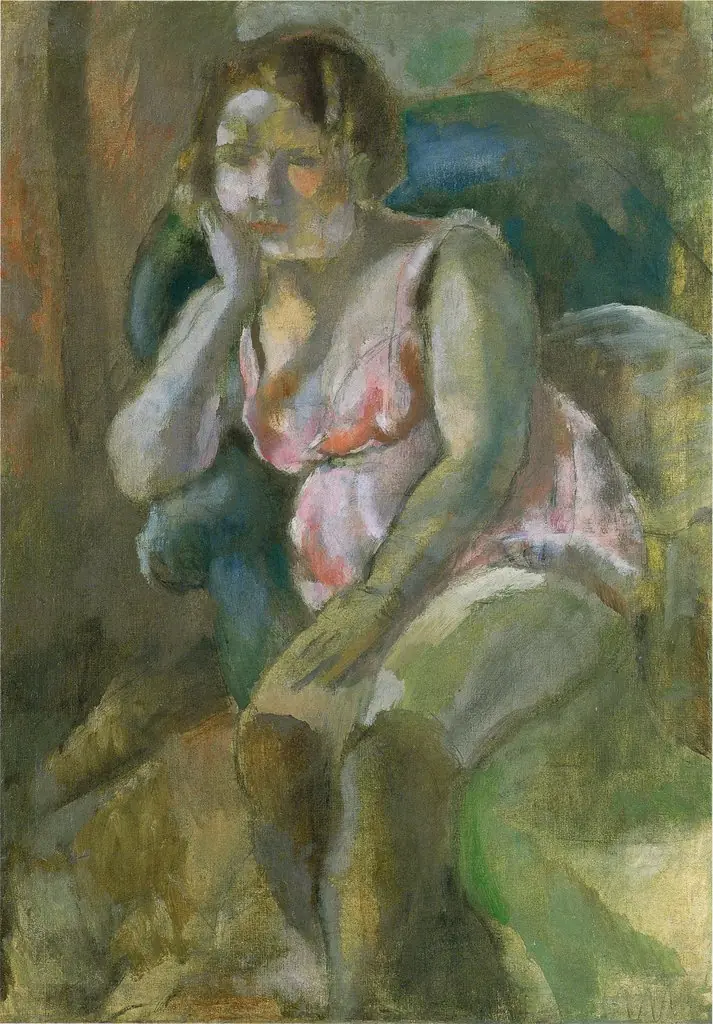
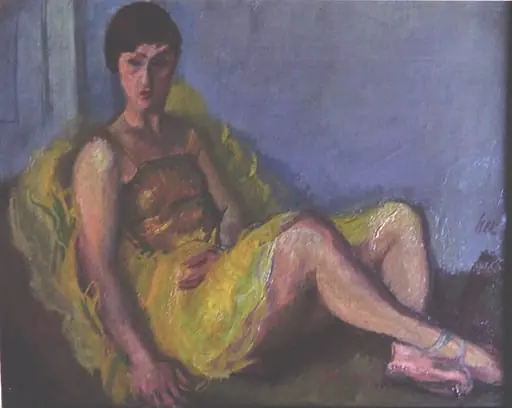
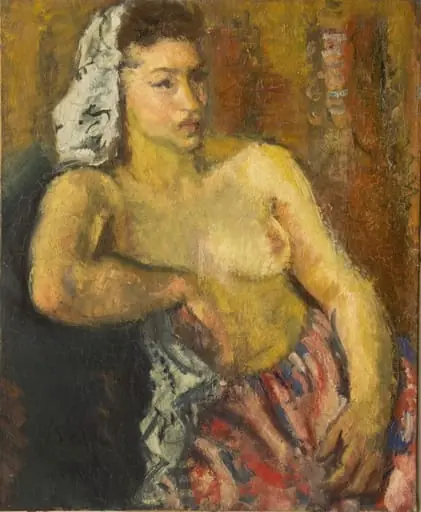
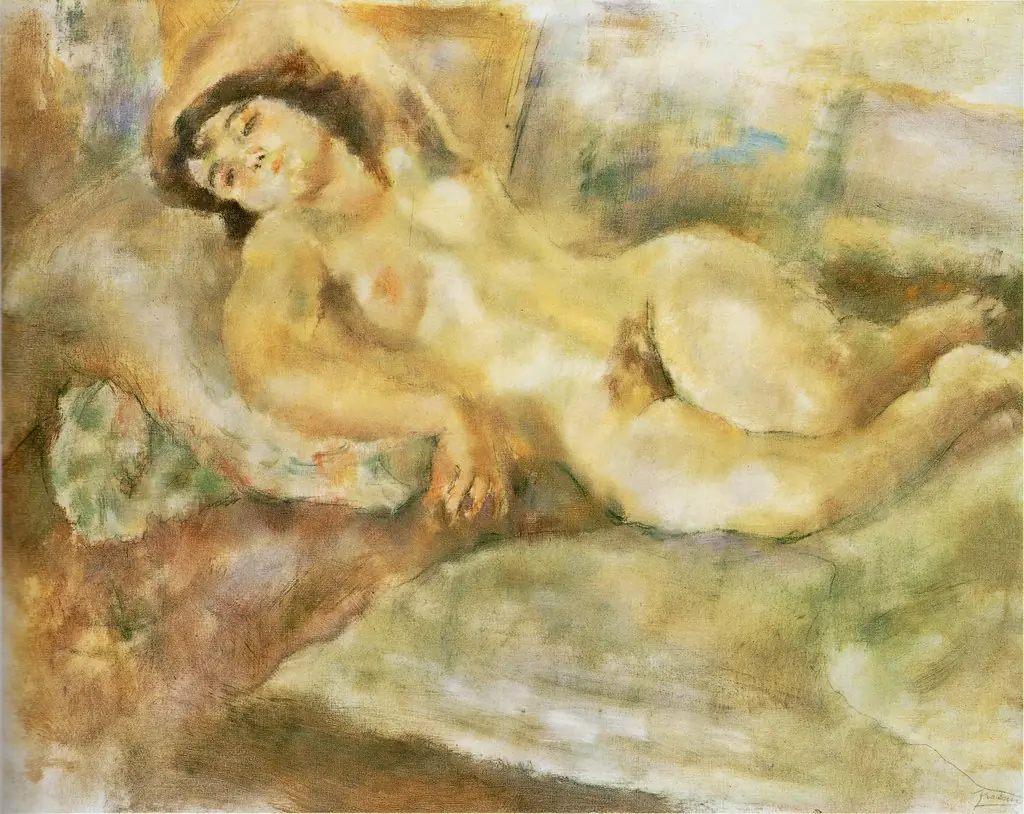
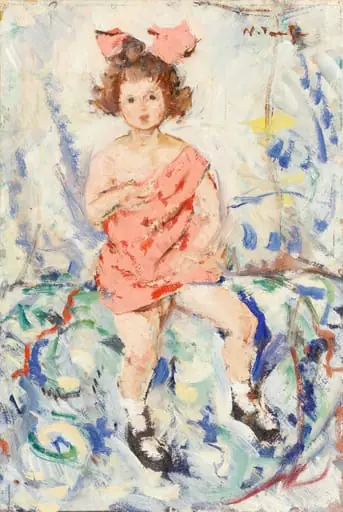
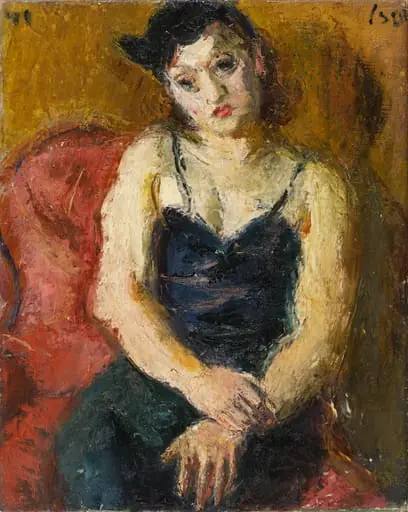
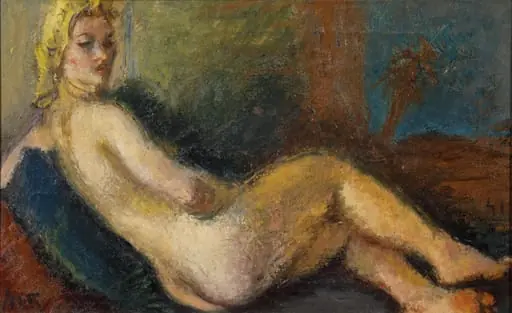
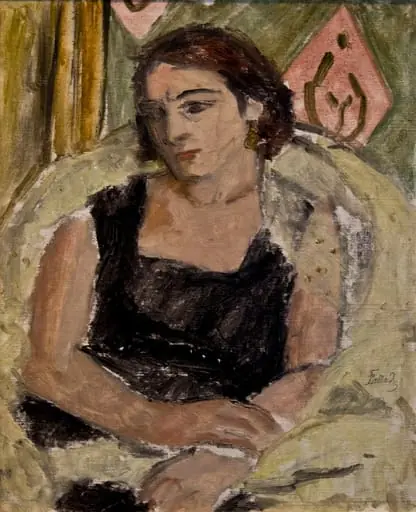
Tânără fată is a print by Jules Pascin (Pincas). It is held in the collection of the Bucharest Municipality Museum. This portrait depicts a young woman standing with her hands on her hips, rendered in a loose, rapid brushwork style.
About this work
Overview
This portrait depicts a young woman standing with her hands on her hips, rendered in a loose, rapid brushwork style. The figure is dressed in a light blue ensemble that contrasts subtly with her skin tone, while the background remains softly blurred, suggesting a domestic interior. The overall effect is intimate and unpolished, emphasizing immediacy over formal finish.
Subject & Meaning
The subject is a solitary female figure, posed with quiet confidence, her posture suggesting self-possession rather than performative gesture. The absence of narrative detail or symbolic elements directs focus to her presence alone. The casual setting and unadorned attire imply an everyday moment, inviting contemplation of personal dignity in ordinary life.
Technique & Style
The painting employs swift, fluid brushstrokes that convey movement and spontaneity. Color is restrained, with the blue of the clothing serving as the only strong chromatic note against muted tones. The blurred background and minimal modeling reflect an interest in capturing essence over detail, aligning with early 20th-century modernist tendencies toward expressive economy.
History & Provenance
Attributed to Jules Pascin, the work originates from his period in Paris during the 1910s–1920s, when he frequently portrayed figures from bohemian circles. Though specific ownership history is not documented here, its style and subject align with his known output of intimate, psychologically subtle portraits of women in private settings.
Context
Created amid the vibrant artistic milieu of interwar Paris, the painting reflects Pascin’s engagement with modernist portraiture that prioritized emotional resonance over academic precision. His work often bridged Expressionism and Impressionism, drawing from both the looseness of French painting traditions and the psychological depth of Central European sensibilities.
Legacy
Pascin’s portraits, including this one, contributed to a broader redefinition of female representation in early modern art—moving away from idealization toward candid, unembellished presence. While not widely celebrated in his lifetime, his approach influenced later generations interested in the quiet power of everyday subjects rendered with emotional honesty.
Artist & collection
Artist
Jules Pascin (Pincas) drew thin, nervous figures in ink and wash—think café girls with smudged stockings or models caught mid-yawn.