Artwork
Thomas Egerton, First Viscount of Brackley
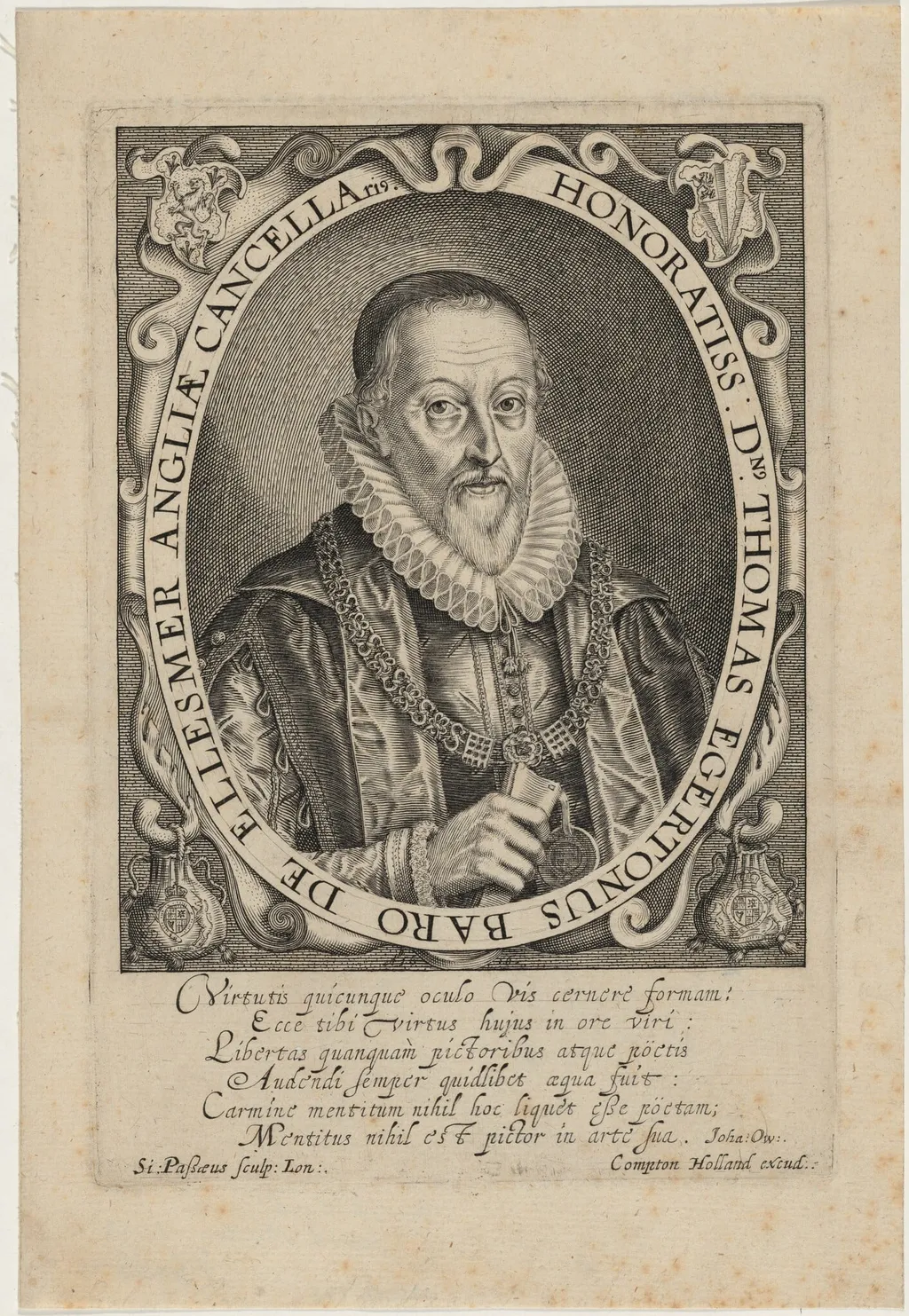
Thomas Egerton, First Viscount of Brackley is an ink print by the Renaissance artist Simon van de Passe. It dates from 1621 and is held in the collection of the National Gallery of Art.
About this work
Overview
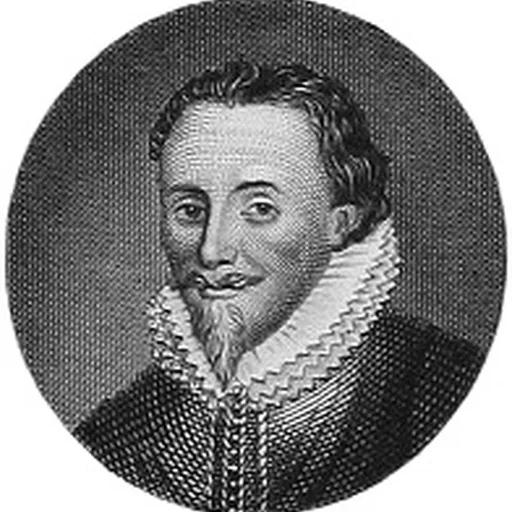
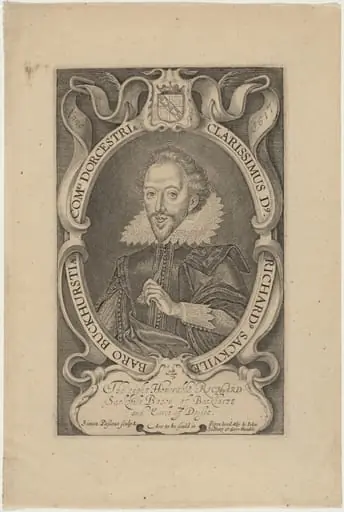
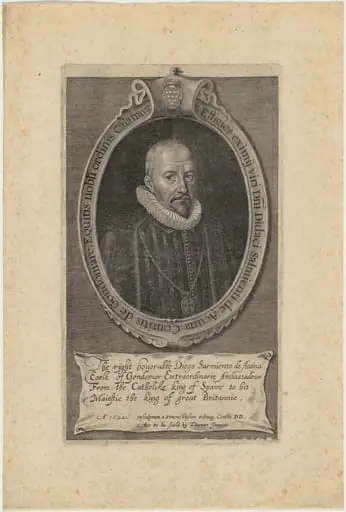
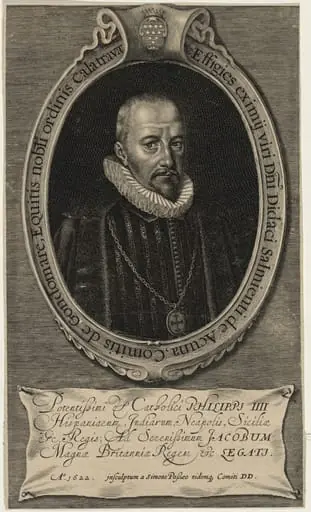
This 1621 engraving by Simon van de Passe depicts Thomas Egerton, First Viscount of Brackley, a prominent English jurist and Lord Chancellor.
This 1621 engraving by Simon van de Passe depicts Thomas Egerton, First Viscount of Brackley, a prominent English jurist and Lord Chancellor. Rendered in fine line work typical of early 17th-century printmaking, the portrait captures Egerton in formal attire, emphasizing his status through precise detailing of fabric and insignia. The composition is tightly focused on the figure against a neutral background, directing attention to his expression and regalia.
Subject & Meaning
Egerton is portrayed with a solemn demeanor, his furrowed brow suggesting gravity and authority. The chain of office around his neck signifies his role as Lord Chancellor, while the small object in his right hand may represent a seal or document, alluding to his judicial duties. The ruffled collar and high-collared dark jacket reflect the dress of high-ranking officials of the period, reinforcing his position within the Tudor-Stuart administrative elite.
Technique & Style
Van de Passe employed fine, controlled engraving lines to render texture and form, particularly in the lace of the collar and the metallic sheen of the chain. The dark background enhances the contrast, isolating the figure and heightening the clarity of facial features. The precision of the lines indicates mastery of the burin tool, characteristic of Dutch and Flemish printmakers of the era who specialized in portraiture for elite patrons.
History & Provenance
Created in 1621, the engraving likely served as a formal likeness for distribution among legal and political circles. Van de Passe, part of a renowned family of engravers, often produced portraits for nobility and public figures. While the exact early ownership is undocumented, such prints were commonly collected by institutions and families associated with the English judiciary, ensuring the image’s circulation among contemporaries.
Context
Egerton’s portrait emerged during a period when visual representation of state officials became increasingly important for legitimizing authority. Engravings like this were used to disseminate the image of power beyond courtly circles, especially as print culture expanded. Van de Passe’s work aligned with broader European trends of using portraiture to cement public identity, particularly among those in legal and administrative roles.
Legacy
The engraving remains a key visual record of Thomas Egerton’s public persona and the visual language of early Stuart governance. Van de Passe’s technique influenced later portrait engravers in England and the Netherlands. Though not widely reproduced today, the image persists in institutional collections as an example of how legal authority was visually codified in the early 17th century.
Artist & collection