Artwork
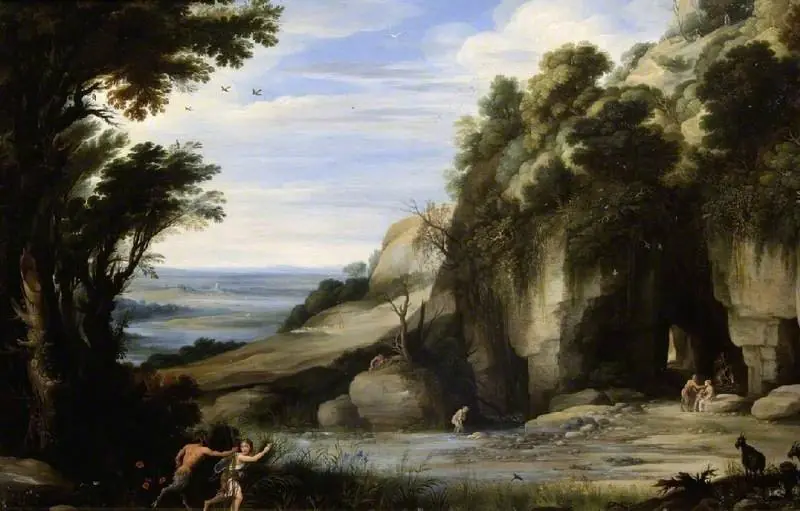
Mythological Landscape with Nymphs and Satyrs
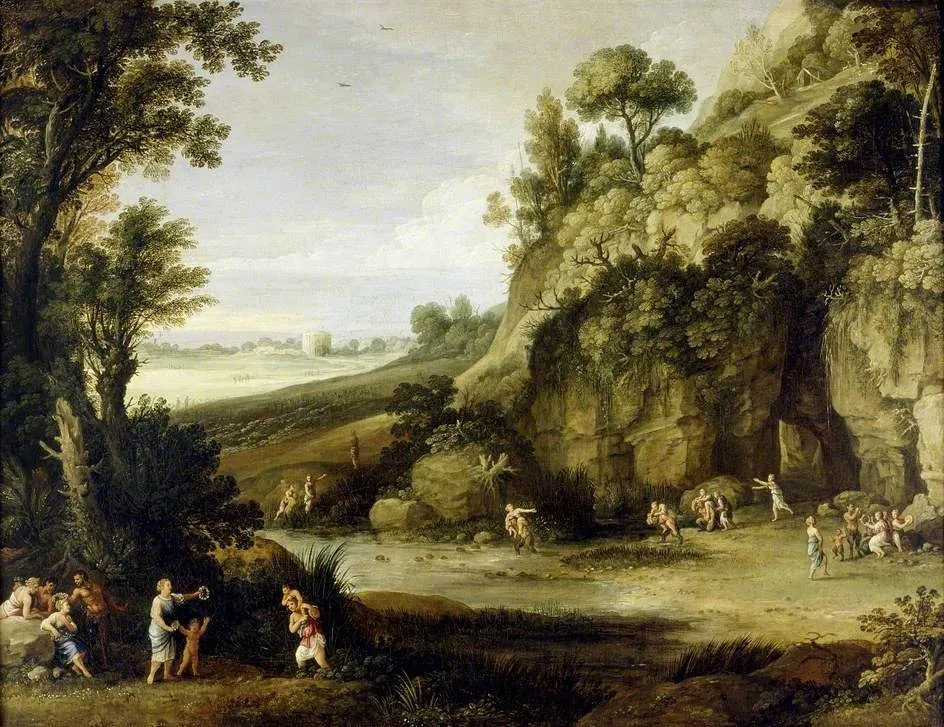
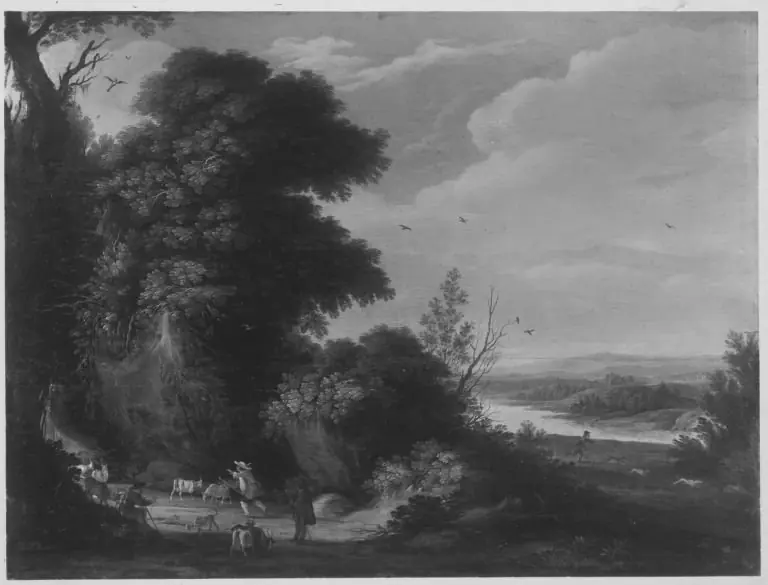
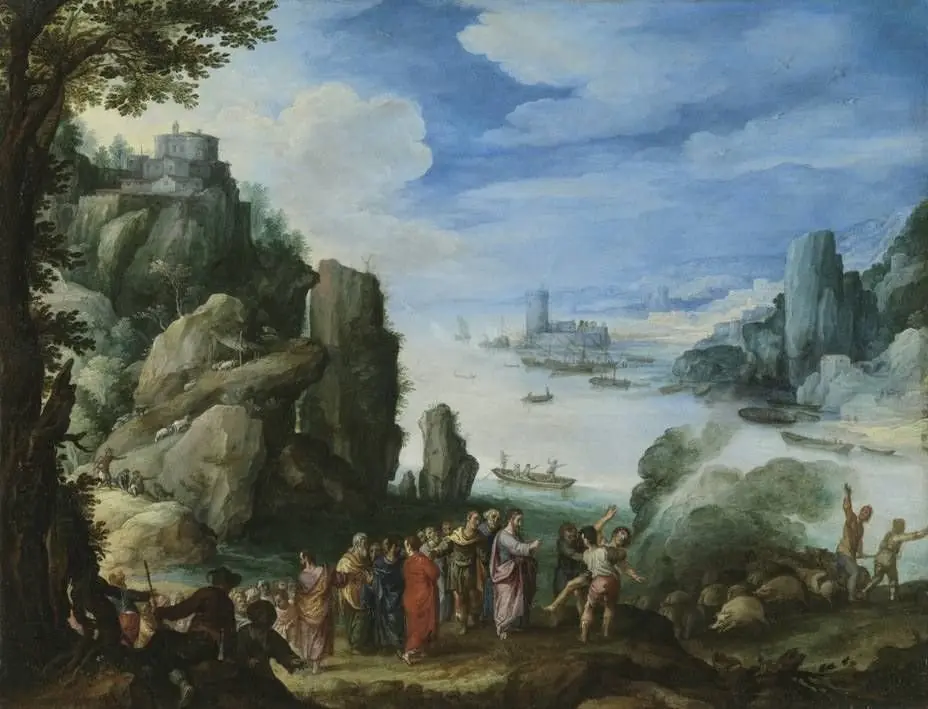
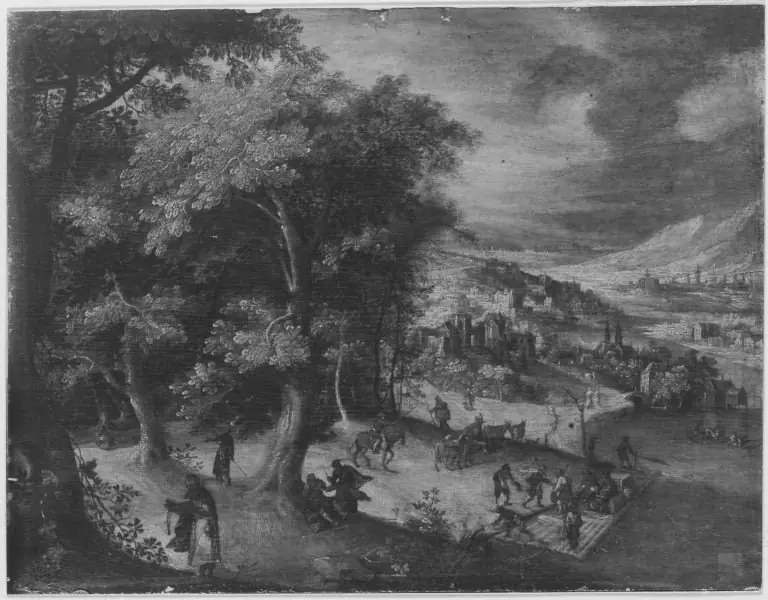
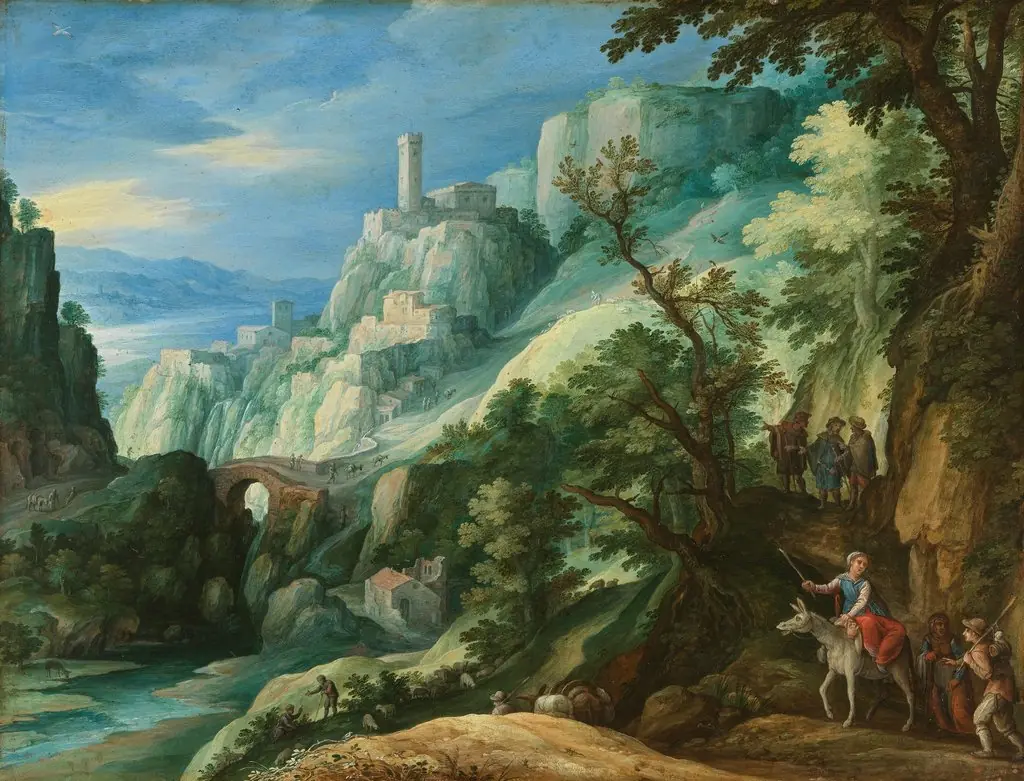
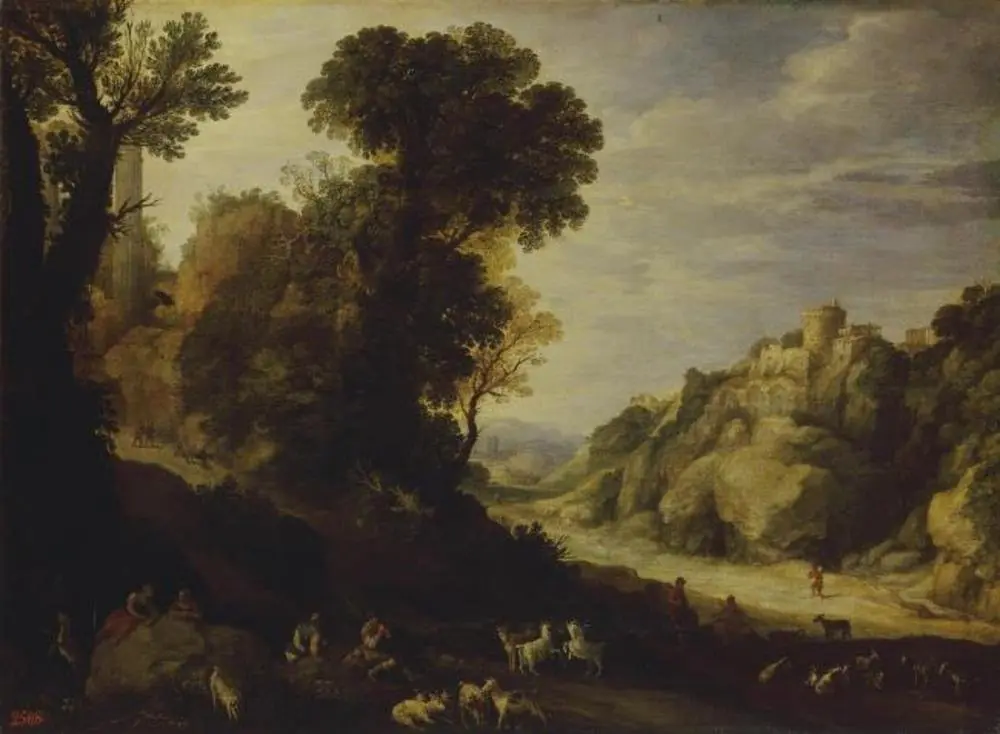
Mythological Landscape with Nymphs and Satyrs is an oil painting by the Flemish Baroque painting artist Paul Bril. It dates from 1621 and is held in the collection of the Ashmolean Museum.
About this work
Overview
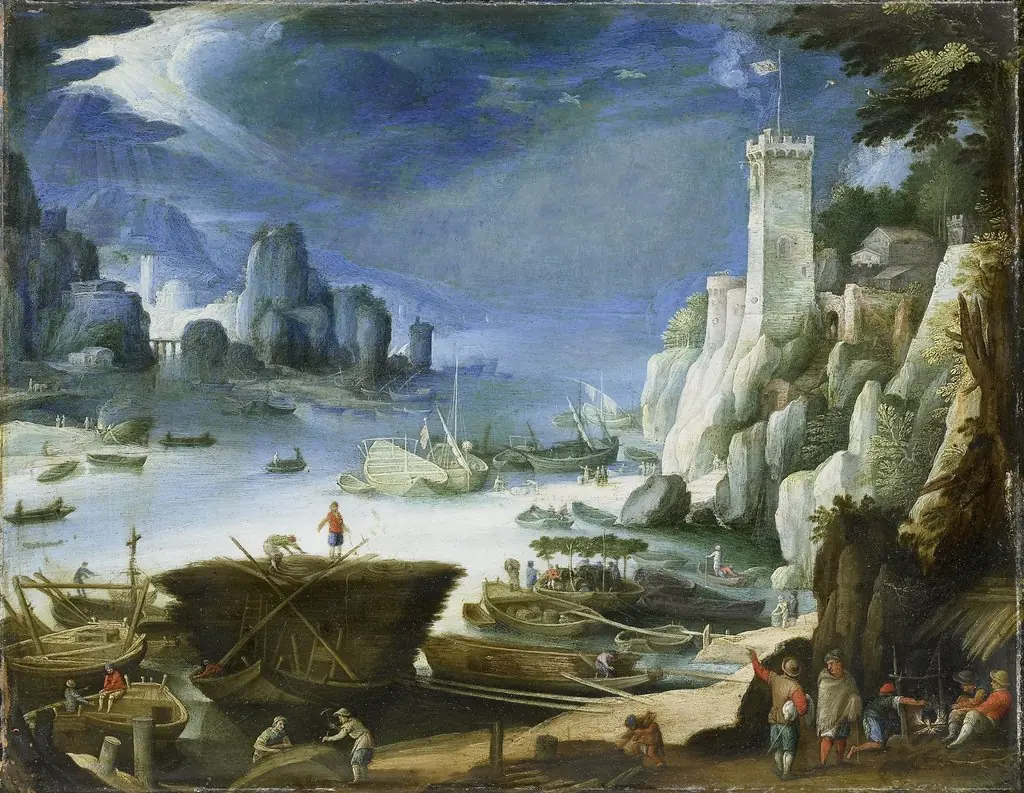
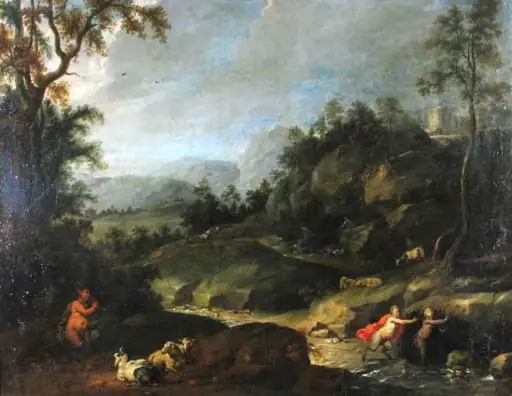
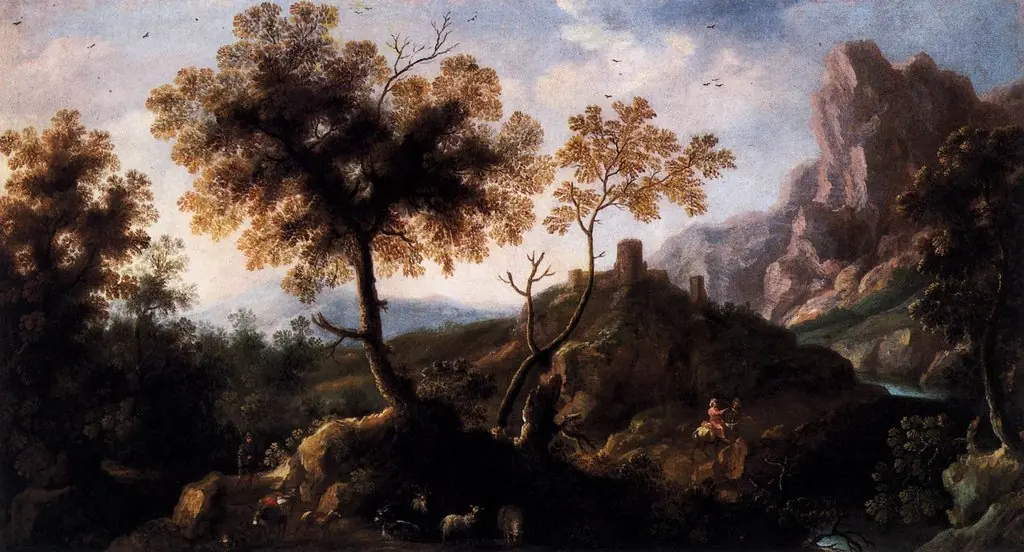
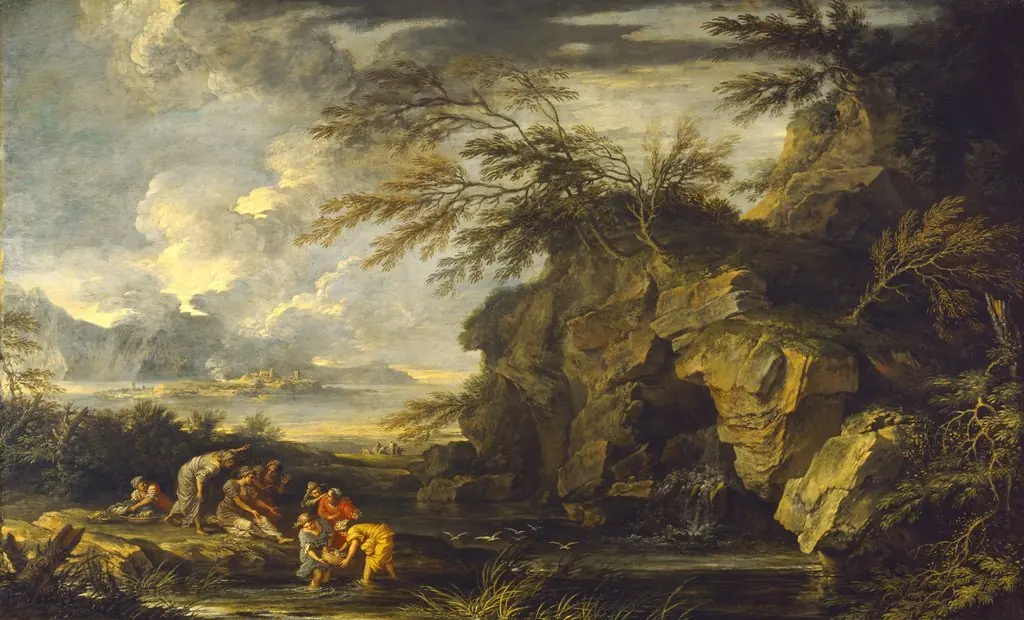
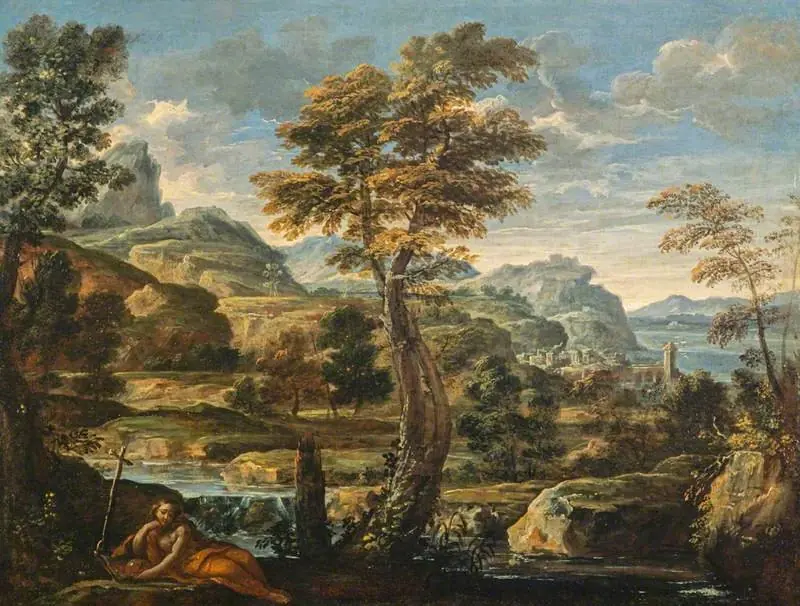
Paul Bril’s 1621 oil painting, titled *Mythological Landscape with Nymphs and Satyrs*, presents a bucolic scene populated by classical figures. The work is part of the Ashmolean Museum’s collection and depicts a sun‑lit countryside with rolling hills, a meandering stream, and a scattering of trees that frame the lively activity below.
Subject & Meaning
The composition gathers a troupe of nymphs and satyrs, rendered in antiquated dress, engaged in music, dance, and playful pursuit. Their gestures suggest a festive ritual set in an imagined pastoral realm, where mythic beings intermingle with the natural environment, creating a narrative of carefree celebration amidst nature’s bounty.
Technique & Style
Executed in oil on canvas, Bril employs a softened palette of greens and earth tones to convey depth and atmosphere. The brushwork balances fine detail in the figures with broader, more fluid treatment of foliage and sky, while subtle chiaroscuro models the forms and guides the viewer’s eye through the layered landscape.
History & Provenance
Created in the early seventeenth century, the painting entered the Ashmolean Museum’s holdings at an unspecified date, becoming a representative example of Bril’s mature output. Its provenance traces back to the artist’s workshop in Rome, where he was known for synthesizing Flemish landscape traditions with Italianate classicism.
Context
Bril’s work reflects the period’s fascination with mythological subjects rendered within idealized natural settings, a trend popular among patrons seeking both erudition and decorative appeal. The inclusion of nymphs and satyrs aligns with contemporary allegorical conventions that linked pastoral leisure to themes of harmony and the golden age.
Artist & collection

Artist
Paul Bril was a Flemish painter and printmaker principally known for his landscapes. He spent most of his active career in Rome. His Italianate landscapes had a major influence on landscape painting in Italy and Northern Europe.