Artwork
Nimfa Syrinx urmărită de satir
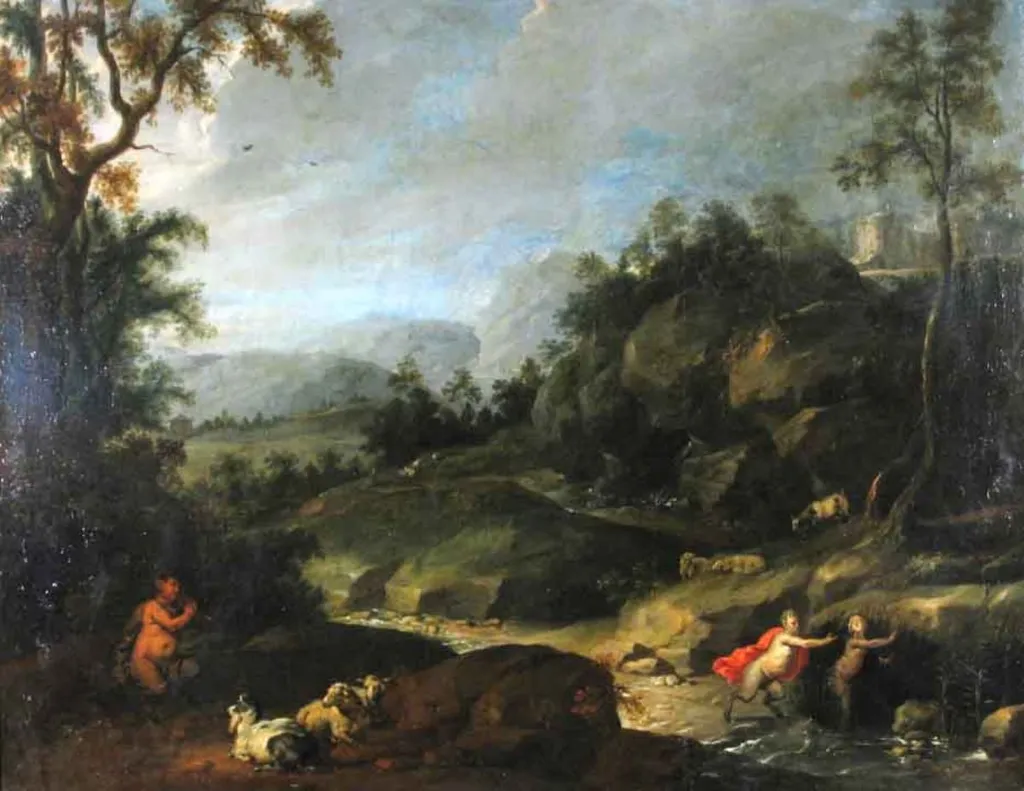
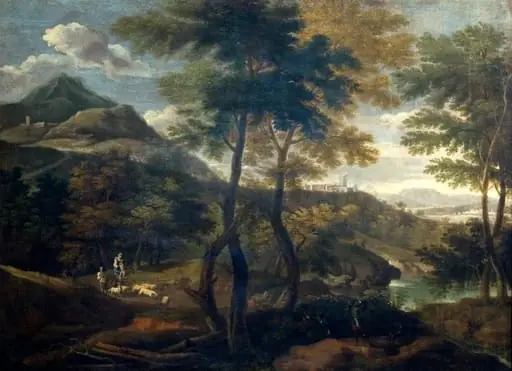
Nimfa Syrinx urmărită de satir is an unspecified painting by the Barbizon school artist Jan Thomas. It dates from 1669 and is held in the collection of the Brukenthal National Museum.
About this work
Overview
Jan Thomas’s early‑Baroque canvas, dated around 1669, portrays the myth of Syrinx pursued by a satyr. The composition centers on a female figure, likely the nymph Syrinx, fleeing from a goat‑tailed creature that clutches a flute. A wooded landscape recedes behind them, giving the scene depth and a sense of movement.
Subject & Meaning
The work visualizes the ancient tale in which the nymph Syrinx escapes a lustful satyr, Pan, by transforming into reeds. Thomas captures the moment of pursuit, emphasizing the tension between desire and evasion. The nymph’s flowing robe and the satyr’s mischievous grin underscore the narrative’s themes of pursuit, metamorphosis, and the interplay of nature and myth.
Technique & Style
Employing pronounced chiaroscuro, Thomas contrasts illuminated figures with a darker background, heightening drama and three‑dimensionality. The brushwork renders the nymph’s silky drapery and the satyr’s muscular form with tactile detail, while the atmospheric perspective of trees and hills creates a layered spatial effect typical of mid‑17th‑century Flemish painting.
History & Provenance
Created circa 1669, the painting is attributed to Jan Thomas, a Flemish artist active in the Southern Netherlands. While specific ownership records are sparse, the work has been documented in several European collections since the 18th century, reflecting its continued scholarly interest as a representation of Baroque mythological genre.
Artist & collection


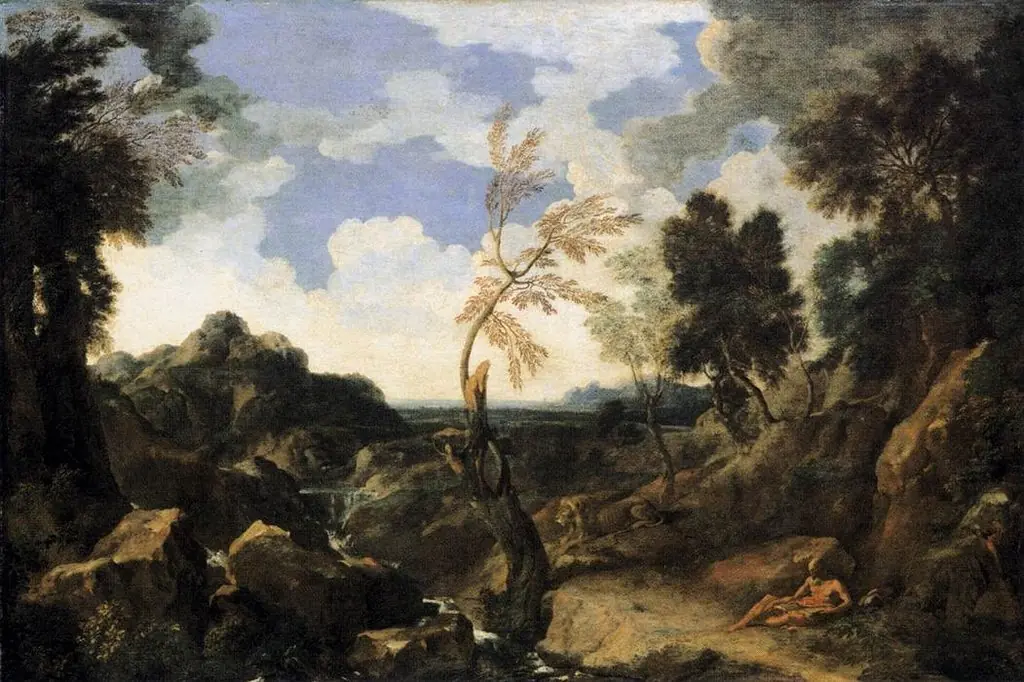 Landscape with Saint Jerome and the Lion
 Peisaj
 La adăpost
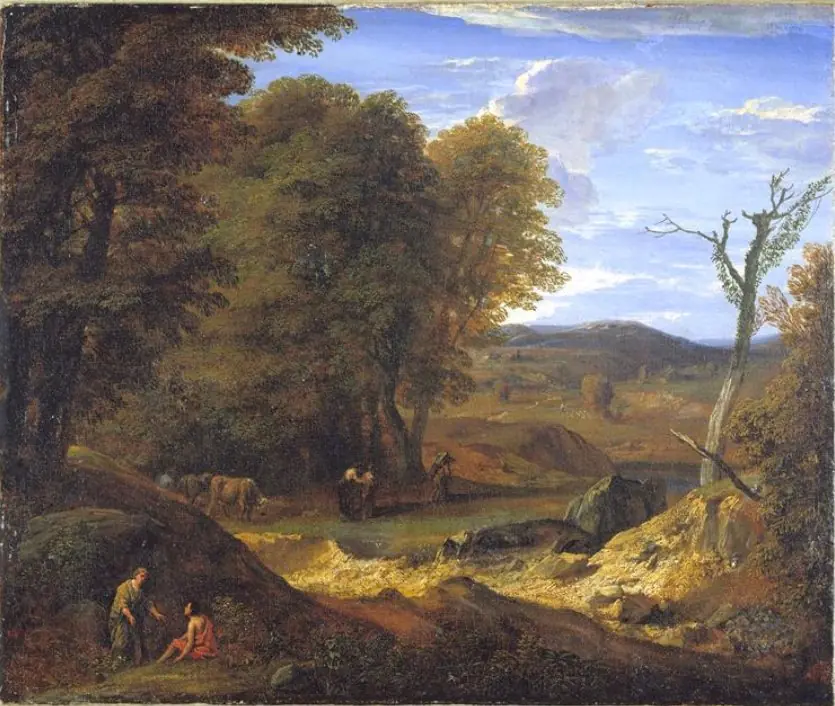 Forest landscape
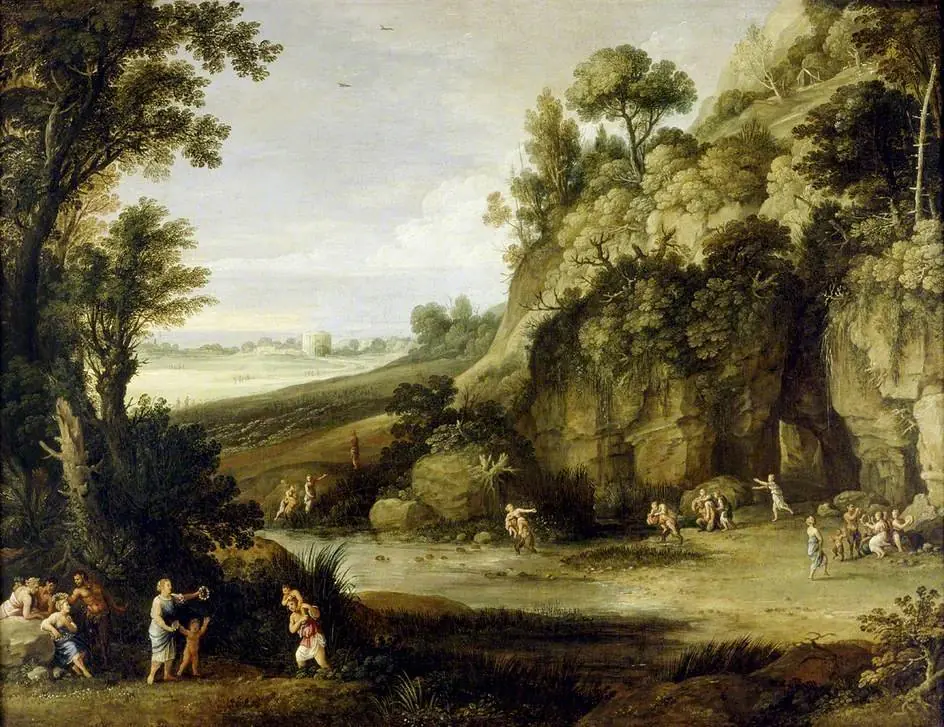 Mythological Landscape with Nymphs and Satyrs
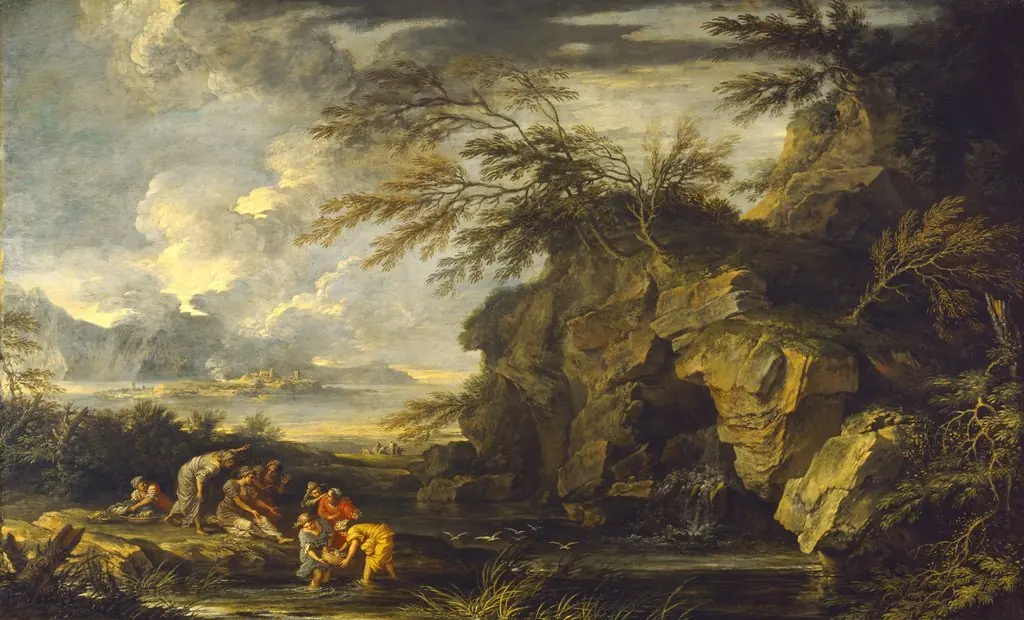 The Finding of Moses
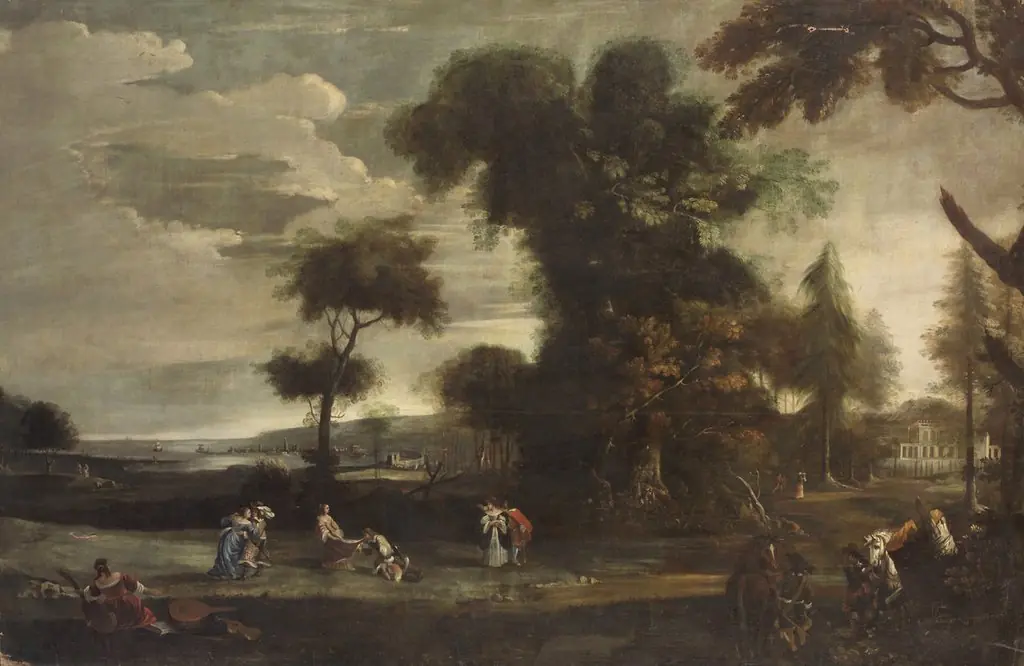 Landscape with love couple
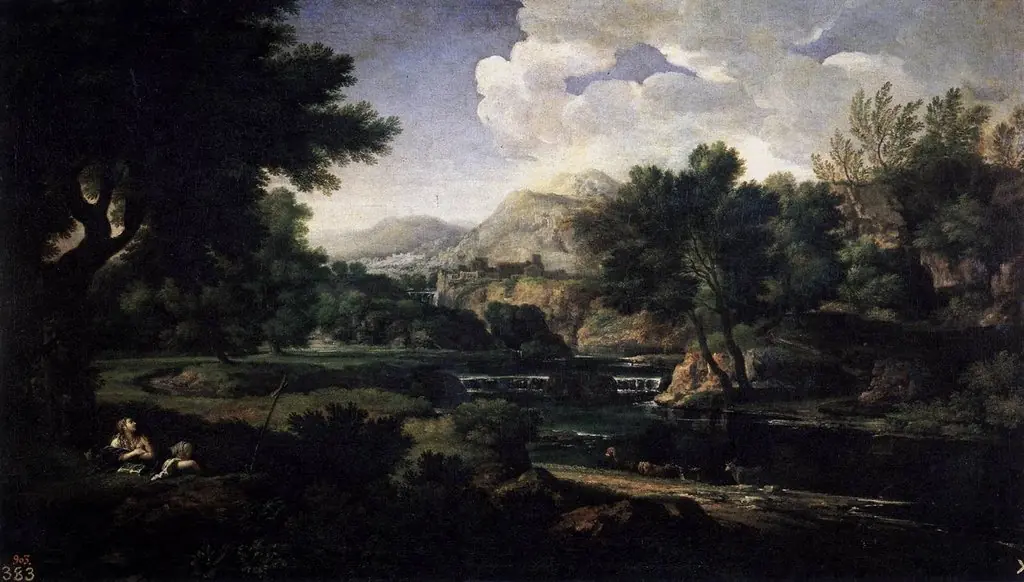 Landscape with Magdalen Worshipping the Cross
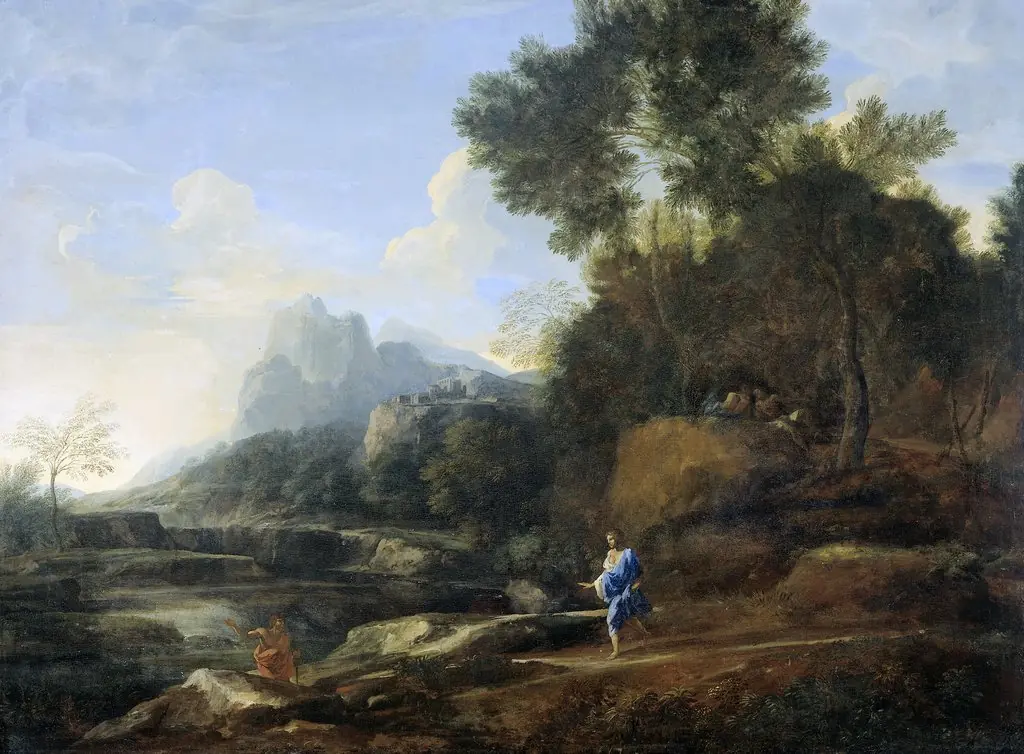 Italian Landscape
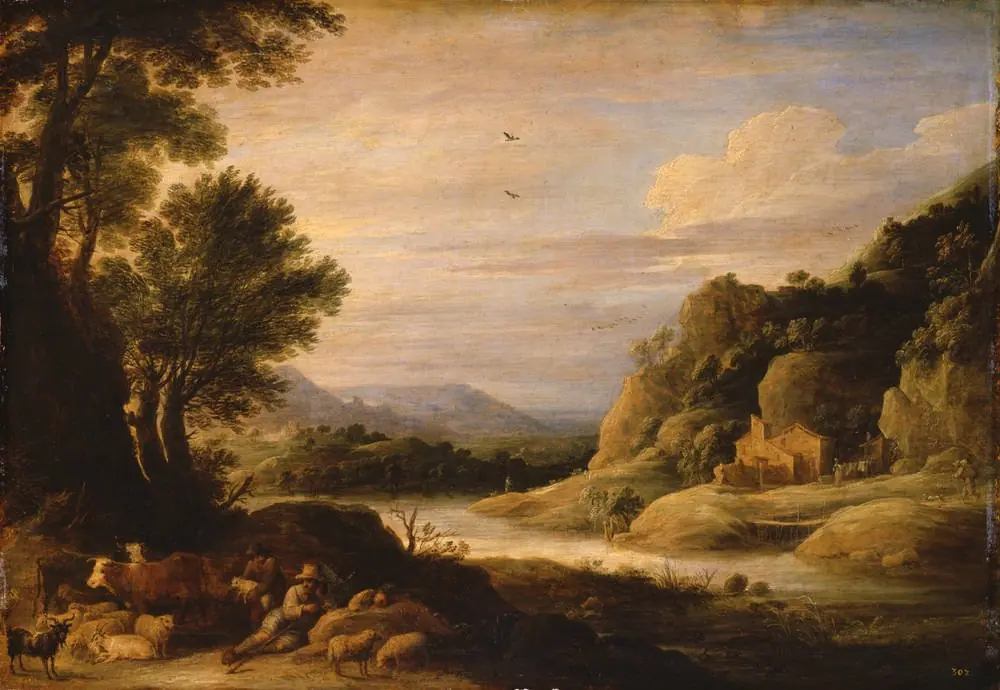 River landscape with resting shepherds and herds
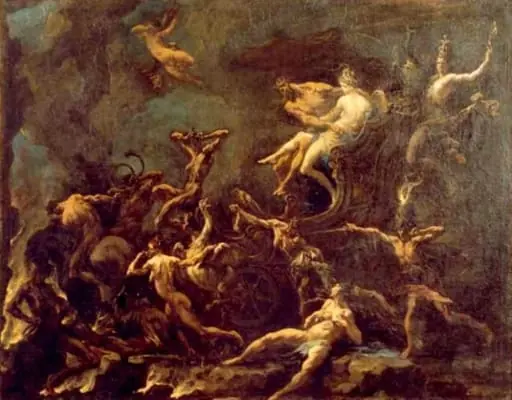 Rapirea Proserpinei
 Peisaj italian