Artwork
Autoportrait au béret (Self-Portrait with a Beret)
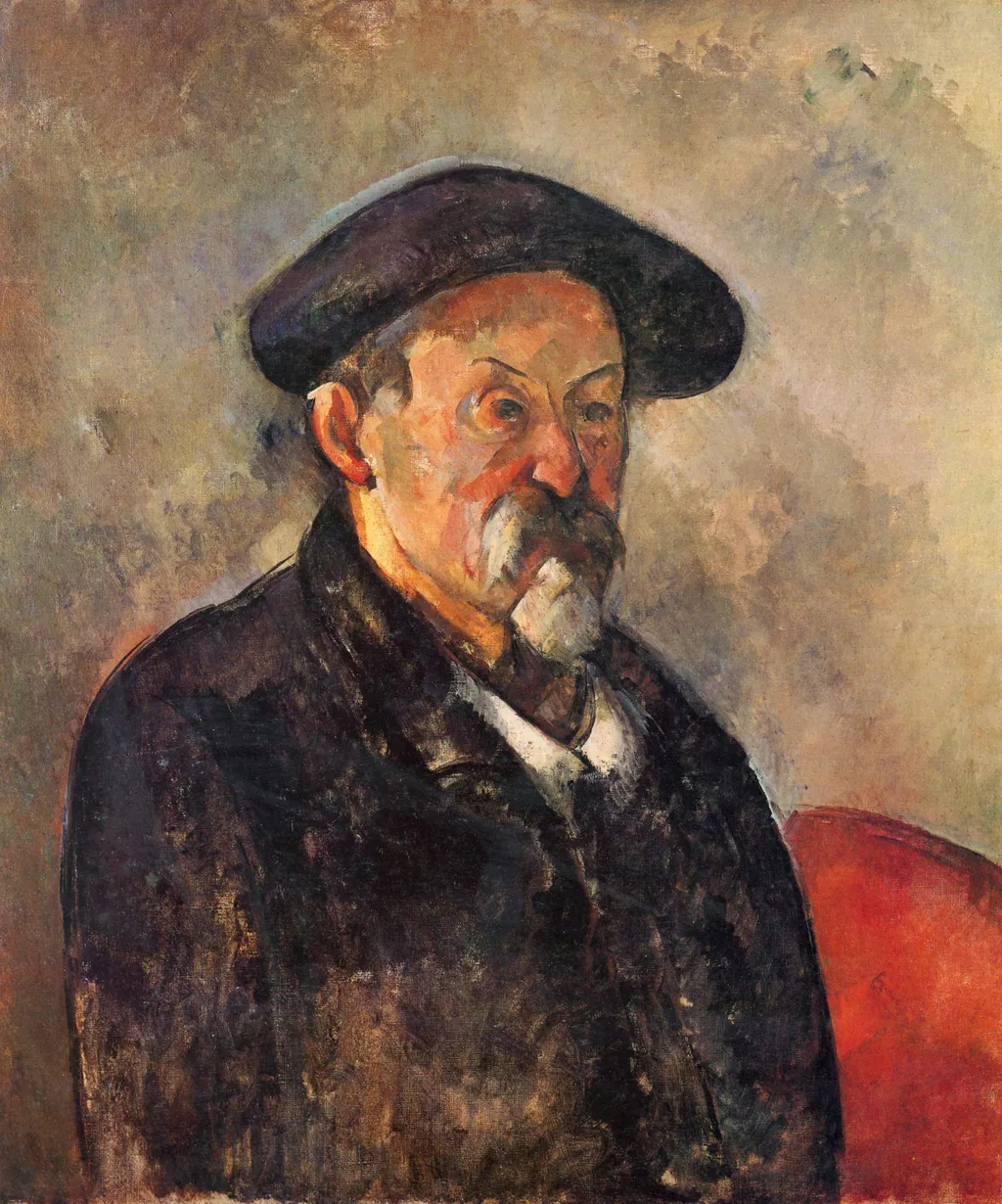
Autoportrait au béret (Self-Portrait with a Beret) is an oil painting by the Post-Impressionist artist Paul Cezanne. It dates from 1900 and is held in the collection of the Museum of Fine Arts Boston. Created in 1900, this oil painting presents Paul Cézanne’s likeness, identifiable by his characteristic beret and mustache.
About this work
Overview
Created in 1900, this oil painting presents Paul Cézanne’s likeness, identifiable by his characteristic beret and mustache. The work resides in the Museum of Fine Arts, Boston, and exemplifies the artist’s later self‑portraiture, capturing a moment of introspection through a restrained palette and composed pose.
Subject & Meaning
The figure is Cézanne himself, rendered in a dark jacket and white shirt, his gaze directed inward. The beret, a recurring motif in his self‑portraits, underscores his identity as an artist, while the subdued expression suggests contemplation rather than narrative drama.
Technique & Style
Executed in oil, the portrait displays Cézanne’s post‑Impressionist approach, where blocks of earth tones build the facial features. Visible brushwork creates a tactile surface, and the warm beige background offers a gentle contrast, highlighting the textured modeling of the sitter’s features.
History & Provenance
Painted at the close of Cézanne’s career, the canvas entered the collection of the Museum of Fine Arts, Boston, where it remains on view. Its acquisition reflects the institution’s commitment to representing pivotal figures in the transition from Impressionism to early modernist movements.
Context
Cézanne’s self‑portraits bridge the fleeting light of Impressionism with the structural concerns that would inspire Cubism. This work, produced in the final decade of his life, illustrates his ongoing exploration of form and color, contributing to the evolving language of modern art.
Own this work as a print
Artist & collection
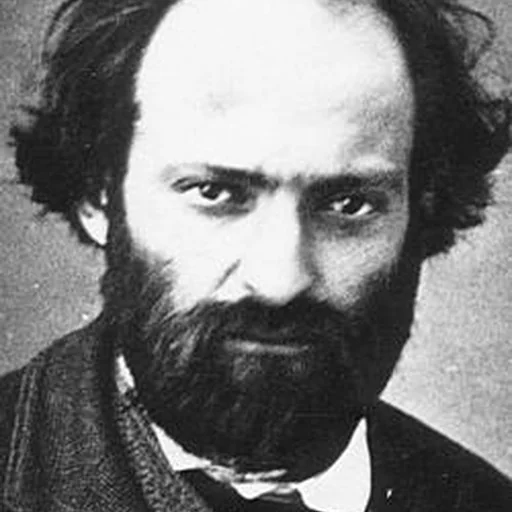
Artist
Paul Cézanne was born on January 19, 1839, in Aix-en-Provence, the son of a hatter turned wealthy banker.

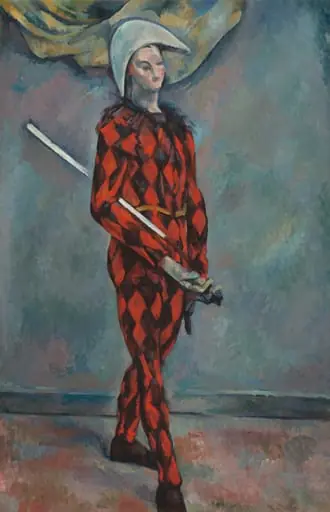 Harlequin
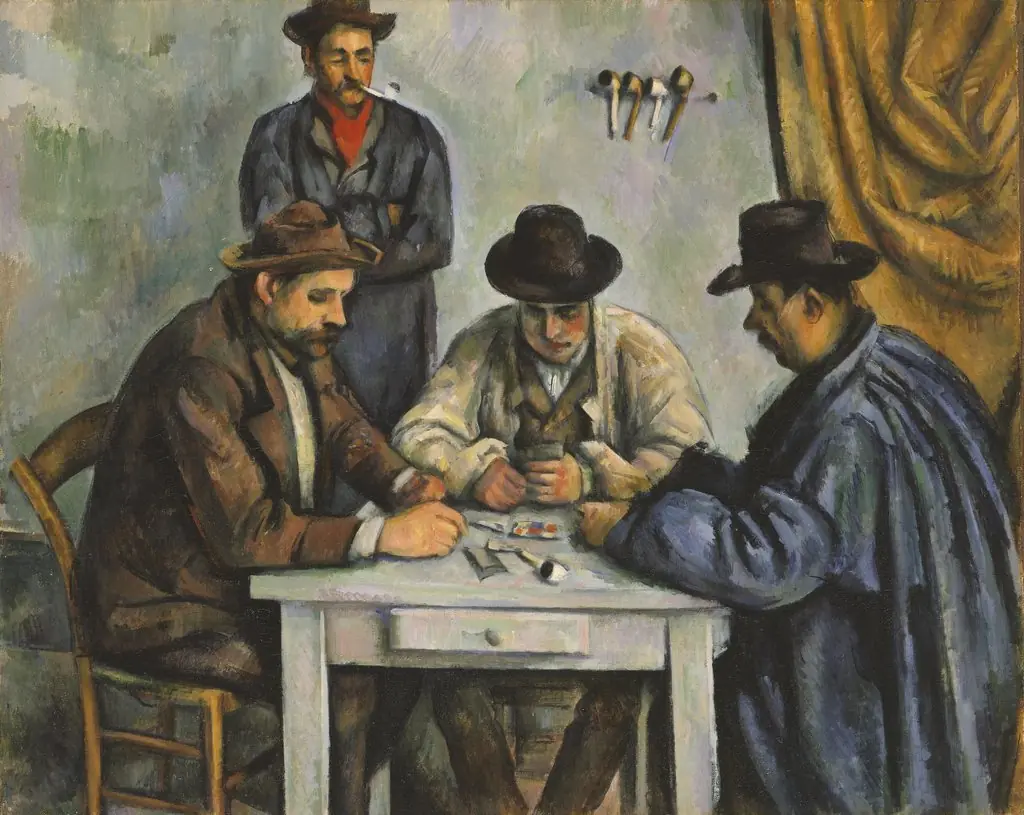 The Card Players
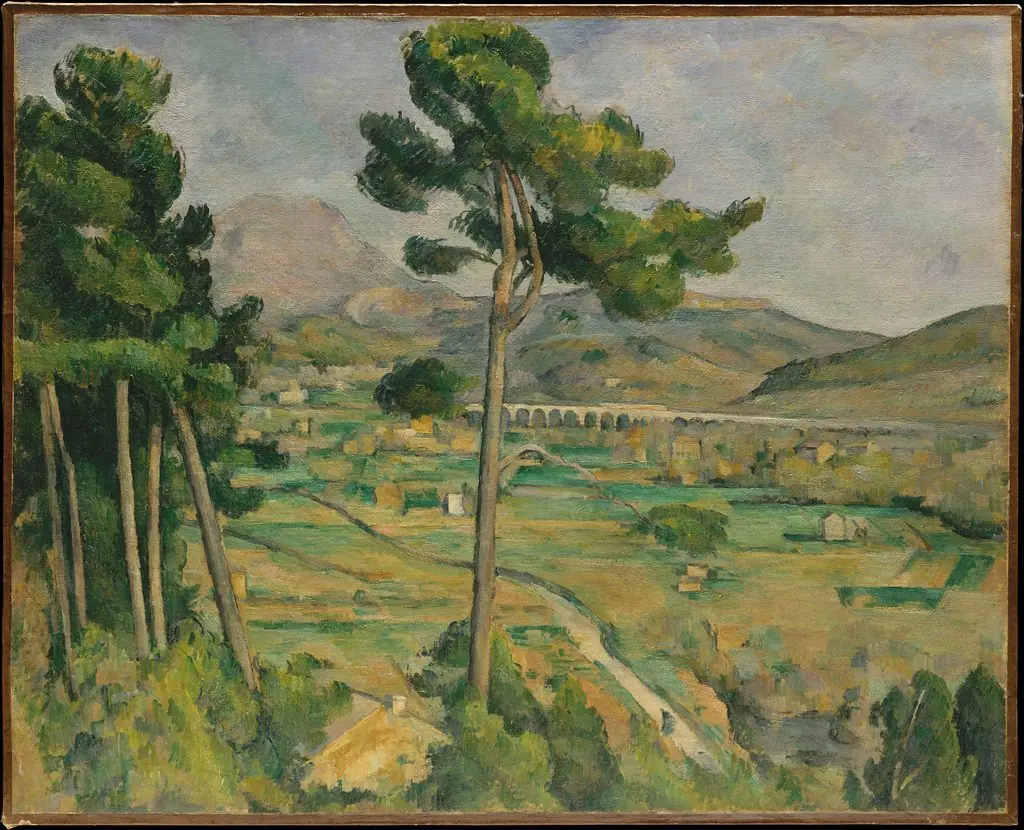 Mont Sainte-Victoire and the Viaduct of the Arc River Valley
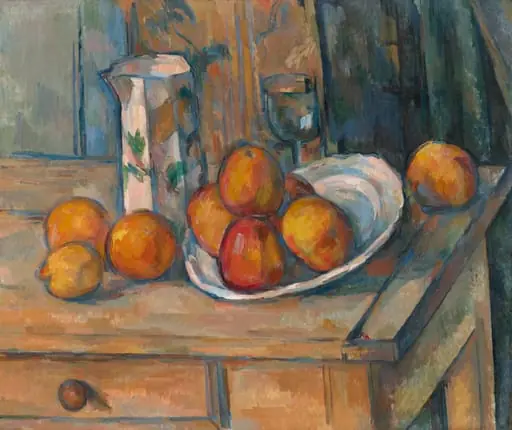 Still Life with Milk Jug and Fruit
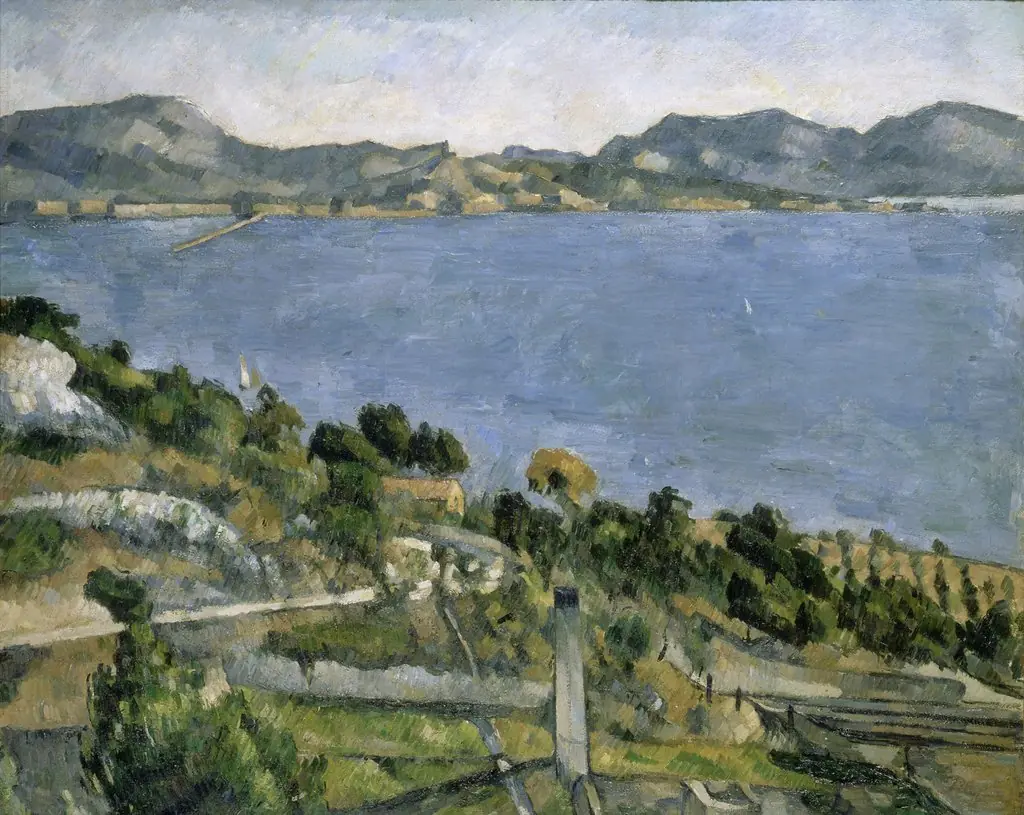 Le Golfe de Marseille vu de l'Estaque (The Gulf of Marseille Seen from L'Estaque)
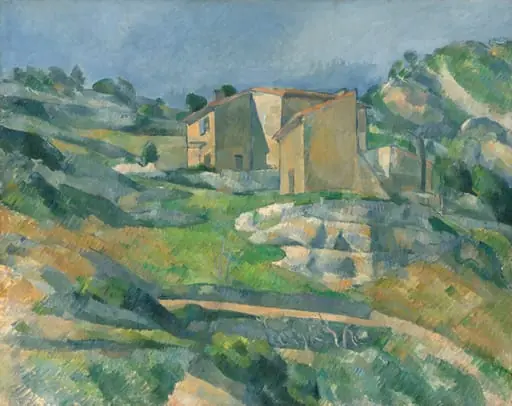 Houses in Provence: The Riaux Valley near L'Estaque
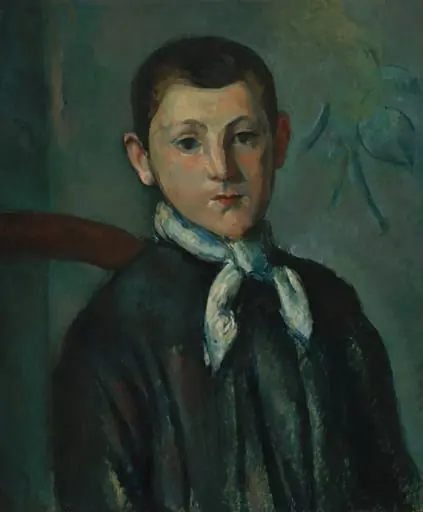 Louis Guillaume
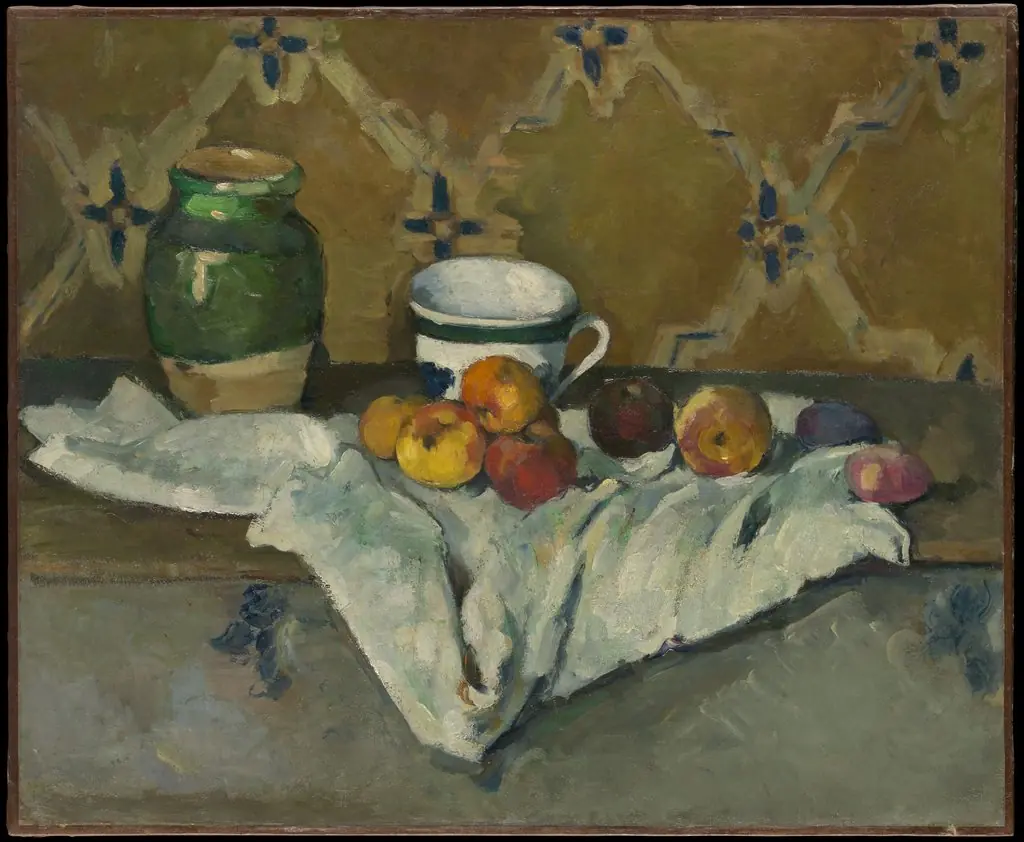 Still Life with Jar, Cup, and Apples
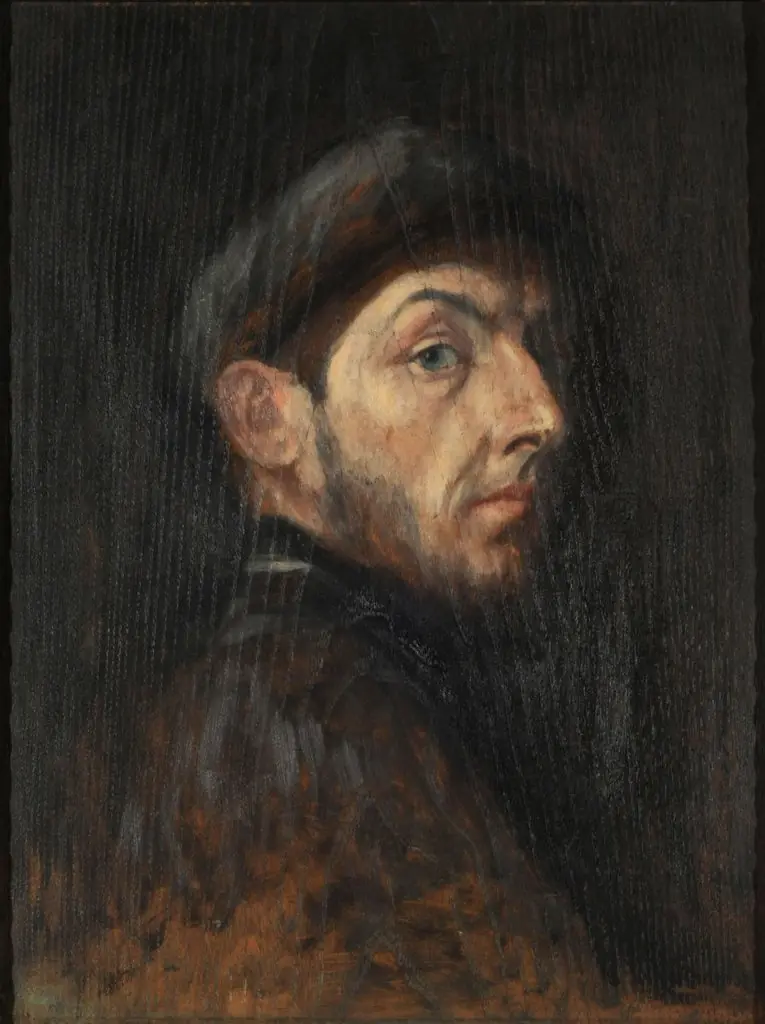 Self-portrait
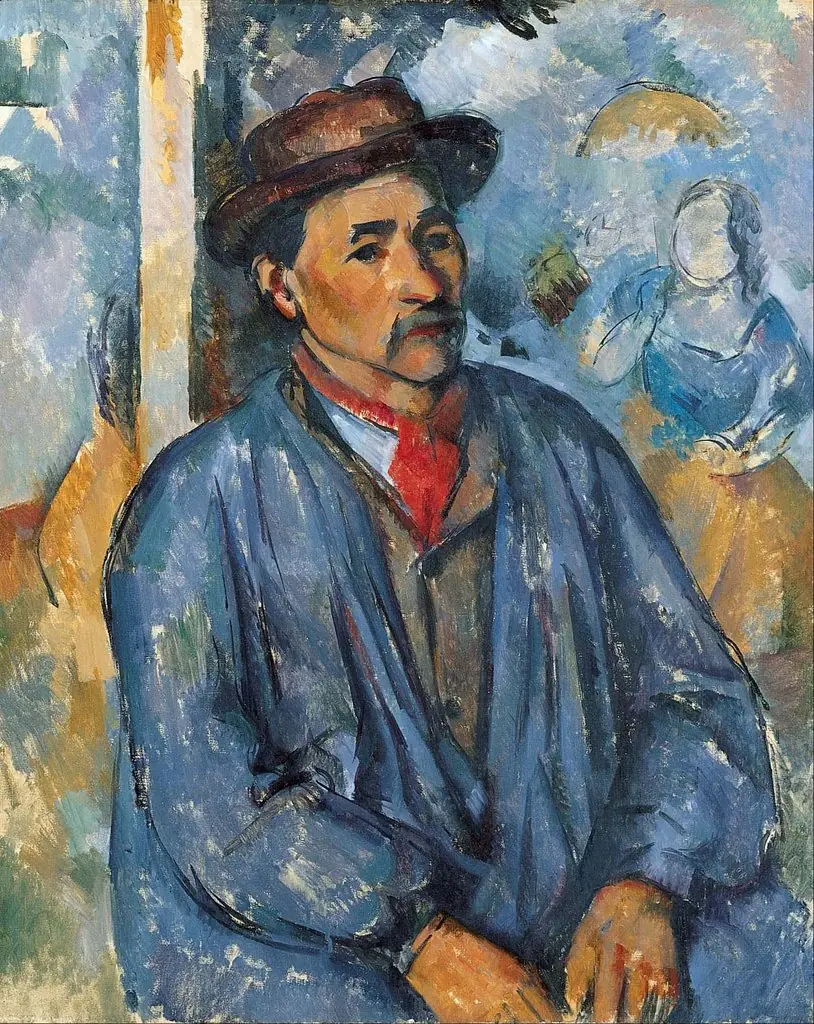 Man in a Blue Smock
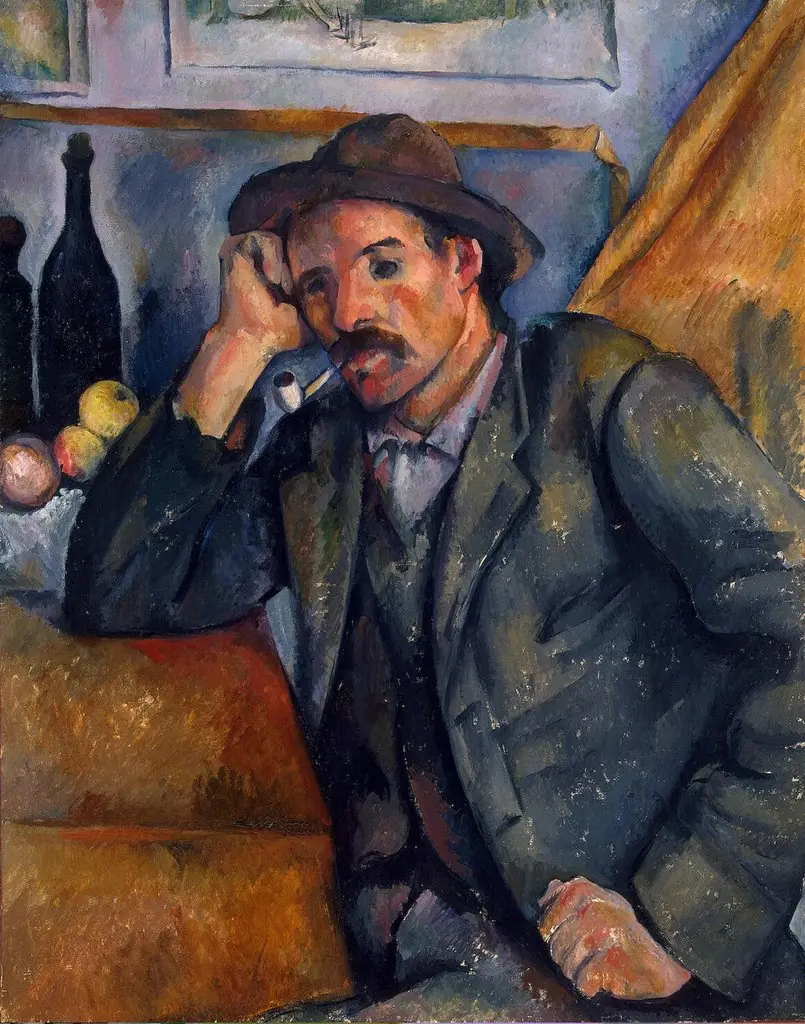 Le Fumeur de pipe (The Smoker)
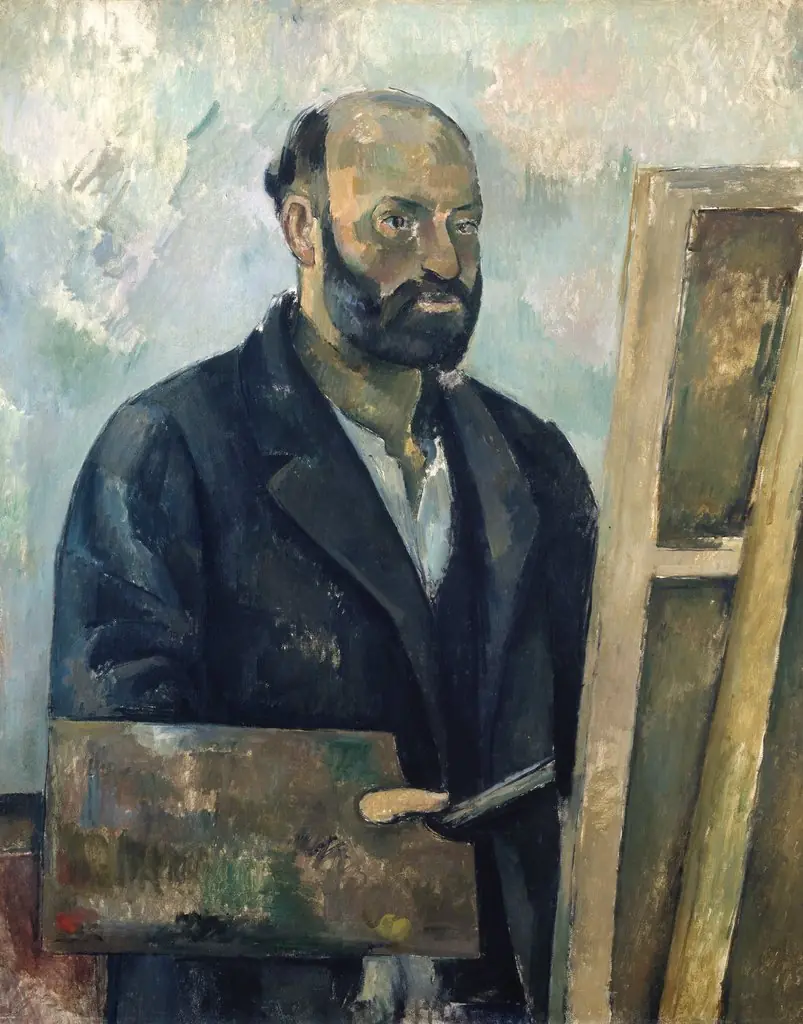 Self-Portrait with Palette
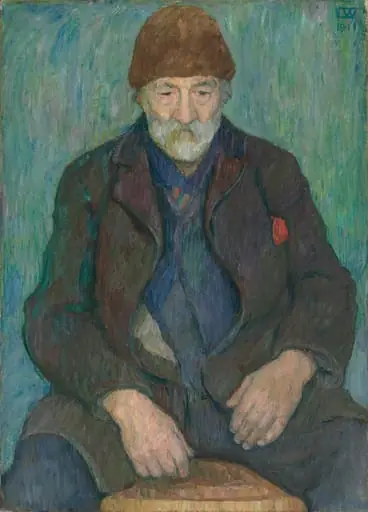 Vanha mies karvalakki päässä
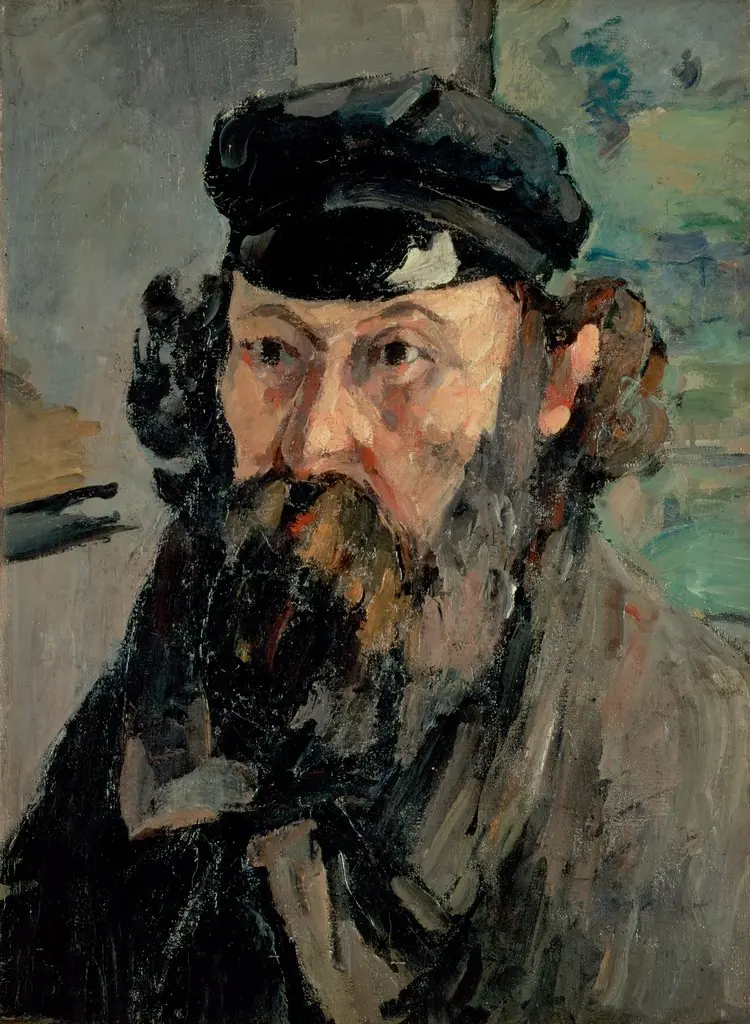 Portrait de l'artiste à la casquette (Self-Portrait in a Casquette)
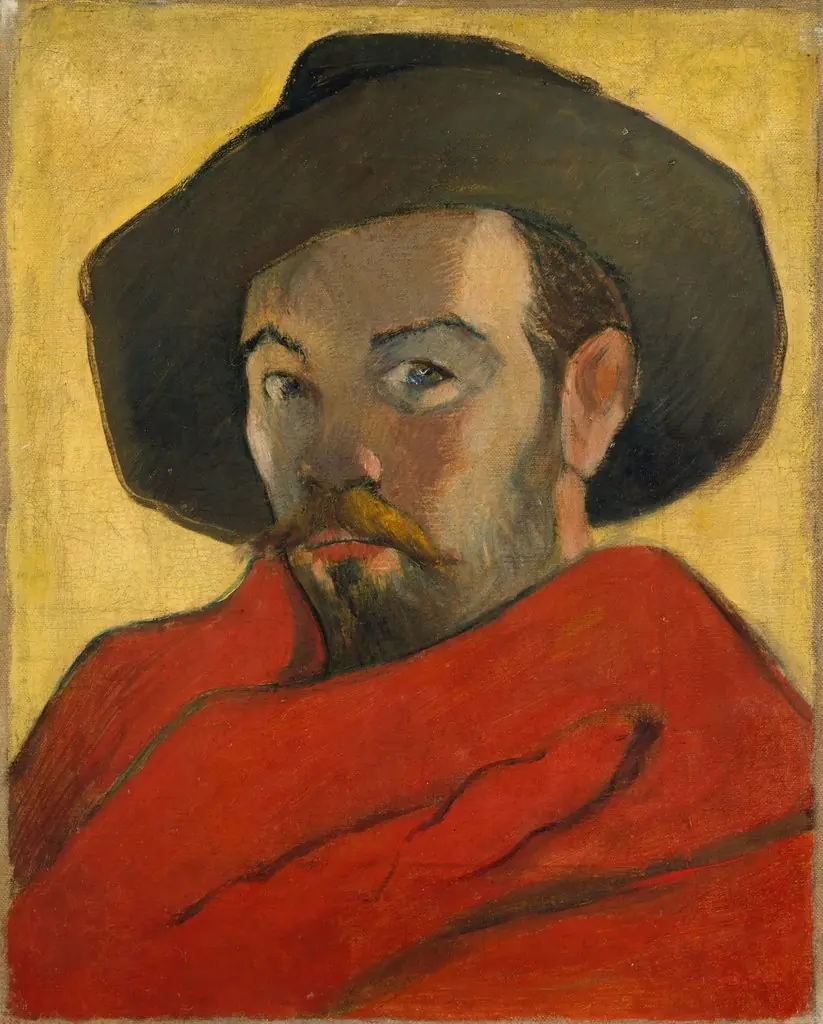 Captain Swaton
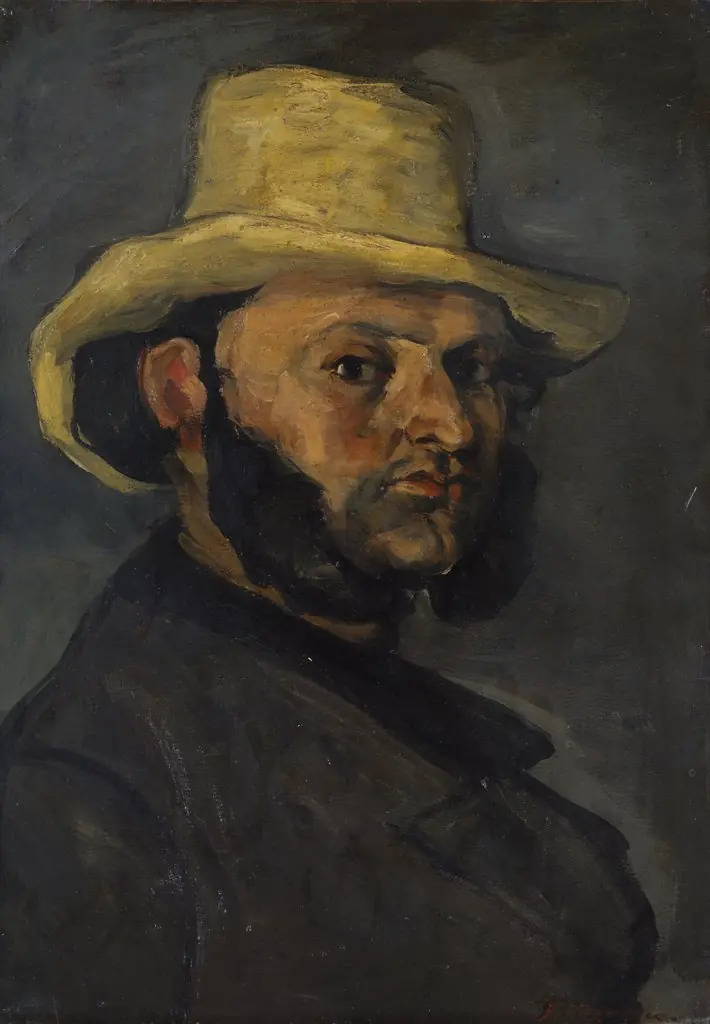 L'Homme au chapeau de paille (Gustave Boyer in a Straw Hat)
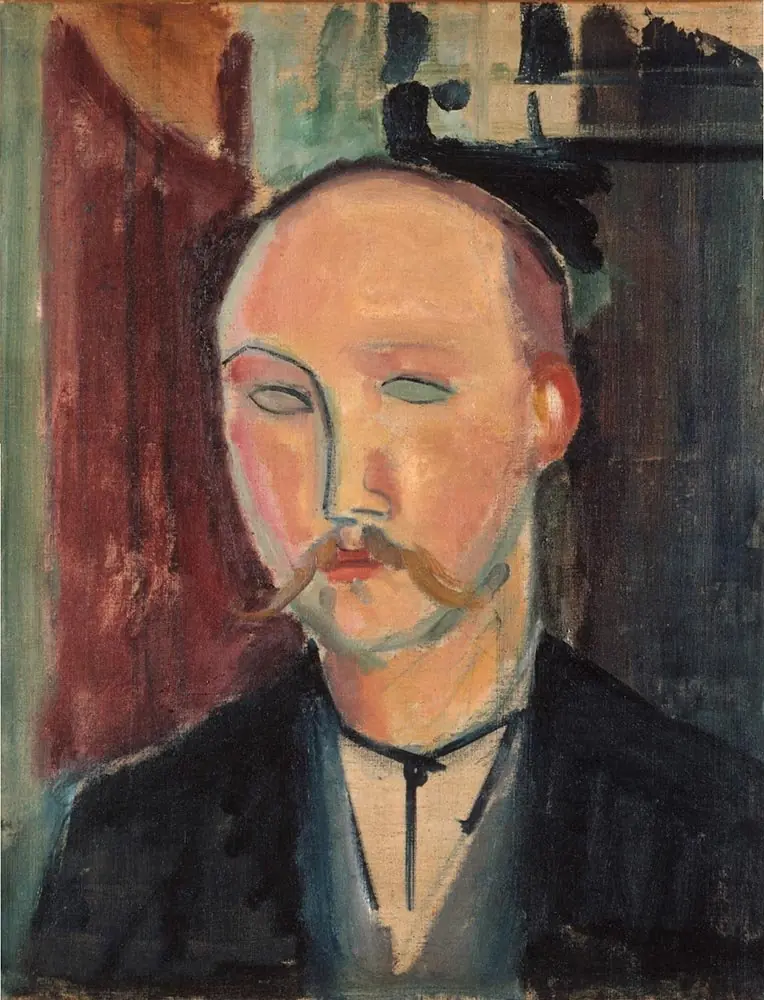 Portrait of a Man with Moustache
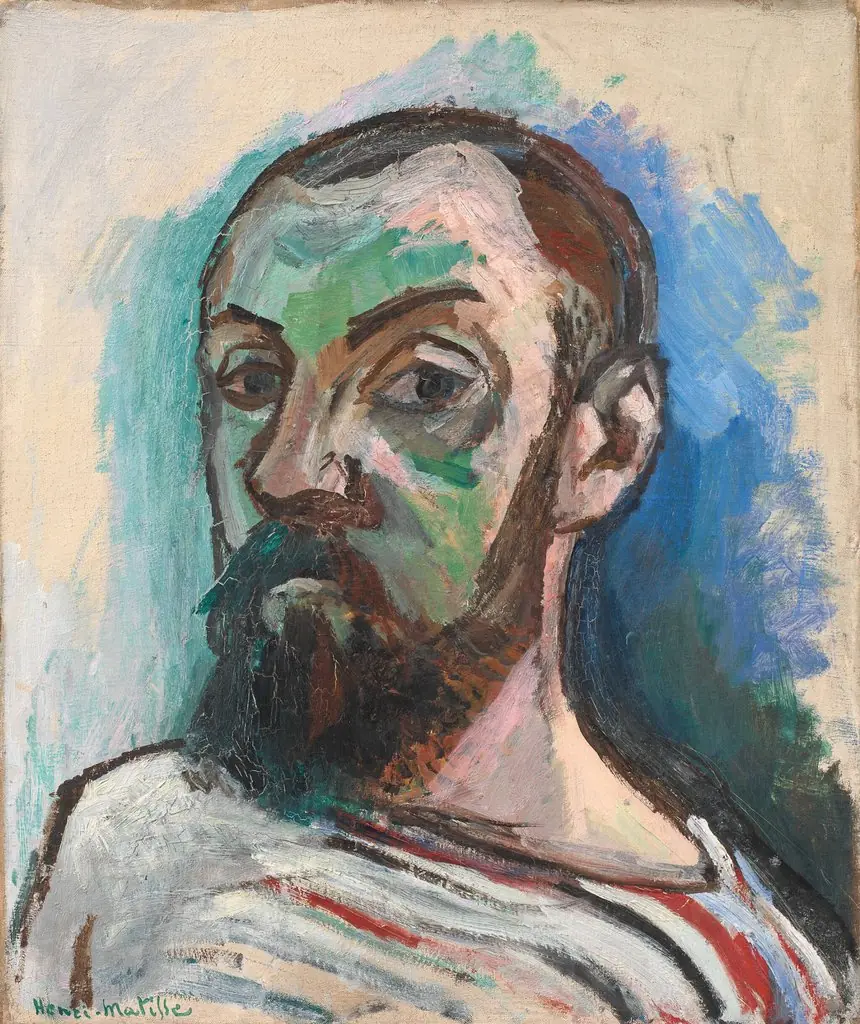 Self-Portrait in a Striped T-shirt
 Seated Peasant
 Autoportret cu beretă