Artwork
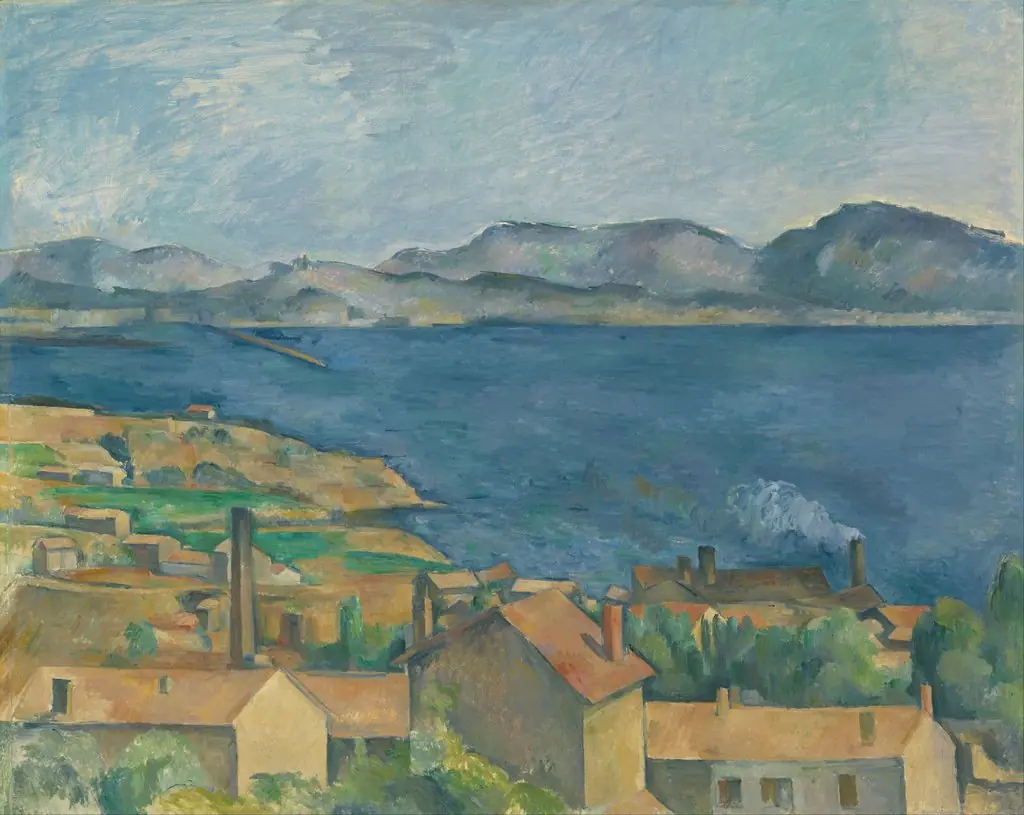
Bay of L'Estaque
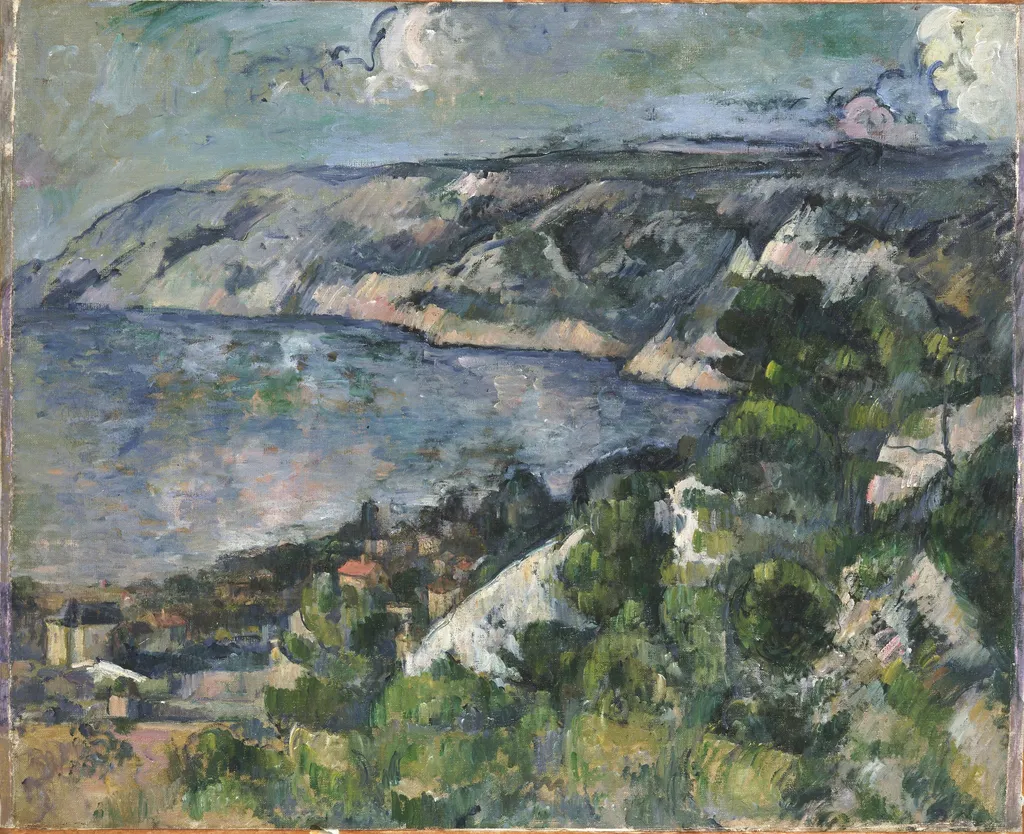
Bay of L'Estaque is an oil painting by the Post-Impressionist artist Paul Cezanne. It dates from 1890 and is held in the collection of the Philadelphia Museum of Art. Created in 1890, Paul Cézanne’s oil painting *Bay of L’Estaque* portrays a rugged coastal scene on the French Mediterranean.
About this work
Overview
Created in 1890, Paul Cézanne’s oil painting *Bay of L’Estaque* portrays a rugged coastal scene on the French Mediterranean. The canvas captures cliffs jutting into the sea, a modest village nestled along the shore, and a sky that merges softly with distant hills. The work is part of the permanent collection of the Philadelphia Museum of Art.
Subject & Meaning
The composition focuses on the natural geography of L’Estaque, emphasizing the interaction between land, water, and built environment. By presenting the village as a small element within a larger, untamed landscape, Cézanne suggests a harmonious yet modest human presence amid the enduring forces of nature.
Technique & Style
Cézanne employs thick, uneven brushstrokes that give the surface a tactile, impasto quality. Earthy greens, blues, and browns dominate, while the loose application creates a sense of movement and immediacy. The painting moves beyond Impressionist concerns with fleeting light, favoring a more structured, geometric arrangement that anticipates later modernist developments.
History & Provenance
After its completion, the canvas entered private collections before being acquired by the Philadelphia Museum of Art, where it remains on display. The work reflects Cézanne’s late‑career focus on the Provençal coast, a subject he revisited repeatedly as he refined his approach to form and spatial organization.
Artist & collection
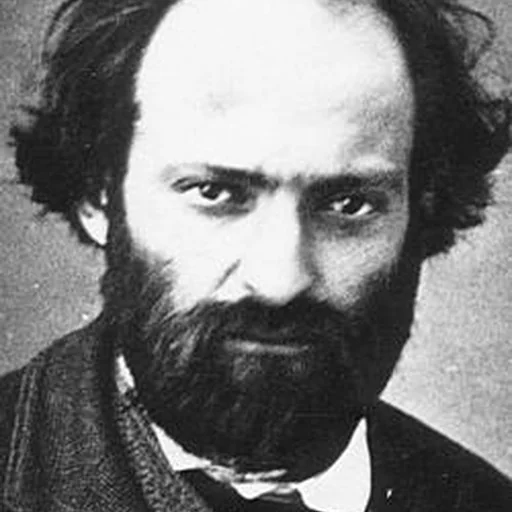
Artist
Paul Cézanne was born on January 19, 1839, in Aix-en-Provence, the son of a hatter turned wealthy banker.

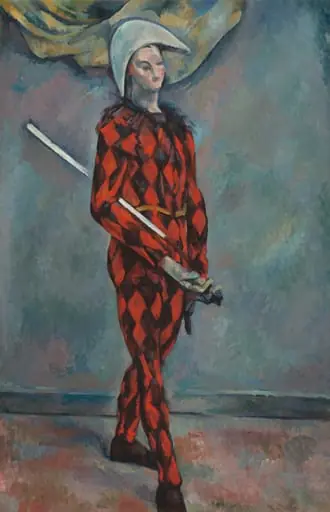 Harlequin
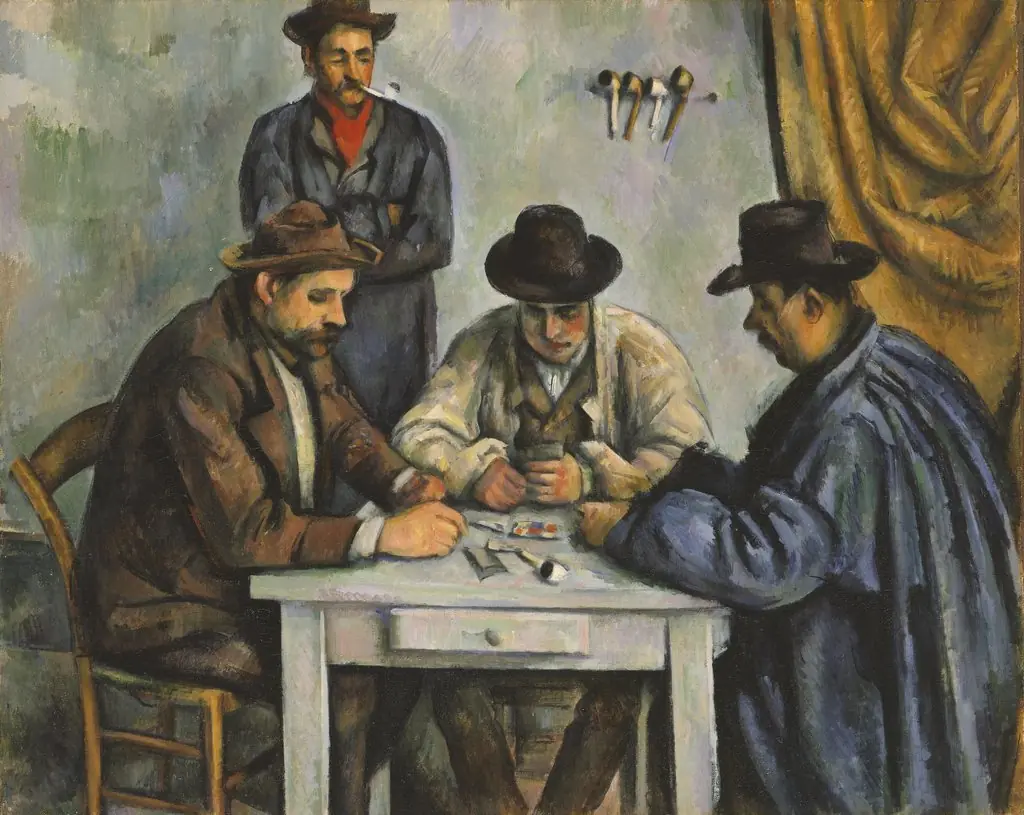 The Card Players
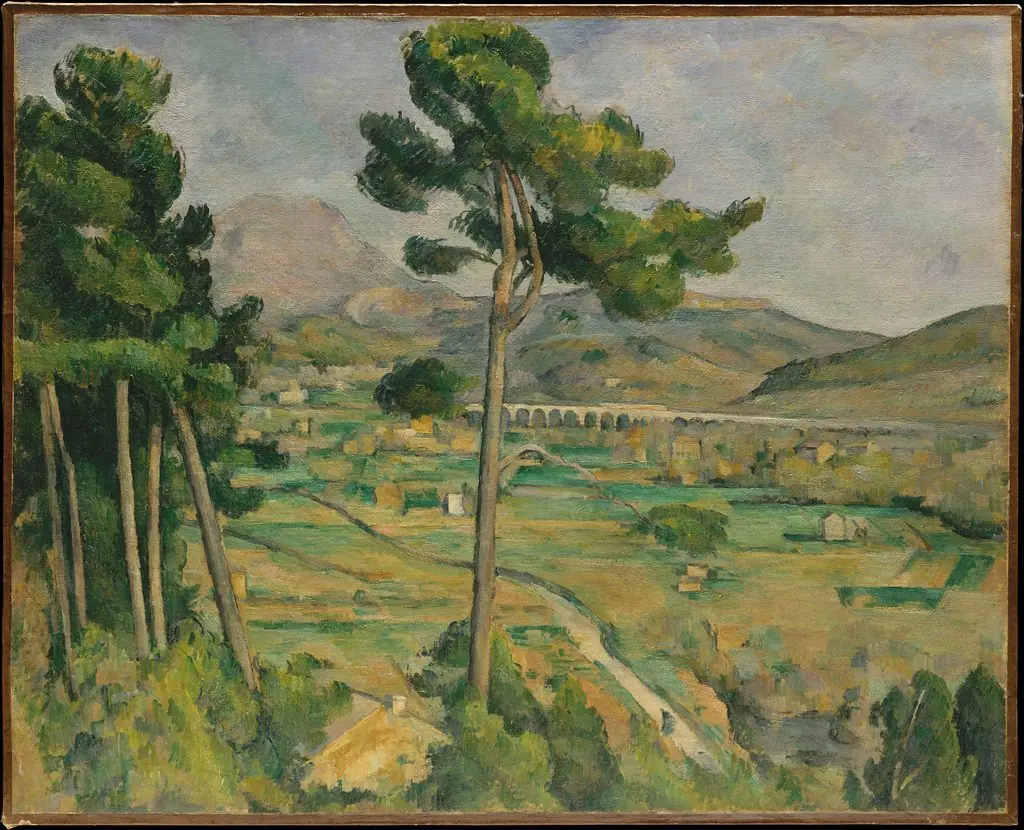 Mont Sainte-Victoire and the Viaduct of the Arc River Valley
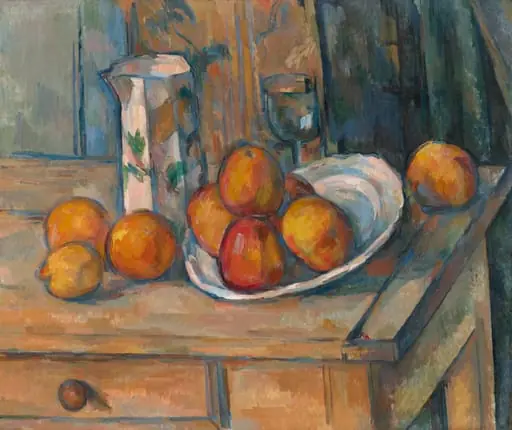 Still Life with Milk Jug and Fruit
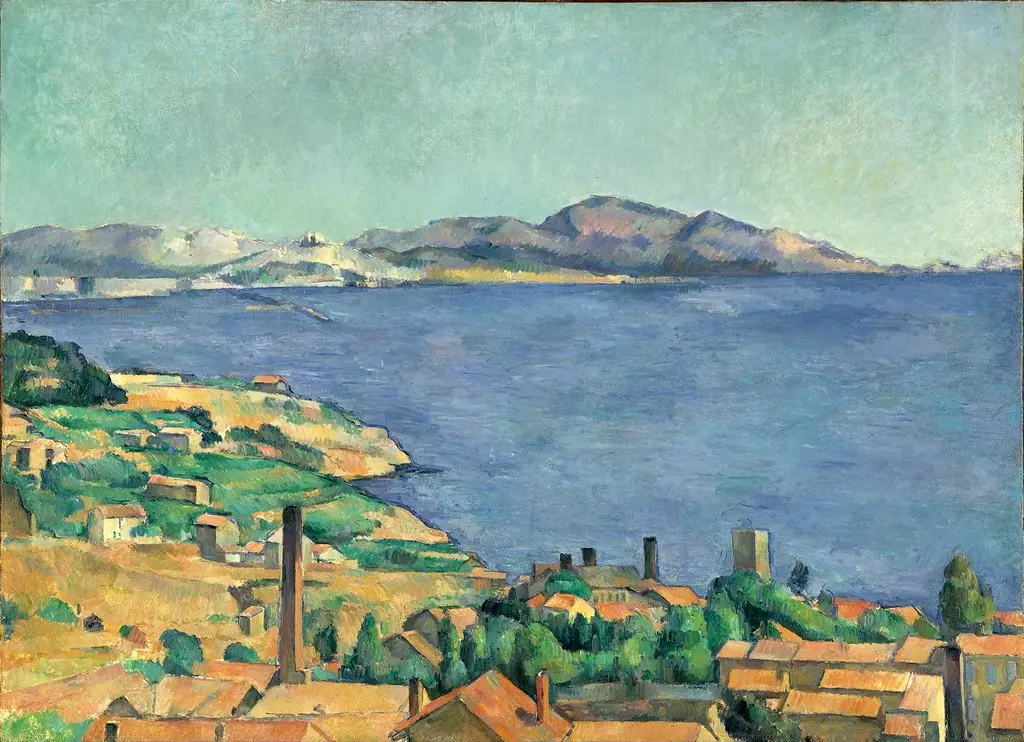
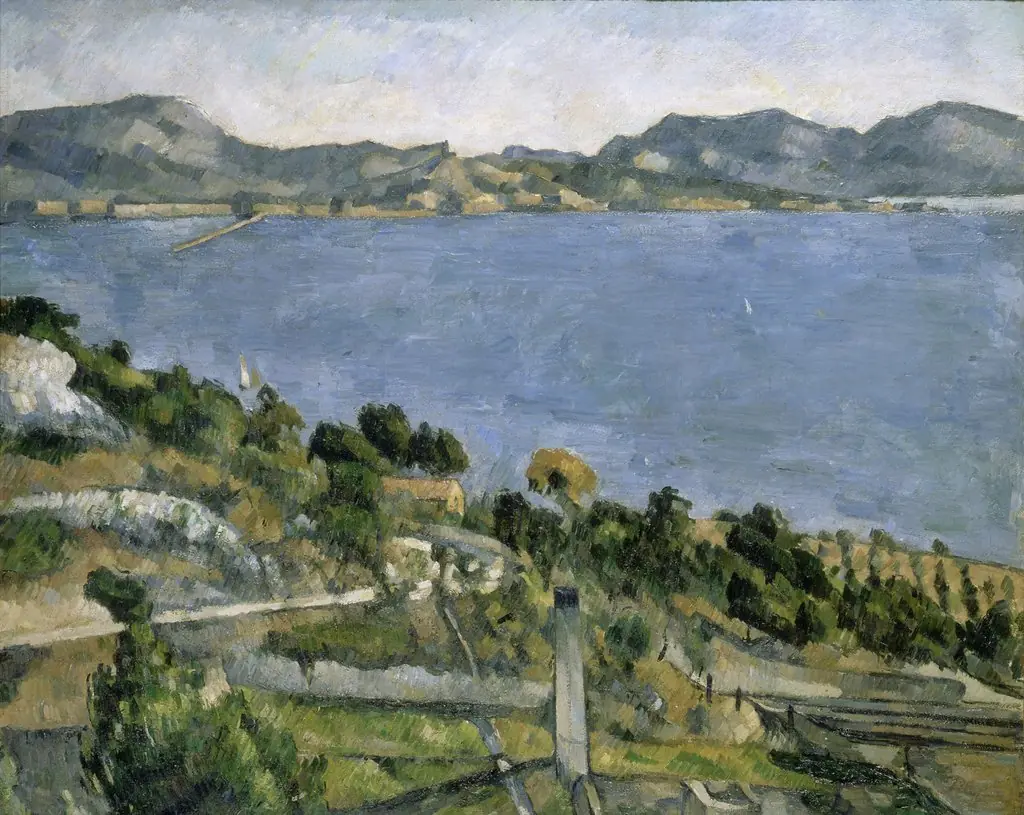 Le Golfe de Marseille vu de l'Estaque (The Gulf of Marseille Seen from L'Estaque)
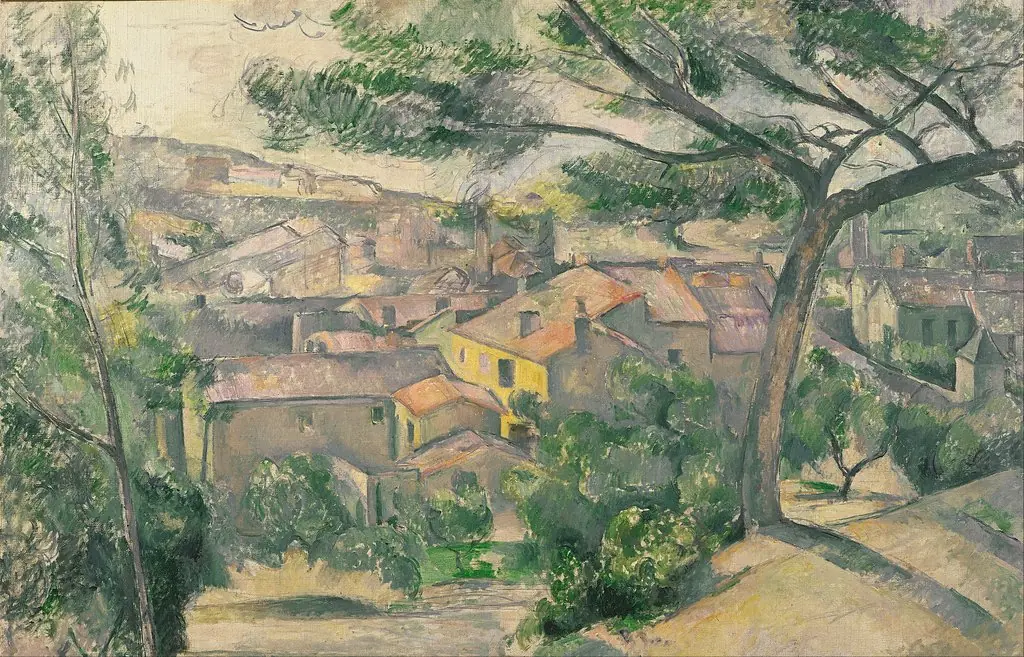
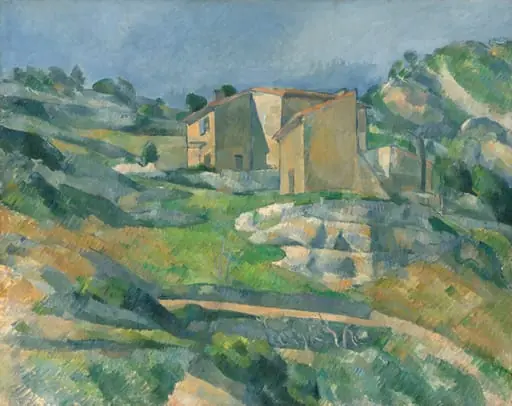 Houses in Provence: The Riaux Valley near L'Estaque
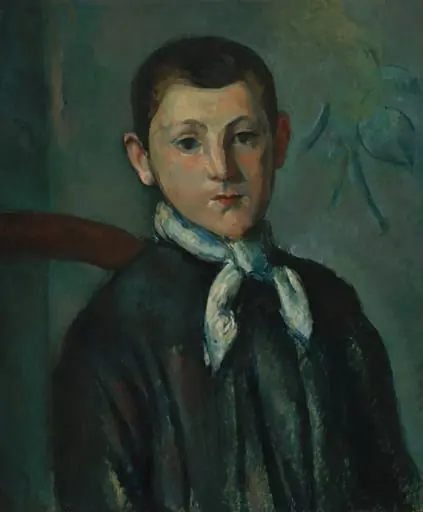 Louis Guillaume
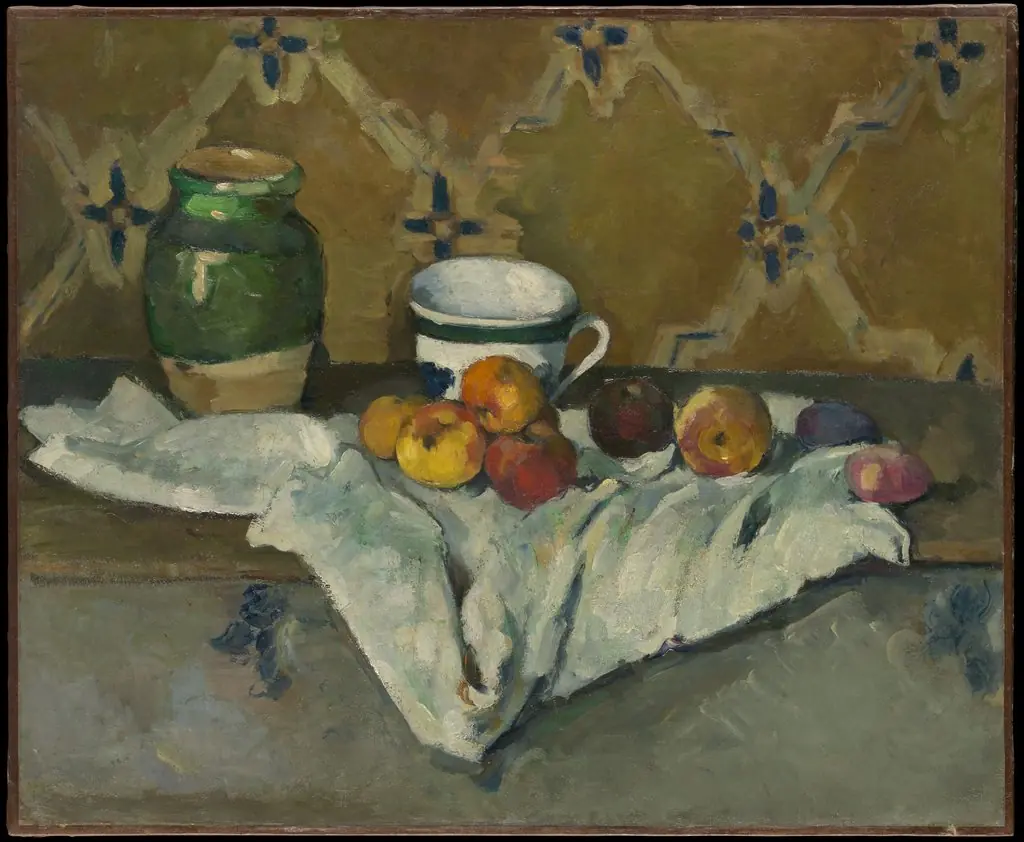 Still Life with Jar, Cup, and Apples