Artwork
The Bay of Marseilles, Seen from L'Estaque
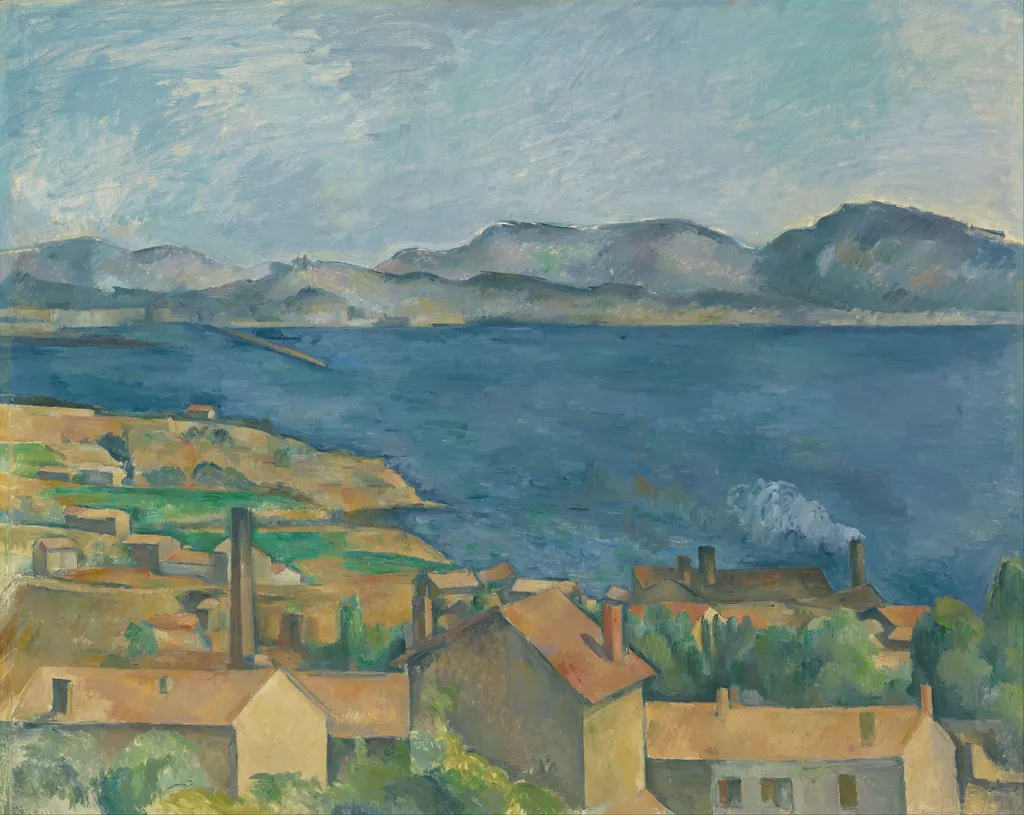
The Bay of Marseilles, Seen from L'Estaque is an oil painting by the Post-Impressionist artist Paul Cezanne. It dates from 1893 and is held in the collection of the Art Institute of Chicago. Created in 1893, this oil painting presents a view of the Bay of Marseille as seen from the hillside village of L'Estaque.
About this work
Overview
Created in 1893, this oil painting presents a view of the Bay of Marseille as seen from the hillside village of L'Estaque. The composition balances a compact cluster of modest dwellings with a broad expanse of water that opens toward distant mountains under a light sky.
Subject & Meaning
The work captures a quiet coastal settlement, its tightly grouped rooftops rendered in warm ochres and browns, set against the cool blues of the bay. The juxtaposition of human habitation and the expansive sea suggests a harmonious relationship between the built environment and the natural landscape.
Technique & Style
Cézanne applies paint in thick, tactile strokes that form distinct, flat planes of color. The brushwork is deliberate, emphasizing geometric simplification over fleeting light effects, a hallmark of his transition from Impressionist spontaneity toward a more structured, proto‑Cubist visual language.
History & Provenance
After its completion, the canvas entered the collection of the Art Institute of Chicago, where it remains on display. Its acquisition reflects the museum’s commitment to representing pivotal developments in late‑19th‑century French painting.
Context
Painted during Cézanne’s mature period, the piece illustrates his ongoing exploration of form and color that would later influence early 20th‑century movements. The L'Estaque landscape was a recurring motif for the artist, serving as a laboratory for his evolving compositional strategies.
Own this work as a print
Artist & collection
Artist
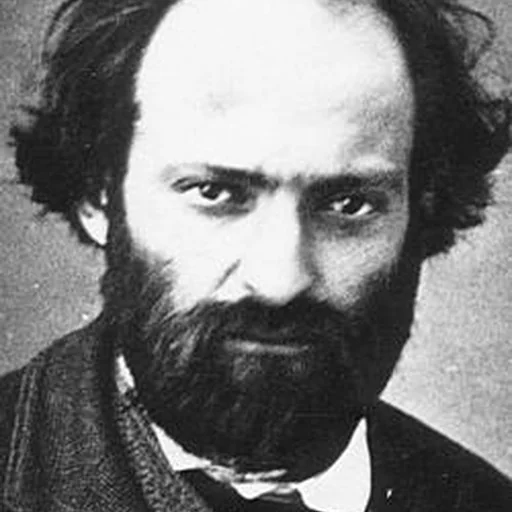
Paul Cézanne was born on January 19, 1839, in Aix-en-Provence, the son of a hatter turned wealthy banker.

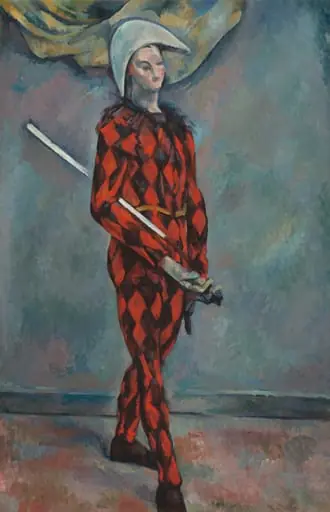 Harlequin
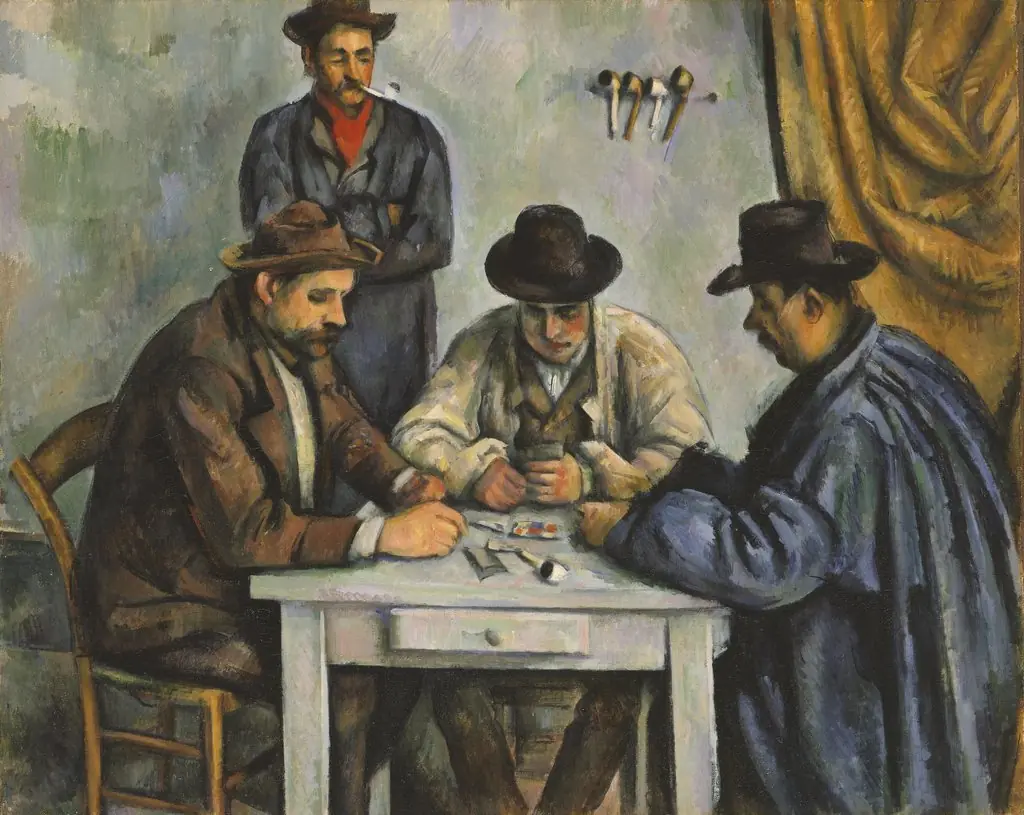 The Card Players
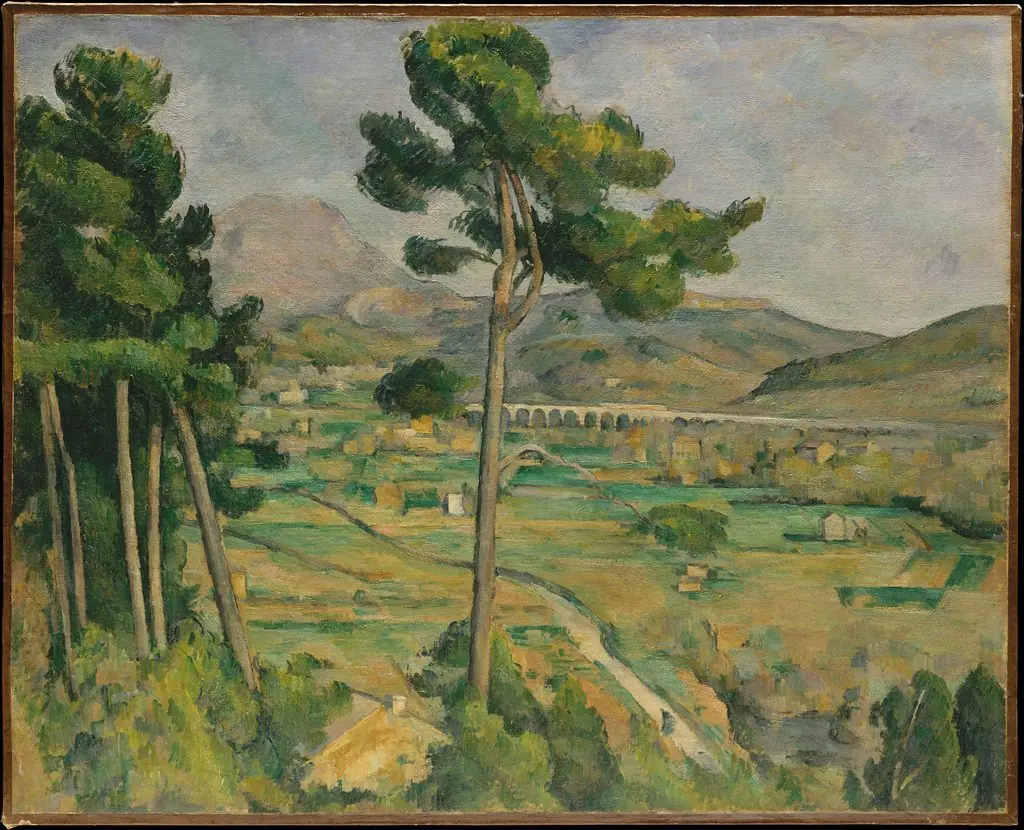 Mont Sainte-Victoire and the Viaduct of the Arc River Valley
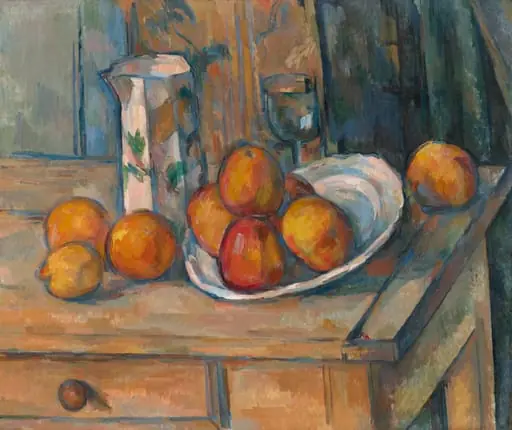 Still Life with Milk Jug and Fruit
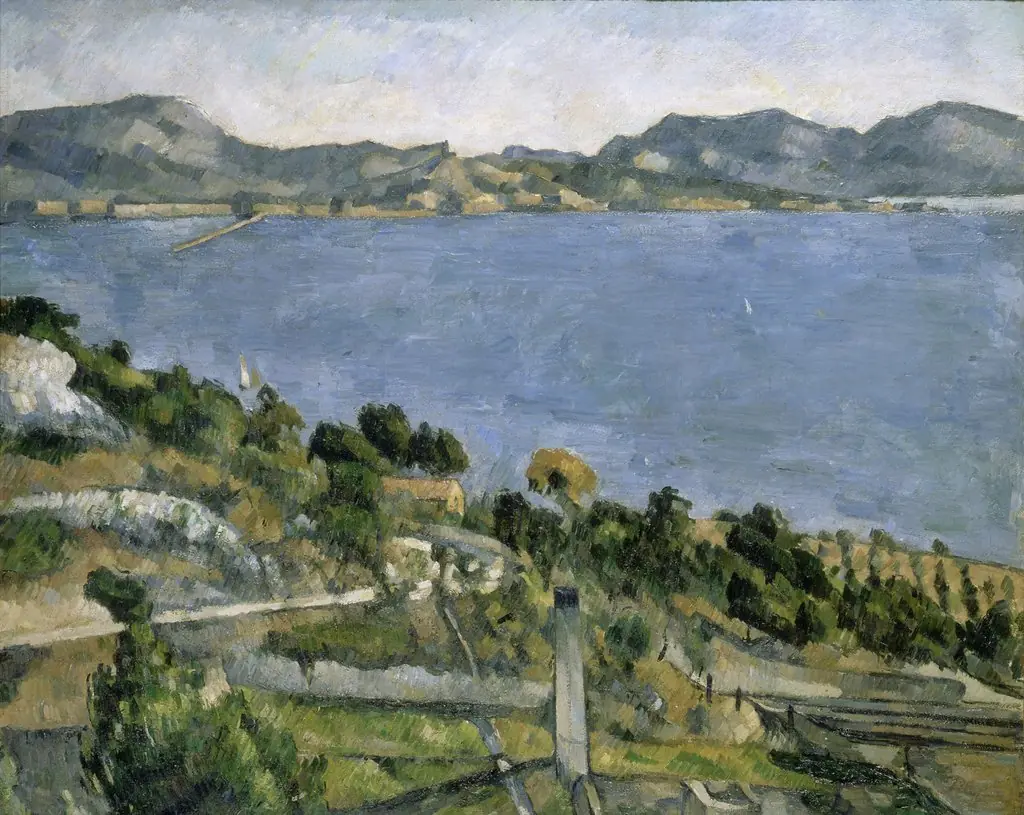 Le Golfe de Marseille vu de l'Estaque (The Gulf of Marseille Seen from L'Estaque)
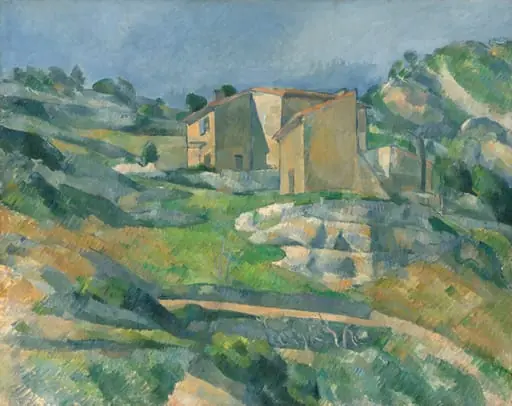 Houses in Provence: The Riaux Valley near L'Estaque
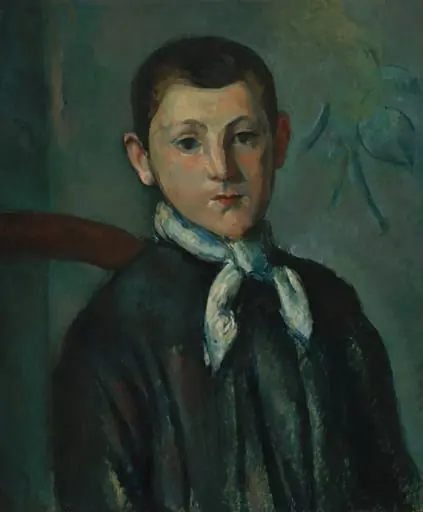 Louis Guillaume
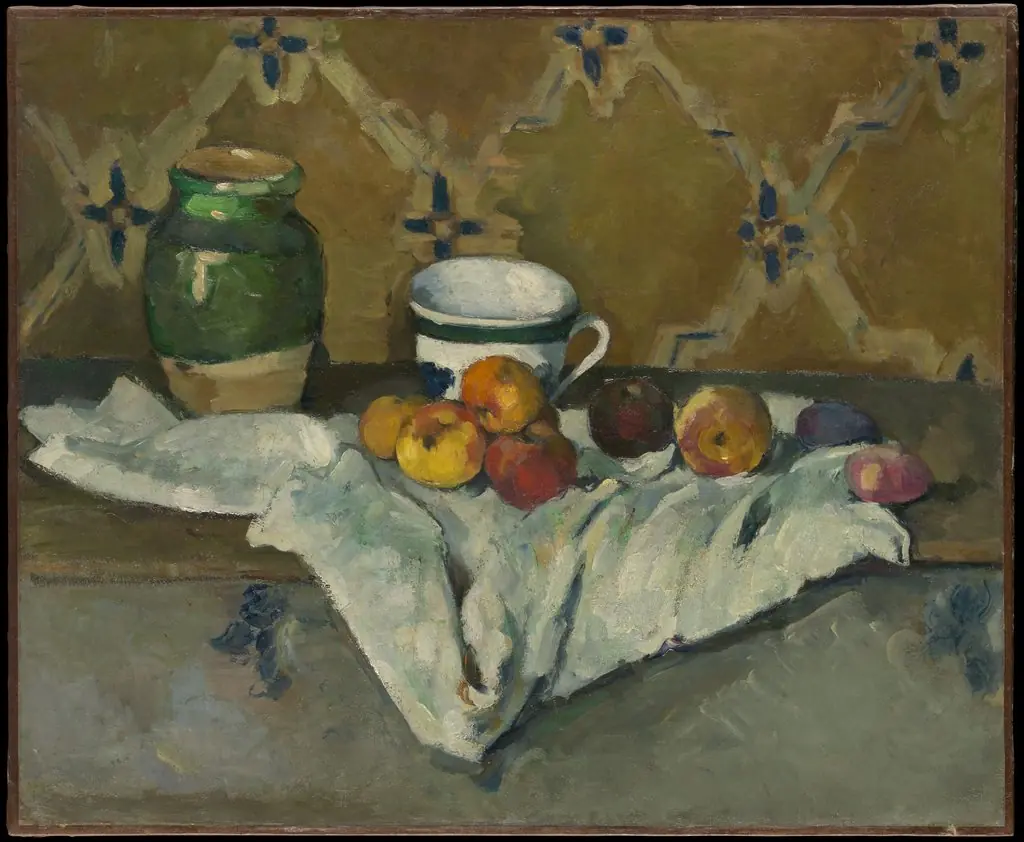 Still Life with Jar, Cup, and Apples
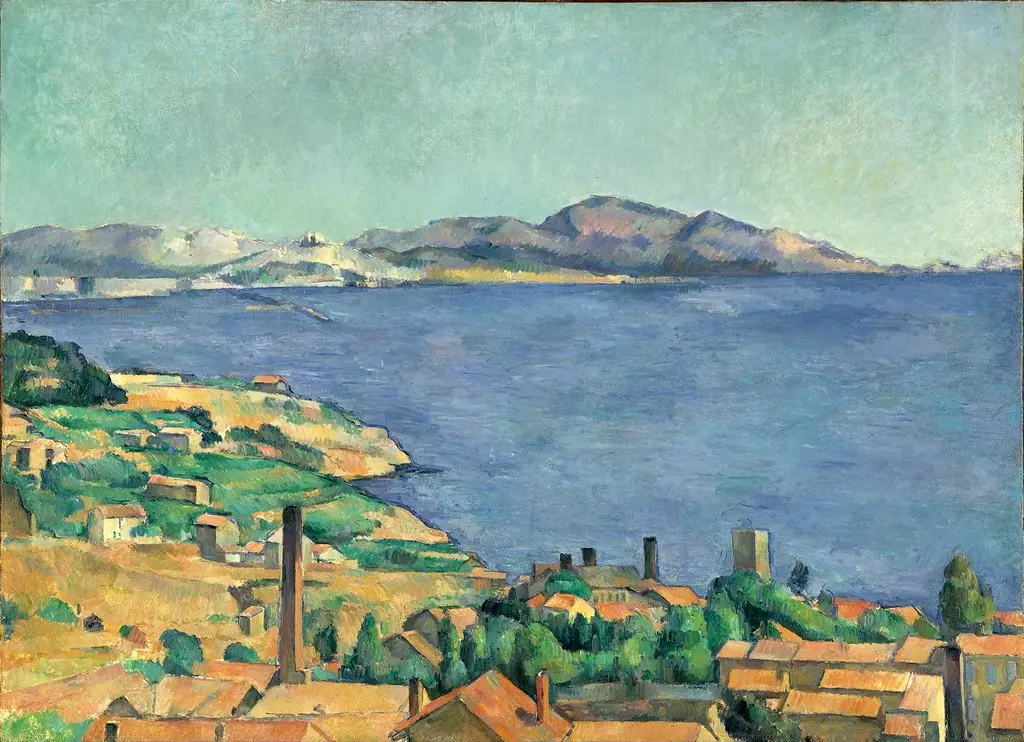 The Gulf of Marseilles Seen from L'Estaque
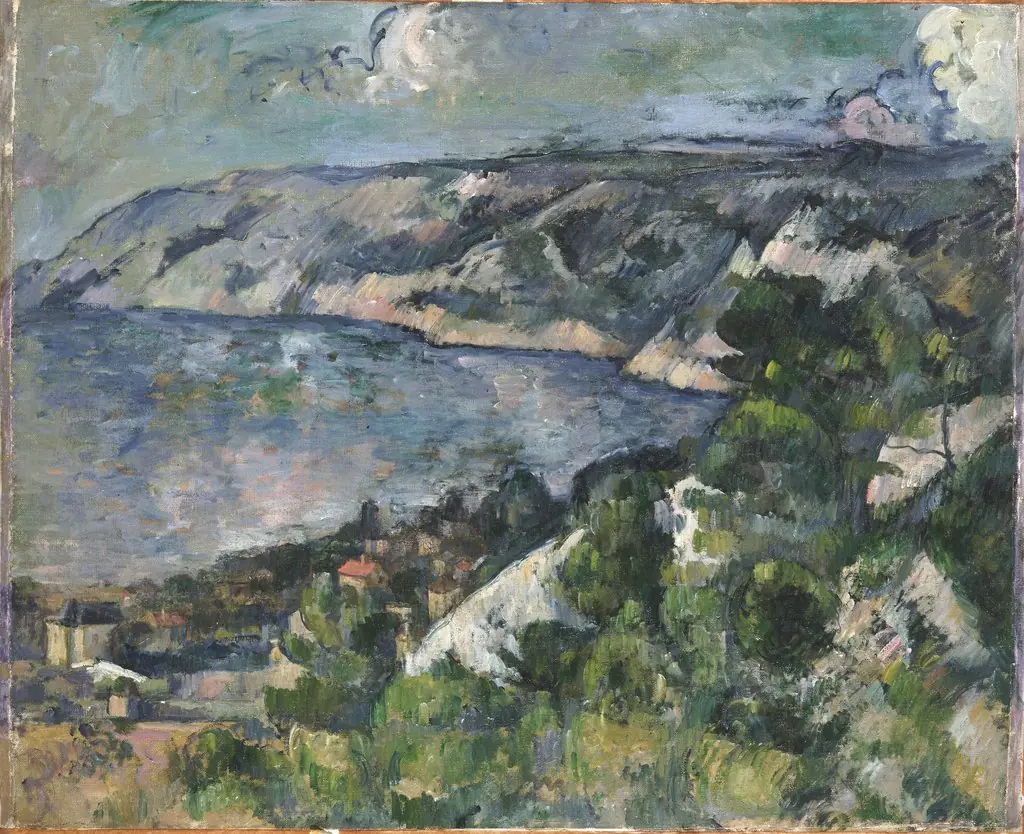 Bay of L'Estaque
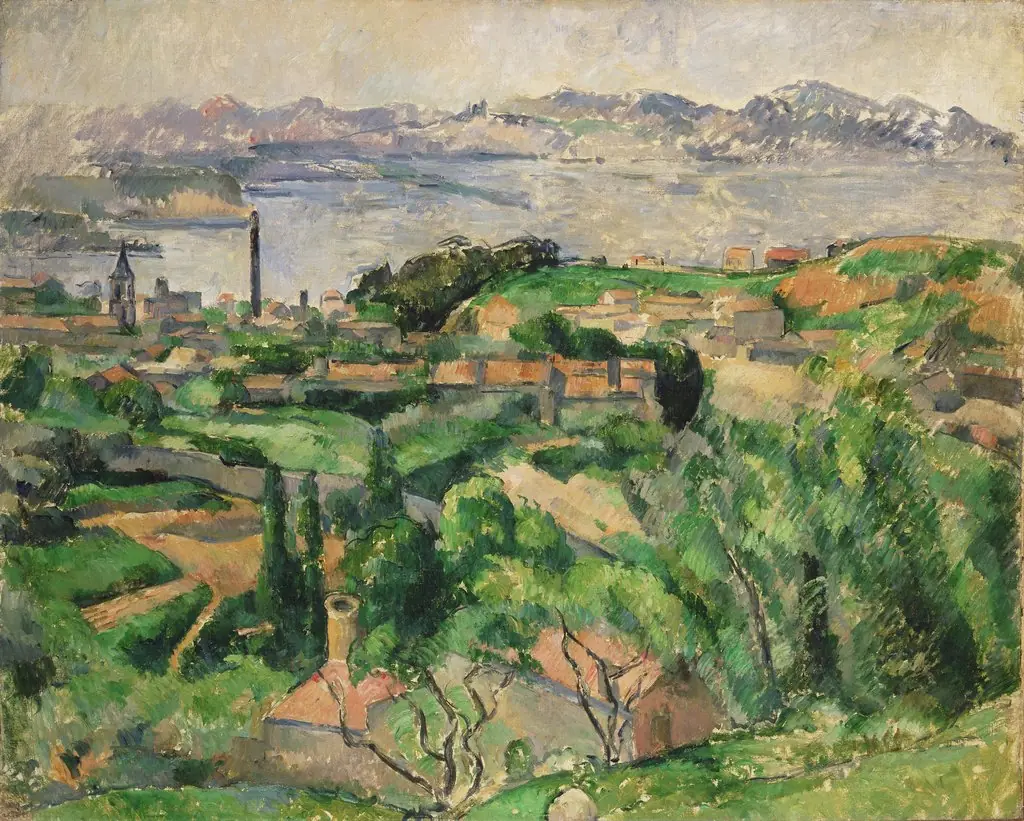 View of the Bay of Marseille with the Village of Saint-Henri
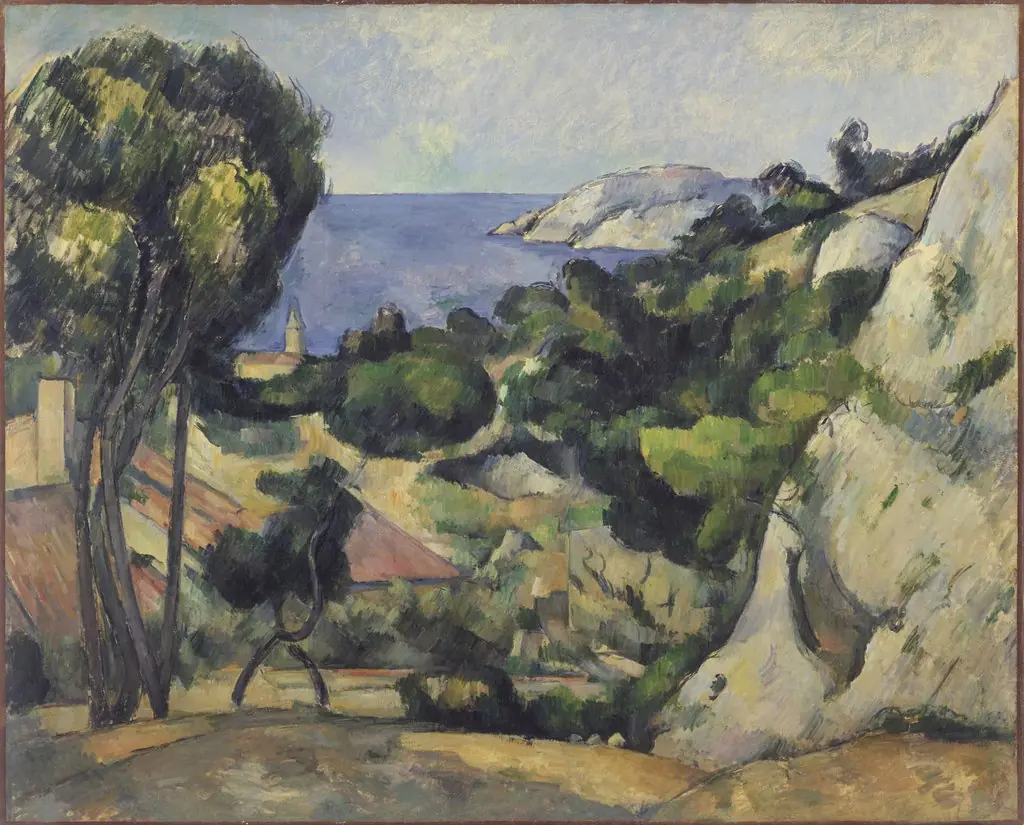 Estaque
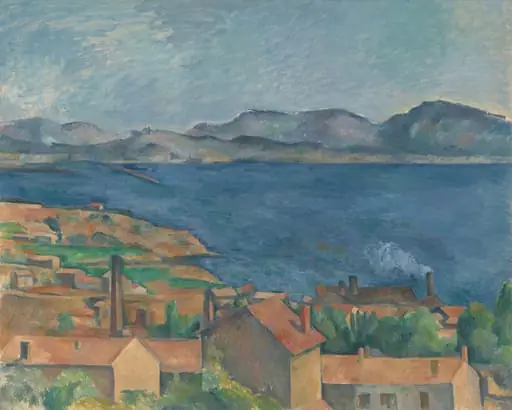 The Bay of Marseille, Seen from L'Estaque
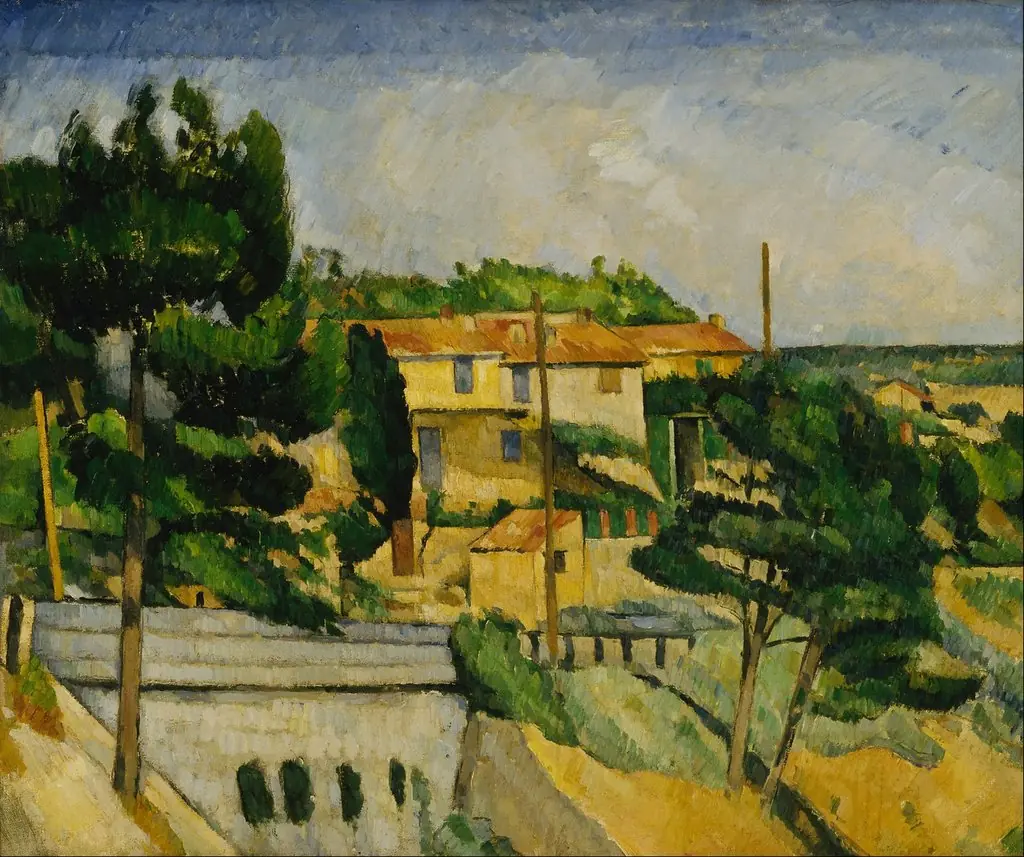 The Road Bridge at L'Estaque
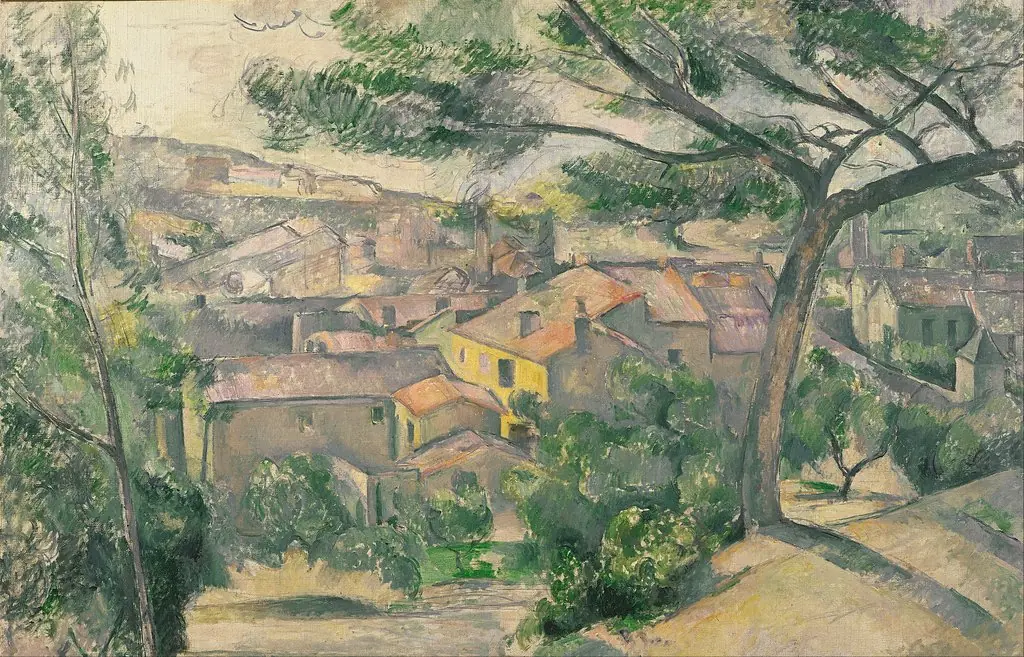 Morning View of L'Estaque Against the Sunlight
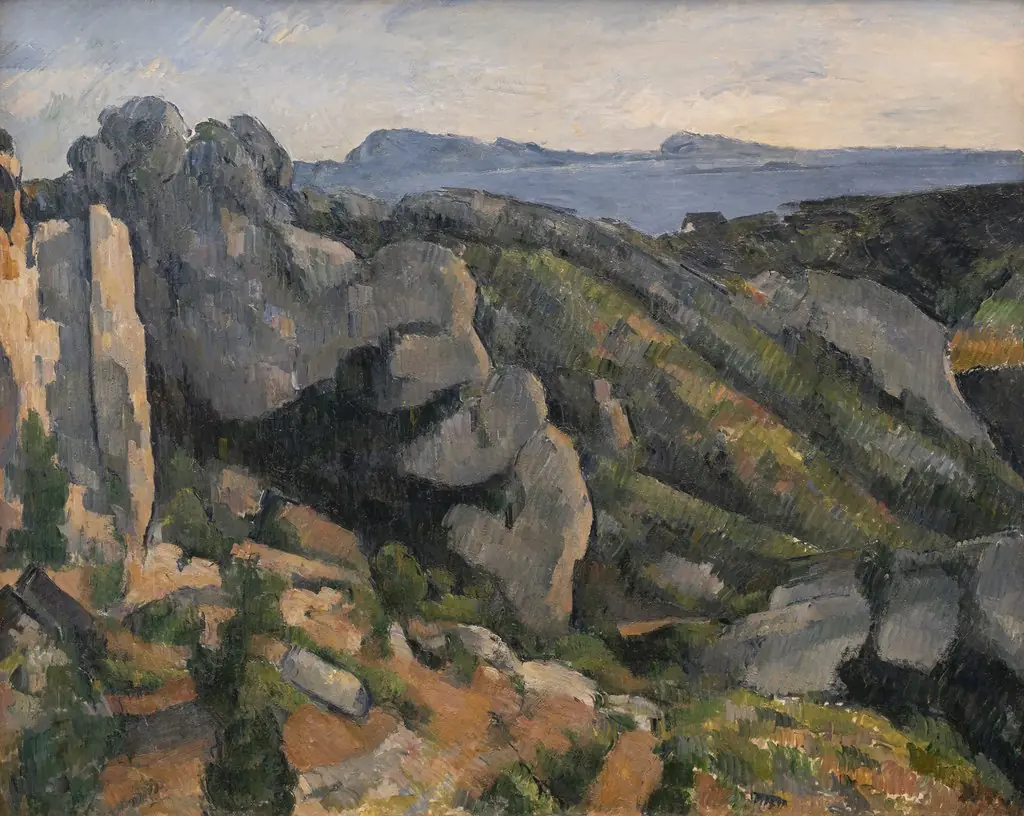 Rochers à l'Estaque (Rocks at L'Estaque)
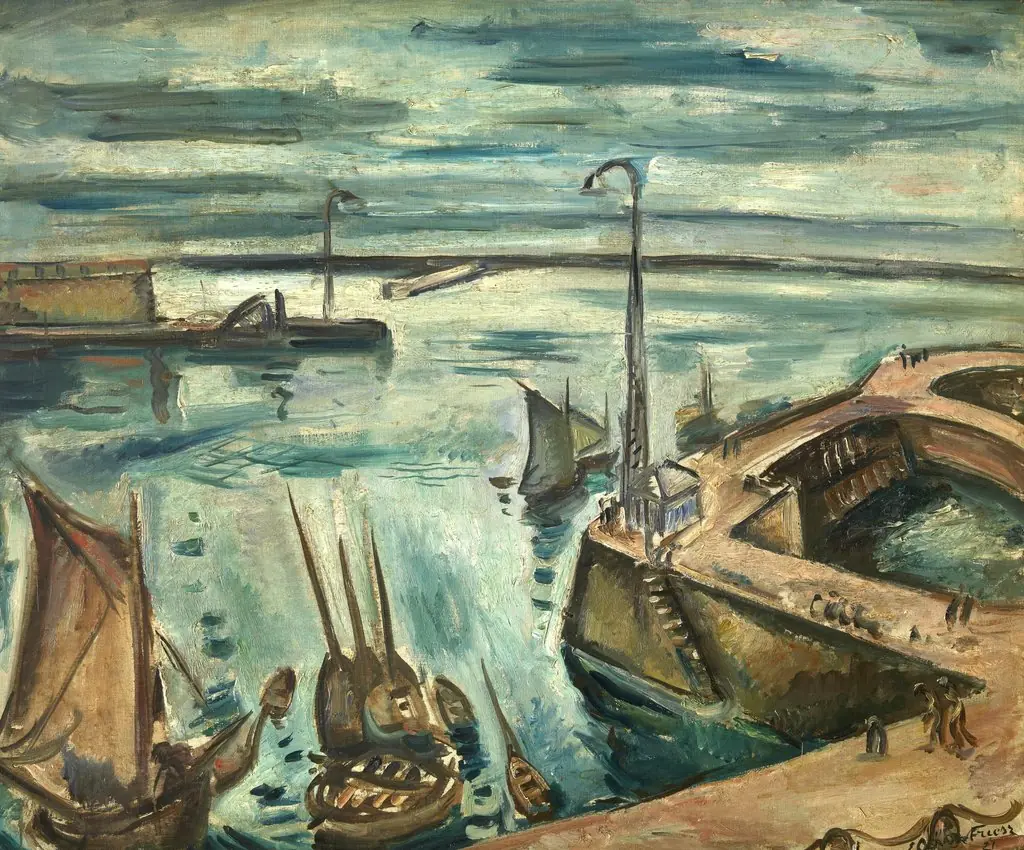 The Harbour of Le Havre
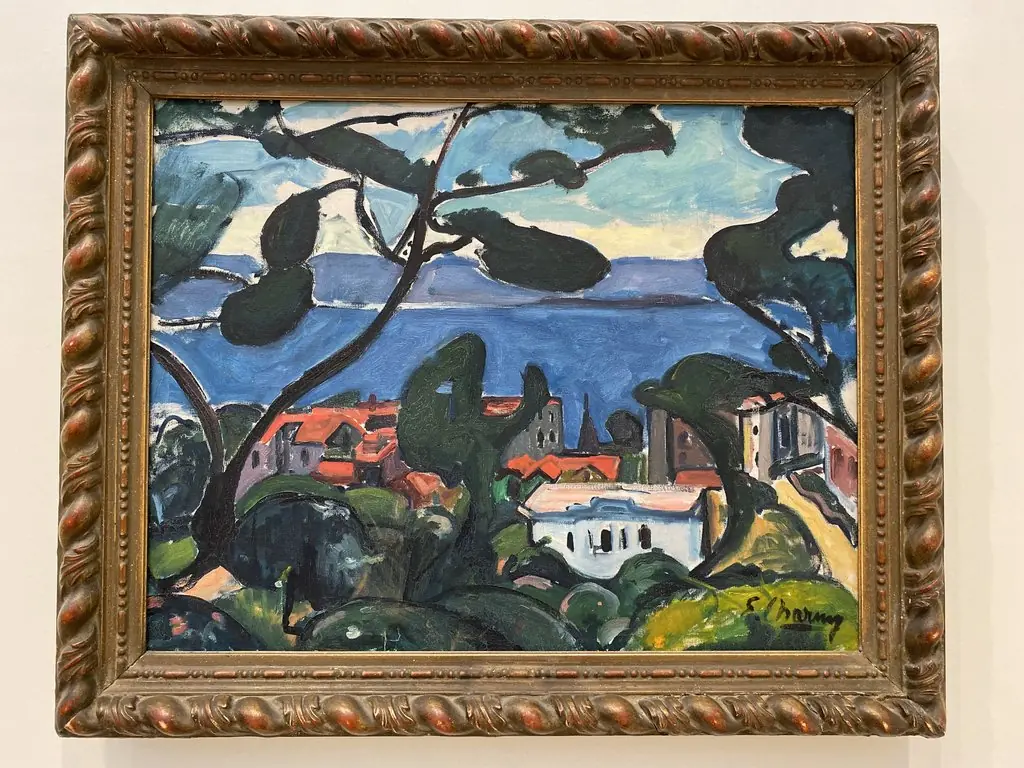 L'Estaque