Artwork
Portrait of Anthony Valabrègue
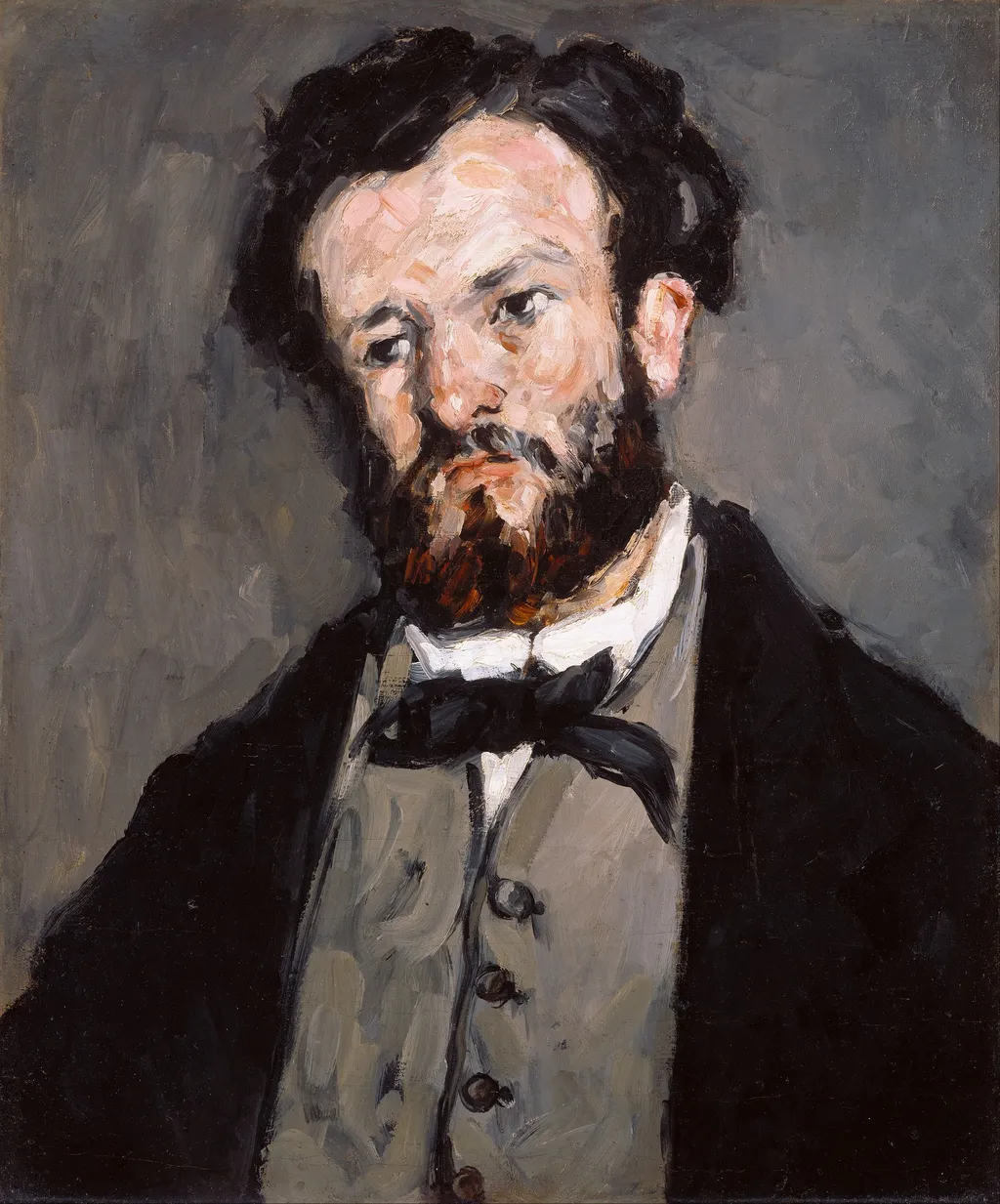
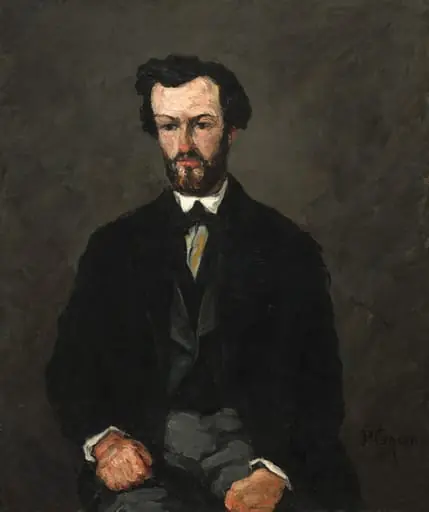
Portrait of Anthony Valabrègue is an oil painting by the Realist artist Paul Cezanne. It dates from 1870 and is held in the collection of the J. Paul Getty Museum.
About this work
Overview
This 1870 oil painting represents an early phase in Paul Cézanne’s career, capturing Anthony Valabrègue, a figure from the artist’s social milieu.
This 1870 oil painting represents an early phase in Paul Cézanne’s career, capturing Anthony Valabrègue, a figure from the artist’s social milieu. Executed in muted tones with a restrained palette, the portrait reflects Cézanne’s engagement with Realist conventions while hinting at the structural rigor that would later define his work. The composition balances simplicity with psychological presence, situating it within the broader evolution of 19th-century portraiture.
Subject & Meaning
The sitter, Anthony Valabrègue, was part of Cézanne’s circle during a formative period. The portrait conveys a quiet intensity, with the subject’s direct gaze and composed demeanor suggesting familiarity rather than formality. The subdued background and restrained attire focus attention on the face, emphasizing individual character over narrative or allegory. The work’s understated approach aligns with Cézanne’s preference for capturing subjects without idealization or dramatic embellishment.
Technique & Style
Cézanne’s brushwork here remains visible, with short, deliberate strokes building form through layered pigment rather than smooth blending. The muted gray backdrop contrasts with the darker tones of the jacket and hair, creating a sense of depth without reliance on chiaroscuro. While the portrait adheres to Realist traditions, the treatment of the face—particularly the eyes—reveals an early interest in structuring surfaces through color and texture, foreshadowing his later innovations.
History & Provenance
Painted in 1870, the portrait remained within private collections before entering the holdings of the J. Paul Getty Museum. Its early history reflects Cézanne’s limited commercial success during this period, as his work circulated primarily among friends and fellow artists. The painting’s acquisition by a major institution underscores its later recognition as a document of the artist’s transitional phase, bridging earlier Realist influences and his subsequent stylistic developments.
Context
Created during a decade marked by artistic experimentation, this portrait emerges from Cézanne’s engagement with Realism while anticipating his break from Impressionist techniques. The 1870s were a period of shifting allegiances among Parisian artists, with Cézanne navigating between the immediacy of Impressionism and his own pursuit of solidity and form. This work exemplifies his reluctance to fully adopt either movement, instead laying groundwork for his distinctive approach to representation.
Own this work as a print
Artist & collection
Artist
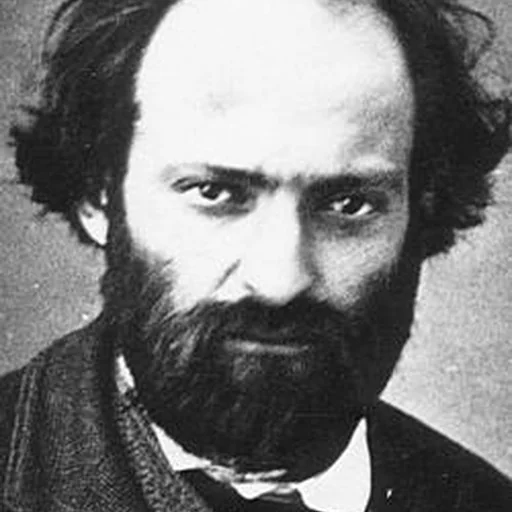
Paul Cézanne was born on January 19, 1839, in Aix-en-Provence, the son of a hatter turned wealthy banker.

 Harlequin
 The Card Players
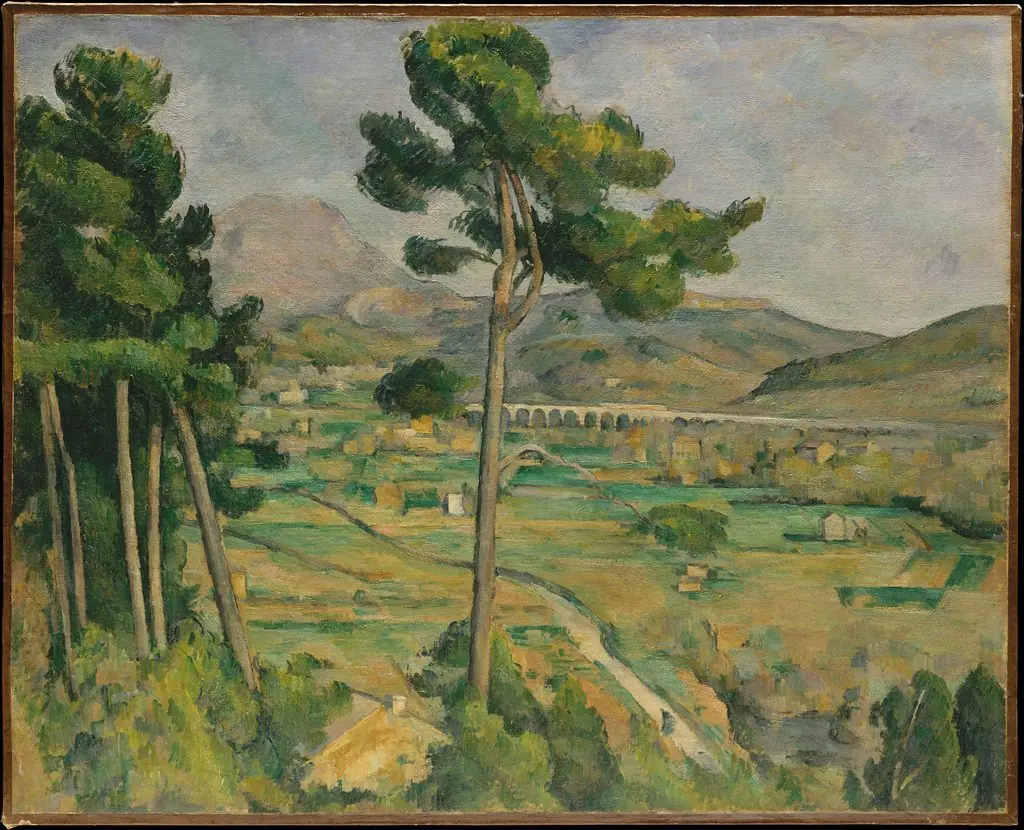 Mont Sainte-Victoire and the Viaduct of the Arc River Valley
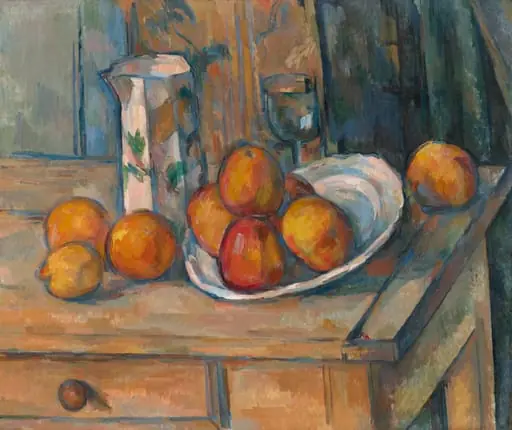 Still Life with Milk Jug and Fruit
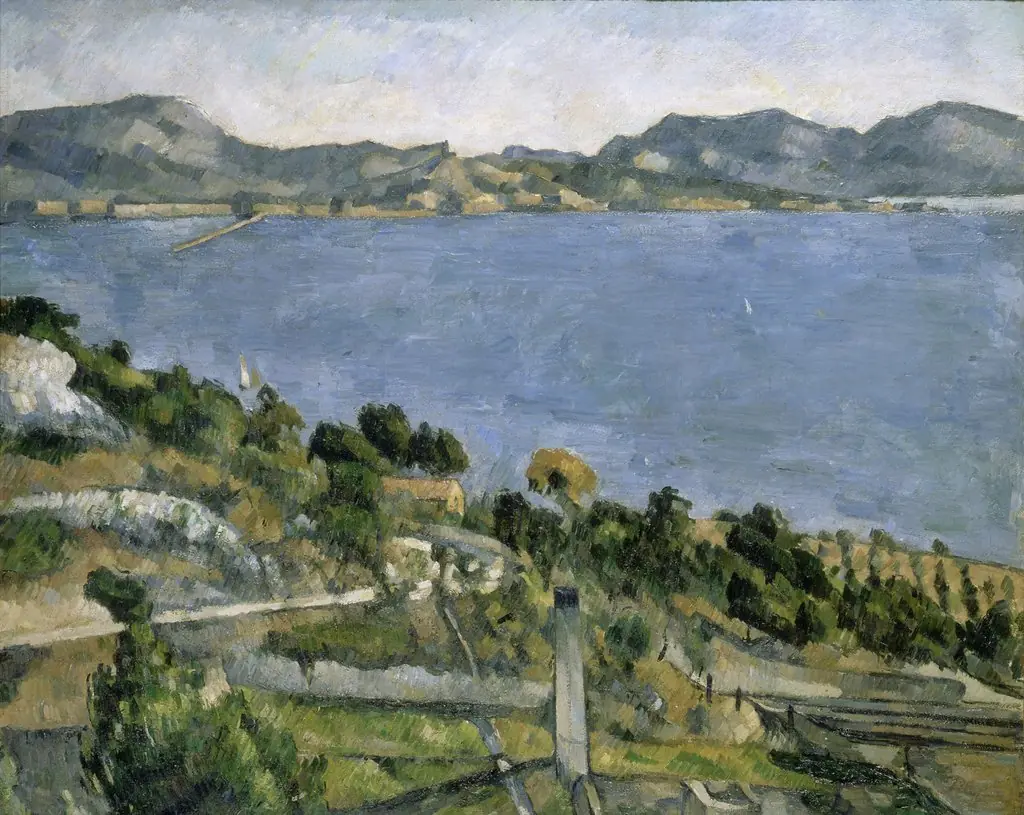 Le Golfe de Marseille vu de l'Estaque (The Gulf of Marseille Seen from L'Estaque)
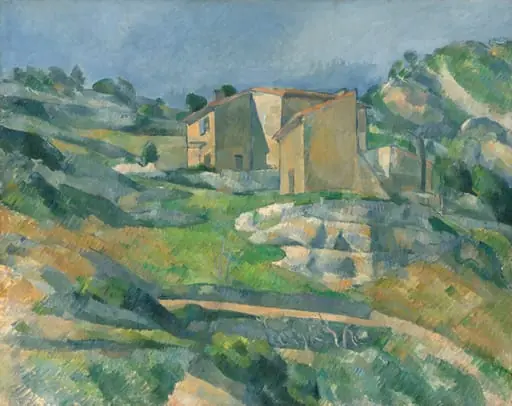 Houses in Provence: The Riaux Valley near L'Estaque
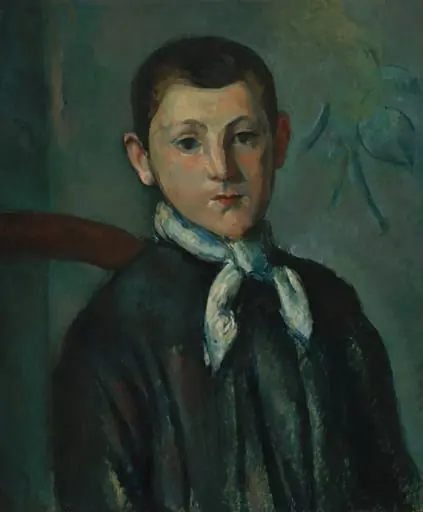 Louis Guillaume
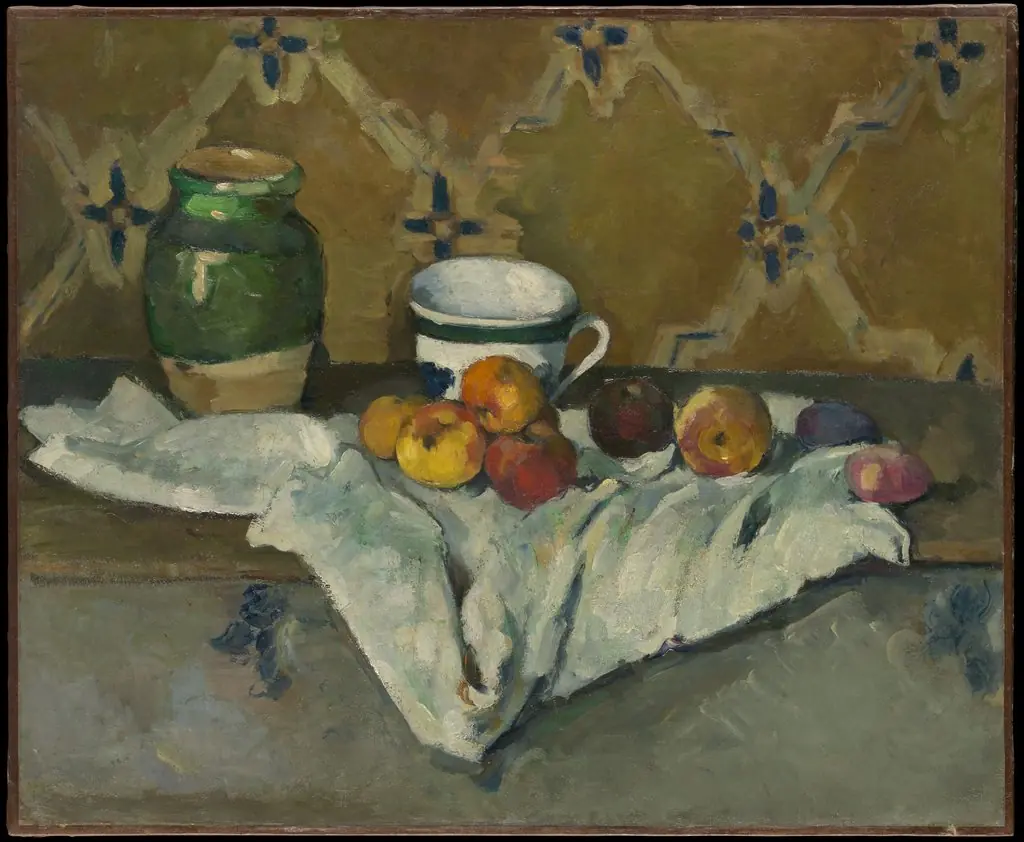 Still Life with Jar, Cup, and Apples
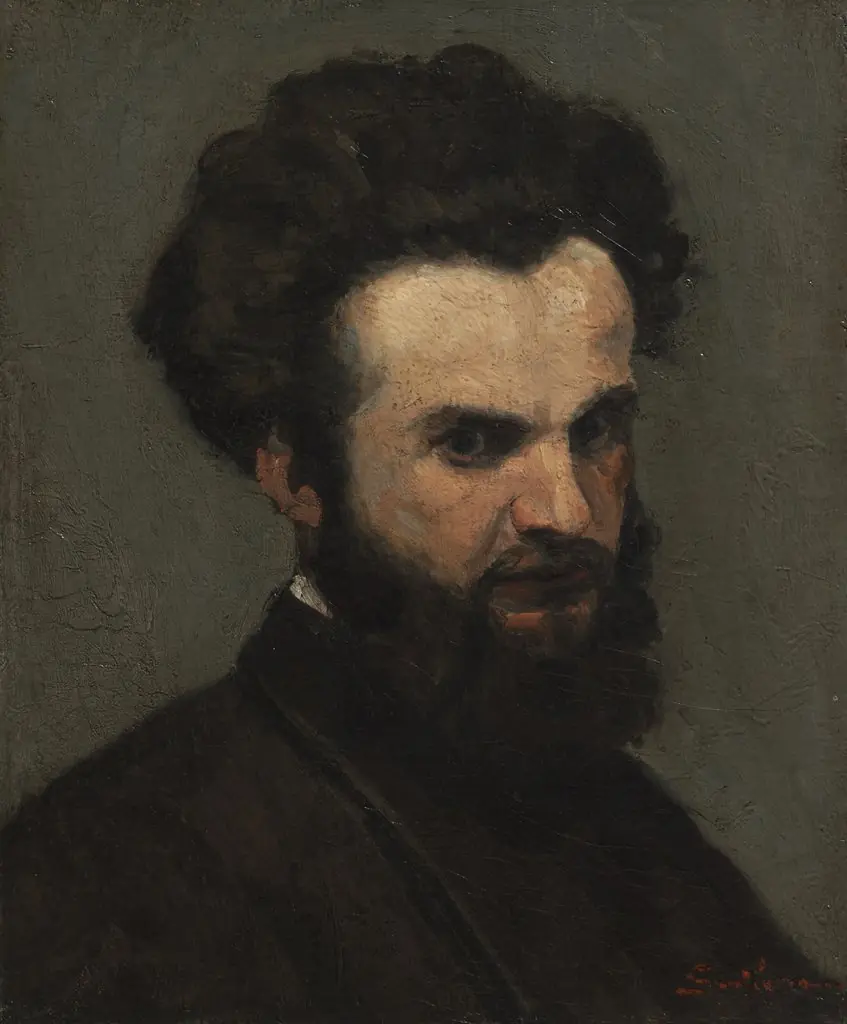 Self-Portrait
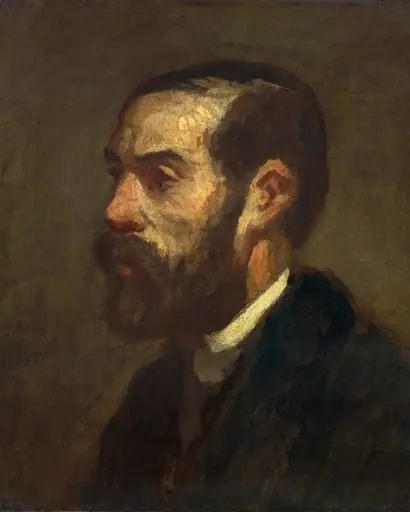 Hippolyte Lavoignat
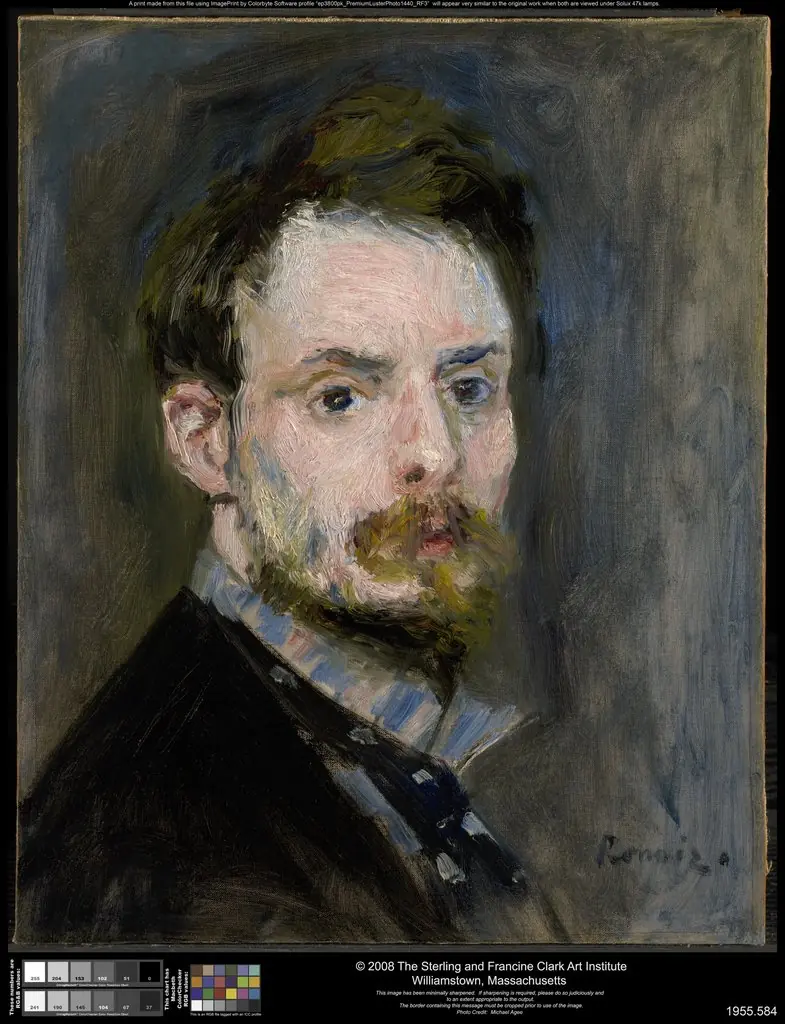 Self-Portrait
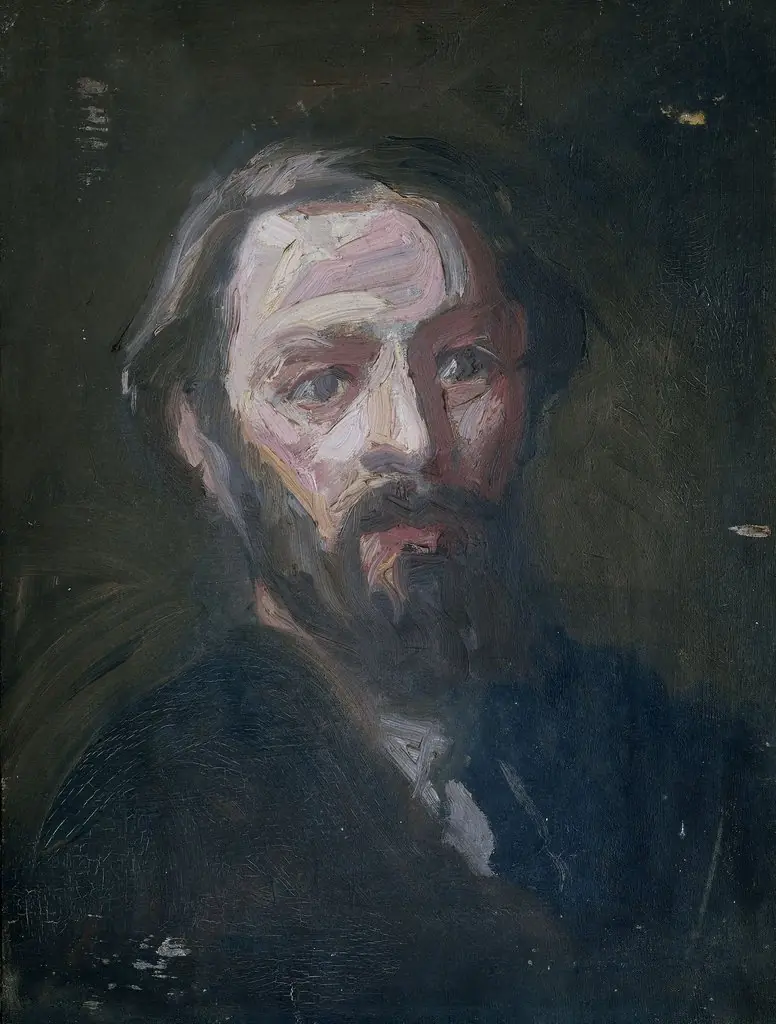 Portret van de beeldhouwer Pier Pander (1864-1919)
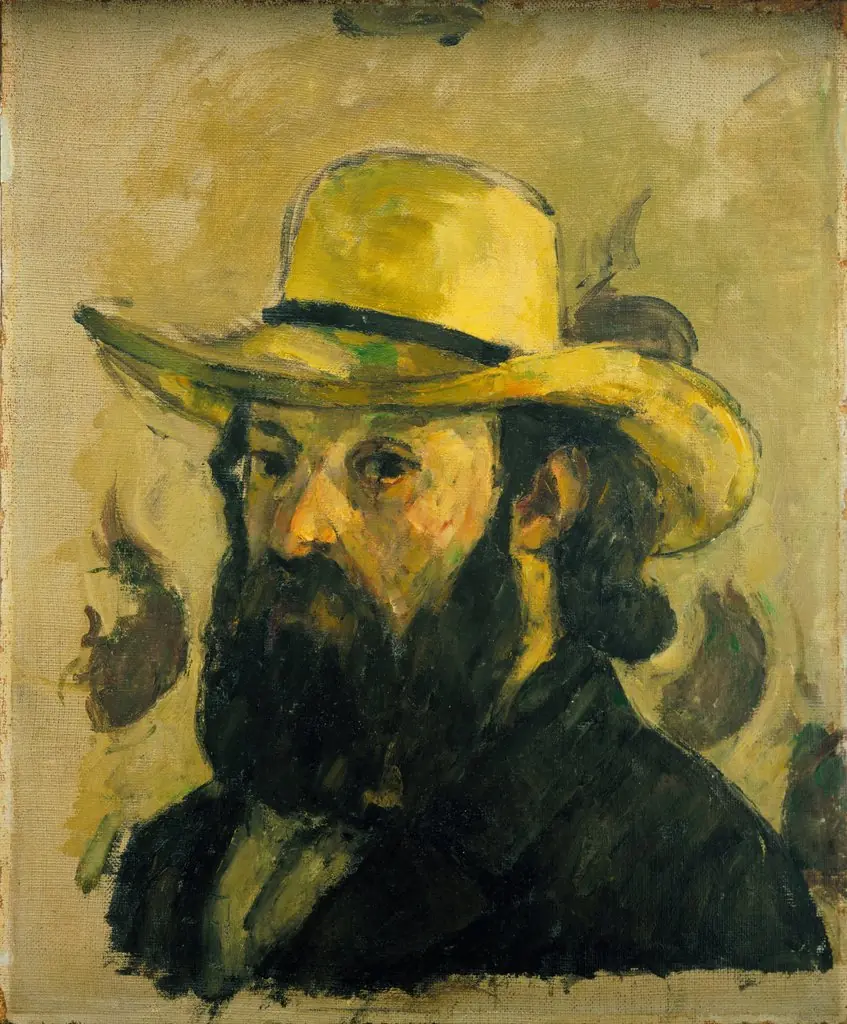 Self-Portrait in a Straw Hat
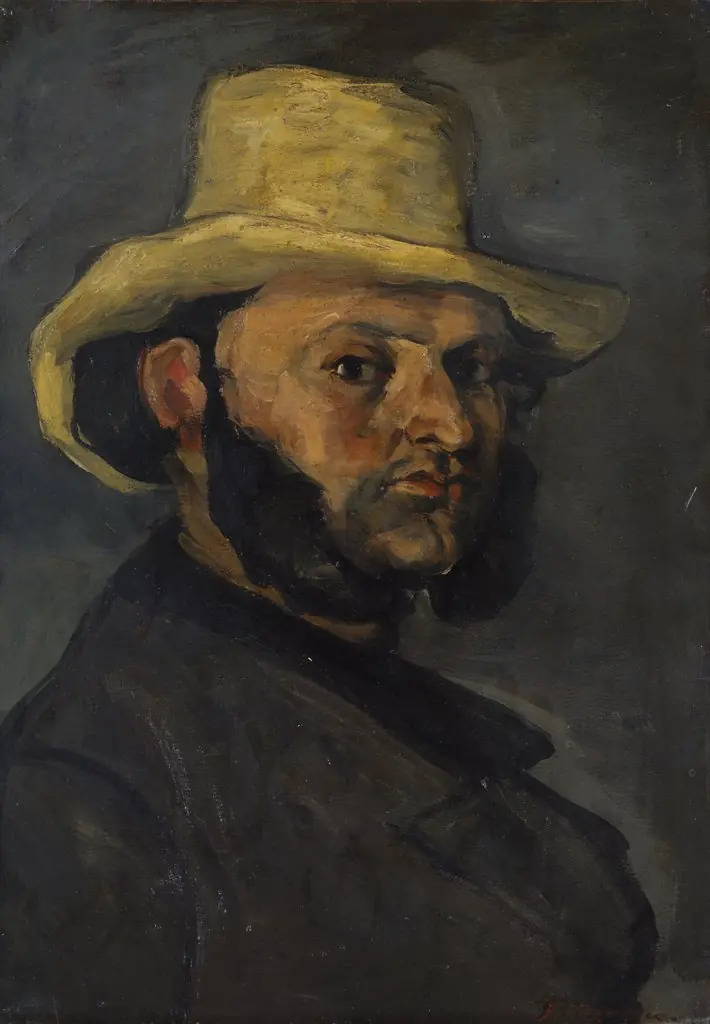 L'Homme au chapeau de paille (Gustave Boyer in a Straw Hat)
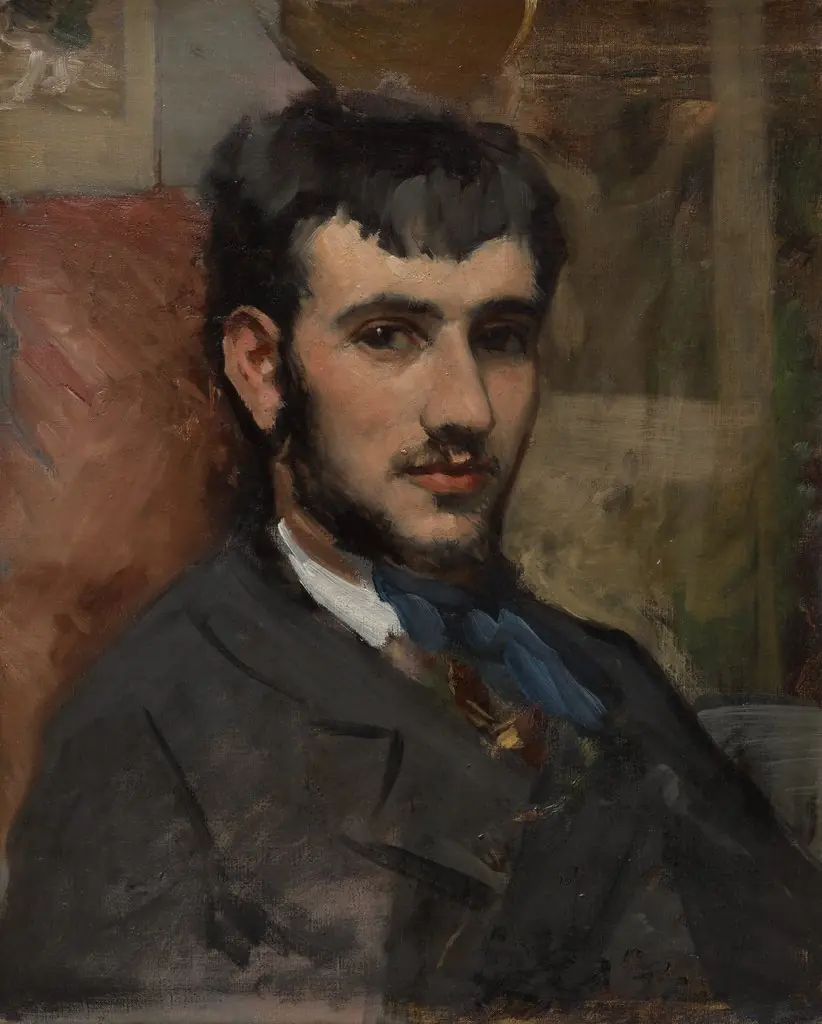 Portrait of Renoir
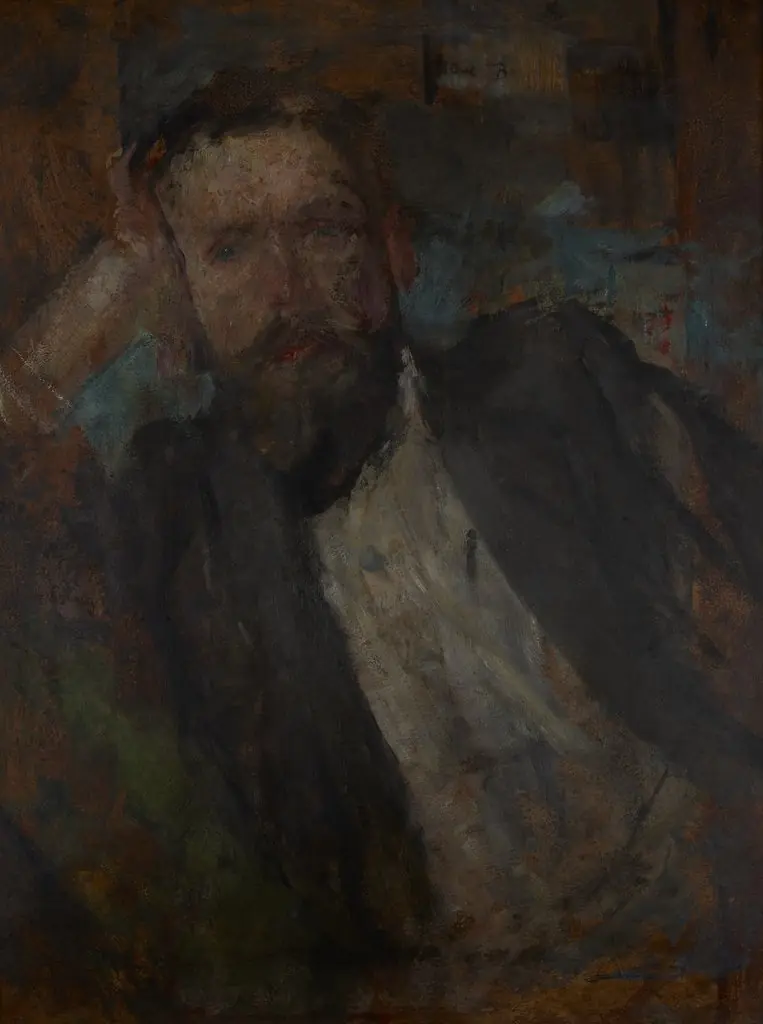 Male Portrait – two-sided painting
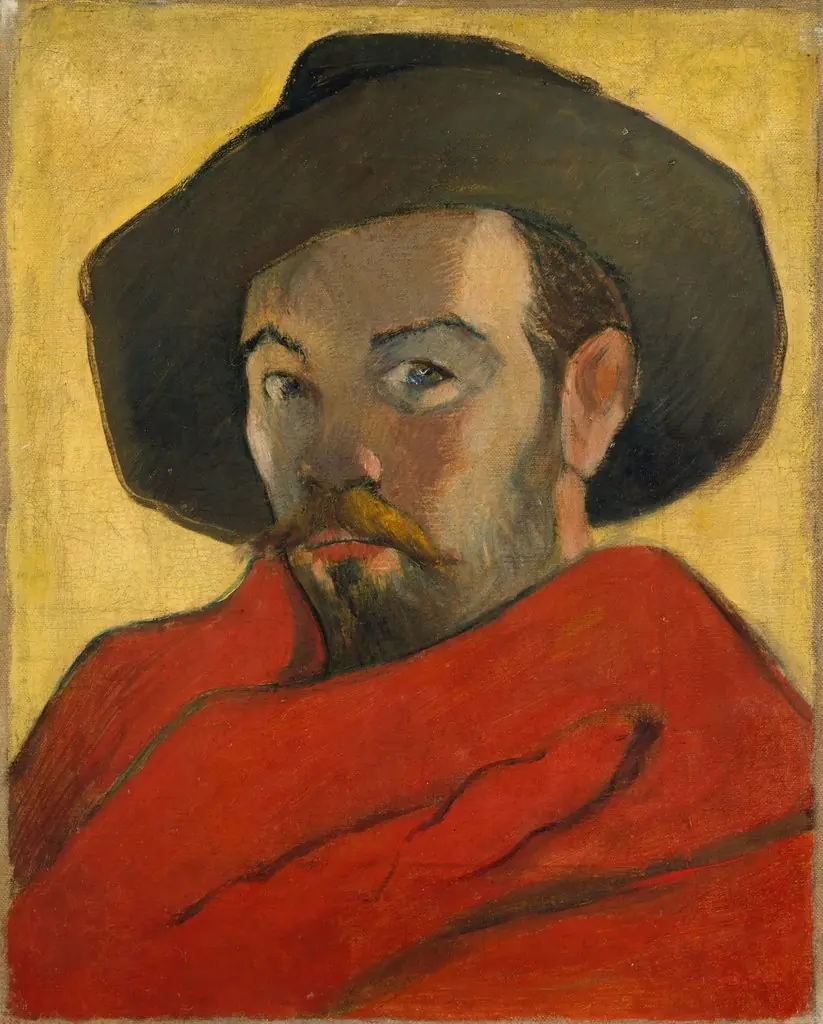 Captain Swaton
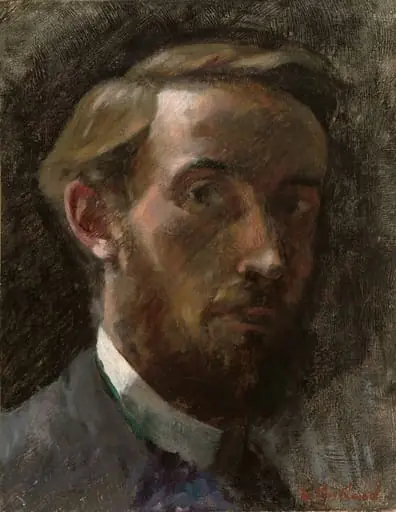 Self-Portrait, Aged 21
 Portrait of the French painter Alfred Guillou
 Antony Valabrègue