Artwork
Sainte-Victoire mefta
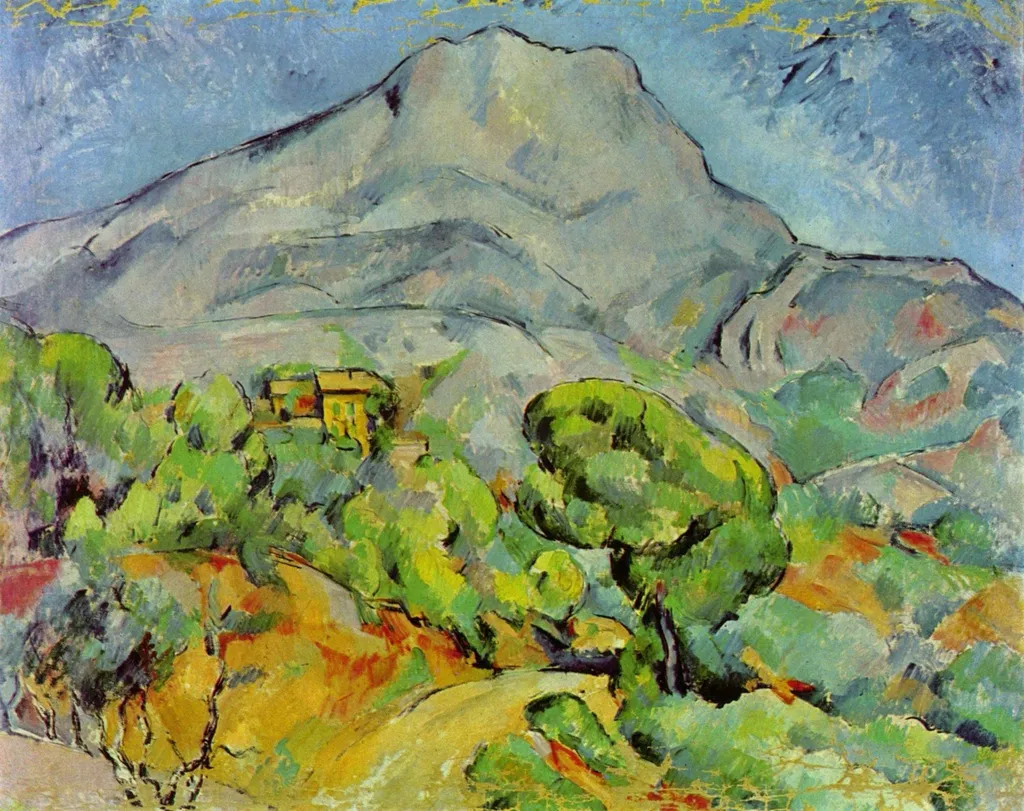
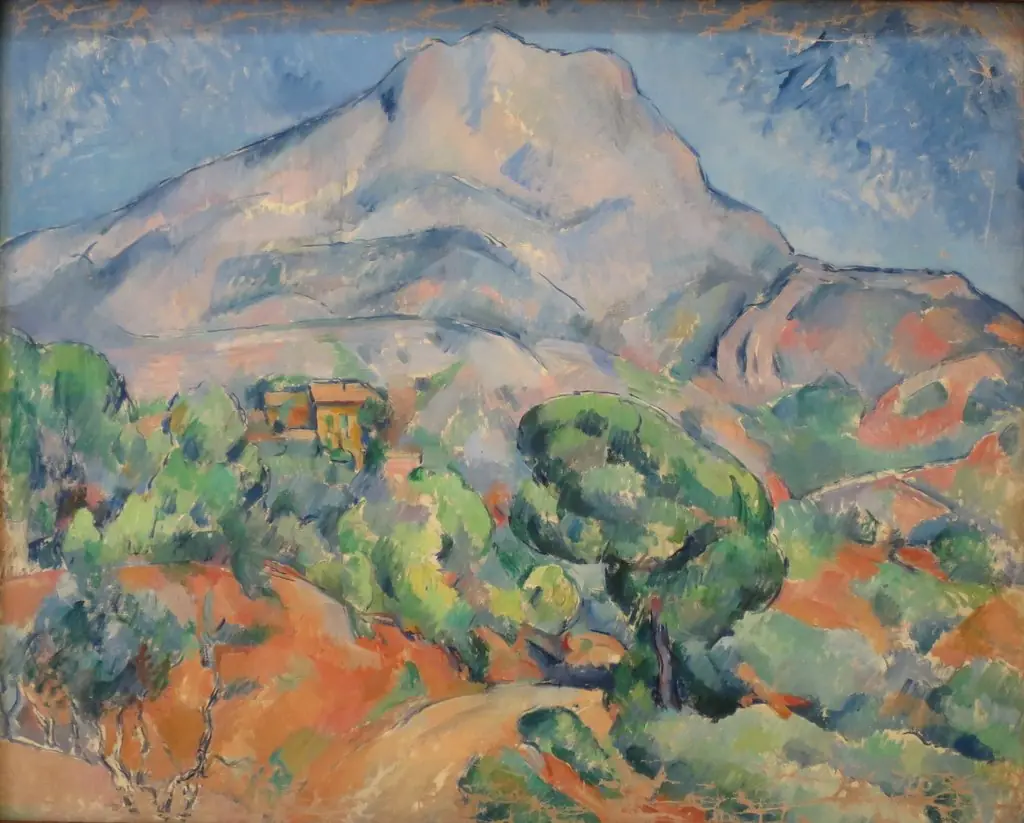
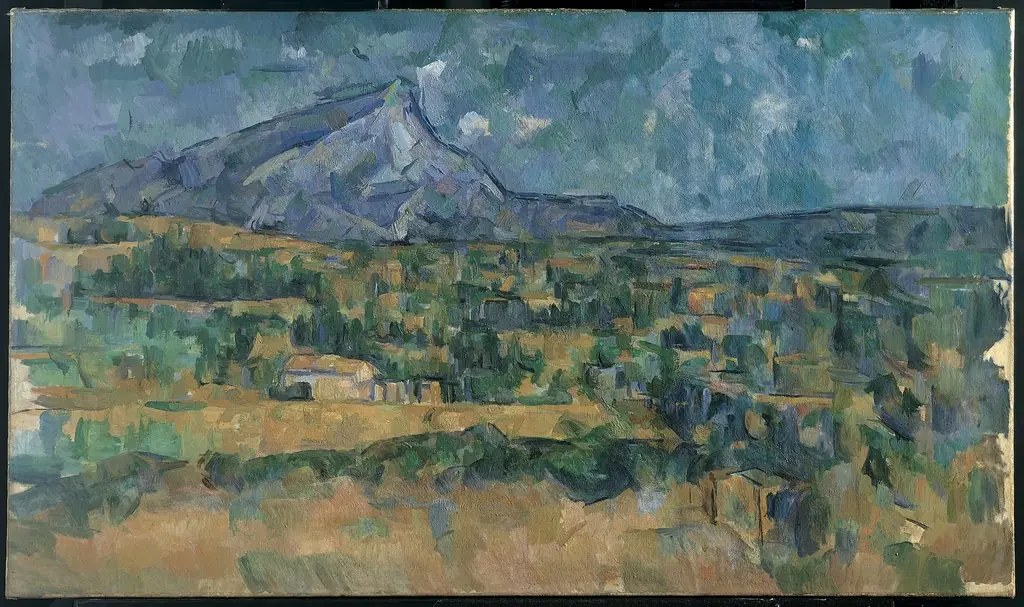
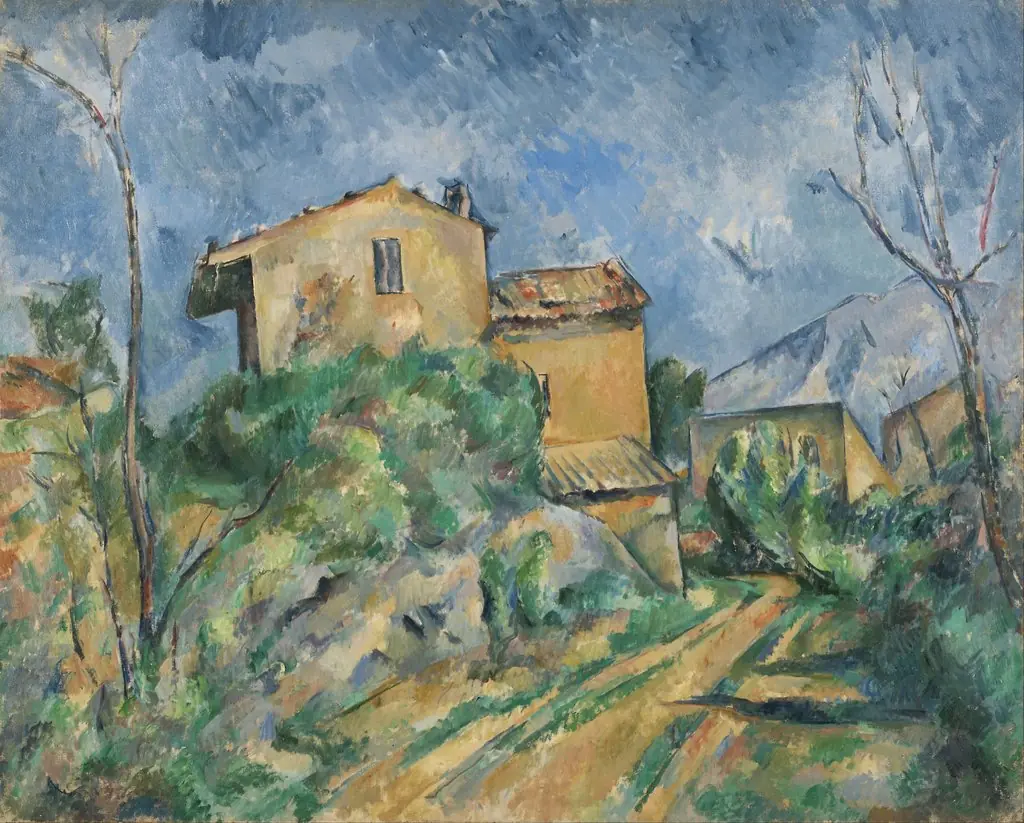
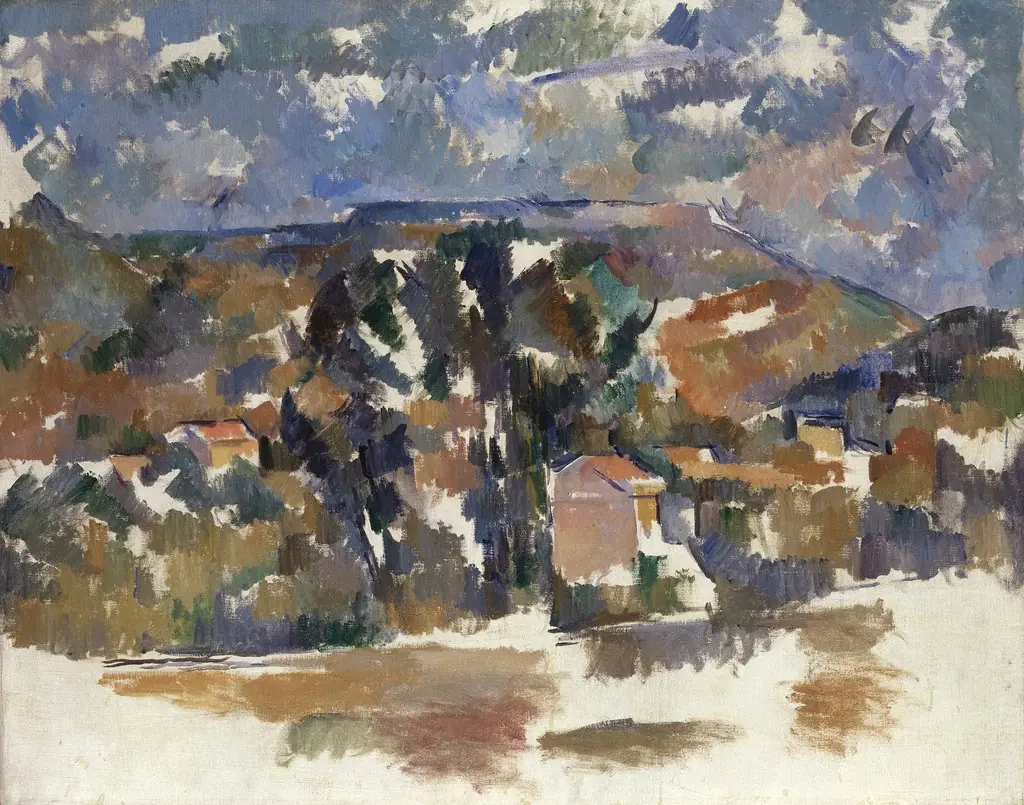
Sainte-Victoire mefta is an unspecified painting by Paul Cezanne. It dates from 1882 and is held in the collection of the Hermitage Museum.
About this work
Overview
Sainte-Victoire mefta, painted by Paul Cézanne circa 1882, exemplifies his transitional role in Post-Impressionism, laying groundwork for Cubism through innovative form and color handling.
Subject & Meaning
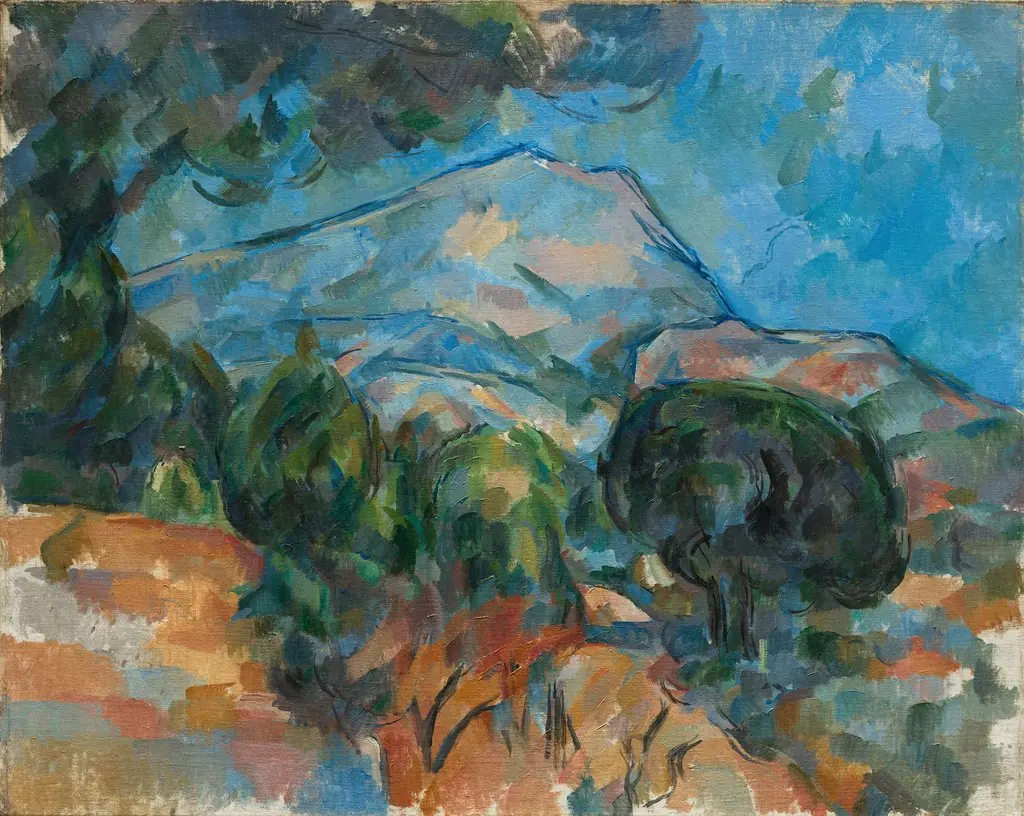
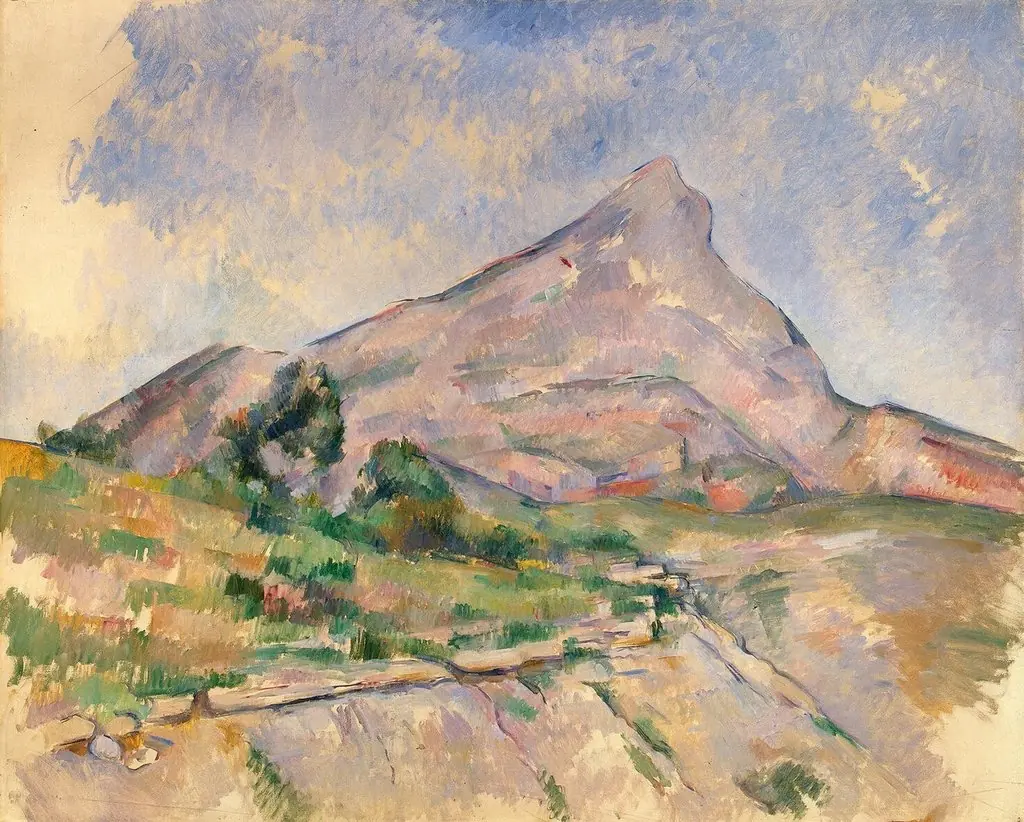
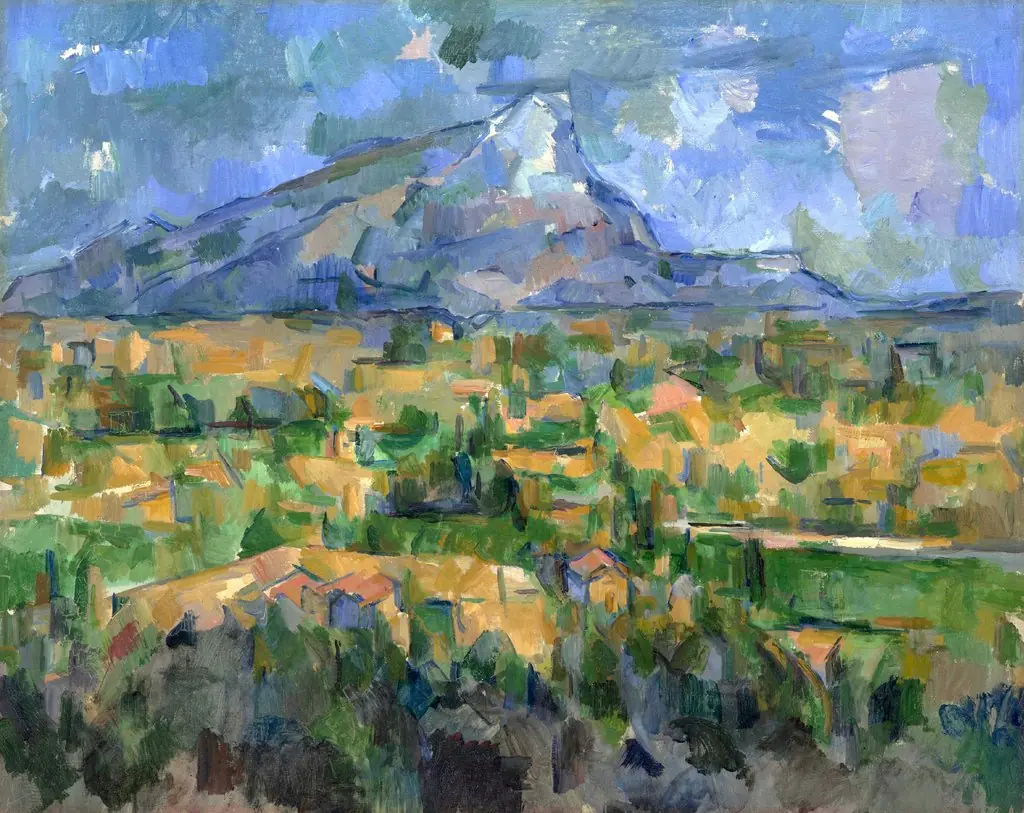
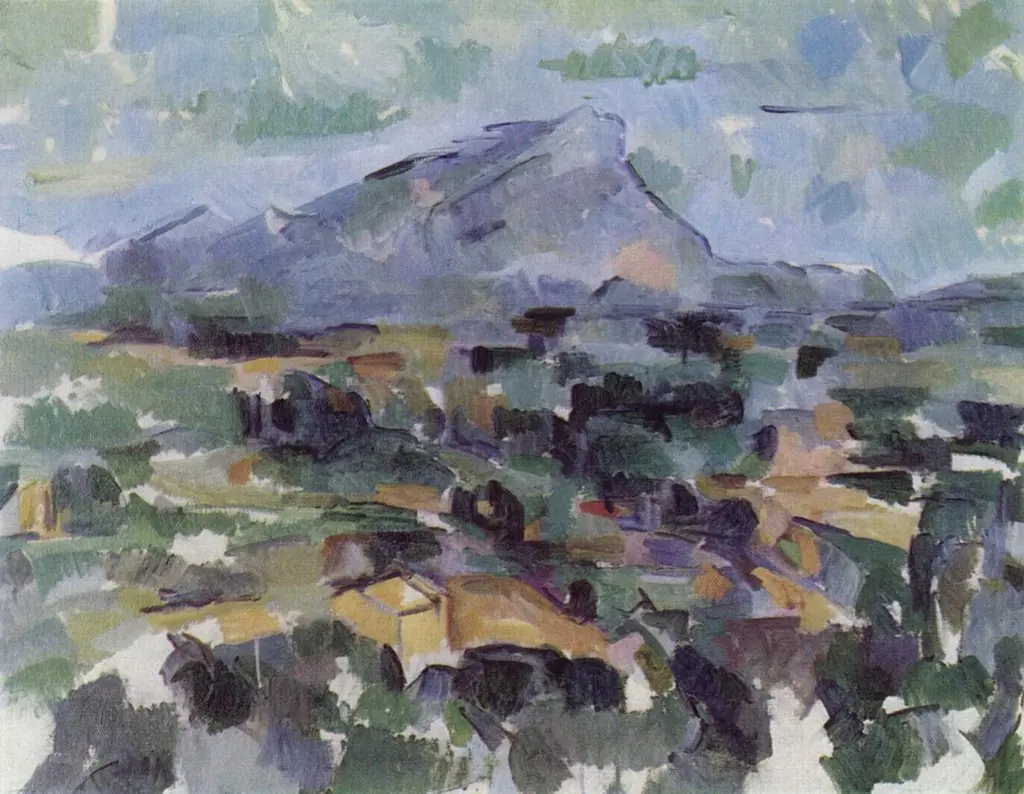
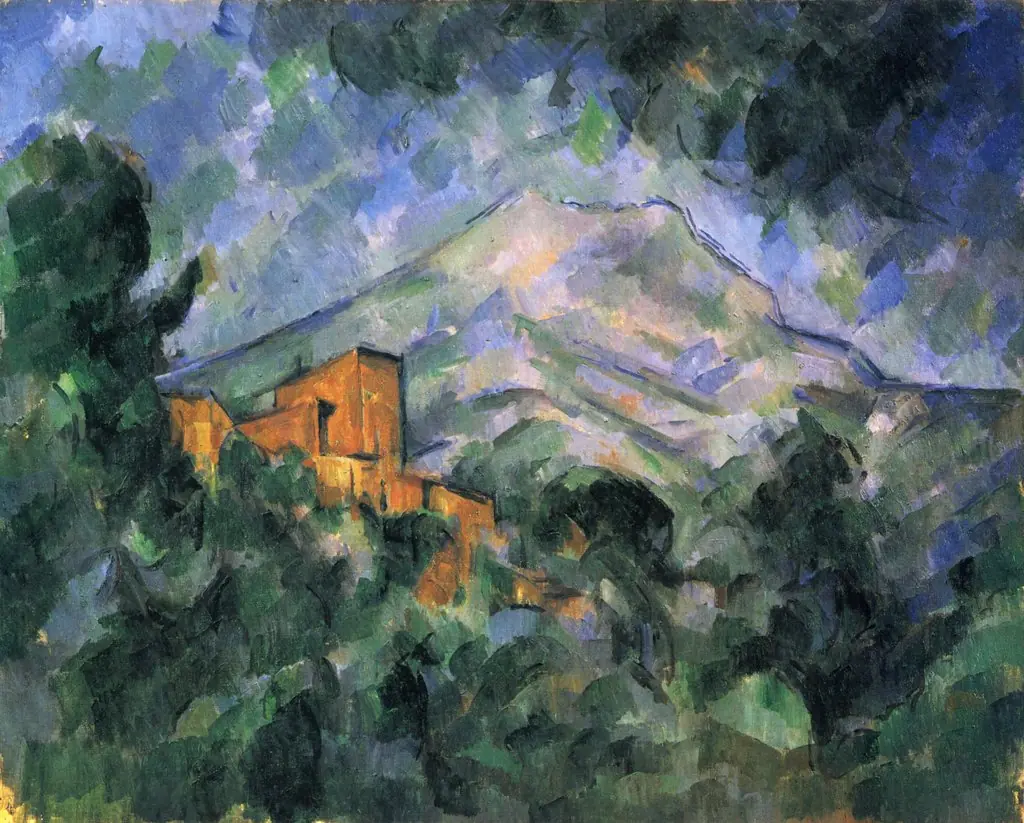
The painting captures Montagne Sainte-Victoire, a frequent subject in Cézanne's later work, emphasizing geometric simplification of natural forms.
Technique & Style
Visible, layered brushstrokes create a textured, expressive landscape. Bold strokes in varied greens, accented with yellow and red, set the mountain against a blue sky, imbuing the scene with depth and emotional resonance.
History & Provenance
No specific provenance or exhibition history provided for this particular work, though it aligns with Cézanne's prolific output of Sainte-Victoire depictions in the early 1880s.
Context
Created during a pivotal moment in Cézanne's career, Sainte-Victoire mefta reflects his shift towards more structured, abstracted representations of nature, influencing the development of early 20th-century art movements.
Legacy
As part of Cézanne's oeuvre, the painting contributes to his legacy as a bridge between Impressionism and Cubism, though its individual impact within his corpus is not distinctly highlighted.
Own this work as a print
Artist & collection
Artist
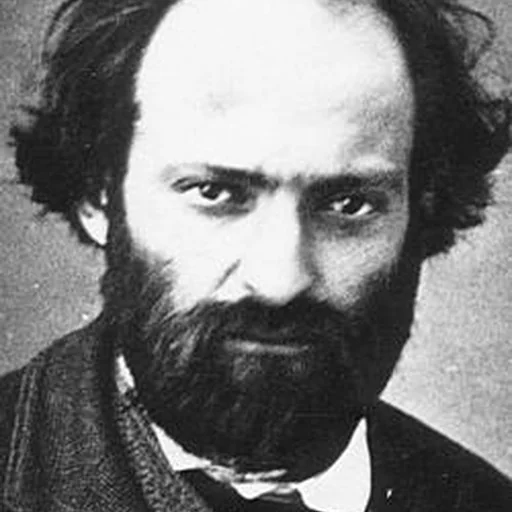
Paul Cézanne was born on January 19, 1839, in Aix-en-Provence, the son of a hatter turned wealthy banker.

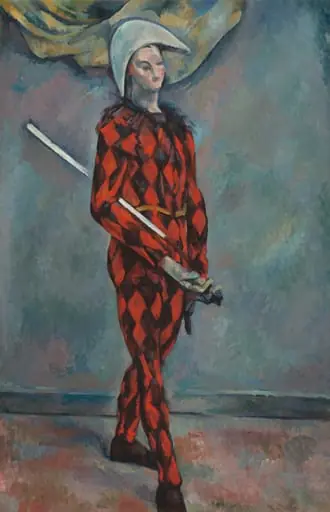 Harlequin
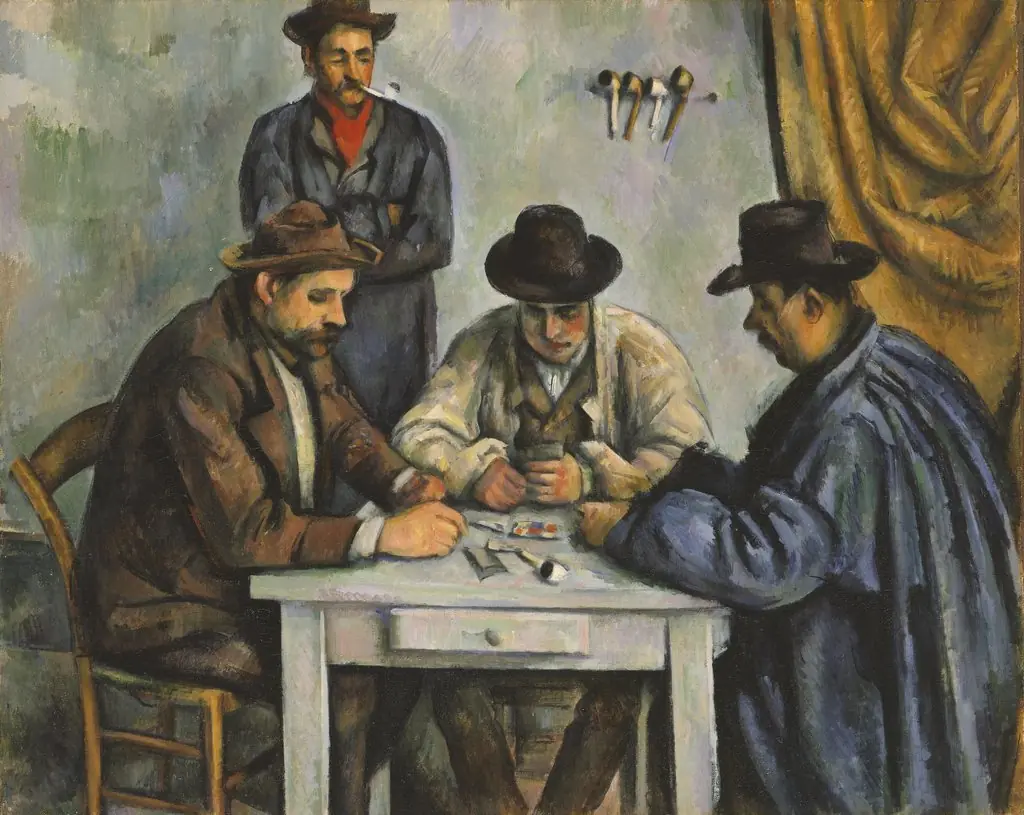 The Card Players
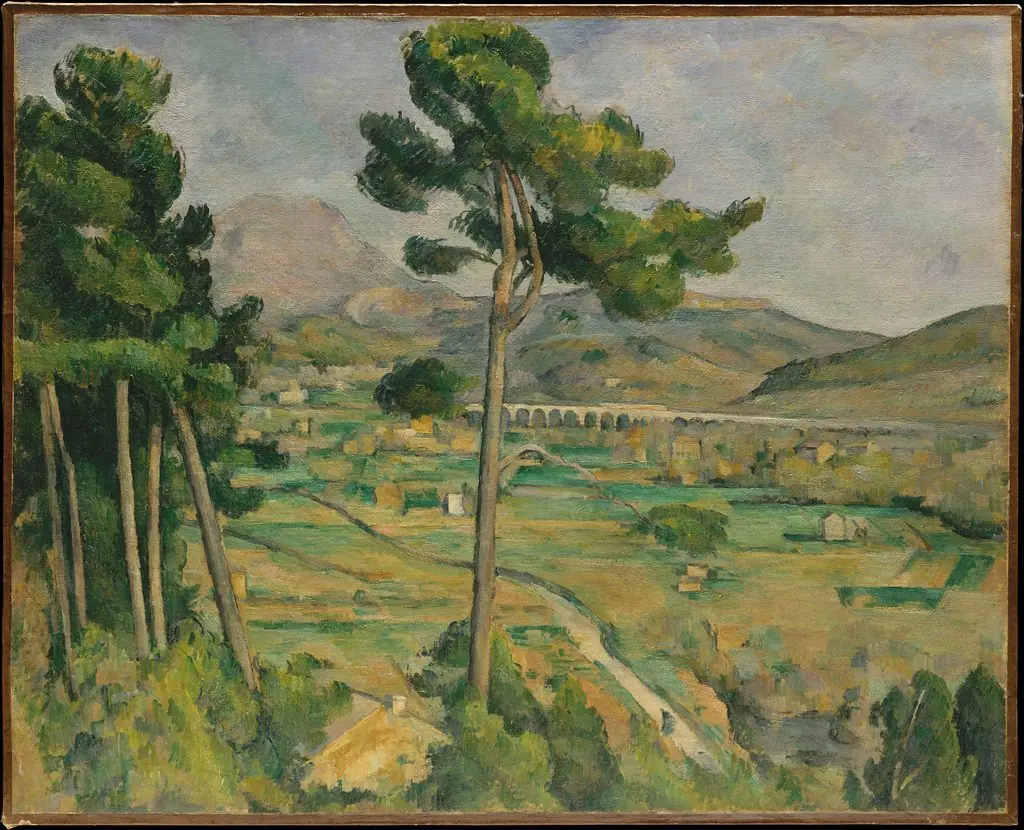 Mont Sainte-Victoire and the Viaduct of the Arc River Valley
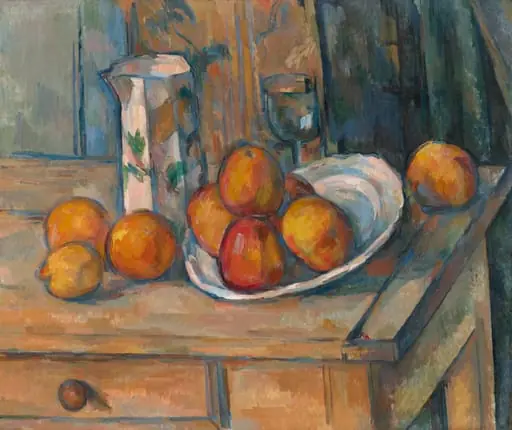 Still Life with Milk Jug and Fruit
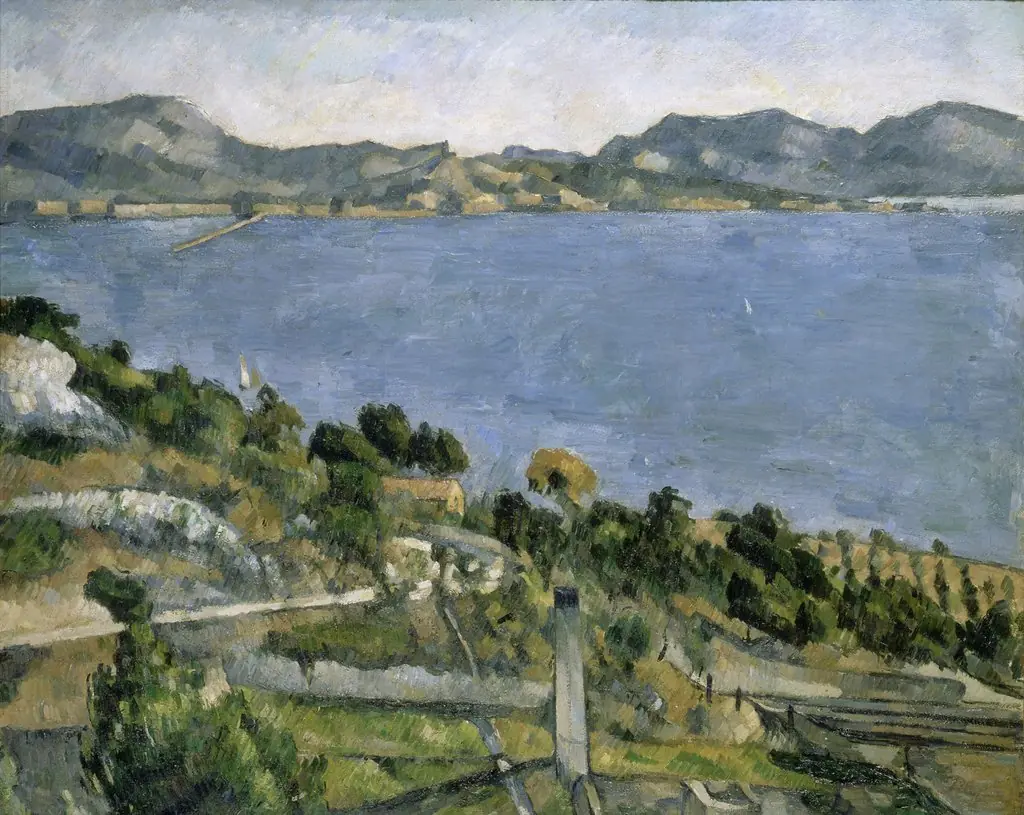 Le Golfe de Marseille vu de l'Estaque (The Gulf of Marseille Seen from L'Estaque)
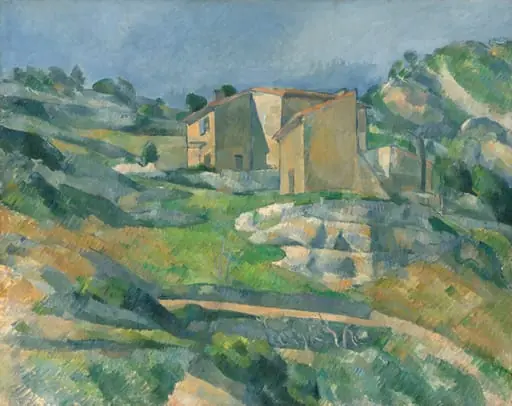 Houses in Provence: The Riaux Valley near L'Estaque
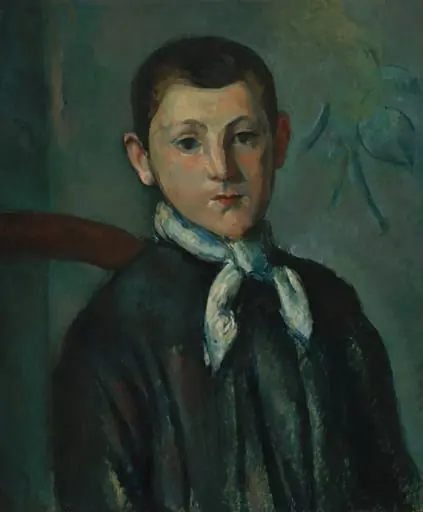 Louis Guillaume
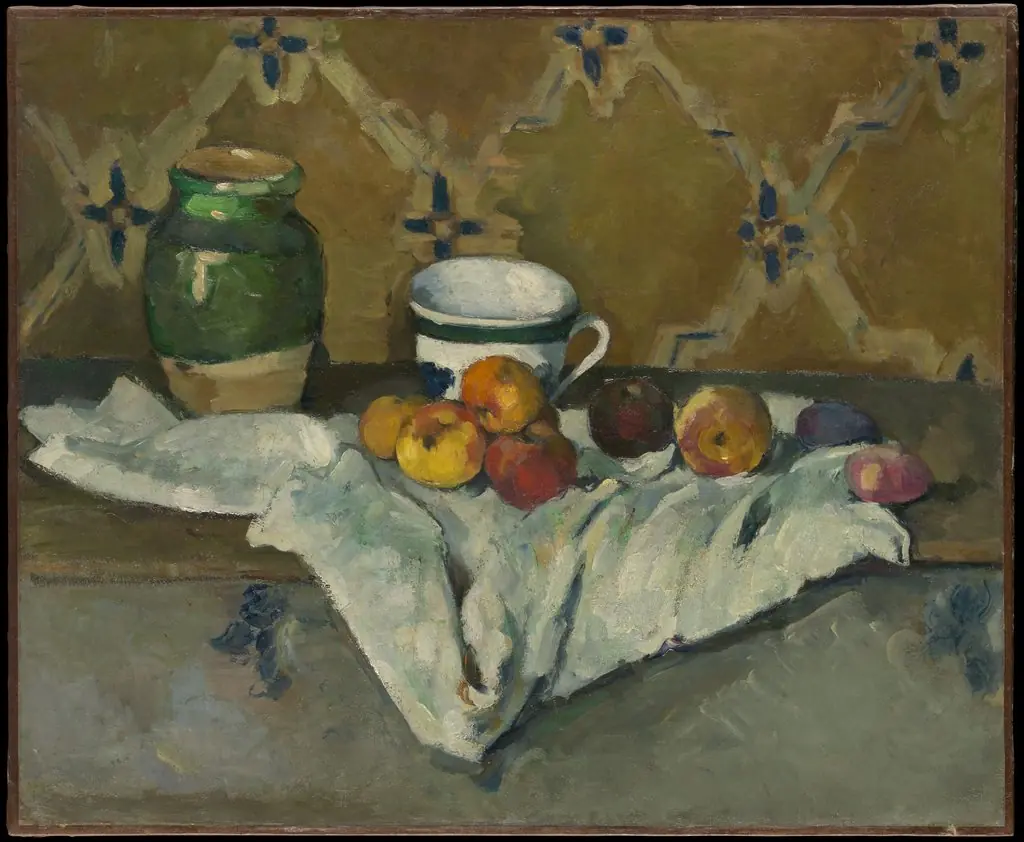 Still Life with Jar, Cup, and Apples