Artwork
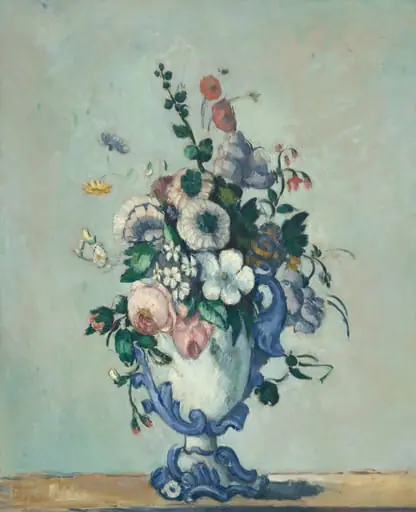
Fleurs dans un vase rouge
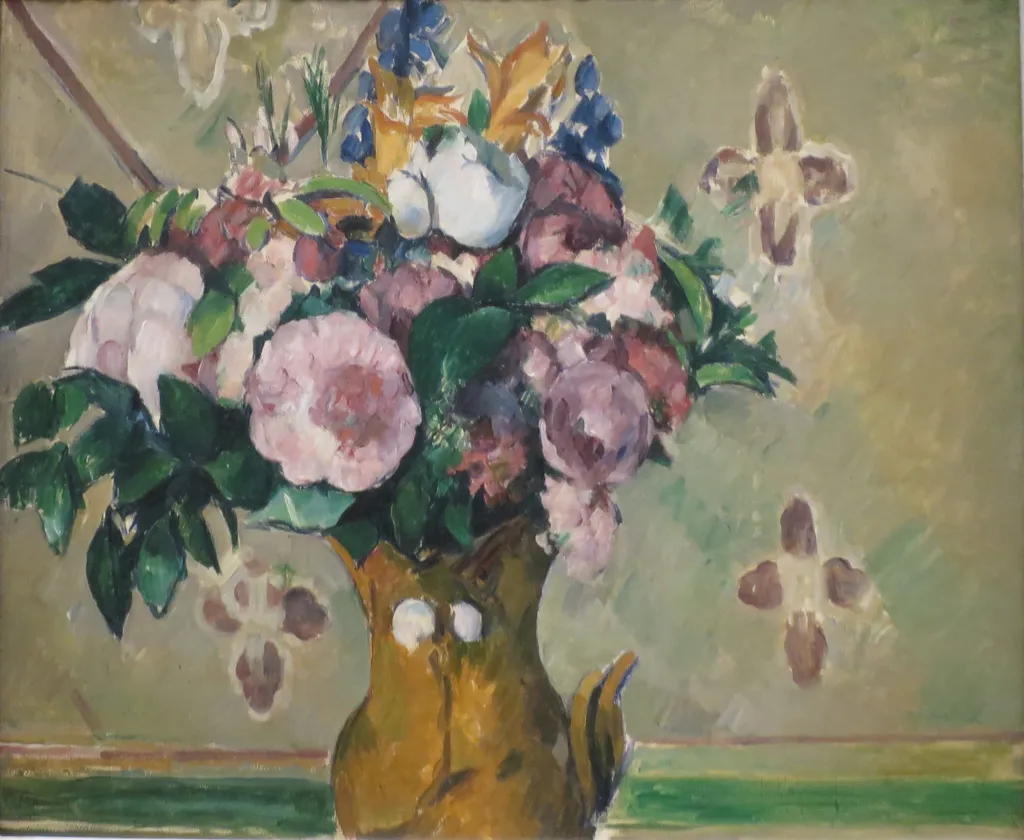
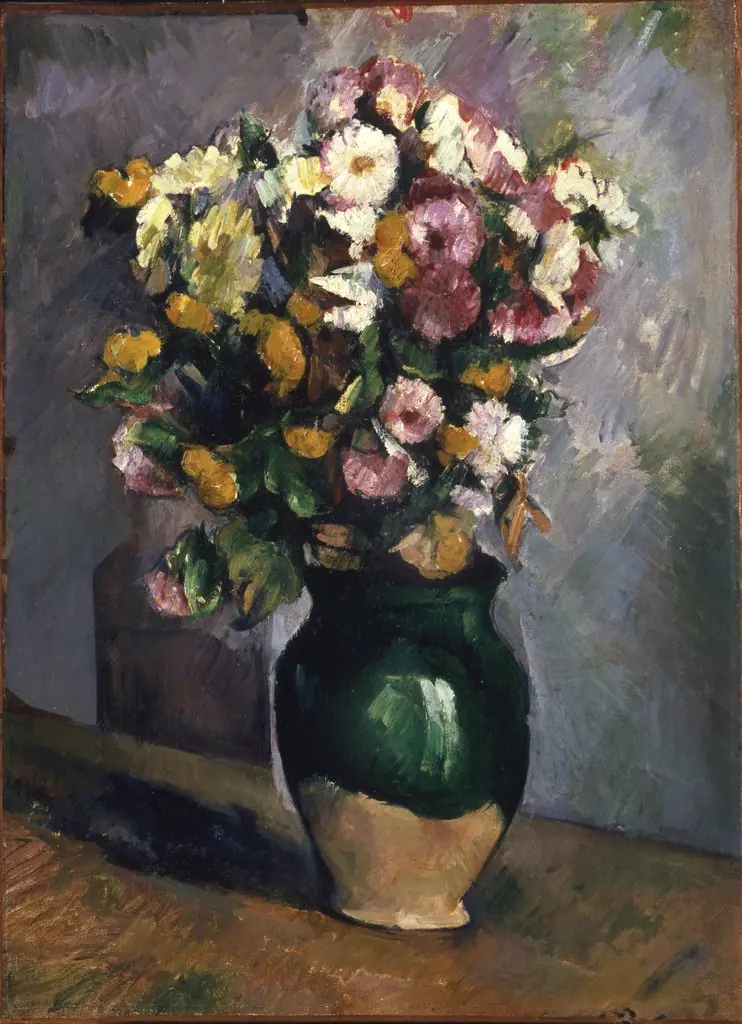
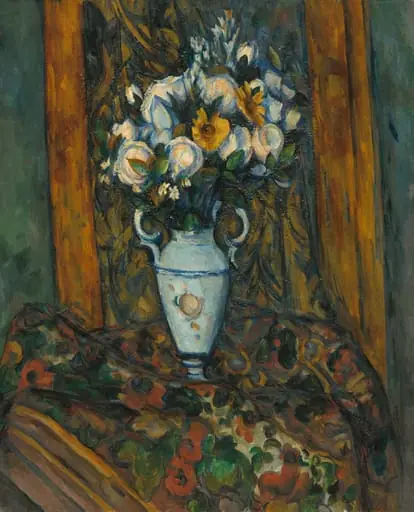
Fleurs dans un vase rouge is an oil painting by the Post-Impressionist artist Paul Cezanne. It dates from 1890 and is held in the collection of the Norton Simon Museum.
About this work
Overview
It belongs to a series of floral compositions he produced during his mature period, reflecting his evolving focus on structure and spatial relationships.
Painted in 1890, *Fleurs dans un vase rouge* is an oil on canvas still life by Paul Cézanne. It belongs to a series of floral compositions he produced during his mature period, reflecting his evolving focus on structure and spatial relationships. The work exemplifies his move away from Impressionist spontaneity toward a more deliberate, analytical approach to form and color, laying groundwork for later modernist developments.
Subject & Meaning
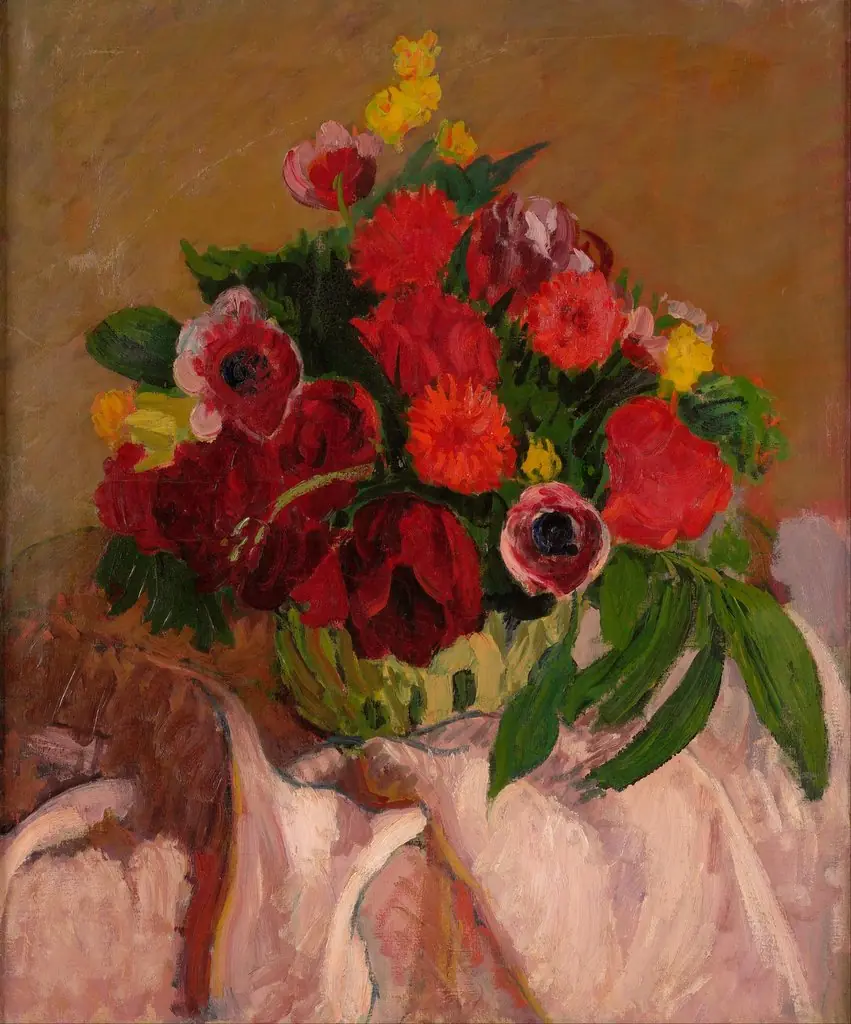
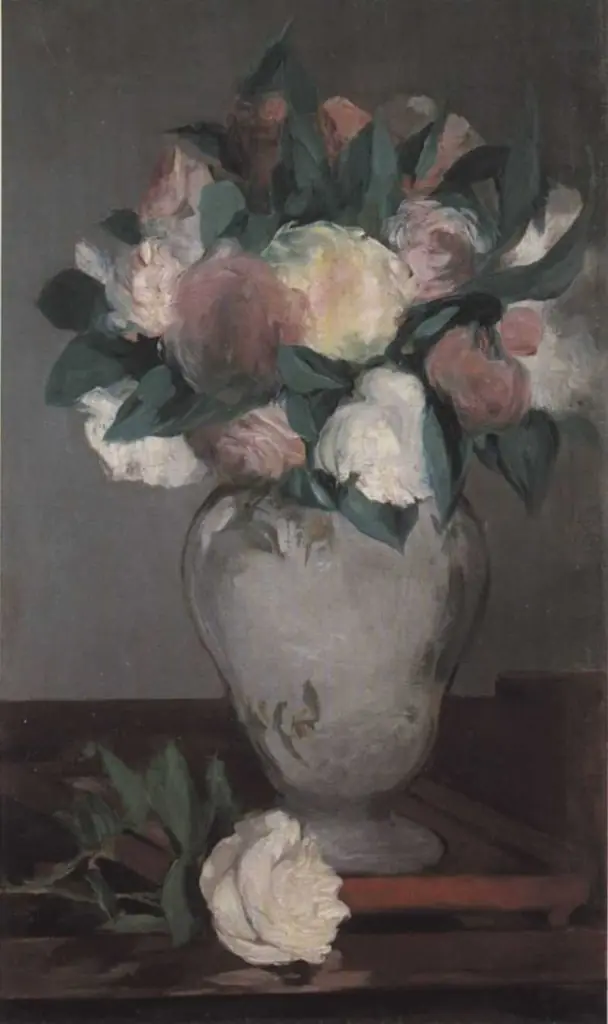
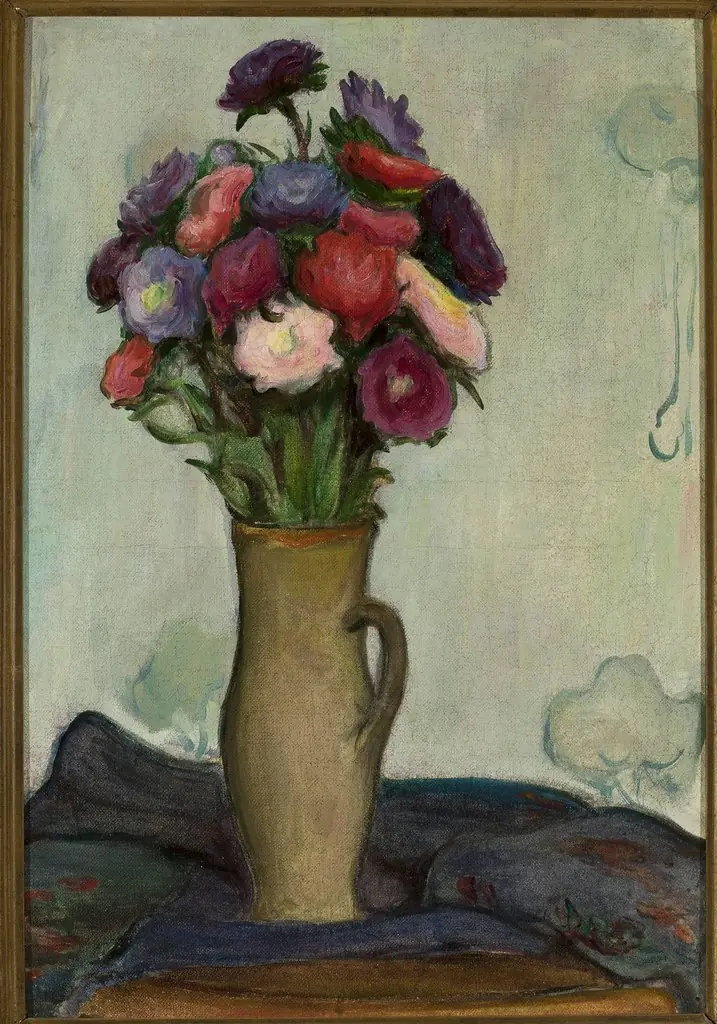
The painting presents a simple arrangement of flowers—pink, white, and yellow—spilling from a red vase onto a muted green surface. Rather than idealizing the bouquet, Cézanne treats it as a study of volume and placement. The informal, almost casual spill suggests impermanence, aligning with his interest in capturing the quiet, enduring presence of everyday objects rather than their decorative appeal.
Technique & Style
Cézanne applied oil paint with distinct, deliberate brushstrokes that build form through planes of color rather than blending. The visible texture and flattened perspective reject traditional modeling, emphasizing the surface of the canvas. Each petal, leaf, and vase contour is constructed through modulated hues, revealing his method of translating observed reality into geometrically ordered compositions.
History & Provenance
Created during Cézanne’s time in Aix-en-Provence, the painting remained in private collections until acquired by the Norton Simon Museum in the 20th century. Its documented history reflects the growing recognition of Cézanne’s late work among collectors and institutions, particularly after his death in 1906, when his influence on modern art became more widely acknowledged.
Context
In the 1890s, Cézanne distanced himself from the fleeting effects favored by Impressionists, seeking instead to render nature through enduring structural principles. This still life emerged alongside his landscape and portrait studies, all part of a broader effort to reconcile sensory perception with compositional order. His work during this period directly influenced artists like Picasso and Braque.
Legacy
Though modest in scale, *Fleurs dans un vase rouge* exemplifies Cézanne’s contribution to the transition from 19th-century naturalism to 20th-century abstraction. His method of breaking forms into facets and using color to define space became foundational to Cubism and subsequent modern movements. The painting remains a quiet but pivotal reference in the history of artistic innovation.
Own this work as a print
Artist & collection
Artist
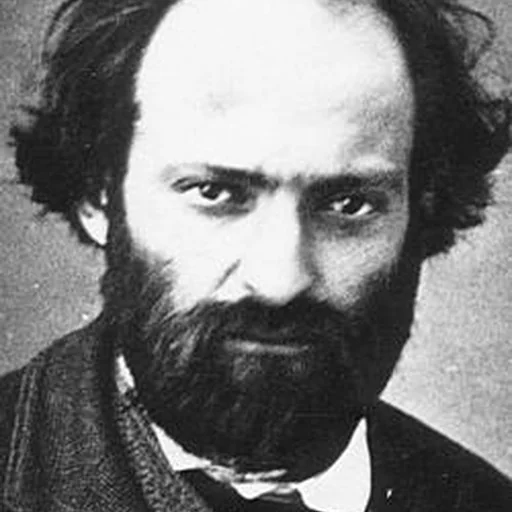
Paul Cézanne was born on January 19, 1839, in Aix-en-Provence, the son of a hatter turned wealthy banker.

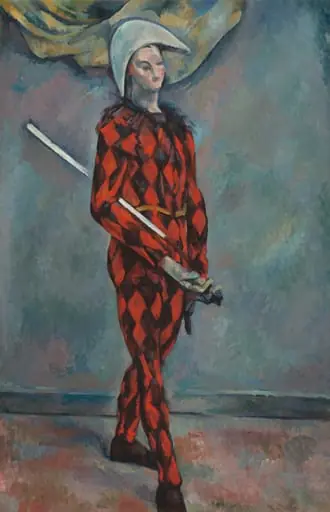 Harlequin
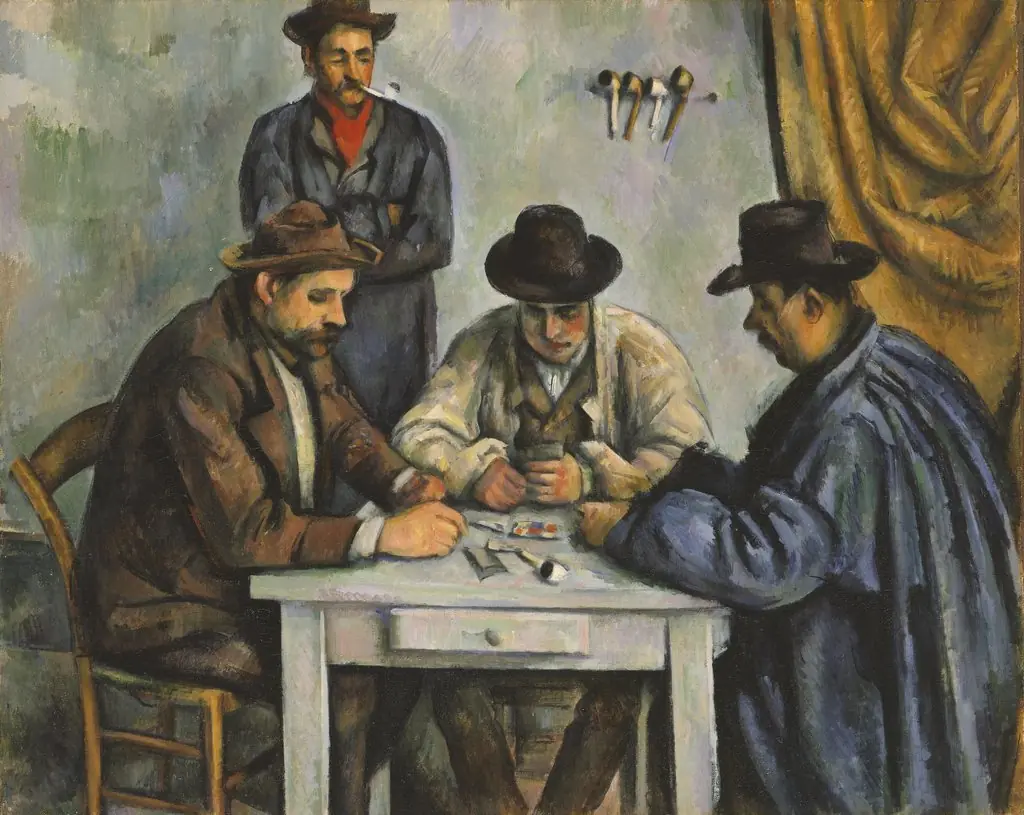 The Card Players
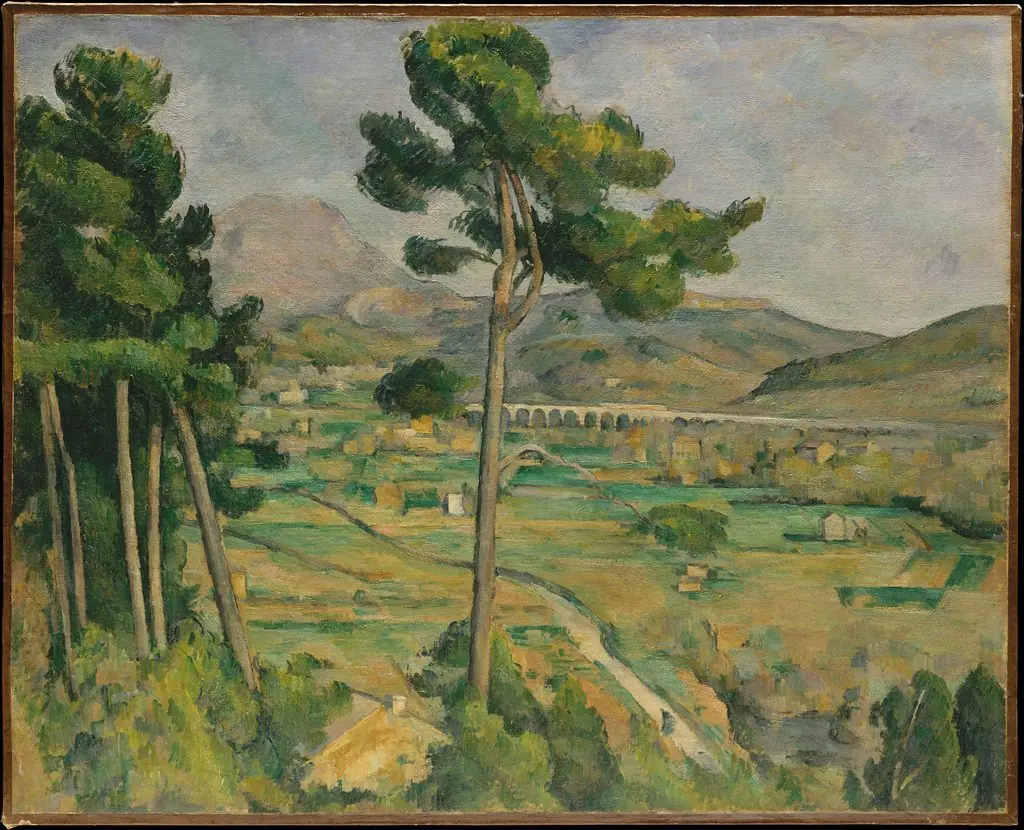 Mont Sainte-Victoire and the Viaduct of the Arc River Valley
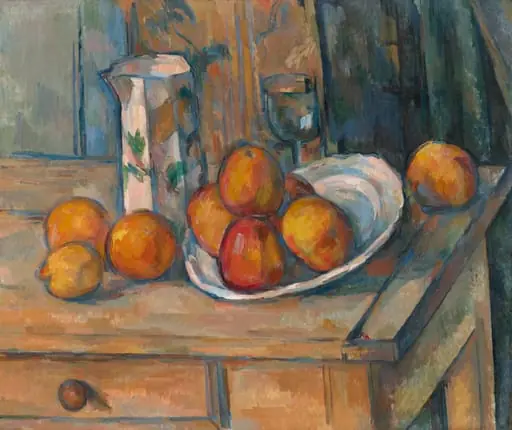 Still Life with Milk Jug and Fruit
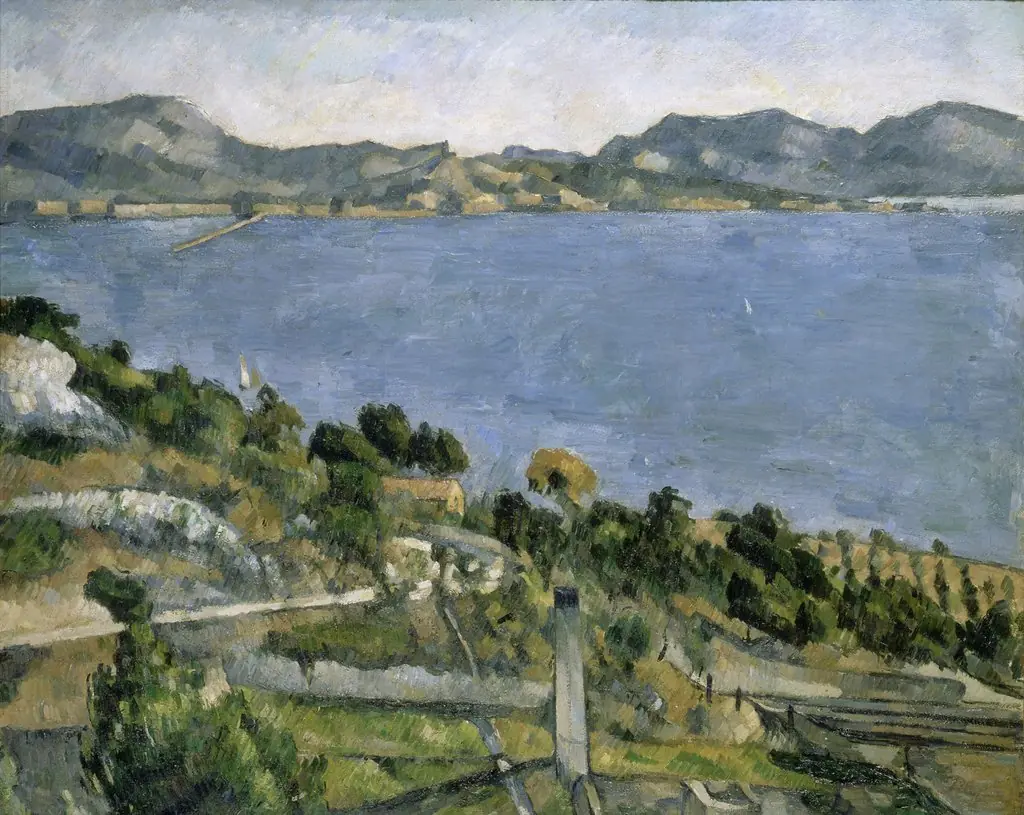 Le Golfe de Marseille vu de l'Estaque (The Gulf of Marseille Seen from L'Estaque)
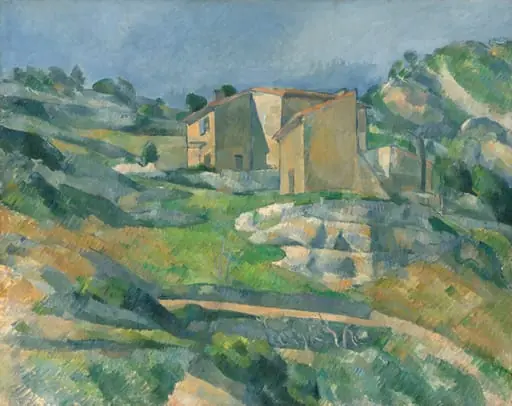 Houses in Provence: The Riaux Valley near L'Estaque
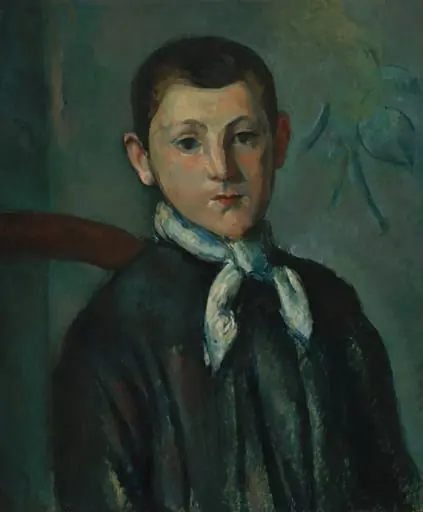 Louis Guillaume
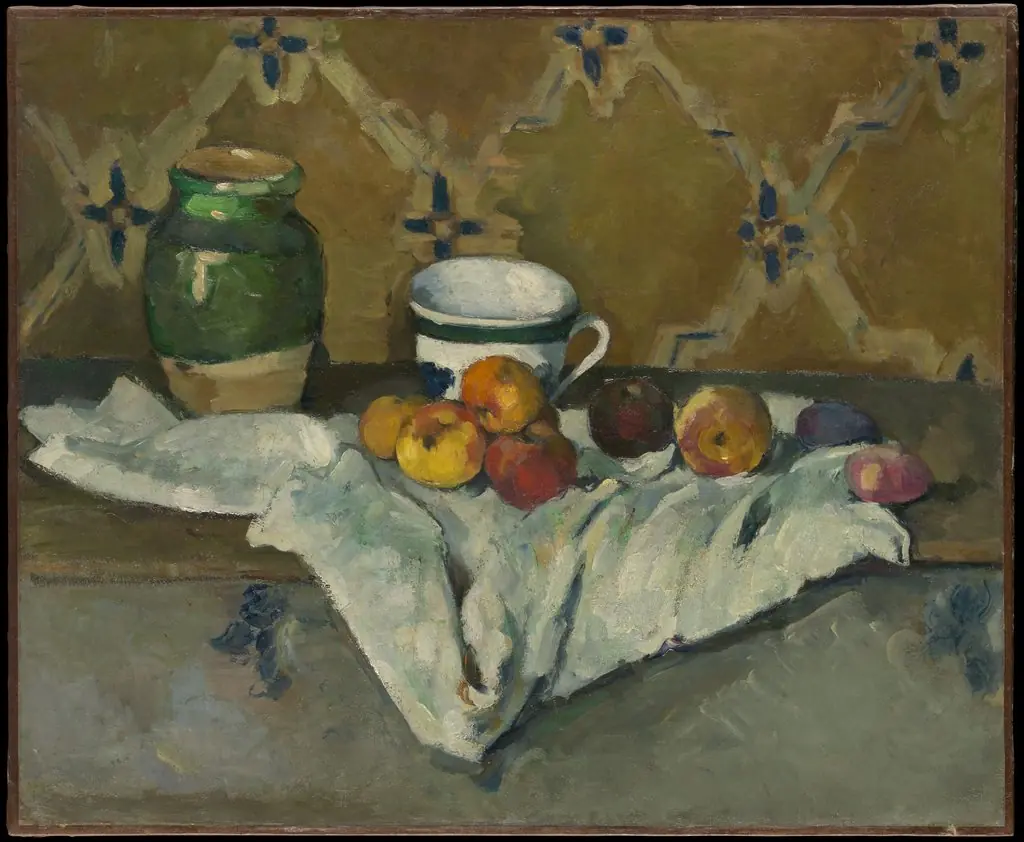 Still Life with Jar, Cup, and Apples