Artwork
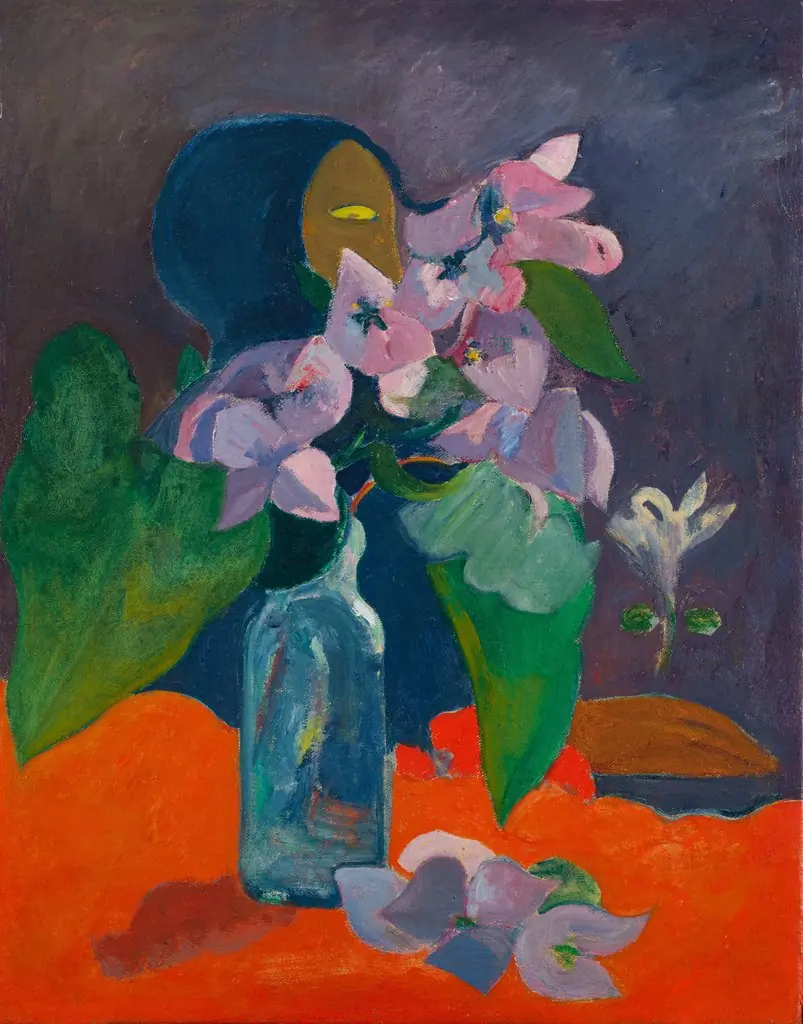
Still Life with Head-Shaped Vase and Japanese Woodcut
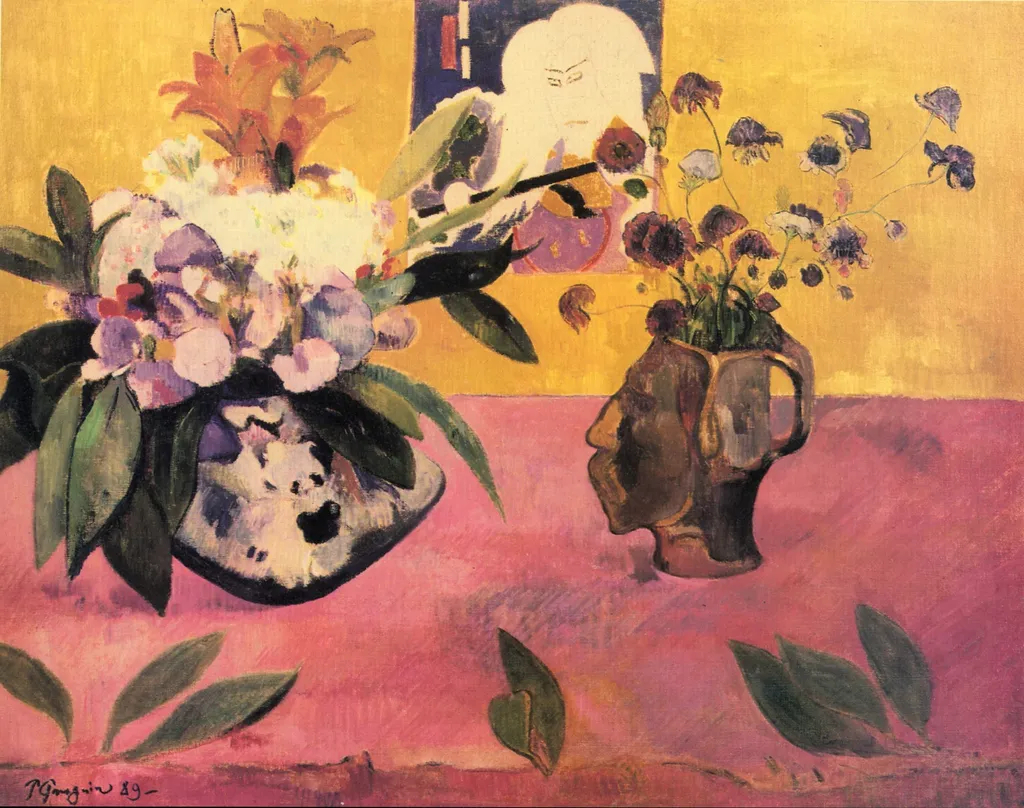
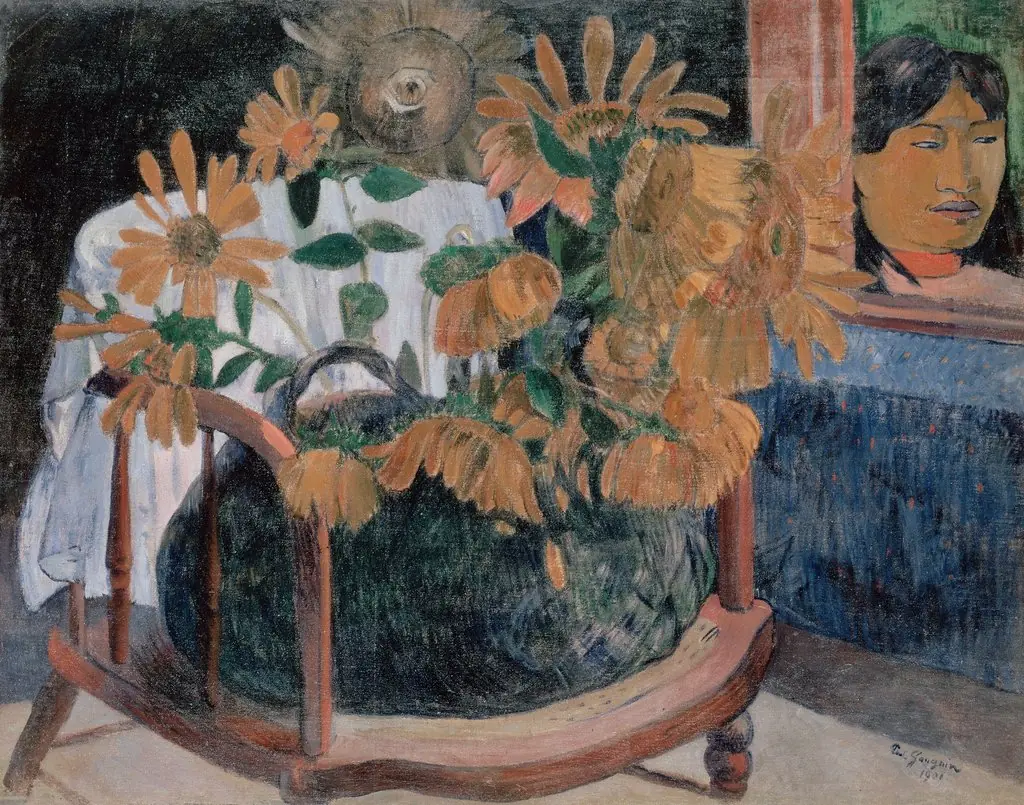
Still Life with Head-Shaped Vase and Japanese Woodcut is an oil painting by the Post-Impressionist artist Paul Gauguin. It dates from 1895 and is held in the collection of the Tehran Museum of Contemporary Art.
About this work
Overview
The scene is rendered in oil on canvas, with a restrained palette and flattened spatial depth characteristic of Gauguin’s post-impressionist phase.
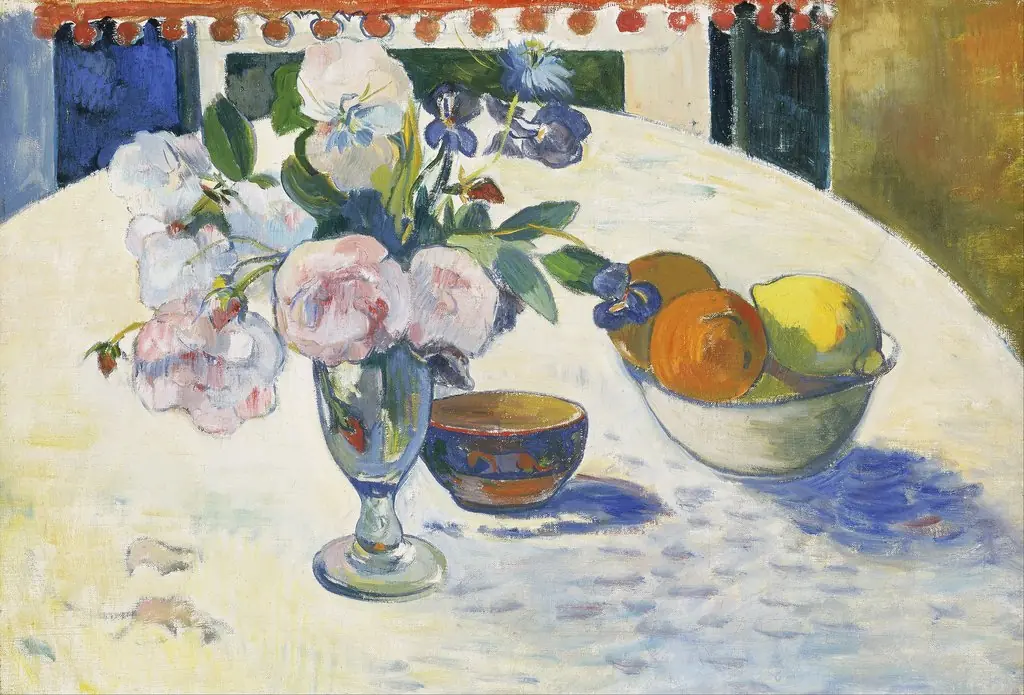
Painted in 1889, this still life by Paul Gauguin features a ceramic vase modeled after a human head, supporting a modest arrangement of flowers. Behind it, a Japanese woodblock print is mounted on the wall, framing the composition. The scene is rendered in oil on canvas, with a restrained palette and flattened spatial depth characteristic of Gauguin’s post-impressionist phase. The work reflects his interest in non-Western aesthetics and symbolic still life.
Subject & Meaning
The head-shaped vase suggests a quiet meditation on mortality or identity, while the Japanese print signals Gauguin’s engagement with ukiyo-e art, which he admired for its bold outlines and decorative economy. The flowers—purple, white, and green—lack overt symbolism but contribute to a contemplative mood. Together, the objects form a still life that prioritizes spiritual resonance over narrative, aligning with Gauguin’s broader search for meaning beyond European conventions.
Technique & Style
Gauguin employs thick, unblended strokes and simplified forms, rejecting naturalistic perspective in favor of flat planes and strong color contrasts. The yellow wall and pink table create an abstracted backdrop, enhancing the sculptural presence of the vase and print. The brushwork is deliberate yet loose, emphasizing texture over detail. This approach reflects his move toward Synthetism, where emotion and symbolic form override optical realism.
History & Provenance
The painting was completed during Gauguin’s time in France, shortly before his first trip to Tahiti. It entered the collection of the Museum of Contemporary Art in Tehran in the mid-20th century, likely through diplomatic or acquisition channels during a period of increased cultural exchange between Iran and European institutions. Its presence in Tehran underscores its international circulation beyond traditional Western collections.
Context
In the late 1880s, Gauguin was part of a broader European fascination with Japanese art, which influenced composition, color, and subject matter among avant-garde painters. His still lifes from this period often juxtapose Western objects with Eastern motifs, reflecting a desire to escape academic traditions. This painting sits within a series where everyday items become vessels for cross-cultural dialogue and personal introspection.
Legacy
Though less widely exhibited than his Tahitian works, this painting exemplifies Gauguin’s early synthesis of non-Western influences into European painting. It anticipates modernist tendencies toward abstraction and symbolic content. Its inclusion in Tehran’s collection highlights its role as a transnational artifact, contributing to global narratives of modern art beyond Eurocentric frameworks.
Own this work as a print
Artist & collection
Artist
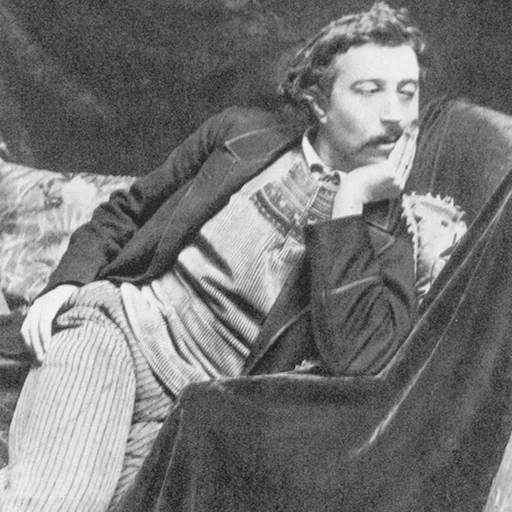
Eugène Henri Paul Gauguin (; French: ; 7 June 1848 – 8 May 1903) was a French painter, sculptor, printmaker, ceramist, and writer, whose work has been primarily associated with the Post-Impressionist and Symbolist movements.