Artwork
The Vase of Tulips
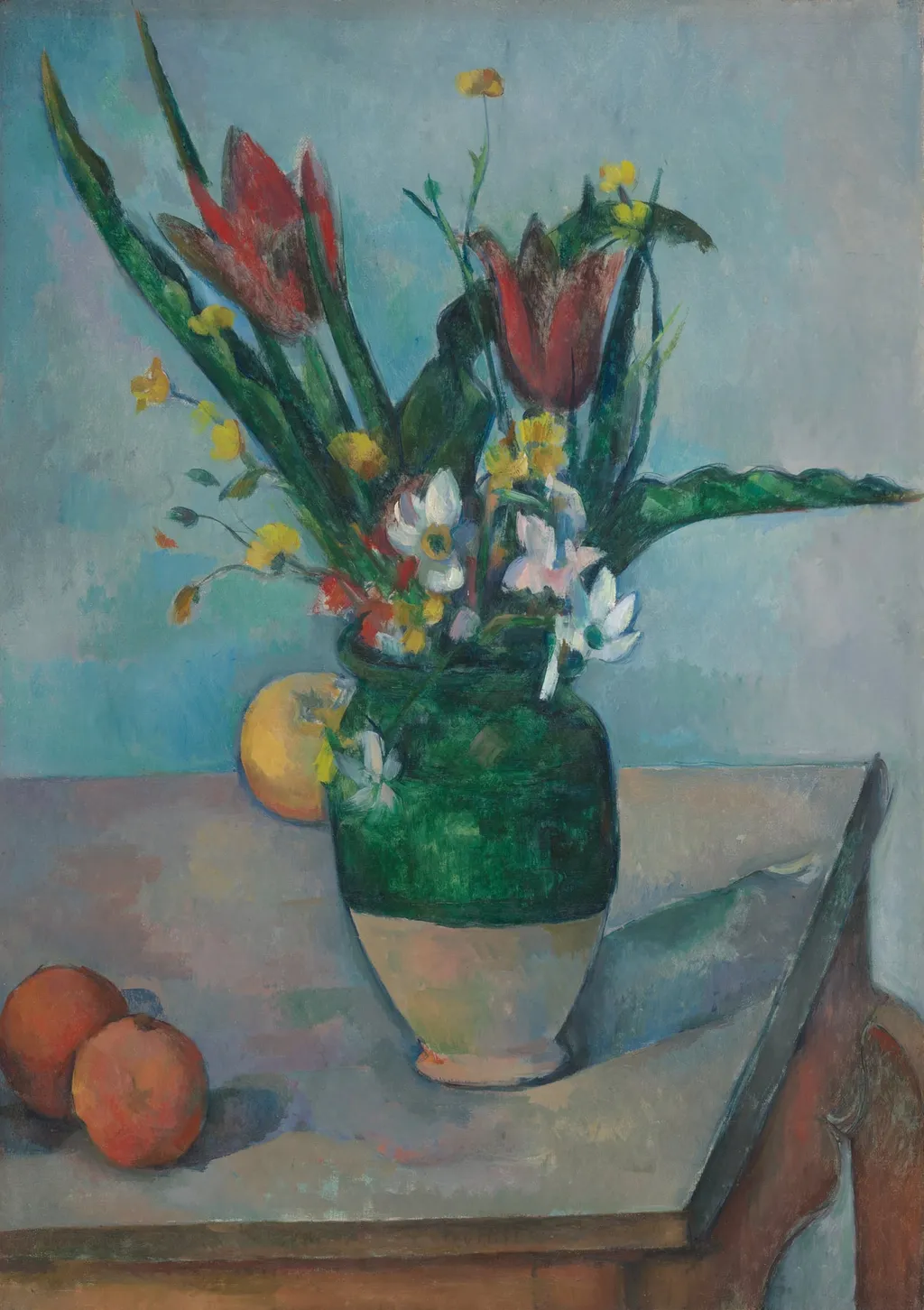
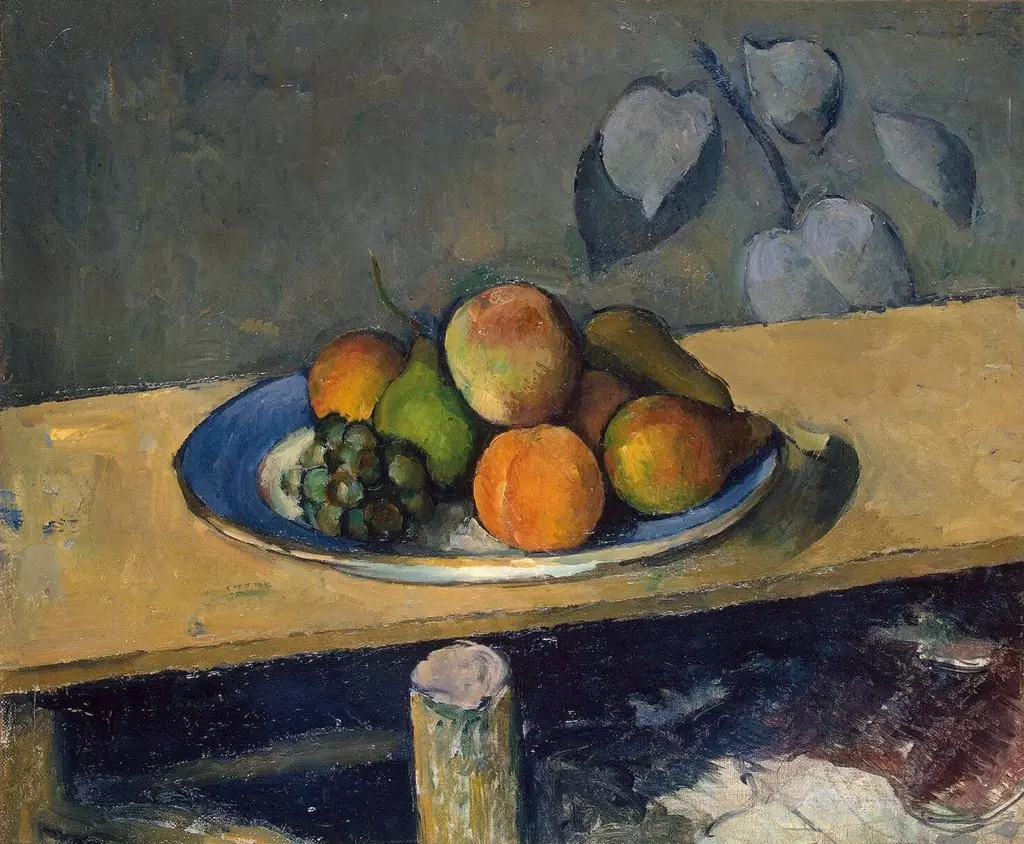
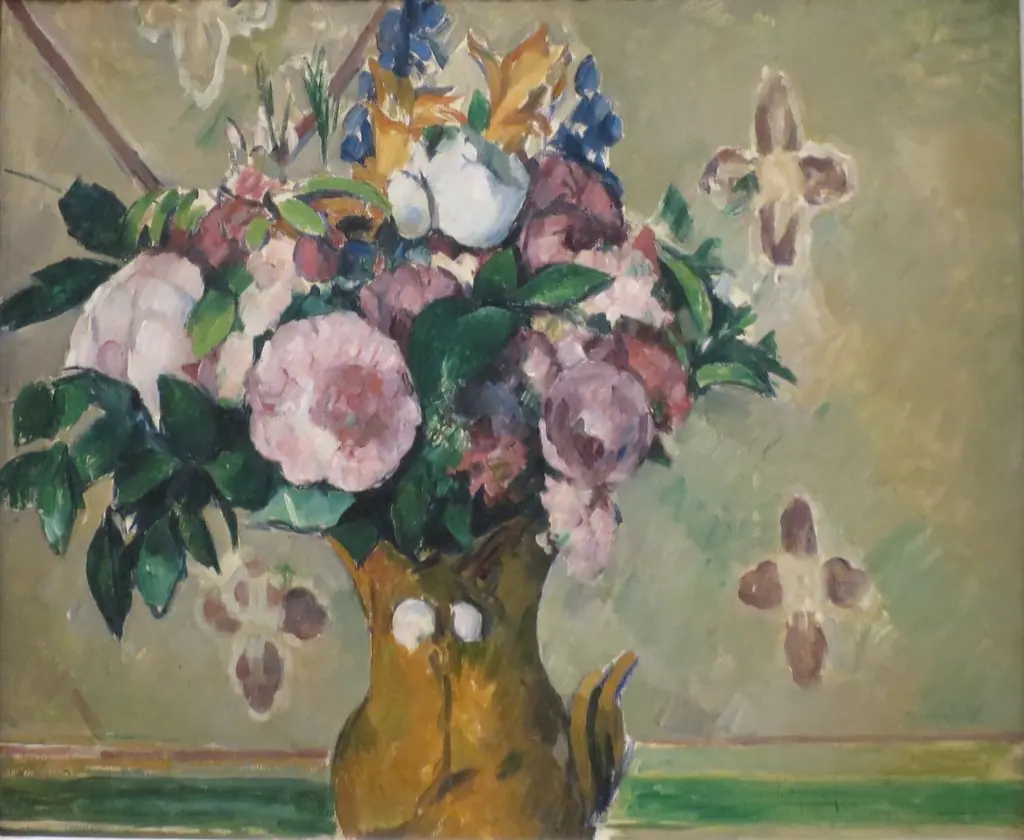
The Vase of Tulips is an oil painting by the Impressionist artist Paul Cezanne. It dates from 1890 and is held in the collection of the Art Institute of Chicago. This oil on canvas still life depicts a vase of tulips alongside fruit on a wooden table, a recurring prop in Cezanne’s studio compositions.
About this work
Overview
This oil on canvas still life depicts a vase of tulips alongside fruit on a wooden table, a recurring prop in Cezanne’s studio compositions.
This oil on canvas still life depicts a vase of tulips alongside fruit on a wooden table, a recurring prop in Cezanne’s studio compositions. The arrangement is neither casual nor resolved; visible revisions suggest prolonged deliberation. The surface bears the marks of repeated adjustments, with traces of discarded fruit still visible beneath the final layer, revealing the artist’s iterative process.
Subject & Meaning
The subject is a simple domestic arrangement—tulips and fruit—but its significance lies in its structural inquiry. Cezanne treats the objects not as decorative elements but as geometric forms to be balanced within a shallow space. The absence of clear perspective and the ambiguous relationship between objects challenge traditional still-life conventions, prioritizing visual tension over narrative or symbolic meaning.
Technique & Style
Cezanne applied paint in deliberate, modulated strokes, building form through layered planes rather than blending. Traces of earlier compositions linger beneath the surface, evidence of his methodical reworking. The brushwork is neither smooth nor spontaneous; each mark is a calculated adjustment, contributing to a sense of weight and instability that defines his mature style.
History & Provenance
The table in this painting appears in multiple works by Cezanne, but its origin remains uncertain. Scholars have proposed locations in Aix-en-Provence and Paris, yet no definitive record ties it to a specific residence. Its recurrence suggests the artist favored this particular surface as a stable compositional anchor, regardless of its physical provenance.
Context
Painted during Cezanne’s later years, this work reflects his ongoing effort to reconcile perception with structure. While contemporaries pursued fleeting impressions, he sought enduring form. The unresolved spatial dynamics here align with his broader project: to render the visible world through a language of volume, color, and compositional tension, paving the way for modern abstraction.
Legacy
The painting exemplifies Cezanne’s influence on 20th-century art through its emphasis on process over perfection. The visible revisions and unstable geometry inspired later artists to embrace ambiguity and experimentation. Rather than presenting a finished scene, it reveals the act of seeing as an ongoing, evolving endeavor.
Own this work as a print
Artist & collection
Artist
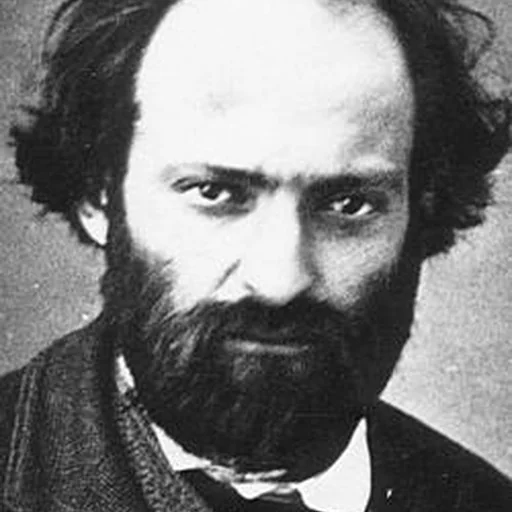
Paul Cézanne was born on January 19, 1839, in Aix-en-Provence, the son of a hatter turned wealthy banker.

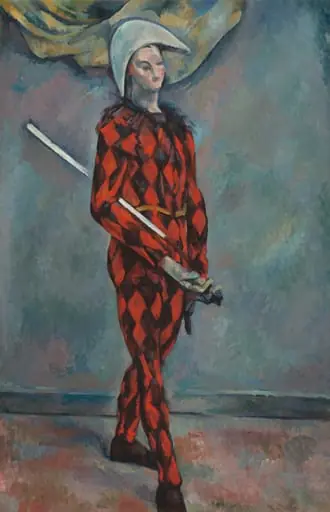 Harlequin
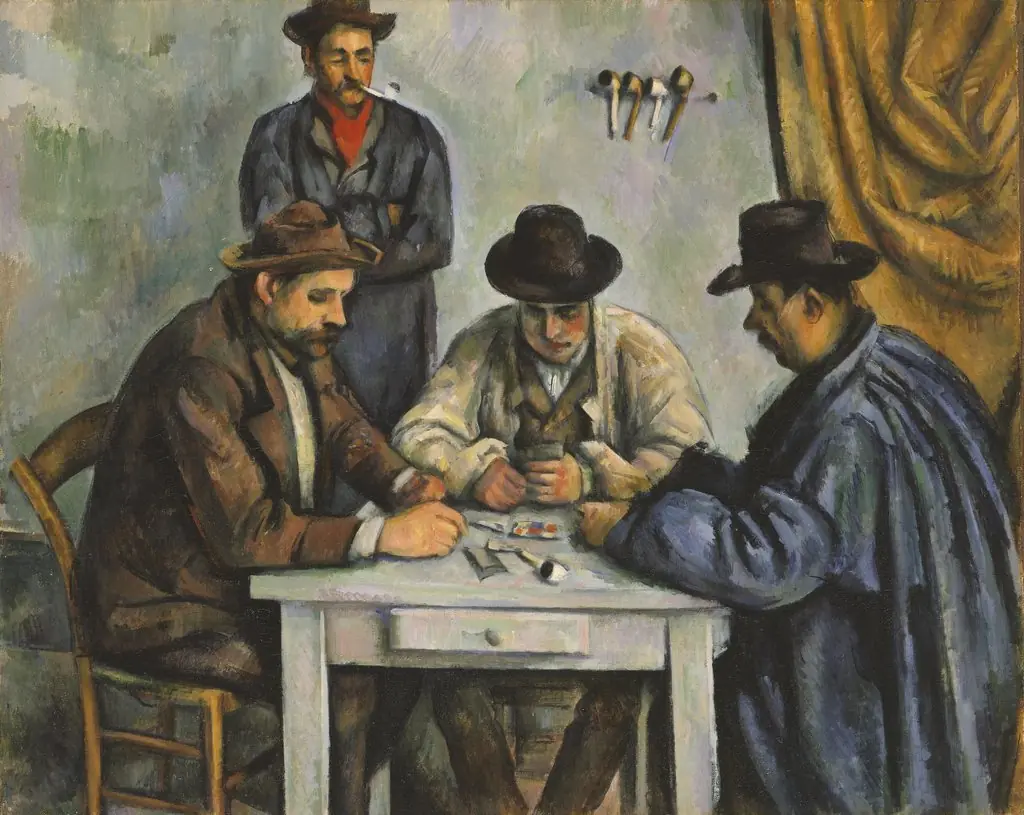 The Card Players
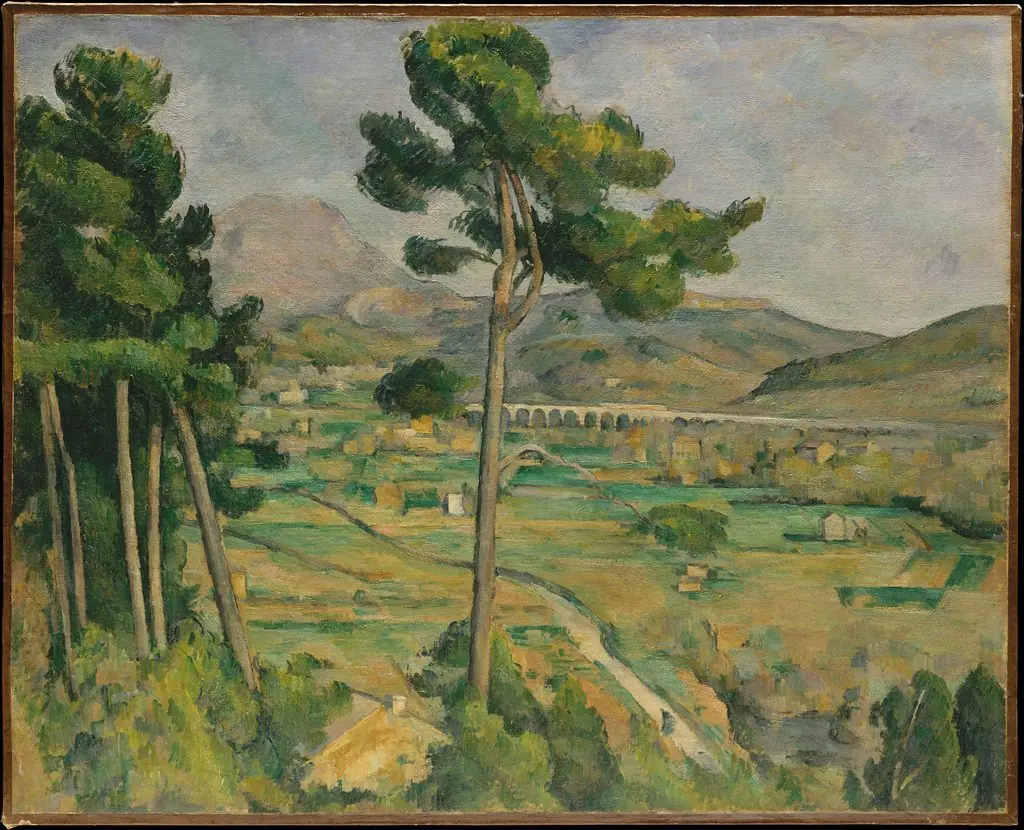 Mont Sainte-Victoire and the Viaduct of the Arc River Valley
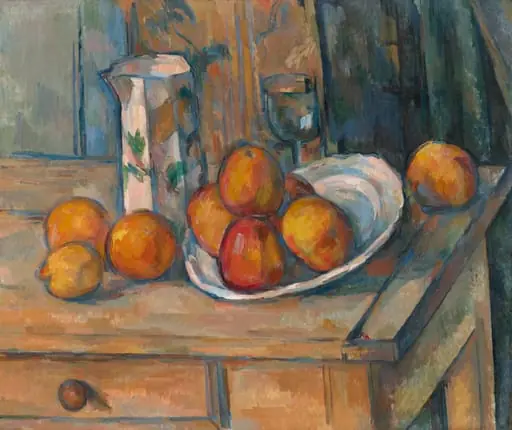 Still Life with Milk Jug and Fruit
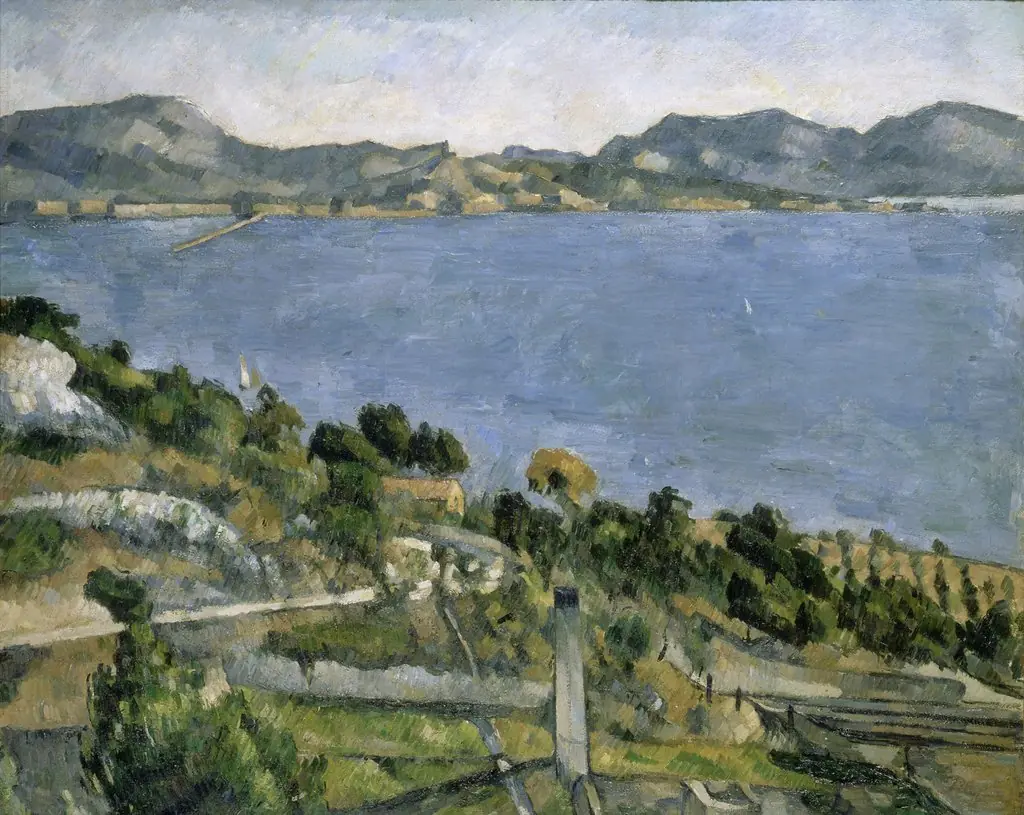 Le Golfe de Marseille vu de l'Estaque (The Gulf of Marseille Seen from L'Estaque)
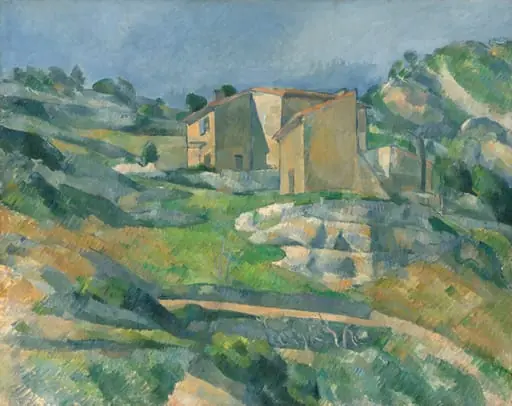 Houses in Provence: The Riaux Valley near L'Estaque
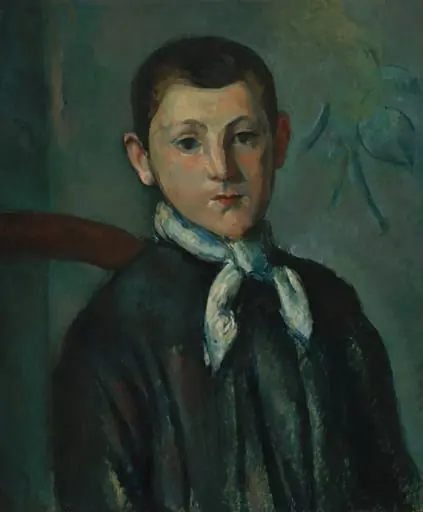 Louis Guillaume
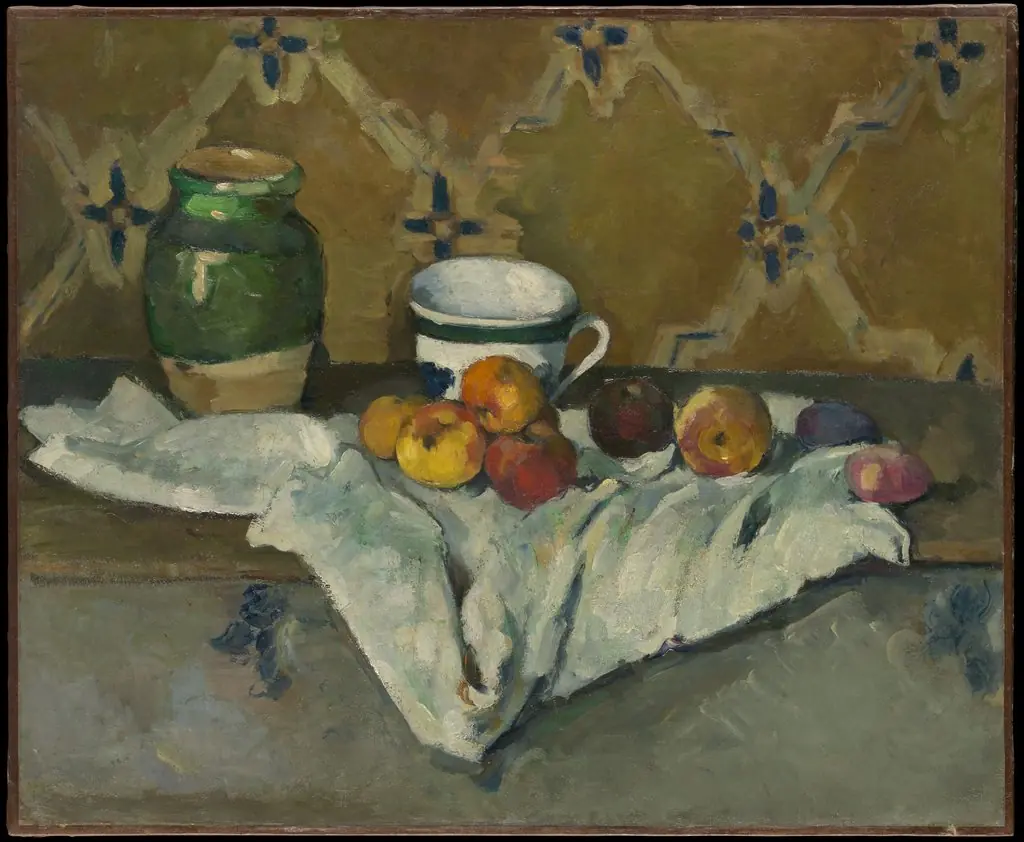 Still Life with Jar, Cup, and Apples
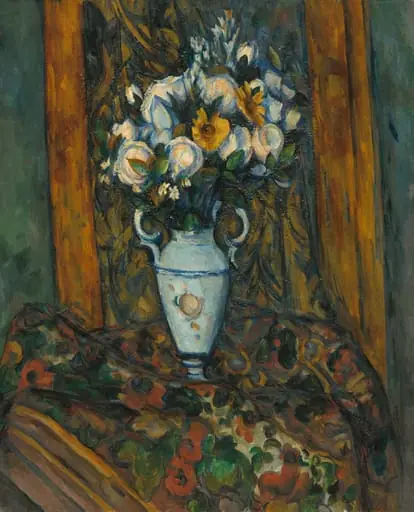
![Roses in a Bottle [recto], by Paul Cezanne](https://artifactworldgallery.com/img/paul-cezanne--roses-in-a-bottle-recto--7d8cab3439e09800-w320.webp)