Artwork
Scipio the Negro
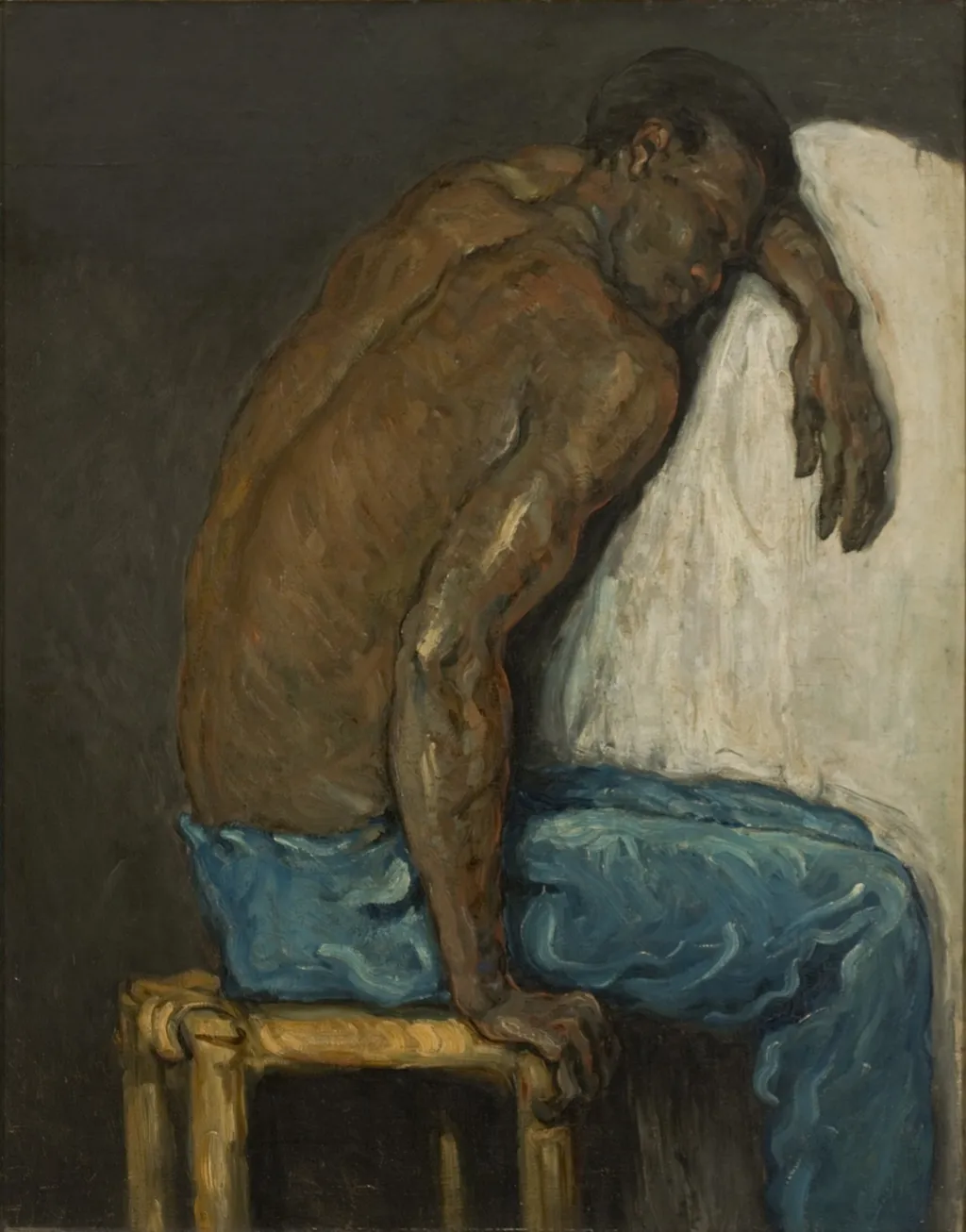
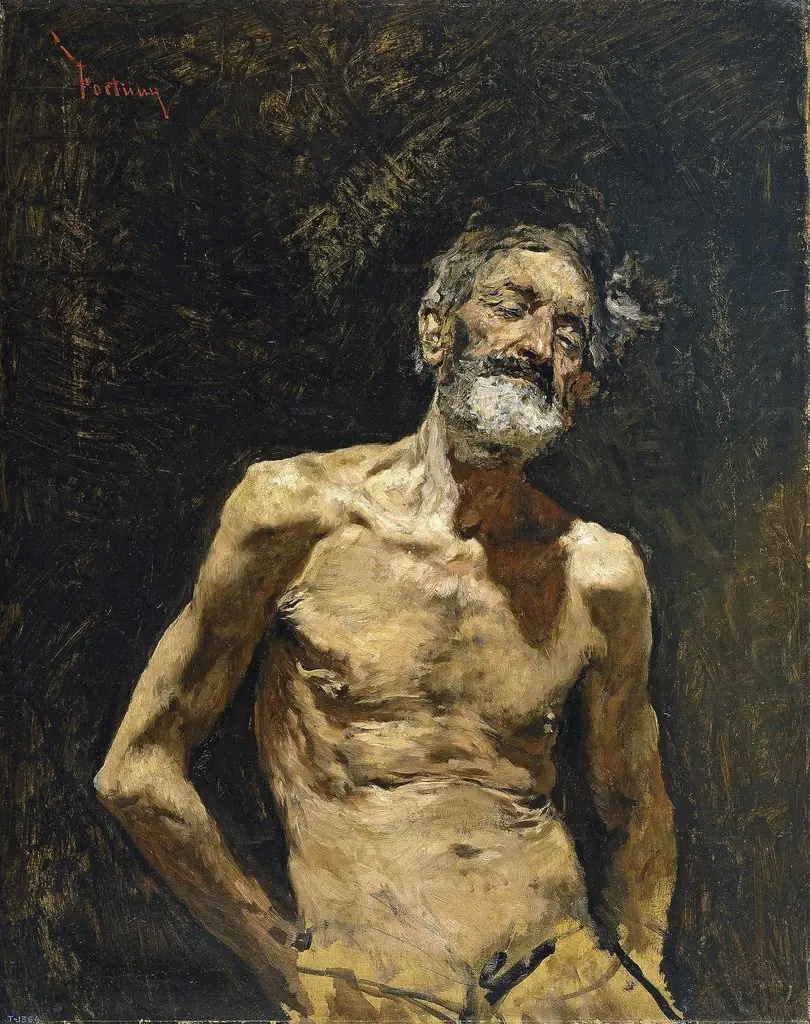
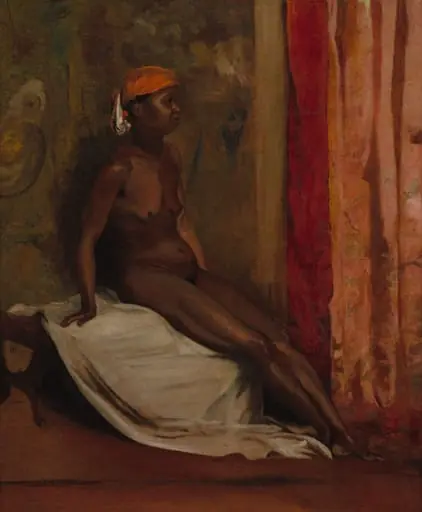
Scipio the Negro is an oil painting by the Realist artist Paul Cezanne. It dates from 1867 and is held in the collection of the São Paulo Museum of Art.
About this work
It surprised visitors to Monet’s studio in Giverny, including critic Louis Vauxcelles, who called it striking and worthy of Delacroix.
Scipio the Negro is an oil painting by Paul Cézanne, dated 1867. It shows a model named Scipion in the artist’s studio.
Cézanne painted the figure with an elongated torso and a muscular back. He used broad brushstrokes and varied colors to shape the tone. Art historians see it as a strong early work. It surprised visitors to Monet’s studio in Giverny, including critic Louis Vauxcelles, who called it striking and worthy of Delacroix.
You can see more at the São Paulo Museum of Art.
Overview
Scipio the Negro is an 1867 oil painting by Paul Cézanne, depicting a model named Scipion in the artist's studio, characterized by an elongated torso and muscular back rendered through expressive brushwork and nuanced color modulation.
Subject & Meaning
The subject, Scipion, is portrayed in a straightforward, non-narrative manner, focusing on the physical presence of the model, with the artistic emphasis on capturing the play of color and texture on the body, particularly the back.
Technique & Style
Cézanne employed broad, expressive brushstrokes and a varied color palette to modulate the tone of Scipion's back, showcasing an early instance of his Post-Impressionist tendencies in capturing form and texture.
History & Provenance
Initially displayed at Monet's studio in Giverny, the painting surprised visitors, notably critic Louis Vauxcelles, who praised its striking quality, likening it to the work of Delacroix. It is now part of the collection at the São Paulo Museum of Art.
Own this work as a print
Artist & collection
Artist
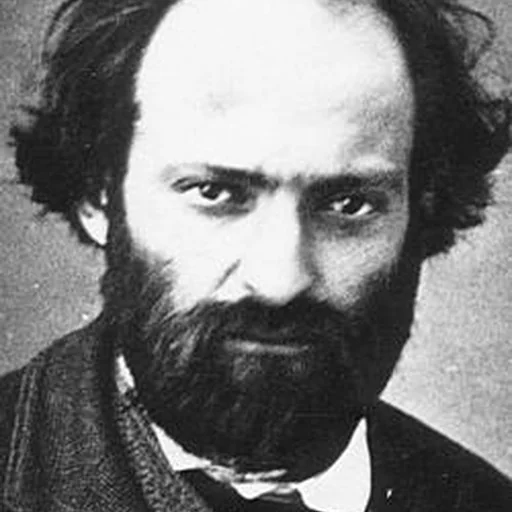
Paul Cézanne was born on January 19, 1839, in Aix-en-Provence, the son of a hatter turned wealthy banker.

 Harlequin
 The Card Players
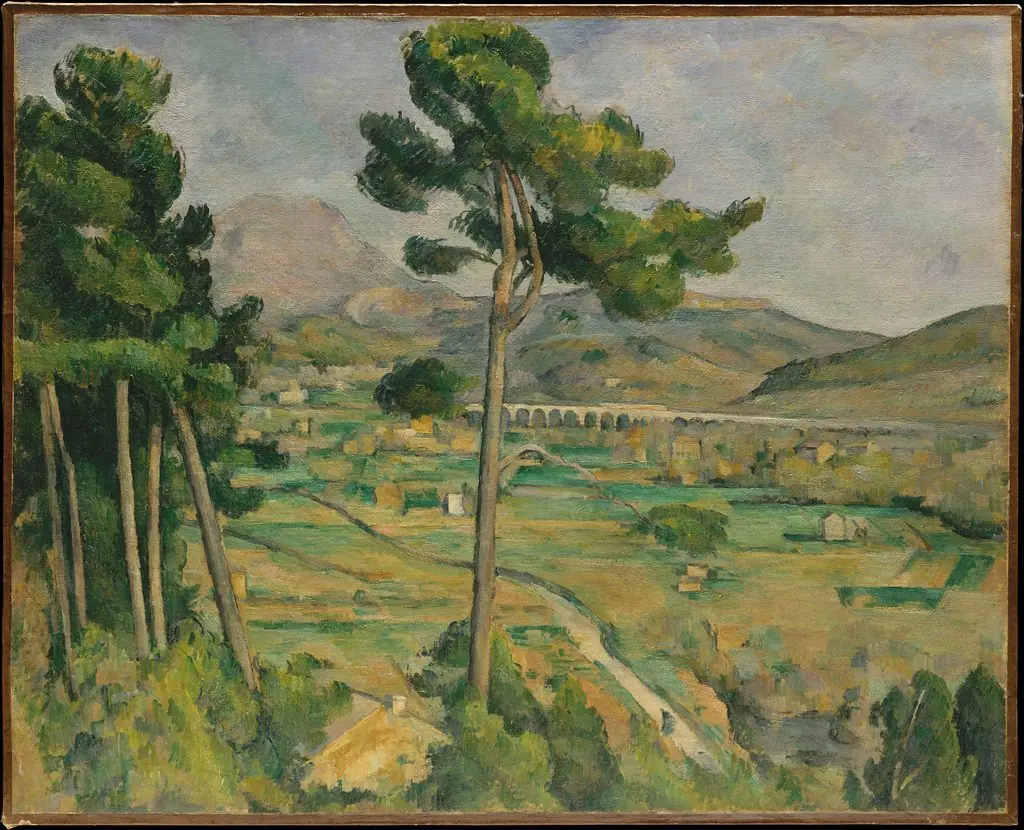 Mont Sainte-Victoire and the Viaduct of the Arc River Valley
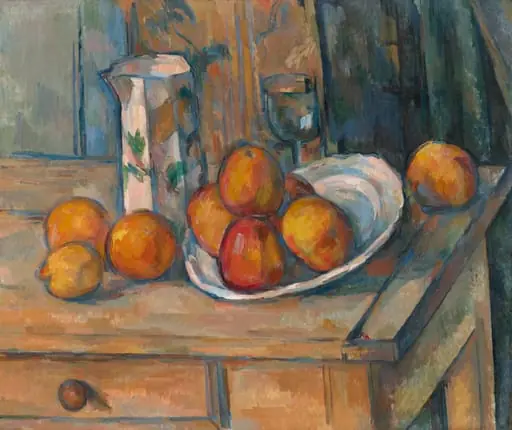 Still Life with Milk Jug and Fruit
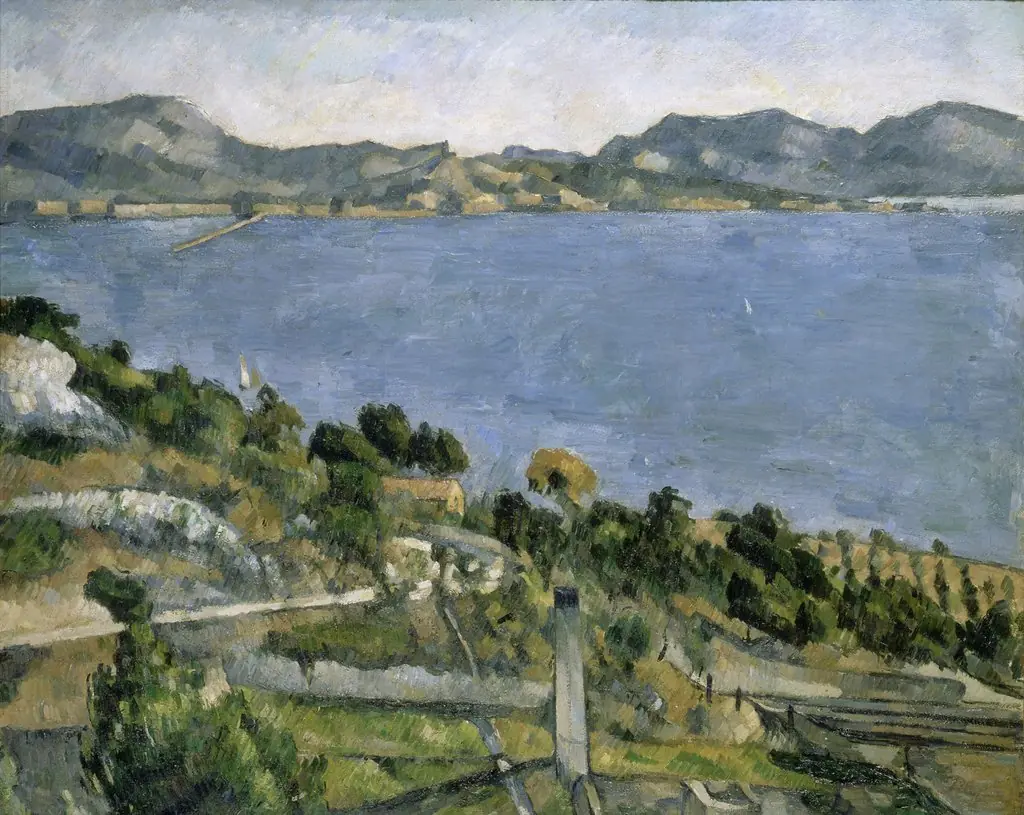 Le Golfe de Marseille vu de l'Estaque (The Gulf of Marseille Seen from L'Estaque)
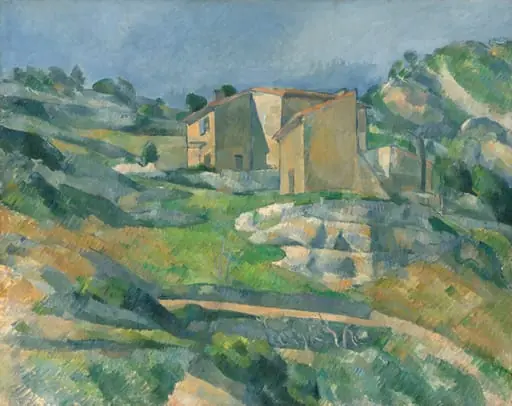 Houses in Provence: The Riaux Valley near L'Estaque
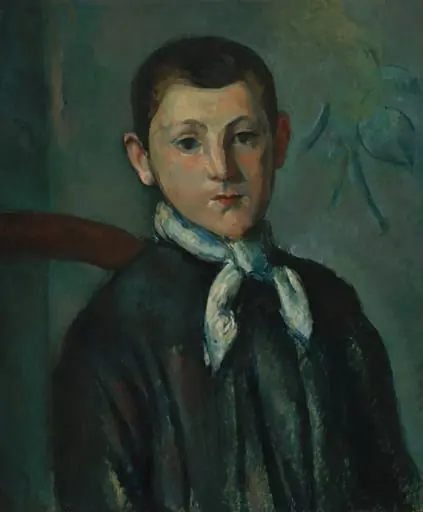 Louis Guillaume
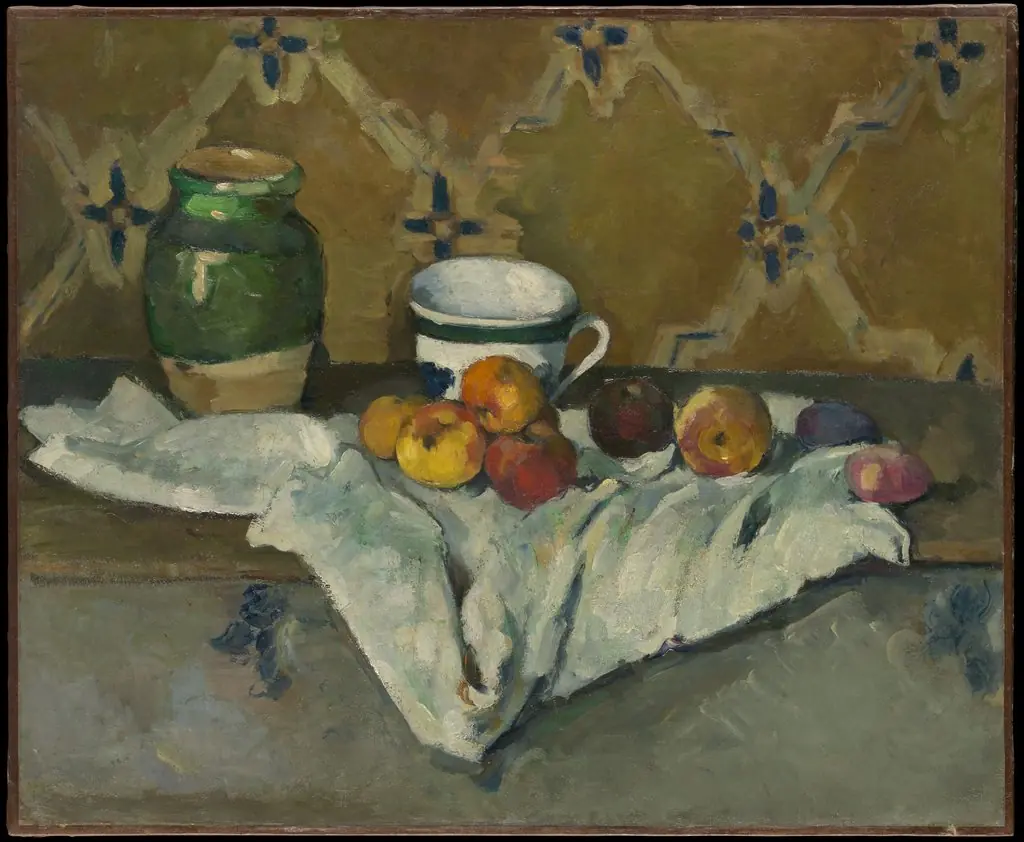 Still Life with Jar, Cup, and Apples