Artwork
The pool at Jas de Bouffan
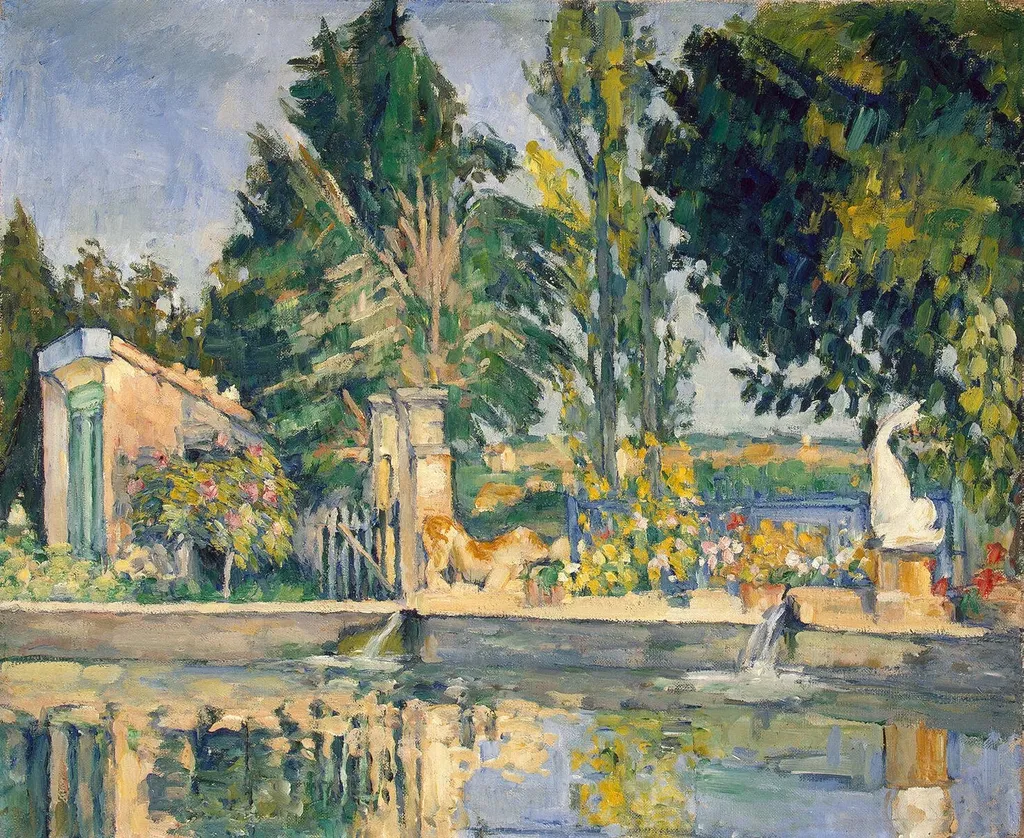
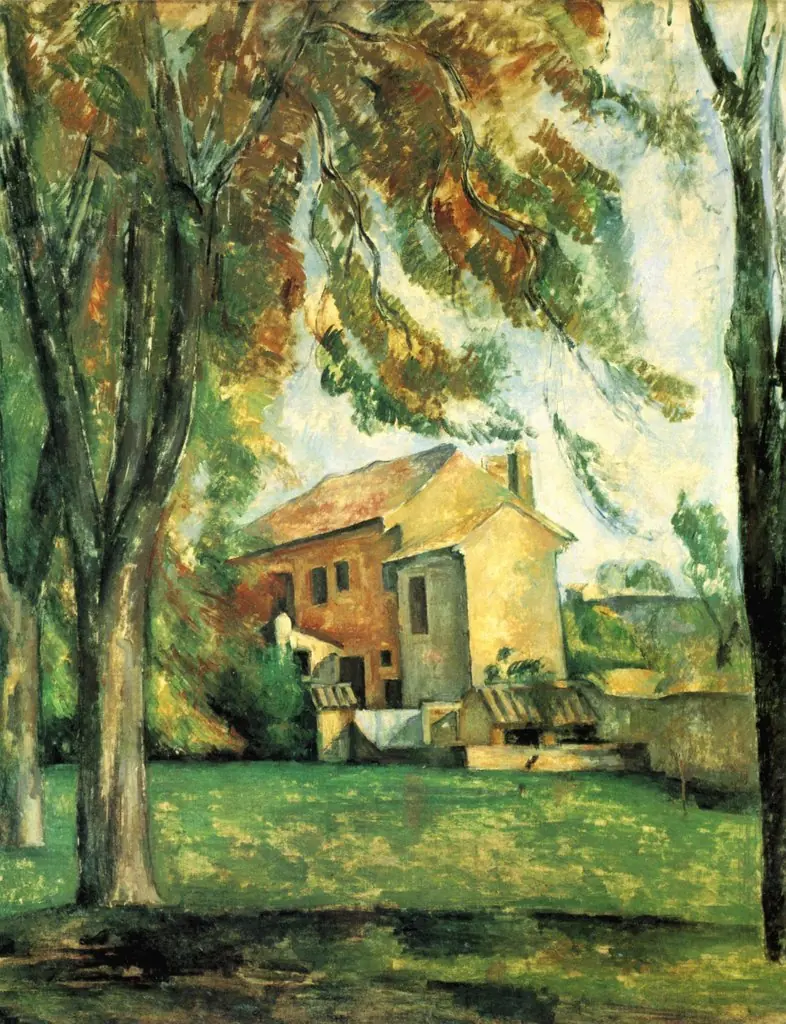
The pool at Jas de Bouffan is an oil painting by the Post-Impressionist artist Paul Cezanne. It dates from 1888 and is held in the collection of the Hermitage Museum.
About this work
Overview
The Pool at Jas de Bouffan is an 1888 oil painting by Paul Cézanne, depicting a serene garden scene at his family's country estate in France.
Subject & Meaning
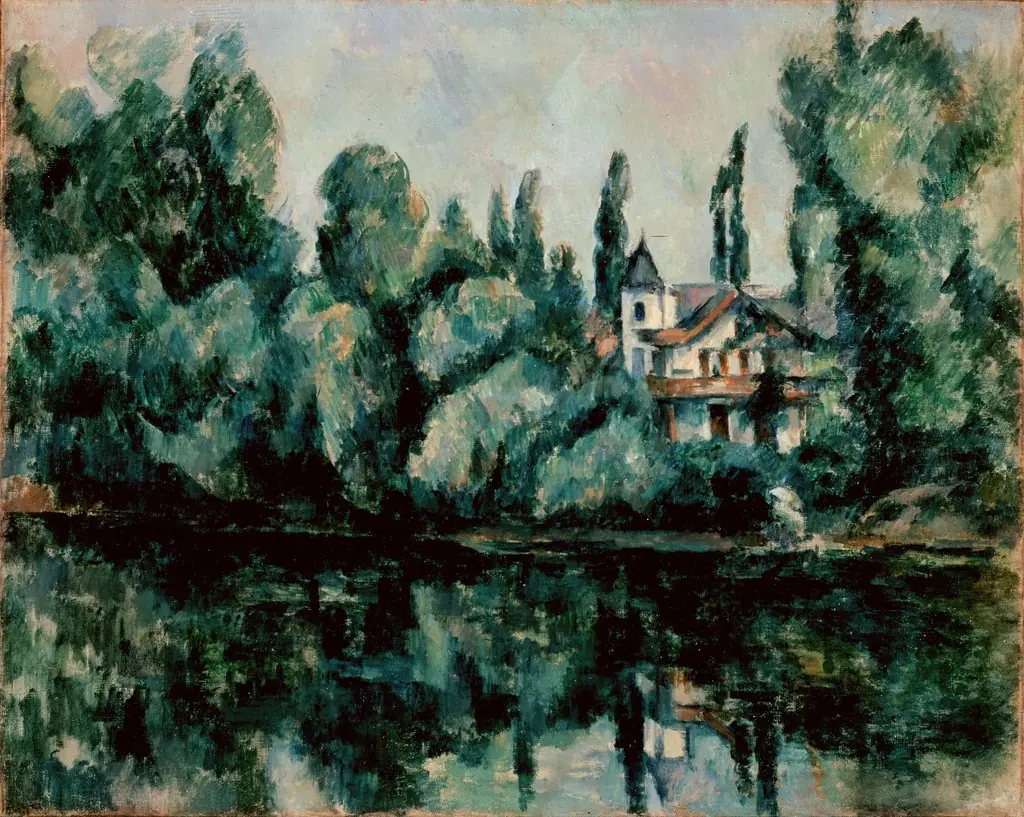
The painting captures a tranquil moment in the estate's grounds, featuring a narrow pool, fountain, statue, and surrounding landscape, conveying a sense of peaceful domesticity.
Technique & Style
Characterized by thick, visible brushstrokes (impasto), the work exhibits Cézanne's analytical Post-Impressionist style, blending vibrant colors against softer hues to create a textured, dynamic visual effect.
History & Provenance
Created during Cézanne's transitional period from Romantic and Realist influences towards a more structured, proto-Cubist approach, the painting is now part of the State Hermitage Museum's collection.
Context
Part of a series of works inspired by Jas de Bouffan, this painting reflects Cézanne's evolving artistic philosophy, bridging Impressionism and the precursor elements of Cubism.
Legacy
As a seminal work by a leading Post-Impressionist, it influences the development of early 20th-century art movements, particularly in its compositional and textural innovations.
Artist & collection
Artist
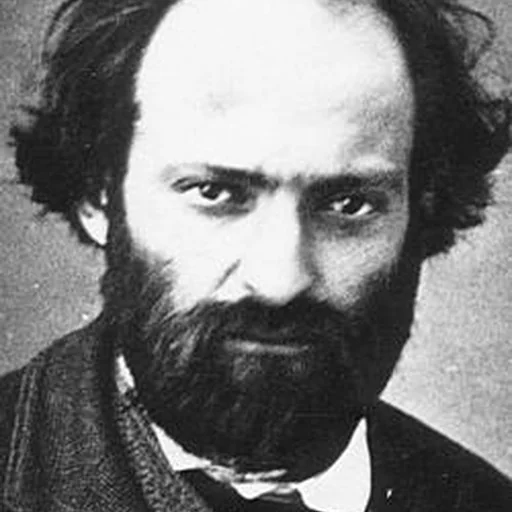
Paul Cézanne was born on January 19, 1839, in Aix-en-Provence, the son of a hatter turned wealthy banker.

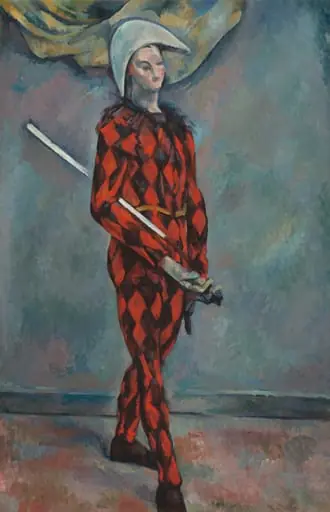 Harlequin
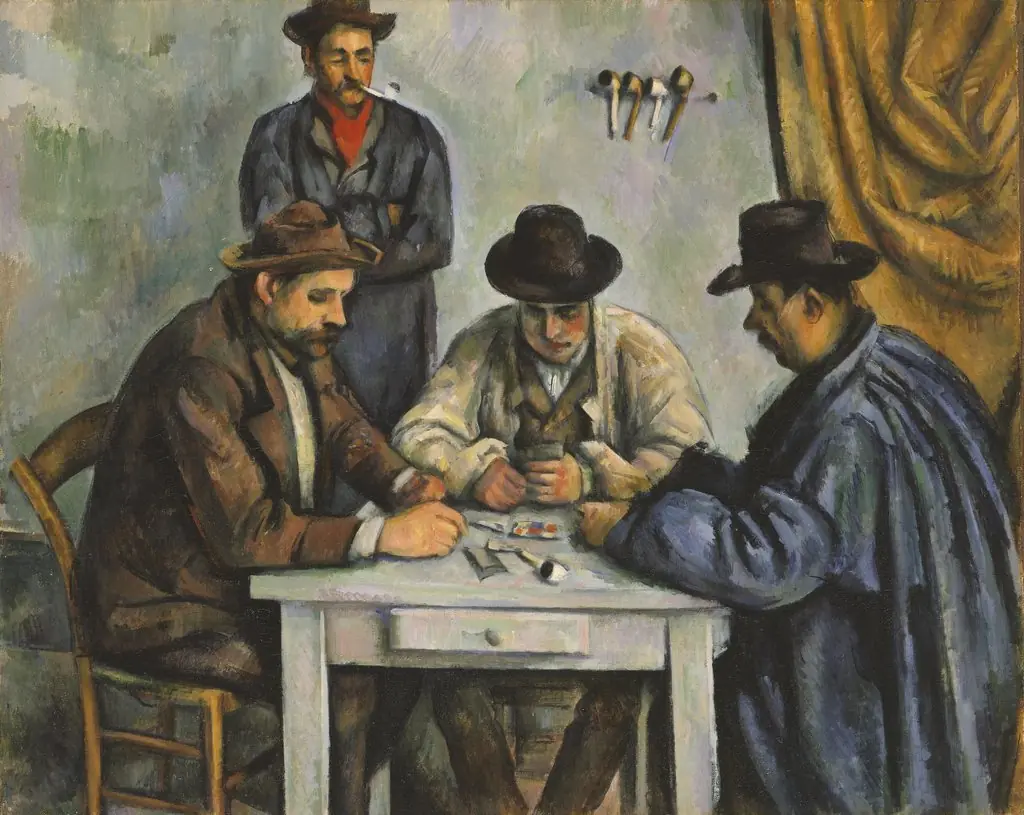 The Card Players
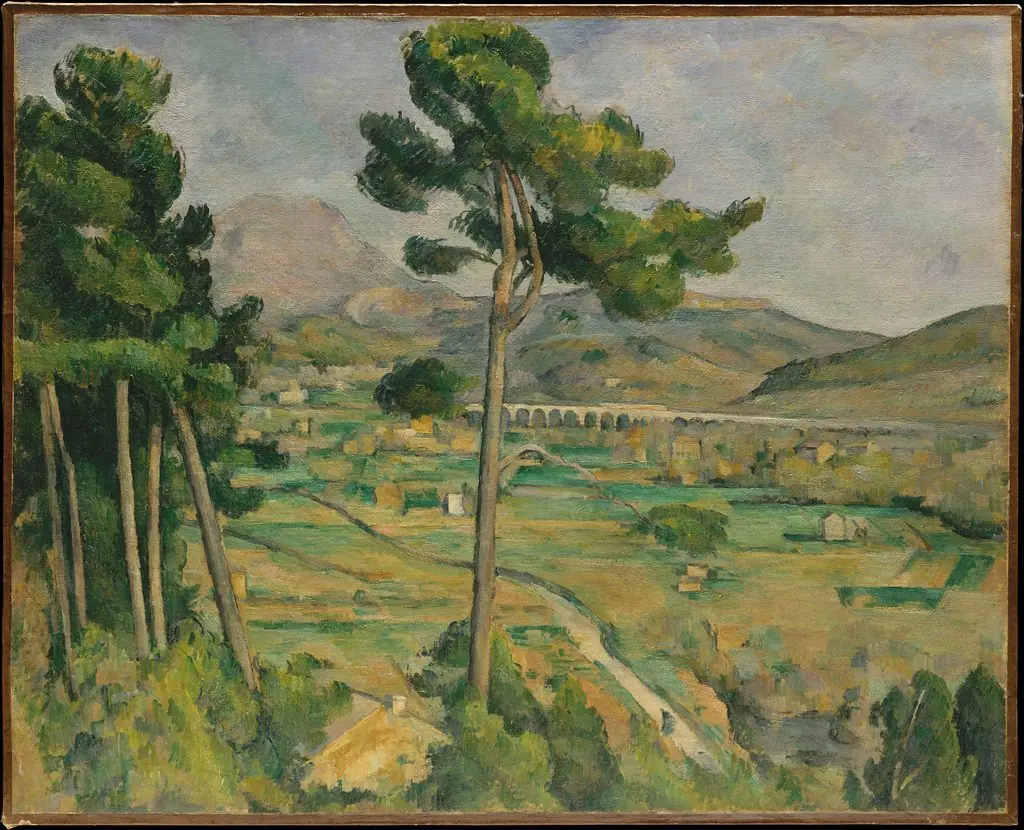 Mont Sainte-Victoire and the Viaduct of the Arc River Valley
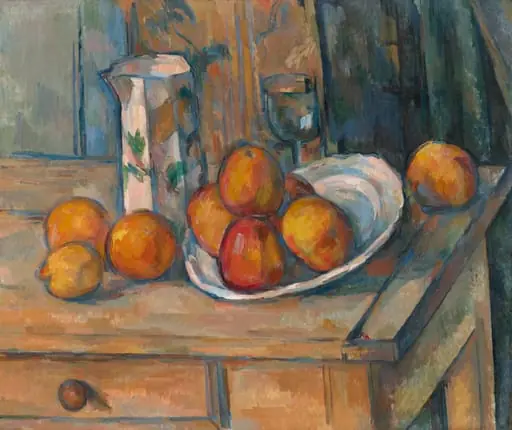 Still Life with Milk Jug and Fruit
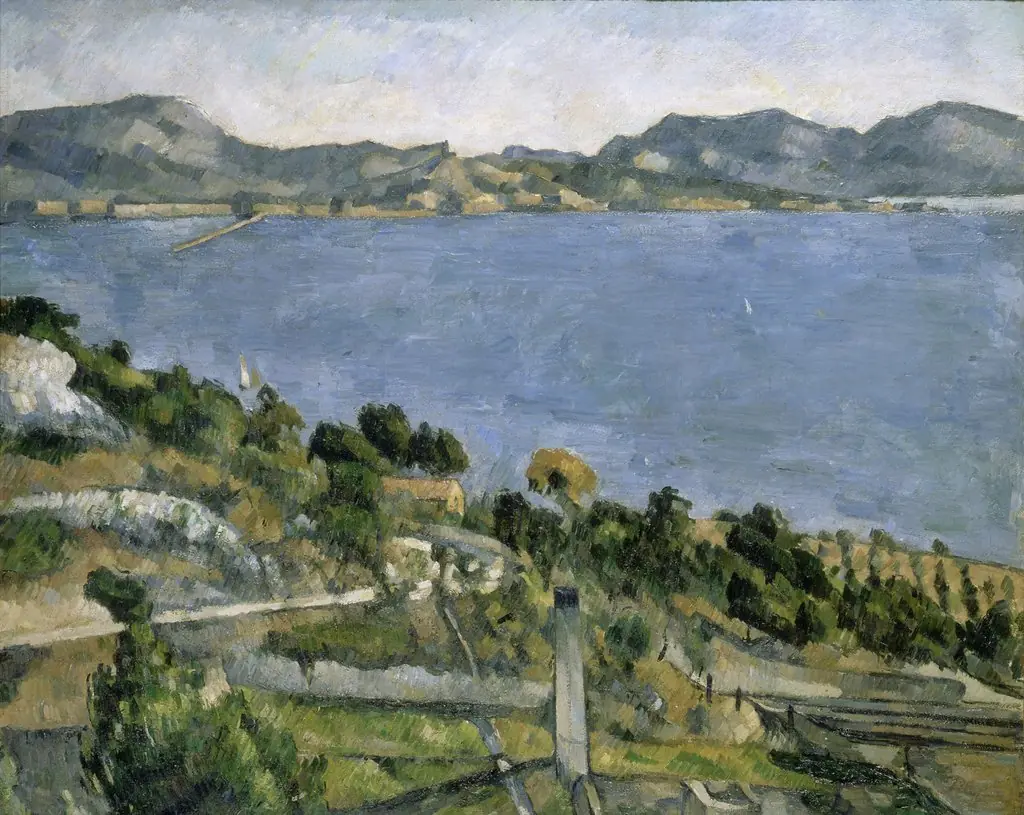 Le Golfe de Marseille vu de l'Estaque (The Gulf of Marseille Seen from L'Estaque)
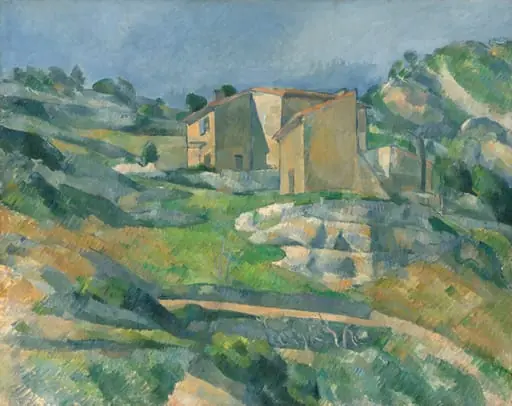 Houses in Provence: The Riaux Valley near L'Estaque
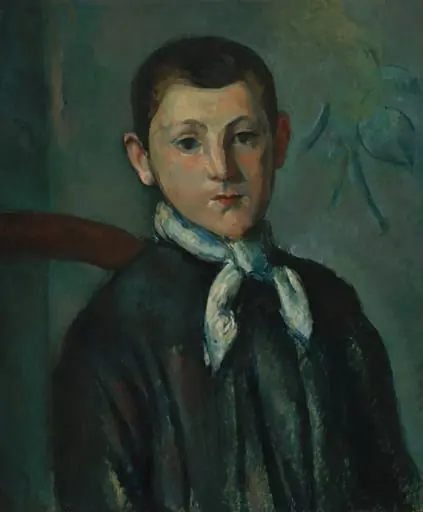 Louis Guillaume
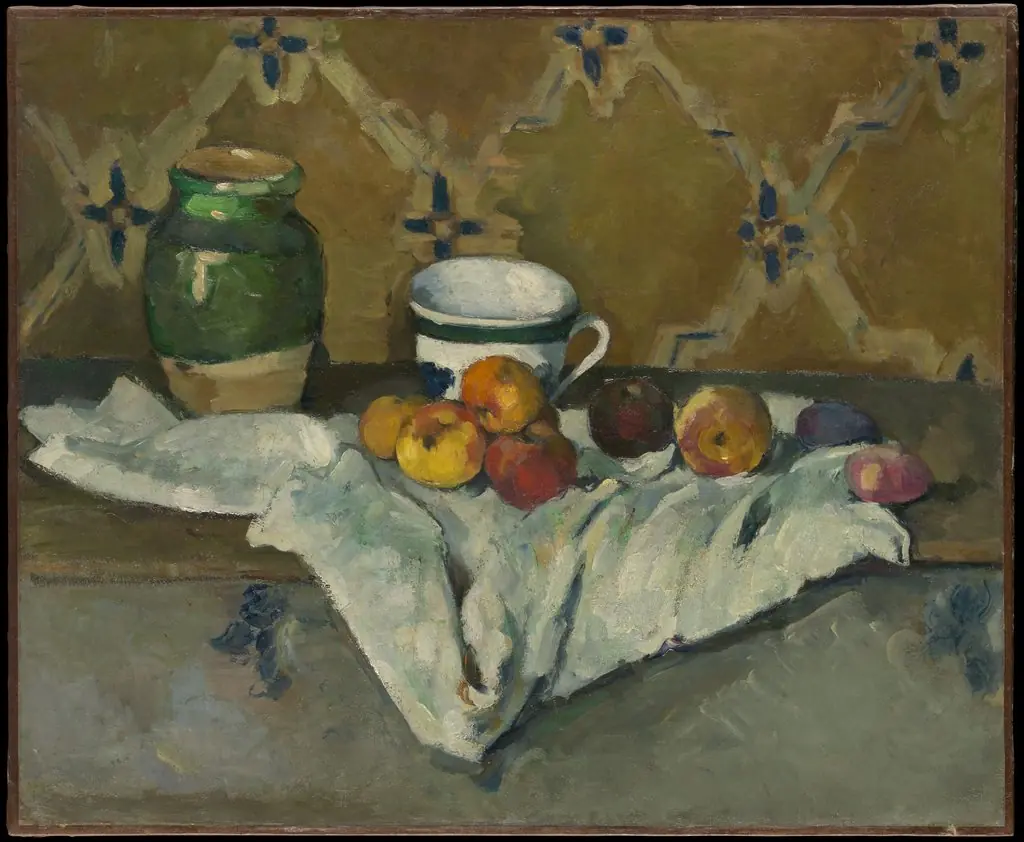 Still Life with Jar, Cup, and Apples