Artwork
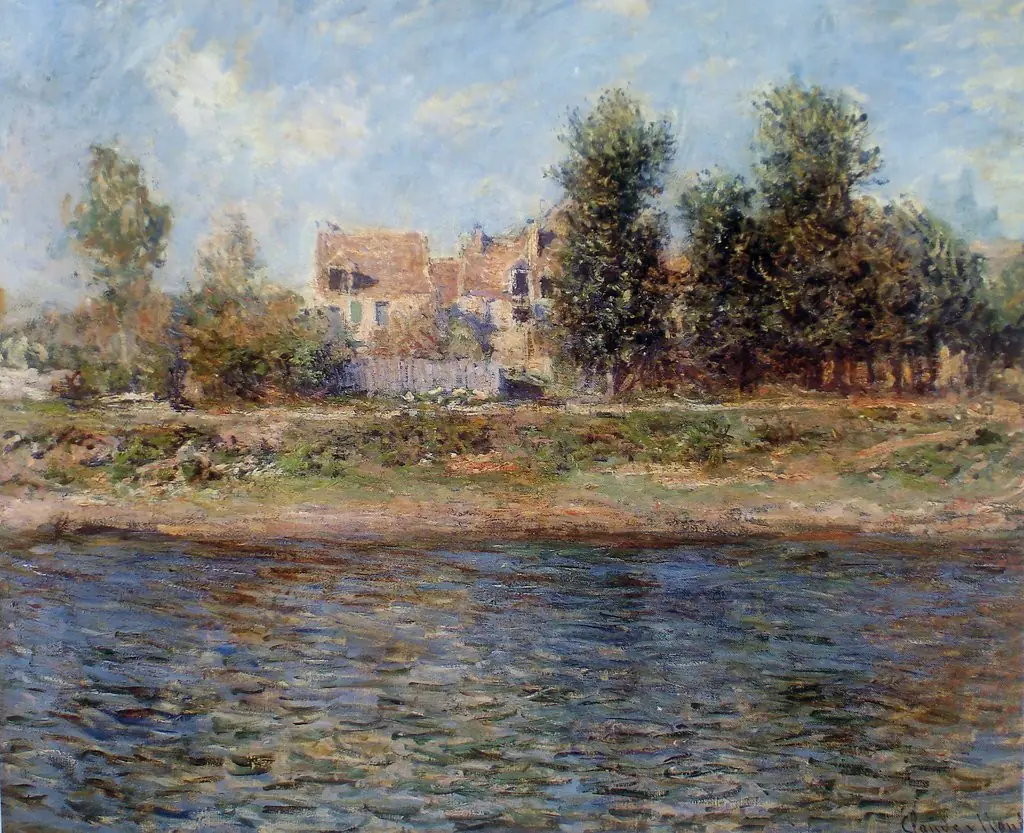
Along the Banks of the Marne
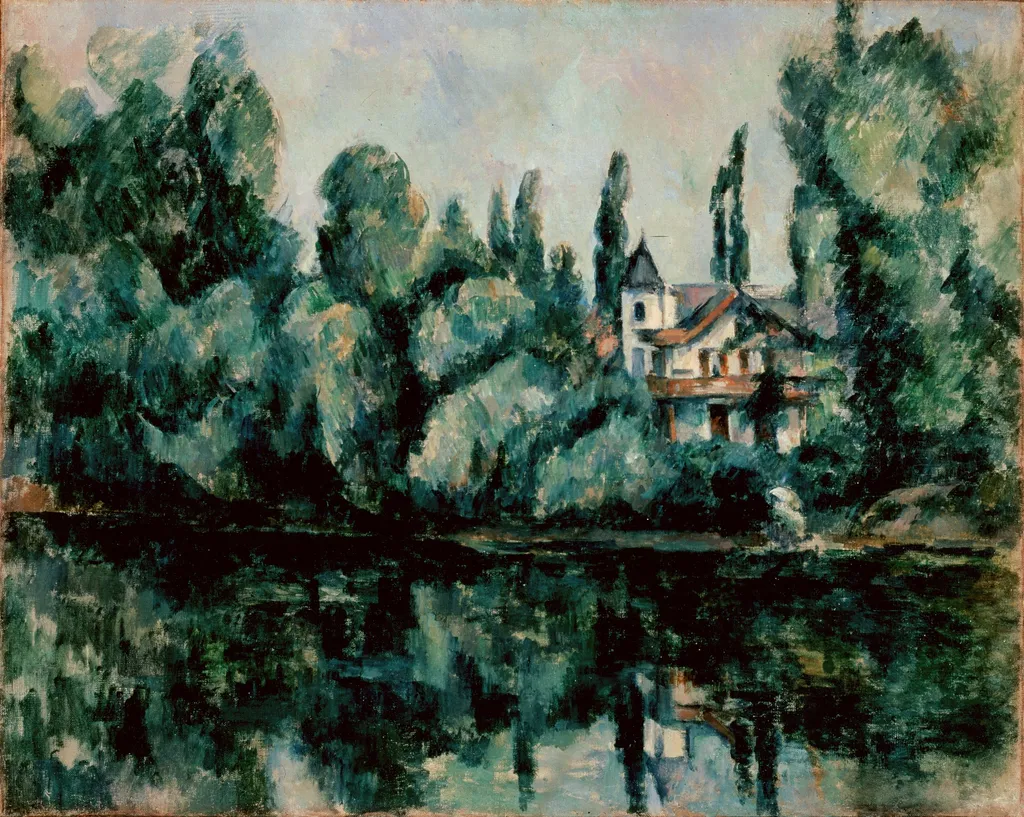
Along the Banks of the Marne is an oil painting by the Post-Impressionist artist Paul Cezanne. It dates from 1894 and is held in the collection of the Hermitage Museum.
About this work
Overview
Created in 1894, *Along the Banks of the Marne* is an oil painting by Paul Cézanne that presents a quiet riverside landscape in the Marne region of France. The work exemplifies Cézanne’s transition from Impressionist concerns with fleeting light toward a more structured, analytical approach that would later influence Cubism. It is part of the State Hermitage Museum’s collection.
Subject & Meaning
The composition centers on a modest house partially concealed by a stand of tall, leafy trees, while the river in the foreground mirrors the surrounding greens and blues in a rippling surface. The scene captures a moment of tranquil observation, inviting viewers to contemplate the interplay of architecture, foliage, and water within a natural setting.
Technique & Style
Cézanne employs thick, visible brushwork and short, broken strokes to build up color planes, especially in the water and sky. This impasto application creates a textured surface that conveys the shimmering quality of light. The overall arrangement reflects his interest in reducing forms to geometric shapes, giving the landscape a measured, almost architectural rhythm.
History & Provenance
After its completion, the painting entered the collection of the State Hermitage Museum in St. Petersburg, where it remains on display. Its acquisition reflects the museum’s broader commitment to representing key developments in late‑19th‑century French art, particularly the pivotal role of Cézanne in the evolution of modern painting.
Own this work as a print
Artist & collection
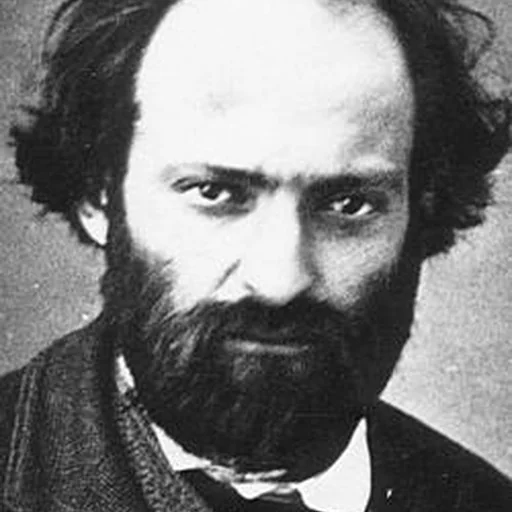
Artist
Paul Cézanne was born on January 19, 1839, in Aix-en-Provence, the son of a hatter turned wealthy banker.

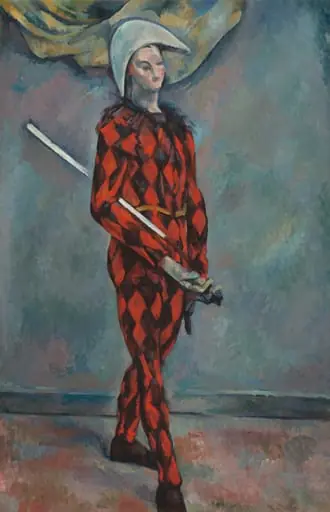 Harlequin
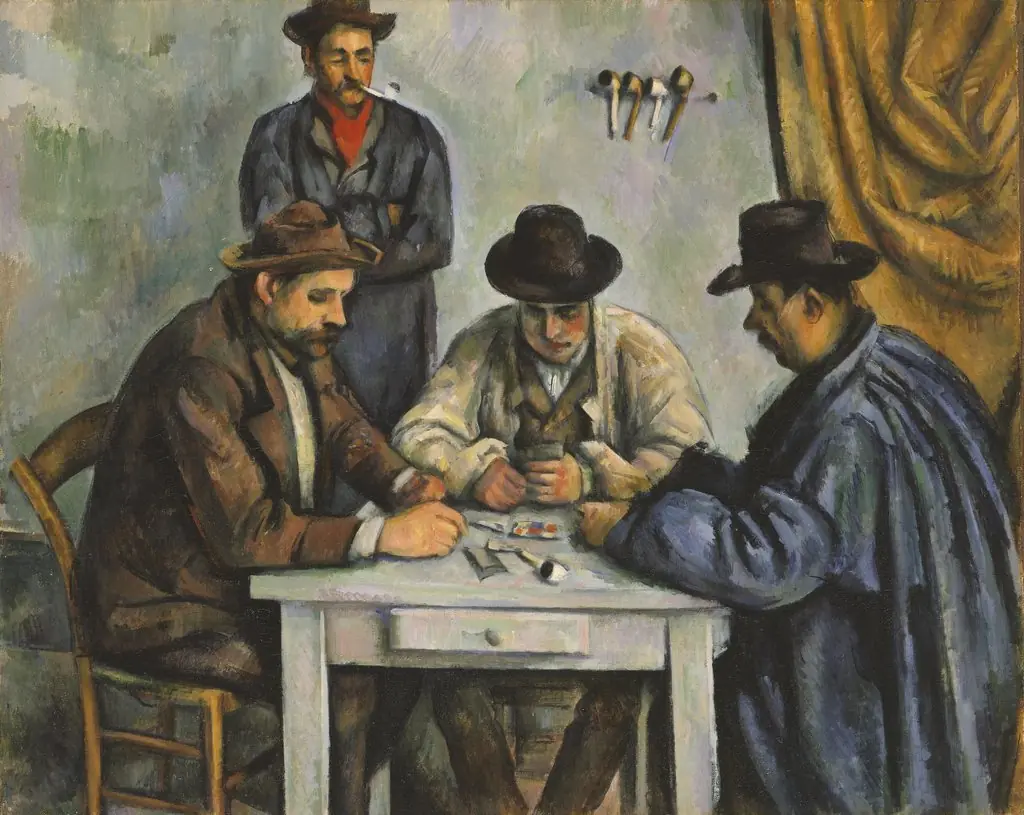 The Card Players
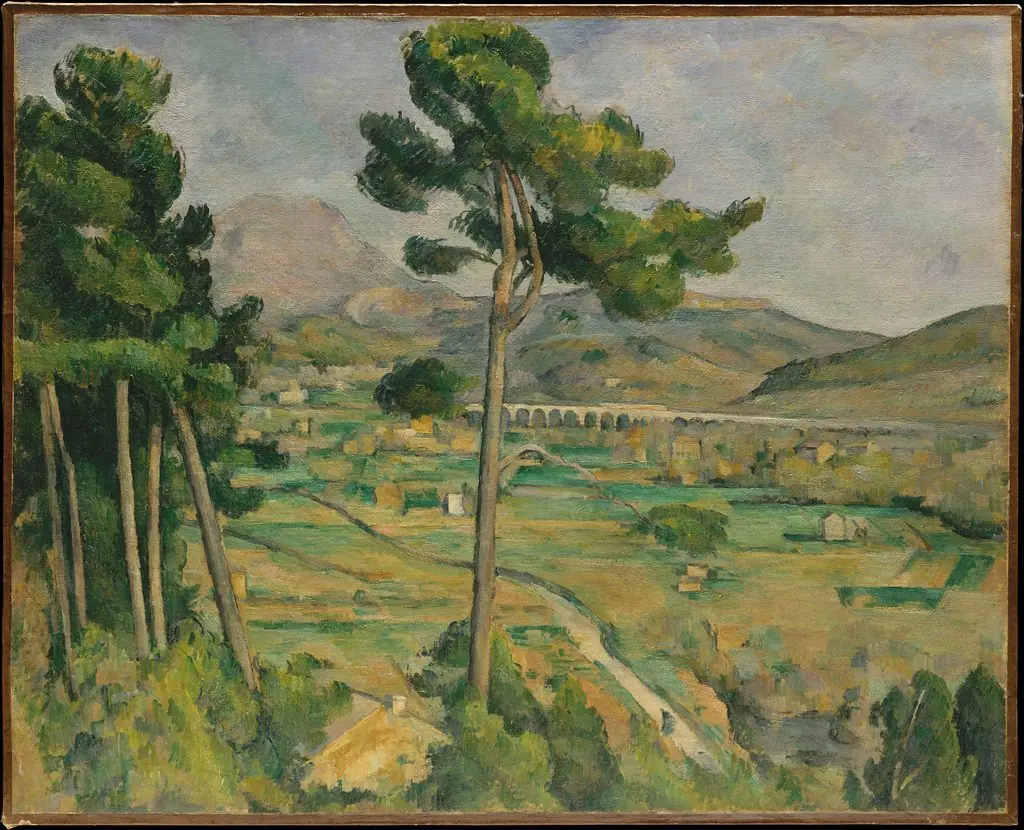 Mont Sainte-Victoire and the Viaduct of the Arc River Valley
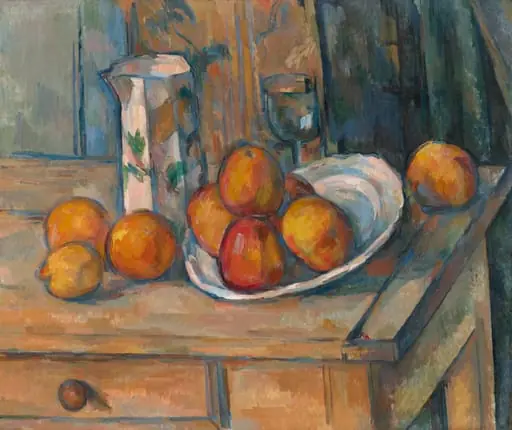 Still Life with Milk Jug and Fruit
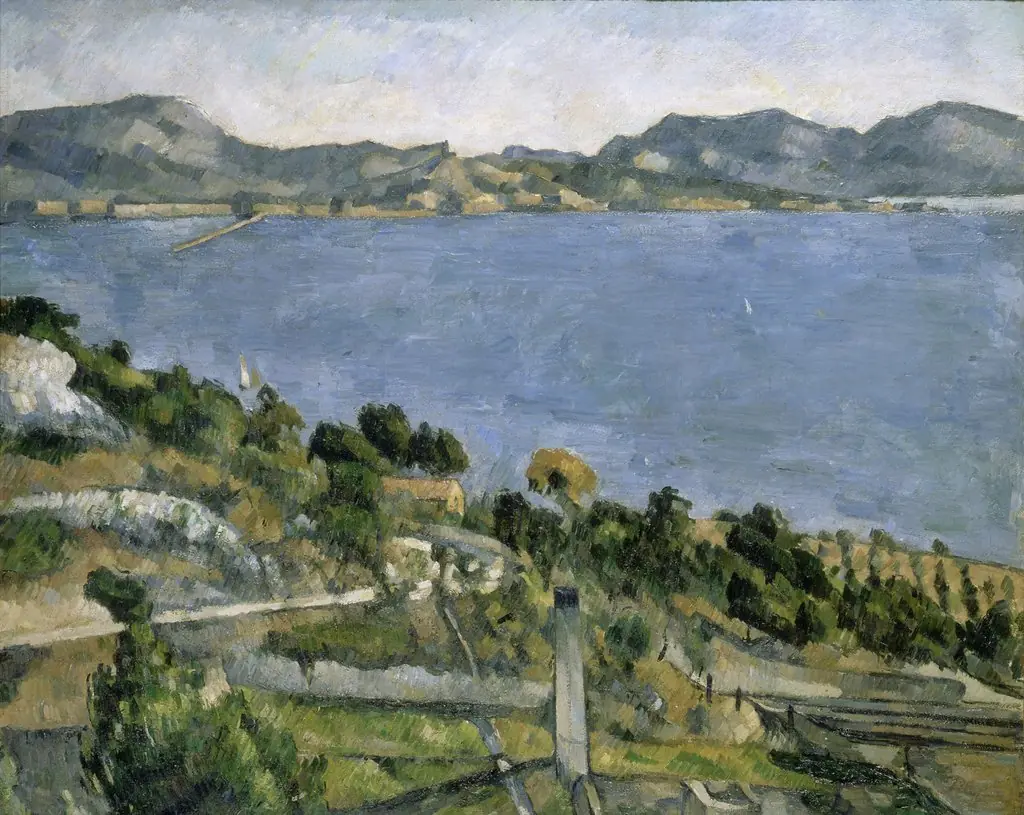 Le Golfe de Marseille vu de l'Estaque (The Gulf of Marseille Seen from L'Estaque)
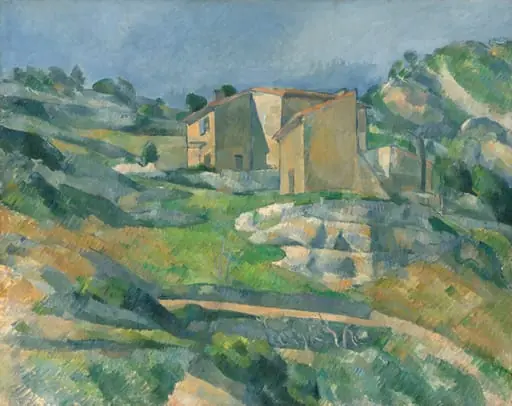 Houses in Provence: The Riaux Valley near L'Estaque
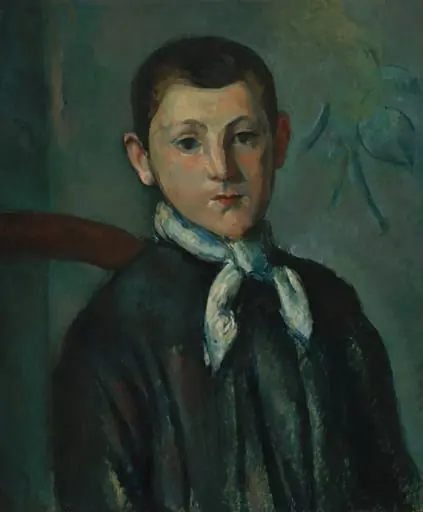 Louis Guillaume
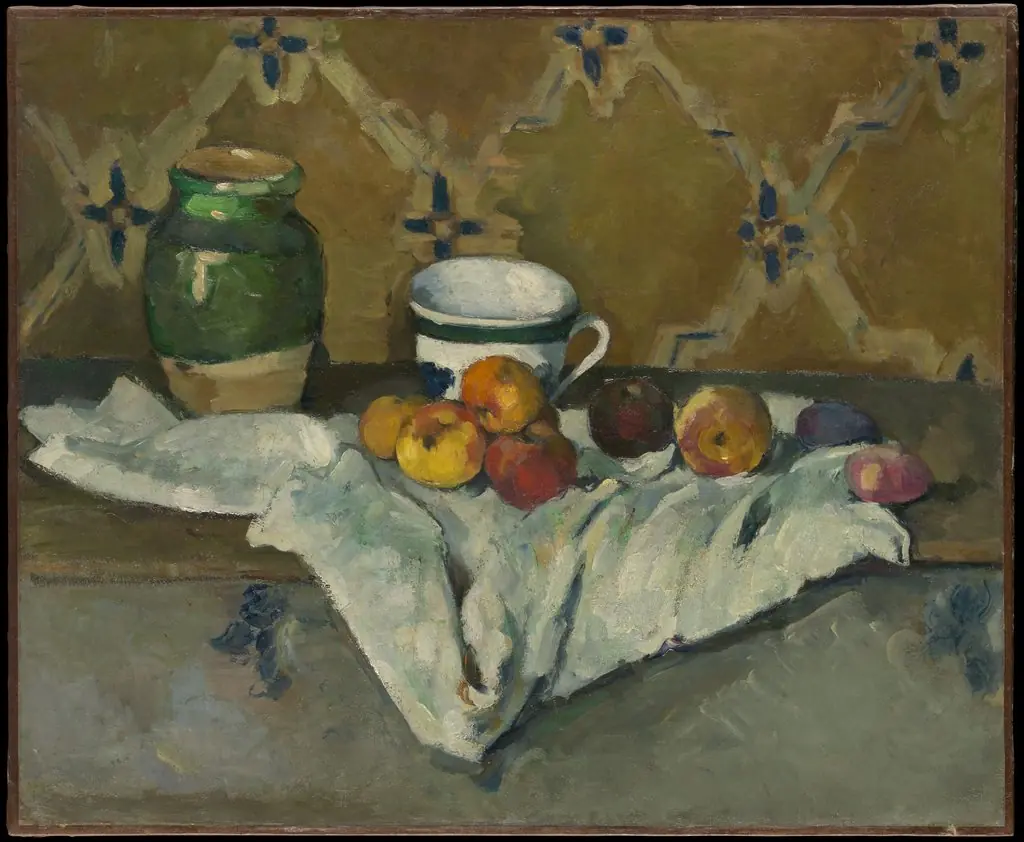 Still Life with Jar, Cup, and Apples
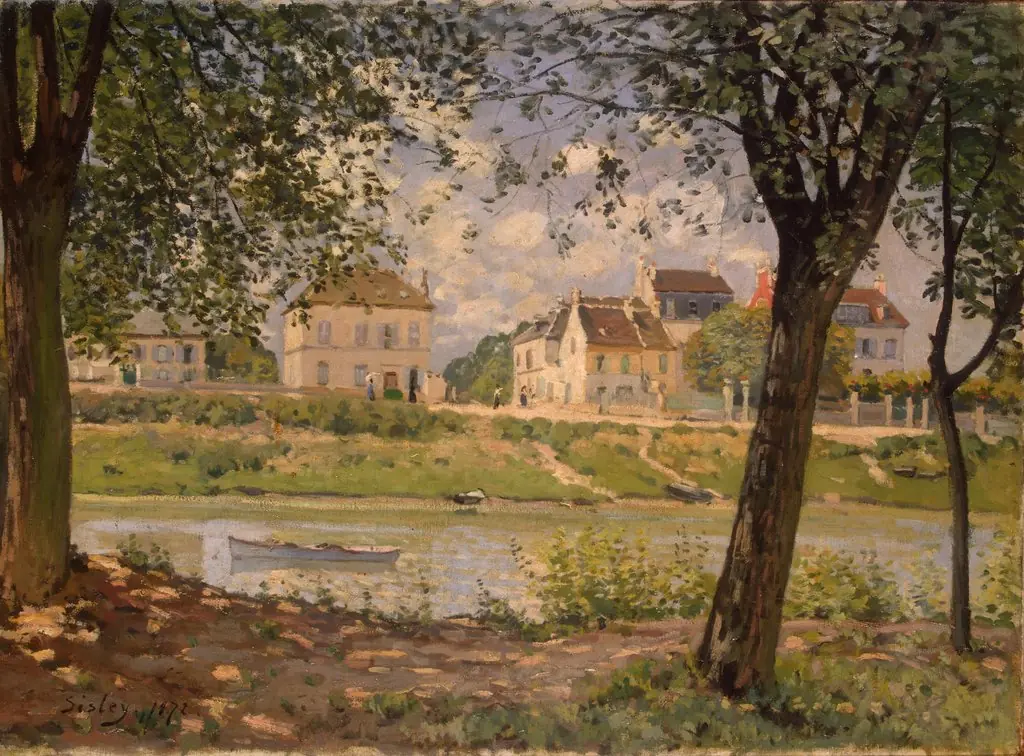 Village on the Banks of the Seine
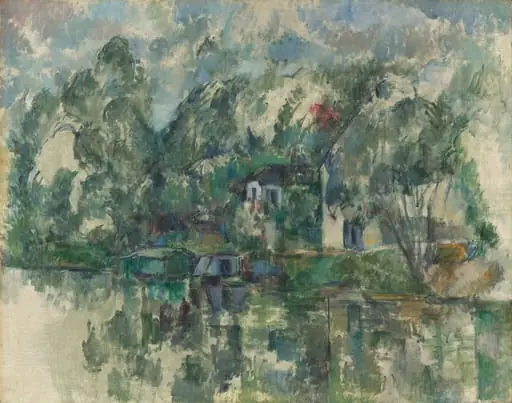 At the Water's Edge
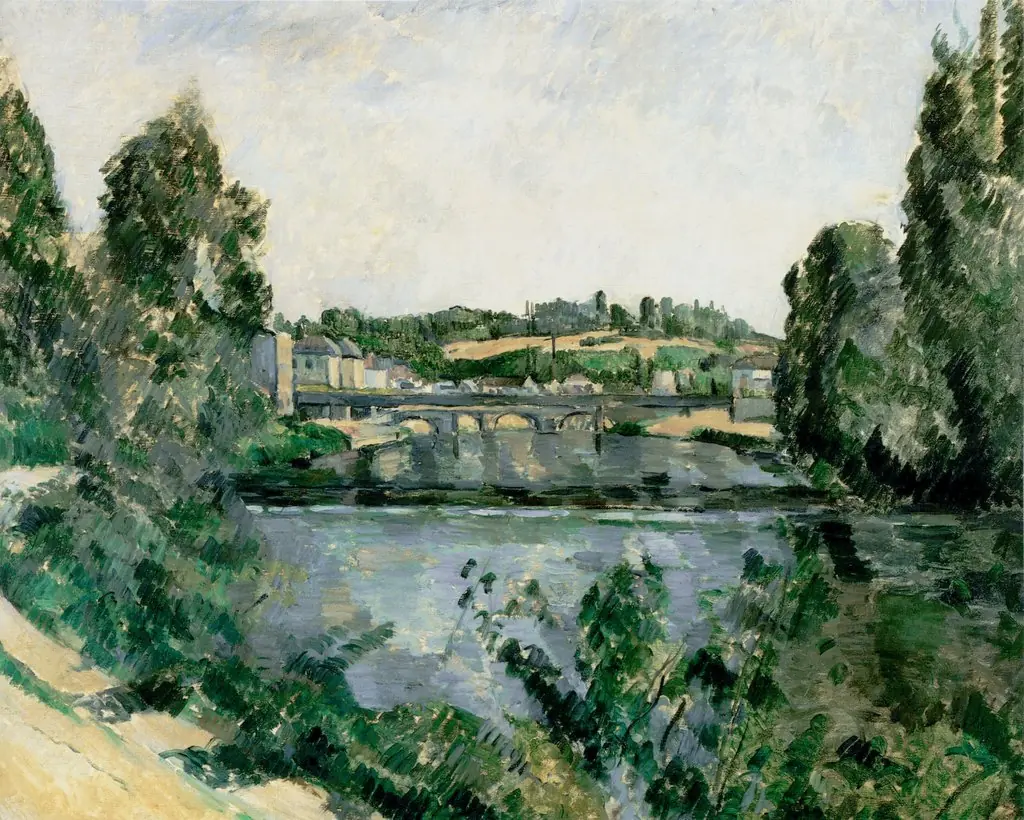 The Bridge and Dam at Pontoise (Le Pont et le déversoir à Pontoise)
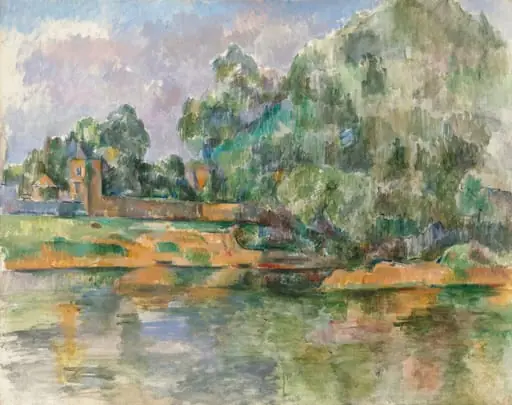 Banks of the Seine at Médan
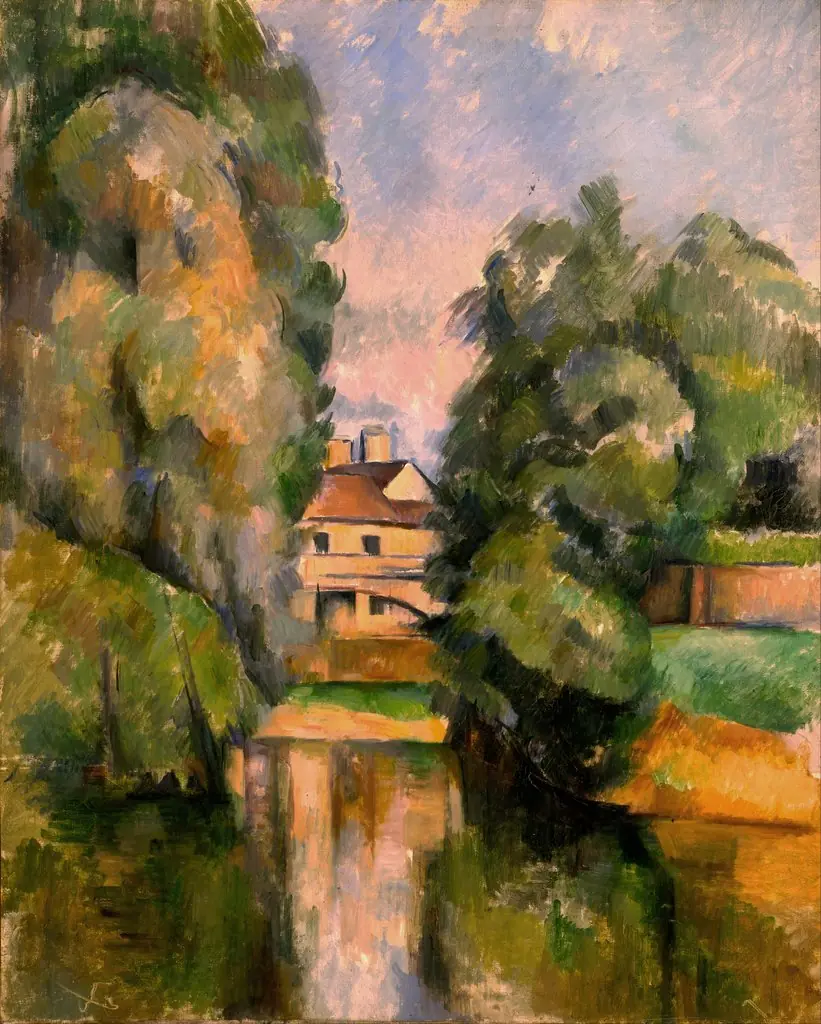 Country House by a River
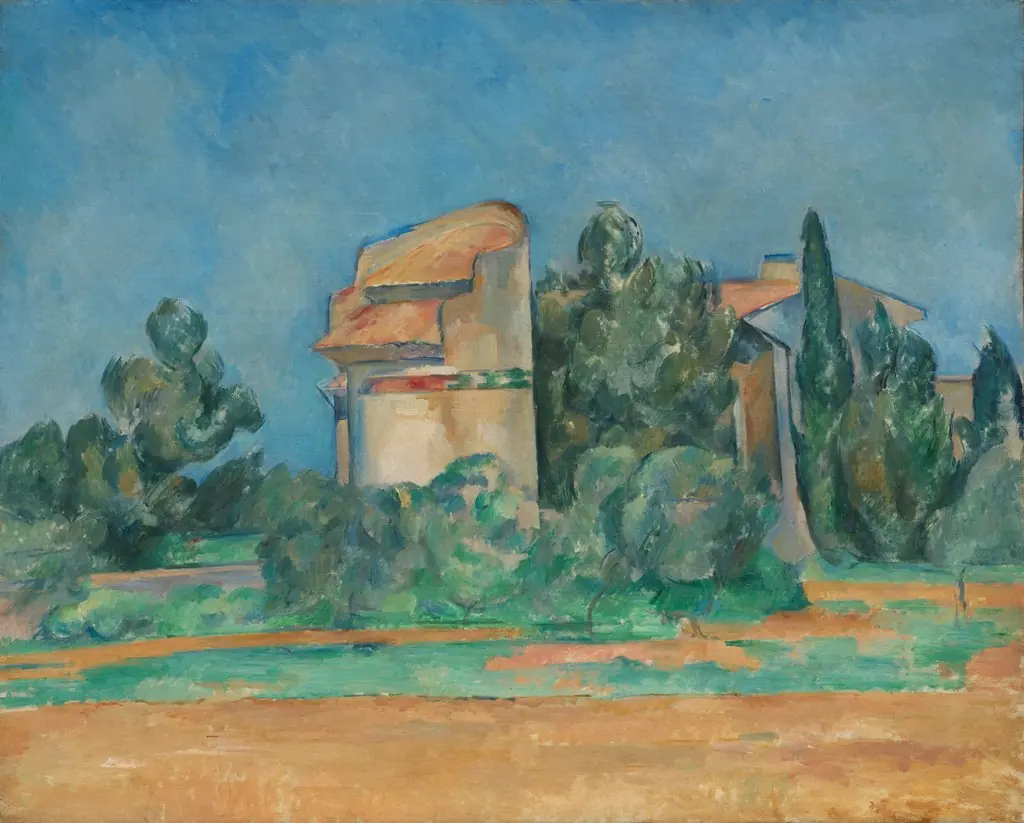 The Pigeon Tower at Bellevue
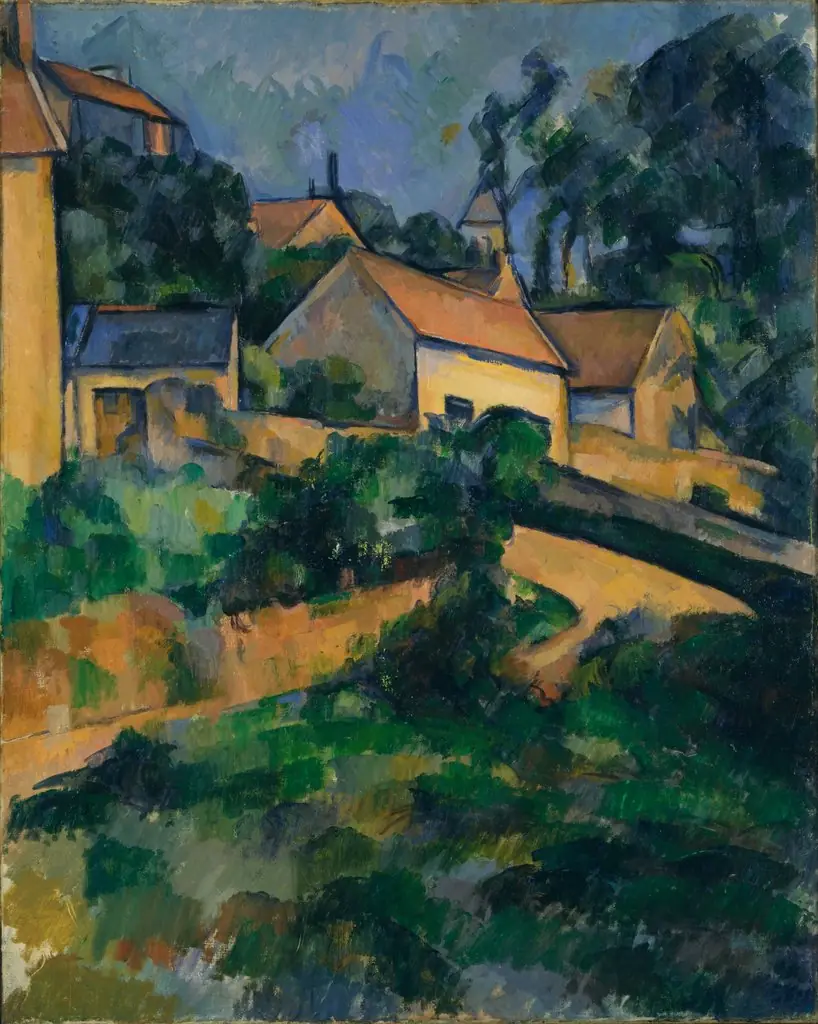 Turning Road at Montgeroult
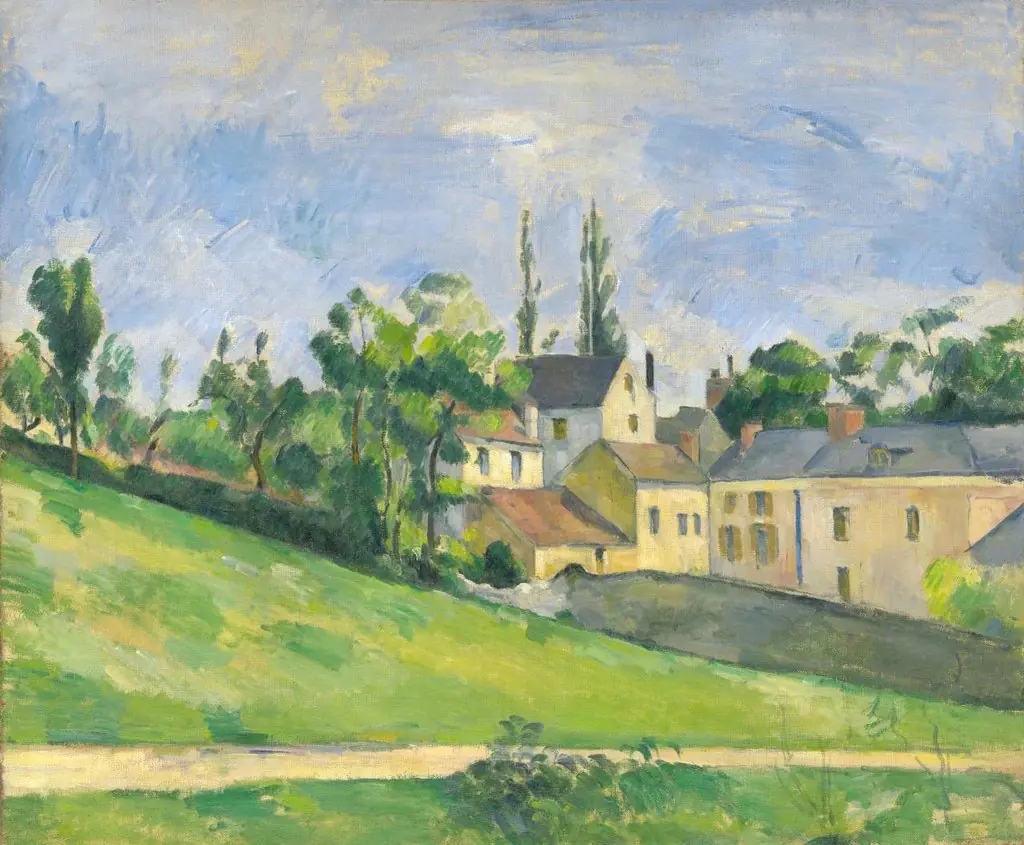 The uphill road
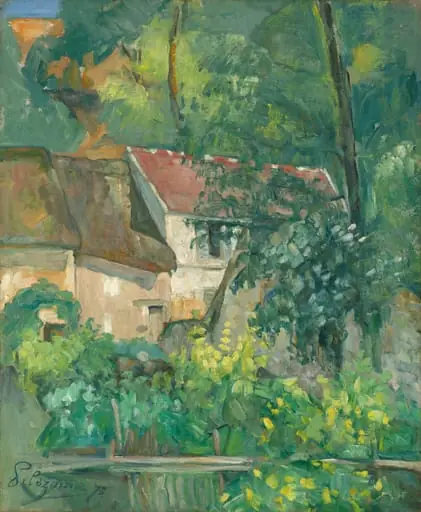 House of Père Lacroix
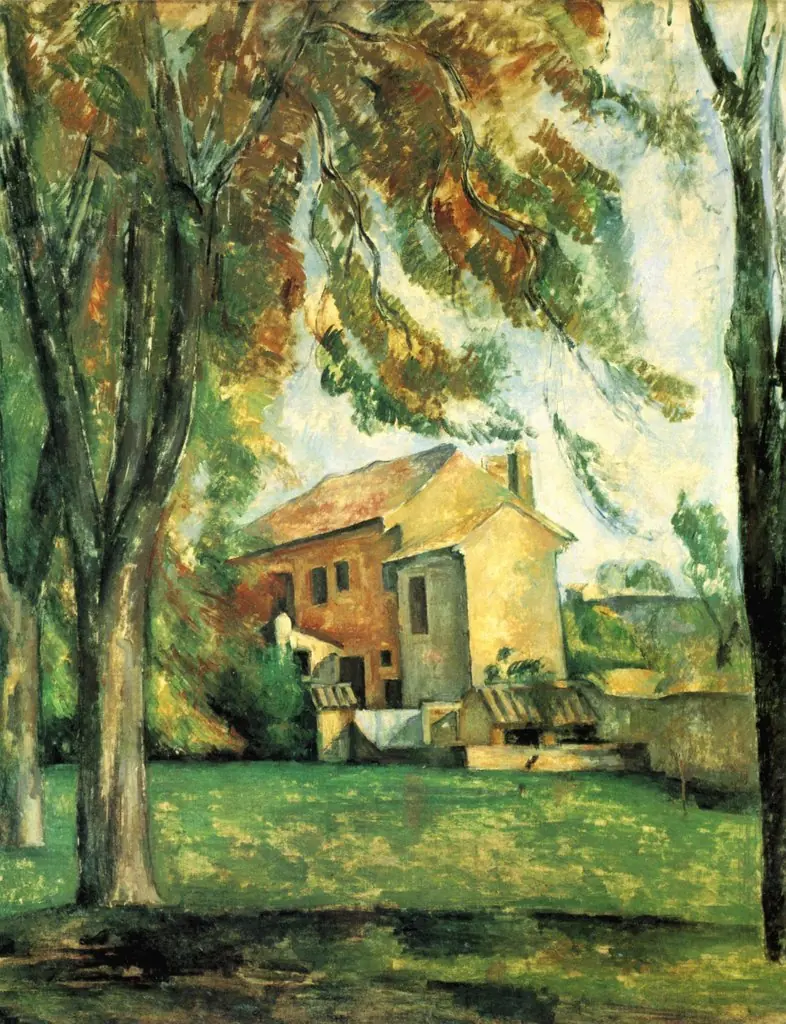 Farmhouse and Chestnut Trees at Jas de Bouffan
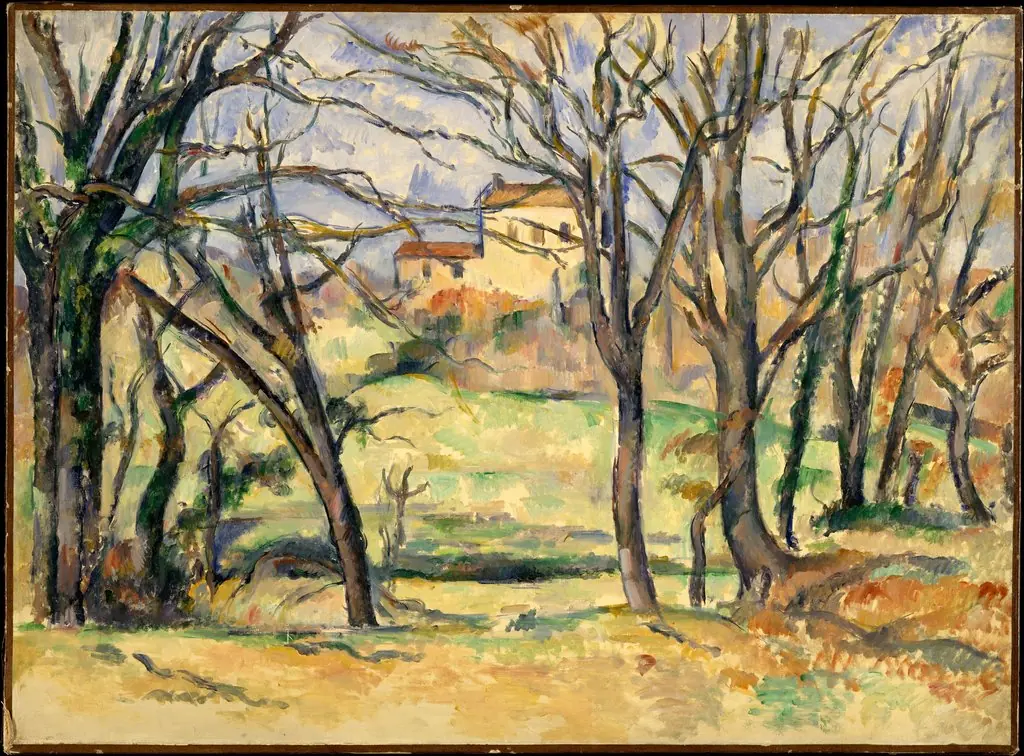 Trees and Houses Near the Jas de Bouffan
 The Bank of the Seine