Artwork
Winter Landscape, Giverny
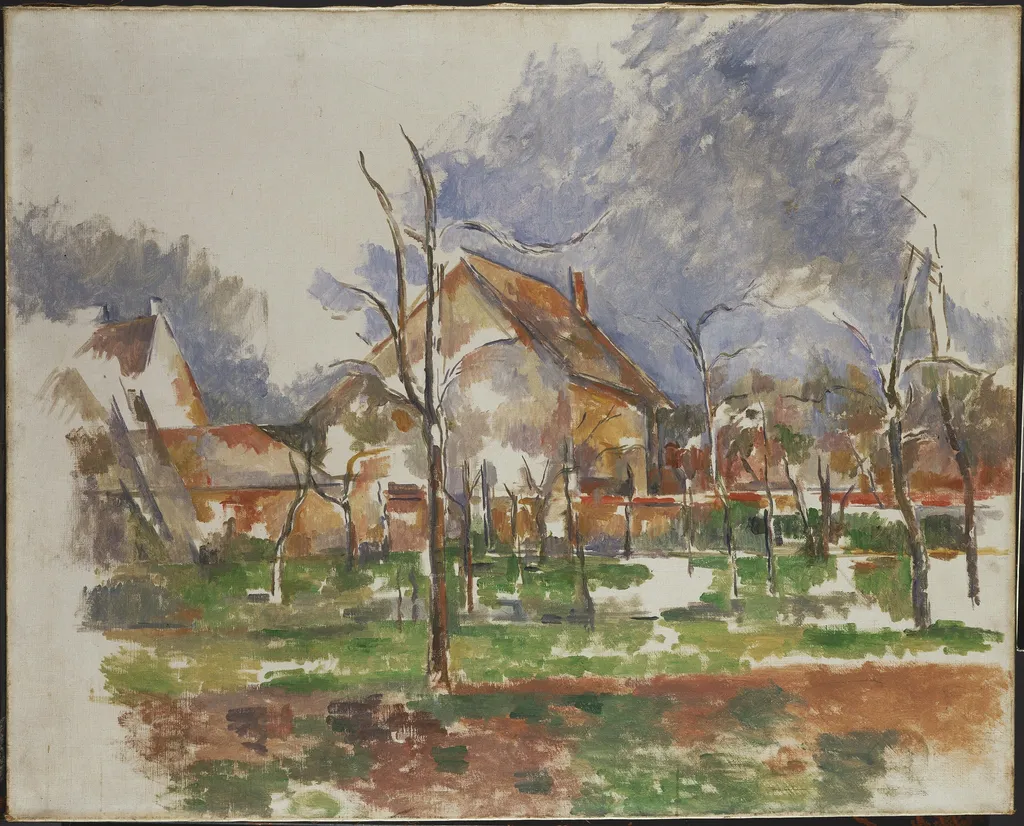
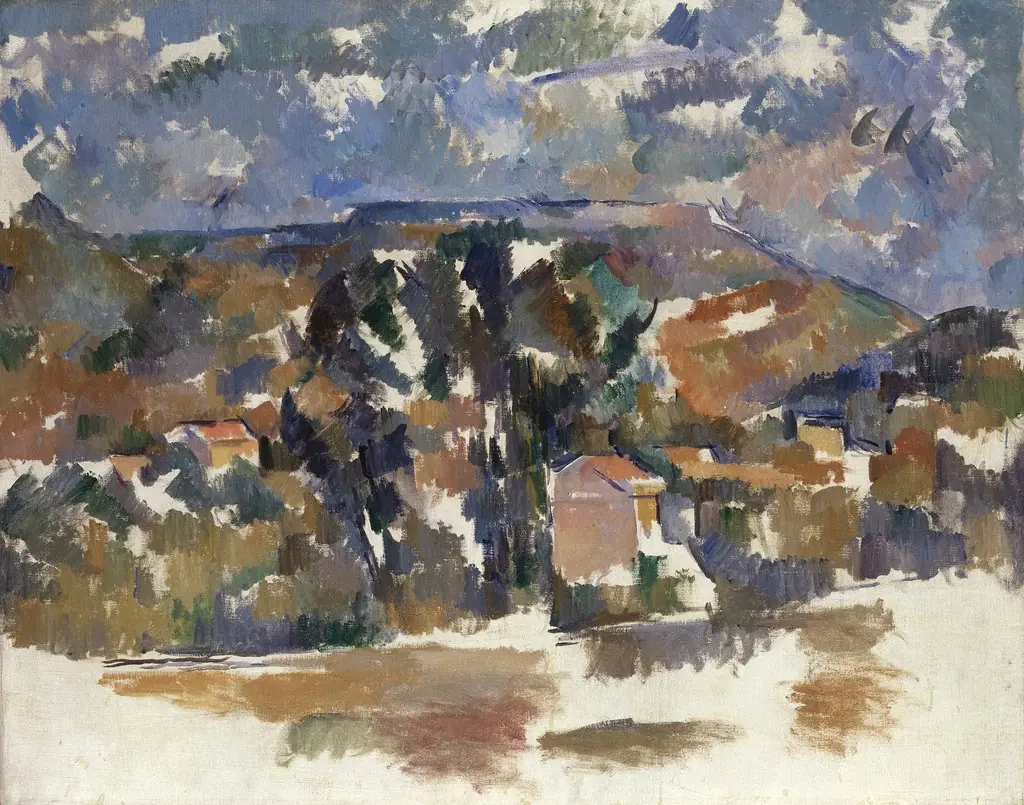
Winter Landscape, Giverny is an oil painting by the Post-Impressionist artist Paul Cezanne. It dates from 1898 and is held in the collection of the Philadelphia Museum of Art.
About this work
Overview
Winter Landscape, Giverny, created in 1898, is an oil painting by Paul Cézanne, exemplifying his Post-Impressionist approach. The work features a serene winter scene with sparse buildings and bare trees, set against a muted color palette dominated by browns, greens, and greys, with touches of blue in the grey sky. A foreground patch of green grass adds depth.
Subject & Meaning
The painting captures a tranquil winter landscape, emphasizing the natural world over human presence. The few buildings and prominent trees suggest a balance between nature and subtle human habitation, reflecting Cézanne’s focus on capturing the essence of the natural world.
Technique & Style
Cézanne employed loose, expressive brushstrokes to convey movement and energy. The structured composition, characteristic of his style, blends Impressionist sensitivity to light and color with a more formal, pre-Cubist emphasis on geometric form, creating a sense of depth and atmospheric immersion.
History & Provenance
Painted in 1898, Winter Landscape, Giverny is now part of the Philadelphia Museum of Art’s collection, highlighting its recognition within Cézanne’s oeuvre and the broader Post-Impressionist movement.
Context
This work bridges the gap between Impressionism and early Cubism, showcasing Cézanne’s pivotal role in the evolution of modern art. His innovative approach influenced subsequent artistic movements.
Legacy
As part of Cézanne’s body of work, Winter Landscape, Giverny contributes to his legacy as a transitional figure in modern art, appreciated for its technical innovation and aesthetic appeal.
Artist & collection
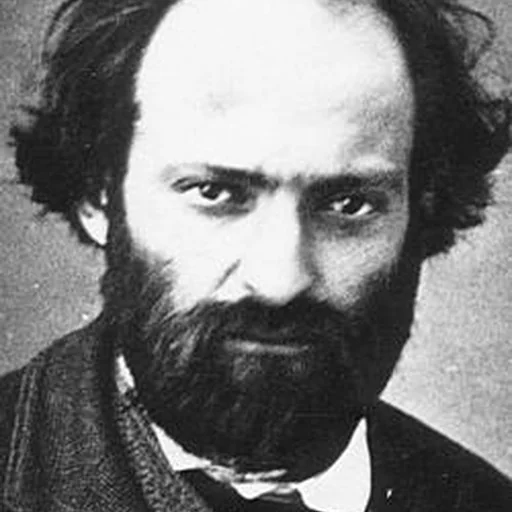
Artist
Paul Cézanne was born on January 19, 1839, in Aix-en-Provence, the son of a hatter turned wealthy banker.

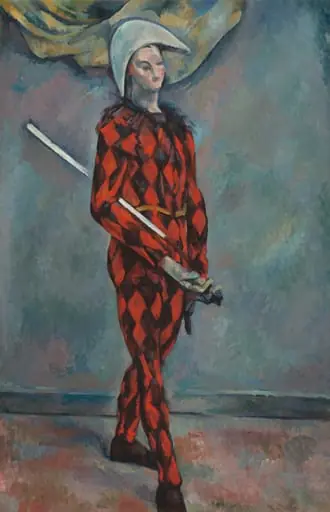 Harlequin
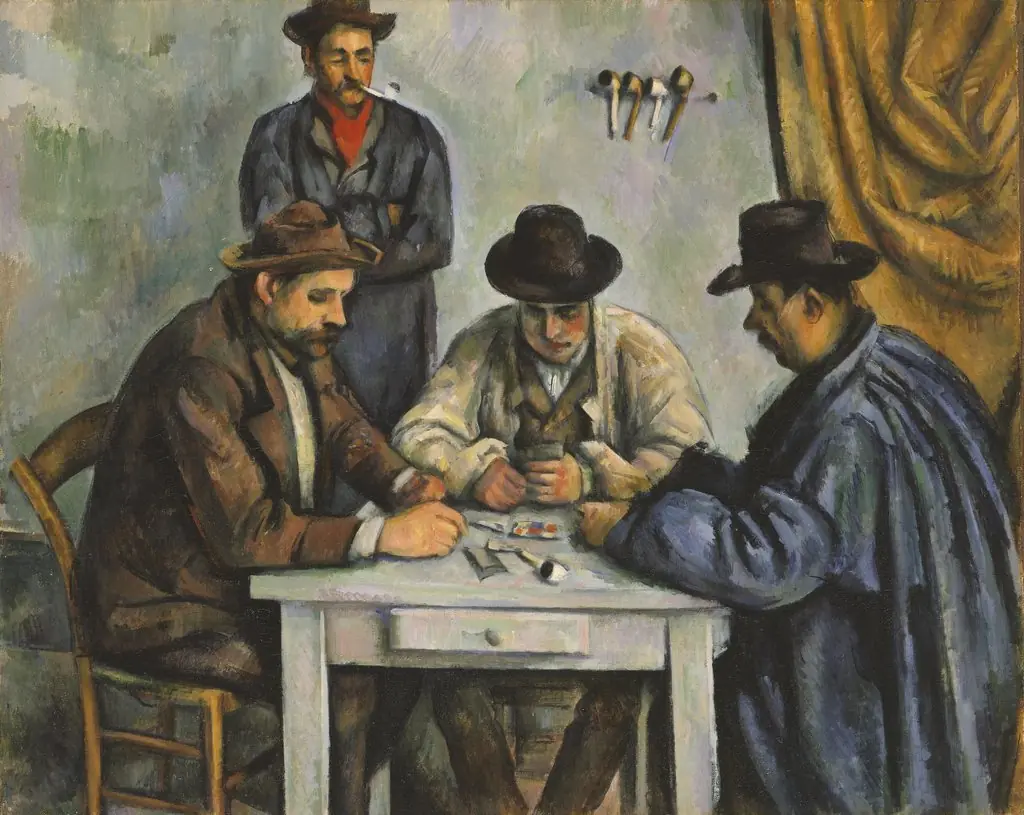 The Card Players
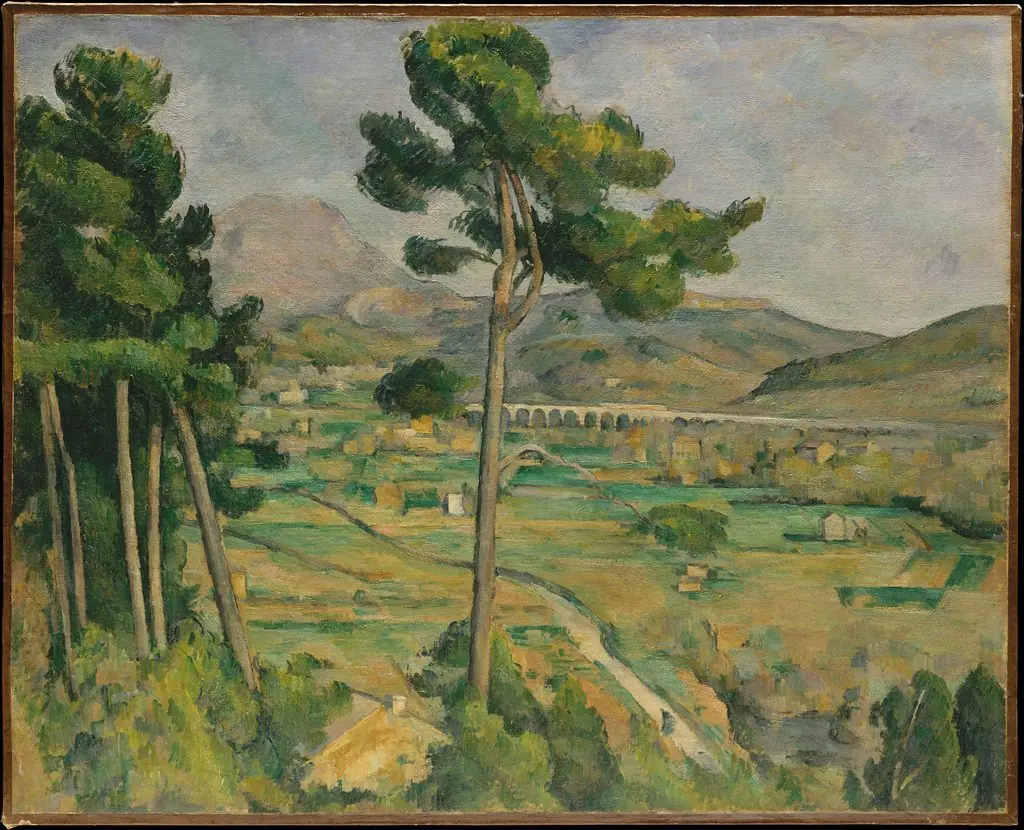 Mont Sainte-Victoire and the Viaduct of the Arc River Valley
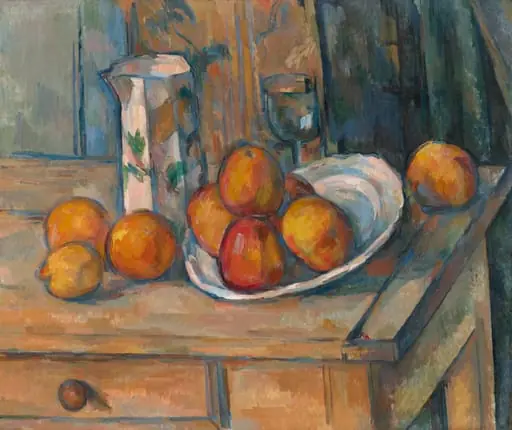 Still Life with Milk Jug and Fruit
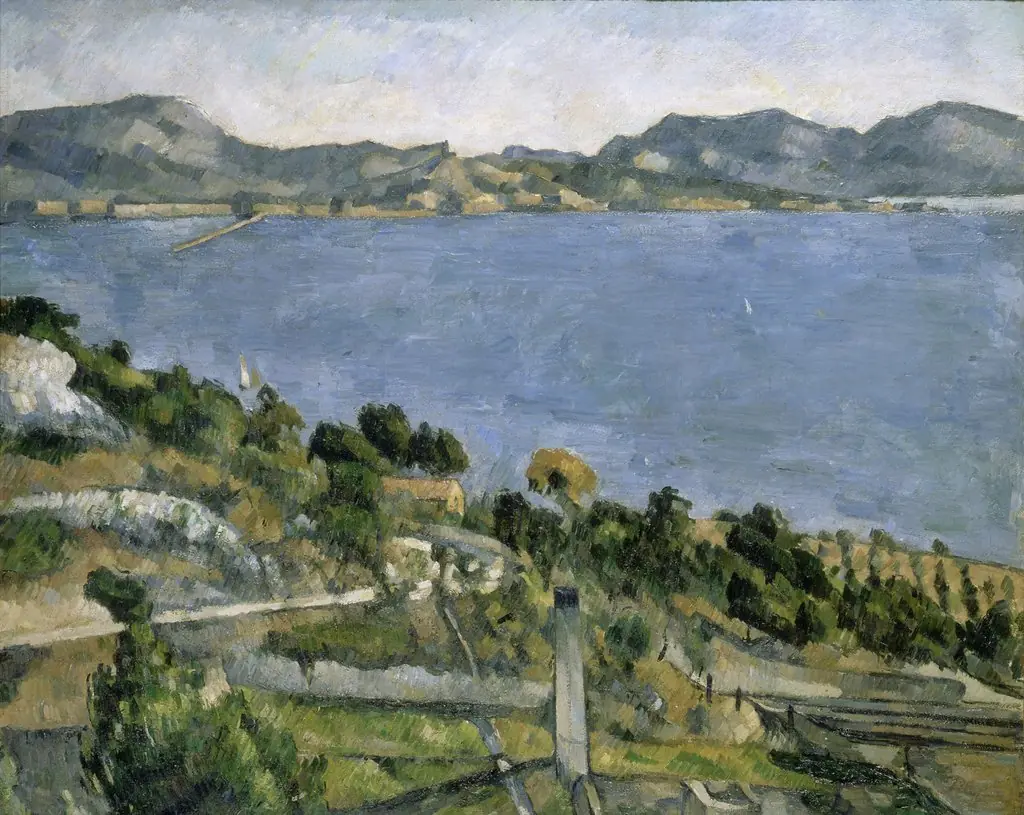 Le Golfe de Marseille vu de l'Estaque (The Gulf of Marseille Seen from L'Estaque)
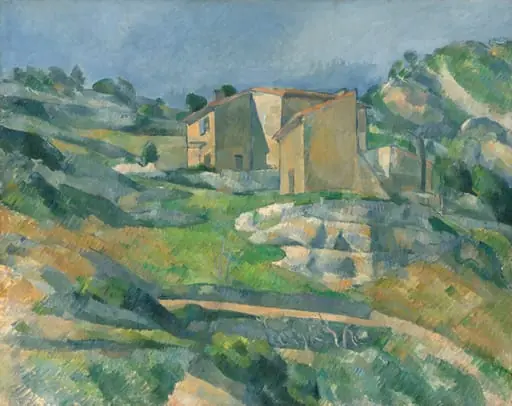 Houses in Provence: The Riaux Valley near L'Estaque
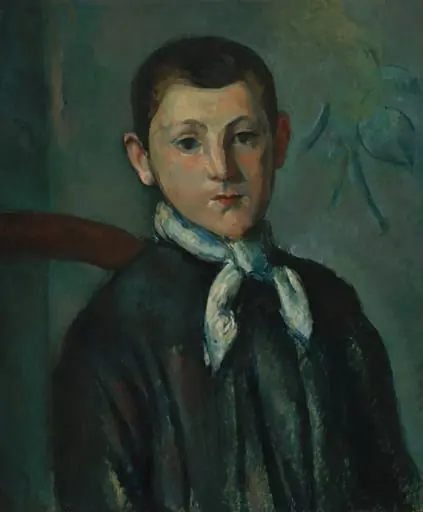 Louis Guillaume
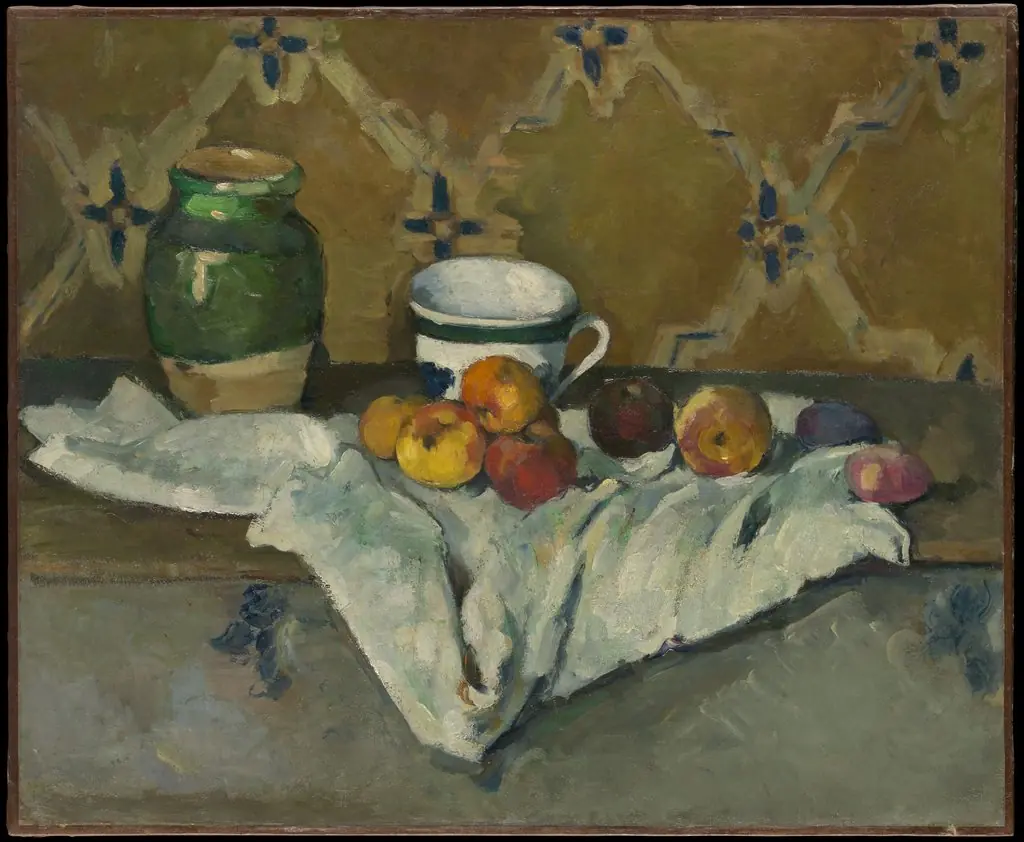 Still Life with Jar, Cup, and Apples
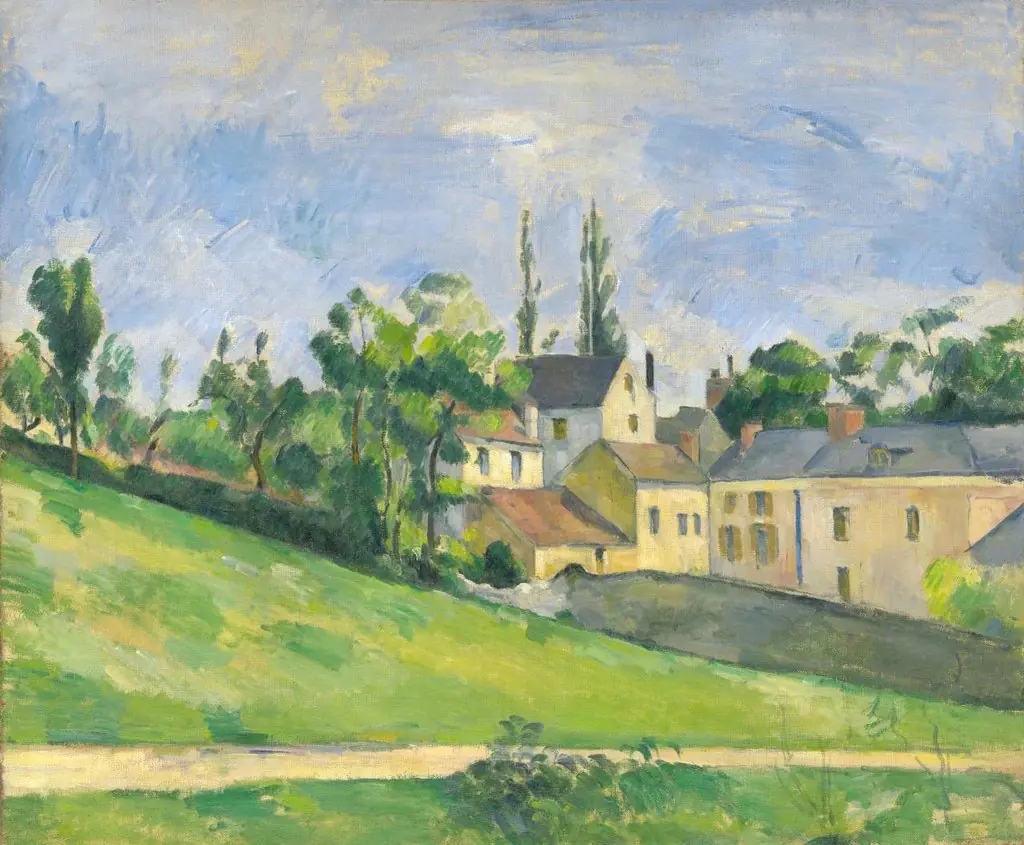 The uphill road
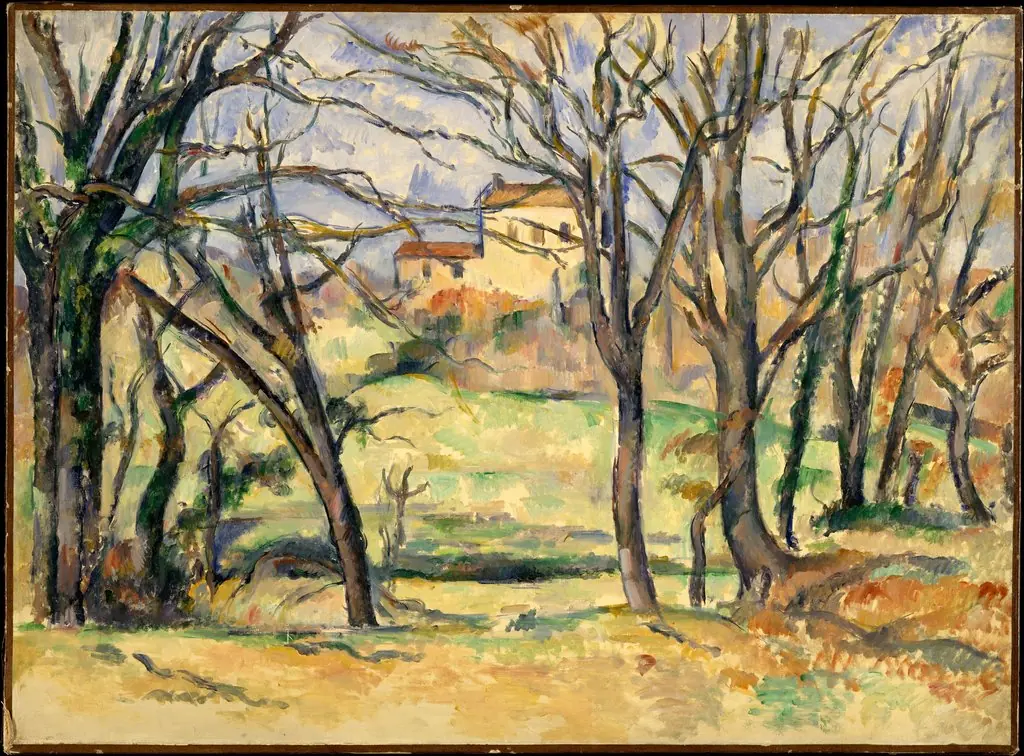 Trees and Houses Near the Jas de Bouffan
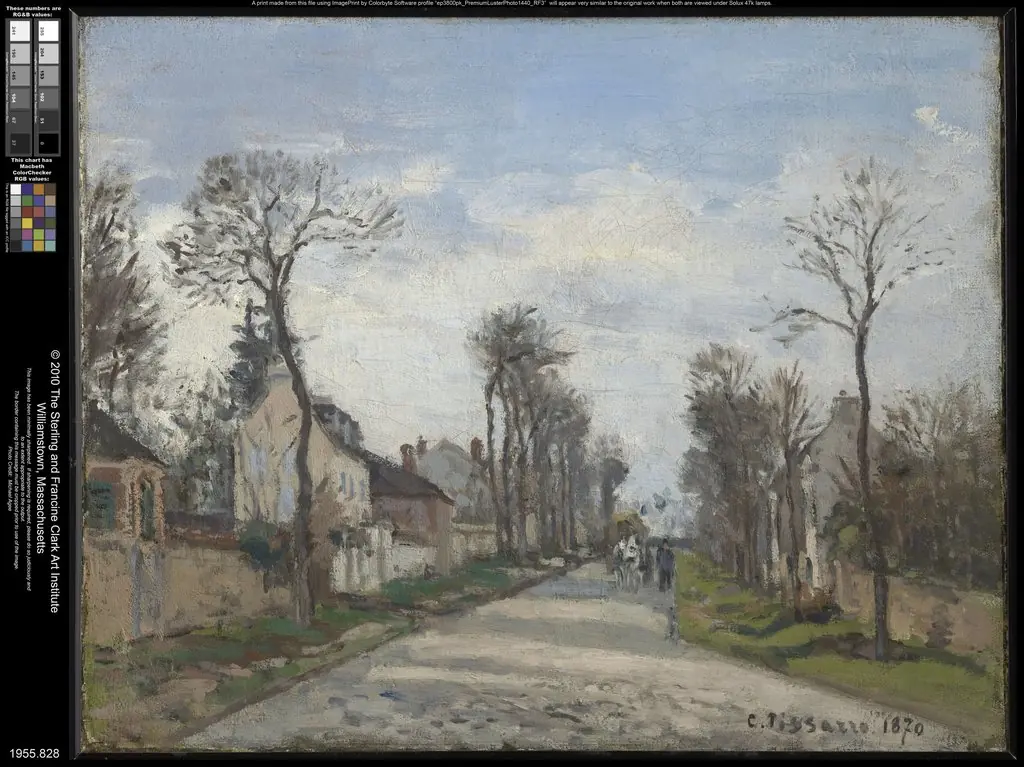 Route de Versailles, Louveciennes
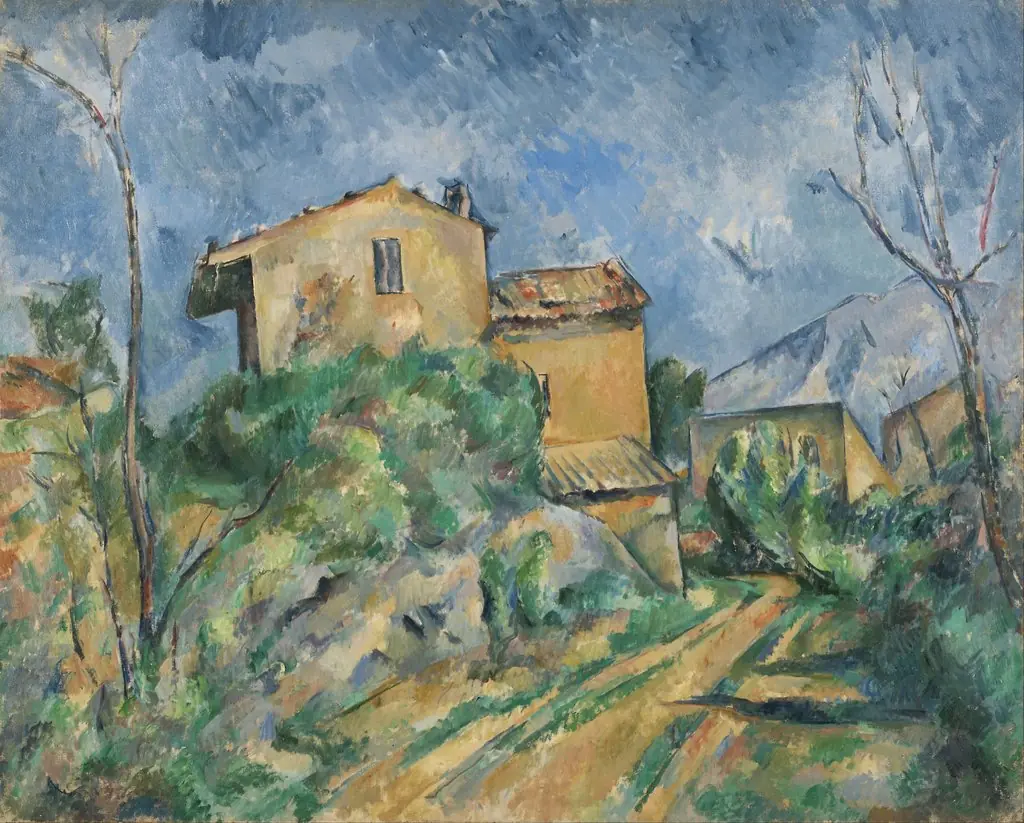 Maison Maria with a View of Château Noir
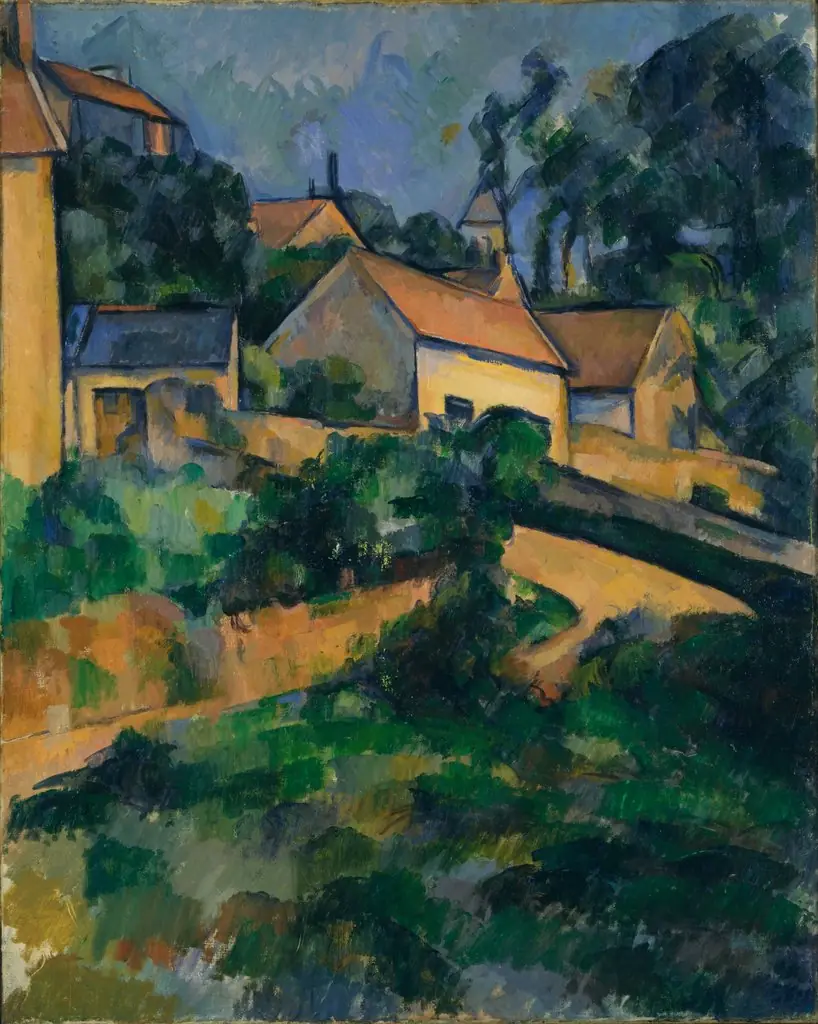 Turning Road at Montgeroult
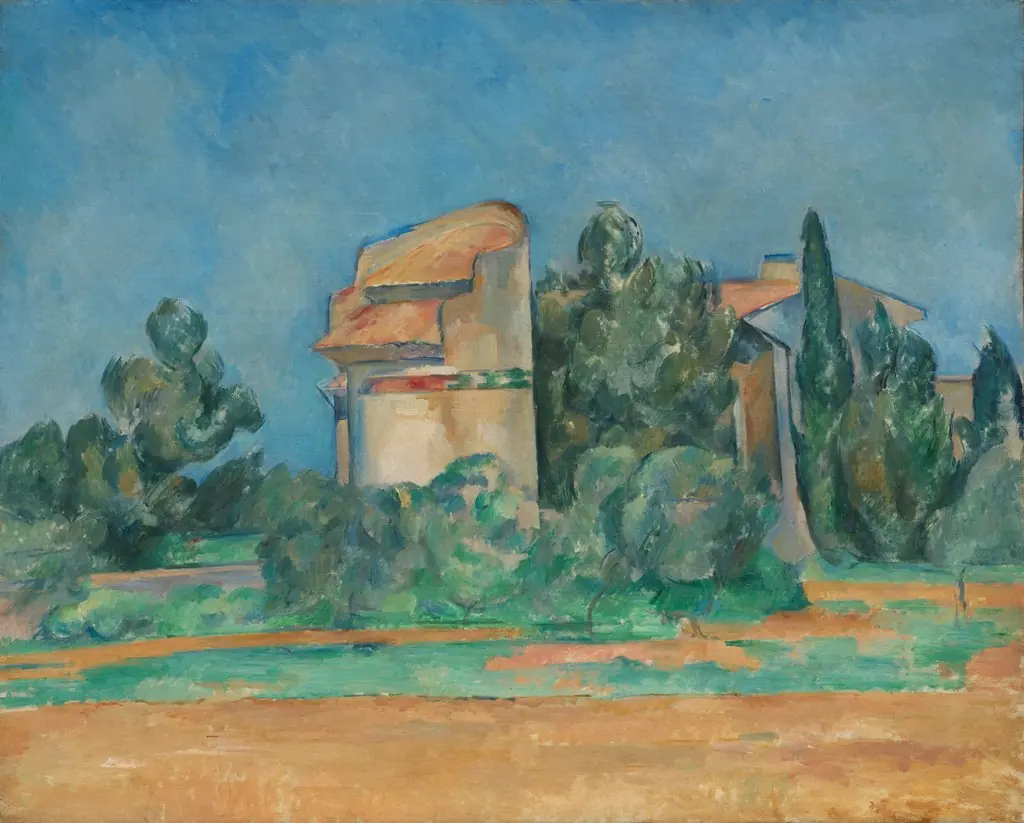 The Pigeon Tower at Bellevue
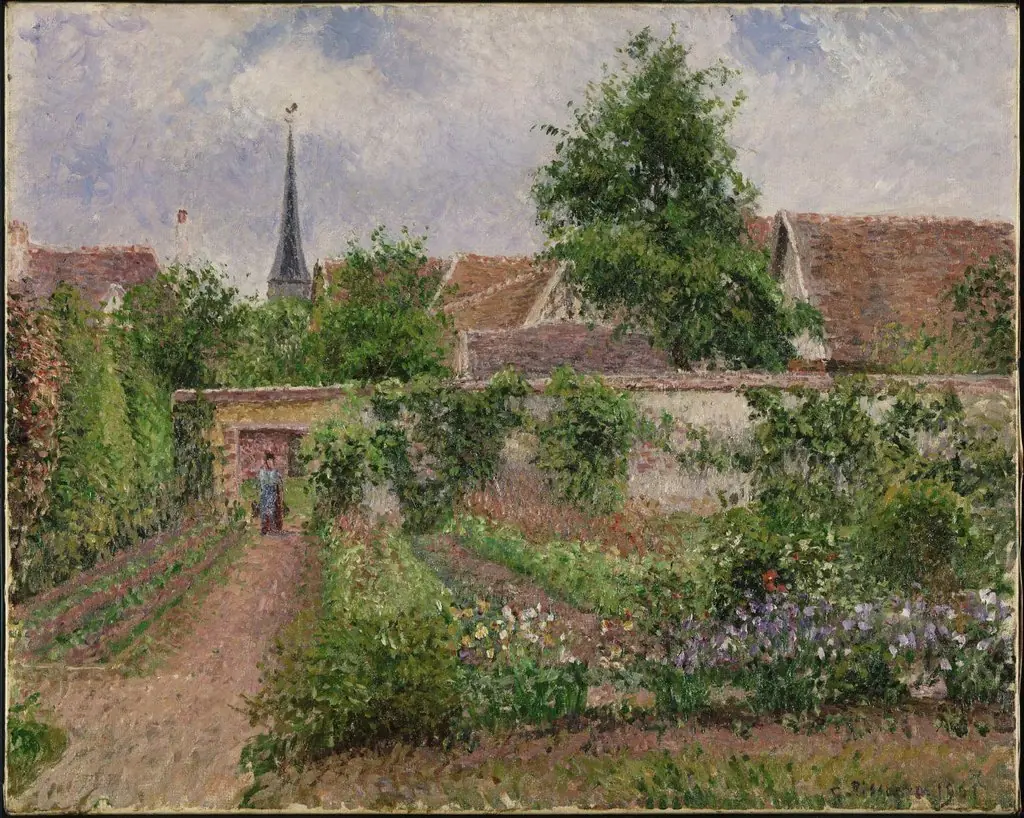 Vegetable Garden, Overcast Morning, Eragny
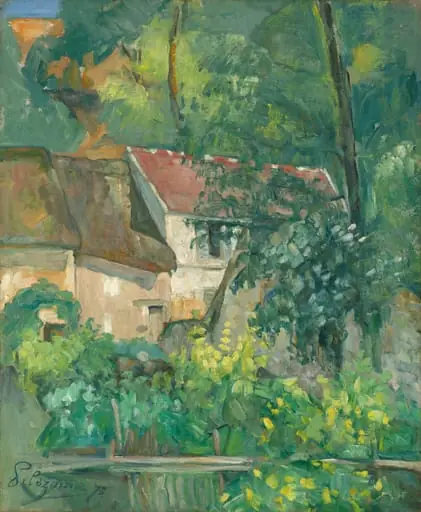 House of Père Lacroix
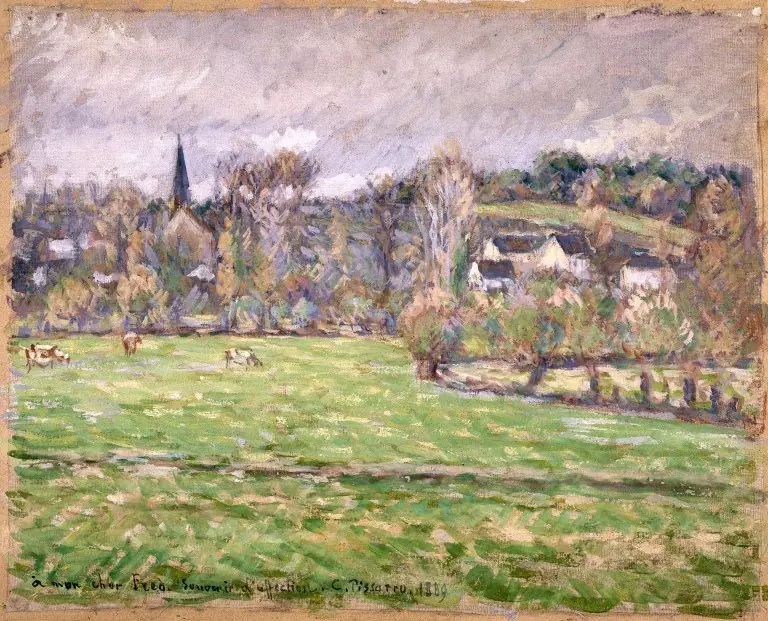 View of Bazincourt
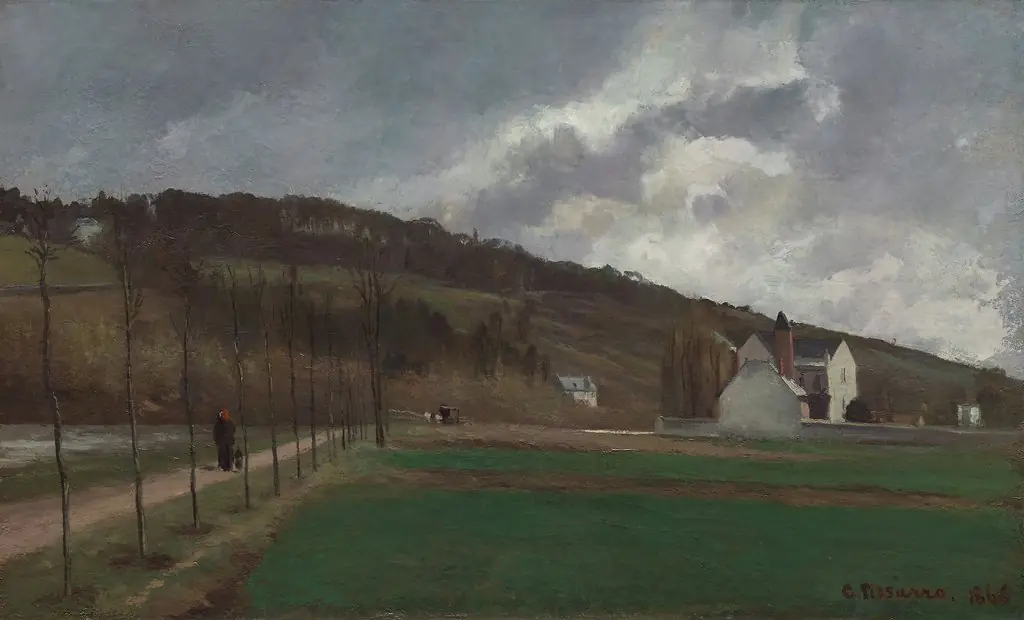 The Banks of the Marne in Winter
 The Mont de Cengle
 Farmhouse