Artwork
The uphill road
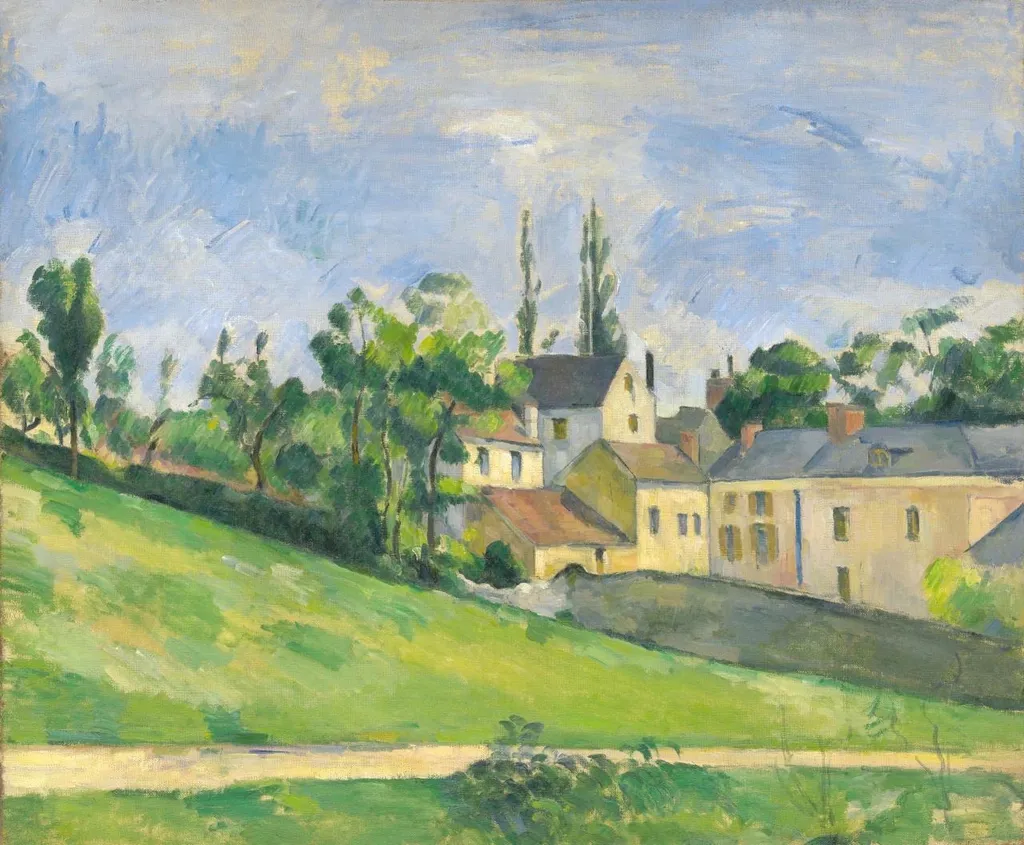
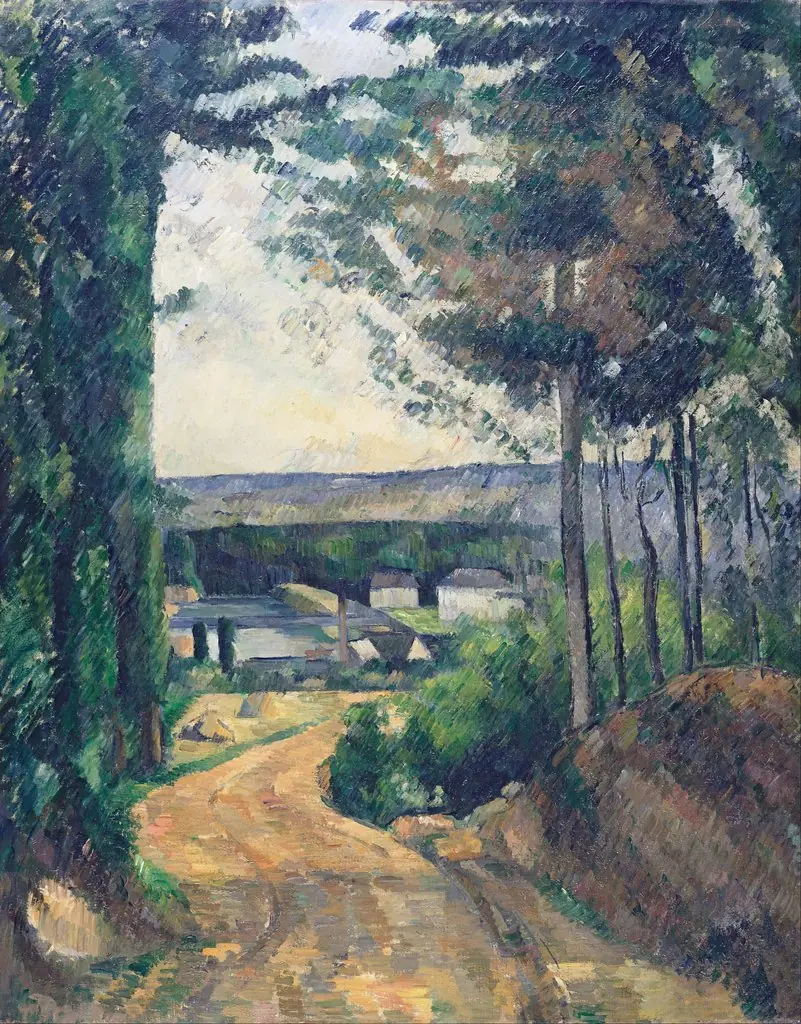
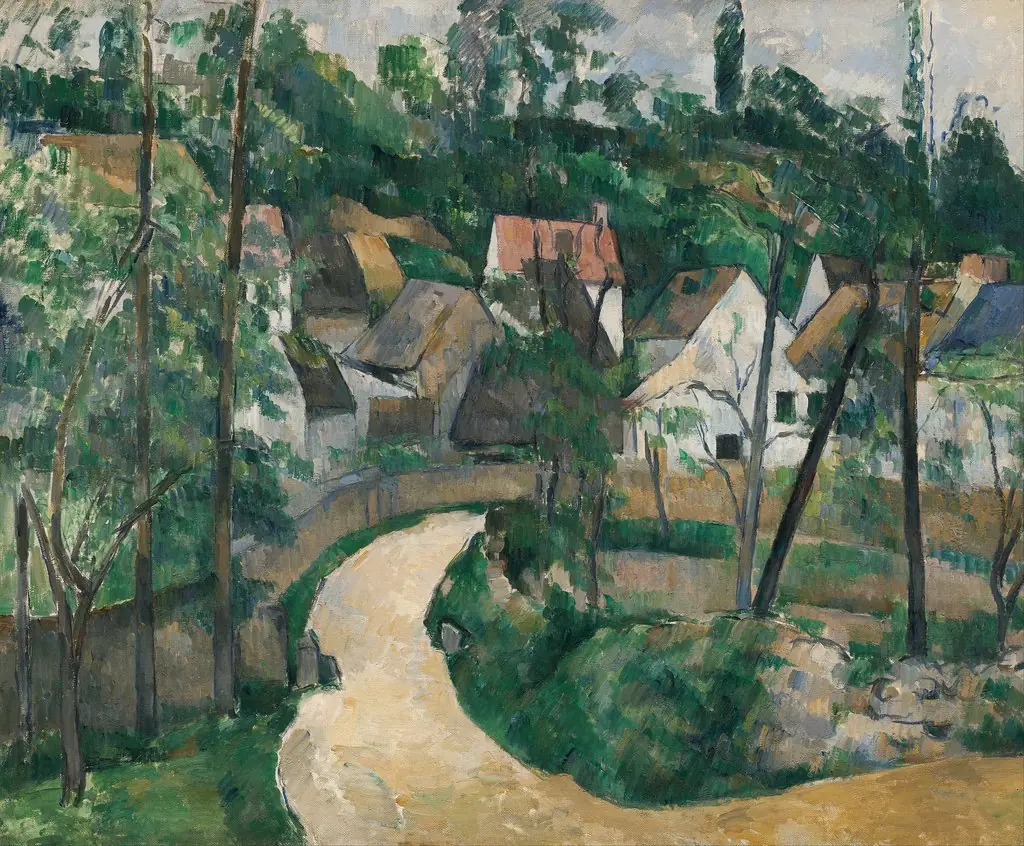
The uphill road is an oil painting by the Post-Impressionist artist Paul Cezanne. It dates from 1891 and is held in the collection of the National Gallery of Victoria.
About this work
Overview
The work exemplifies his mature style, where structured forms and deliberate color relationships replace the fleeting effects favored by the Impressionists.
Painted in 1891, *The Uphill Road* is an oil-on-canvas landscape by Paul Cézanne that captures a quiet rural ascent in southern France. The work exemplifies his mature style, where structured forms and deliberate color relationships replace the fleeting effects favored by the Impressionists. Its composition guides the viewer’s gaze along a winding path, emphasizing spatial depth through layered planes rather than linear perspective.
Subject & Meaning
The painting portrays a modest hillside road lined with trees and distant structures, devoid of human figures. This absence invites contemplation rather than narrative. The upward trajectory of the path suggests movement and quiet persistence, aligning with Cézanne’s interest in the enduring rhythms of nature. The scene is neither idealized nor dramatic, but grounded in the ordinary, reflecting his belief in finding structure in the everyday.
Technique & Style
Cézanne applied oil paint in distinct, modulated brushstrokes that build form through color variation rather than outline. The sky, trees, and road are rendered with patches of blue, green, and ochre, each tone carefully placed to suggest volume and recession. Visible brushwork adds tactile texture, while the absence of soft blending creates a sense of solidity. This method anticipates the geometric simplifications later explored by Cubist artists.
History & Provenance
Created during Cézanne’s period of intense focus on landscape painting near Aix-en-Provence, the work remained in private hands until acquired by the National Gallery of Victoria in Melbourne. Its inclusion in the gallery’s collection reflects its significance as a representative example of Cézanne’s late style. No major exhibitions or documented ownership changes are recorded prior to its institutional acquisition.
Context
In the 1890s, Cézanne distanced himself from Impressionist spontaneity, seeking to reconcile sensory observation with structural coherence. *The Uphill Road* emerged amid his broader exploration of how nature could be organized through color and form. Contemporary critics were often puzzled by his approach, but younger artists, including Picasso and Matisse, recognized his innovations as foundational to modern art’s evolution.
Legacy
The painting contributes to Cézanne’s enduring influence on 20th-century art, particularly in its rejection of traditional perspective in favor of multiple viewpoints and geometric simplification. While not widely exhibited, its presence in the National Gallery of Victoria allows ongoing study of his method. Scholars cite works like this as critical links between 19th-century landscape traditions and the abstract tendencies of modernism.
Artist & collection
Artist
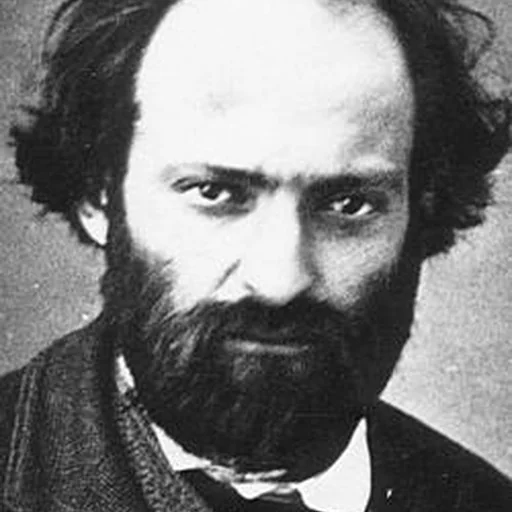
Paul Cézanne was born on January 19, 1839, in Aix-en-Provence, the son of a hatter turned wealthy banker.

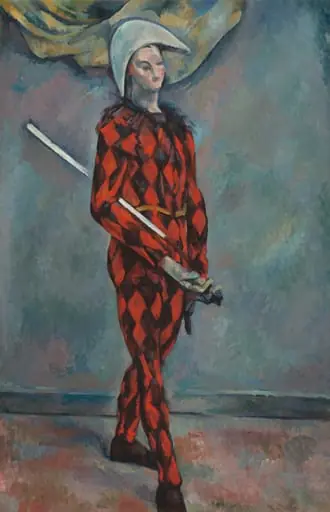 Harlequin
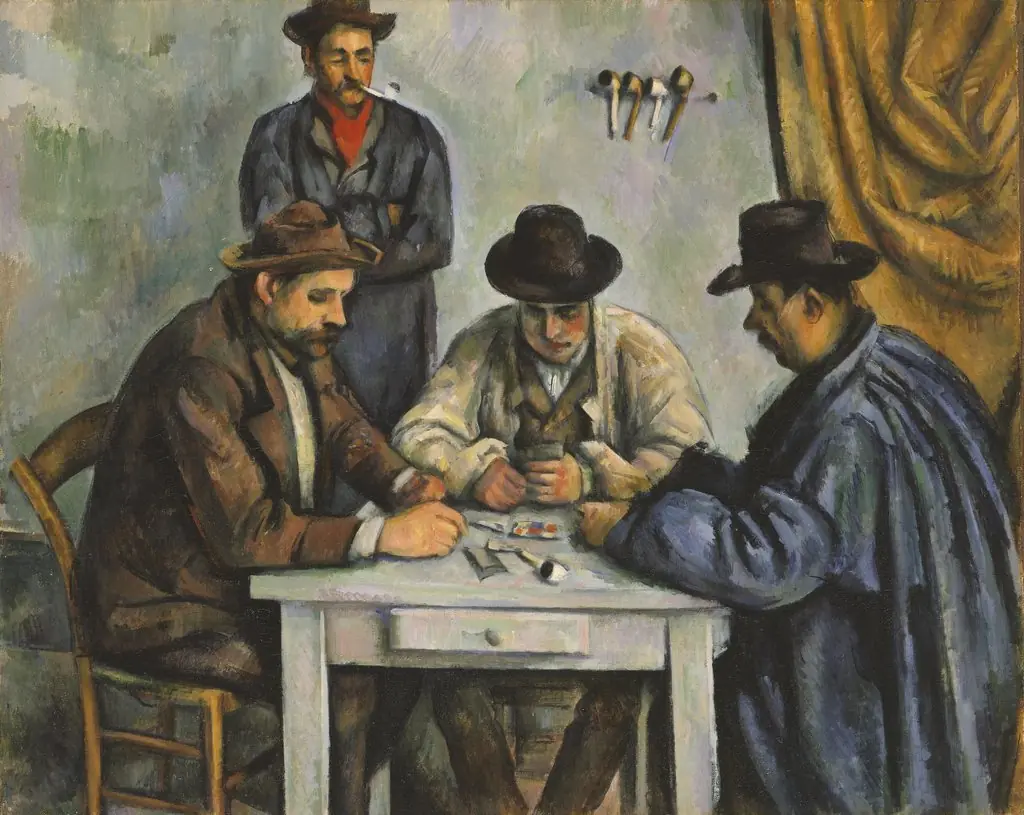 The Card Players
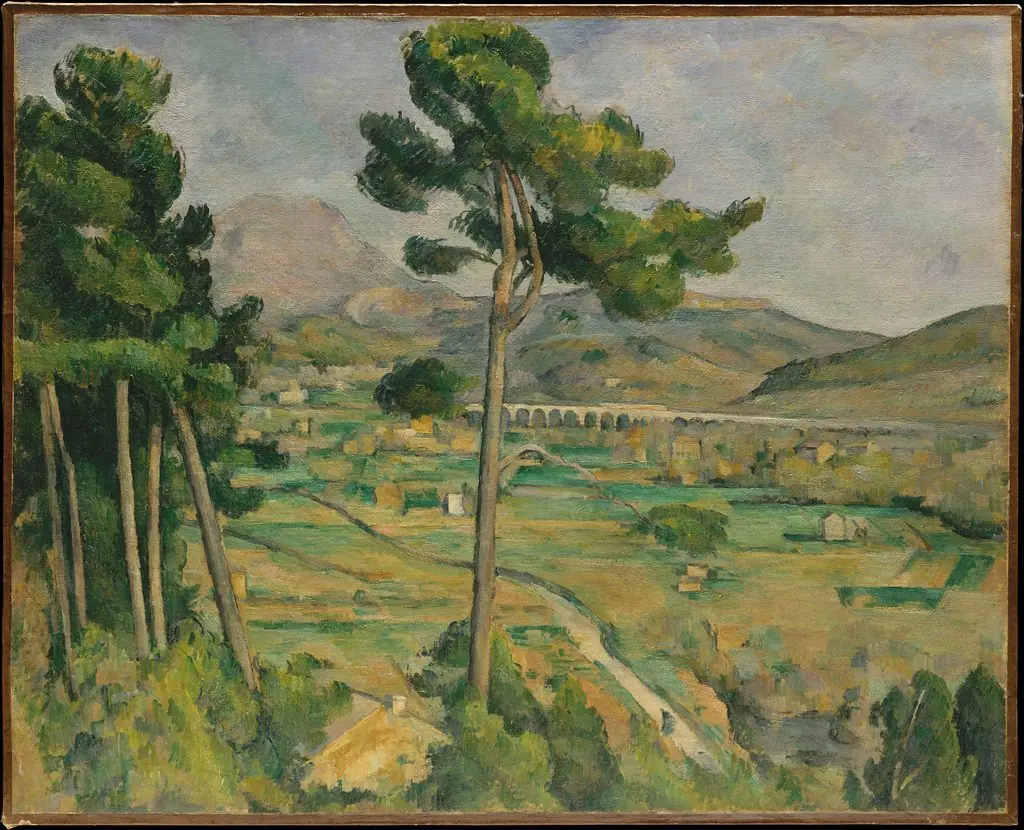 Mont Sainte-Victoire and the Viaduct of the Arc River Valley
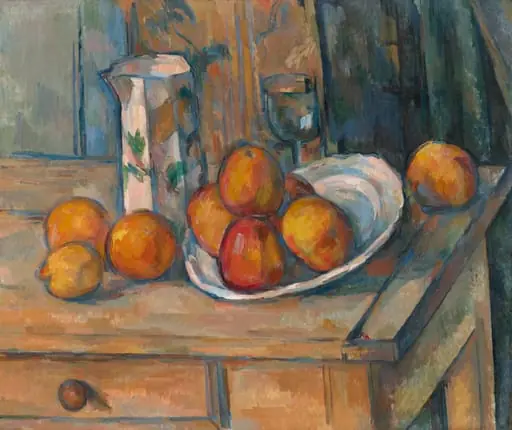 Still Life with Milk Jug and Fruit
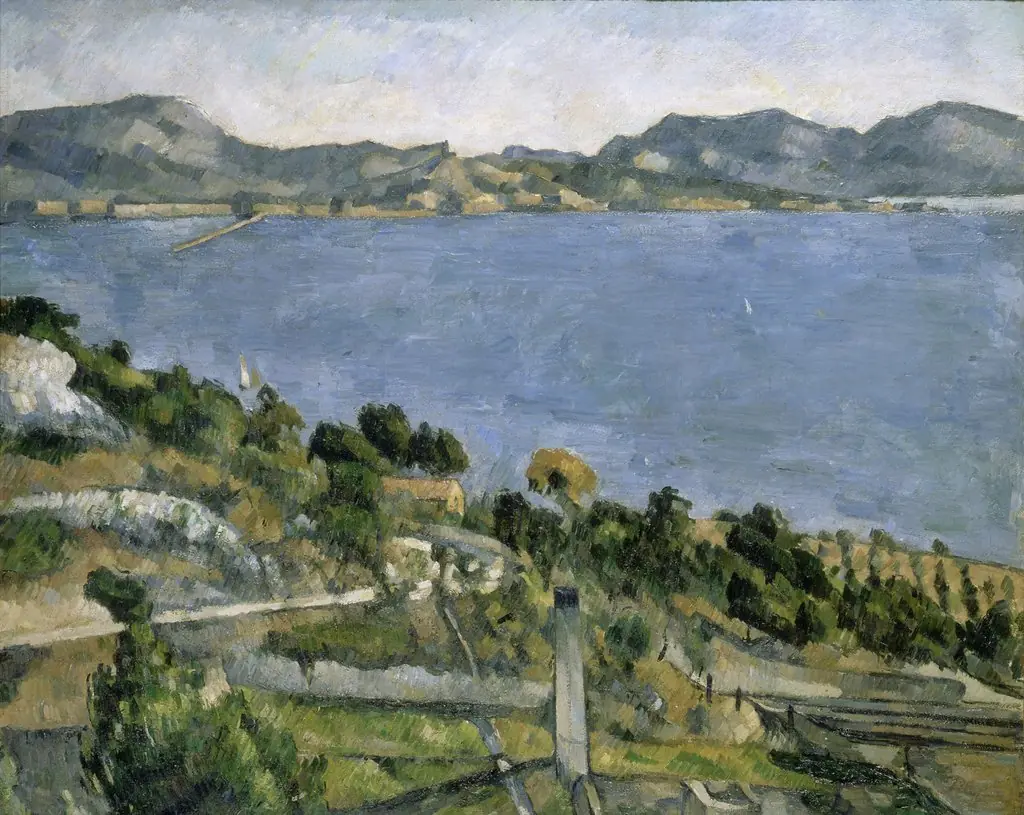 Le Golfe de Marseille vu de l'Estaque (The Gulf of Marseille Seen from L'Estaque)
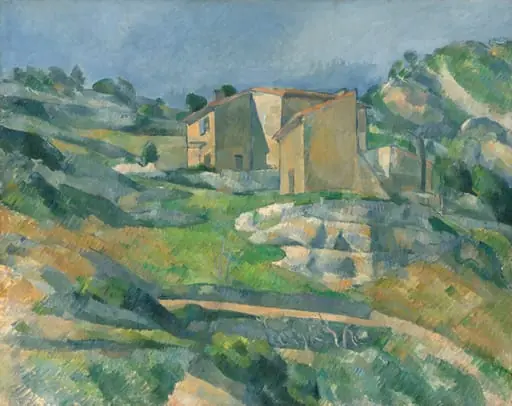 Houses in Provence: The Riaux Valley near L'Estaque
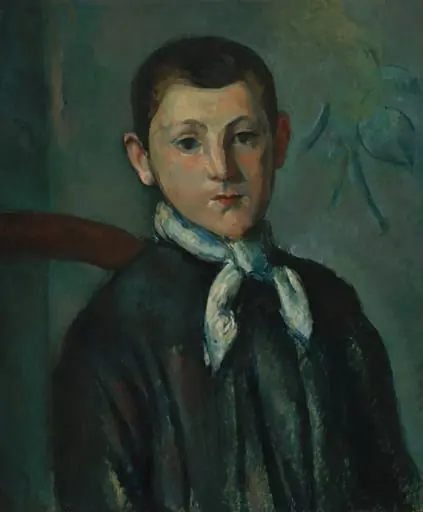 Louis Guillaume
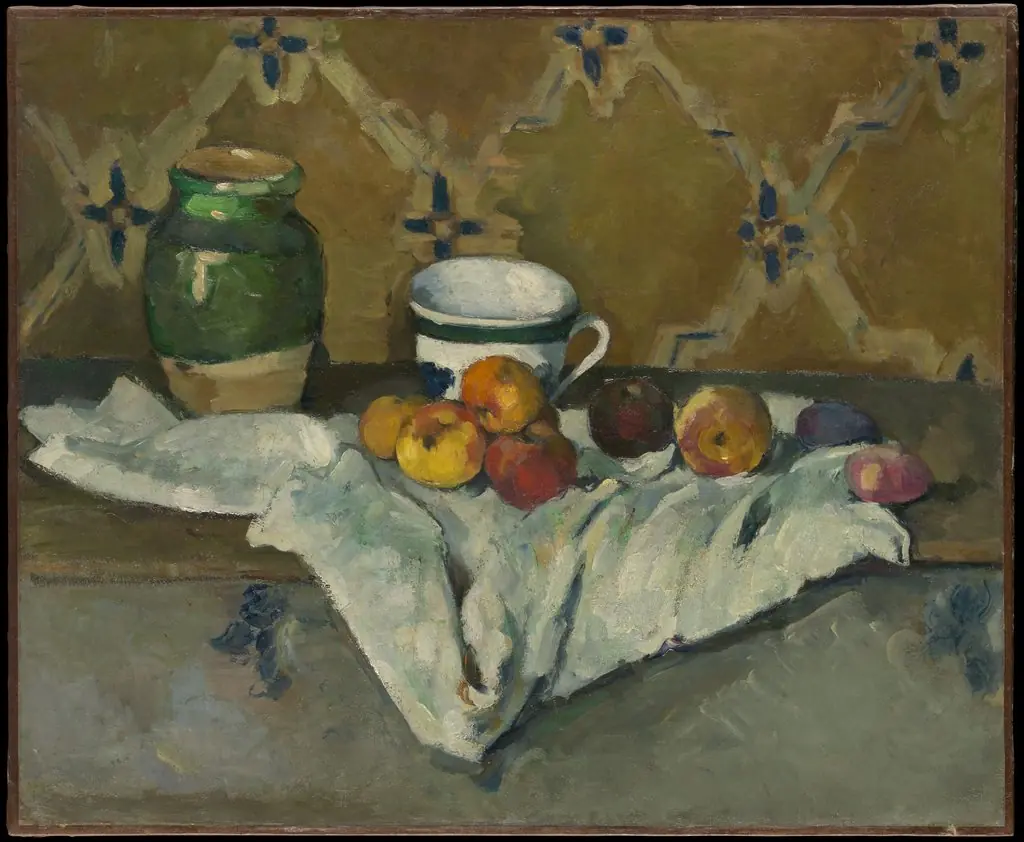 Still Life with Jar, Cup, and Apples