Artwork
Turning Road at Montgeroult
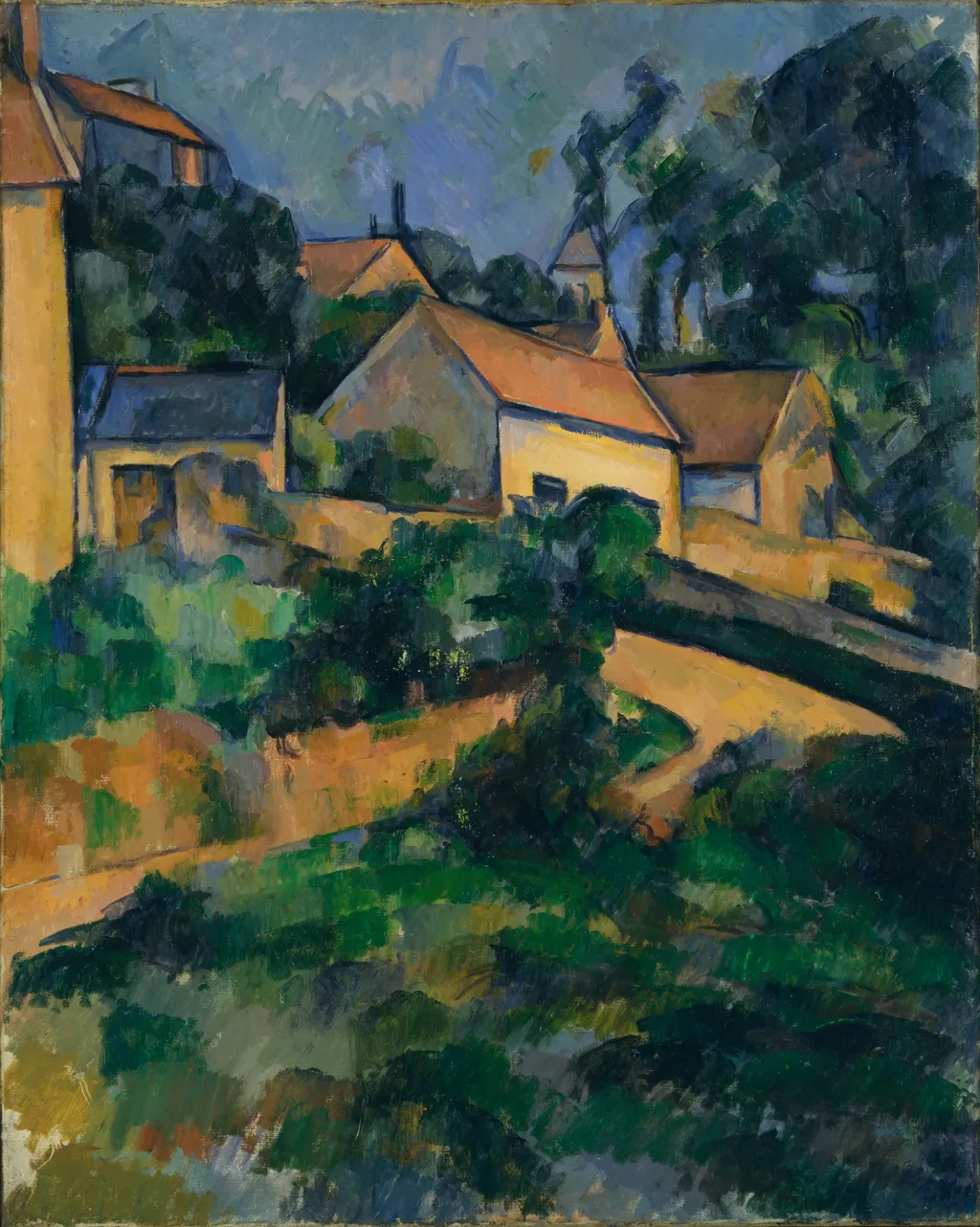
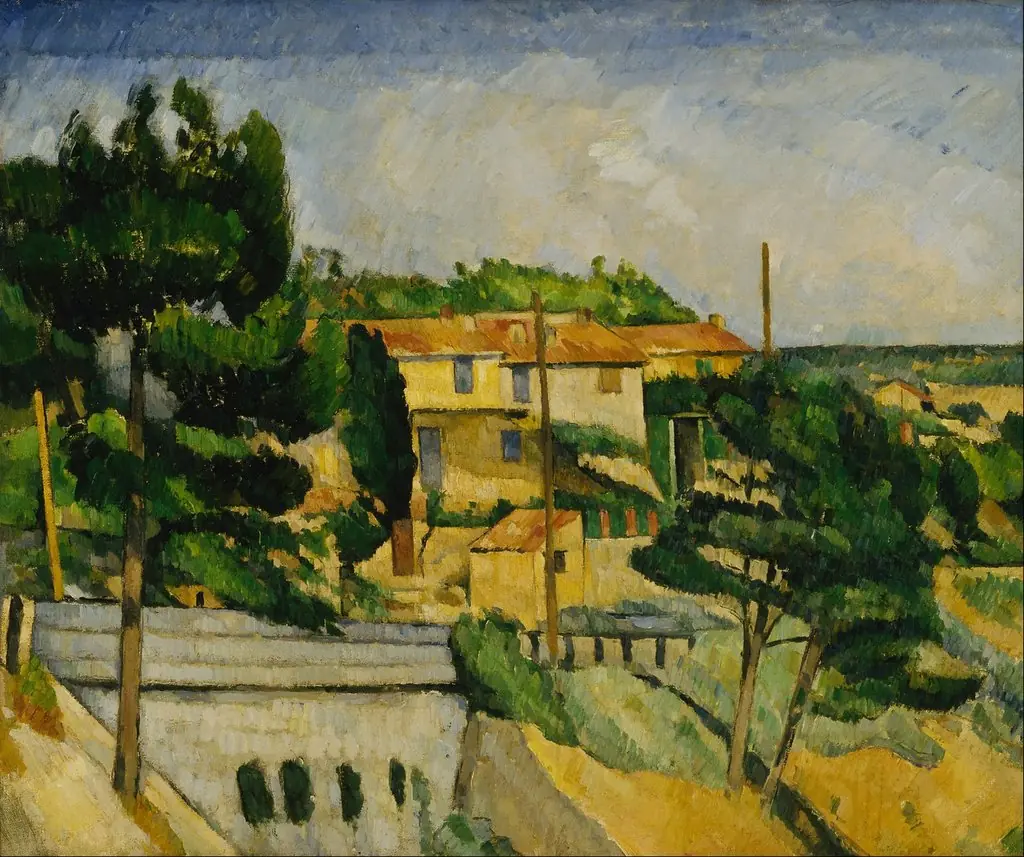
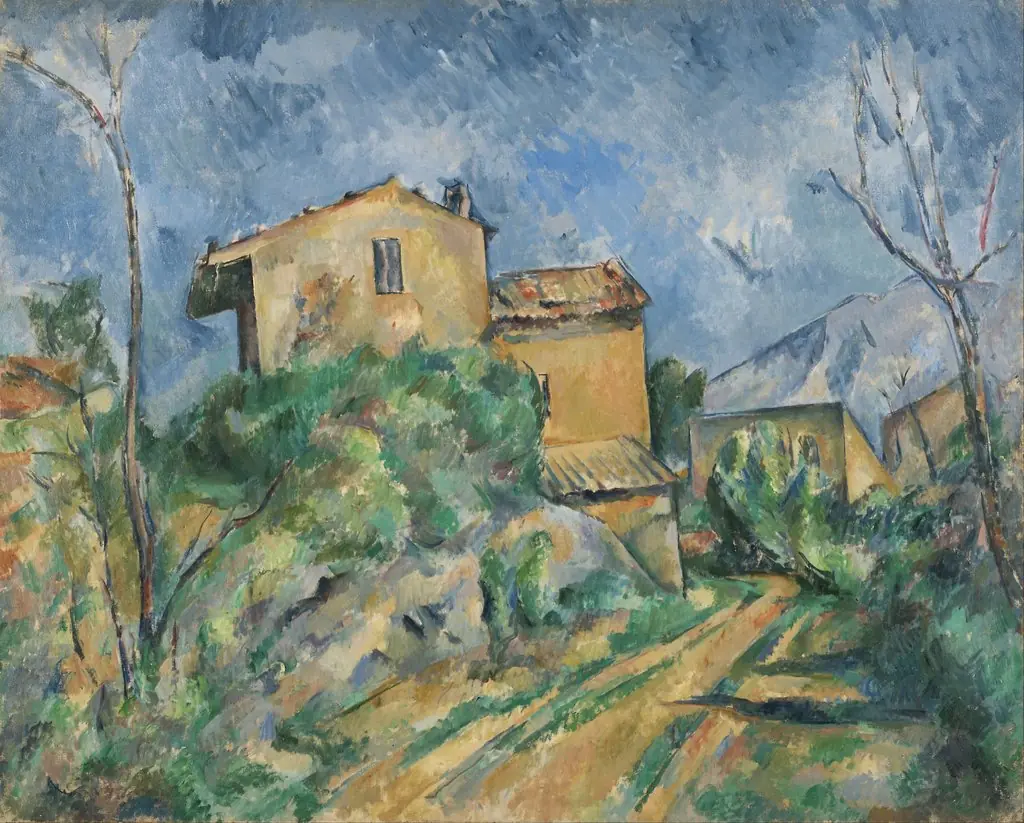
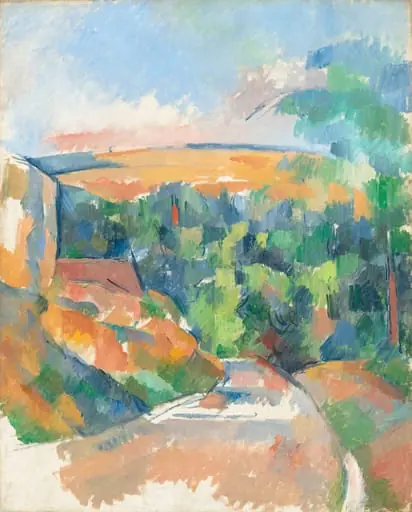
Turning Road at Montgeroult is an oil painting by the Post-Impressionist artist Paul Cezanne. It dates from 1900 and is held in the collection of the Museum of Modern Art. Created in 1900, this oil painting by Paul Cézanne portrays a rural lane that bends to the right through the landscape of Montgeroult.
About this work
Overview
Created in 1900, this oil painting by Paul Cézanne portrays a rural lane that bends to the right through the landscape of Montgeroult. The composition balances a winding road, surrounding vegetation, and distant structures beneath a clear blue sky, presenting a tranquil countryside scene.
Subject & Meaning
The work captures a simple yet evocative view of a country road edged with trees and shrubs, leading the eye toward modest houses on a hill. The quiet atmosphere and muted palette suggest a contemplative observation of everyday rural life.
Technique & Style
Cézanne applies visible brushwork that builds texture across the canvas, using earthy browns and yellows for the road and a range of greens for foliage. The restrained color scheme and structured arrangement of forms reflect his Post‑Impressionist interest in underlying geometry and spatial balance.
History & Provenance
Painted toward the end of Cézanne’s career, the piece belongs to his late period when he refined the compositional principles that would later inspire Cubism. It remains part of the artist’s oeuvre that bridges Impressionist observation with a more analytical approach to form.
Context
During the turn of the 20th century, Cézanne’s experiments with perspective and color were influencing avant‑garde circles. This landscape exemplifies his effort to reconcile natural observation with a constructed, almost architectural sense of space, a concern shared by many contemporaries exploring new visual languages.
Own this work as a print
Artist & collection
Artist
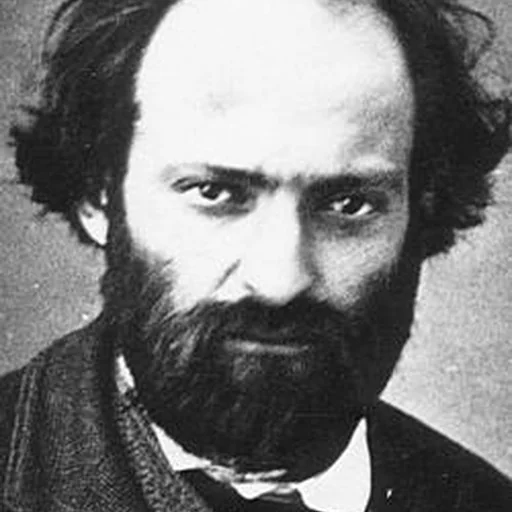
Paul Cézanne was born on January 19, 1839, in Aix-en-Provence, the son of a hatter turned wealthy banker.

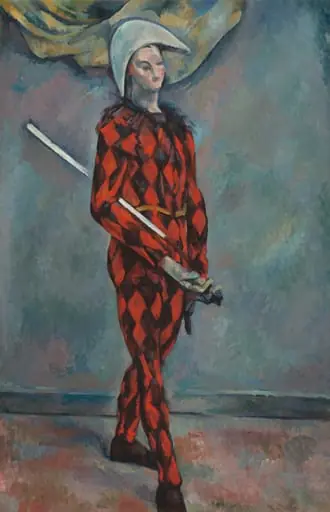 Harlequin
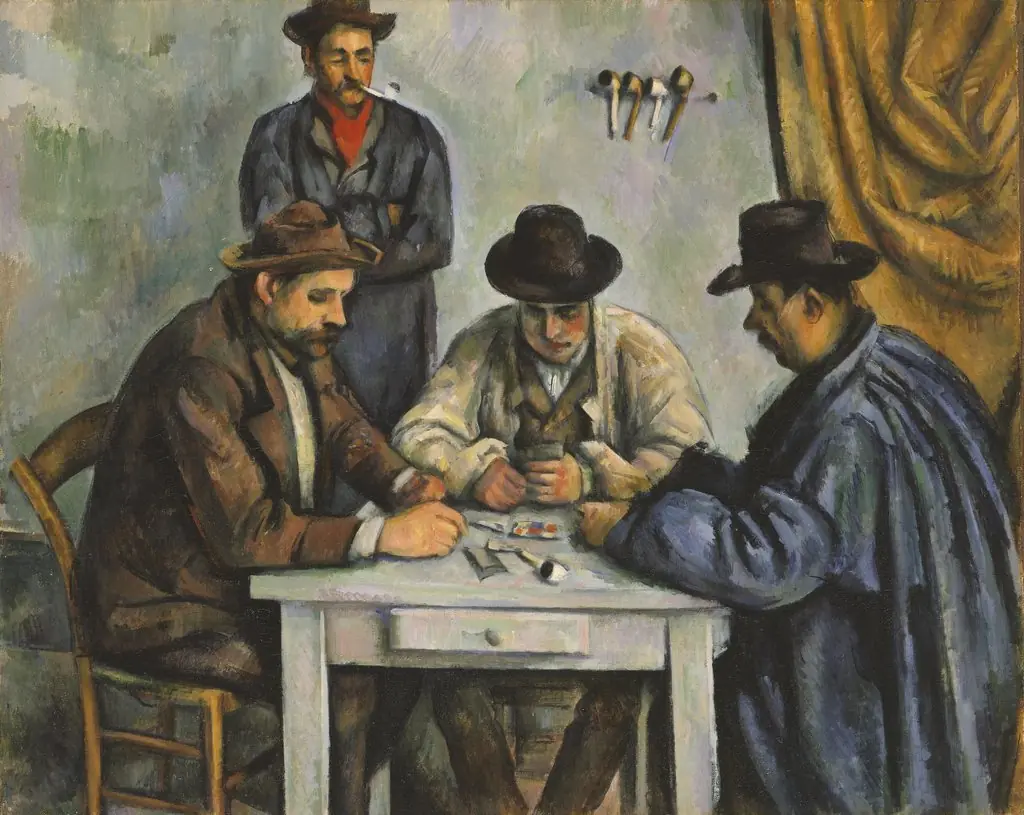 The Card Players
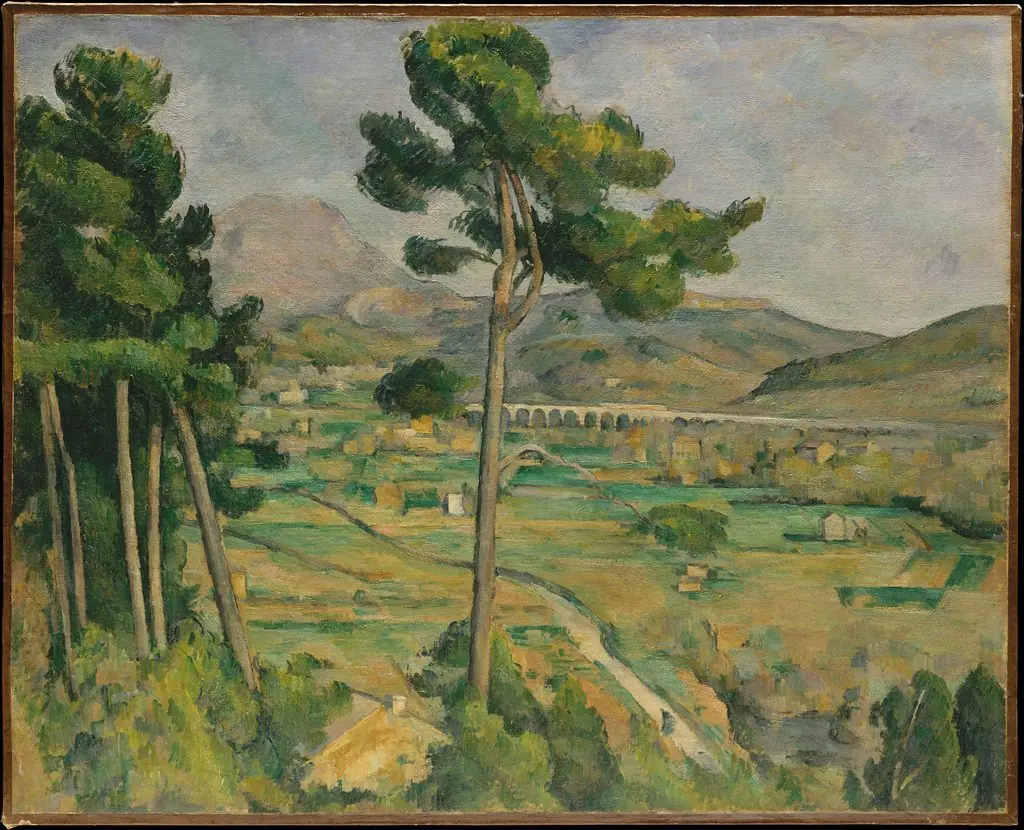 Mont Sainte-Victoire and the Viaduct of the Arc River Valley
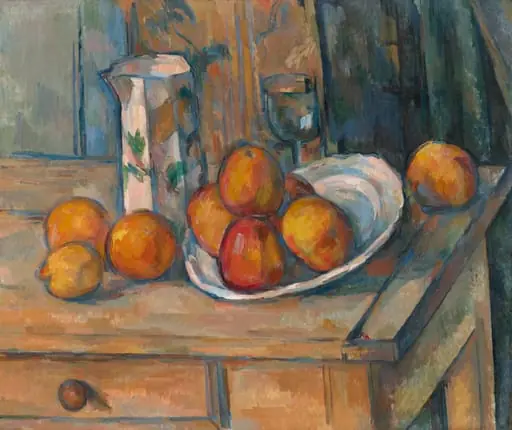 Still Life with Milk Jug and Fruit
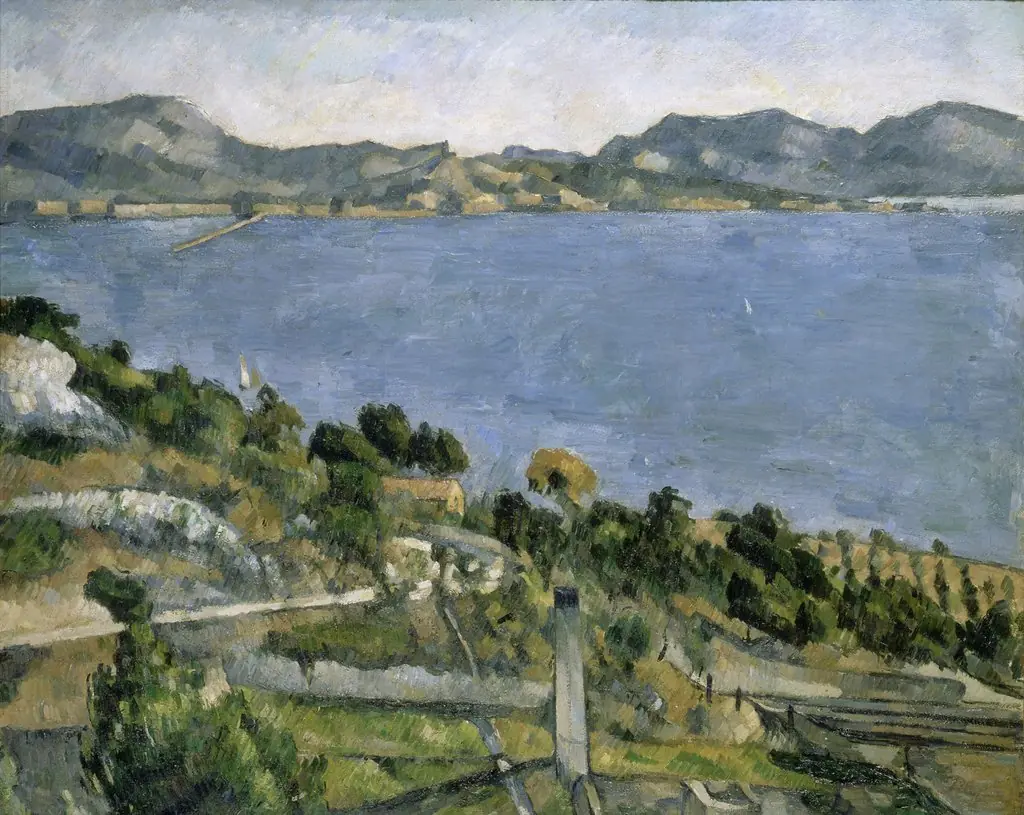 Le Golfe de Marseille vu de l'Estaque (The Gulf of Marseille Seen from L'Estaque)
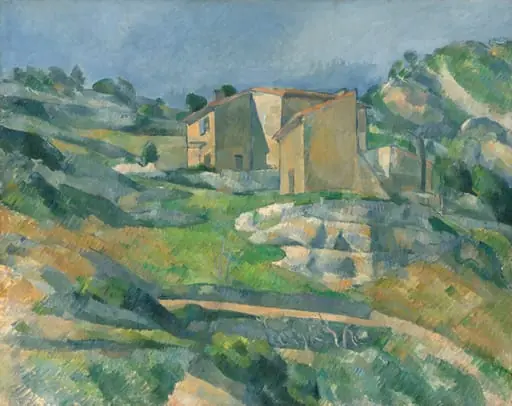 Houses in Provence: The Riaux Valley near L'Estaque
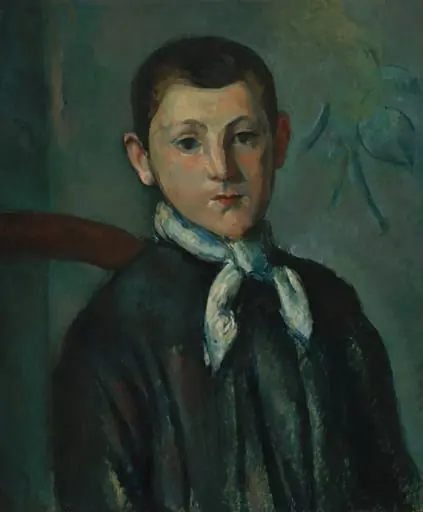 Louis Guillaume
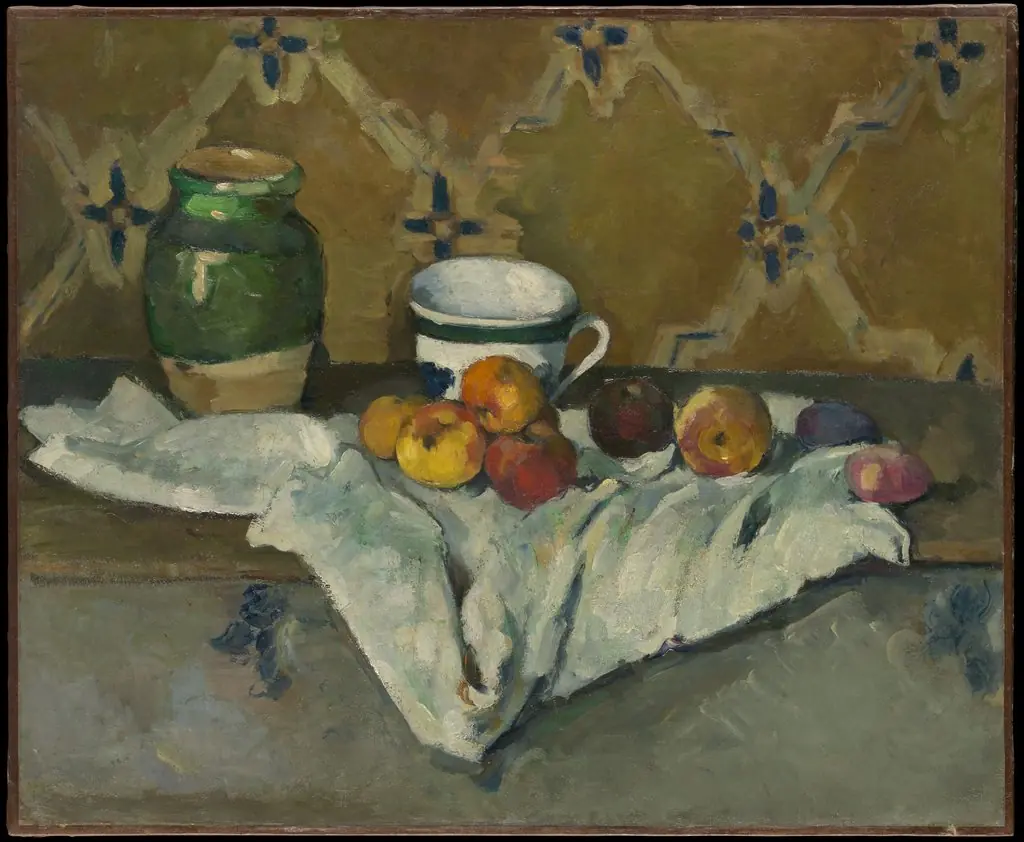 Still Life with Jar, Cup, and Apples