Artwork
Young Italian Woman at a Table
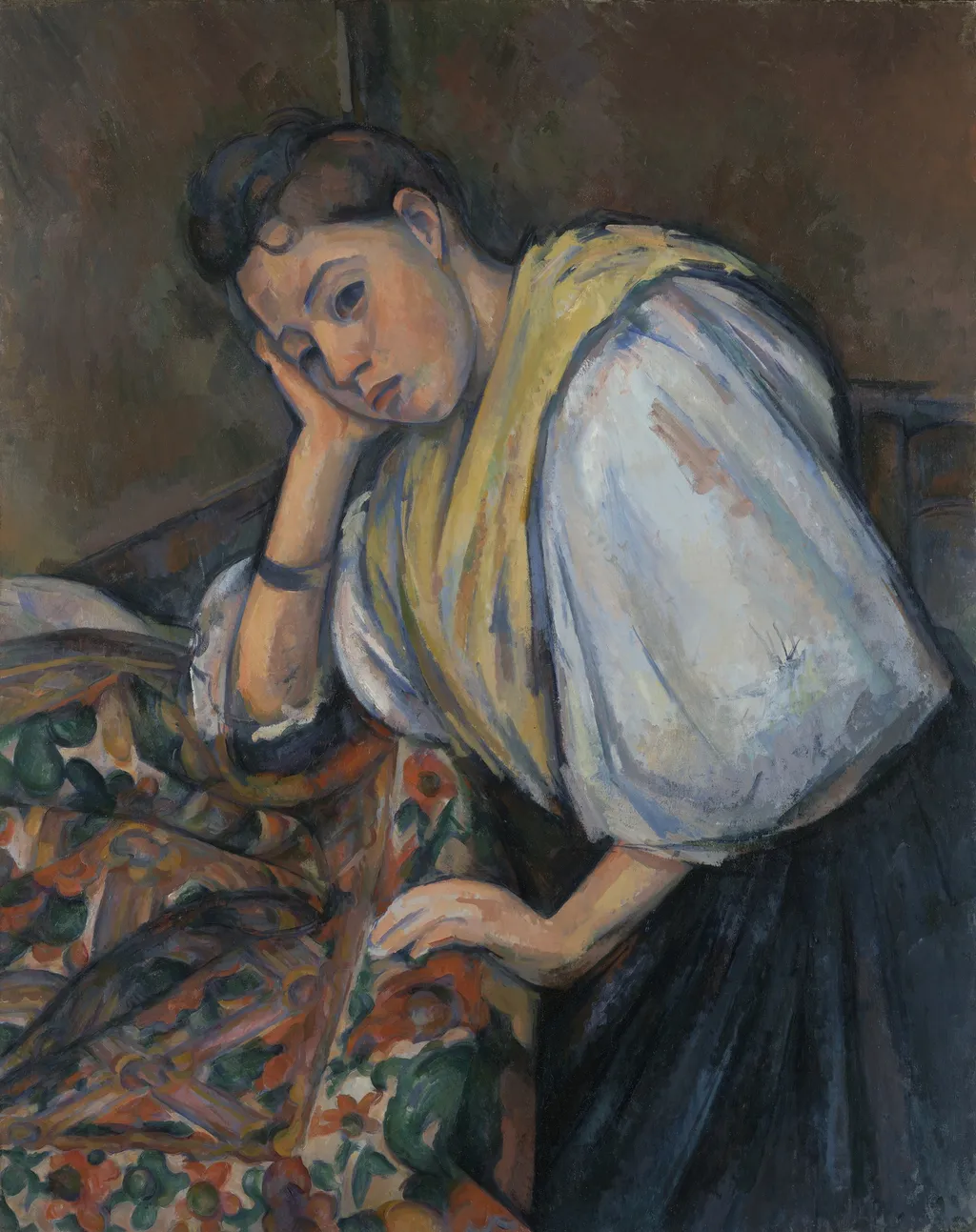
Young Italian Woman at a Table is an oil painting by the Post-Impressionist artist Paul Cezanne. It dates from 1899 and is held in the collection of the J. Paul Getty Museum. Painted in 1899, this oil on canvas portrait depicts a young Italian woman seated at a table, her posture still and introspective.
About this work
Overview
Painted in 1899, this oil on canvas portrait depicts a young Italian woman seated at a table, her posture still and introspective.
Painted in 1899, this oil on canvas portrait depicts a young Italian woman seated at a table, her posture still and introspective. Created by Paul Cézanne during his mature period, the work exemplifies his move away from Impressionist spontaneity toward a more deliberate structuring of form. It belongs to the J. Paul Getty Museum’s collection and represents a quiet moment in his exploration of figure and still life.
Subject & Meaning
The woman, dressed in a white blouse and dark skirt with a yellow scarf, rests her head on her hand, suggesting a pause in thought or weariness. Her expression is neutral, avoiding theatricality. Cézanne avoids narrative or emotional dramatization, instead focusing on presence and stillness. The setting—simple, unadorned—emphasizes the subject’s quiet dignity rather than her identity or story.
Technique & Style
Cézanne applies paint in distinct, directional brushstrokes that build form through color planes rather than linear contour. The floral tablecloth and fabric folds are rendered with saturated hues—greens, reds, and ochres—arranged to suggest volume and spatial depth. The composition is carefully balanced, with the figure anchored by the table’s horizontal plane, reflecting his interest in underlying geometric structure.
History & Provenance
The painting was completed in 1899 during Cézanne’s time in Aix-en-Provence, where he frequently painted local figures. It entered the J. Paul Getty Museum’s collection in the late 20th century, having passed through private hands after the artist’s death. Its provenance reflects the growing recognition of Cézanne’s late works in the decades following his 1906 passing.
Context
This work emerged as Cézanne distanced himself from Impressionism’s emphasis on light and atmosphere. He sought to convey permanence through form, influencing artists like Picasso and Braque. The subject’s quiet demeanor aligns with his broader interest in ordinary people as vessels of structural harmony, bridging traditional portraiture and emerging modernist abstraction.
Legacy
Though not among Cézanne’s most widely exhibited works, this painting contributes to understanding his evolution toward structural clarity. Its restrained palette and deliberate composition anticipate Cubist concerns with volume and spatial organization. It remains a quiet testament to his belief that nature could be interpreted through disciplined, analytical painting.
Own this work as a print
Artist & collection
Artist
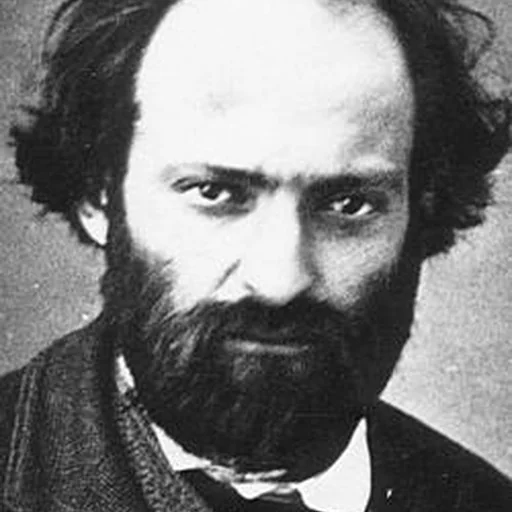
Paul Cézanne was born on January 19, 1839, in Aix-en-Provence, the son of a hatter turned wealthy banker.

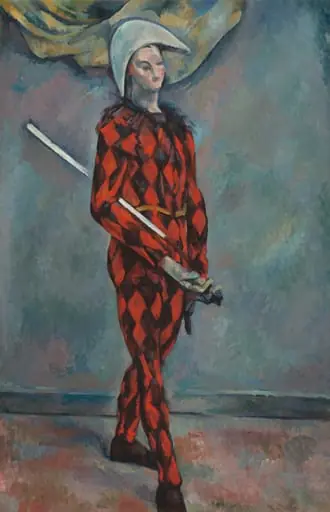 Harlequin
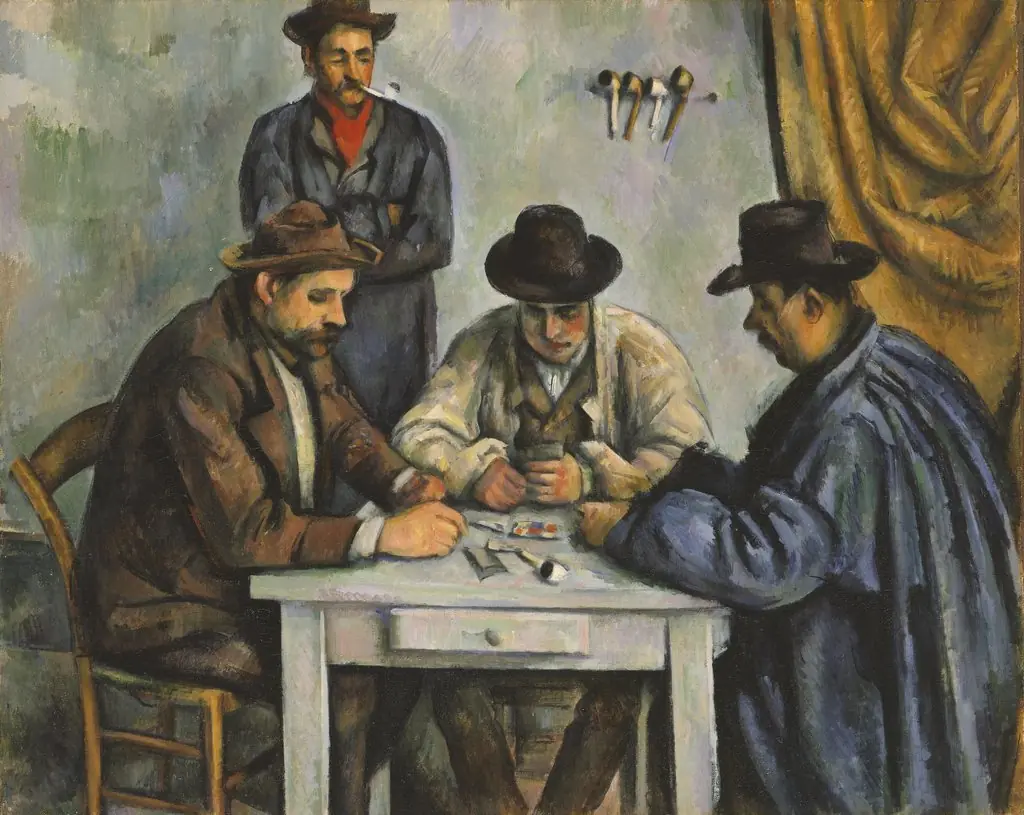 The Card Players
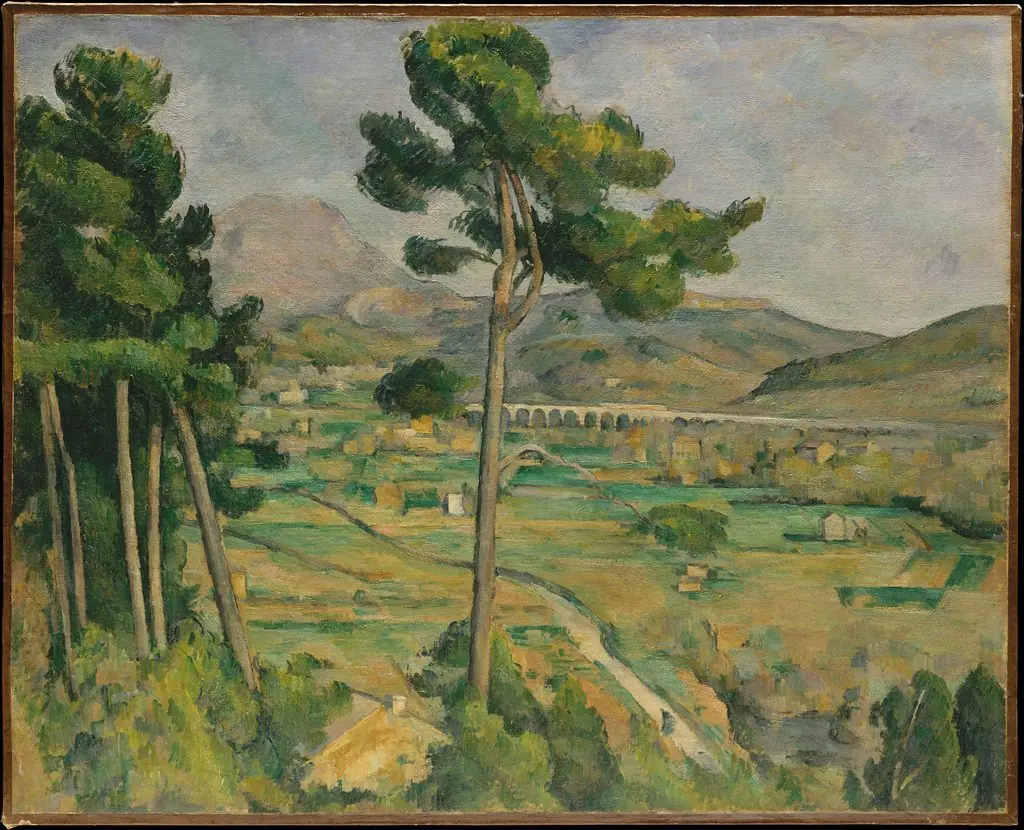 Mont Sainte-Victoire and the Viaduct of the Arc River Valley
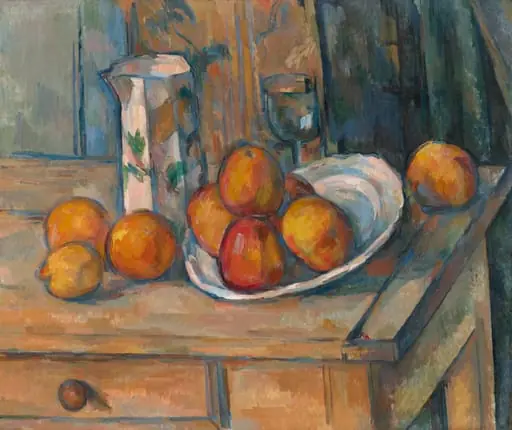 Still Life with Milk Jug and Fruit
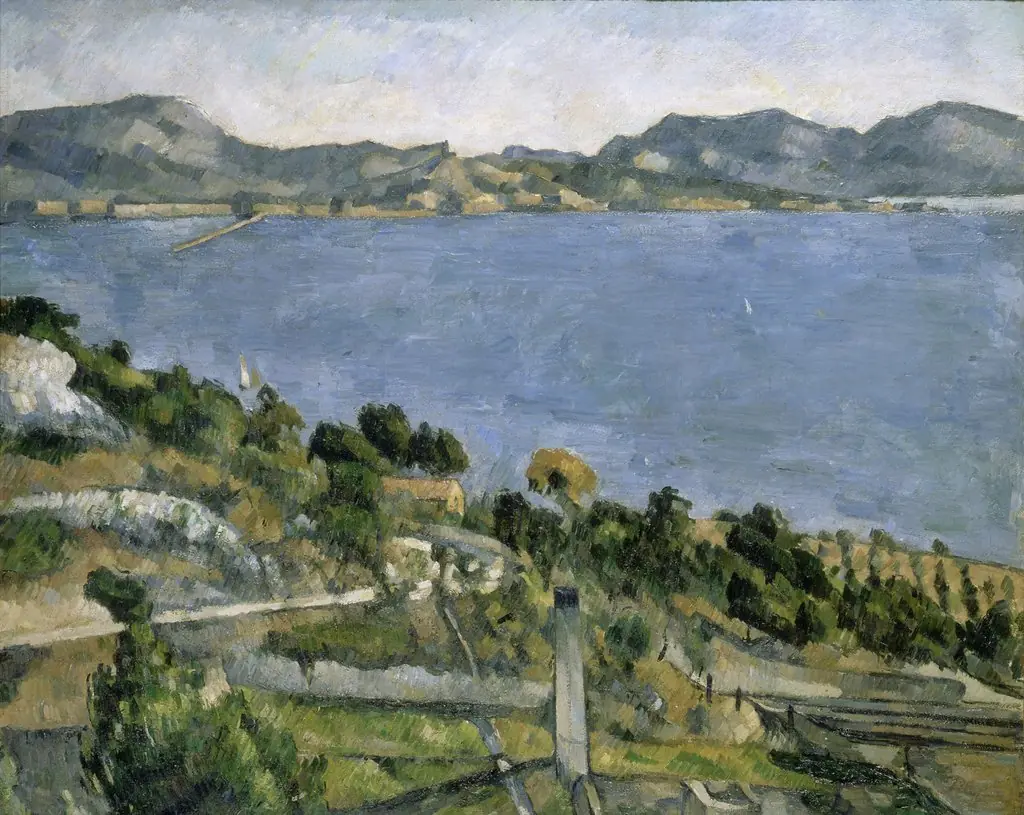 Le Golfe de Marseille vu de l'Estaque (The Gulf of Marseille Seen from L'Estaque)
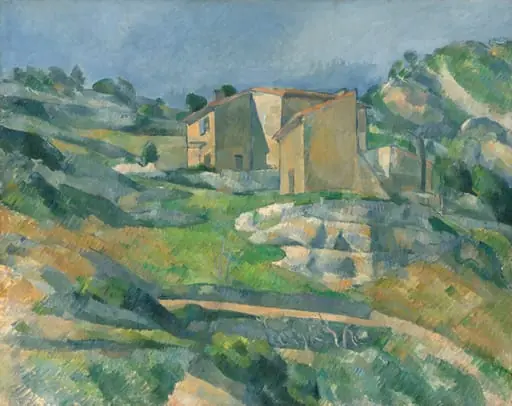 Houses in Provence: The Riaux Valley near L'Estaque
 Louis Guillaume
 Still Life with Jar, Cup, and Apples
 Woman in Front of a Still Life by Cézanne
 Woman in Front of a Still Life by Cezanne
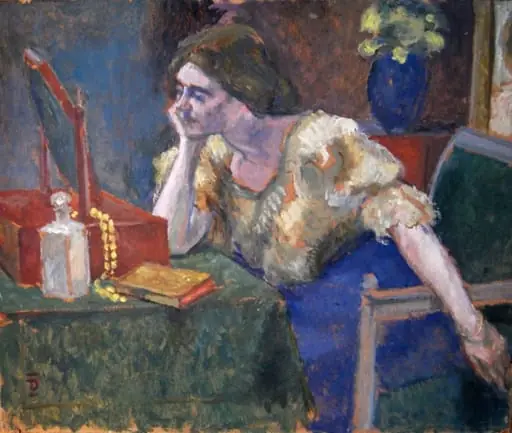 Femeie la oglindă
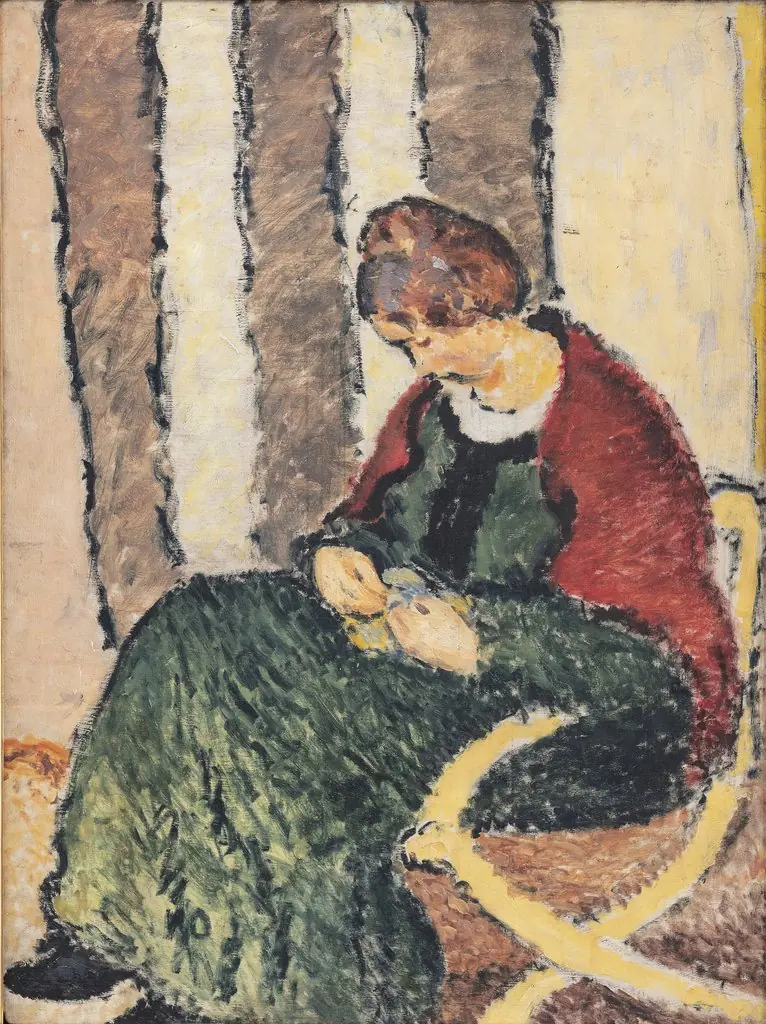 The Artist's Sister, Anna Giersing, Wearing a Red Shawl
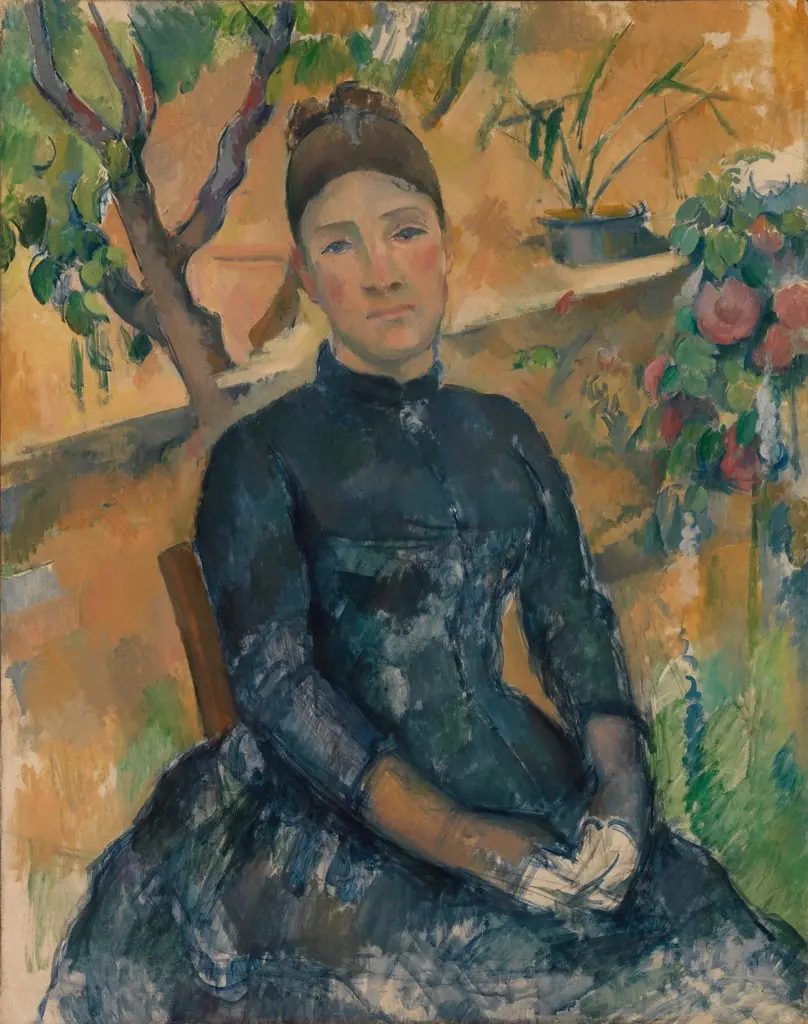 Madame Cézanne (Hortense Fiquet, 1850–1922) in the Conservatory
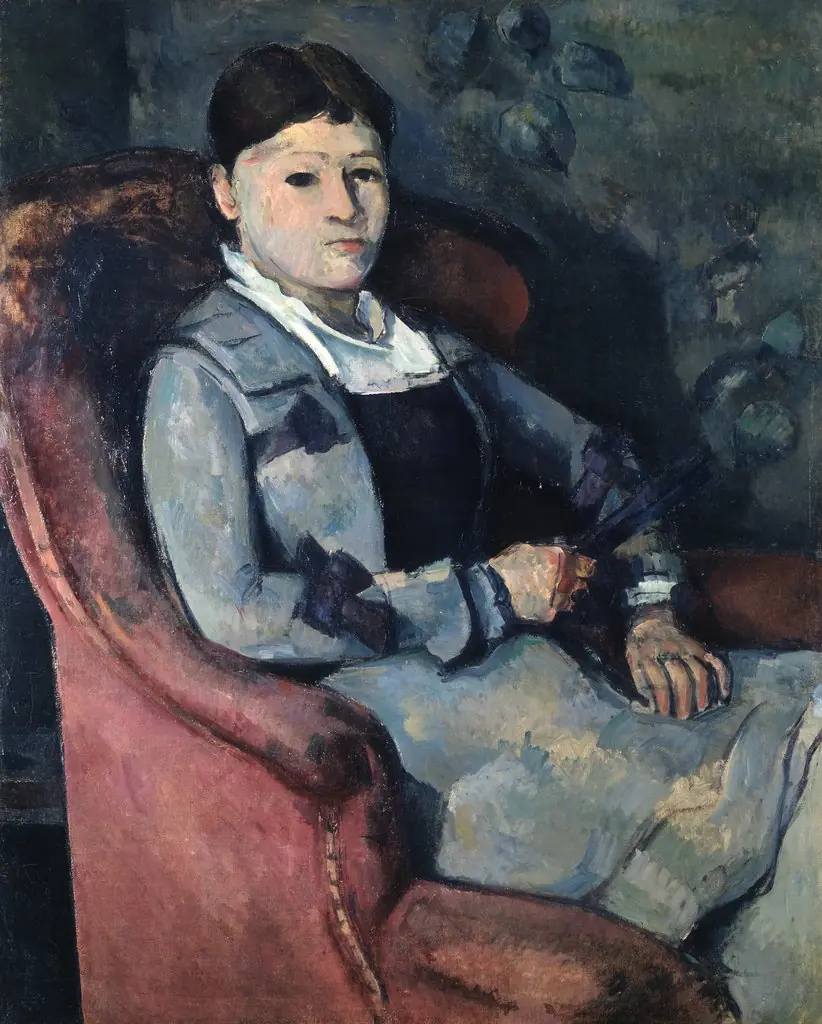 Portrait of Mme. Cézanne
 Boy in a Red Vest
 Pe gânduri
 Odaliscă în roșu
 Untitled
 Sinivuokkotyttö
 Madame Cézanne à la jupe rayée (Madame Cézanne in a Red Armchair)