Artwork
Landscape
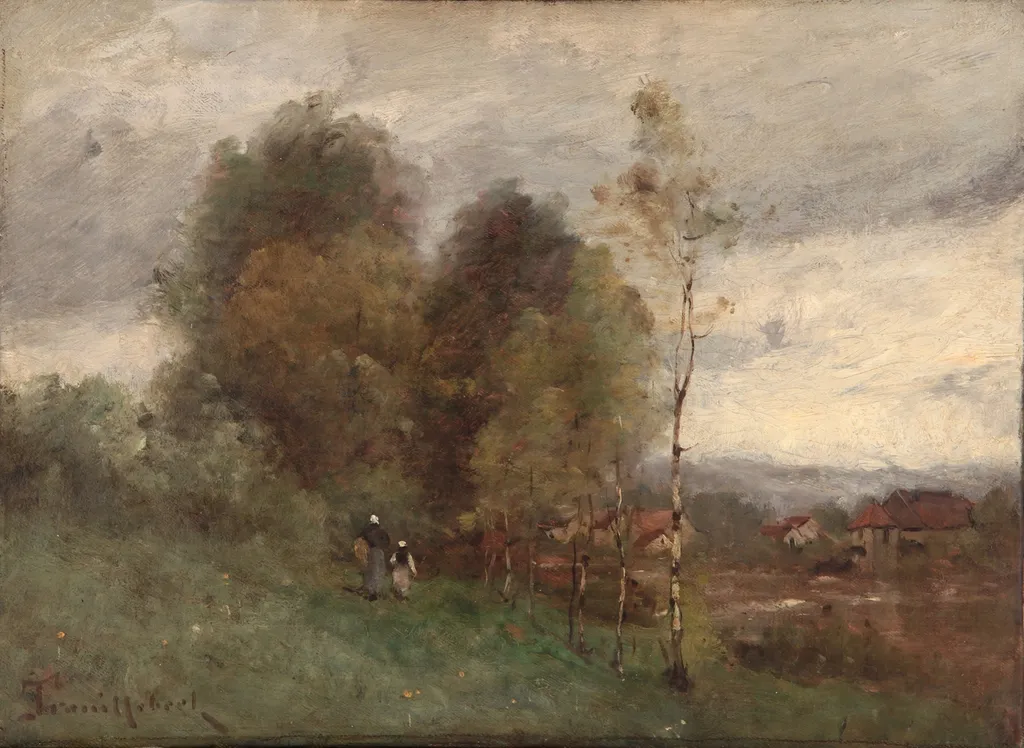
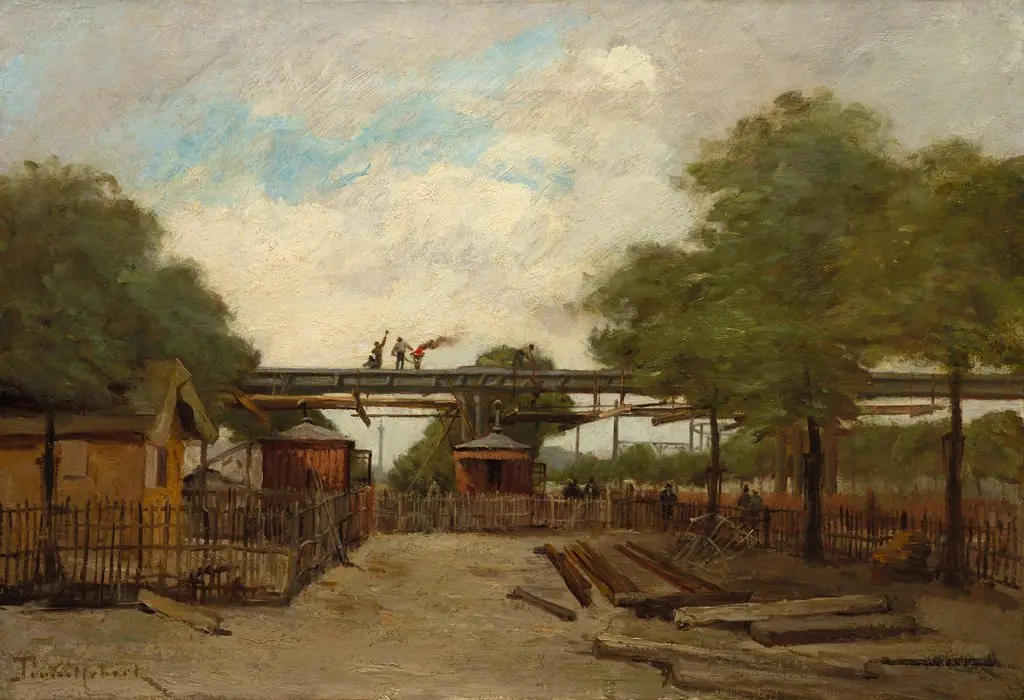
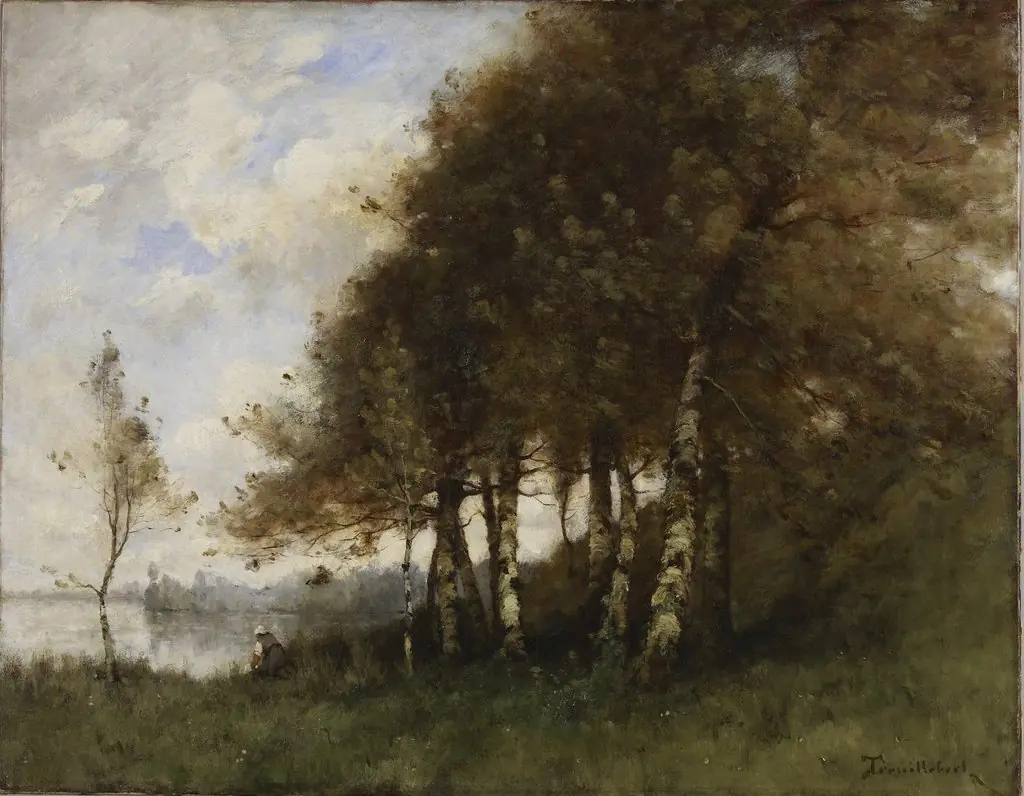
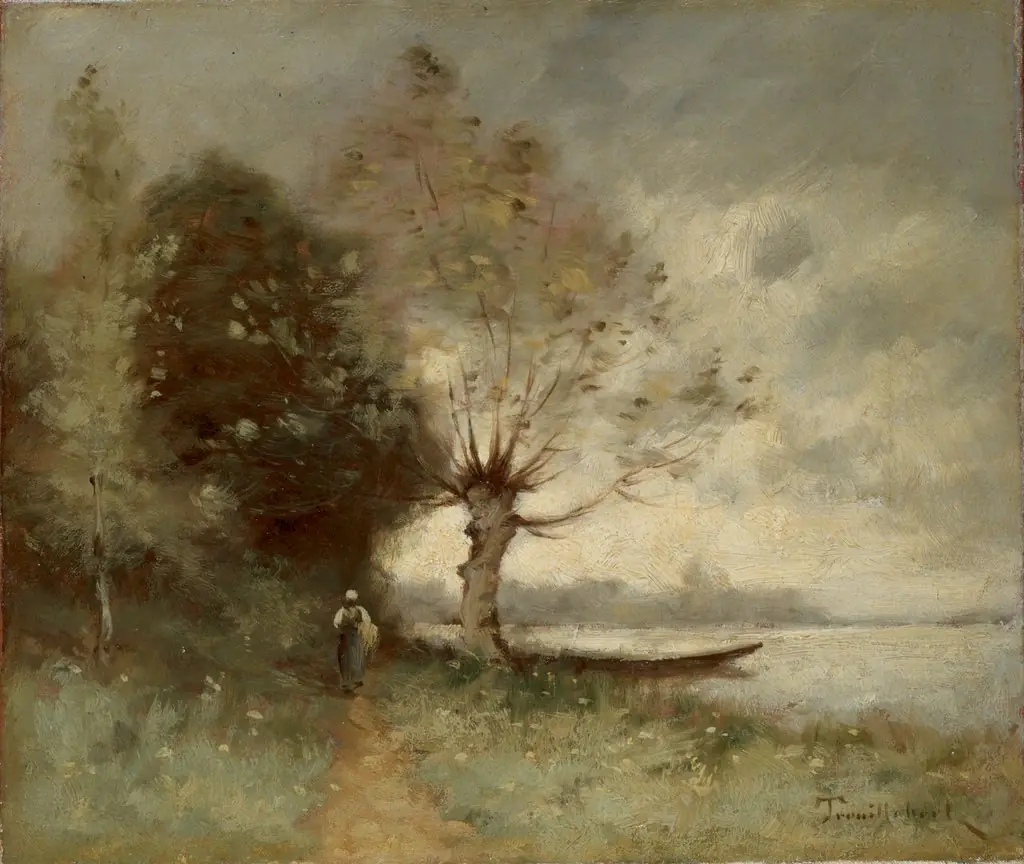
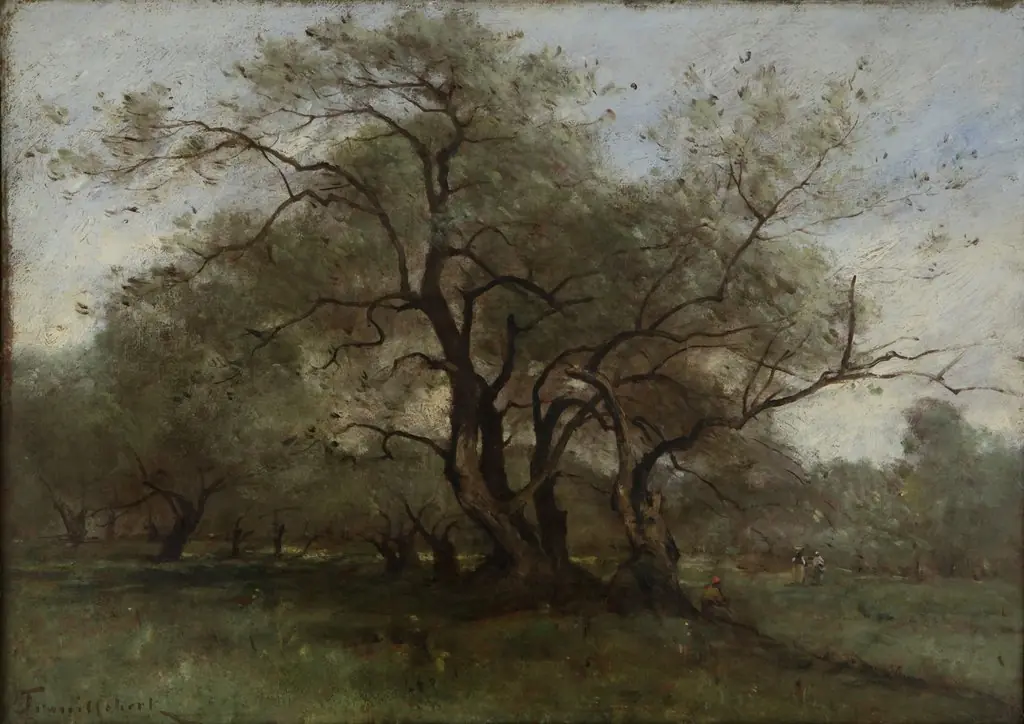
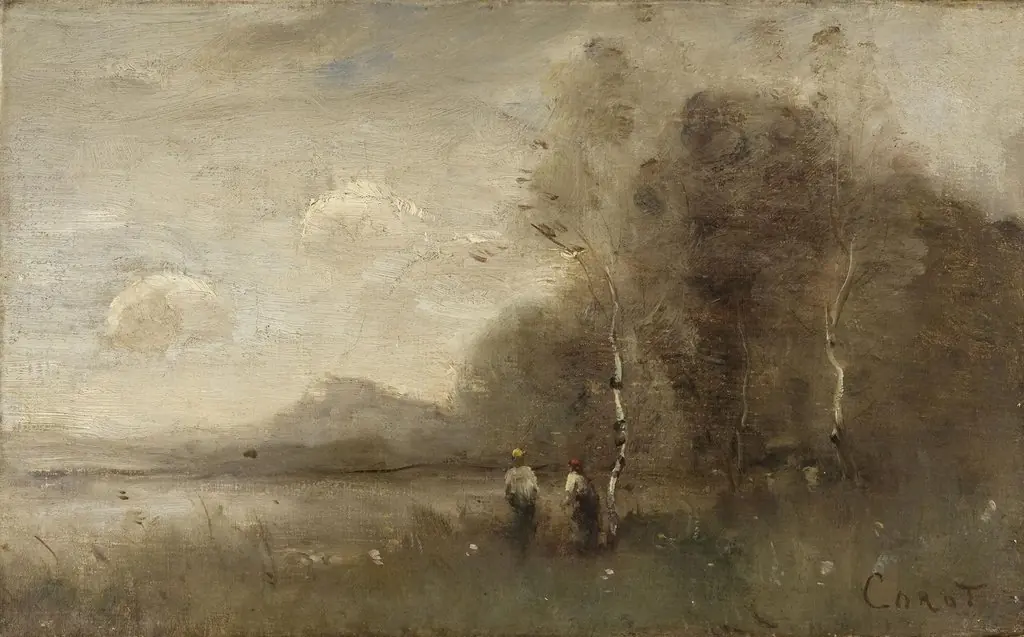
Landscape is an oil painting by the Barbizon school artist Paul Désiré Trouillebert. It dates from 1850 and is held in the collection of the National Museum of Fine Arts, Argentina.
About this work
Overview
It is held in the National Museum of Fine Arts in Buenos Aires, where it contributes to a broader representation of 19th-century European landscape traditions.
Painted around 1850, this oil-on-canvas landscape is attributed to Paul Désiré Trouillebert, a French artist linked to the Barbizon School. The work reflects the movement’s commitment to observing nature directly, avoiding idealized compositions. It is held in the National Museum of Fine Arts in Buenos Aires, where it contributes to a broader representation of 19th-century European landscape traditions.
Subject & Meaning
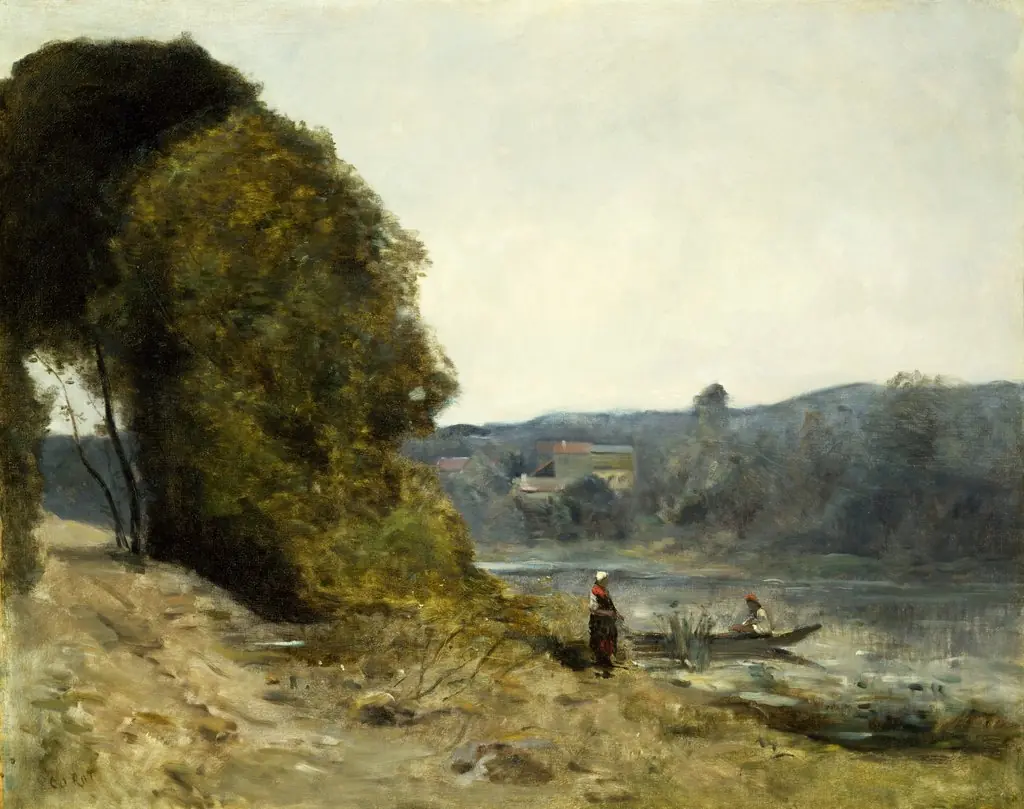
The scene presents a quiet rural expanse: foreground trees frame a distant hamlet with a church steeple, nestled among gentle hills under a diffuse sky. There is no human activity, no narrative drama—only the stillness of the land. The composition invites contemplation, emphasizing the quiet dignity of the countryside as a subject worthy of sustained attention, in line with Barbizon ideals.
Technique & Style
Trouillebert employed loose, fluid brushwork to suggest texture and movement in foliage and clouds, avoiding rigid detail. The palette is restrained—soft greens, earthy browns, and cool grays—creating a harmonious, subdued atmosphere. Light is diffused rather than sharply modeled, favoring atmospheric tone over dramatic contrast, aligning with the Barbizon approach to naturalism.
History & Provenance
Trouillebert, born in Paris in 1829 and active until 1900, produced numerous landscapes during a career spanning five decades. While less widely known than contemporaries like Corot or Millet, his work was exhibited regularly and acquired by institutions across Europe and the Americas. This painting entered the Buenos Aires collection in the early 20th century, likely through diplomatic or commercial channels.
Context
Emerging in the 1830s–1850s, the Barbizon School rejected academic conventions by painting outdoors and focusing on unadorned rural scenes. Trouillebert’s work aligns with this shift, reflecting broader cultural interest in nature as a subject of emotional and aesthetic value, independent of myth or history. His paintings contributed to the growing legitimacy of landscape as a serious genre.
Legacy
Trouillebert’s body of work helped sustain the Barbizon tradition into the late 19th century, influencing later generations of landscape painters who valued direct observation. Though not a radical innovator, his consistent focus on quiet naturalism ensured his place in the movement’s broader narrative, preserved in museum collections across continents.
Own this work as a print
Artist & collection
Artist
Paul Désiré Trouillebert (1829 in Paris, France – 28 June 1900 in Paris, France) was a prominent French Barbizon School painter of the mid to late nineteenth century, with works in a wide range of museums and public…

Museum
National Museum of Fine Arts, Argentina
Continue through works from the same source collection.