Artwork
Fox hunt
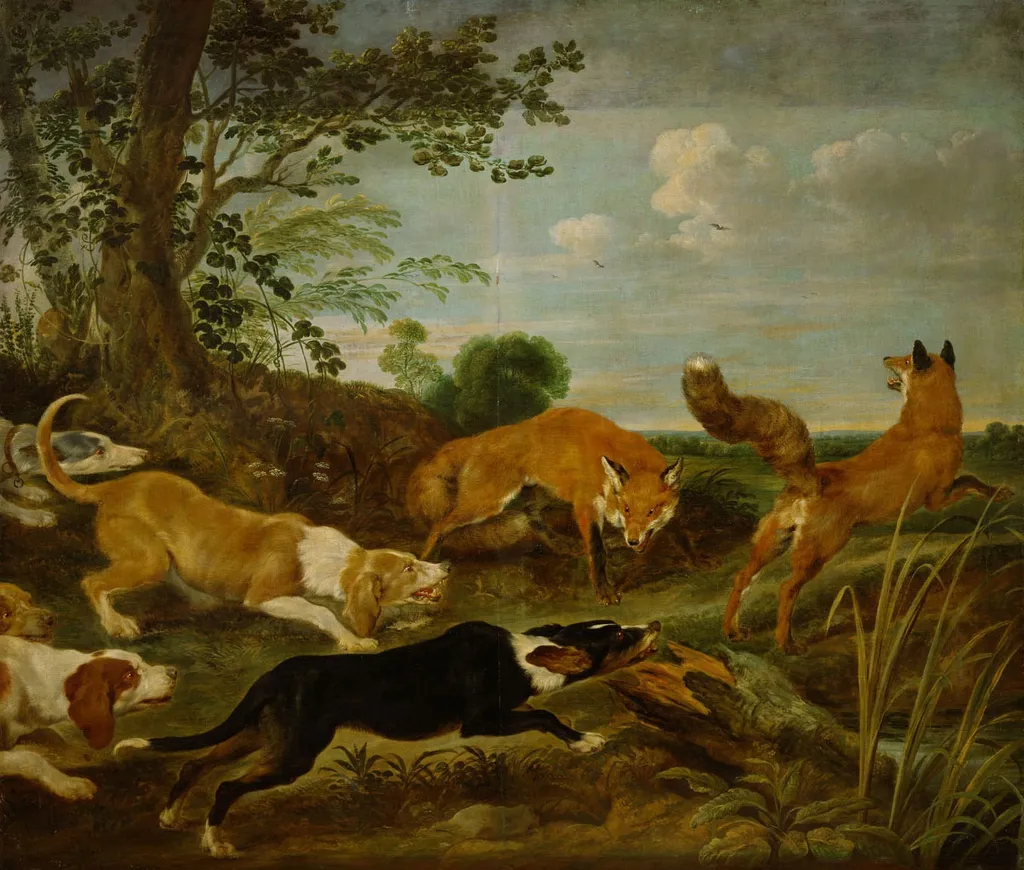
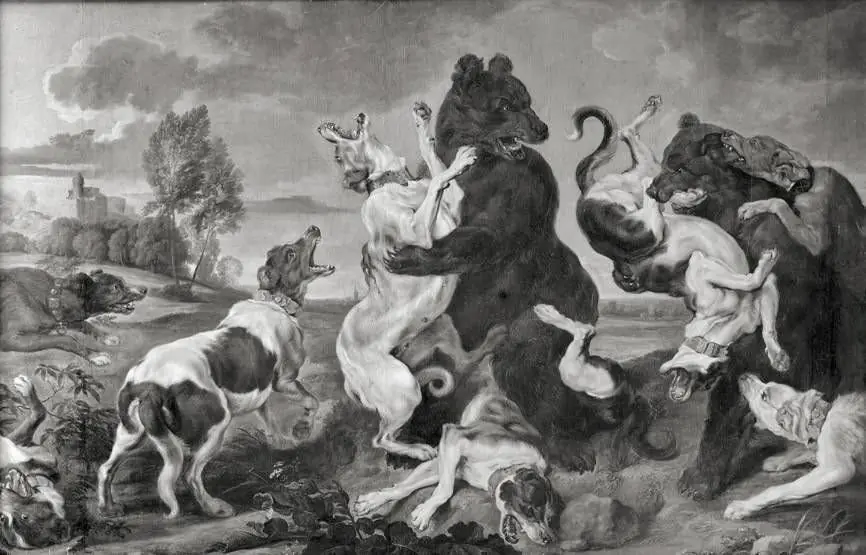
Fox hunt is an oil painting by the Flemish Baroque painting artist Paul de Vos. It dates from 1650 and is held in the collection of the Kunsthistorisches Museum.
About this work
Overview
It captures a moment of vigorous pursuit in a woodland setting, characteristic of his specialization in animal subjects and hunting themes.
Painted around 1650, *Fox Hunt* is an oil on canvas work by the Flemish artist Paul de Vos. It captures a moment of vigorous pursuit in a woodland setting, characteristic of his specialization in animal subjects and hunting themes. De Vos, active in Antwerp, produced works for aristocratic collectors, aligning with the tastes of the Flemish Baroque elite. The painting resides today in the Kunsthistorisches Museum in Vienna.
Subject & Meaning
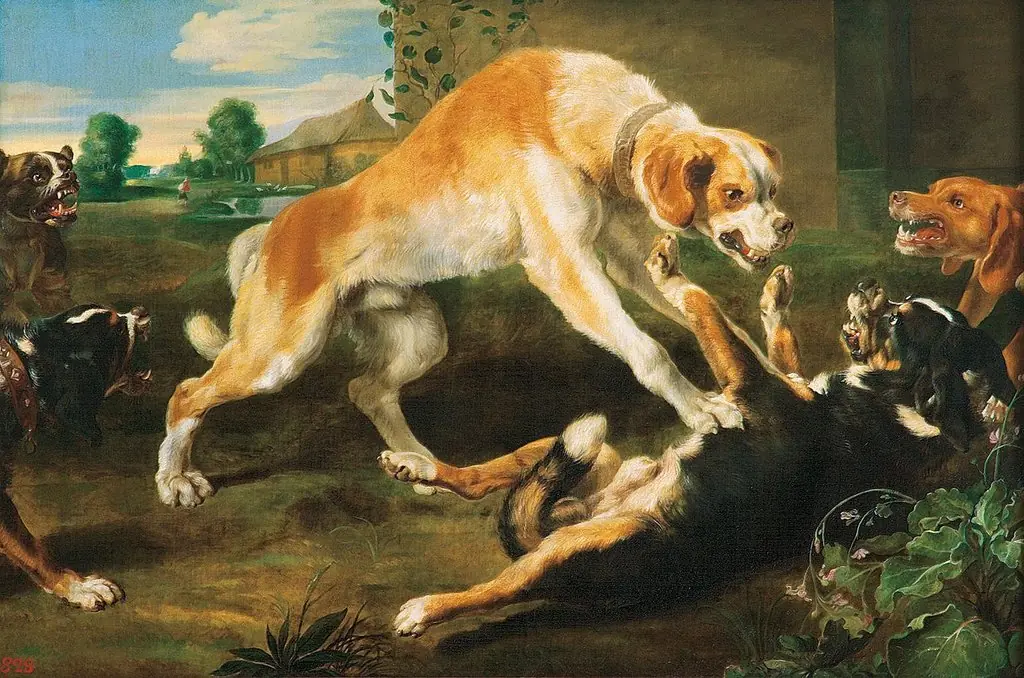
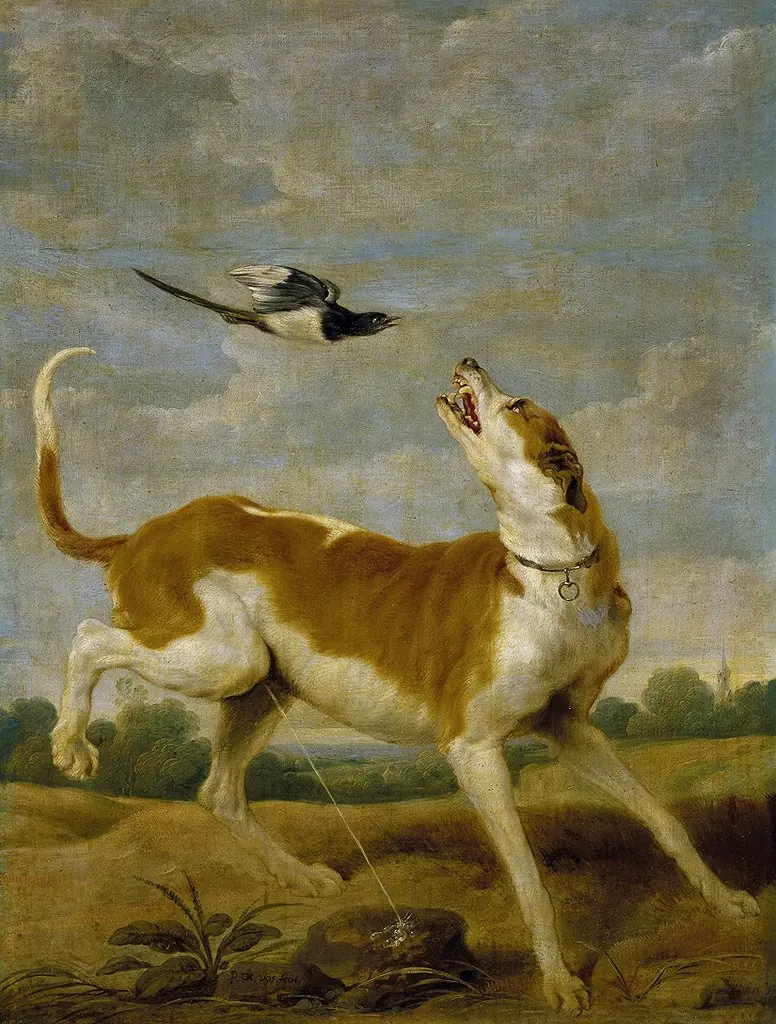
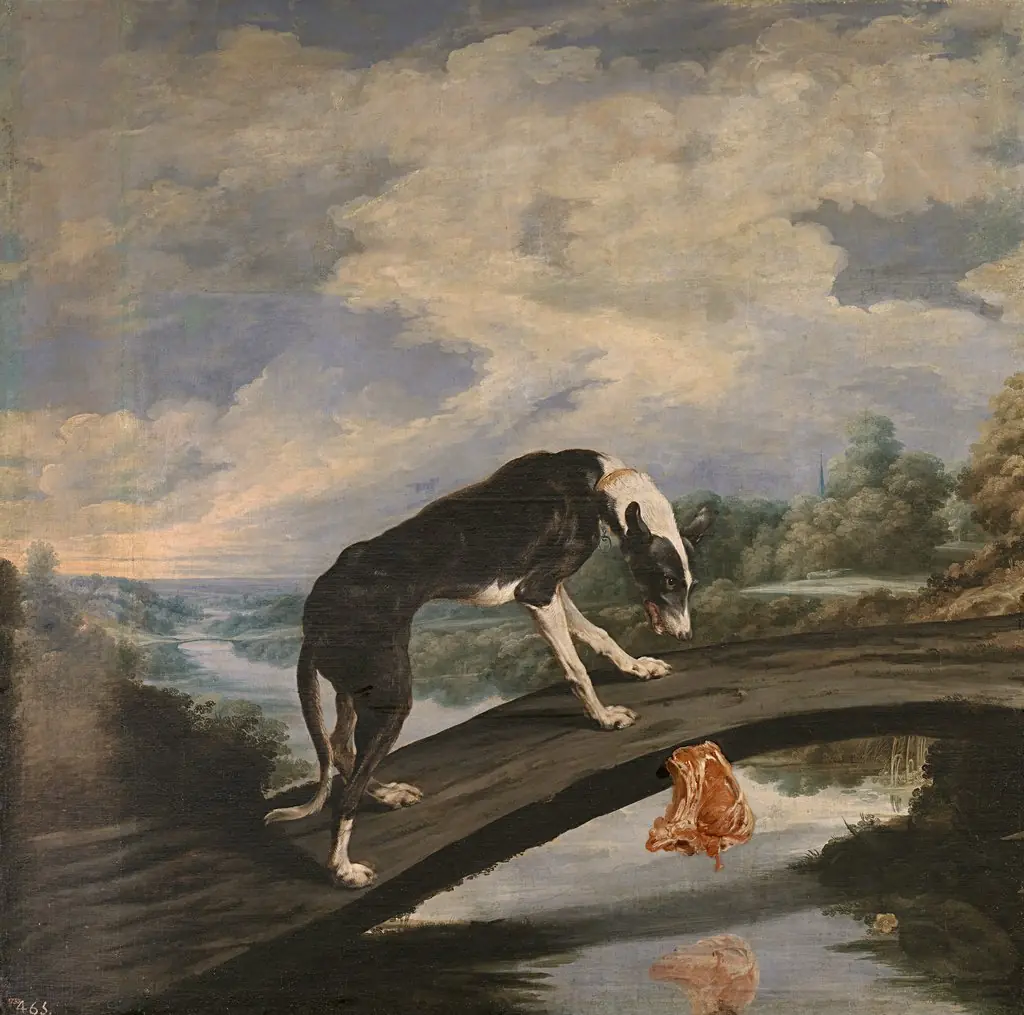
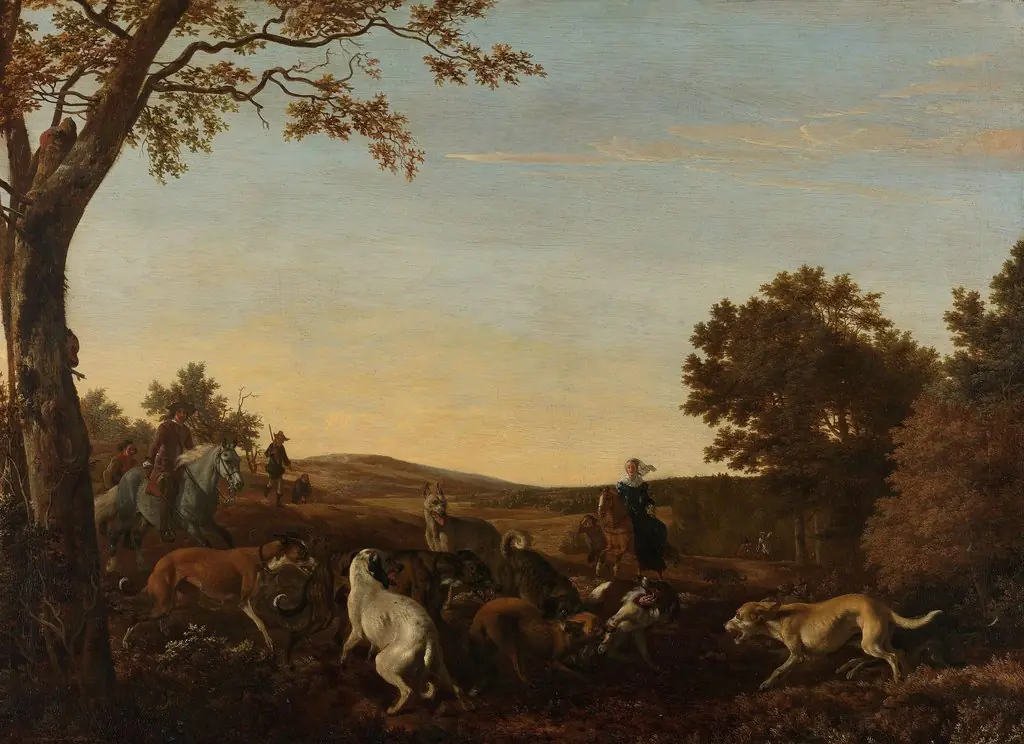
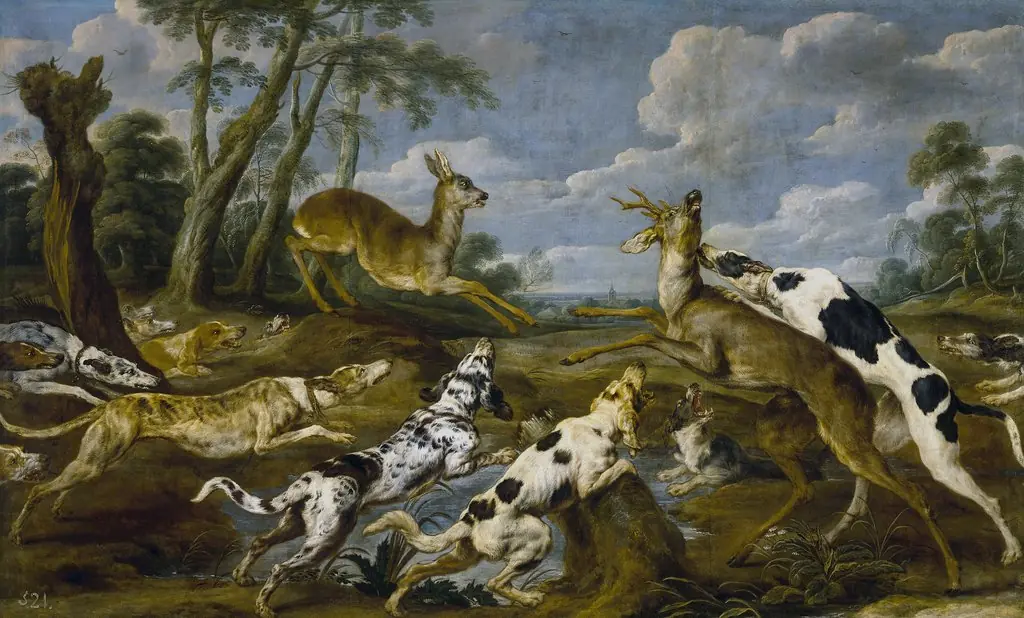
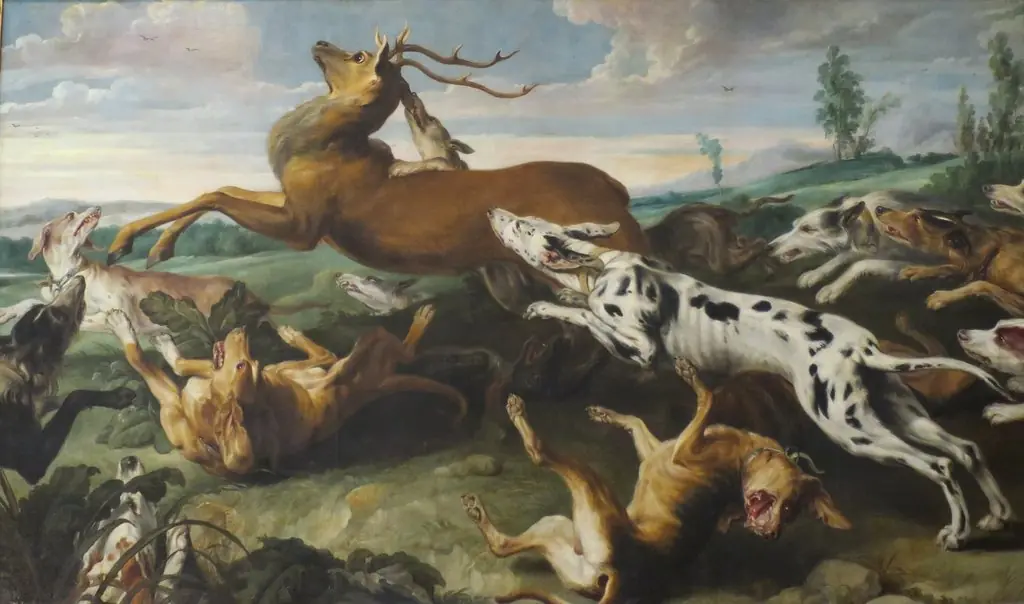
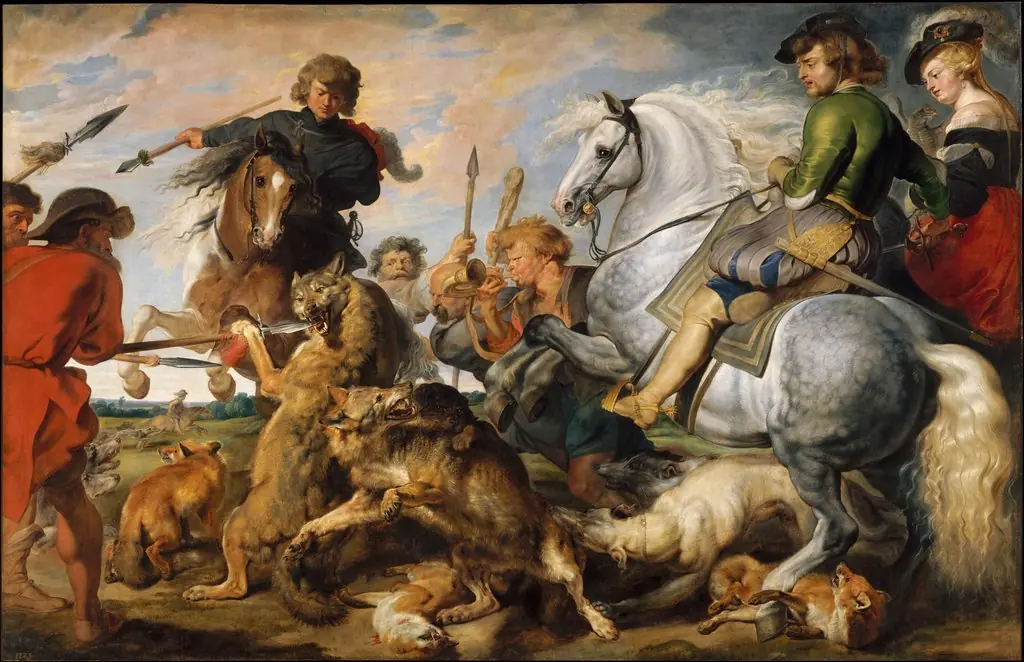
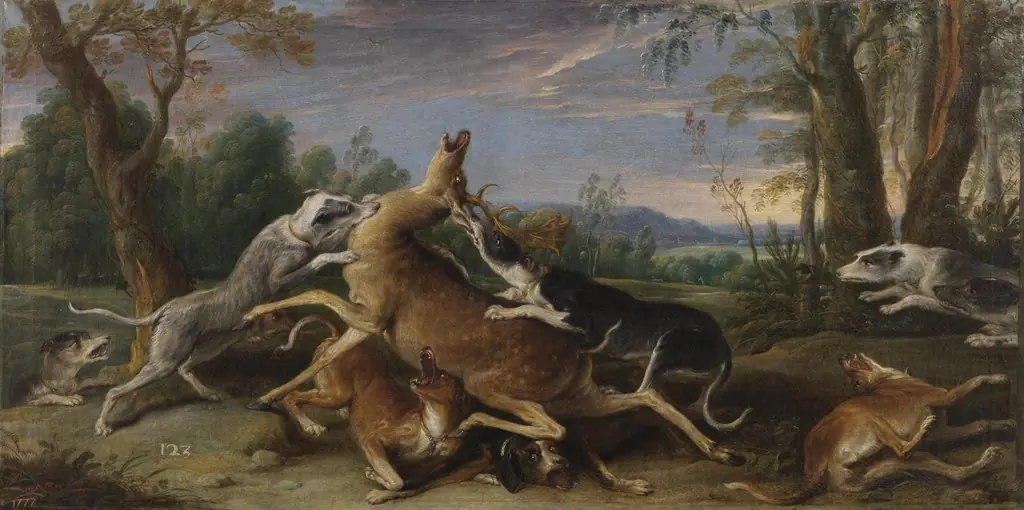
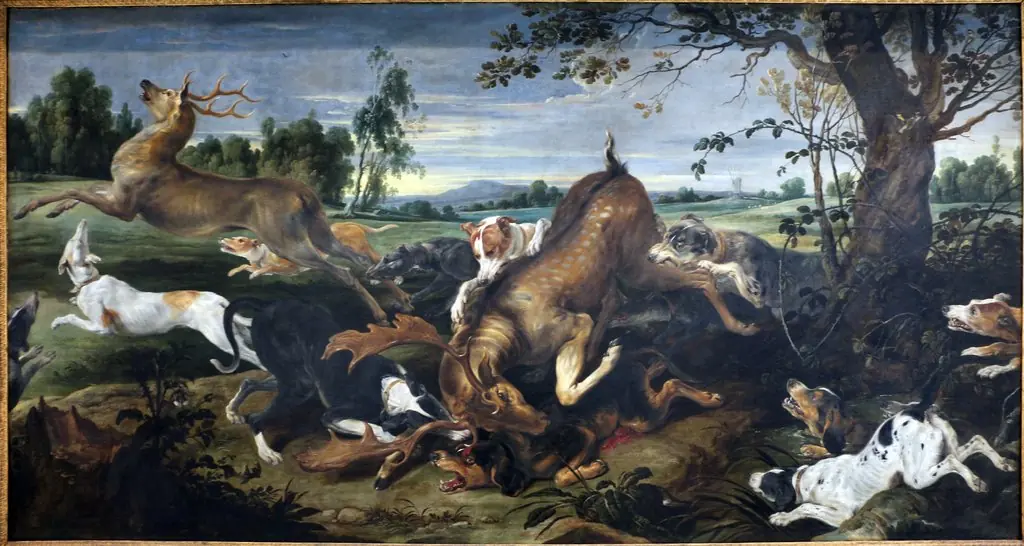
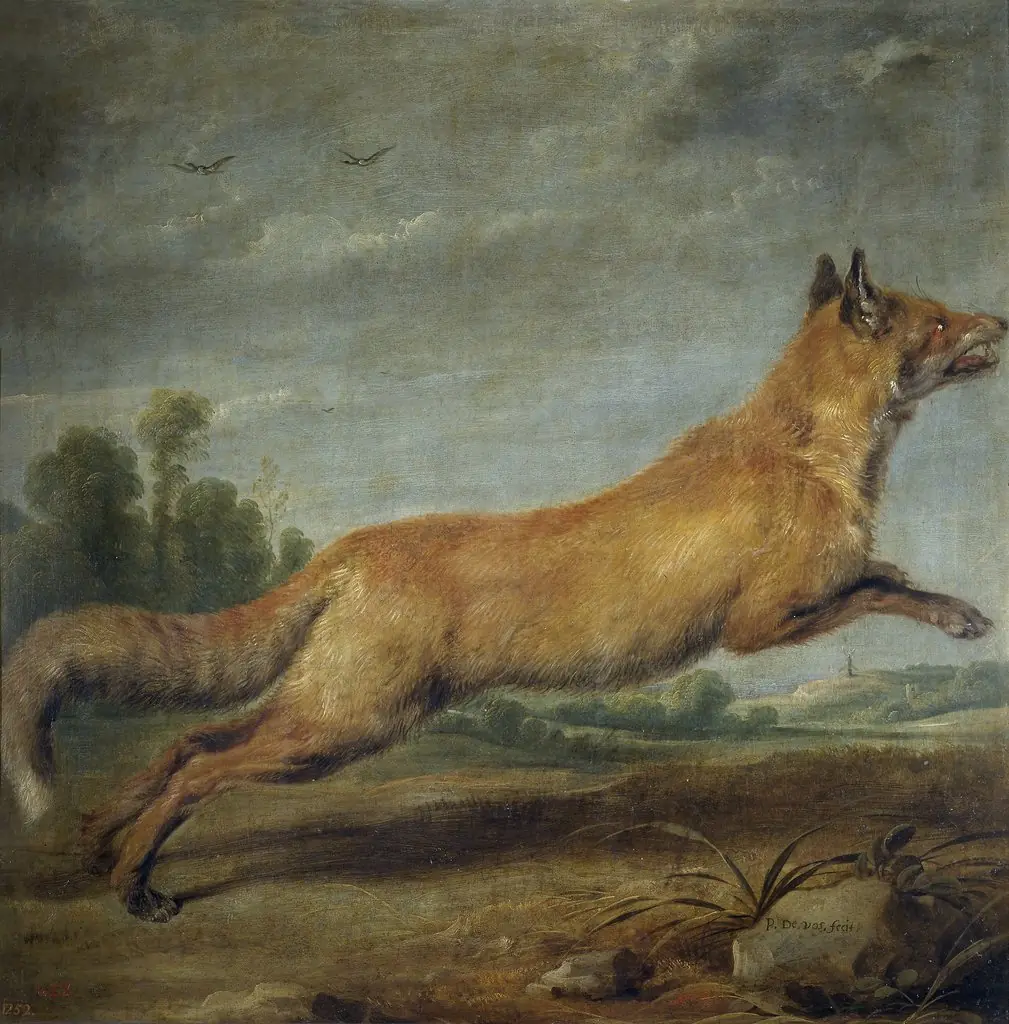
The scene portrays a fox fleeing from a pack of hounds, each rendered with individualized posture and expression. The hunt is not idealized as noble sport but presented as a raw, instinct-driven chase. The fox’s alertness and the dogs’ urgency convey natural tension rather than moral allegory. Such scenes reflected contemporary aristocratic pastimes, celebrating control over nature without overt symbolism.
Technique & Style
De Vos employed oil paint to render fur, foliage, and motion with textured brushwork. The composition thrives on diagonal energy, with dogs leaping and straining in varied poses that guide the eye across the canvas. Subtle chiaroscuro defines volume in the animals’ forms, while the muted greens and browns of the woodland ground the scene in naturalism, avoiding theatrical exaggeration common in some Baroque works.
History & Provenance
Created during de Vos’s mature period in Antwerp, the painting likely originated in a private collection of a noble patron connected to the Habsburg court. It entered the Kunsthistorisches Museum’s holdings through imperial collections, possibly as part of the Habsburgs’ broader acquisition of Flemish art in the 17th and 18th centuries. Its documented presence in Vienna dates to at least the early 19th century.
Context
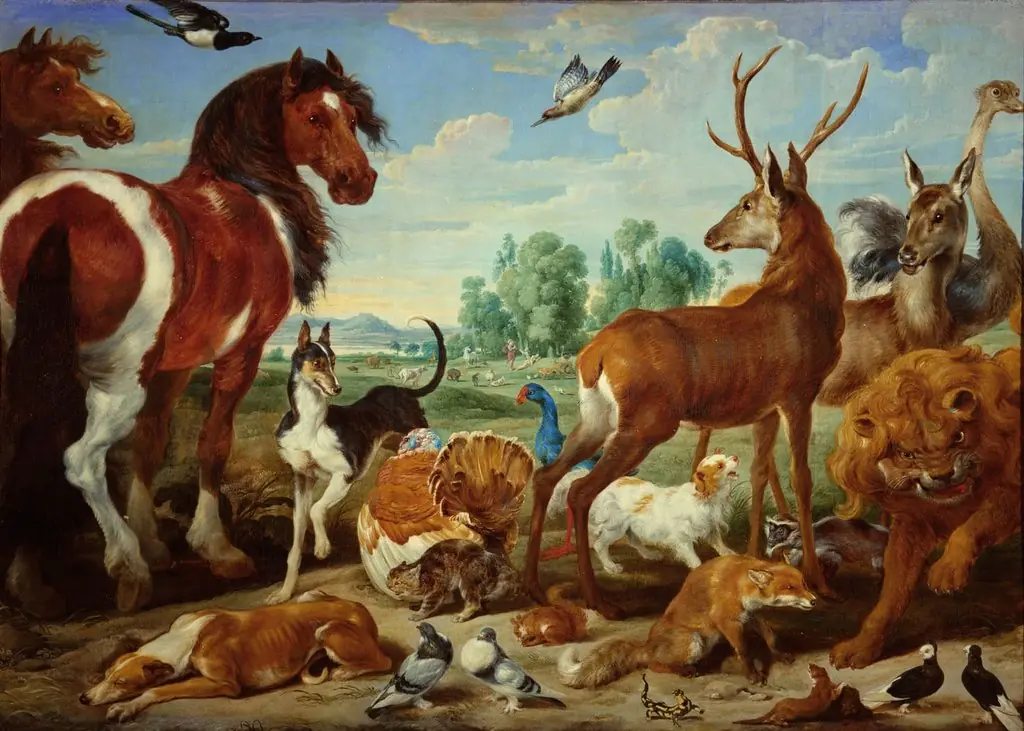
In mid-17th-century Flanders, hunting scenes were popular among the upper classes as expressions of status and connection to the land. De Vos worked alongside Rubens and van Dyck, absorbing their compositional dynamism but focusing more on animals than human figures. His paintings filled a niche for detailed, lively depictions of wildlife, distinct from mythological or religious subjects dominant in the era.
Legacy
De Vos’s *Fox Hunt* exemplifies the Flemish tradition of naturalistic animal painting, influencing later genre scenes of rural life and wildlife. While not as widely recognized as his contemporaries, his work contributed to a sustained interest in the depiction of animals as subjects worthy of serious artistic attention, bridging medieval bestiary traditions and Enlightenment-era naturalism.
Artist & collection
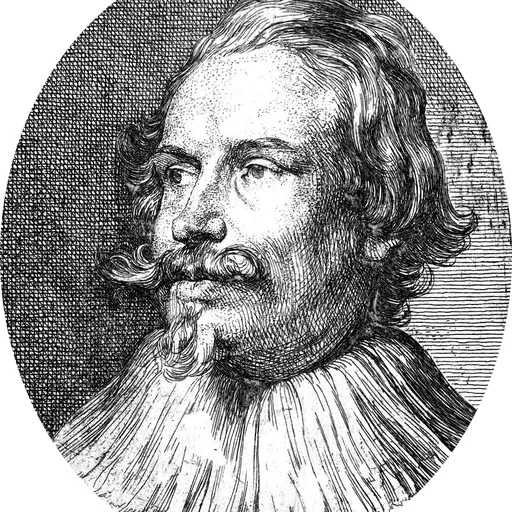
Artist
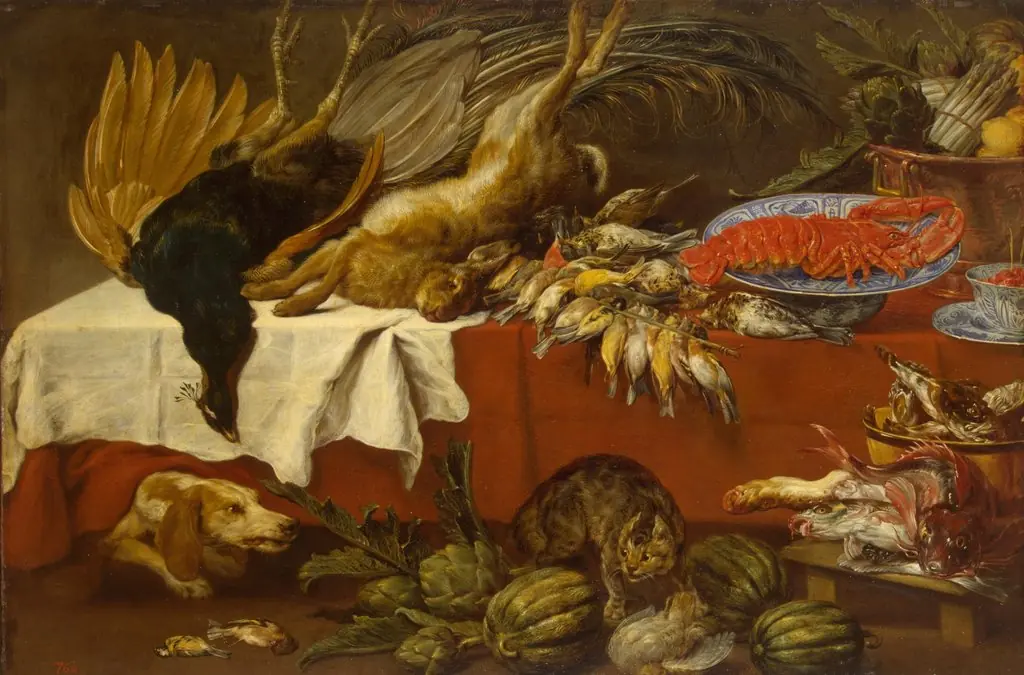
Paul de Vos (1591/92, or 1595 in Hulst – 30 June 1678 in Antwerp) was a Flemish Baroque painter who specialized in mainly in compositions of animals, hunting scenes and still lifes.