Artwork
Bust Portrait of Napoleon
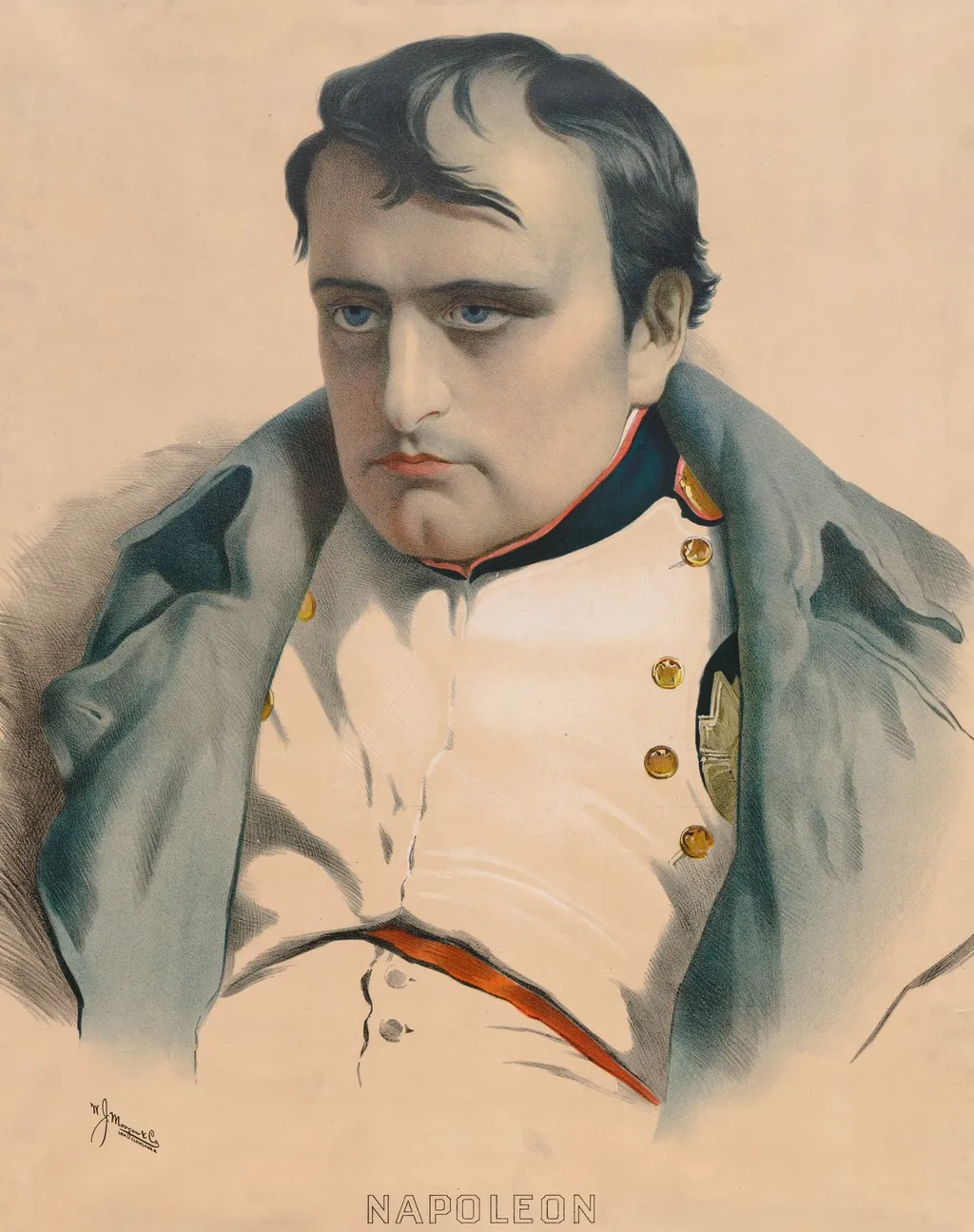
Bust Portrait of Napoleon is a print by the Romanticist artist Paul Delaroche. It dates from 1852 and is held in the collection of the Cleveland Museum of Art.
About this work
The artist paid attention to details like his facial expression and clothes, which might tell us about his personality or the time period.
This painting shows Napoleon's face and upper body.
It's a close-up view of him.
The artist paid attention to details like his facial expression and clothes, which might tell us about his personality or the time period.
The painting is interesting because it was made after Napoleon's death, so it's not a portrait from life.
This could mean the artist was working from other images or descriptions of Napoleon.
You can learn more about portraits like this by looking at the work of artist: Paul Delaroche (French, 1797–1856)
Overview
Created around 1852, this print by Hippolyte-Paul Delaroche depicts Napoleon Bonaparte in a tightly framed bust view. Though executed after Napoleon’s death, the image draws on established visual records rather than direct observation. Delaroche, known for his historical subjects, approached the figure with a sober, documentary intent, avoiding theatricality in favor of measured representation.
Subject & Meaning
The portrait presents Napoleon not as a triumphant emperor but as a diminished, contemplative man. His expression is neutral, his posture restrained, suggesting reflection rather than power. By omitting regalia and focusing on the face and upper torso, Delaroche invites consideration of the individual behind the legend, emphasizing humanity over myth.
Technique & Style
Delaroche combined Academic precision with Romantic sensitivity, rendering fine details in fabric and facial texture with careful attention. The lighting is even and controlled, minimizing dramatic contrast. The print’s tonal range and sharp delineation reflect a method rooted in observational study, aligning with 19th-century ideals of historical accuracy over idealization.
History & Provenance
The work emerged during a period of renewed public interest in Napoleon’s legacy, decades after his exile and death. Delaroche likely based the image on earlier portraits, engravings, or descriptions, as no contemporary sittings were possible. Its production as a print suggests a desire to disseminate a standardized, authoritative likeness to a broad audience.
Context
In mid-19th-century France, Napoleon’s memory was politically contested. Delaroche’s restrained portrayal avoided overt glorification or condemnation, aligning with a broader cultural shift toward nuanced historical representation. This approach contrasted with earlier heroic depictions and reflected a more critical, reflective engagement with the past.
Legacy
Delaroche’s bust portrait contributed to a visual language that humanized historical figures through quiet realism. It influenced later artists seeking to depict leaders without mythmaking, establishing a precedent for psychologically grounded portraiture in an age increasingly concerned with historical truth over national myth.
Artist & collection
Artist
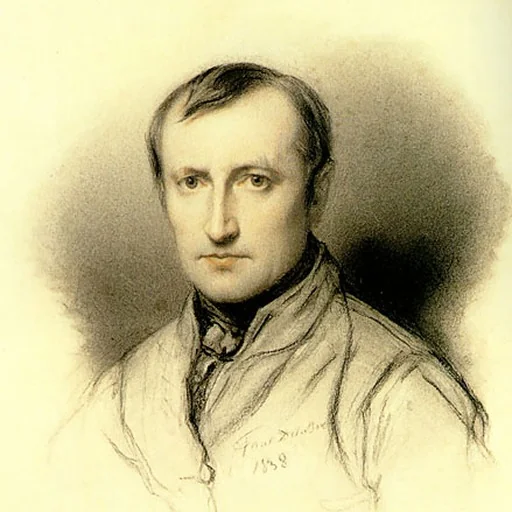
Hippolyte-Paul Delaroche (French pronunciation: ; 17 July 1797 – 4 November 1856) was a French painter known for his depiction of scenes from English and French history.

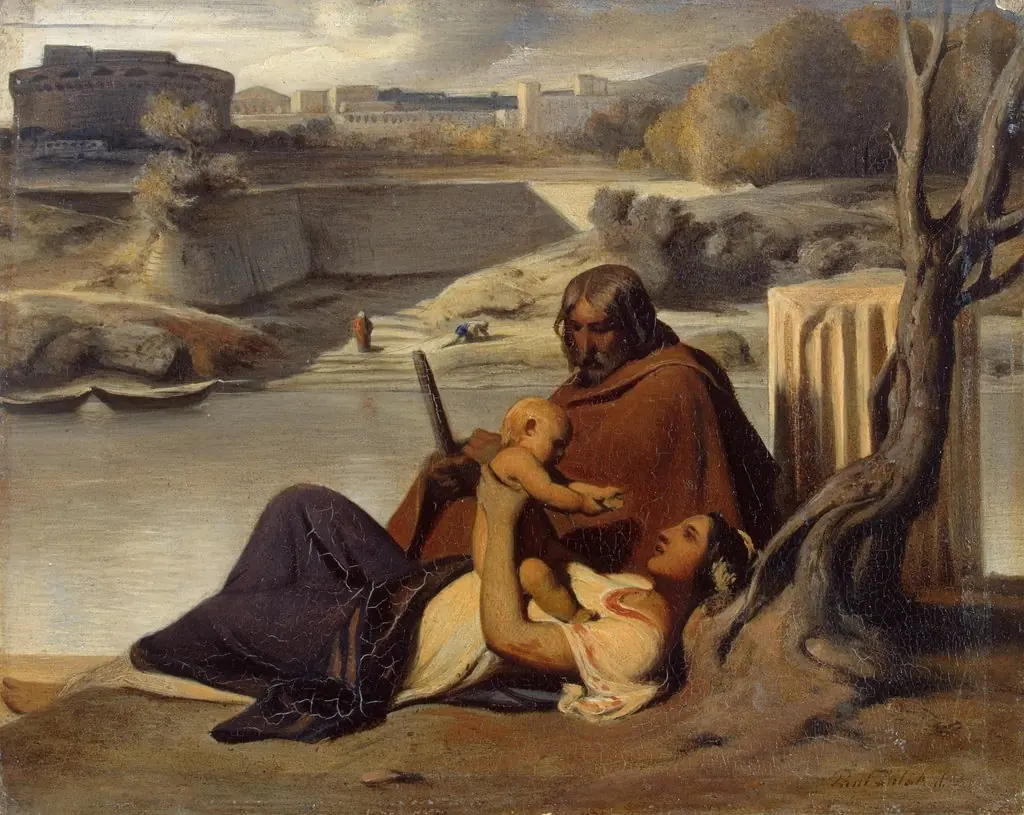
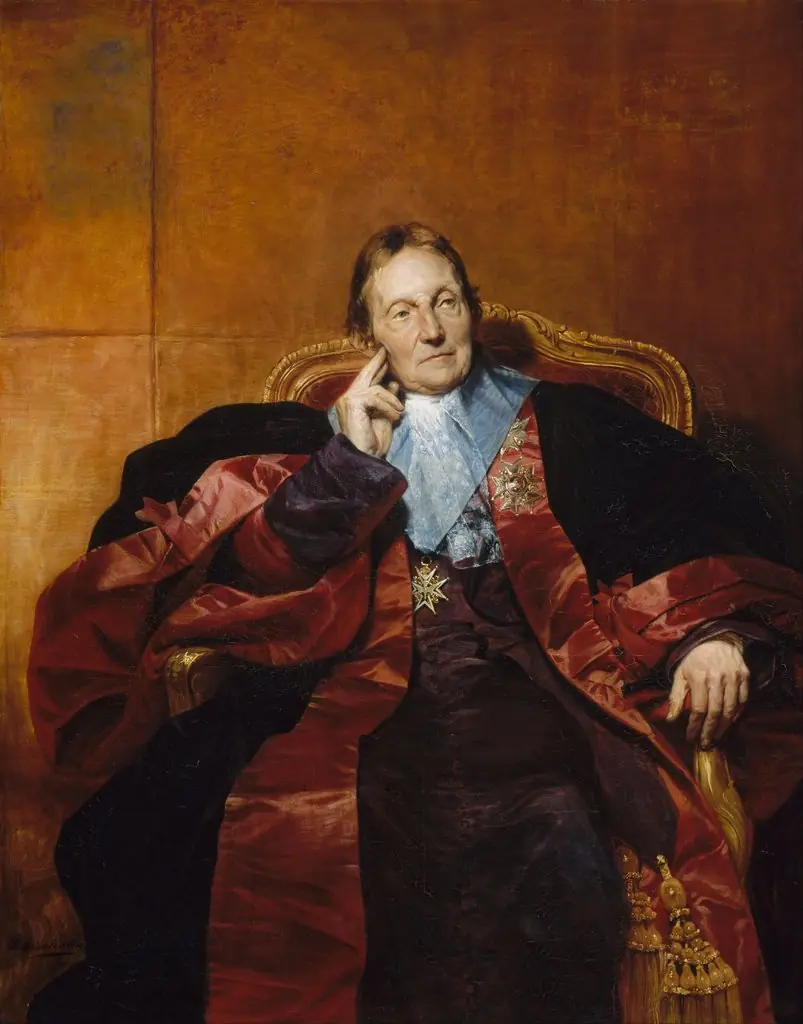
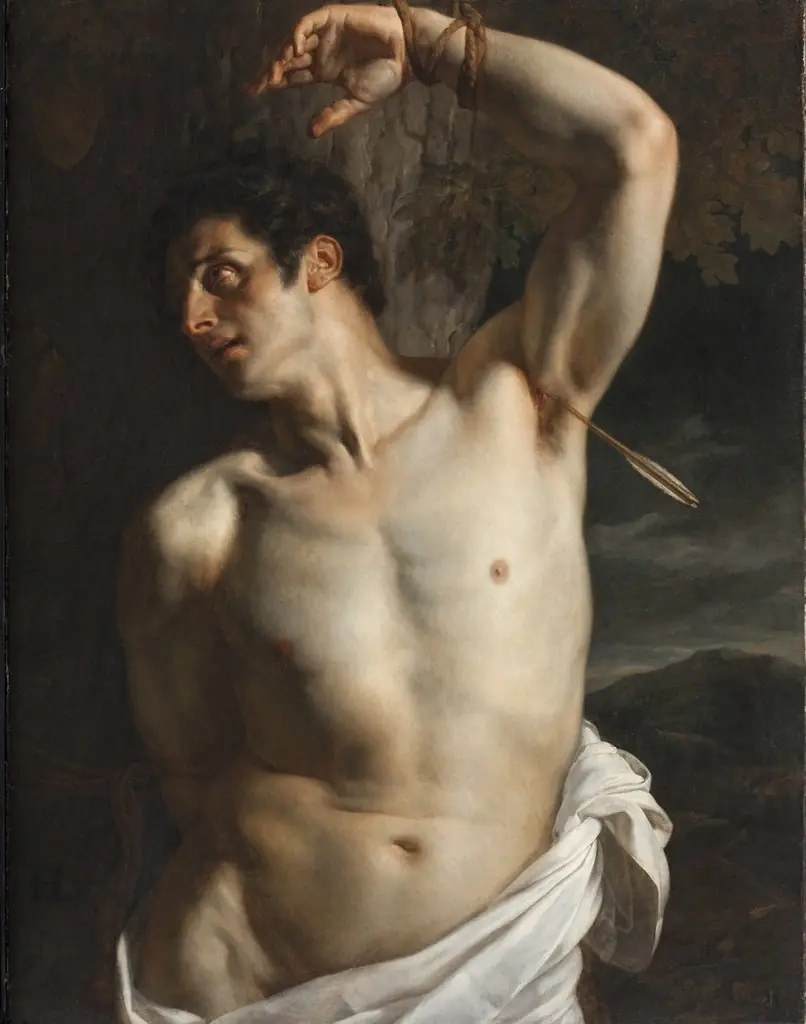
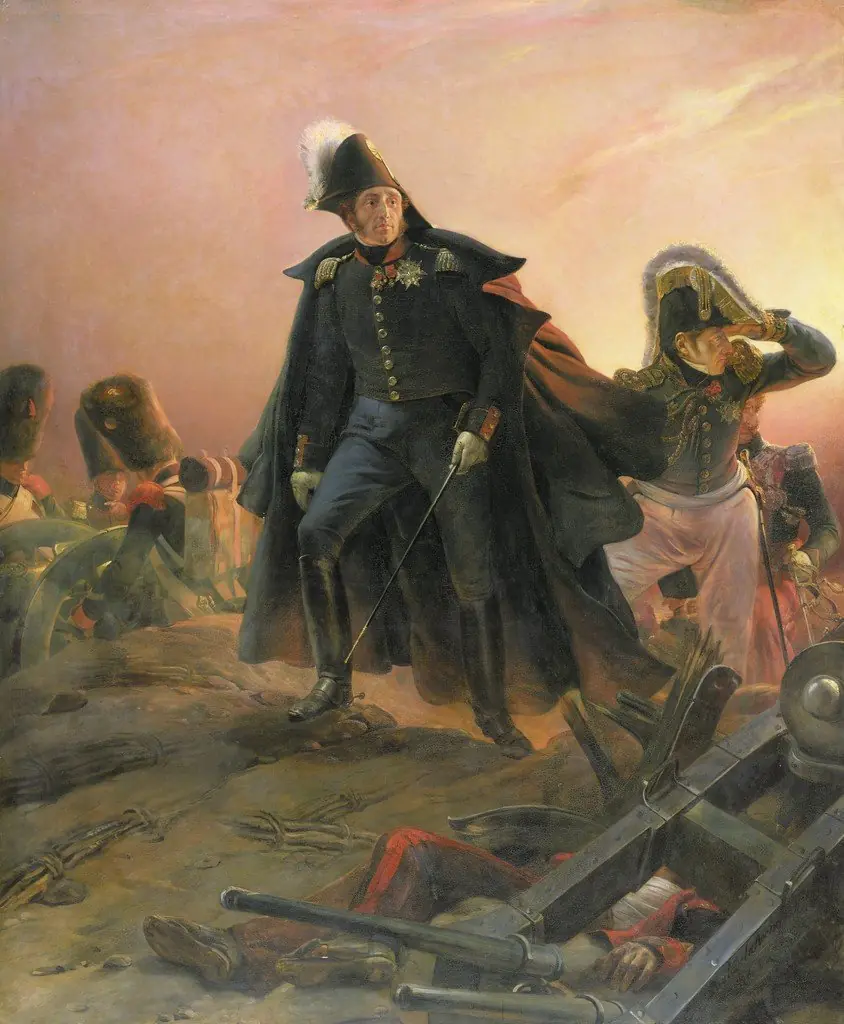
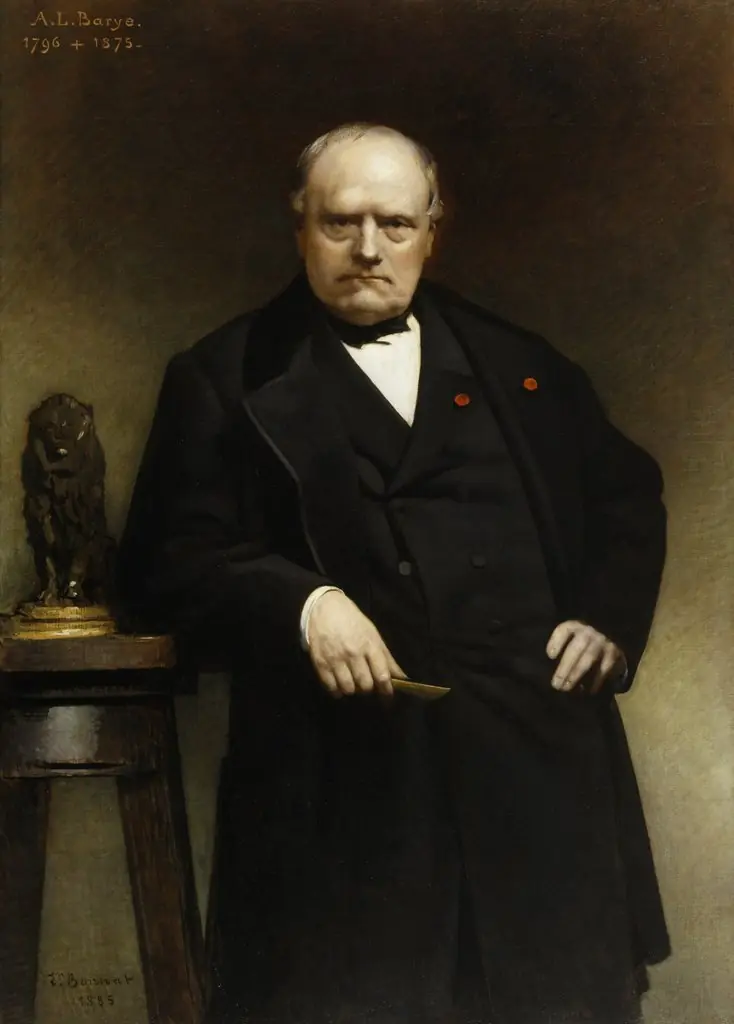 Portrait of Barye with a Wax Model of "Seated Lion"
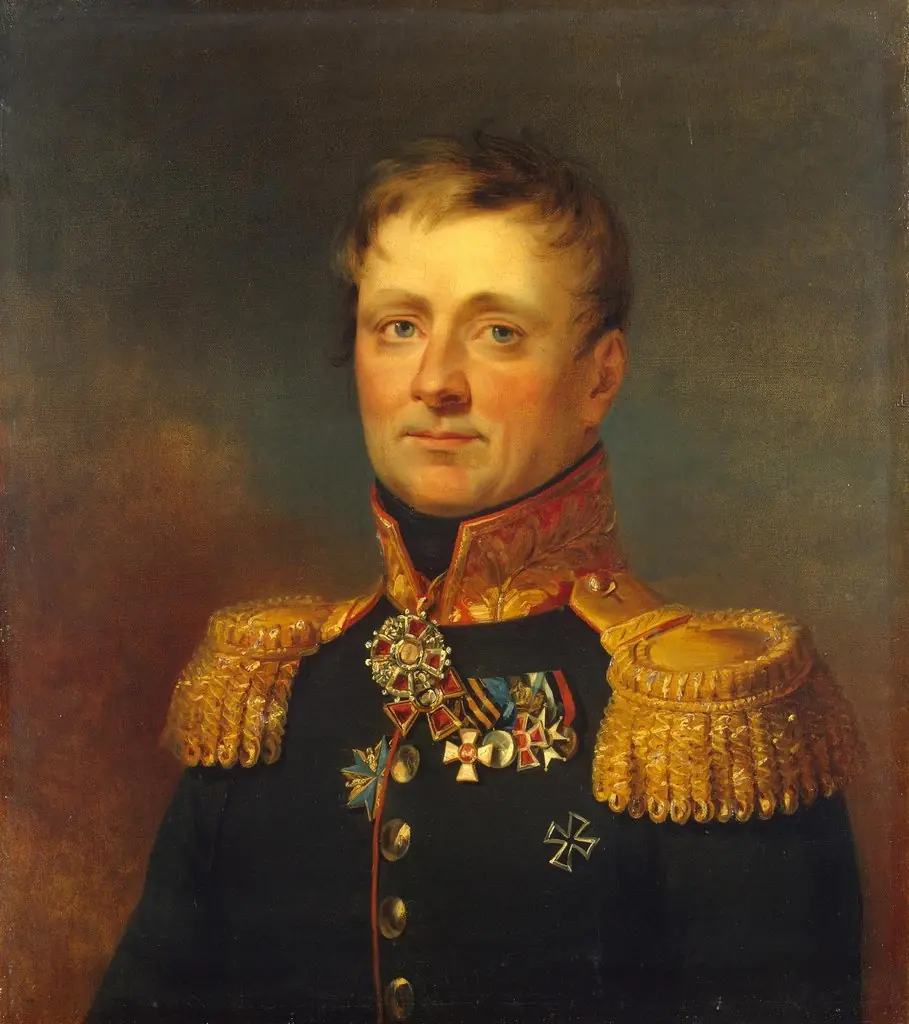 Portrait of Karl G. Stahl (1777-1853)
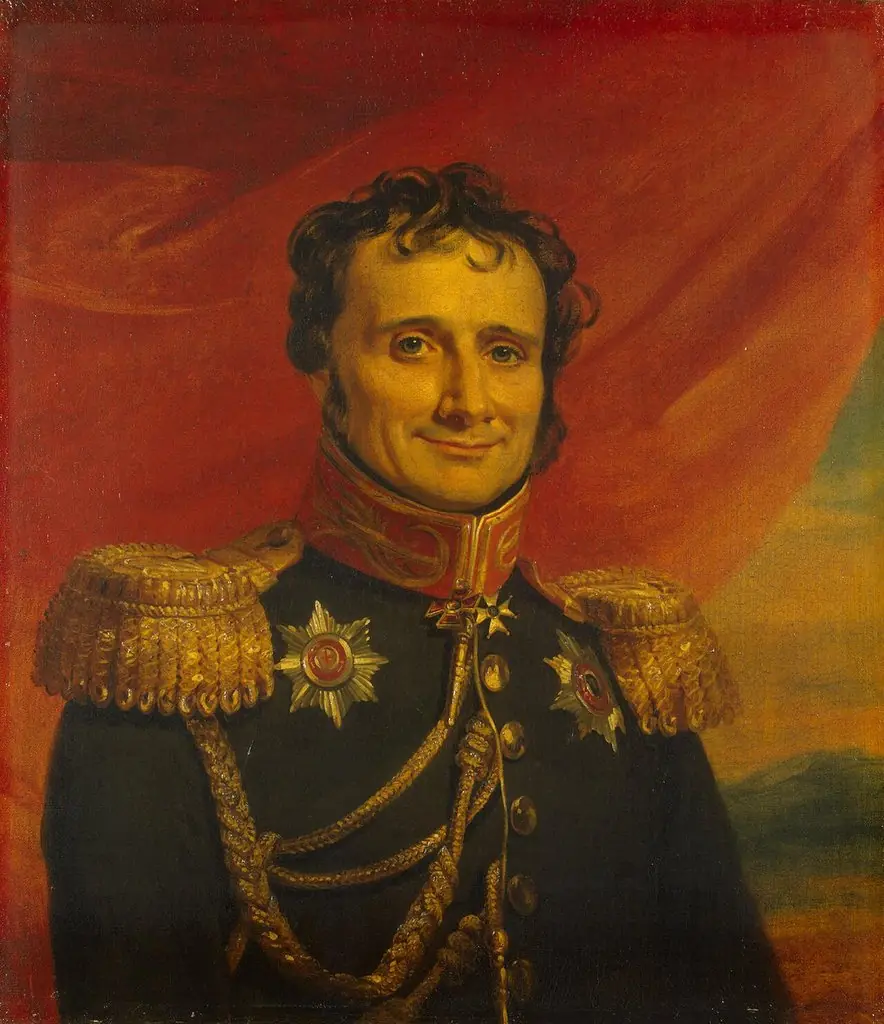 Portrait of Genrikh V. (Antoine-Henri) Jomini (1779-1869)
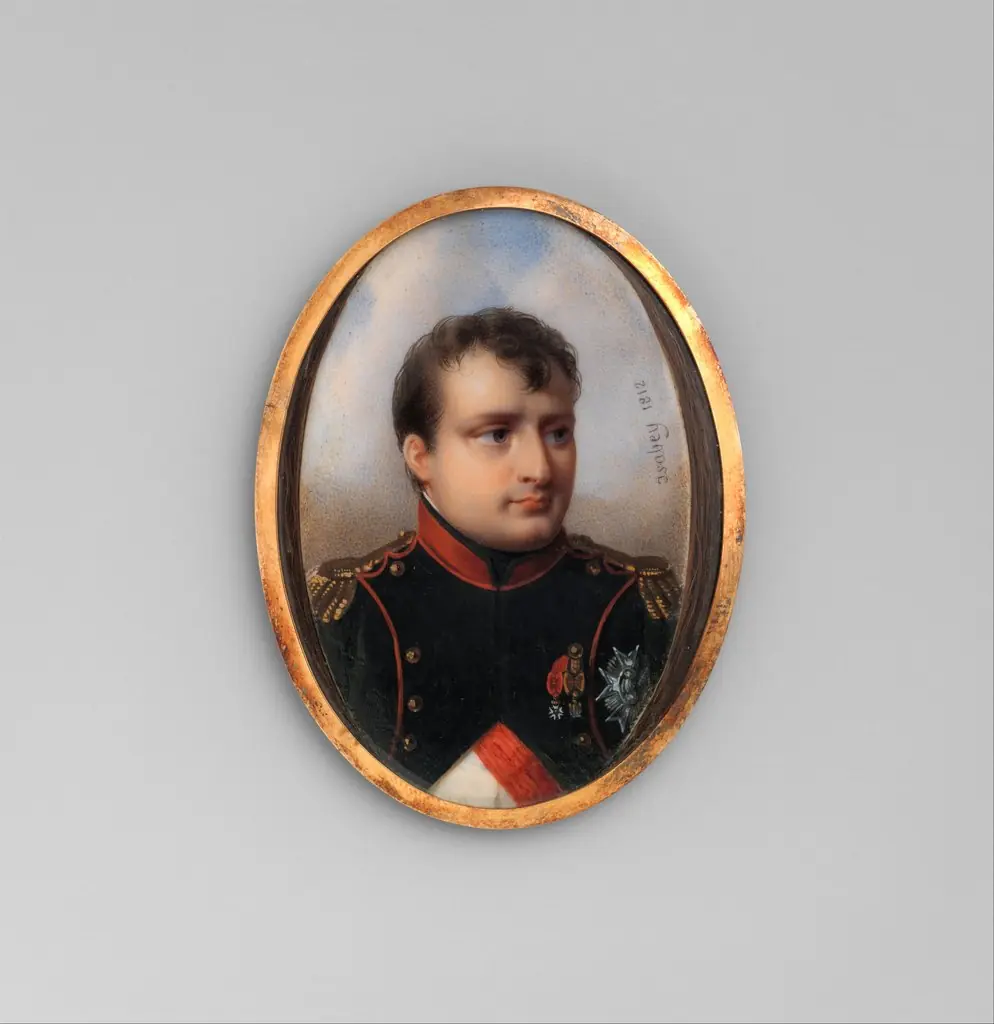 Napoléon I (1769–1821)
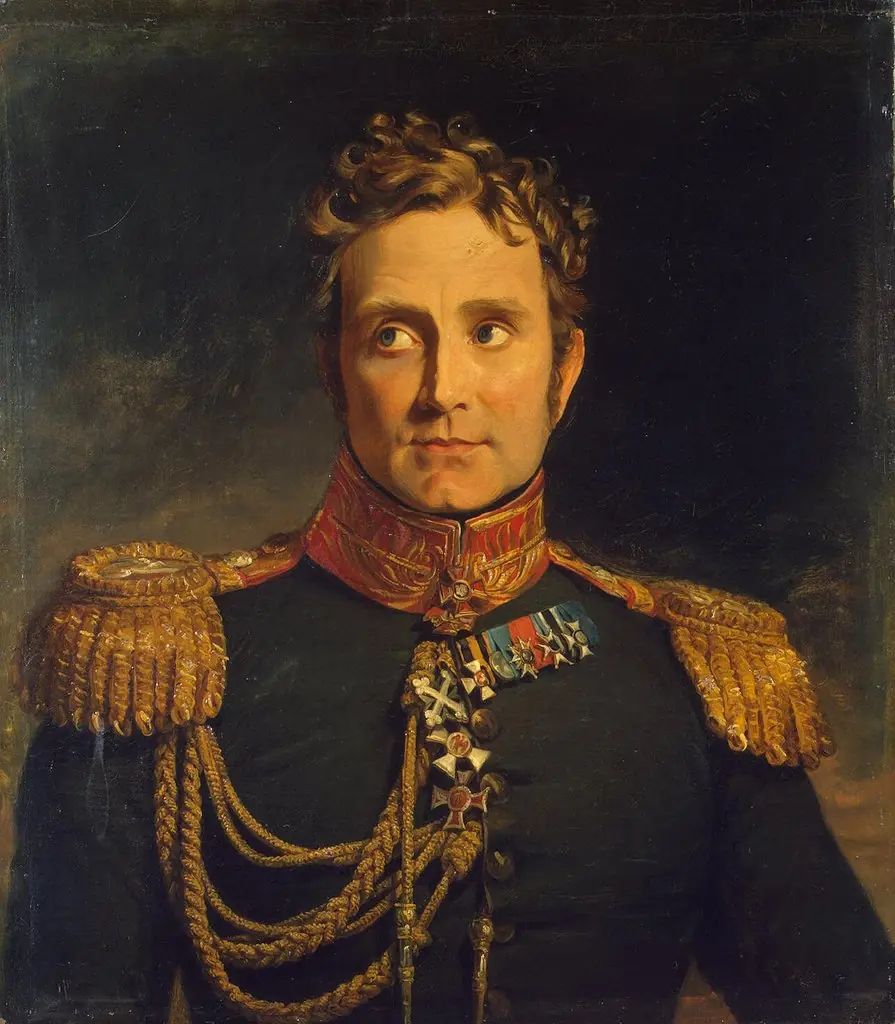 Portrait of Alexander F. Michaud de Beauretour (1771-1841)
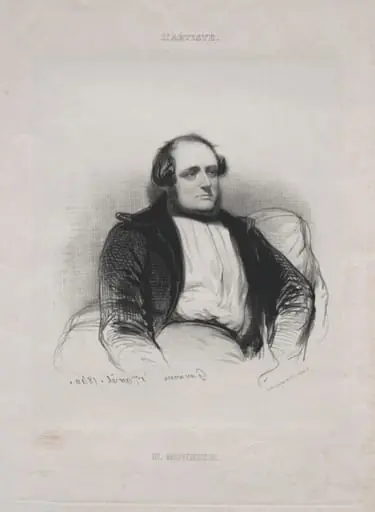 Henri (Bonaventure) Monnier
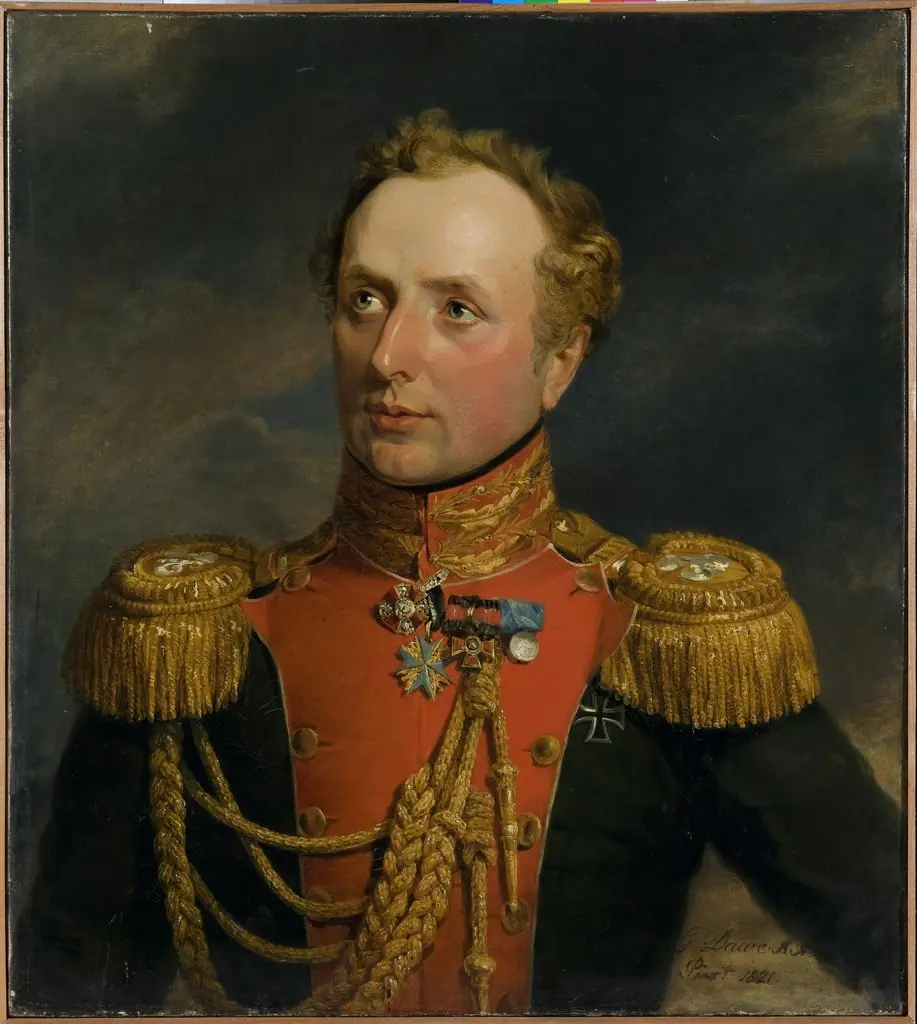 Karl von Pirch
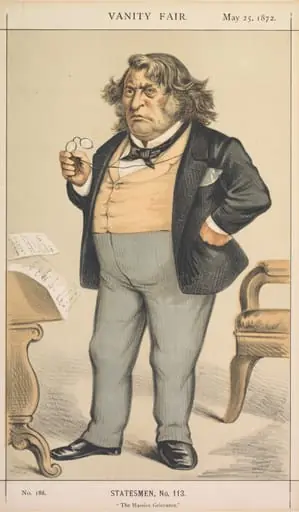 Vanity Fair: Statesman, No. 113 "The Massive Grievance"
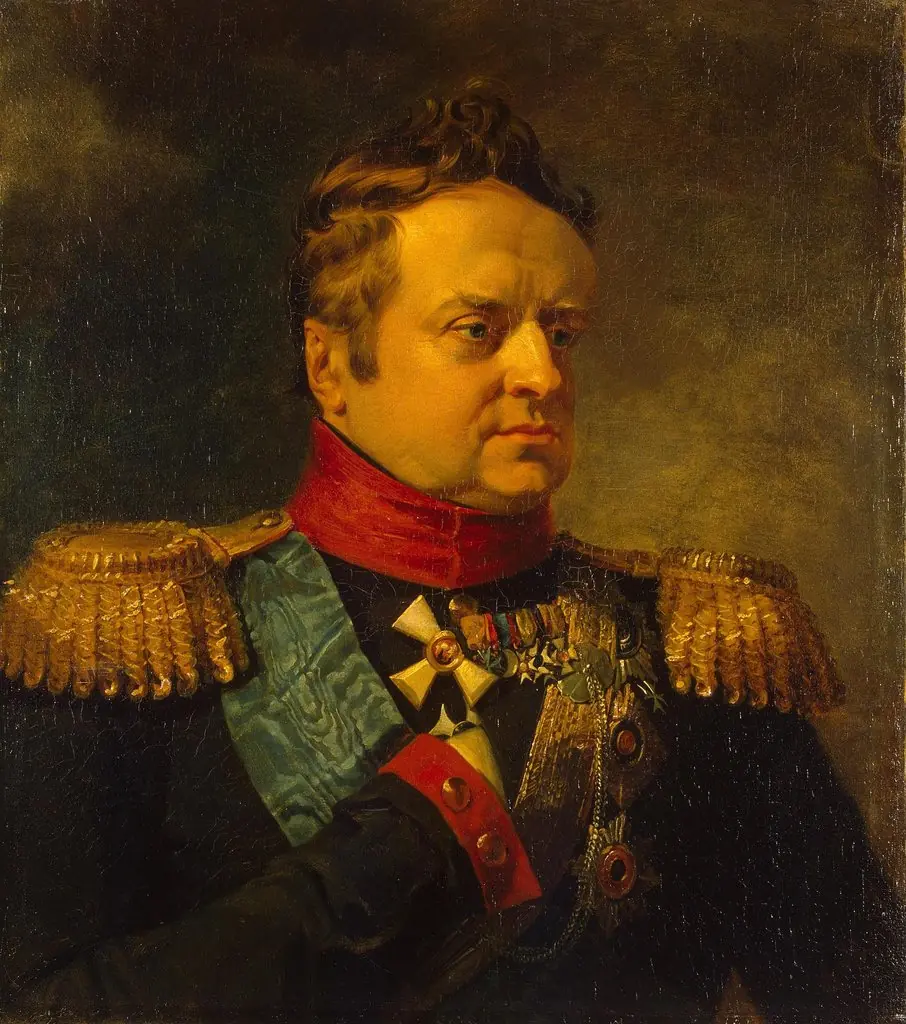 Portrait of Alexander, Prince of Wurttemberg (1771-1833)