Artwork
Vanity Fair: Statesman, No. 113 "The Massive Grievance"
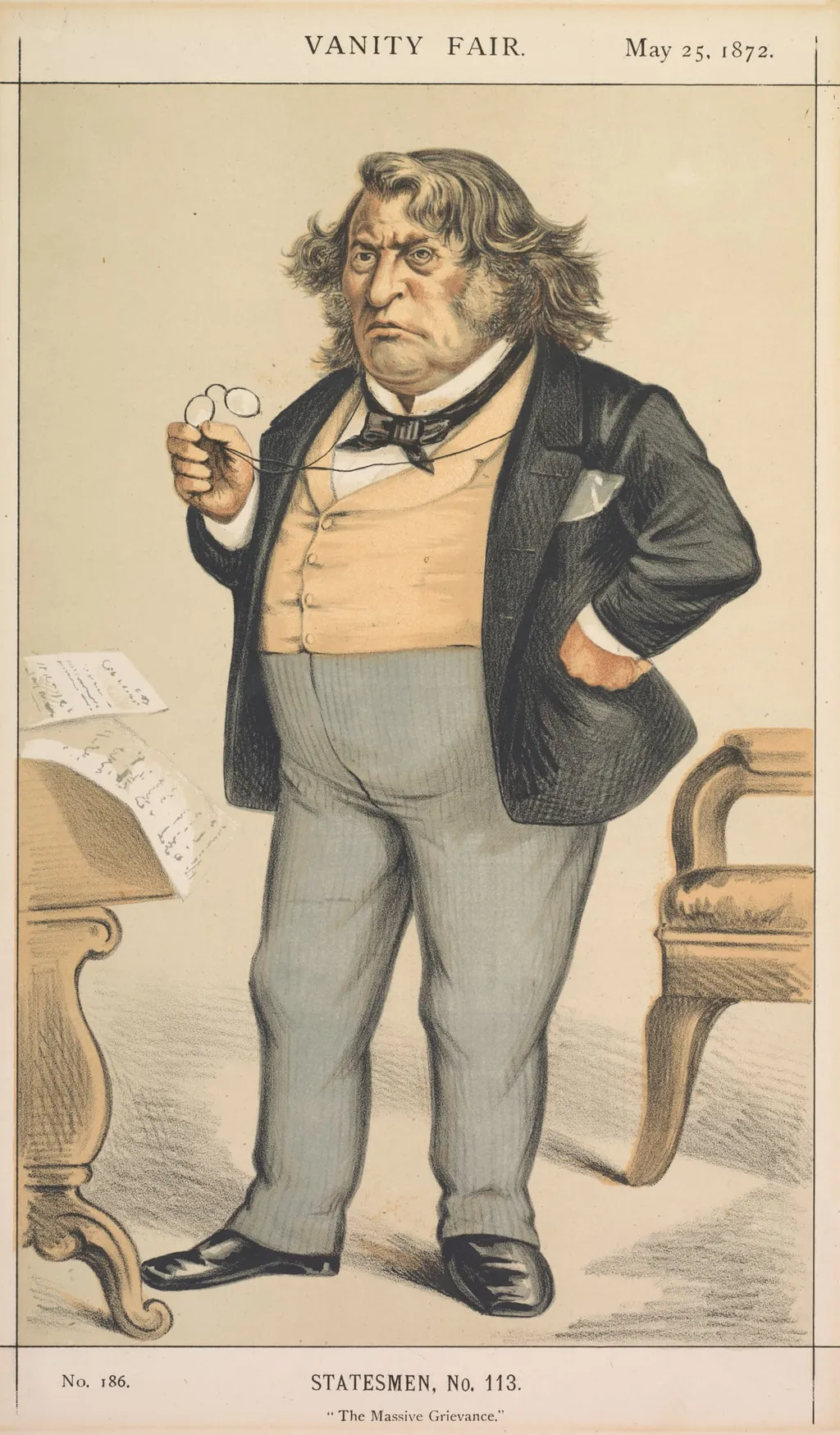
Vanity Fair: Statesman, No. 113 "The Massive Grievance" is a print by the Impressionist artist Thomas Nast. It dates from 1872 and is held in the collection of the Cleveland Museum of Art.
About this work
Overview
Rendered in black-and-white ink, the image was part of a series targeting American political corruption.
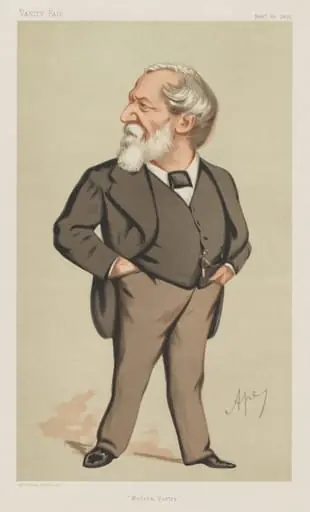
This 1872 lithograph by Thomas Nast, published in Vanity Fair under the title 'The Massive Grievance,' depicts a prominent political figure in a moment of introspection. Rendered in black-and-white ink, the image was part of a series targeting American political corruption. The subject, identified as a statesman, is portrayed with deliberate stillness, surrounded by the trappings of office—papers, a chair, and spectacles—suggesting the weight of public duty.
Subject & Meaning
The figure is likely a satirical representation of a politician entangled in scandal, though not explicitly named. His formal attire and the spectacles he holds imply a man who sees clearly but may be complicit in systemic failures. The direct gaze at the viewer challenges the audience to confront the moral ambiguity of leadership. The title, 'The Massive Grievance,' hints at public discontent, framing the figure as both witness and symbol of institutional decay.
Technique & Style
Nast employed fine-line engraving and tonal contrast to model the figure with precision. Light falls sharply across the face and hands, emphasizing expression and gesture while the background remains muted and sparse. The use of chiaroscuro heightens psychological presence without embellishment. The absence of color and the crisp linework reflect the lithographic constraints of period print journalism, prioritizing clarity and symbolic impact over decorative detail.
History & Provenance
The print was originally published in the American edition of Vanity Fair, a short-lived but influential political magazine. It entered the collection of The Cleveland Museum of Art through a later acquisition, likely from a private donor or institutional transfer in the 20th century. Its survival reflects its significance as a document of Gilded Age political satire, preserved for its historical rather than purely aesthetic value.
Context
Created during the height of post-Civil War political corruption, Nast’s work responded to scandals involving Tammany Hall and federal patronage. His illustrations in Harper’s Weekly and other periodicals were instrumental in shaping public opinion. This lithograph aligns with his broader campaign to expose hypocrisy among elected officials, using visual metaphor to bypass literacy barriers and reach a broad audience.
Legacy
Nast’s imagery helped define the visual language of American political cartooning. While this particular print is less widely known than his depictions of Boss Tweed, it exemplifies his ability to distill complex political tensions into a single, arresting figure. The work remains a reference point for studies of media, power, and public accountability in 19th-century America.
Artist & collection

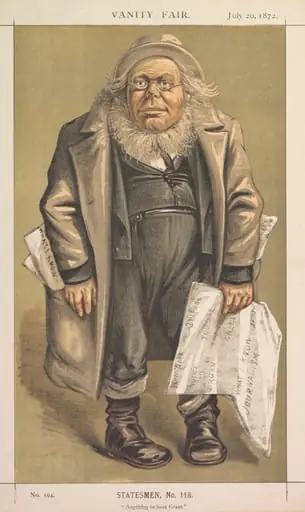
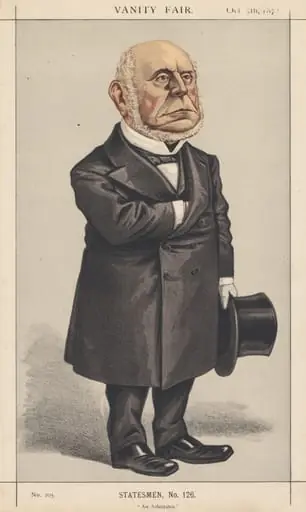 Vanity Fair: Statesman, No. 126 "An Arbitrator"
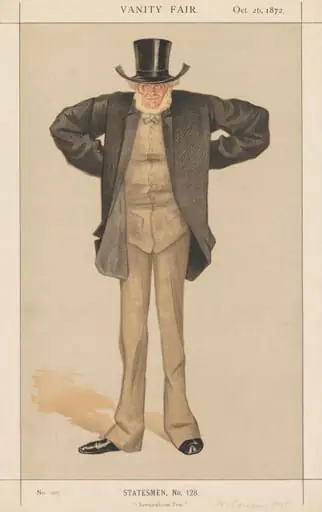 Vanity Fair: Statesman, No. 128 "Newcastle-on-Tyne"
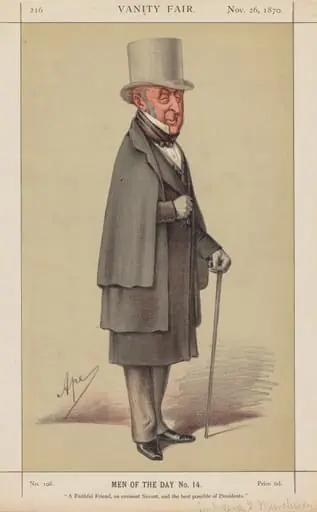 Vanity Fair: Men of the Day No. 14 "A Faithful Friend, an eminent Savant, and the best possible of Presidents"
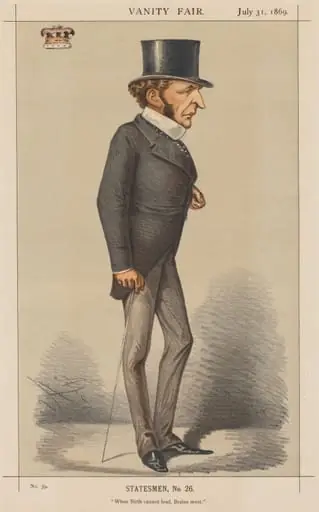 Vanity Fair: Statesman No. 26 "When Birth cannot lead, Brains must."
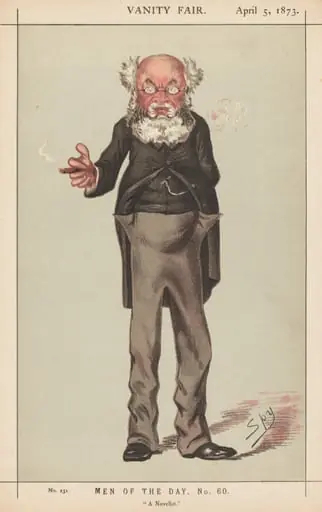 Vanity Fair: Men of the Day, No. 60, "A Novelist"
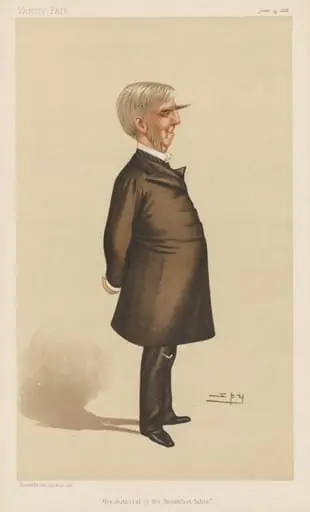 Vanity Fair: "The Autocrat of the Breakfast Table"
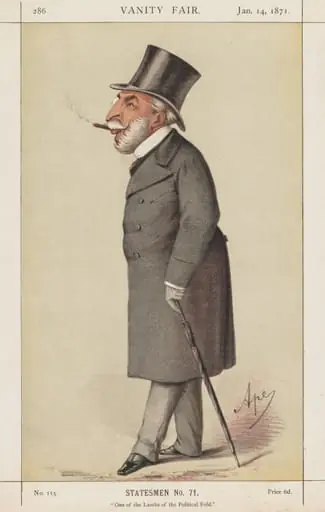 Vanity Fair: Statesman, No. 71 "One of the Lambs of the Political Fold"
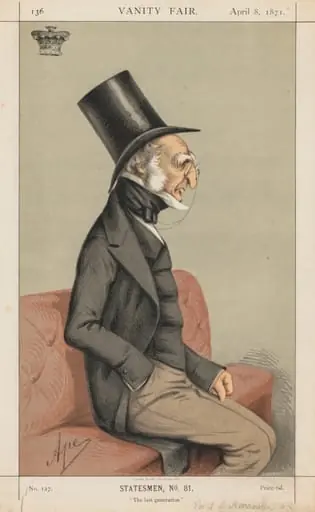 Vanity Fair: Statesman No., 81 "The Last Generation"
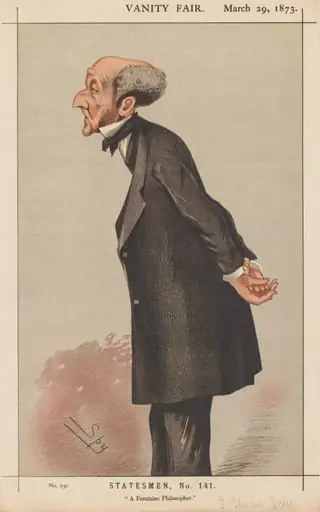 Vanity Fair: Statesman, No. 141 "A Feminine Philosopher"
 Vanity Fair: "Modern Poetry"