Artwork
The Black Rocks
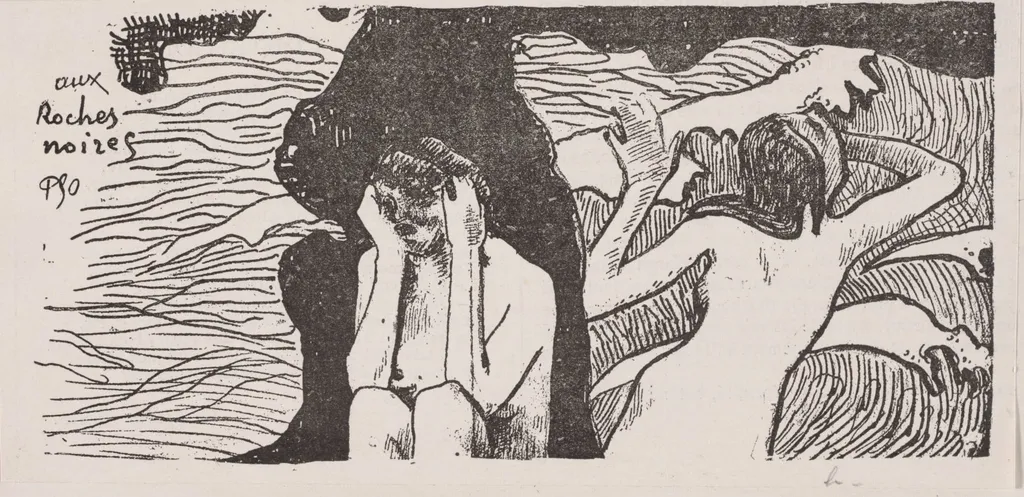
The Black Rocks is a print by the Impressionist artist Paul Gauguin. It dates from 1898 and is held in the collection of the Cleveland Museum of Art.
About this work
Overview
Created around 1898, *The Black Rocks* is a print by Paul Gauguin that emerged from his time in Tahiti and his commitment to Symbolist ideals.
Created around 1898, *The Black Rocks* is a print by Paul Gauguin that emerged from his time in Tahiti and his commitment to Symbolist ideals. Moving beyond Impressionism, Gauguin sought to convey inner states through simplified forms and non-naturalistic color. This work belongs to a broader phase in which he explored printmaking as a means to distill emotion and meaning, rejecting optical realism in favor of symbolic expression.
Subject & Meaning
Two figures—a seated woman and a reclining one—are placed within a stark, rocky landscape under a heavy sky. Their poses suggest stillness and solitude, evoking a quiet, introspective mood. Gauguin does not depict specific identities but uses the figures as archetypes, embodying themes of rest, isolation, and connection to the land. The absence of narrative detail invites contemplation rather than storytelling.
Technique & Style
Gauguin employed a reductive approach, using bold outlines and flat planes of dark tone to define form. The print’s limited palette—dominated by blacks, deep grays, and muted earth tones—enhances its somber atmosphere. He favored direct carving and minimal detail, aligning with Synthetist principles that prioritized emotional resonance over descriptive accuracy. The composition flattens space, uniting figures and terrain into a unified, meditative whole.
History & Provenance
Made during Gauguin’s second stay in French Polynesia, *The Black Rocks* reflects his increasing isolation and spiritual searching. It was likely produced as part of a small series of woodcuts and monotypes he created in Tahiti, often using locally available materials. The work remained in private hands after his death, with limited public exposure until later 20th-century retrospectives brought renewed scholarly attention.
Context
In the late 1890s, Gauguin distanced himself from European artistic norms, seeking inspiration in Polynesian culture and indigenous spiritual traditions. His work during this period rejected Western perspective and naturalism, instead embracing flattened forms and symbolic color. *The Black Rocks* aligns with his broader effort to construct a visual language rooted in myth, memory, and emotional truth rather than observed reality.
Legacy
Though less known than his paintings, Gauguin’s prints like *The Black Rocks* influenced early 20th-century modernists seeking alternatives to realism. His emphasis on symbolic form and emotional intensity paved the way for Expressionism and Primitivism. The work remains a quiet testament to his pursuit of an art that communicated inner experience, transcending cultural and aesthetic boundaries.
Artist & collection
Artist
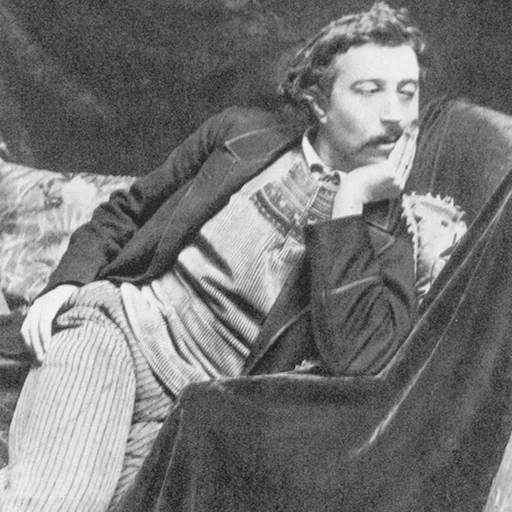
Eugène Henri Paul Gauguin (; French: ; 7 June 1848 – 8 May 1903) was a French painter, sculptor, printmaker, ceramist, and writer, whose work has been primarily associated with the Post-Impressionist and Symbolist movements.

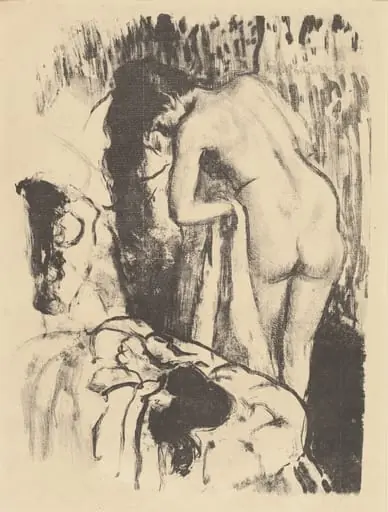 Nude Woman Standing, Drying Herself (Femme nue debout, a sa toilette)
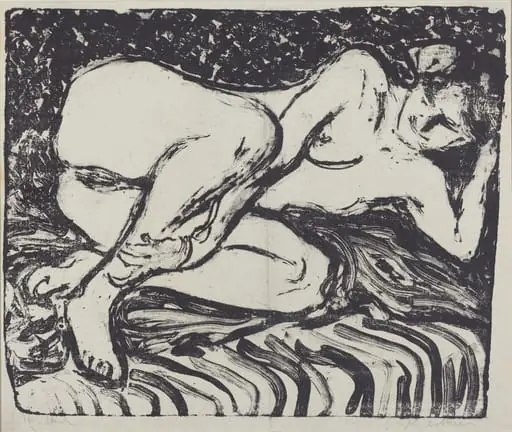 Reclining Nude
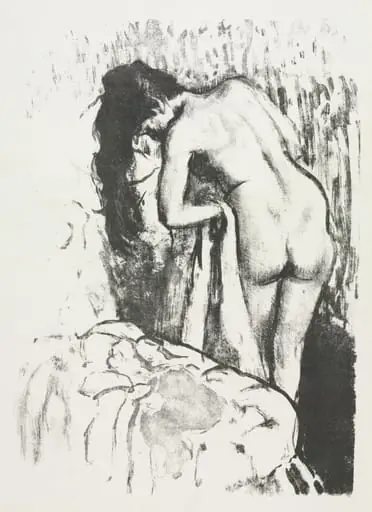 Nude Woman Standing, Drying Herself
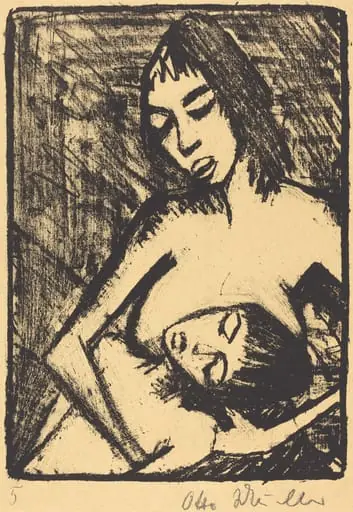 Mother and Child (Mutter und Kind)
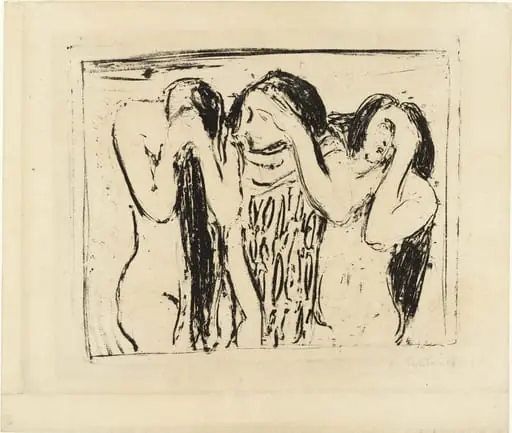 Untitled
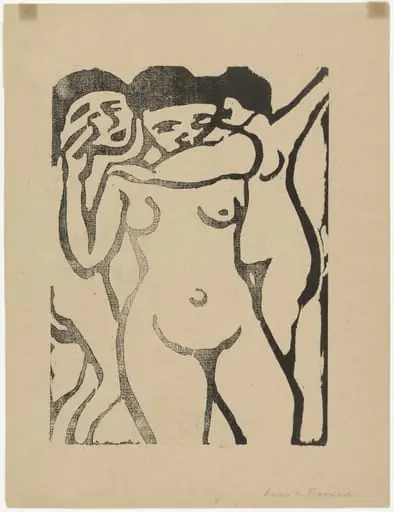 Untitled
 Seated Nude
 Manao Tupapau (She is Haunted by a Spirit)
 After the Bath (La sortie du bain (Grand planche))
 Les Bretonneries: The Return from the Pilgrimage (Le Retour du Pardon)