Artwork
Les Bretonneries: The Return from the Pilgrimage (Le Retour du Pardon)
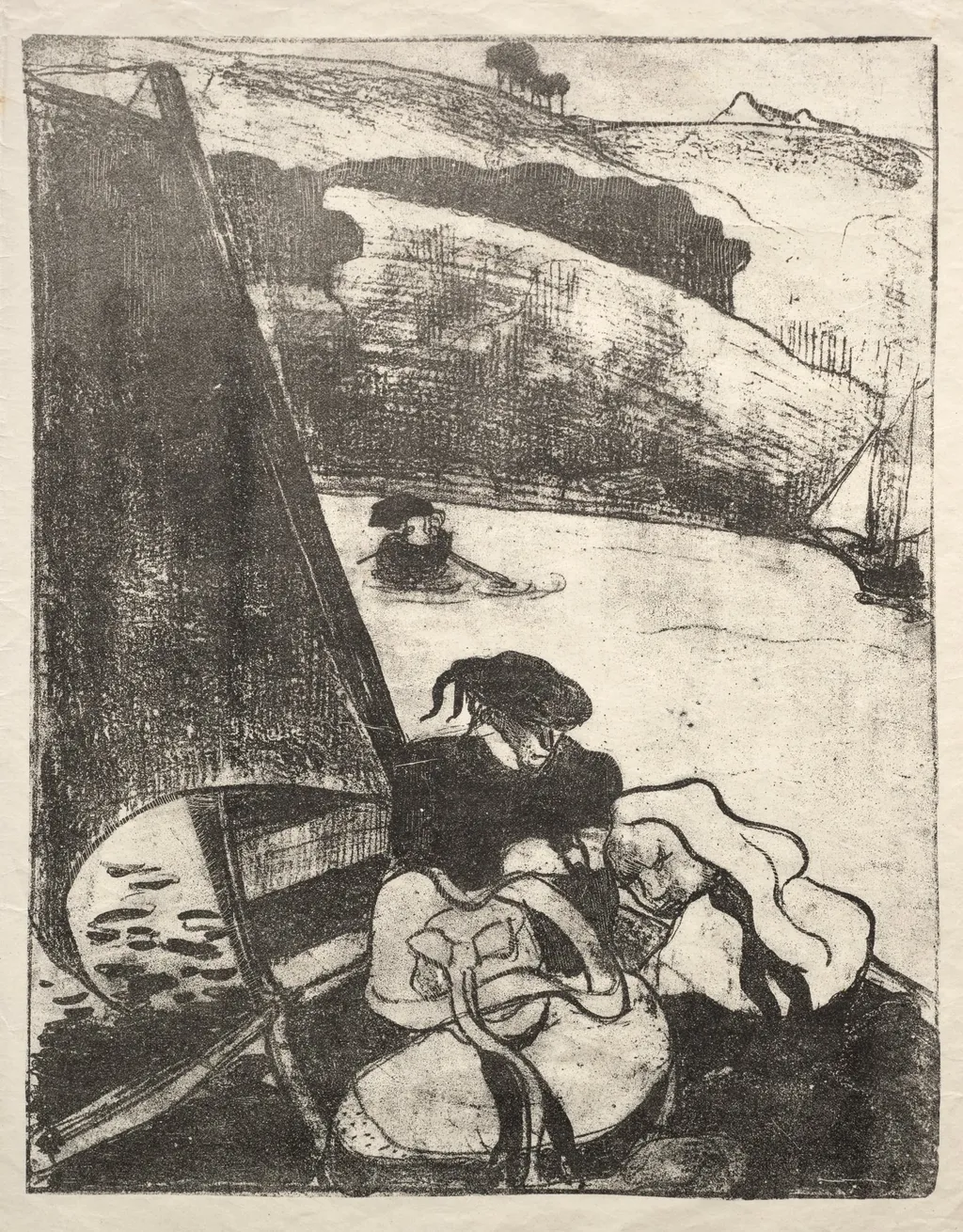
Les Bretonneries: The Return from the Pilgrimage (Le Retour du Pardon) is a print by the Impressionist artist Émile Bernard. It dates from 1889 and is held in the collection of the Cleveland Museum of Art.
About this work
Overview
Though better known for his paintings, this print reveals his ability to convey emotional weight through simplified form and expressive line.
Created in 1889, *Les Bretonneries: The Return from the Pilgrimage* is a print by French artist Émile Bernard, capturing a moment of quiet exhaustion among Breton pilgrims. Executed during a period of intense stylistic experimentation, the work reflects Bernard’s engagement with Synthetism and Cloisonnism—movements that favored flat planes, bold outlines, and symbolic color over naturalism. Though better known for his paintings, this print reveals his ability to convey emotional weight through simplified form and expressive line.
Subject & Meaning
The scene portrays a group of pilgrims returning from a religious procession, their postures suggesting fatigue and spiritual weariness. Figures lean on staffs, slump to the ground, or trudge forward with heavy steps, emphasizing the physical toll of devotion. The setting—a muddy path, distant shore, and faint hill—grounds the moment in the rural landscape of Brittany. Bernard avoids idealization, instead presenting pilgrimage as a human, unglamorous act, rooted in communal ritual rather than divine spectacle.
Technique & Style
Bernard employs rough, angular lines and minimal shading to suggest movement and weight, evoking the immediacy of a sketch. Forms are flattened, contours sharply defined, and color subdued—characteristic of Cloisonnism. The lack of polished detail enhances the rawness of the scene, aligning with Synthetist principles that prioritized emotional resonance over optical accuracy. The print’s texture and hasty execution mirror the pilgrims’ weary state, reinforcing the work’s psychological depth through formal restraint.
History & Provenance
Produced in 1889, the print emerged during Bernard’s most innovative phase, shortly after his collaboration with Paul Gauguin in Pont-Aven. It was likely made as part of a series exploring Breton life, reflecting his brief but intense focus on regional subjects before shifting toward more abstract and religious themes. The work remained largely within private collections until the mid-20th century, when institutions began recognizing its significance in the evolution of modern printmaking.
Context
Bernard’s work in 1889 coincided with a broader interest among French artists in rural traditions and non-urban spirituality. Brittany, with its distinct Catholic customs and isolation from Parisian trends, offered a rich subject for those seeking alternatives to industrial modernity. Alongside Gauguin and others, Bernard sought to distill local rituals into symbolic forms, rejecting academic realism in favor of expressive simplification rooted in folk imagery and spiritual introspection.
Legacy
Though Bernard’s later work moved toward religious iconography and theoretical writing, this print remains a key example of his early synthesis of folk subject matter and avant-garde technique. It influenced younger printmakers interested in emotional authenticity over technical refinement. Today, it is studied less for its aesthetic polish and more for its role in bridging traditional religious imagery with modernist formal experimentation.
Artist & collection
Artist
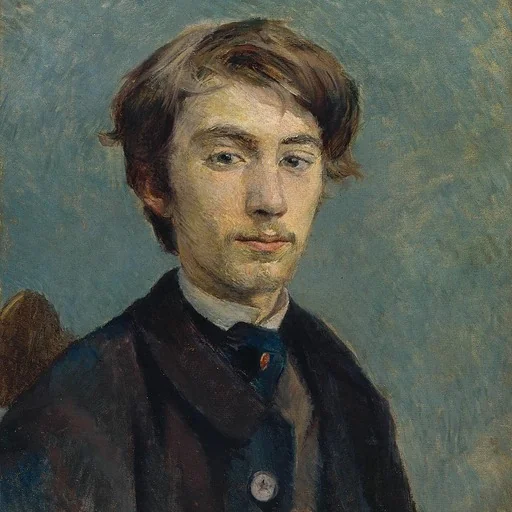
Émile Henri Bernard (French pronunciation: ; 28 April 1868 – 16 April 1941) was a French Post-Impressionist painter and writer, who had artistic friendships with Vincent van Gogh, Paul Gauguin and Eugène Boch, and at a later time, Paul…

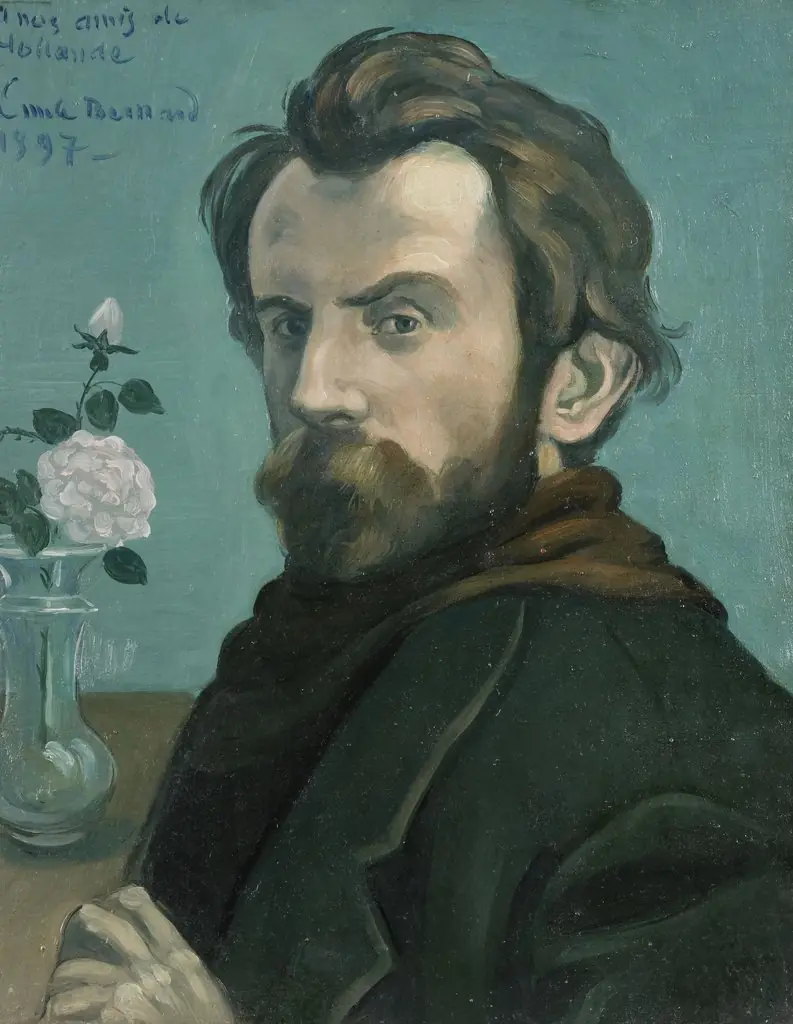
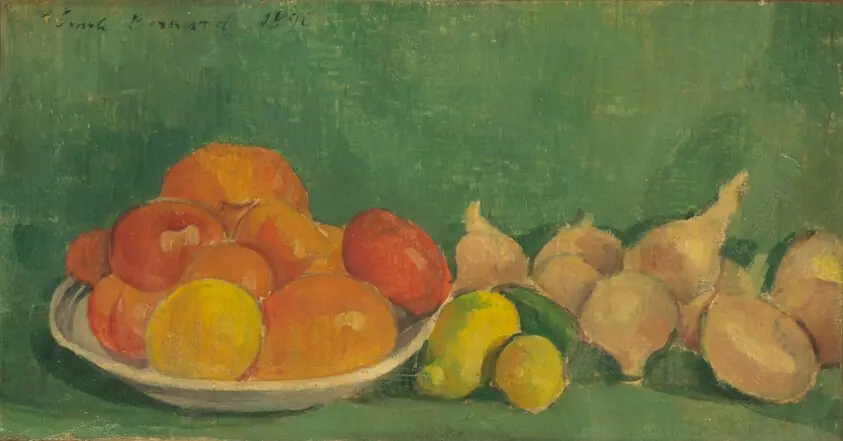
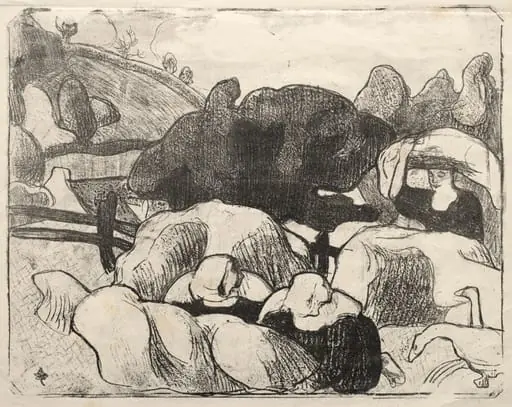 Les Bretonneries: Breton Women Making Haystacks (Bretonnes Faisant les Foins)
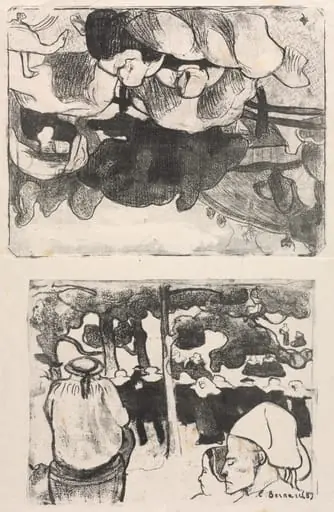 Les Bretonneries: Breton Women Making Haystacks (Bretonnes Faisant les Foins) and Wedding in Brittany (La Noce en Bretange)
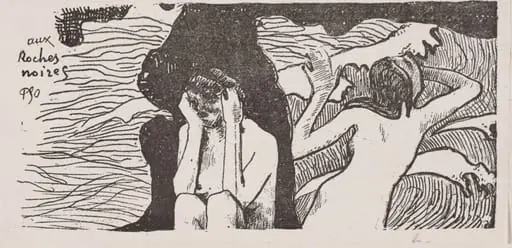 The Black Rocks
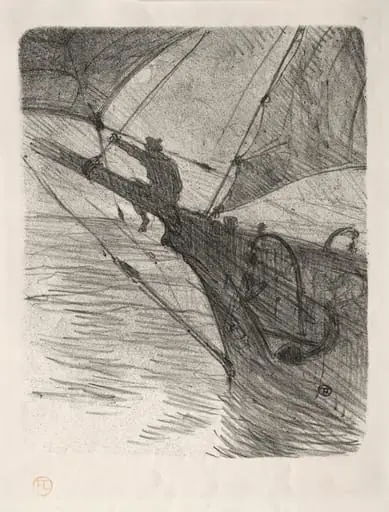 Oceano Nox
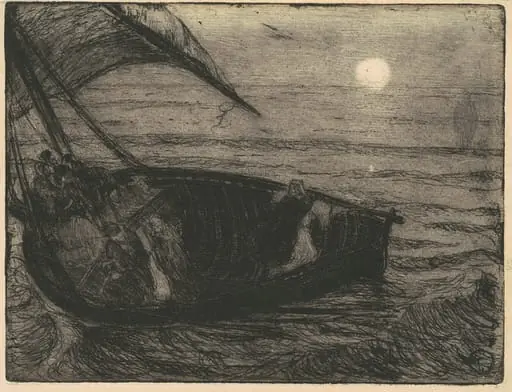 Christ Walking on the Water
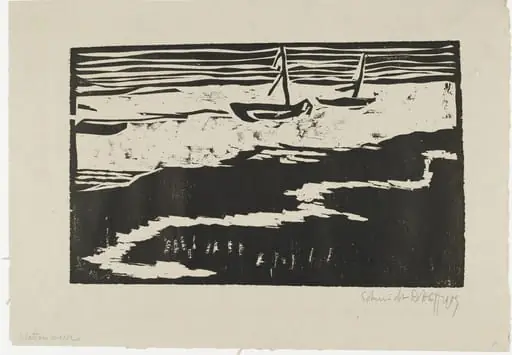 Untitled
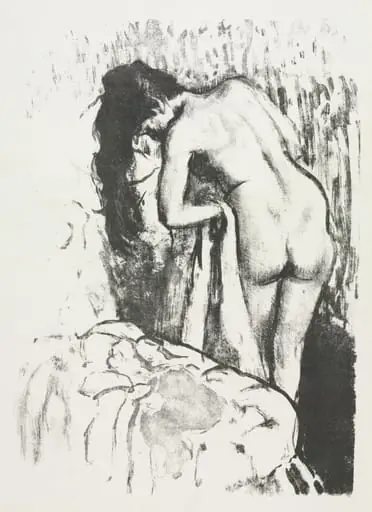 Nude Woman Standing, Drying Herself
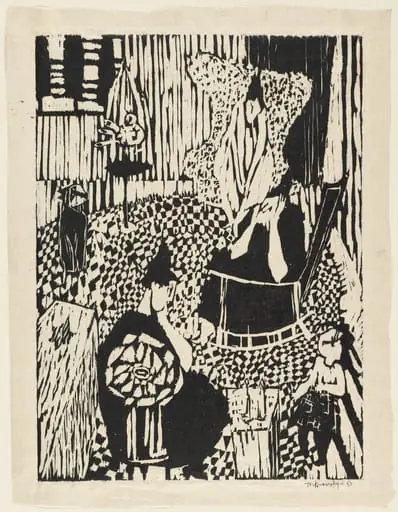 Untitled
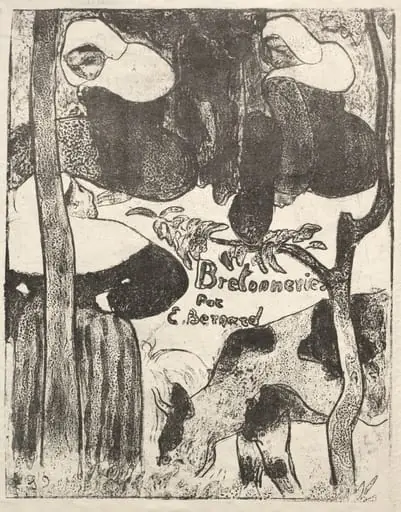 Les Bretonneries: Title Page (Page de Titre)