Artwork
The Swineherd
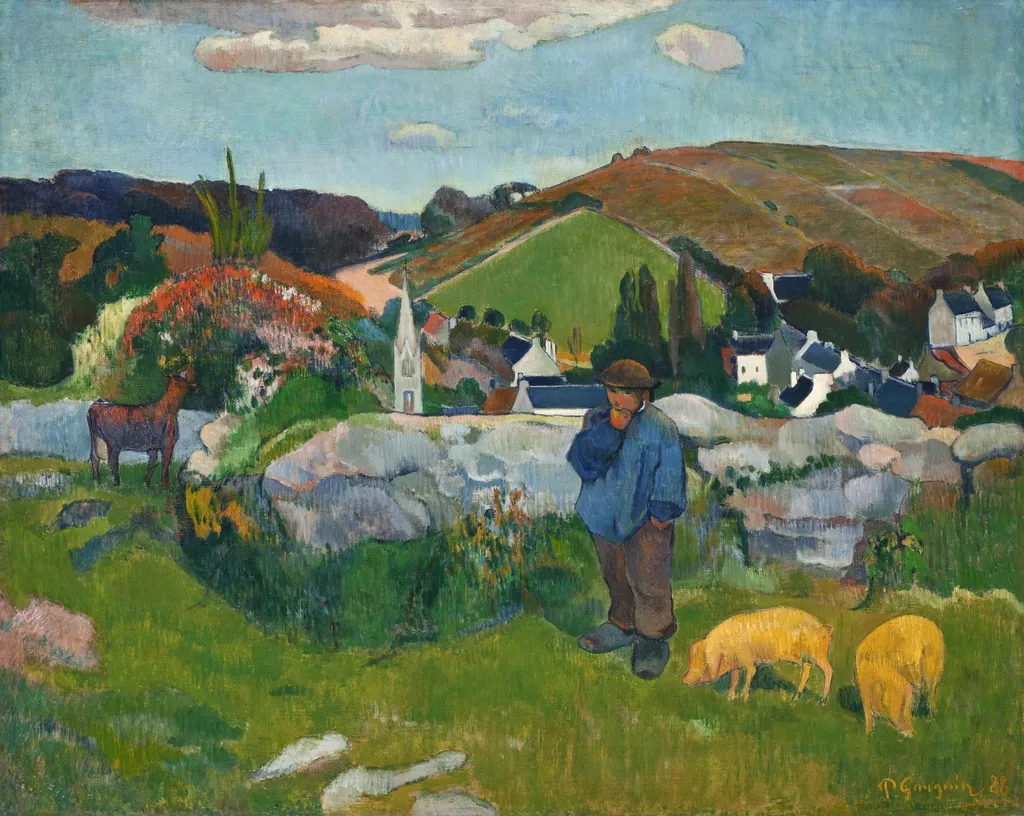
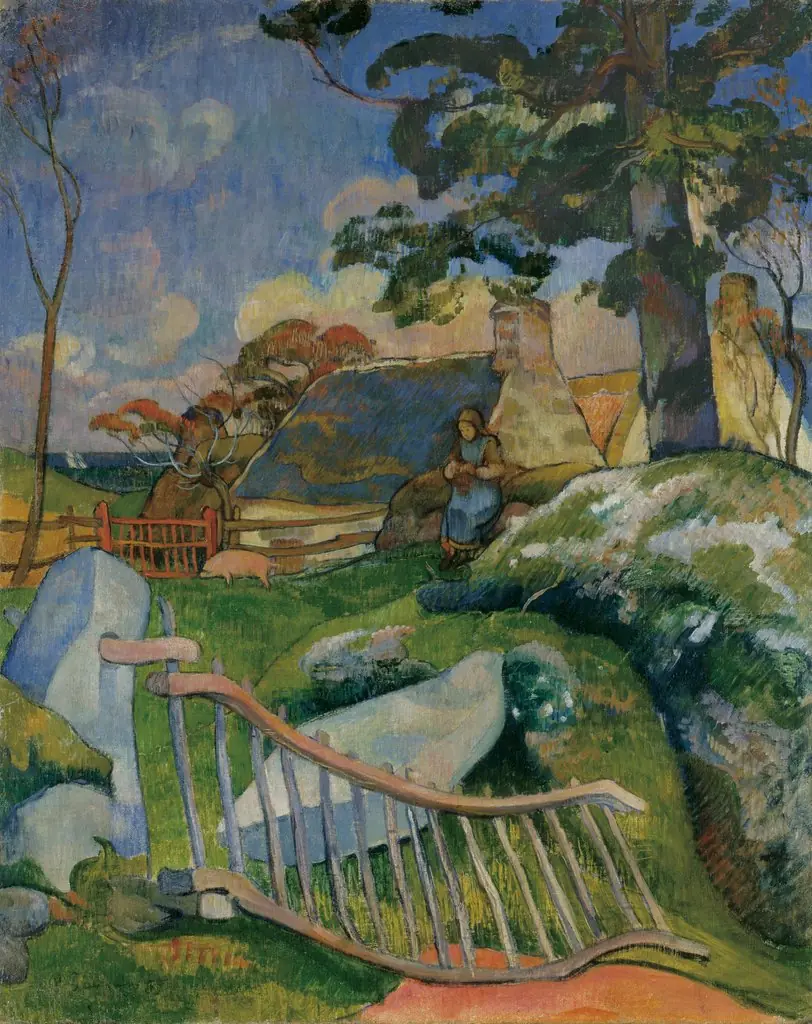
The Swineherd is an oil painting by the Post-Impressionist artist Paul Gauguin. It dates from 1894 and is held in the collection of the Los Angeles County Museum of Art.
About this work
Overview
Painted in 1894, *The Swineherd* is an oil work by Paul Gauguin created during his stay in Pont-Aven, Brittany.
Painted in 1894, *The Swineherd* is an oil work by Paul Gauguin created during his stay in Pont-Aven, Brittany. It reflects his departure from Impressionist naturalism toward a more symbolic approach. The scene captures a rural laborer with his pigs against a quiet landscape, rendered with flattened forms and deliberate color choices characteristic of Gauguin’s Synthetist phase. The painting now resides in the collection of the Los Angeles County Museum of Art.
Subject & Meaning
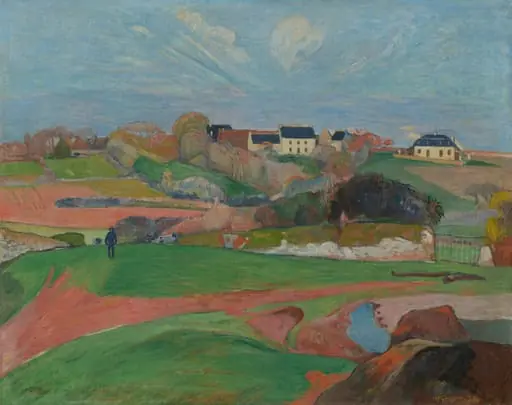
The painting portrays a swineherd, a figure of rural labor, accompanied by two pigs in a tranquil Breton setting. Gauguin was drawn to such subjects as embodiments of simplicity and spiritual authenticity, contrasting with urban modernity. The figure’s quiet presence and the undisturbed landscape suggest a contemplative harmony with nature, aligning with Gauguin’s search for primal, uncorrupted life beyond industrial Europe.
Technique & Style
Gauguin employed bold, non-naturalistic color and simplified forms, rejecting optical realism in favor of emotional resonance. The swineherd and pigs are rendered with solid outlines and muted tones, while the background village and hills are softened into hazy planes of blue and white. This contrast between detailed foreground and abstracted distance reflects Synthetism’s goal: to synthesize observation with inner feeling rather than depict surface appearances.
History & Provenance
Created during Gauguin’s second extended stay in Pont-Aven, the painting emerged from a period of intense artistic experimentation alongside other Symbolist painters. It remained in private collections after its completion and entered the Los Angeles County Museum of Art’s holdings in the 20th century. Its provenance reflects its status as a significant, though not widely exhibited, work from Gauguin’s mature phase in Brittany.
Context
In the 1890s, Gauguin sought refuge from Parisian art circles in rural Brittany, drawn to its perceived cultural isolation and traditional ways. *The Swineherd* aligns with his broader effort to elevate peasant life as spiritually meaningful. This context places the work within a wider movement among Post-Impressionists to reframe everyday subjects through symbolic and decorative means, distancing themselves from academic traditions.
Legacy
Though less celebrated than Gauguin’s later Tahitian works, *The Swineherd* exemplifies his transitional style and philosophical aims. It influenced later artists exploring emotional expression through color and form, contributing to the development of modern symbolic painting. Its quiet dignity and formal innovation continue to inform discussions on the role of rural life in modern art.
Own this work as a print
Artist & collection
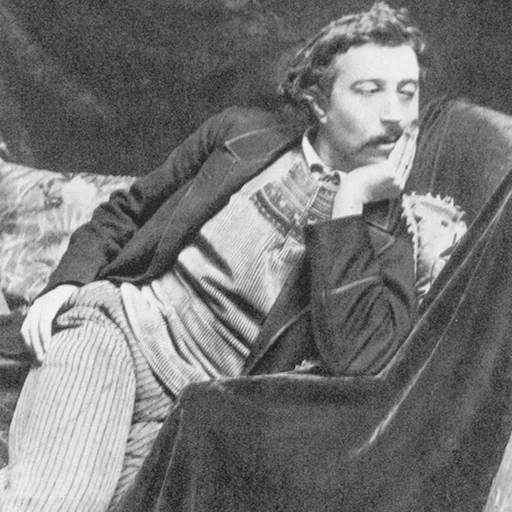
Artist
Eugène Henri Paul Gauguin (; French: ; 7 June 1848 – 8 May 1903) was a French painter, sculptor, printmaker, ceramist, and writer, whose work has been primarily associated with the Post-Impressionist and Symbolist movements.