Artwork
Bourgeoise
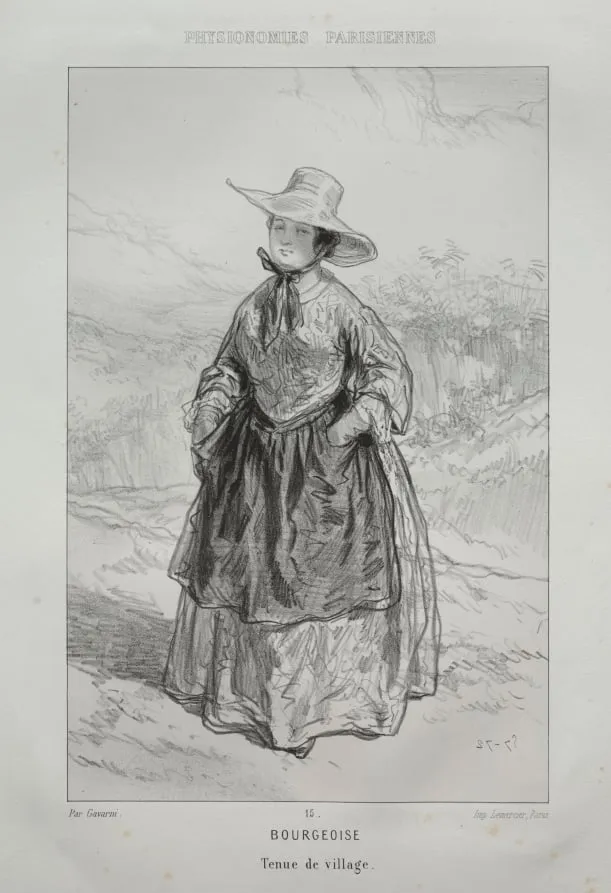
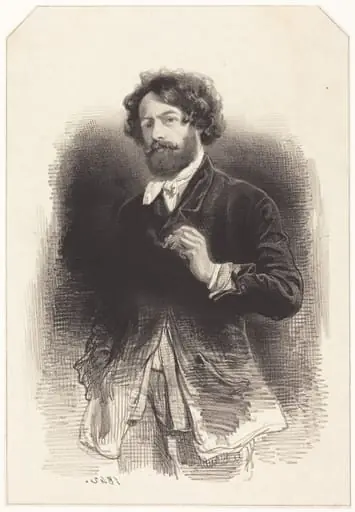
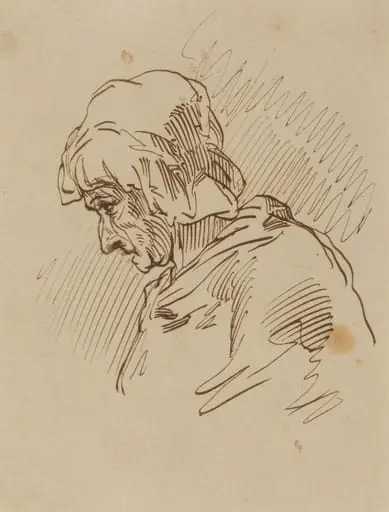
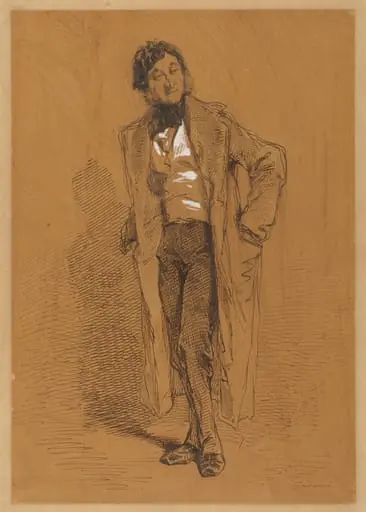
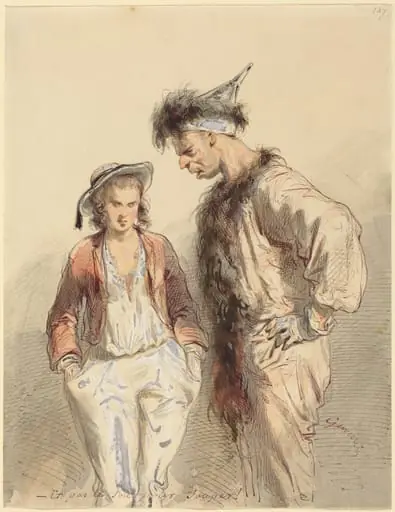
Bourgeoise is a print by the Impressionist artist Paul Gavarni. It dates from 1857 and is held in the collection of the Cleveland Museum of Art.
About this work
Overview
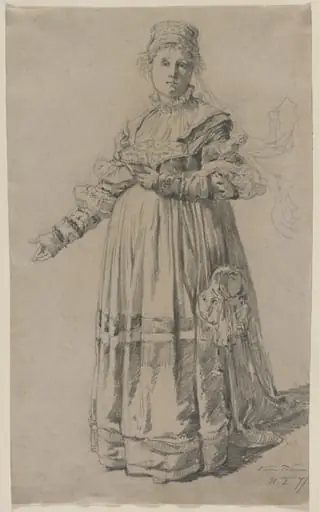
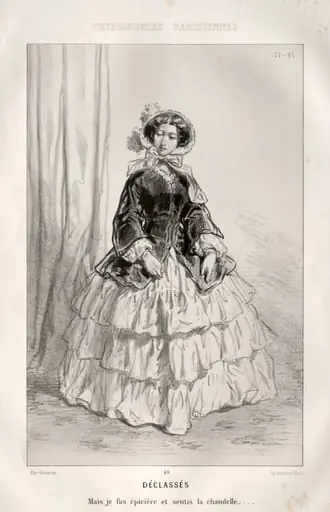
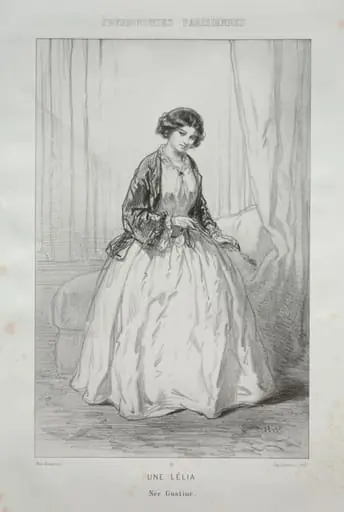
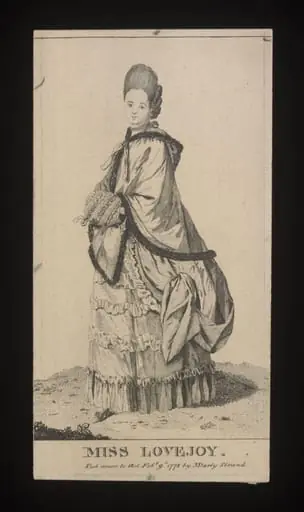
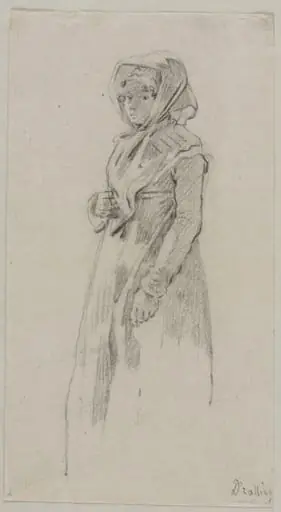
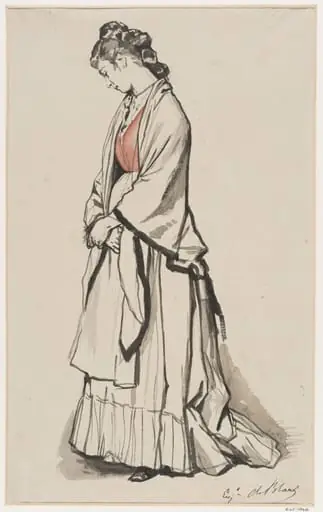
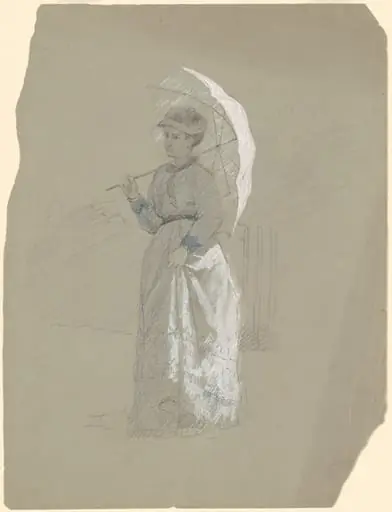
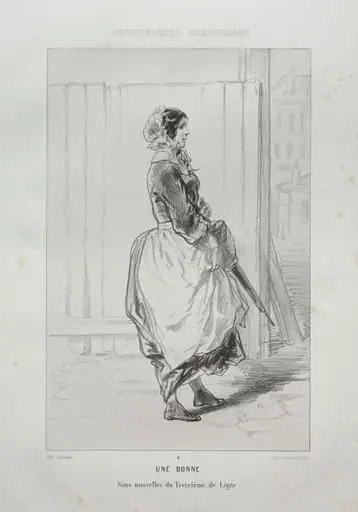
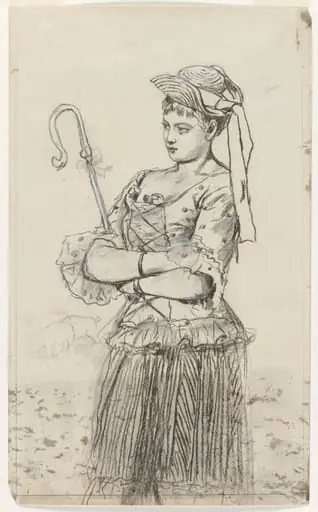
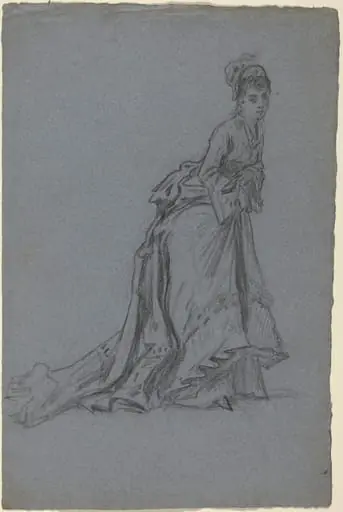
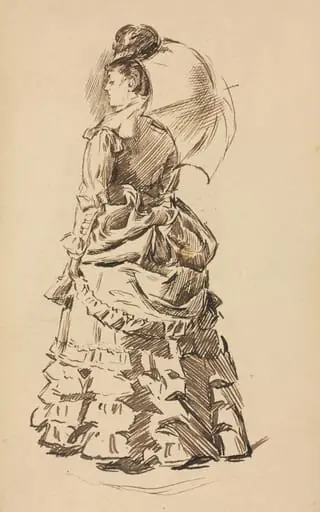
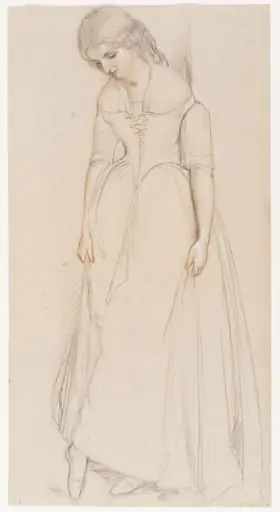
The work captures a solitary woman in a rural setting, rendered with careful attention to costume and environment.
Bourgeoise is a lithograph by French artist Paul Gavarni, dated around 1857. It is part of the collection at The Cleveland Museum of Art. The work captures a solitary woman in a rural setting, rendered with careful attention to costume and environment. Though often described as a painting, it is a printed image, characteristic of Gavarni’s engagement with illustrated periodicals and social observation through print media.
Subject & Meaning
The figure is a middle-class woman, identified by her attire and posture, moving quietly through a landscape. Her face is indistinct, and her hands are concealed, suggesting introspection or social restraint. The composition avoids narrative drama, instead emphasizing solitude and the quiet routines of urban bourgeoisie life, reflecting Gavarni’s interest in class behavior and unspoken social norms.
Technique & Style
Gavarni employed lithography to achieve fine tonal gradations and delicate line work. The woman’s dress and the surrounding terrain are rendered with precise detail, while her features are softened to avoid individualization. The palette is subdued, dominated by dark grays and browns, reinforcing a mood of quiet solemnity. The style aligns with Realism’s focus on ordinary subjects, though the medium and compression of form reflect print-making conventions of the era.
History & Provenance
Created during Gavarni’s active years contributing to French illustrated journals, the print likely circulated in publications before entering institutional collections. It was acquired by The Cleveland Museum of Art in the 20th century as part of its growing holdings in 19th-century European graphic art. Its preservation reflects early interest in lithography as a vehicle for social commentary beyond fine art painting.
Context
In mid-19th century France, lithography enabled artists to reach broad audiences with images of everyday life. Gavarni, known for satirical and observational prints, used this medium to document the behaviors of the bourgeoisie. Bourgeoise fits within a broader trend of artists turning from idealized subjects to the mundane, aligning with Realist ideals that valued truth over ornamentation.
Legacy
Though not widely exhibited today, Bourgeoise remains an example of how printmaking extended Realist aesthetics beyond canvas. Gavarni’s work influenced later illustrators and social commentators who used accessible media to explore class and identity. The print endures as a quiet record of a social class navigating public space with reserved dignity.
Artist & collection

Artist
Paul Gavarni was the pen name of Sulpice Guillaume Chevalier (13 January 1804 – 24 November 1866), a French illustrator, born in Paris.