Artwork
A Windmill on a Polder Waterway, Known as ‘In the Month of July’
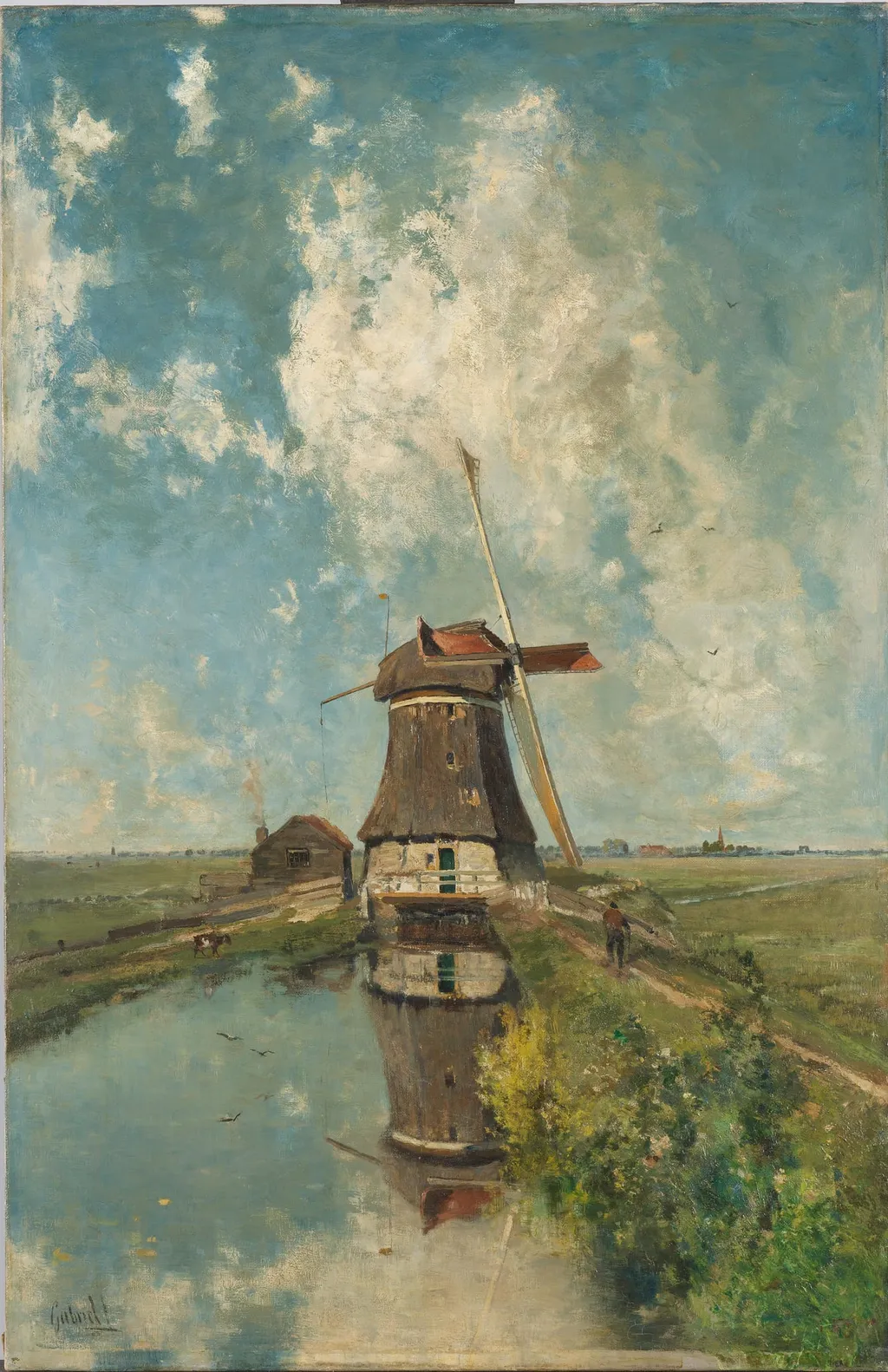
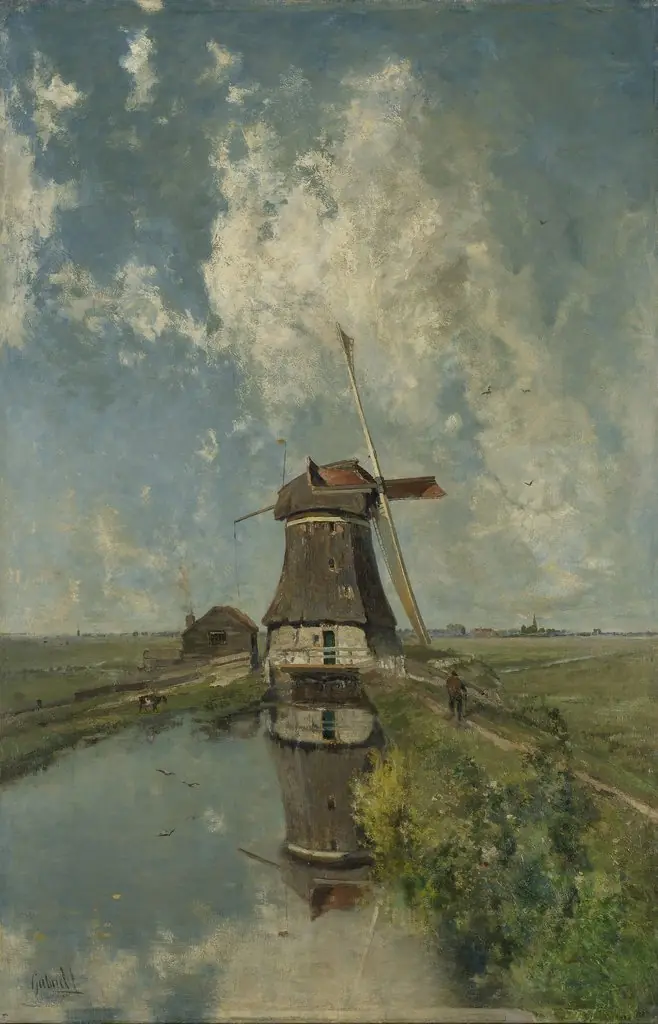
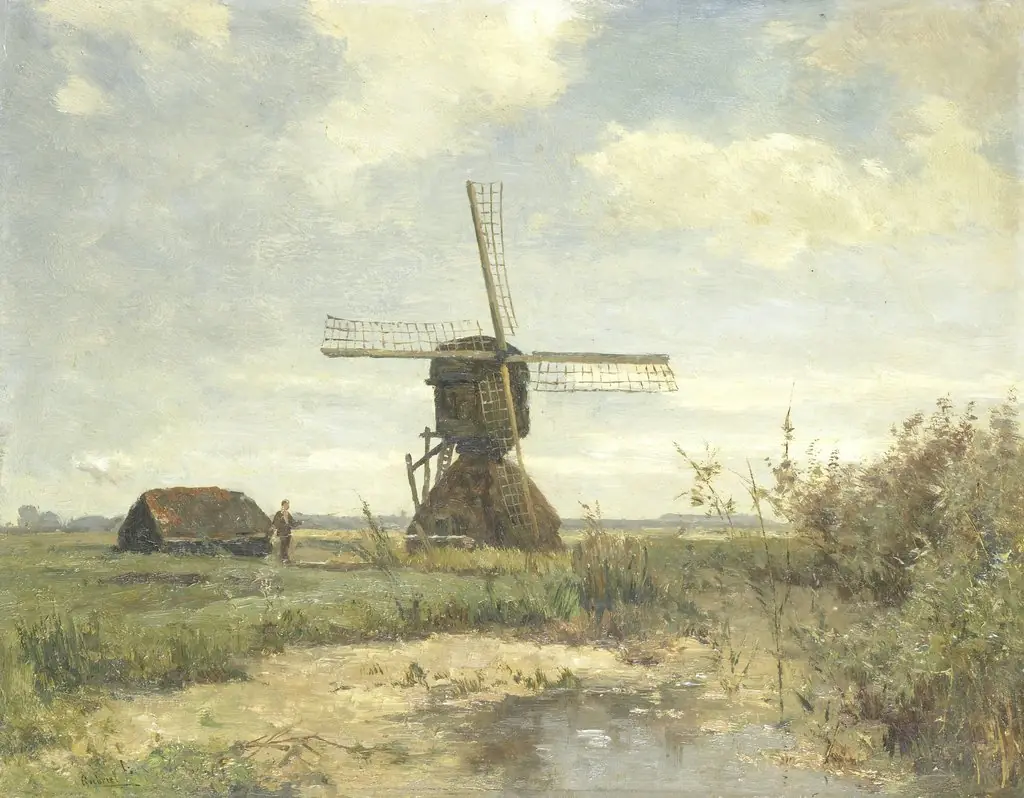
A Windmill on a Polder Waterway, Known as ‘In the Month of July’ is an unspecified painting by the Hague School artist Paul Joseph Constantin Gabriël. It dates from 1889 and is held in the collection of the Rijksmuseum. The work, titled “A Windmill on a Polder Waterway (In the Month of July),” presents a Dutch landscape bathed in bright summer light.
About this work
Overview
The composition emphasizes the vivid greens of the grass and the crispness of the daylight, offering a serene yet lively view of the countryside.
The work, titled “A Windmill on a Polder Waterway (In the Month of July),” presents a Dutch landscape bathed in bright summer light. A solitary windmill stands beside a tranquil canal, its silhouette reflected in the still water beneath a clear blue sky. The composition emphasizes the vivid greens of the grass and the crispness of the daylight, offering a serene yet lively view of the countryside.
Subject & Meaning
The painting captures a typical polder scene: a windmill, a waterway, and surrounding meadow, all rendered on a luminous day. By focusing on the interplay of light and reflection, the artist underscores the harmony between human-made structures and the natural environment, suggesting a calm, harmonious relationship rather than the harsher, industrial narratives sometimes associated with Dutch waterways.
Technique & Style
Executed with a palette of saturated greens, blues, and warm earth tones, the work departs from the muted, misty tonality favored by many contemporaries of the Hague School. Brushwork is precise yet fluid, allowing the surface of the water to mirror the sky and vegetation with clarity. The emphasis on direct sunlight creates a crisp, almost photographic quality that highlights atmospheric clarity.
Context
Created during a period when many Dutch painters portrayed the landscape in somber, overcast conditions, this piece stands out for its celebration of bright summer weather. The artist’s correspondence reveals a conscious intent to counter the prevailing notion that the Netherlands is a grey country, even in inclement weather, by emphasizing its vibrant chromatic potential.
History & Provenance
The painting has been documented in the artist’s own letters, where he discusses his preference for colour and light. It entered public collections in the early twentieth century, becoming part of exhibitions that highlighted the diversity within the Hague School and its occasional departure from the movement’s typical tonal palette.
Own this work as a print
Artist & collection
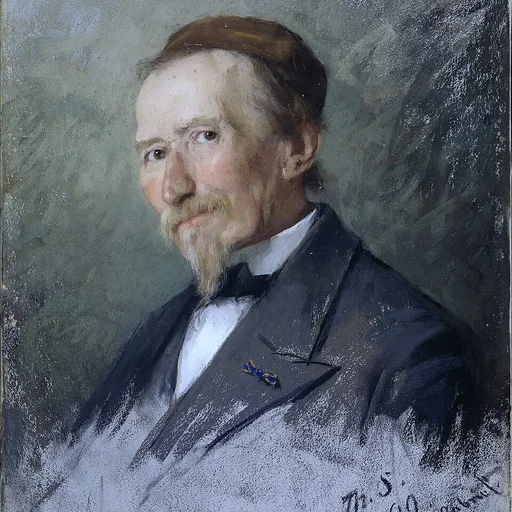
Artist
Paul Joseph Constantin Gabriël
Paul Joseph Constantin Gabriël or Paul Gabriël (5 July 1828 – 23 August 1903) was a painter, draftsman, watercolorist, and etcher who belonged to the Hague School.